
24 Apr How Fireproof Magnesium Oxide Panels Stack Up Against Other Fire-Resistant Materials
You want the safest fire-resistant building materials. Fireproof magnesium oxide panels are the best in the industry. They are better than gypsum, cement, OSB, and plywood. These panels are strong and last a long time. Builders pick these panels because they meet tough fire safety rules. They are also good for the environment. Check the table below to see how fire performance is rated:
Fire Performance Class | Criteria |
|---|---|
A1 | Non-combustibility test: temperature rise ≤ 30 °C, mass loss ≤ 50 %, no sustained flaming. |
| Gross heat of combustion: under 2.0 MJkg−1. |
A2 | Temperature rise ≤ 50 °C, mass loss ≤ 50 %, flaming ≤ 20 s. |
| Gross heat of combustion: ≤ 3.0 MJkg−1. |
B | Fire growth rate ≤ 120 Ws−1, total heat release ≤ 7.5 MJ in 600 s. |
| Flame spread ≤ 150 mm in 60 s. |
Key Takeaways
Magnesium oxide panels have the best fire resistance. They are rated A1. This makes them safer than gypsum, cement, OSB, and plywood.
These panels do not make toxic smoke. This helps keep people safe during a fire. It also gives people more time to get out.
MgO panels are strong and do not get damaged by water. They stop problems like warping and mold. This helps save money on repairs later.
It is easy to install magnesium oxide panels. You only need simple tools and steps. This helps keep fire safety high.
Picking magnesium oxide panels is good for the environment. They need less energy to make. They can also be recycled.
Magnesium Oxide Panels Overview
What Are Magnesium Oxide Panels?
You might ask why magnesium oxide panels are special. These panels are made from different materials that do not burn. They work together to stop fire from spreading. Here is what is inside:
Magnesium oxide is the main part. It helps the panels stay strong and not burn.
Magnesium chloride sticks the parts together.
Perlite keeps the panels light and helps with insulation.
Wood fiber makes the panels bend without breaking and adds strength.
Vermiculite gets bigger when hot, so it helps stop fire.
Glass mesh makes the panels tougher and harder to break.
People use magnesium oxide panels in many places in a building. The table below shows where they are used most:
Application Type | Description |
|---|---|
Walls | Used for walls that need to be strong and safe from fire. |
Sheathing | Protects buildings from water and mold. |
Subfloors | Makes floors stronger and helps them last longer. |
Fire-rated assemblies | Needed in places where fire safety is important. |
Fire Resistance of MgO Panels
Magnesium oxide panels give you great fire protection. They are in the top group of materials that do not burn. These panels do not catch fire easily. The EN 13501-1 standard shows they are safe from fire. They can handle heat up to 3000°F (1649°C) without burning or falling apart. This means you have more time to get out if there is a fire. Magnesium oxide panels stop fire longer than gypsum and fiber cement boards. They stay strong and do not make dangerous smoke. You can trust these panels to keep homes and buildings safe. Because they do not burn, they are a smart pick for fire safety.
Fireproof Magnesium Oxide Panels vs. Alternatives
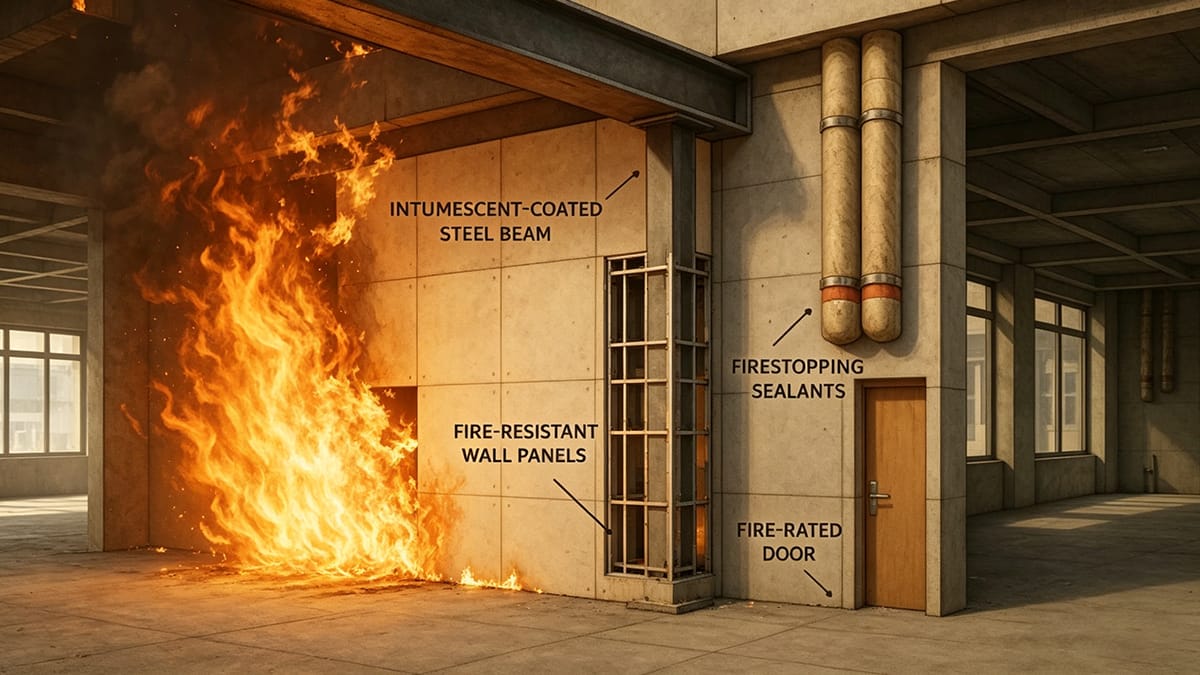 If you want the best fire-resistant material, you should compare fireproof magnesium oxide panels to other choices. This comparison will show you the good and bad sides of magnesium oxide board. You will see why it is a great fire-resistant option.
MgO Board vs. Gypsum Board
Gypsum board is also called drywall. Builders like it because it is cheap and easy to put up. But if you need strong fire protection, mgo board works much better.
Here is a table that shows how both materials do in fire:
Material | Fire Resistance Rating |
|---|---|
Magnesium Oxide Board | |
Gypsum Board | B (carbonizes at 200°C) |
Mgo board has an A1 fire resistance rating. This means it does not burn, even when it gets very hot. Gypsum board has a B rating. It starts to break down at 200°C. This can be dangerous in a fire.
Smoke is also important to think about. Smoke can hurt people in a fire. Mgo board makes almost no smoke. Gypsum board makes more smoke. Here is a table to help you see:
Board Type | Heat Resistance | Smoke Emission |
|---|---|---|
MgO Boards | High | |
Gypsum Boards | Medium | Moderate smoke emission |
If you want the safest choice, mgo board is better. It stays strong and does not fill the air with smoke. That is why people use it for fire safety.
MgO Board vs. Cement Board
Cement board is another material that can resist fire. It is strong and can take heat, but mgo board is still better for fire safety and is easier to use.
Look at this table to compare them:
Material | Fire Resistance Classification | Performance Under High Temperatures | Toxic Smoke Release |
|---|---|---|---|
Magnesium Oxide | Withstands extremely high temperatures | None | |
Cement Board | Fire-resistant | May crack or degrade under prolonged heat | Possible |
Mgo board has an A1 fire rating. Cement board is fire-resistant, but it can crack or get weak if the fire lasts a long time. Mgo board stays strong and does not make toxic smoke. Cement board might make fumes if it gets too hot.
You may also want to know how these boards do after a fire. Here is a table to show you:
Material | Structural Integrity After Fire Exposure | Ease of Handling |
|---|---|---|
Magnesium Oxide | Easier to handle | |
Cement Board | Fireproof but can weaken | Heavier, harder to work with |
Mgo board keeps its shape and strength after a fire. Cement board can get weak or break. Mgo board is also lighter and easier to move.
MgO Board vs. OSB and Plywood
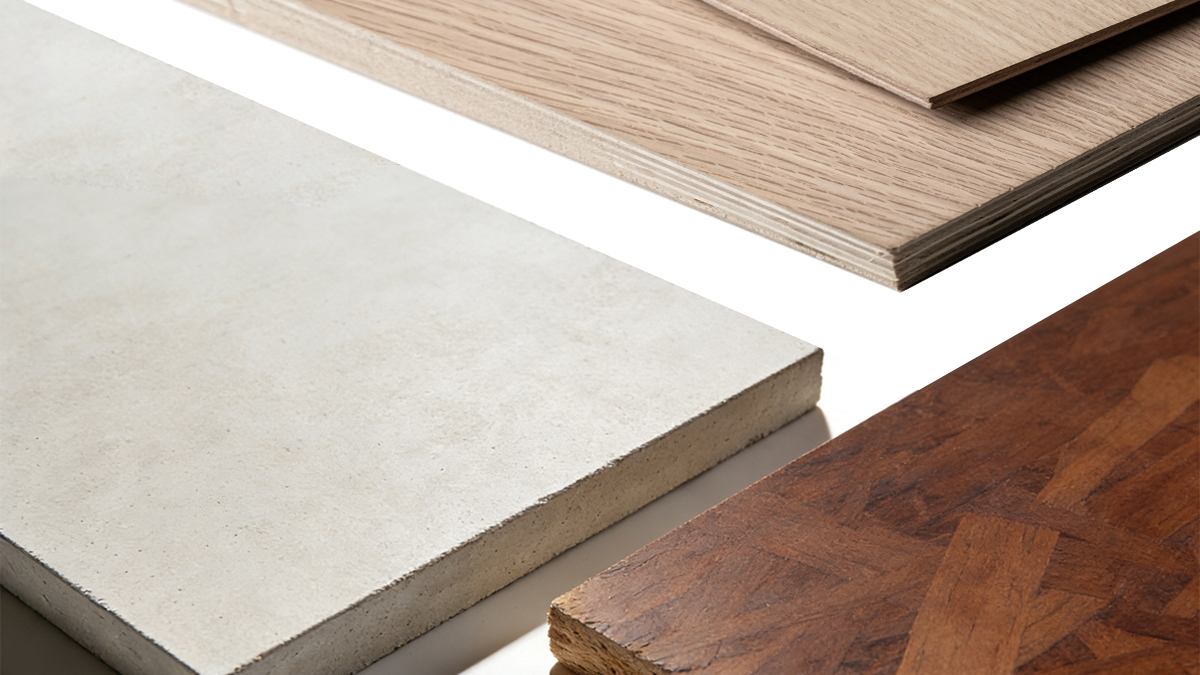 OSB and plywood are used in many buildings. They are not good at stopping fire. Both are made from wood, so they burn fast and make a lot of smoke and fumes. Fireproof magnesium oxide panels are much safer.
Here is a table to show how they do in fire:
Material | Flame Spread Rating | Combustibility |
|---|---|---|
Magnesium Oxide Board | 0 | Non-combustible |
Oriented Strand Board | High | Combustible |
Plywood | High | Combustible |
Mgo board has a flame spread rating of 0. This means fire does not move across it. OSB and plywood have high ratings. They catch fire fast and help the fire spread.
Let’s see how these materials do in real fires:
Feature | MgO Boards | OSB (Oriented Strand Board) | Plywood |
|---|---|---|---|
Fire Resistance Rating | Poor, combustible | Limited, combustible | |
Combustibility | Non-combustible | Highly combustible | Combustible |
Structural Integrity Under Fire | Maintains integrity | Fails quickly | Fails quickly |
Smoke Emission | Minimal | High | High |
Temperature Resistance | High (up to 1472°F/800°C) | Low | Low |
Toxic Fume Release | None detected | Releases toxic fumes | Releases toxic fumes |
You can see that mgo board is the safest for fire. It does not burn, stays strong, and does not make smoke or fumes. OSB and plywood burn fast and make the fire worse.
Note
If you want the best fire resistance, always pick fireproof magnesium oxide panels. They do better than gypsum, cement, OSB, and plywood in every fire test. You get better fire ratings, less smoke, and more time to get out in an emergency. For fire safety, mgo board is the safest choice.
Calcium Silicate Board
Calcium silicate board is another fire-resistant material. People use it in buildings because it can stop fire. But mgo board is still better. It is easier to use, makes less smoke, and is not as heavy. Calcium silicate board can be hard to cut and may break in high heat. Mgo board stays strong and does not make toxic fumes. When you look at fire ratings, mgo board is the best. You can use calcium silicate board for fire safety, but fireproof magnesium oxide panels give you the highest rating and safety.
Pros and Cons of Magnesium Oxide Board
You get the best fire resistance and safety.
Mgo board is simple to use and install.
It does not make toxic smoke or fumes.
It stays strong during and after a fire.
It can cost more than other boards.
It may be harder to find in some places.
If you want the best fire-resistant material, fireproof magnesium oxide panels are the top choice. They give you the highest fire rating, the best fire safety, and the most protection for your building.
Durability and Moisture Resistance
 MgO Board Strength and Moisture Performance
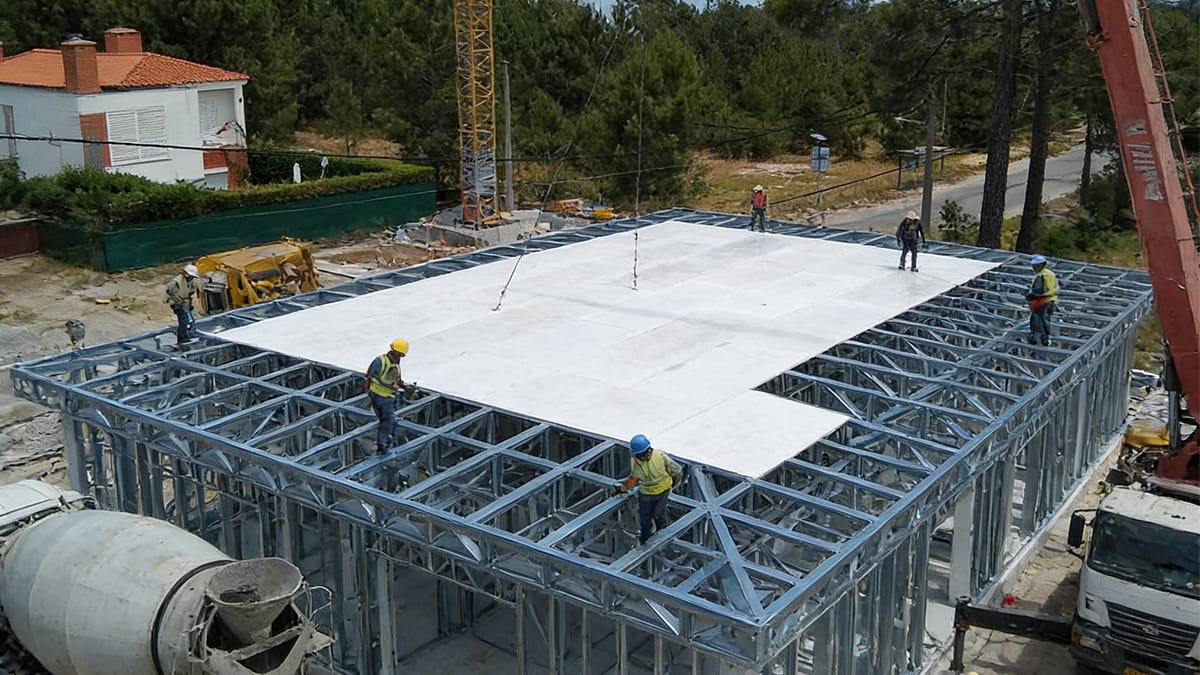 MgO Board Strength and Moisture Performance
You want building materials that stay strong even when wet. The mgo board gives you this peace of mind. It stands out because of its strength and durability. In laboratory tests, experts check how well the mgo board holds up under stress and moisture. They look at:
Bending strength and high flexural strength, which show how much force the board can take before it breaks.
Density and impact resistance, so you know the board will not crack or dent easily.
Dimensional stability, which means the board keeps its shape after getting wet or humid.
The mgo board goes through tough moisture tests. These tests make sure the board does not soak up water or fall apart. You can use mgo board in bathrooms, kitchens, or any place with lots of moisture. It will not swell, warp, or grow mold. This means you get exceptional durability and a safer home.
Comparison with Other Materials
When you compare mgo board to other panels, you see big differences. Many boards lose their strength and durability when they get wet. Gypsum board can crumble. OSB and plywood swell and break down. The mgo board keeps its power even in tough, wet places. You can count on it for longer-lasting buildings.
Here is a table to help you see how moisture affects different boards:
Material | Moisture Resistance |
|---|---|
Magnesium Oxide Board | Resistant to water and mold |
Fire-rated OSB Panel | Sensitive to moisture, can swell and degrade |
You save money over time because mgo board needs less repair. It also helps stop mold, which keeps your building healthy. If you want a board that lasts, mgo board is the smart choice.
Installation and Handling
Installing MgO Board
You can install mgo board with simple steps. This process helps you get the best fire resistance and durability. Many builders use these steps for practical applications in construction. Here is what you need to do:
Clean the surface. Make sure it is dry and free from dust.
Measure and cut the mgo board to fit your space. Use a saw or knife for clean edges.
Attach the boards to the wall or floor frame. Use corrosion-resistant screws or nails.
Leave a small gap between each panel. Fill this gap with fire-rated sealant.
Cover the joints with fire-rated tape. This stops flames and smoke from moving through the seams.
Finish the surface with paint or plaster. This protects the board and makes it last longer.
You can follow these steps to make your building safer. The mgo board gives you strong protection against fire and moisture.
Tip: Always use fire-rated sealant and tape. These materials help keep your building safe during a fire.
Practical Challenges
You may face some challenges when you install mgo board. Builders often see these problems on job sites. The table below shows the most common issues and what they mean:
Challenge | Description |
|---|---|
Moisture Absorption | Boards can take in water from the air when it is humid, causing water drops. |
Corrosion | Saltwater can accelerate rusting of metal fasteners. |
Mold Growth | Excess moisture can lead to mold on the boards and surrounding surfaces. |
Cracking | Boards may crack if not properly spaced and sealed, which can be difficult. |
You can avoid many problems by following the right steps. Keep the boards dry and use the correct fasteners. Make sure you seal all gaps. If you do this, your mgo board will stay strong and safe for years.
Environmental Impact
Sustainability of Magnesium Oxide Sheathing Board
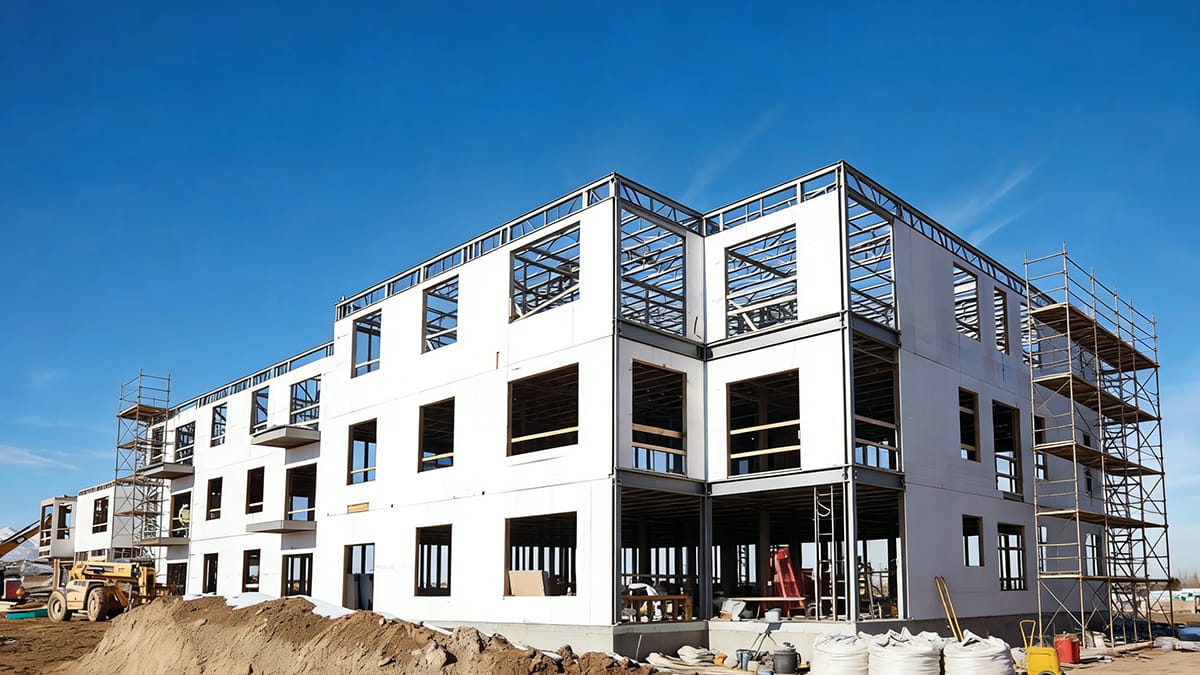 Sustainability of Magnesium Oxide Sheathing Board
You want to pick building materials that are safe for people and the earth. Magnesium oxide sheathing board is a good green option. Using magnesium oxide sheathing board helps cut down on pollution and waste. Making this board uses less energy than making other boards. This means factories put out less carbon dioxide. When the board dries, it even takes in CO2 from the air. For every ton made, about half a ton of CO2 gets trapped inside. Choosing magnesium oxide sheathing board helps fight climate change.
Magnesium oxide sheathing board does not have harmful chemicals. You can recycle or reuse old pieces instead of throwing them away. This keeps trash out of landfills. You also do not have to worry about dangerous fumes that can hurt nature. Magnesium oxide sheathing board is safe for you and the planet.
Here are some important facts about magnesium oxide sheathing board:
Takes in CO2 while drying
Uses less energy to make
Can be recycled or used again
Has no harmful chemicals
Environmental Comparison
You might wonder how magnesium oxide sheathing board compares to other fire-resistant boards. The answer is easy to see. Magnesium oxide sheathing board has a much smaller carbon footprint. Look at this table to see the difference:
Board Type | Environmental Impact |
|---|---|
Magnesium oxide sheathing board | Makes less CO2, easy to recycle, safer for nature |
Gypsum Board | Uses more energy, makes more CO2, hard to recycle |
Cement Board | High carbon footprint, gives off harmful gases |
Magnesium oxide sheathing board is better than gypsum board and cement board in every green test. Gypsum board uses more energy and makes more pollution. Cement board gives off bad gases and has a big carbon footprint. Magnesium oxide sheathing board helps you build in a way that is better for the earth.
You can also look at the carbon footprint of different materials:
Material | Carbon Footprint |
|---|---|
Magnesium oxide sheathing board | Lower carbon footprint because it uses less energy |
Drywall | Medium; mining gypsum hurts the environment |
Cement Boards | High carbon footprint from making cement |
Plywood/OSB | Uses less energy when being made |
When you pick magnesium oxide sheathing board, you make a smart choice for the earth. You help lower pollution, save energy, and keep your building safe.
Cost and Availability
MgO Board Pricing
You may notice that magnesium oxide board costs more than other common building panels. When you look at the market, you see that prices change based on where you live and how easy it is to get the materials. In North America, strict building codes and a focus on green products make MgO board more popular. Europe also supports these boards because of rules that help the environment. In Asia-Pacific, fast-growing cities and government plans affect both demand and price.
Here is a simple table to help you with a cost comparison:
Board Type | Cost per Square Foot |
|---|---|
MgO Board | $1.50 – $2.50 |
Gypsum Board | $0.50 – $1.00 |
You pay more for MgO board at first. Gypsum board costs less, but it does not last as long or protect as well against fire and water.
Long-Term Value
You want your building to last and stay safe. Magnesium oxide panels give you that peace of mind. These panels last 20 to 30 years. You do not need to repair or replace them often. They resist water, fire, and mold, so you spend less money fixing problems.
MgO board needs very little maintenance.
You do not have to worry about damage from fire, water, or mold.
The long life of MgO board means you replace it less often.
Over time, you save money because you do not need as many repairs.
Well-made magnesium oxide boards achieve high fire ratings, like 1-hour and 2-hour ratings, without extra layers. This makes them better than many other fire-resistant materials.
While you pay more at first, you get long-term savings. MgO board gives you the lowest total cost of ownership over the life of your building. You make a smart investment when you choose this material.
Code Compliance and Real-World Fire Scenarios
Meeting Fire Safety Standards
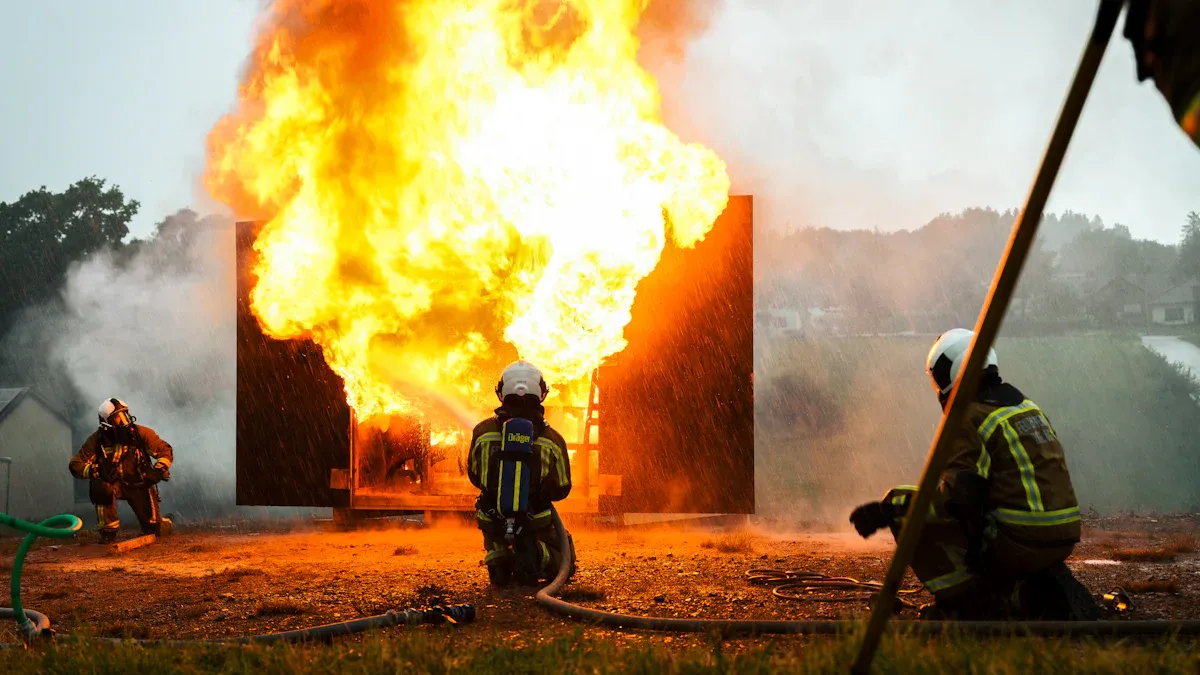 Meeting Fire Safety Standards
You want your building to be as safe as possible from fire. Magnesium oxide panels help you reach this goal. These panels pass hard tests in the United States and Europe. The table below shows how they compare:
Standard / Code | Description | Fire Resistance Rating / Classification |
|---|---|---|
ASTM E136 | Noncombustibility test | Noncombustible |
ASTM E84 | Surface flame spread | Class A rating |
EN 13501-1 | European fire classification | Class A1 (noncombustible) |
It is important to know what these tests check. Here is a simple guide:
Test Standard | Purpose | What It Measures |
|---|---|---|
ASTM E84-24 | Surface burning characteristics | Flame spread, smoke developed |
EN 13501-1+A1:2010 | European fire classification | Fire-resistance ratings |
NFPA 285 | Wall assembly fire performance | Fire-resistance rated assemblies |
Many building rules say you must use fire-resistant materials. For example:
CRC § R302 says outside walls need fire-resistant materials.
The California Building Code for Exterior Wildfire Exposure asks for fire-resistive wall assemblies.
The California Fire Code has strict fire safety rules for buildings.
When you pick magnesium oxide panels, you know your building follows these fire safety rules. This helps keep people and property safe.
MgO Board in Fire Events
You may wonder how magnesium oxide panels work in real fires. These panels do not burn or fall apart, even in very high heat. They stay strong and keep their shape. This gives you more time to get out and helps firefighters do their job.
When there is a fire, magnesium oxide panels do not make toxic smoke. They only let out a little water vapor. This means the air is safer for everyone. The panels also help stop the fire from spreading. They keep flames from moving to other rooms or buildings.
Tip: Using magnesium oxide panels can make your fire safety plan better. You get more protection for your building and everyone inside.
You can trust these panels to give you top fire safety. They meet tough fire safety rules and work well in real emergencies.
You get lots of good things with magnesium oxide panels. These panels stop fire better than other boards. They also keep water out and last longer. Look at the table to see how they compare:
Feature | Magnesium Oxide Panels | Gypsum Boards | Plywood |
|---|---|---|---|
Fire Resistance | Highly fireproof | Flammable | Flammable |
Water Resistance | Resists water | Warps in wet | Warps in wet |
Fire Duration | Up to 4 hours | Less than 1 hour | Less than 1 hour |
Toxic Gas Emission | None | Yes | Yes |
There are some things you should watch out for. Sometimes these panels soak up water if it is humid. They can rust if not made well. Always check the quality and follow the right steps when you install them.
Think about these points before you choose:
Description | |
|---|---|
Fire Resistance | Use other roofing layers for best results. |
Moisture Resistance | Put a waterproof layer outside. |
Installation Complexity | Leave space between joints and use strong fasteners. Check often in bad weather. |
Magnesium oxide panels help keep your building safe and strong. You make a smart choice when you use them.
FAQ
What makes magnesium oxide panels safer than other boards?
Magnesium oxide panels give you better fire safety. They do not burn or make dangerous smoke. These panels stay strong when it gets very hot. This gives you more time to get out if there is a fire.
Can you install magnesium oxide panels yourself?
You can put up magnesium oxide panels with simple tools. First, measure and cut the panels. Then, use screws to attach them. Always use fire-rated sealant and tape for the best safety. If you are not sure, ask an expert for help.
Are magnesium oxide panels good for the environment?
Making magnesium oxide panels uses less energy. They also trap carbon dioxide as they dry. You can recycle these panels when you are done with them. They do not let out bad chemicals, so they are better for the earth.
How much do magnesium oxide panels cost compared to drywall?
Magnesium oxide panels cost more than drywall. They are $1.50 to $2.50 for each square foot. Drywall costs $0.50 to $1.00 for each square foot. You save money later because magnesium oxide panels last longer.