
19 Mar Exploring the Benefits and Drawbacks of Magnesium Oxide Wallboard
If you want a wallboard that is strong against fire, water, and hits, magnesium oxide wallboard is a good choice. It is very tough, helps keep the air inside clean, and does not let mold or allergens grow. But, it can cost more, be harder to put in, and is not always easy to find. Many people pick mgo because it works better than drywall and plywood in important ways.
Magnesium oxide wallboard can stop fire for up to 4 hours. It only takes in 0.34% water. Drywall lasts 30 to 60 minutes in fire and soaks up more water.
Attribute | Magnesium Oxide Wallboard | Drywall |
|---|---|---|
Fire Resistance | Up to 4 hours | 30–60 minutes |
Moisture Absorp. | 0.34% | 3% |
Impact Strength | >4.5 KJ | <1 KJ |
Key Takeaways
Magnesium oxide wallboard is very good at stopping fire. It can last up to 4 hours. Drywall only lasts 30 to 60 minutes.
This wallboard does not soak up much water. It only takes in 0.34% water. This makes it great for wet places like bathrooms and kitchens.
Magnesium oxide wallboard is strong and hard to break. But you need special tools to put it in. You also need special skills. This can make it hard to install.
Magnesium oxide wallboard costs more money. But it lasts a long time. It also needs less fixing. So, it can save money over time.
Always check if your local store has this wallboard. It is not as easy to find as drywall or plywood.
What Is Magnesium Oxide Wallboard
 MGO Composition and Manufacturing
 MGO Composition and Manufacturing
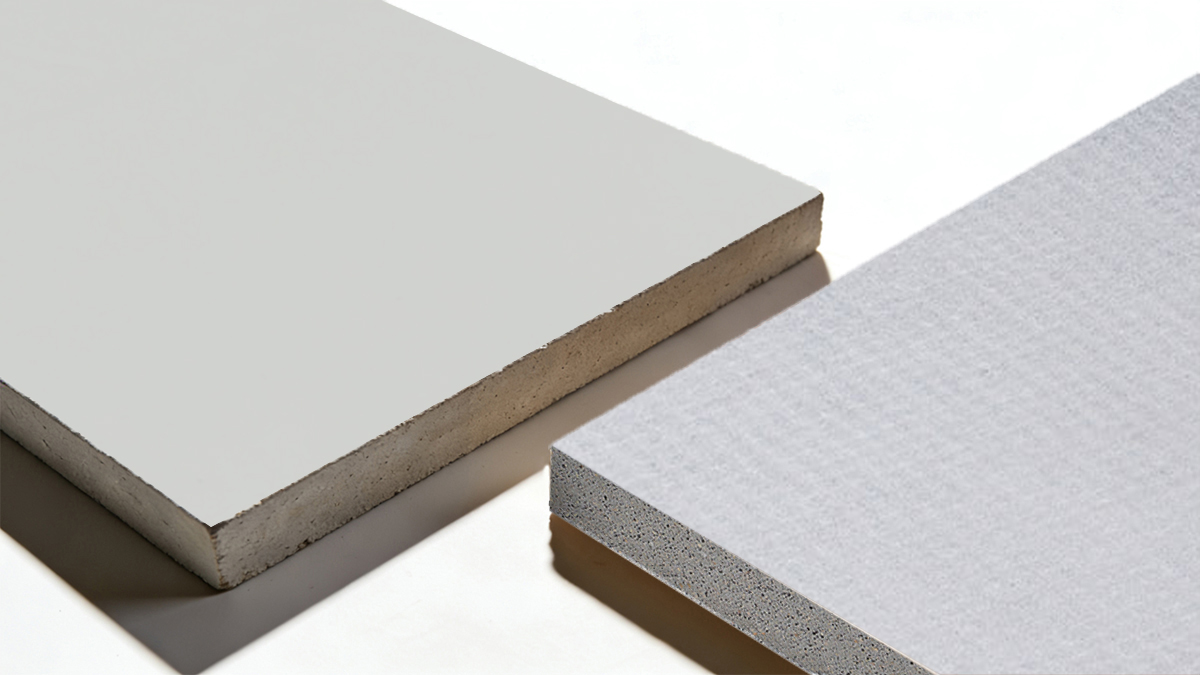
You might ask why mgo is so good for building. Magnesium oxide board is made from magnesium oxide powder. This powder comes from a rock called magnesite. Workers heat magnesite to over 600°C to make the powder. They mix the powder with magnesium salts, perlite, wood fiber, water, and fiberglass mesh. Each thing in the mix helps the board work better. Perlite and vermiculite help stop fire and keep heat in. Wood fibers and fiberglass mesh make the board bend and stay strong.
Here is how workers make mgo wallboard:
First, they get magnesium oxide and salts and mix them with water.
Next, they stir the mix fast until it is smooth.
Then, they pour the mix into molds lined with plastic.
After that, they add fabric layers to make it stronger.
Last, they flatten the top to make it smooth.
The board can handle fire, water, and hits. This way, you get a strong building material that works well in hard places.
Common Uses in Construction
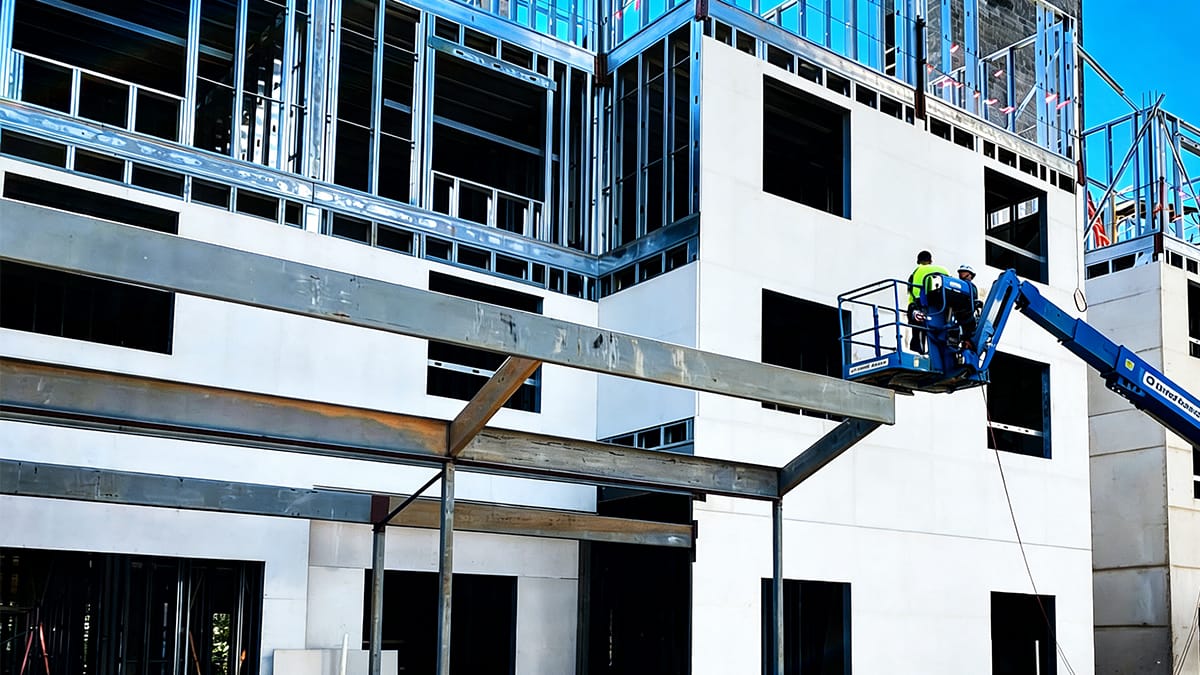
Mgo wallboard can be used in many ways. Builders use it for walls, floors, fire barriers, insulation, and soundproofing. It works in homes, stores, factories, and even for DIY projects. In North America, about 37.4% of the mgo board market is for homes. This means many new houses use mgo wallboard.
Here is a table that shows where mgo wallboard is used:
Application Area | Key Demand Drivers and Benefits |
|---|---|
Construction | Walls, floors, fire barriers, insulation, soundproofing; stops fire and water, light weight, good for the earth |
Furniture and Interior Design | Tables, shelves, cabinets, wall panels, ceilings; tough, stops fire and water, good for the earth |
Transportation | Buses, trains, ships; strong, blocks noise, keeps heat in, helps passengers feel safe |
Modular and Prefabricated Structures | Prefab homes and buildings; bends, strong, helps the earth |
Marine Building | Boat buildings; tough, lasts in hard places |
You will see mgo wallboard in buildings where safety and strength are very important.
Benefits of Magnesium Oxide Wallboard
Fire Resistance
You want your building to stay safe during a fire. Magnesium oxide wallboard gives you top fire resistance. This material passes strict fire safety tests like ASTM E84, ASTM E119, and EN 13501-1. These tests show that mgo can handle fire for up to four hours. It does not burn or make toxic smoke. Drywall, on the other hand, only lasts thirty to sixty minutes before it starts to break down.
Magnesium oxide wallboard is non-combustible. It can stand temperatures over 1800°F. Gypsum drywall has a core that can burn, so it does not protect as well. Mgo also gets a Class A fire rating. This means it does not help fire spread and does not make smoke. During a fire, mgo releases water vapor. This cools the area and slows the fire.
Here is a table that shows the fire ratings you can get with mgo:
Fire Rating | Description |
|---|---|
1-hour | Good for walls that need to last 1 hour in a fire. |
2-hour | Can replace extra layers in 2-hour fire walls. |
3-hour | Possible with the right wall setup. |
Class A | Zero flame spread and smoke made. |
You can use mgo in places where fire resistance matters most, like schools, hospitals, and high-rise buildings.
Moisture Resistance
If you worry about water damage, mgo gives you strong moisture resistance. This board only takes in 0.34% water. Gypsum drywall soaks up about 3%. Even green boards, which are made to resist water, still absorb more than mgo. You can leave mgo underwater for 100 days, and it will not break down.
Board Type | Moisture Absorption | Water Exposure Durability | Additional Notes |
|---|---|---|---|
Magnesium Oxide (MgO) | 0.34% | Can stay underwater for 100 days | Highly water-resistant, resists mold and mildew |
Gypsum Wallboard | ~3% | Not durable under long moisture | Even green boards swell, weaken, and grow mold |
Mgo does not use paper or other materials that mold likes. This keeps your walls safe in damp places like bathrooms, kitchens, and basements.
Durability and Impact Resistance
You want your walls to last and stay strong. Mgo gives you high strength and long-term durability. It has more than 4.5 Kilo Joules of impact strength. Drywall has less than 1 Kilo Joule. Mgo also has a bending strength of 18–27 MPa, while drywall has less than 5.6 MPa.
Attribute | MGO Panels | Gypsum Board (Drywall) |
|---|---|---|
Impact Strength | More than 4.5 Kilo Joules | Less than 1 Kilo Joule |
Bending Strength | 18–27 MPa | Less than 5.6 MPa |
Mgo stays strong even after years of use. It does not break down fast under stress. You will spend less on repairs because it does not get damaged easily. Plywood is strong, but it does not resist moisture as well as mgo.
Criteria | MgO Board | Plywood |
|---|---|---|
Durability | Highly durable, resists impact and moisture | Durable but less moisture resistance |
Mgo also keeps its structural strength in busy places. It works well in schools, hospitals, and offices. It can handle heavy use and does not warp or crack over time.
Indoor Air Quality and Mold Resistance
You care about the air you breathe. Mgo helps keep your indoor air clean. It does not use paper, so mold and mildew cannot grow on it. Gypsum drywall has a paper layer that can get wet and grow mold. Mgo works well in damp places and keeps your home or office healthy.
Mgo also does not give off harmful chemicals. You can use it in places where people have allergies or asthma. This makes it a good choice for homes, schools, and hospitals.
Environmental Impact
If you want to help the planet, mgo is a smart pick. Making magnesium oxide wallboard uses less energy than making cement or drywall. Mgo needs heat between 600–1300°C. Cement needs about 1400°C. Mgo makes about 22% less carbon dioxide than cement. It also absorbs 20–40% of the CO2 made during production.
Feature | Magnesium Oxide Boards | Traditional Materials (e.g., Portland Cement, Drywall) |
|---|---|---|
Energy for Production | Lower heat needed (600–1300°C) | Higher heat needed (~1400°C for cement) |
Carbon Emissions | About 22% less than cement | Higher emissions |
CO2 Absorption | Absorbs 20–40% of CO2 made | Does not absorb CO2 |
Recyclability | Fully recyclable | Limited recyclability |
Toxicity | No harmful chemicals | May release harmful chemicals |
Waste Reduction | Very durable, less waste | Less durable, more waste |
Mgo is fully recyclable. You can use leftover pieces in soil. It does not release harmful chemicals when you throw it away. Gypsum scraps are hard to get rid of and may pollute the earth. Mgo lasts longer, so you do not need to replace it as often. This means less waste and a smaller carbon footprint.
Tip: If you want a wallboard that gives you fire resistance, moisture resistance, strength, and helps the environment, mgo is a top choice.
Drawbacks of Magnesium Oxide Wallboard
 When you look at magnesium oxide wallboard, you see many strengths. Still, you should know about its weaknesses before you choose it for your project. Here are the main drawbacks you may face.
Higher Cost
You will notice that magnesium oxide wallboard costs more than drywall or plywood. The price per square foot is higher, which can affect your budget for large projects.
Material | |
|---|---|
Magnesium Oxide | $1.50 – $2.50 |
Drywall | $0.50 – $1.00 |
Several reasons make the price higher:
Board Type and Application Suitability: Some boards are made for special uses, which changes the formula and price.
Quality and Brand Reputation: Well-known brands use strict checks to keep quality high, which raises the cost.
Certifications and Industry Standards: Boards that pass tough tests and meet rules cost more.
You may find that drywall is more cost-effective for basic needs. Magnesium oxide wallboard works best when you need extra resistance to fire, water, or impact.
Installation Challenges
You might face more challenges when you install magnesium oxide wallboard compared to drywall. The tools and skills you need are different.
Cutting: You need a circular saw with a carbide or diamond blade. A regular utility knife will not work well.
Screws: You must use corrosion-resistant screws, like stainless steel or ceramic-coated ones. Drywall screws are not enough.
Tools: You need special tools, such as carbide-tipped scoring knives and cordless drills.
Aspect | Magnesium Wall Board (MgO) | Drywall |
|---|---|---|
Types of Screws | Corrosion-resistant | Regular drywall screws |
Cutting Methods | Circular saw with carbide blade | Utility knife or saw |
Essential Tools | Carbide-tipped knives, drills | Standard saws, screw gun |
Other common problems include:
The board can crack if you bend or drop it.
You may need to sand or skim coat the surface to get it smooth.
The board’s alkaline nature can make paint or glue peel off.
If the board absorbs moisture, joint compounds may not stick well.
You should plan for more time and skill when you install magnesium oxide wallboard. It is not as easy to work with as drywall.
Limited Availability
You may have trouble finding magnesium oxide wallboard in some areas. In North America, the market is growing, but it is still not as common as drywall or plywood. Builders in the U.S. and Canada use it more now, but you may need to order it from special suppliers.
In Europe and Asia, demand is rising because of strict building rules and more green building projects. Asia Pacific, especially China and India, leads the market. Still, supply chain problems can cause delays or shortages. If factories shut down or raw materials run low, you may wait longer for your order.
Competition from other materials, like fiber cement and gypsum boards, also affects how easy it is to get magnesium oxide wallboard. You should check with local suppliers before you start your project.
Brittleness and Nail-Holding Power
You need to handle magnesium oxide wallboard with care. The board is more brittle than drywall or plywood. If you bend or drop it, it can crack. This makes installation harder, especially in busy work sites.
The board does not grip nails as well as wood fiber boards. If you use nails, they may not hold tight. Screws work better, but you still need to be careful. This can be a problem if you want to hang heavy items on the wall.
Tip: Always use the right screws and avoid bending the board during installation. This helps prevent cracks and keeps the wall strong.
Surface Moisture Issues
Even though magnesium oxide wallboard has high resistance to water, it can still absorb some moisture. If the board gets too wet, it may cause problems:
The surface can become rough or stained.
Moisture can weaken the bond with joint compounds, leading to cracks.
Paint or adhesives may not stick well because of the board’s alkaline nature.
You should seal the board’s surface in wet areas. This helps keep the wall smooth and strong. If you skip this step, you may see peeling paint or loose tiles later.
Note: Not all magnesium oxide wallboard is the same. Quality can change between brands. Always check the product’s ratings and reviews before you buy.
You should weigh these drawbacks against the benefits. Magnesium oxide wallboard gives you great resistance to fire, water, and impact, but it is not perfect for every job. If you want a cost-effective and easy-to-install option, drywall or plywood may work better for you.
MGO vs. Other Wallboard Materials
MGO vs. Drywall
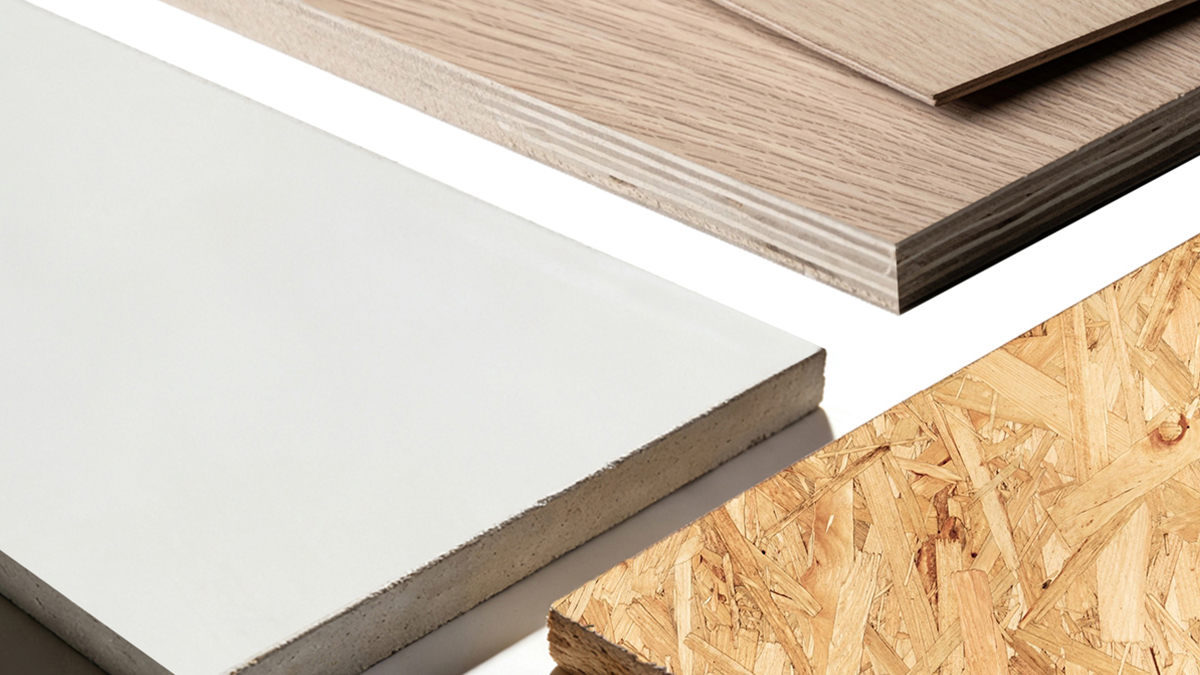 MGO vs. Drywall
You might wonder how magnesium oxide wallboard and drywall are different. Both cover walls and ceilings, but they do not work the same way. Magnesium oxide wallboard is much better at stopping fire. It does not burn or make smoke, even when it gets very hot. Drywall can slow down fire, but it will not last as long in really hot places. If you need a board that fights water, magnesium oxide wallboard is a good pick. It does not bend or grow mold when it gets wet. Drywall can soak up water and fall apart quickly.
Here is a table to show the main differences:
Attribute | Magnesium Oxide Wallboard (MGO) | Drywall |
|---|---|---|
Fire Resistance | Non-combustible, withstands high temperatures | Moderate fire resistance, not as effective in high-risk areas |
Moisture Resistance | Resists moisture, does not warp or support mold | Can deteriorate quickly when exposed to water |
Cost | More expensive, but may offset costs with longevity | Lower material cost, lighter and easier to handle |
Ease of Installation | Heavier, more challenging to install | Lighter, faster installation, lower labor costs |
Drywall is easier to cut and put up. Magnesium oxide wallboard needs special tools and more care. It costs more, but you might save money later because it lasts longer and does not need many repairs. If you want the best wallboard for fire and water, magnesium oxide wallboard is the best choice. For quick jobs or small budgets, drywall works well.
MGO vs. Plywood and OSB
You might also want to compare magnesium oxide wallboard to plywood or OSB. These wood boards are strong and used a lot in building. Magnesium oxide wallboard is naturally good at stopping fire. Plywood and OSB need chemicals to slow fire down. If you worry about water, magnesium oxide wallboard does not let water in or grow mold. Plywood and OSB can swell up and break if they get wet.
Here is a table to show the differences:
Feature | Magnesium Oxide (MgO) Boards | OSB |
|---|---|---|
Fire Resistance | Naturally fire-resistant, withstands high temps | Treated with fire-resistant chemicals |
Water Sensitivity | Resists water, reducing mold risk | Can swell and degrade when wet |
Environmental Impact | Made from recycled materials, no chemical treatments | Chemical treatments raise concerns |
Cost | Generally more expensive than OSB | More cost-effective for large projects |
Strength and Durability | High strength and durability | Known for strength, suitable for sheathing |
Installation Benefits | Can lead to overall cost savings despite higher initial price | Less installation time required |
Magnesium oxide wallboard costs more at first, but you might save money because you do not need to fix it as much. Plywood and OSB are faster to put in, but you may have to replace them if they get wet or break. If you want a board that fights fire and water, magnesium oxide wallboard is a smart choice. For big jobs with small budgets, plywood or OSB might be better.
MGO vs. Cement Board
You may also think about using cement board. Cement board is good at fighting water and fire. Magnesium oxide wallboard is just as good or even better. Magnesium oxide wallboard is lighter than most cement boards, so it is easier to move. Both boards stop mold and last a long time.
Cement board often costs more than magnesium oxide wallboard. You may find magnesium oxide wallboard is easier to cut and put up because cement board can be heavy and break easily. If you want a board that is strong and easy to use, magnesium oxide wallboard is a great pick.
Tip: Always check if your project needs special fire or water resistance. Magnesium oxide wallboard gives you more protection than gypsum board, plywood, or OSB.
Ideal Applications for Magnesium Oxide Wallboard
High-Traffic Areas
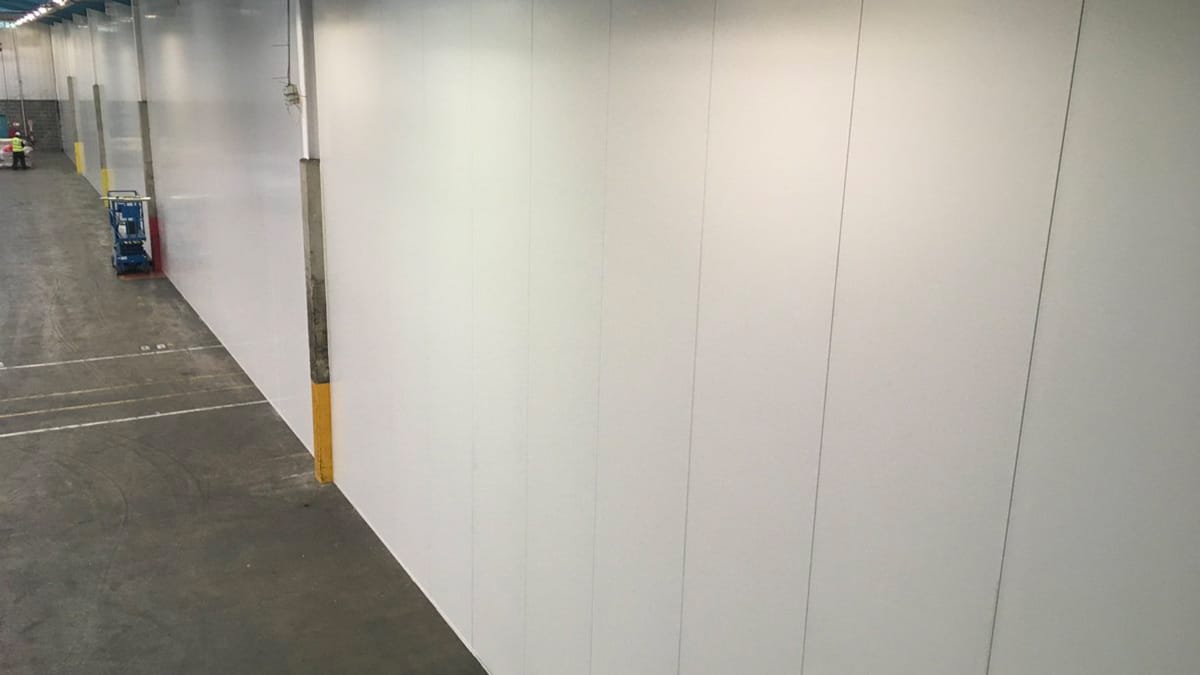 High-Traffic Areas
If a place is busy, you want strong walls. Magnesium oxide wallboard works well in schools and hospitals. It is also good for stores and offices. The board helps keep people safe during fires. It blocks flames and gives more time to leave. It also stops mold and moisture, so the air stays clean. In hospitals, this means fewer germs on the walls. In schools, it protects rooms from fire and water. The board does not get damaged by bumps or scrapes. It still looks nice even when many people walk by.
Keeps people safe in crowded places
Stops mold and moisture for clean air
Lasts a long time, even with heavy use
Can be put up quickly for big jobs
Tip: Put magnesium oxide wallboard in hallways, waiting rooms, and other busy spots.
Wet Environments
You need walls that do not break when wet. Magnesium oxide wallboard works in bathrooms, kitchens, and basements. It does not swell or fall apart if it gets wet. You can use it in showers, laundry rooms, and pool areas. Mold cannot grow on the board, so your space stays healthy. The surface is smooth, so you can paint or tile it. This makes it a smart pick for places with lots of water.
Area | Why Use MgO Wallboard? |
|---|---|
Bathrooms | Stops mold, resists water |
Kitchens | Easy to clean, stays strong |
Basements | No swelling, lasts a long time |
Laundry Rooms | Handles steam and spills |
Residential and Commercial Uses
You can use magnesium oxide wallboard in many places. It works in homes and big office buildings. You see it in new buildings and remodels. The board meets tough fire safety rules. You can use it for walls and ceilings. It is strong, keeps out water, and saves money over time. In offices, you do not need extra boards because one does many jobs. In homes, your walls last longer and stay clean.
Application Type | Benefits |
|---|---|
Residential | Durable, moisture-resistant, easy to maintain |
Commercial | Fire-resistant, cost-effective, long-lasting |
Industrial | Sustainable, high-performance, pest-resistant |
Note: Magnesium oxide wallboard is great for green buildings and places where safety is very important.
Magnesium oxide wallboard keeps fire and water from hurting your walls. It is strong and helps the air inside stay clean. But, it costs more money and is harder to put up. It is not always easy to find, and it can break if you are not careful. If you want walls that last and are good for the earth, MGO wallboard is a smart pick. Look at this table to help you choose what you need:
Selection Factor | Best Practice |
|---|---|
Fire Safety | Use ≥12mm for fire-rated walls |
Moisture | Choose waterproof boards for wet areas |
Budget | Balance upfront cost with long-term savings |
You can get more tips and answers at these websites:
FAQ
What tools do you need to cut magnesium oxide wallboard?
You need a circular saw with a carbide or diamond blade. A regular utility knife will not work well. Always wear a mask and goggles to protect yourself from dust.
Can you paint or tile over magnesium oxide wallboard?
Yes, you can paint or tile over it. You should seal the surface first. Use a primer made for alkaline surfaces. This helps paint or tile stick better.
Is magnesium oxide wallboard safe for people with allergies?
Magnesium oxide wallboard does not use paper or release harmful chemicals. You can use it in homes, schools, or hospitals. It helps keep indoor air clean and safe for people with allergies.
How does magnesium oxide wallboard handle extreme temperatures?
Condition | Performance |
|---|---|
High Heat | Does not burn |
Freezing Cold | Stays strong |
You can use it in hot or cold places. The board will not warp or crack.