
09 May Technical Guide to Magnesium Oxide Building Panels for Architects and Builders
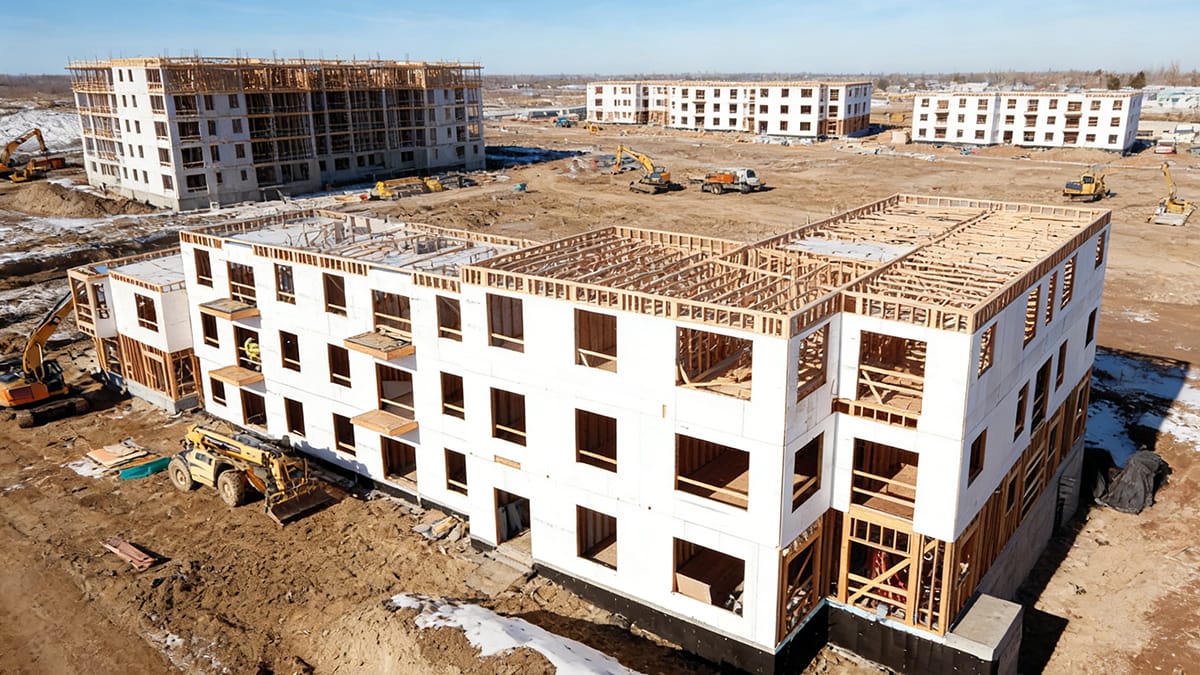
You will see that magnesium oxide building panels are a strong choice instead of regular wall systems. These panels are light but strong. They also resist fire well. This makes your designs safer and lets you be more creative. Many architects use magnesium oxide building panels for cool projects. But you should also think about how they work in real life. Magnesium oxide building panels can soak up water. This can sometimes cause metal parts to rust and water to leak out when it is humid. Some panels do not always have the same quality. They may not always pass fire safety rules. When you pick magnesium oxide building panels for your next building, you should think about how green they are, how long they last, and how easy they are to put in.
Key Takeaways
Magnesium oxide panels are light but also strong. This makes them good for many building jobs. These panels stop fire and water well. This helps keep buildings safe and strong. Using magnesium oxide boards can save money over time. They do not need much fixing or replacing. Mgo panels are good for the environment. They use less energy to make and can be recycled. This helps with green building. You must install and handle magnesium oxide panels the right way. This makes sure they work well and last a long time in any building.
Magnesium Oxide Building Panels Overview
What Are Magnesium Oxide Boards
You might see magnesium oxide boards in new buildings. People call these panels mgo boards. They are a smart choice instead of gypsum board or plywood. You can use them for walls, ceilings, and floors. Magnesium oxide boards are strong but not heavy. This means you can move them easily, but they are still tough.
If you pick mgo, you get a material that fights fire, water, and mold. This makes magnesium oxide boards good for inside and outside. You can use them in schools, hospitals, offices, and homes. Many builders like mgo because it is safe and lets them be creative. Mgo boards can be used as sheathing, tile backer, or under decorations.
Here is a table to help you compare magnesium oxide boards with other panels:
Property | Description |
|---|---|
Fire Resistance | Works well in high heat and stays strong. |
Moisture Stability | Does not soak up much water, so it lasts in wet places. |
Durability | Stays strong against rust and weather, so buildings last longer. |
Chemical Inertness | Does not react badly with other things, so it can be used in many ways. |
Low Density & High Strength | Is lighter and stronger than many old materials. |
You can see that magnesium oxide boards have special features. These make mgo a great pick for safe and strong buildings.
Composition and Manufacturing
You may wonder why magnesium oxide boards are special. Makers mix magnesium oxide powder, magnesium chloride, water, and other things. This mix turns into a paste like cement. Workers pour the paste into molds and press it flat. After it dries, you get a strong and steady panel.
Mgo is a cement board that does not burn, rot, or get bugs. You can cut and shape magnesium oxide boards with normal tools. This makes putting them in easy and fast. Mgo panels do not let out bad chemicals when you use them. This helps keep the air inside healthy.
You can use magnesium oxide boards in many ways. Some uses are fire walls, wet area linings, and outside walls. You can also use mgo under stucco or stone. Magnesium oxide boards are flexible for many building needs.
Tip: If you pick mgo, you help the planet. Magnesium oxide boards are stronger and keep heat better than old materials.
You can count on mgo to work well every time. The way they are made keeps the quality high. You get a panel that works for new buildings or fixing old ones.
Magnesium oxide boards help you build safe and long-lasting places.
Mgo is good for green building.
You can trust mgo to fight fire, water, and bugs.
With magnesium oxide boards, you get more choices and feel safe. You can make cool spaces that last a long time.
Durability and Strength Features
 Fire and Moisture Resistance
 Fire and Moisture Resistance
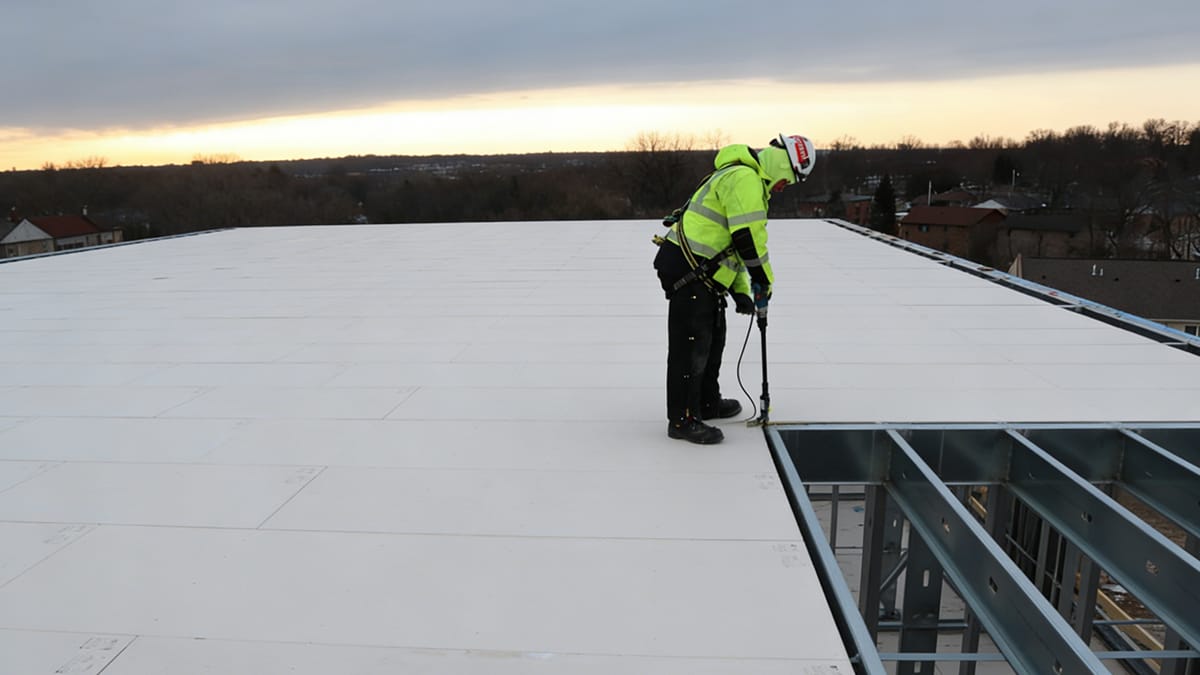
You want your building to be safe for a long time. Magnesium oxide panels are great at stopping fire. These panels do not catch fire or let flames spread. You can count on them to keep your project safe from fire. They also do not make smoke or bad fumes if there is a fire. This keeps the air clean and helps people get out safely.
Here is a table that shows how magnesium oxide panels compare to other materials:
Material | Flame Spread | Smoke Developed |
|---|---|---|
Magnesium Oxide Panels | Zero | Zero |
Gypsum | Moderate | Moderate |
Fiber Cement Boards | Low | Low |
You can see magnesium oxide panels are best for fire safety. They can handle heat over 750°C (1,382°F) and do not change color. This gives people more time to leave and keeps everyone safer.
Magnesium oxide panels also keep water out. They do not soak up water. You will not see swelling, bending, or leaks. This makes them perfect for wet places and rooms with lots of moisture. You can trust their waterproof and mold-fighting power to keep your building healthy.
Tip: Pick high-density magnesium oxide panels for even more strength. They fight fire, mold, and damage from weather better than regular panels.
Mold, Insect, and Chemical Protection
You need building materials that stop mold, bugs, and chemicals. Magnesium oxide panels keep water out and stop mold from growing. Their mineral mix pushes away water, so mold, mildew, and fungus cannot grow. This helps the air inside stay clean and lowers health risks.
Magnesium oxide panels do not bring in pests or termites. You do not have to pay for big repairs or use strong chemicals. These panels also do not have bad things like ammonia, formaldehyde, or asbestos. You make safer places for people to live and work.
High-density magnesium oxide panels stay strong even in tough weather. They do not bend or swell, so you can trust them anywhere. You will spend less time fixing things, which saves money.
Magnesium oxide panels give you strong and long-lasting buildings. They protect your building from fire, water, mold, and bugs.
Benefits for Building Projects
Lightweight and Design Flexibility
Magnesium oxide boards are good for building projects. They are light, so you can move them easily. Workers can carry and install them without trouble. You can cut and shape mgo panels for many designs. This helps you make cool spaces with less work.
You pay less for labor because workers finish faster.
You save money on shipping since the panels are light.
Workers are safer because the panels are not heavy.
Magnesium oxide boards are also tough. They do not get ruined by water, mold, or bugs. You will not need to fix them often. These things help you finish your project on time and save money.
Environmental Impact and Sustainability
You want your building to be good for the planet. Magnesium oxide boards are better for the environment. They use less energy to make than gypsum board or fiber cement. This means less pollution and less waste.
Magnesium Oxide Boards | Gypsum Board | Fiber Cement | |
|---|---|---|---|
Energy Consumption | Lower | Higher | Higher |
Carbon Emissions | Lower | Higher | Higher |
Recyclability | Yes | No | Limited |
Toxicity | Non-toxic | Toxic | Varies |
Durability | High | Moderate | High |
Frequency of Replacement | Less Frequent | More Frequent | Moderate |
Magnesium oxide boards help you get green building points. They are easy to recycle and do not have bad chemicals. You help the earth when you pick mgo for your building.
Contribution Aspect | LEED Credit(s) | Description |
|---|---|---|
Sustainable Resources | MR Credit 6 | All byproducts are recycled in a closed system. |
Packaging Efficiency | MR 2, 4 | Packaging uses less material and makes less trash. |
Waste Minimization | MR 2.1, 2.2 | Not much waste is made, and leftovers can be recycled. |
Responsible Disposal | MR 2.1, 2.2 | Panels can be recycled and break down naturally. |
Clean Air Quality | EQ Prereq 1, EQ 1, 4.1, 4.4 | No bad stuff in the air, so indoor air is better. |
Reusability | MR 3.1, 3.2 | You can use the panels again if you use screws. |
Energy Efficiency | EA Prereq 2 | Makes new buildings use 10% less energy. |
Health and Safety Advantages
You want your building to be safe and healthy. Magnesium oxide boards stop fire and keep out water. They do not let out bad fumes if there is a fire. This keeps people safe inside.
Advantage | Description |
|---|---|
Fire Resistance | Follows safety rules and does not make bad smoke in a fire. |
Moisture Control | Stops water from getting in, so no mold or mildew. |
Durability | Stops mold, so the air inside stays clean and safe. |
Magnesium oxide boards are good for the planet and safe for people. You get better air and do not need to fix things as much. Mgo panels help you build strong and safe places for everyone.
Material Comparison
Magnesium Oxide Panels vs. Gypsum Board
 Magnesium Oxide Panels vs. Gypsum Board
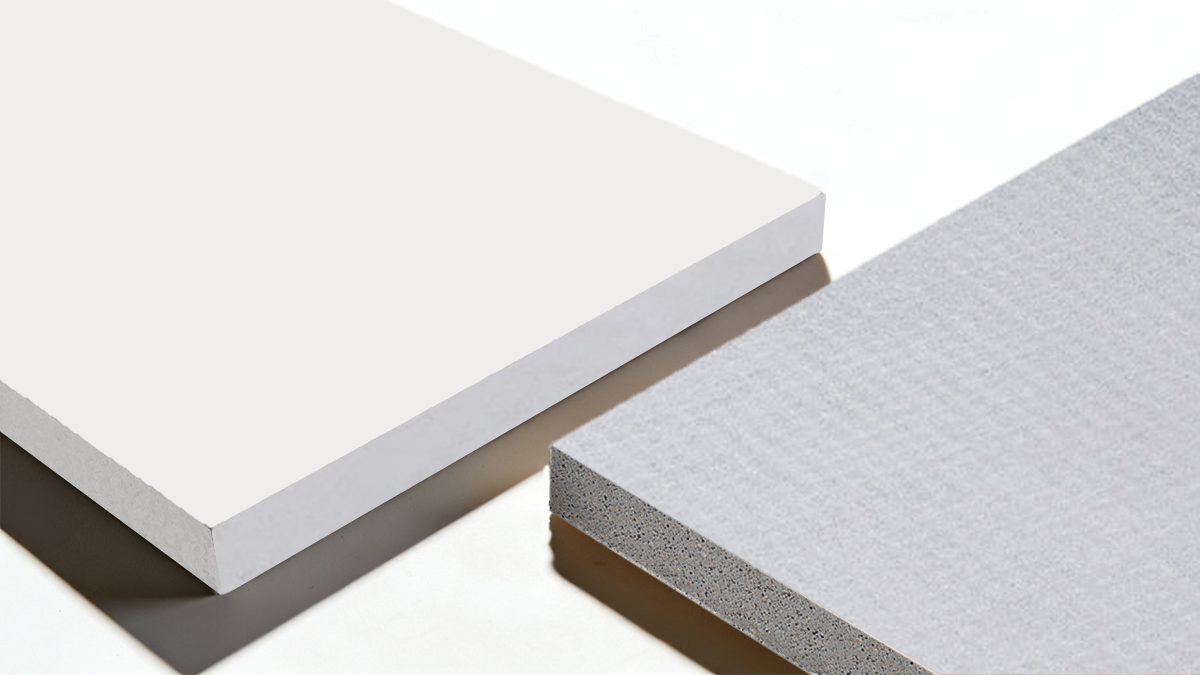
Gypsum board is used in many buildings. It is light and simple to put up. Workers finish jobs fast and save money on labor. Magnesium oxide boards, or mgo, need special tools and training. You spend more time and effort to install them. This can make labor cost more.
Here is a table that shows the average cost for big jobs:
Material | Average Cost per Square Foot |
|---|---|
MgO Boards | $1.50 – $2.50 |
Gypsum Boards | $0.50 – $1.00 |
Magnesium oxide boards cost more at first. You pay extra for the panels and to put them in. Over time, you save money because mgo lasts longer and needs fewer fixes. It fights fire, water, and damage. Gypsum board is cheaper at the start but may cost more later if you need to replace it.
Gypsum board is fast to put in and saves labor.
Magnesium oxide boards need more skill and time.
MgO Boards vs. Fiber Cement
You want your building to handle tough weather. Magnesium oxide boards are great at keeping out water. They work well in wet and coastal places. Mgo lasts longer than fiber cement boards. Fiber cement does okay with water but can get weak if not sealed right.
Magnesium oxide boards fight rust, water, and heat changes.
Experts say mgo is best for harsh weather.
Tests show mgo stays strong in heat and wet air better than fiber cement.
Unique Advantages
Magnesium oxide boards have benefits you do not get with other panels. You can build energy-saving spaces that cost less to run. Mgo makes homes and offices comfy. You get strength, long life, and green building in one board. Mgo does not bend, rot, or burn.
Better insulation means less heat loss and lower energy bills.
You save money because you fix and replace them less.
Mgo keeps out water, mold, and bugs.
This comparison shows why magnesium oxide boards are a smart pick for your building. You get value for a long time, safety, and more ways to design.
MgO Board Installation Guide
Tools and Materials Needed
You need the right tools and materials for mgo board installation. Using proper equipment helps you work safely and finish the job faster. You protect yourself and get clean cuts with the correct tools. Here is a list to help you prepare for installing magnesium oxide boards:
Safety glasses
Dust mask
Gloves
Putty knife
Saw horses
Square
Carbide tipped scoring knife or utility knife
Fiber cement shears
Dust reducing circular saw
Polyurea or modified epoxy seam filler
Underlayment
Fasteners (choose the recommended type for your application)
Adhesive (ASTM D3498 compliant or select construction adhesive)
Tip: Always wear safety gear when you use power tools or handle mgo panels. You keep dust away from your eyes and lungs.
You use cutting techniques like scoring with a carbide knife or slicing with fiber cement shears. These methods give you smooth edges and reduce dust. You set up saw horses to support the panels while you cut. You need a square to measure and mark straight lines.
Step-by-Step Installation
You follow a clear guide for mgo board installation. You get strong walls and a safe building when you use the right steps. Here is a step-by-step approach for installing magnesium oxide boards:
Prepare the Surface:
Clean the framing and check for level. Place underlayment if needed.Cut the Panels:
Use cutting techniques like scoring or shearing. Measure twice and cut once. Make sure the panels fit the space.Position the Panels:
Place the mgo panels on the framing. Leave a gap for expansion. Use 1/16 inch for steel framing and 1/8 inch for wood framing.Fasten the Panels:
Use fastening methods with corrosion-resistant screws. Space screws 150–200mm on edges and 250–300mm in the field. Countersink each fastener slightly. Support board ends with joists.Treat the Joints:
Apply fiberglass mesh or paper tape over joints. Embed the tape in joint compound. Spread a thin layer of compound and let it dry. Sand the joints for a smooth finish. This joint finishing step gives you clean seams.Moisture Management:
Install a vapor barrier in wet areas. Use water-resistant coatings on the board surface.
Note: You must acclimate mgo panels to the environment before installation. This prevents warping and ensures a good fit.
You follow these steps for mgo board installation. You get a strong wall that resists fire, water, and mold. You use proper joint finishing and moisture management to protect your building.
Best Practices for Building Systems
You want your mgo board installation to work with different building systems. You need to follow best practices for steel and wood framing. Here is a table to help you:
Best Practice | Details |
|---|---|
Acclimation | Acclimate panels to the environment before installation. |
Placement with Gaps | Stagger panels with a 1/16” gap for steel framing and a 1/8” gap for wood framing. |
Use of Fasteners | Use corrosion-resistant fasteners; drywall screws with phosphoric coating are best. |
Support Board Ends | Support board ends by joists and countersink each fastener slightly. |
Allow for Expansion | Leave about 1/8 inch between adjoining walls and panels for expansion. |
You check that your panels meet fire codes and structural requirements. MAXTERRA MgO wall sheathing is non-combustible and ICC-ES certified under ESR‑5193. It meets ASTM E-136 standards. You get peace of mind knowing your installation follows safety rules.
Tip: Always use the right fasteners and leave space for expansion. You prevent cracks and keep your building strong.
You follow this guide for mgo board installation. You use cutting techniques and joint finishing to get smooth walls. You make sure your panels fit with steel or wood framing. You build safe and long-lasting spaces with mgo.
Challenges and Solutions
Handling and Storage
 Handling and Storage
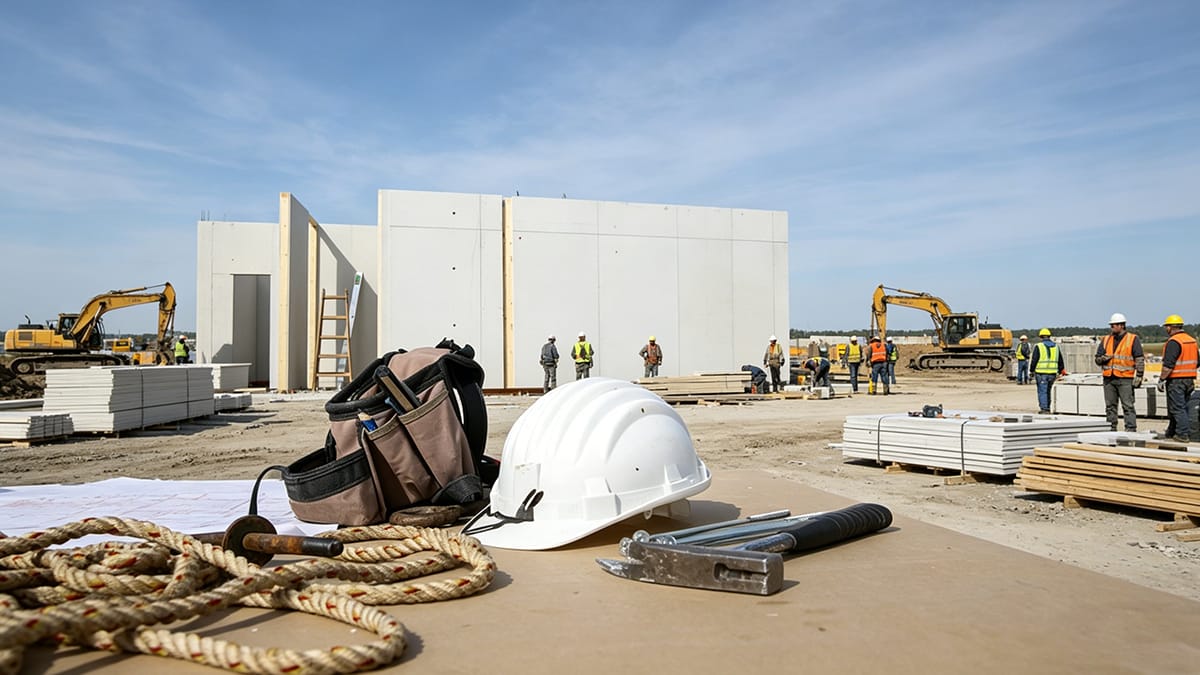
You must handle and store magnesium oxide panels with care. These panels can face problems if you do not follow best practices. The table below shows common challenges you may encounter:
Challenge | Description |
|---|---|
MGO boards can absorb moisture, which may cause paint to peel, mold to grow, or panels to weaken. | |
Corrosion of Metal Components | Chloride ions in the boards can rust metal fasteners, which can reduce the strength of your structure. |
Cracking and Warping | Poor handling or stacking can lead to cracks or warping, which affects how the panels look and work. |
You should always keep panels dry and off the ground. Store them in a covered area with good airflow. Use pallets or supports to prevent bending. Handle each panel gently to avoid chips or cracks. These steps help you keep your panels in top shape.
System Compatibility
You need to check if magnesium oxide panels work with your building system. These panels can absorb moisture from the air. This can lead to rust on fasteners and damage to wood framing. You should use corrosion-resistant screws and protect wood with sealants. Always check the chemical compatibility of all parts before you start. This helps you avoid problems later and keeps your building strong.
Tip: Test a small area before full installation. This helps you spot any issues with fasteners or framing.
Common Misconceptions
You may hear some myths about magnesium oxide panels. Here are a few common ones:
Many people think MgO panels cost more, but you can save on labor and installation.
Some builders worry about quality if panels come from overseas, but strict inspections ensure high standards.
You might feel unsure about using a new material. With training, you can install MgO panels with confidence.
You can trust magnesium oxide panels when you know the facts. Learn the right way to use them, and you will see strong results in your projects.
Cost and Value Analysis
Initial Investment vs. Lifecycle Costs
When you look at the cost analysis of mgo boards, you may notice that the price per panel is higher than gypsum board or fiber cement. You pay more at the start for materials and installation. However, you should not focus only on the first bill. You need to think about how much you will spend over the life of your building.
Magnesium oxide panels last longer and need fewer repairs. You do not have to replace them as often. They resist fire, water, and mold, so you avoid many common problems. You also save on labor because workers do not need to fix or repaint damaged walls as often.
Here is a simple table to help you compare costs:
Material | Initial Cost | Maintenance Cost | Replacement Frequency |
|---|---|---|---|
MgO Boards | High | Low | Rare |
Gypsum Board | Low | Moderate | Frequent |
Fiber Cement | Moderate | Moderate | Occasional |
Tip: When you plan your project, always include both the upfront and long-term costs in your budget.
ROI for Building Projects
You want your investment to pay off. The cost analysis of mgo boards shows that you get strong value over time. While you spend more at the start, you gain savings through durability and low maintenance. Magnesium oxide panels protect your building from fire and moisture. This means you will have fewer repairs and replacements.
In commercial projects, these panels help you avoid costly downtime. You keep your building safe and open for business. Over the years, you see real savings. Your return on investment grows as you spend less on upkeep and repairs.
You make a smart financial choice when you choose magnesium oxide panels. Their long life and strength give you peace of mind and better value for your money.
Maintenance and Care
Routine Maintenance
 Routine Maintenance
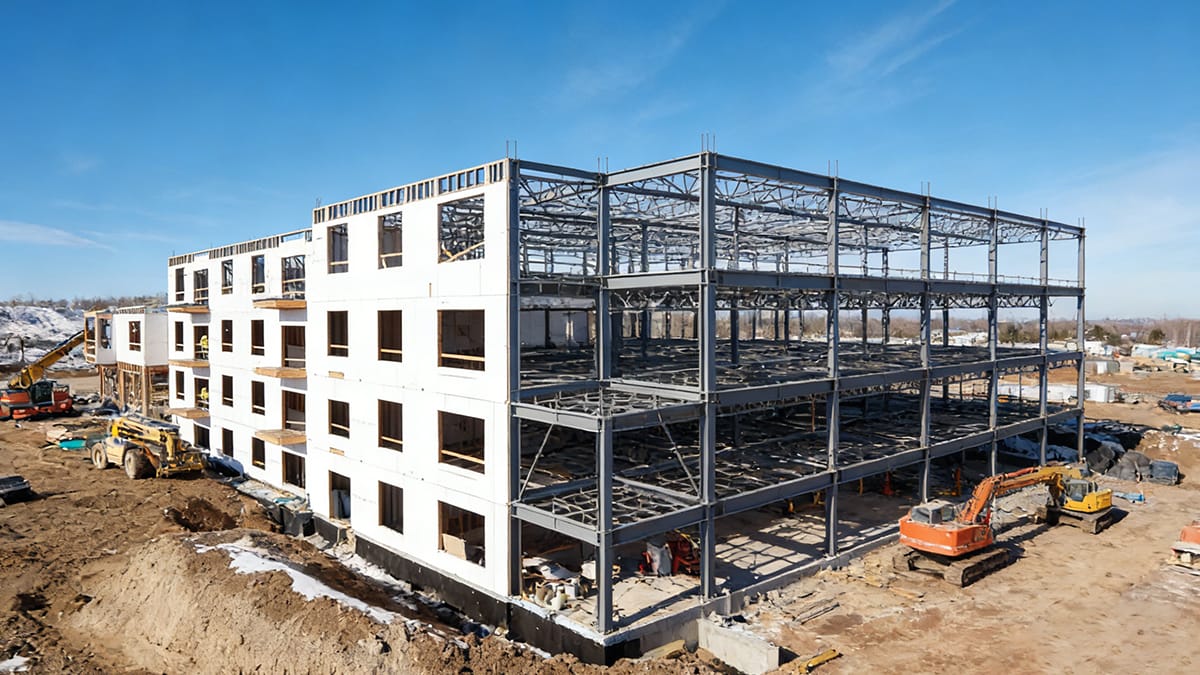
You want your building materials to last. Magnesium oxide panels make this easy. You do not need to spend much time or money on upkeep. These panels resist moisture, pests, and fire. They stay in good shape for many years. Unlike wood-based sheathing, you do not have to worry about rot or termites.
Here are some simple steps you can follow to keep your MgO panels in top condition:
Check panels for dirt or dust. Wipe them with a damp cloth if needed.
Inspect for any signs of damage after storms or heavy use.
Avoid using harsh chemicals. You do not need special cleaners.
Make sure panels stay dry. Good airflow helps prevent moisture buildup.
You do not need to add coatings or chemical treatments.
You save time and money because magnesium oxide panels need less care than other materials. Their resistance to mold and mildew means you clean less often. You also avoid frequent repairs. This helps you keep your building strong and safe.
Tip: Regular checks help you spot small problems before they grow. Simple cleaning keeps your panels looking new.
Repair and Longevity
You may face damage from impact or weather. Magnesium oxide panels are easy to fix. You can use simple methods to repair cracks, warping, or finish issues. The table below shows common problems and solutions:
Problem | Solution |
|---|---|
Moisture and corrosion | Pick low-chloride MgO, seal edges, add airflow |
Cracking and warping | Keep boards flat, use right screws, leave space |
Finish disadvantages | Use primer, test paint, follow the rules |
You can keep your panels flat and strong by using the right screws and leaving space for movement. If you see cracks, seal them quickly. Always use primer and test paint before finishing. These steps help your panels last for decades.
You get peace of mind with magnesium oxide panels. They keep their strength and look good with little effort.
Structural Insulated Panels (SIPs) with MgO
Energy Efficiency Benefits
 Energy Efficiency Benefits
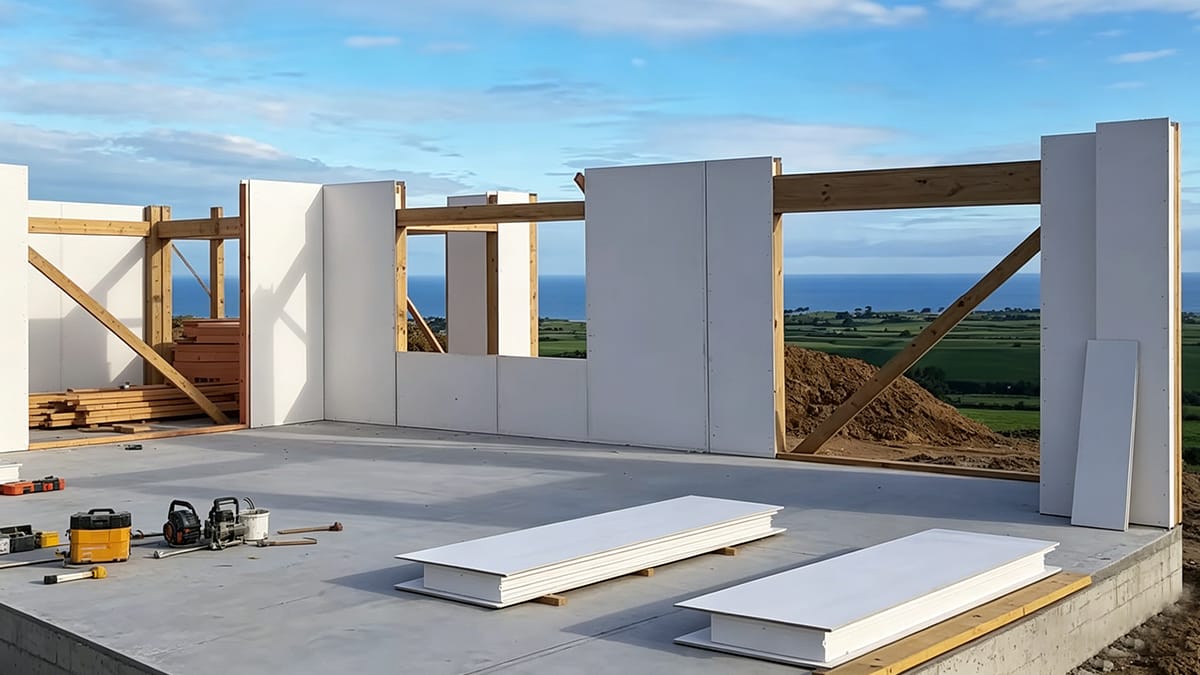
You can make your building work better with mgo structural insulated panels. These sips mix mgo boards and insulation to form a strong wall. The panels keep heat from moving in or out. This helps your building stay warm in winter and cool in summer. You do not need to use as much heat or air conditioning. This means you spend less money on energy.
Here is a table that shows how mgo sips help your building:
Feature | Benefit |
|---|---|
Superior insulation | Stops heat from moving, so you use less energy. |
Moisture resistance | Keeps water out, so panels last longer. |
High R-values | Saves energy all year, so you pay less. |
Mgo sips help keep the inside temperature steady. You do not have to worry about cold spots or drafts. The panels do not let water in, so your building stays dry. You save money over time when you use mgo structural insulated panels.
Mgo sips help you pay less for energy.
They keep the temperature inside steady, so you use less heat or air.
You save money in the long run.
SIPs in Modern Construction
You see sips with mgo in many new buildings. Builders use mgo structural insulated panels for walls, roofs, and floors. These panels help homes stay warm and safe from fire. Offices and stores use sips because they are strong and easy to care for. Green projects pick mgo sips because they are good for the earth and can be recycled.
You can use mgo sips to meet green building rules. These panels help protect the planet. You should pick panels with good insulation and water resistance. Your building will stay strong and work well for a long time.
Homes use sips for walls, roofs, and floors.
Stores and offices use sips because they last and need little care.
Green projects use sips because they are safe for the earth.
You can trust mgo structural insulated panels to give you good insulation and save energy. Your building will be safer, greener, and more comfortable.
You get lots of good things when you pick magnesium oxide building panels. These panels do not burn easily and last a long time. You can use them in many different projects. They let you design spaces in many ways. MgO panels help you make buildings that are safe, green, and strong. You should think about using these panels for your next project if you want something modern. For the best results, talk to experts or check the technical data before you begin.
FAQ
What tools do you need to cut magnesium oxide panels?
You need special tools to cut these panels. Use a carbide-tipped scoring knife or fiber cement shears. You can also use a circular saw that makes less dust. Always wear safety glasses and a dust mask to stay safe.
Can you paint or finish magnesium oxide boards?
You can paint these boards if you want. Put on primer before you paint. Try your paint on a small spot first. Pick water-based or acrylic paints for the best look.
Are magnesium oxide panels safe for indoor air quality?
Magnesium oxide panels help keep your air clean. They do not let out bad chemicals. You do not have to worry about formaldehyde, asbestos, or ammonia. This makes your indoor space safer for everyone.
How do you prevent moisture problems with MgO panels?
Keep the panels dry when you store them. Put vapor barriers in wet rooms. Use coatings that keep water out. Check for leaks and make sure air can move around.