
11 May Key Differences Between Magnesium Oxide Panels and Cement Boards Explained
Choosing the right building material is important for your project. It affects how strong and safe your building will be. When you look at magnesium oxide building panels and cement boards, you notice some big differences. Magnesium oxide boards are now used all over the world. In 2023, the market was worth more than $1.8 billion. It is expected to grow by 4.2% every year. Here is how they compare:
Feature | MgO Board | Cement Board |
|---|---|---|
Durability | Lightweight, very strong, bends easily, does not crack easily | Strong, tough, heavier, can crack if stressed |
Moisture Resistance | Works well in wet and damp places | Good with water, but needs sealing to stop damage later |
Installation Ease | Light, simple to cut and put in, saves work and money | Heavier, takes more work, needs special tools to cut |
This information can help you pick the best material for your project.
Key Takeaways
Magnesium oxide boards do not weigh as much as cement boards. They are easier to put up. This helps you save time and money on work.
MgO boards do a better job stopping water and mold. This makes them good for wet places like bathrooms and kitchens.
Picking magnesium oxide boards helps the environment. They make less pollution and can be recycled.
Cement boards cost less at first. But you might need to fix or care for them more later.
Magnesium oxide boards are safer in fires than cement boards. They give better safety in places with high fire risk.
MgO Board vs Cement Board: Key Differences
What Sets Magnesium Oxide Board Apart
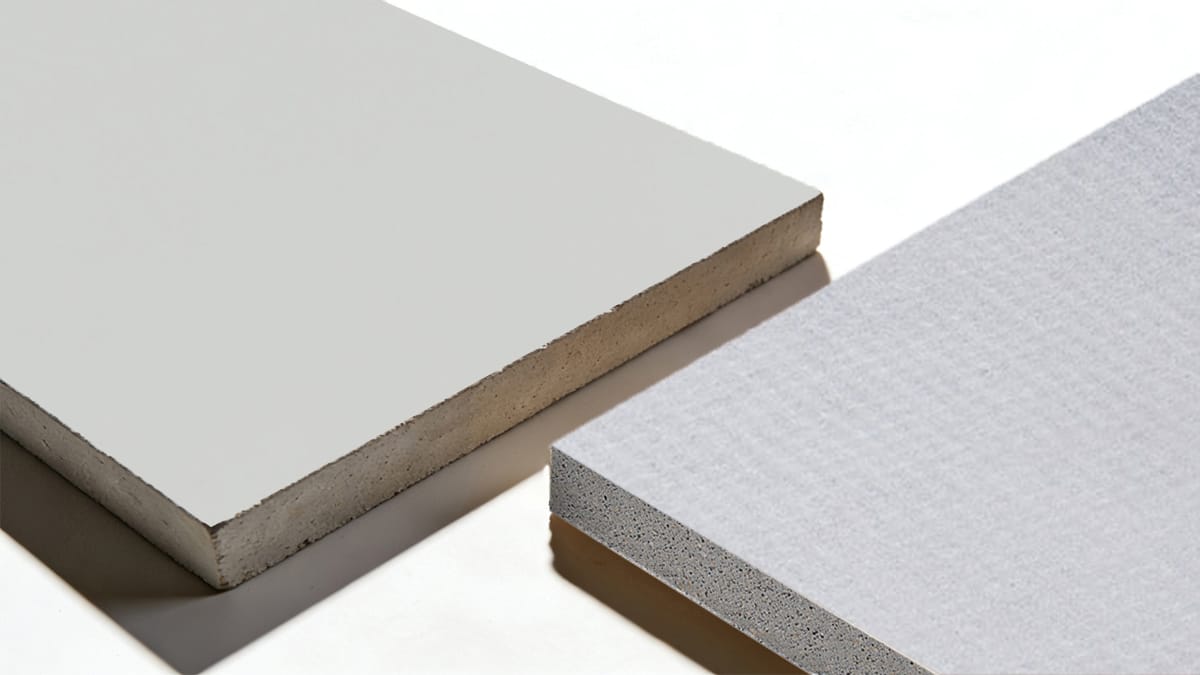
When you look at magnesium oxide board and cement board, you can see some big differences. Magnesium oxide board is also called mgo board. It is special because of what it is made from and how it works. It uses minerals like magnesium oxide and magnesium chloride. These are natural materials. This makes the board good for the environment and easy to recycle. If you pick magnesium oxide building panels, you help the planet.
Mgo board is very strong. It does not break or crack easily, even in earthquakes. You can bend it, and it will not snap. The board is light but still strong. This means you can move and install it without much trouble.
Here is a table that shows the main differences in what they are made of and how tough they are:
Feature | Magnesium Oxide Board | Cement Board |
|---|---|---|
Composition | Made from natural materials like magnesium oxide and magnesium chloride | Made from Portland cement and aggregates |
Environmental Impact | Eco-friendly, smaller carbon footprint, fully recyclable | High-energy manufacturing, contributes to CO2 emissions, not biodegradable |
Durability | Highly resilient, non-combustible, resistant to moisture | Durable but susceptible to mold, requires waterproofing |
Mgo board has many good points:
It does not burn and can handle high heat. It does not make toxic smoke.
Water does not hurt it. It does not swell or change shape. Mold cannot grow on it.
You can use it in many places, like fire walls, outside walls, and wet rooms.
Using mgo board helps lower CO₂ emissions.
Mgo board is lighter and easier to cut than cement board. You can finish your work faster and with less effort. These things make magnesium oxide board a top choice for new buildings.
Cement Board Main Features
Cement board is still used a lot in building. It is made from Portland cement and other materials. The board is tough and lasts a long time. It is good for putting under tiles or as a base layer.
Here is a table that shows the main features of cement board and magnesium oxide board:
Feature | Cement Board | Magnesium Oxide Board |
|---|---|---|
Fire Resistance | Good fire resistance | |
Moisture Resistance | Moderate moisture resistance | Excellent moisture resistance |
Weight | Heavier, can be cumbersome | Lighter, easier to handle |
Cost | More affordable | Higher cost due to premium features |
Cement board usually costs less than mgo board. It gives you good fire safety and works well inside. You may need to seal cement board to keep water out. If you do not seal it, water can get in and cause mold.
Some important things to remember:
Cement board is heavy. You might need help to move and install it.
It can crack if you bend it too much.
Cement board is not as green as magnesium oxide board. Making it puts out more CO₂.
It works well for simple jobs, but you may need to do extra work to keep out water.
When you compare mgo board and cement board, you see both have good points. Magnesium oxide board is better for fire and water safety, is lighter, and is better for the earth. Cement board costs less and works well for basic jobs. Pick the one that fits your project best.
Fire Resistance Comparison
 Magnesium Oxide Board Fire Safety
 Magnesium Oxide Board Fire Safety
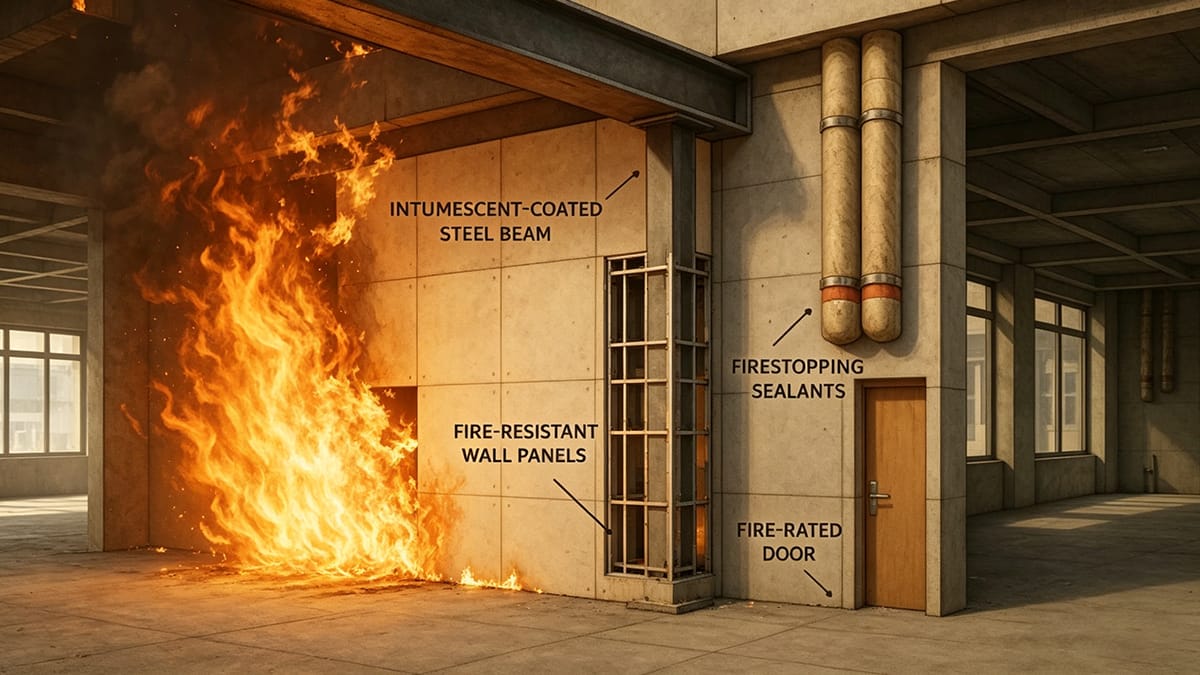
You want your building to be safe from fire. Magnesium oxide board is great for fire safety. It does not let flames spread or make smoke. It meets top fire safety rules in many countries. You can use magnesium oxide board for walls that need to last in a fire. It can protect for 1 hour or 2 hours. Sometimes, it can protect for up to 4 hours.
Here is a table showing how magnesium oxide board works:
Material | Fire Resistance Duration | Temperature Resistance | Flame Spread Rating (ASTM E84) | Combustibility |
|---|---|---|---|---|
Magnesium Oxide Board | Up to 4 hours | Up to 800ºC (1472ºF) | 0/0 (No flame, no smoke) | Non-combustible |
Magnesium oxide board is used in big buildings, schools, and hospitals. Builders pick it for outside walls and places that need extra safety. It helps stop fire from spreading. It follows strict fire safety rules. You can trust this board for safe walls where fire is a worry.
Cement Board Fire Performance
Cement board is also good for fire safety. It does not burn and does not make fires worse. You see cement boards around fireplaces, in kitchens, and in bathrooms. They keep their fire safety for a long time. Cement boards make a safe wall.
Magnesium oxide board is better than cement board for fire safety. Cement board protects for about 2 hours in a fire. Magnesium oxide board can last longer in very hot fires. Cement board may need extra steps to get better fire ratings. Think about how much fire safety you need before you choose.
Tip: If fire safety is very important, magnesium oxide board gives you the best protection and helps you feel safe.
Moisture & Mold Resistance in Magnesium Oxide Building Panels
MgO Board Performance in Wet Conditions
You want your building to last, even in wet places. Magnesium oxide board gives you excellent moisture resistance. When you use mgo board, you do not have to worry about swelling or breaking. The board stays strong, even if it gets wet for a long time. You can see how well it performs in this table:
Property | Description |
|---|---|
Water Resistance | MgO boards do not swell or break when wet. |
Moisture Absorption | They absorb very little water (0.34% moisture). |
Structural Integrity | Remain strong in damp environments. |
Mgo board resists moisture very well. You will not see it curl, swell, or rot, even if you use it underwater. The special chemical makeup of magnesium oxide board keeps water from soaking in. This means you get great durability and shape retention. You can use mgo board in bathrooms, kitchens, or basements. It works well in places where water is a problem.
You also get strong mold resistance. Magnesium oxide building panels stay mold-free for years, even in damp rooms. The surface and material stop mold from growing. This helps keep your indoor air clean and healthy.
Cement Board Moisture Handling
Cement board also gives you good durability and fire resistance, but it handles moisture differently. You must seal cement board to keep water out. If you do not seal it, water can get in and cause mold or mildew. You need to check and reseal cement board often, especially in wet areas.
Cement board can absorb water if you do not protect it. This can lead to swelling, cracking, or mold growth. You must do regular maintenance to keep cement board in good shape. If you want less work, mgo board is a better choice for wet spaces.
Tip: For the best moisture resistance and less maintenance, choose mgo board in bathrooms, kitchens, or other damp places. You will get long-lasting durability and a healthier space.
Strength & Durability of MgO and Cement Boards
Longevity of Magnesium Oxide Board
 Longevity of Magnesium Oxide Board
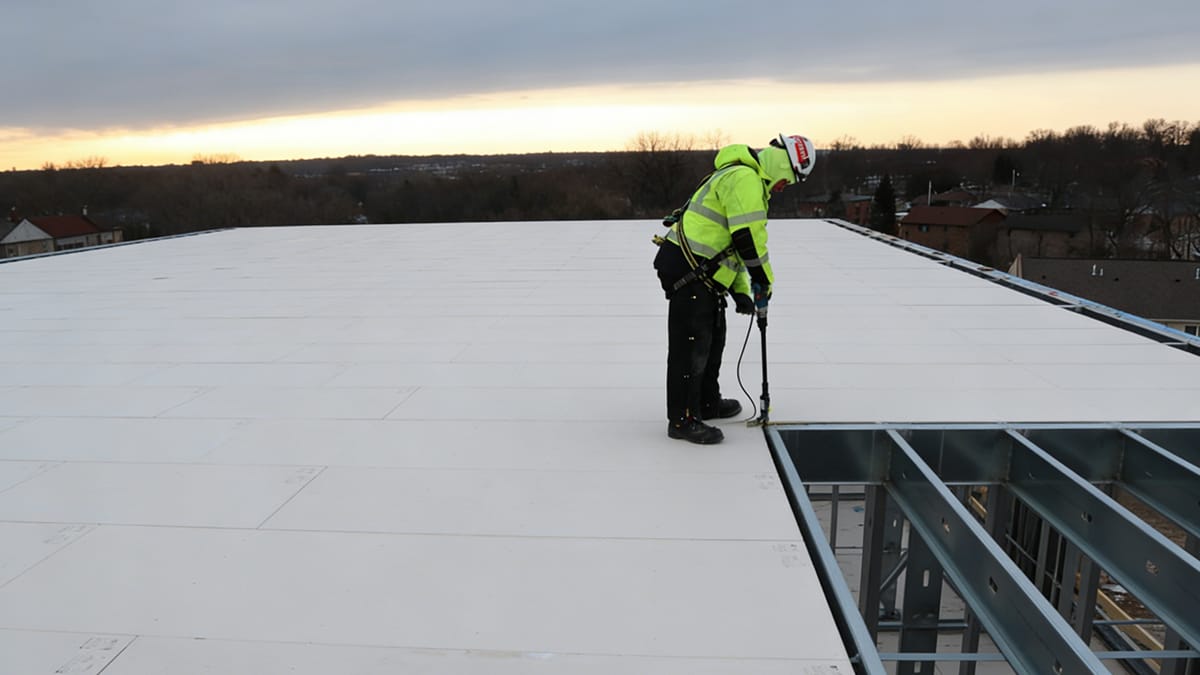
You want your building materials to last a long time. Magnesium oxide board stands out for its exceptional longevity. Many builders choose it because it can last up to 100 years in both homes and commercial buildings. This means you do not have to worry about replacing it often. You get a good lifespan and strong value for your investment.
Here are some important points about the longevity of magnesium oxide board:
The average lifespan can reach up to 100 years.
You get durability and low maintenance, which saves you time and money.
The board keeps its strength even in tough conditions.
You should know about some possible issues. In very humid places, magnesium oxide boards can absorb moisture. This can cause damage over time. If salty water forms on the surface, it may harm nearby wood or metal. Mold can grow if the board stays wet for a long time. You can avoid these problems by using high-quality boards and making sure they stay dry.
Some boards may not always have the same quality. Different manufacturers can make products that perform differently. You should look for boards with good testing and certification. This helps you get the best strength and durability for your project.
Durability of Cement Board
Cement board gives you reliable strength for many building jobs. You can count on it for heavy-duty strength, especially when you need a reliable tile underlayment or backing for walls. Cement board has high compressive and flexural strength for its thickness. It works well under wind loads and can handle some impact resistance.
Cement board keeps its durability even after being wet for a long time. This makes it a good choice for places that get damp. However, cement board can crack if you put too much stress on it. It does not bend as easily as magnesium oxide board. If you need a material for areas with a lot of impact or heavy loads, you may want to consider other options.
You can use cement board for rainscreen backing boards and exterior sheathing. It gives you a good lifespan and strong performance in many settings. You get strength and durability, but you should remember that it may not be as flexible as magnesium oxide board.
Weight & Installation: MgO Board vs Cement Board
Handling Magnesium Oxide Building Panels
You will notice that mgo board is much lighter than cement board. This makes a big difference when you carry and install the panels. You can move mgo panels by yourself or with just one helper. You do not need special equipment. You can cut mgo with standard tools, like a utility knife or a saw. You do not have to worry about the board cracking when you fasten it to walls or ceilings.
Here is a table that shows the weight difference between the two materials:
Material | Density (g/cm³) | Weight (lbs/ft², 12mm) |
|---|---|---|
Magnesium Oxide Wall Board | 0.85 – 1.2 | 1.5 – 2.2 |
Cement Board | 1.3 – 1.5 | 2.5 – 3.0 |
Because mgo is lighter, you can finish your work faster. You will also need less labor. This can help you save money on your project. You do not need to hire a big team to move or install mgo board. You can also reduce the risk of injury from lifting heavy boards.
Tip: If you want to speed up your project and lower labor costs, choose mgo board for your walls and ceilings.
Installing Cement Board
Cement board is heavier and harder to handle. You may need two or more people to move each panel. You must use special tools to cut cement board. The board can break if you do not handle it carefully. You must also store cement boards flat and dry to avoid damage before installation.
When you install cement board, you will spend more time and effort. The weight can slow down your project. You may also need to pay more for shipping and labor. If you drop a cement board, it can crack or chip. This can lead to wasted material and extra costs.
Cement boards require careful handling to avoid breakage.
You need more workers to lift and install cement boards.
The installation process takes longer and can delay your project.
If you want a faster and easier installation, mgo is a better choice. You will see the benefits in both time and cost.
Environmental Impact & Health Safety
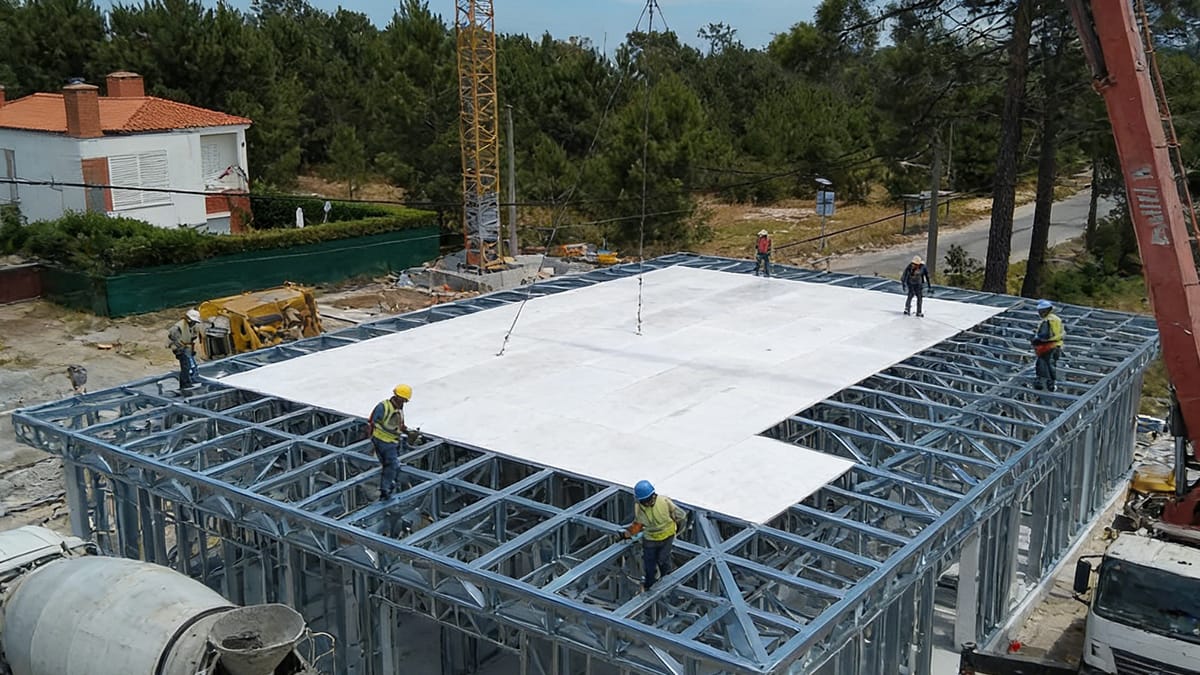
Eco-Friendliness of Magnesium Oxide Board
 Eco-Friendliness of Magnesium Oxide Board
You want to pick materials that are good for the earth. Magnesium oxide board is a smart choice for the environment. It is made from natural and safe materials. Making it does not use much energy or cause much pollution. Cement board needs more energy and makes more pollution when it is made. You can see the differences in this table:
Aspect | Magnesium Oxide Board | Cement Board |
|---|---|---|
Carbon Footprint | 340 kg CO2/ton | 740 kg CO2/ton |
Energy Requirement | Low energy process | High energy process |
Recyclability | Fully recyclable | Not fully recyclable |
Toxicity | Non-toxic | Contains harmful toxins |
When you use magnesium oxide panels, you help the planet. These panels can help your building get green awards like LEED. Here are some ways they help:
The way they are made recycles all extra stuff, so there is less waste.
The packaging uses less material, which helps you earn LEED points.
You throw away less when you put them in.
The panels do not let out bad chemicals into the air.
You can use the panels again in other projects.
If you pick magnesium oxide board, you are making a green choice for your building.
Cement Board Environmental Considerations
Cement board is not as good for the environment. Making cement board uses a lot of energy and puts out more carbon. This adds to greenhouse gases in the air. Cement boards are hard to recycle because they mix different things together. Most old cement boards go to landfills, which is bad for the earth.
Environmental Concern | Cement Board |
|---|---|
Energy Usage | High |
Carbon Footprint | Significant |
Recyclability | Limited |
If you want your building to be green, remember these facts. Cement board does not help the planet as much as magnesium oxide board.
Indoor Air Quality and Safety
You want clean air inside your home or school. Magnesium oxide boards help keep the air safe to breathe. They do not have bad things like formaldehyde or asbestos. These boards give off very little VOCs, so they do not make the air dirty. They also stop mold from growing because they do not soak up water. This keeps you safe from allergies and breathing problems.
Magnesium oxide boards do not let out harmful chemicals.
They use natural things that help keep the air clean.
Low emissions make your space safer and healthier.
Cement boards can have harmful stuff and are not as safe. If you want a healthy and green space, magnesium oxide board is the best choice.
Cost Comparison: MgO Board and Cement Board
Initial Price Differences
When you start a building project, you want to know how much each material will cost. Magnesium oxide board usually has a higher price than cement board. You may notice this difference right away when you buy the panels. Cement board often costs less at the store, so it looks like the cheaper choice for your budget.
Here is a table that shows how the costs compare over time:
Board Type | Initial Cost | Maintenance Cost Over 10 Years | Long-term Savings |
|---|---|---|---|
Magnesium Oxide | Higher | Low | Yes |
Cement | Lower | Higher | No |
You can see that cement board has a lower starting price. Magnesium oxide board costs more at first, but this is not the whole story.
Long-Term Value and Maintenance
You should think about more than just the first price. Over time, magnesium oxide board gives you better cost efficiency. You spend less on repairs and upkeep because it resists water, mold, and fire. You do not need to seal it or replace it as often. This means you save money in the long run.
Cement board needs more care. You may have to seal it, fix cracks, or replace damaged panels. These extra steps add to your costs over ten years. If you want long-term benefits, magnesium oxide board is a smart choice. It helps you save money and time.
Note: Choosing magnesium oxide board also supports sustainability. You use fewer resources for repairs and replacements, which is better for the planet.
When you look at the full cost comparison, magnesium oxide board stands out for its long-term value. You pay more at first, but you get savings and peace of mind for years to come.
Versatility & Applications of Magnesium Oxide Building Panels
MgO Board Uses Across Projects
 MgO Board Uses Across Projects
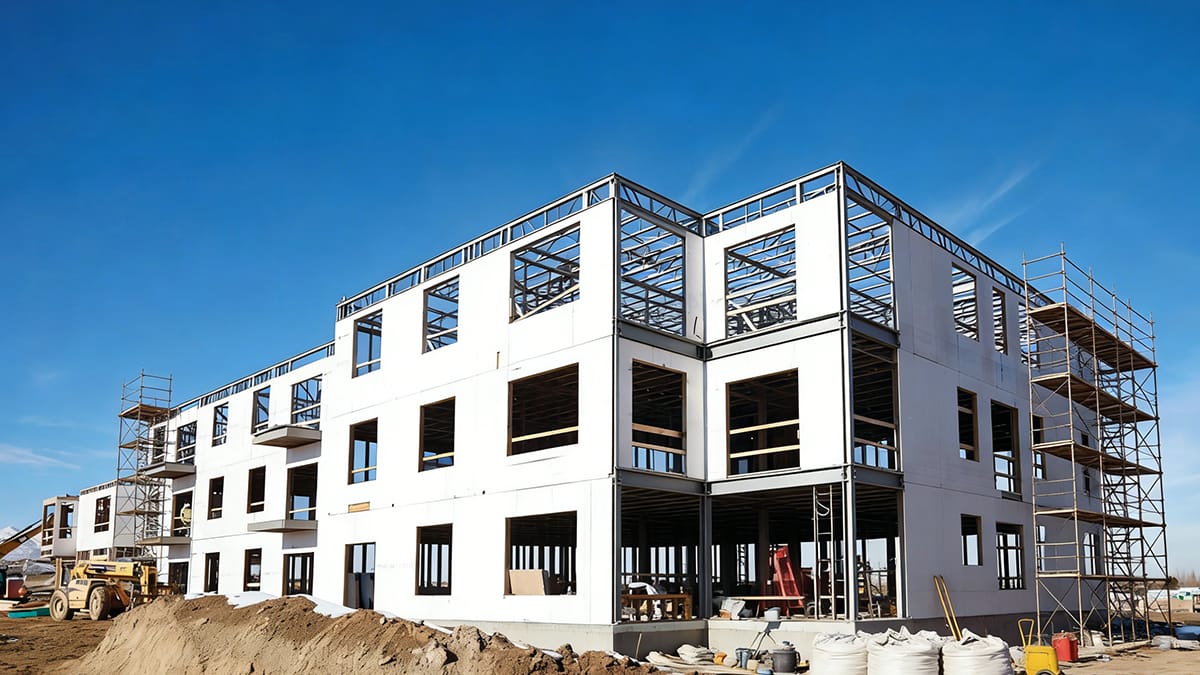
You can use mgo in many types of construction. Magnesium oxide building panels work well for homes, offices, and factories. You see these panels in walls, ceilings, floors, and even roofs. Mgo board gives you flexibility because it comes in different thicknesses and densities. This means you can pick the right panel for your project, whether you need a thin wall or a strong floor.
Here is a table that shows where you can use mgo:
Application Type | Description |
|---|---|
Wall and Ceiling Panels | Use for interior walls and ceilings in any building |
Flooring | Good for subfloors and tile backers |
Roofing and Siding | Works for exterior roofs and siding |
Use in fire-resistant walls and partitions | |
Exterior Applications | Great for trim, roof decking, and lap siding |
You can also use mgo for special needs. For example, you might need a fireproof barrier in a school or hospital. Mgo board helps you meet strict safety rules. You can use magnesium oxide building panels in wet places like bathrooms or basements. They do not swell or rot. Mgo solves many construction challenges, so you get a strong and safe building.
Tip: You can choose mgo for both inside and outside projects. You get one material for many jobs.
Cement Board Applications
Cement board gives you design freedom. You can use it when you want a special look. Cement boards can look like wood, stone, or brick. This makes them a good choice for decorative walls or stylish exteriors. You might pick cement board for a feature wall in your living room or a modern office lobby.
You can use cement board for:
Tile backers in kitchens and bathrooms
Decorative wall panels
Exterior cladding that looks like wood or stone
Fireplaces and surrounds
Cement board works best when you want a certain style. You get more options for shapes and finishes. If you need a board for performance, like fire or water resistance, mgo is a better choice. If you want a board for looks, cement board gives you more choices.
Note: You can mix mgo and cement board in one project. Use mgo where you need strength and safety. Use cement board where you want design options.
When you look at magnesium oxide boards and cement boards, you notice some important differences in how they work and how much they cost. Magnesium oxide boards are better for big or tricky projects. They are good if you need something that can handle water, last a long time, and help the environment. Cement boards are a good choice for easy jobs and if you do not want to spend a lot of money. You should think about these main differences before you decide. In 2026, use magnesium oxide boards for strong and green buildings. Pick cement boards if you want something that works well and saves money.
FAQ
What is the main advantage of magnesium oxide board over cement board?
Magnesium oxide board keeps out water and fire better. It is not heavy and is simple to put in place. Picking this board is also better for the earth.
Can you use magnesium oxide board outside?
Yes, you can use magnesium oxide board outside on walls, siding, and roofs. It stands up to water, mold, and bad weather. Always read the maker’s guide for the best way to use it.
Is cement board safe for wet areas like bathrooms?
You can use cement board in wet rooms. You must seal it well so water does not get in. Checking and fixing it often keeps it strong and safe.
How do you cut magnesium oxide board?
You can cut magnesium oxide board with a knife or a saw. The board does not break easily when you cut it. Wear safety gear to keep dust away from your face.