
13 May Weighing the Pros and Cons of Magnesium Oxide Building Panels
You want materials that make your building safe and strong. Magnesium oxide building panels are good at stopping fires. They also keep mold from growing, which protects your space. These panels last a long time and help with green building. But you might pay more at first. It can be hard to find these panels in some places. The table below shows the main good and bad points you should think about:
Disadvantages | |
|---|---|
Fire Resistance | Supply Chain and Availability |
Mold Resistance | Cost Considerations |
Water Tolerance | Moisture Reactions |
Dimensional Stability | Building Code Acceptance |
Sustainability | Market Education |
Key Takeaways
Magnesium oxide panels stop fire and water well. This makes them safe for many building uses.
These panels are light. This makes putting them up easier. It can also lower work costs. Your building project can finish faster.
Magnesium oxide panels help the environment. They make less carbon. They can be recycled. This supports green building.
These panels cost more at first. They are not easy to find everywhere. This can change your budget and how long your project takes.
You must install them the right way. Use the correct tools. Hire workers who know what to do. This helps the panels work well and last longer.
Advantages of Magnesium Oxide Building Panels
Fire and Moisture Resistance
You want your building to be safe during a fire. Magnesium oxide building panels are very good at stopping fire. These panels can last from 1 to 4 hours when there is a fire. This gives you more time to get out and keeps your things safer.
Material Type | Fire Resistance Duration |
|---|---|
Magnesium oxide boards | 1 to 4 hours |
These panels also do not get damaged by water. MgO board does not swell or fall apart when wet. You can use it in bathrooms, kitchens, or basements without worrying about mold. The panels do not burn, so your building is even safer.
Lightweight and Structural Efficiency
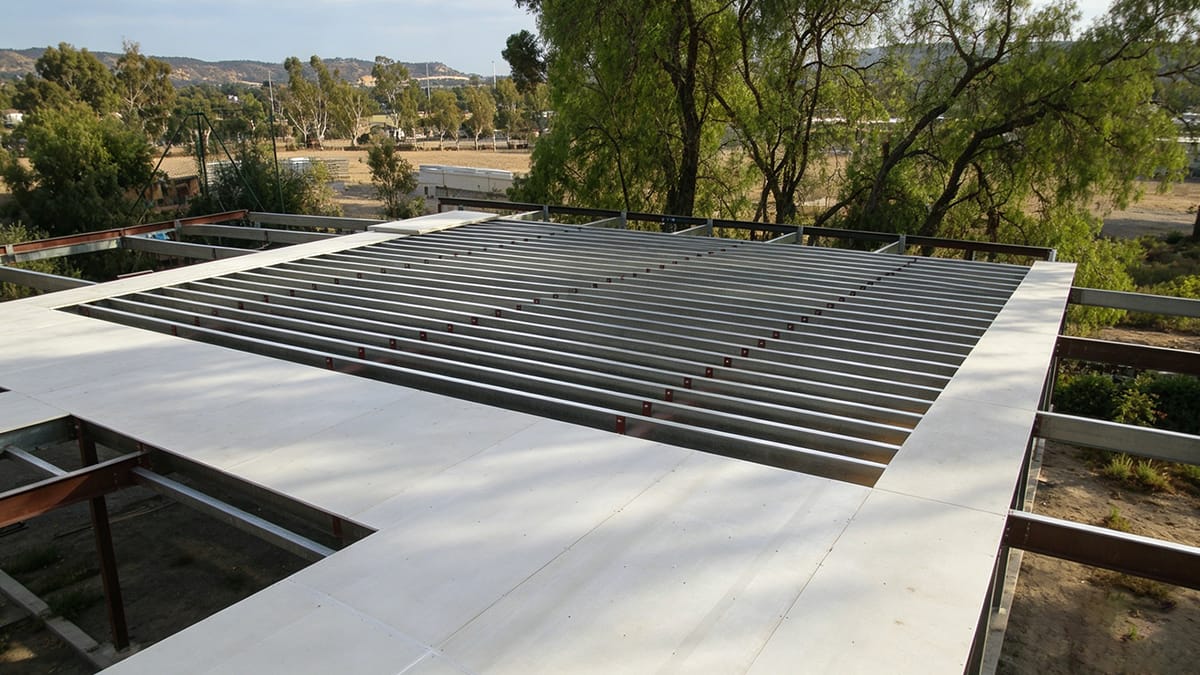 MgO board is lighter than many other wall materials. You can carry and put it up with less work. This makes building faster and easier. The table below shows how magnesium oxide building panels compare to other materials:
Material | Weight (lbs/ft², 12mm) | |
|---|---|---|
Gypsum Board | 1.2 – 1.3 | 1.5 – 2.0 |
Magnesium Wall Board | 0.85 – 1.2 | 1.5 – 2.2 |
Cement Board | 1.3 – 1.5 | 2.5 – 3.0 |
Magnesium oxide panels are lighter than cement board. They are close in weight to gypsum board. This helps make your building lighter. You can design more easily and finish work faster. MgO board is easy to handle, so you save money on labor.
MgO board keeps you safer because it stops fire.
You can use it in many places since it resists water, fire, and pests.
It is light, so you can install it quickly and easily.
Impact Resistance and Stability
You need panels that do not break when hit. MgO board is strong and does not crack easily. Your walls stay strong for a long time. Magnesium oxide building panels keep their shape even if it is hot or wet. They do not bend or swell like plywood or cement board. This means your floors and walls stay flat and safe. You will not trip or have uneven spots.
Tip: Use magnesium oxide panels in places with lots of moisture or heat changes. They will not lose their shape or strength.
Sustainability and Low Emissions
If you care about the planet, magnesium oxide building panels are a good pick. They use less energy to make than gypsum or cement boards. The table below shows how they compare:
Material | CO2 Emission (kg/t) | Energy Requirement | Recycling Potential |
|---|---|---|---|
Magnesium Oxide Board | Lower | Yes | |
Gypsum Board | Higher | Higher | Difficult |
Cement Board | Higher | High | Limited |
MgO board even takes in some carbon dioxide as it dries. You help the earth by picking a material with a smaller carbon footprint. These panels can be recycled, so there is less waste. You can also meet green building rules more easily.
Benefit | Description |
|---|---|
Reduced Environmental Impact | Making these panels is better for the planet than other materials. |
Lower VOC Emissions | They give off fewer bad chemicals, so air is cleaner and healthier. |
They need less energy to make than other materials. | |
Durability and Resilience | They last a long time, so you do not need to replace them often. |
Recyclability | You can recycle them, which helps the environment. |
Compliance with Regulations | They help you follow strict building rules for the environment. |
Health and Indoor Air Quality
You want the air inside to be clean and safe. MgO board does not let out harmful chemicals. It does not use glues that give off VOCs. Tests show that good magnesium oxide building panels have almost no VOCs. There is no formaldehyde or other dangerous stuff in these panels.
MgO board uses minerals to stick together, so you do not need harmful glue.
These panels do not give off VOCs.
You get safer air for your family or workers.
The table below shows how magnesium oxide panels are better than regular wall panels:
Feature | Magnesium Oxide Panels | Traditional Wall Panels (e.g., Gypsum) |
|---|---|---|
Mold and Mildew Resistance | High (antimicrobial properties) | Low (prone to mold growth) |
Fire Resistance | Non-combustible, Class A rating | Combustible, lower fire safety ratings |
Moisture Resistance | Excellent (resists water penetration) | Poor (loses integrity when wet) |
Indoor Air Quality Impact | Positive (maintains healthier environment) | Negative (can contribute to poor air quality) |
You can see that magnesium oxide building panels are a good choice for many uses. They are strong, safe, and help keep your space healthy.
Disadvantages of Magnesium Oxide Building Panels
 Higher Costs and Limited Availability
 Higher Costs and Limited Availability
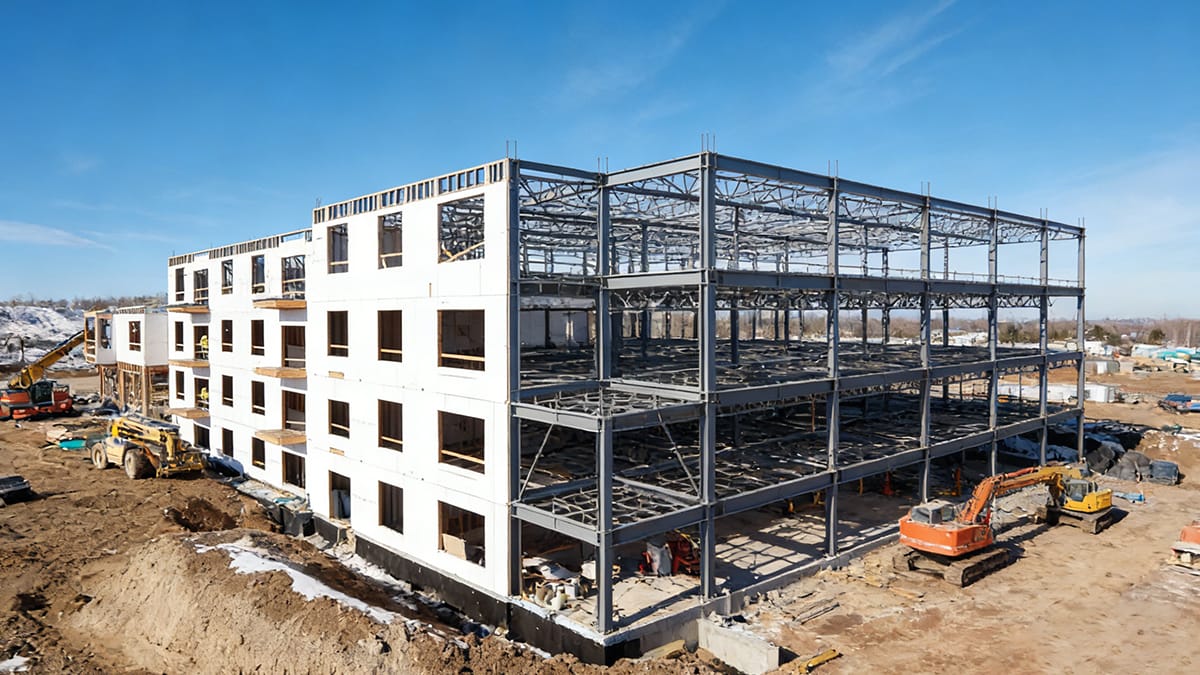
You should think about the cost before picking magnesium oxide building panels. These panels cost more than gypsum boards and cement boards. You pay extra for the good things they offer, but the higher price can change your building budget. The table below shows how much each material costs for one square foot:
Material | Average Cost per Square Foot |
|---|---|
MgO Boards | $1.50 – $2.50 |
Gypsum Boards | $0.50 – $1.00 |
You spend more money on magnesium oxide building panels, especially if your project is big. The cost can get high fast. You might also have trouble finding these panels in some places. In the Asia-Pacific area, countries like China and India use them a lot. Builders in the U.S. are starting to use them, but you may not see them in every store. North America has better ways to get these panels, but you still need to check with local stores. If you cannot find the panels easily, your project could be delayed or cost more for shipping.
Note: Always check your local stores and prices before you start your building project. If you cannot find the panels, you might have problems you did not expect.
Installation and Skill Requirements
You need special tools and skills to put in these panels. Magnesium oxide building panels need careful work. Workers use carbide-tipped scoring knives, saws that make less dust, and fiber cement shears. You also need screws that do not rust and special glue. The table below shows what tools and materials you need:
Tool/Material | Purpose |
|---|---|
Carbide Tipped Scoring Knife | Cutting MgO boards |
Dust Reducing Circular Saw | Minimizes dust during cutting |
Fiber Cement Shears | Precise cuts |
Corrosion-Resistant Screws | Securely hold the boards |
Adhesive | Attach boards to surfaces |
Polyurea or Modified Epoxy Filler | Fill gaps between boards |
Underlayment | Provide a stable base |
It takes more time to install these panels than gypsum boards. Workers need to learn new skills and use special tools. This can slow down your project. You might pay more for workers who know how to do the job right. If workers do not follow the steps, the panels might not last or be safe.
Tip: Hire workers who know how to install magnesium oxide building panels. Good installation keeps your building safe and helps you avoid problems.
Brittleness and Nail-Holding Power
You have to be careful with magnesium oxide building panels. These panels can break if you drop or bend them. You cannot cut them with normal knives. You need special tools so you do not damage them. Another problem is that nails might not stay tight. This can make your walls weaker. If you do not use the right tools, the panels can crack or come loose.
You need special tools to cut the panels.
Nails might not hold well, so panels can be loose.
You should plan for these problems. If you want the panels to last, you must use the right tools and fasteners.
Aesthetic and Compatibility Issues
You might not have many choices for how the panels look. Magnesium oxide building panels are usually white or off-white. You have fewer design options. The surface can be rough, so it is hard to get a smooth look. Sunlight and pollution can make the panels change color over time. You might see stains or fading. Some paints, tiles, or wallpaper need special glue or extra work to stick.
Rough surfaces can make walls look uneven.
Sun and weather can change the color.
Some finishes need special glue or prep work.
The way panels are made limits shapes and sizes.
The surface can soak up stuff, so cleaning is harder.
You can paint, tile, or put wallpaper on magnesium oxide building panels. The panels work well as a base for stucco, stone, or brick. You need to make the surface rougher for tiles to stick better. Special glue helps tiles stay in place. If you want a fancy look, you may need to do extra steps to get it right.
Callout: Magnesium oxide building panels are a good base for many finishes, but you need to get the surface ready and use the right materials for the best results.
You should think about these problems and the good things about the panels. Higher cost, hard installation, brittleness, and design issues can change your building project. You need to plan well to avoid problems and keep your building safe.
Where Magnesium Oxide Panels Excel or Fall Short
Ideal Applications
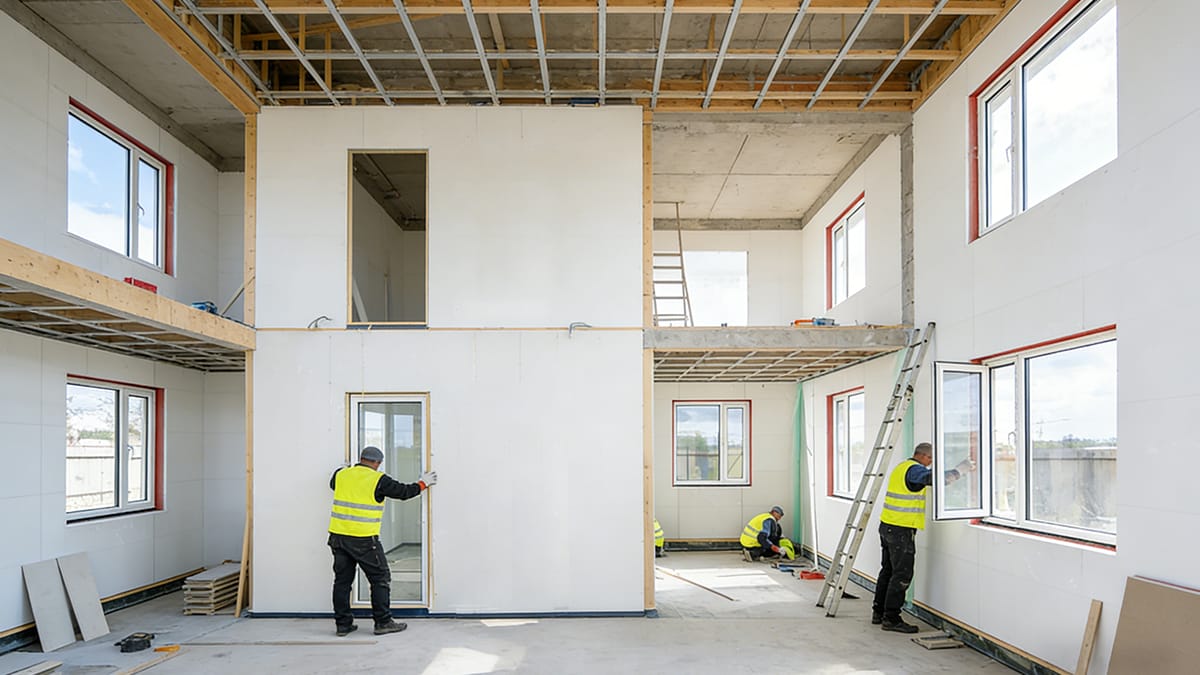 Ideal Applications
You can use magnesium oxide panels in many new buildings. These panels work well when you need fire safety. They also help when you want to stop water, mold, and pests. Here are some good ways to use them:
In homes, you can use the panels for walls and roofs. They help save energy and keep out moisture.
In offices, stores, and schools, the panels are helpful. You can use them for new buildings or when fixing old ones.
In factories and warehouses, strong panels are important. Magnesium oxide panels give you good insulation and last a long time.
You can also use these panels inside buildings. They are great for bathrooms, kitchens, and basements where water is a problem. These panels last a long time and are good for green building projects.
Tip: Pick magnesium oxide panels if you want strong panels for places with water, bugs, or fire danger.
Unsuitable Scenarios
There are some places where you should not use these panels. The panels can break if they hold too much weight or get damaged. The table below shows when the panels might not work well:
Failure Mode | Conditions Leading to Failure |
|---|---|
Outward local buckling | Load-bearing sandwich panels under edgewise pressure |
Compressive facing yield failure | Foam-web layout in structural panels |
Facing buckling | Damaged facings during one-way pressure |
Vertical cracking | Facing buckling in strength tests |
Shear sliding | Facing cracks from local damage |
Reduced load-bearing capacity | Cracks from weak spots |
Do not use these panels for heavy loads or where they might get hit hard. Do not use them outside if the wall could be hit or needs strong nails. If you do not put them in the right way, they can crack or get weak.
Comparison with Other Panels
You may want to know how these panels compare to drywall or cement board. The table below shows the main differences:
Feature | Drywall/Cement Board | |
|---|---|---|
Mold and Mildew Resistance | Yes | No |
VOC Emission | None | Yes |
Structural Integrity | High | Moderate |
Impact Resistance | Superior | Low |
Longevity | Decades | Years |
Magnesium oxide panels stop mold and mildew. They do not let out VOCs. They are strong and last for many years. Drywall and cement board do not last as long and need more repairs. You also get better air inside because these panels do not give off bad chemicals. The panels do not crack, bend, or rot easily.
Note: Magnesium oxide panels are a good choice for inside buildings and green projects. They last a long time and work well.
Magnesium oxide panels help keep buildings safe from fire and water. They are also better for the environment. But they cost more, can be hard to find, and need special ways to put them in. Before you choose, look at how strong the panels are and how long they last. Make sure they have the right certifications. Ask for test results and follow the steps for installing them. Talk to local stores so you do not have to wait for supplies. These panels are good for houses, offices, and even curved walls. For special projects, ask experts or check building codes to make sure you do things right.
Property | What to Check |
|---|---|
Mechanical | Strength and stability |
Durability | Moisture and humidity tests |
Certification | Third-party approval |
Tip: Always check the product’s certifications and read the installation advice before you begin your project.
FAQ
What makes magnesium oxide panels safer than drywall?
Magnesium oxide panels protect better from fire. They do not burn or make smoke. Drywall can catch fire and break apart faster. These panels help keep your building safer in emergencies.
Can you paint or decorate magnesium oxide panels?
You can paint these panels. Use primer first for the best look. Some finishes need special glue to stick. You can put on tiles or wallpaper, but get the surface ready first.
Are magnesium oxide panels good for bathrooms?
You can use these panels in bathrooms. They do not let water or mold grow. You do not have to worry about swelling or mildew. These panels help keep your bathroom clean and safe.
How do you cut magnesium oxide panels?
You need special tools to cut these panels. Use a carbide-tipped scoring knife or a saw that makes less dust. Regular knives do not work well. Always wear safety gear so dust does not hurt you.