
06 Feb MgO Sheathing or Gypsum Sheathing Choosing the Right Material for Your Project
You must pick the best sheathing for your project. Magnesium oxide sheathing, also known as mgo sheathing, works well in wet places and where fire is a risk. Mgo sheathing provides strong protection for exterior applications. On the other hand, gypsum sheathing costs less and is suitable for standard indoor spaces. If you compare mgo sheathing vs gypsum sheathing, magnesium oxide sheathing stands out for its superior strength and safety features. Mgo sheathing helps prevent water damage and fire hazards, while gypsum sheathing is ideal for simple wall constructions. Magnesium oxide sheathing is designed to withstand tough conditions, whereas gypsum is a more economical option. Both magnesium oxide sheathing and mgo sheathing ensure your building remains safe, while gypsum sheathing is easy to install. Consider the specific needs of your project before making your choice.
Key Takeaways
MgO sheathing stops fire and water better. It works well in places like bathrooms and kitchens where there is more risk.
Gypsum sheathing costs less money and is simple to put in. It is good for normal rooms inside where water is not a problem.
Think about how much it helps over time. MgO sheathing might cost more at first, but you do not need to fix it as much. It also lasts longer than gypsum.
Pick MgO sheathing for hard jobs that need strong and tough walls. Use gypsum if you want to build fast and save money.
Both materials help stop fires. But MgO sheathing does not burn and stays strong even in very hot places.
MgO Sheathing vs Gypsum Sheathing Overview
Quick Comparison Table
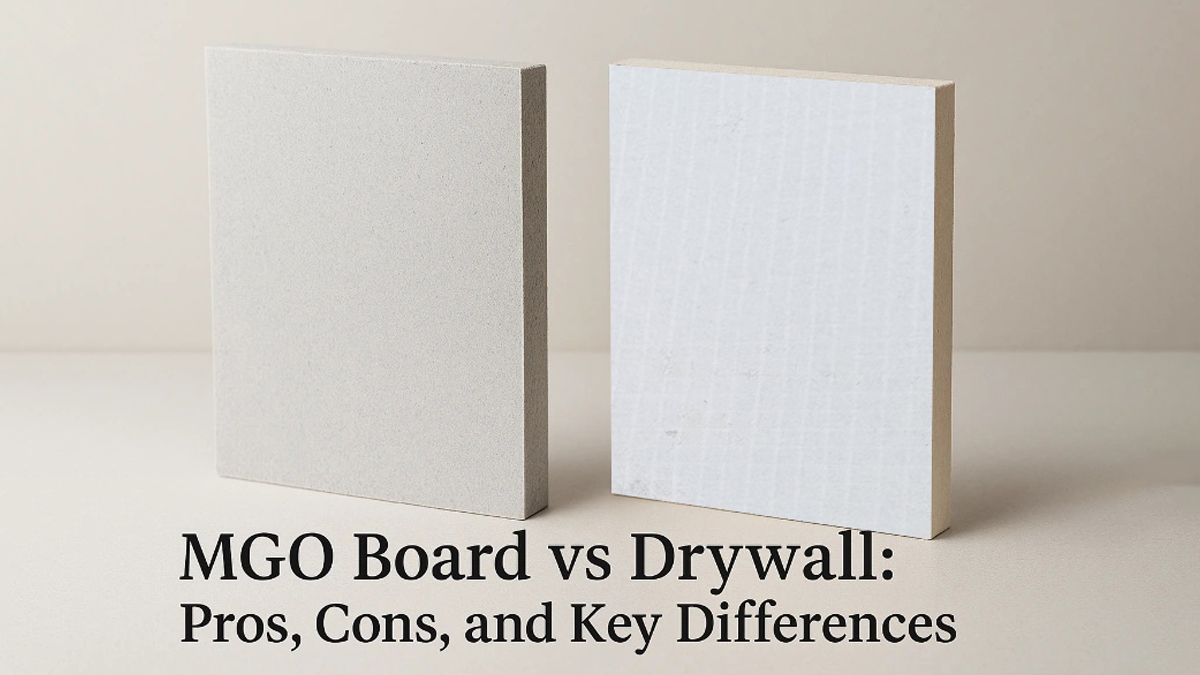
You want to know how mgo sheathing and gypsum sheathing are different. The table below helps you see the main features side by side:
Criteria | MgO Board (MgO Panels) | Gypsum Board (Gypsum Panels) |
|---|---|---|
Magnesium oxide, magnesium sulfate, perlite, fiberglass mesh | Gypsum core, paper facing | |
Fire Resistance | Non-combustible, zero flame spread, meets fire-rated assembly requirements | UL-classified, tested fire resistance |
Excellent, resists water, mold, and mildew | Prone to moisture issues, loses strength after wet-dry cycles | |
Structural Strength | High, maintains strength under stress, resists cracking and delamination | Low, needs extra support, weakens with moisture |
Installation Speed | Fast, up to 30% quicker than gypsum board | Slower, may need special prep and wet pouring |
Cost | Higher upfront cost | Lower upfront cost |
Environmental Impact | Durable, long-lasting, less replacement waste | Widely available, recyclable |
Best Uses | Exterior, high-moisture, high-fire-risk, demanding projects | Standard indoor, budget builds, sound control |
Key Similarities and Differences
When you look at mgo sheathing and gypsum sheathing, you see both protect buildings. Both mgo board and gypsum board help make walls safer and stronger. You can use both for wall assemblies, but each one is better at different things.
Similarities:
Both mgo panels and gypsum board help stop fire from spreading.
You can use both types for sound control in walls.
Each one works with many kinds of outside finishes.
Differences:
Mgo panels keep out water better. Mold and mildew are not a problem.
Mgo board stays strong in hard conditions. Gypsum board gets weak if it gets wet.
You can put up mgo panels faster than gypsum board. This means you finish work sooner.
Gypsum board costs less money, so it is good for simple or cheap projects.
Mgo sheathing vs gypsum sheathing shows mgo panels last longer and need less fixing.
Tip: If your project will get wet, hot, or used a lot, mgo panels protect better and last longer. For normal indoor walls, gypsum board saves money and works well.
Performance Comparison
 Fire Resistance of MgO Board
 Fire Resistance of MgO Board
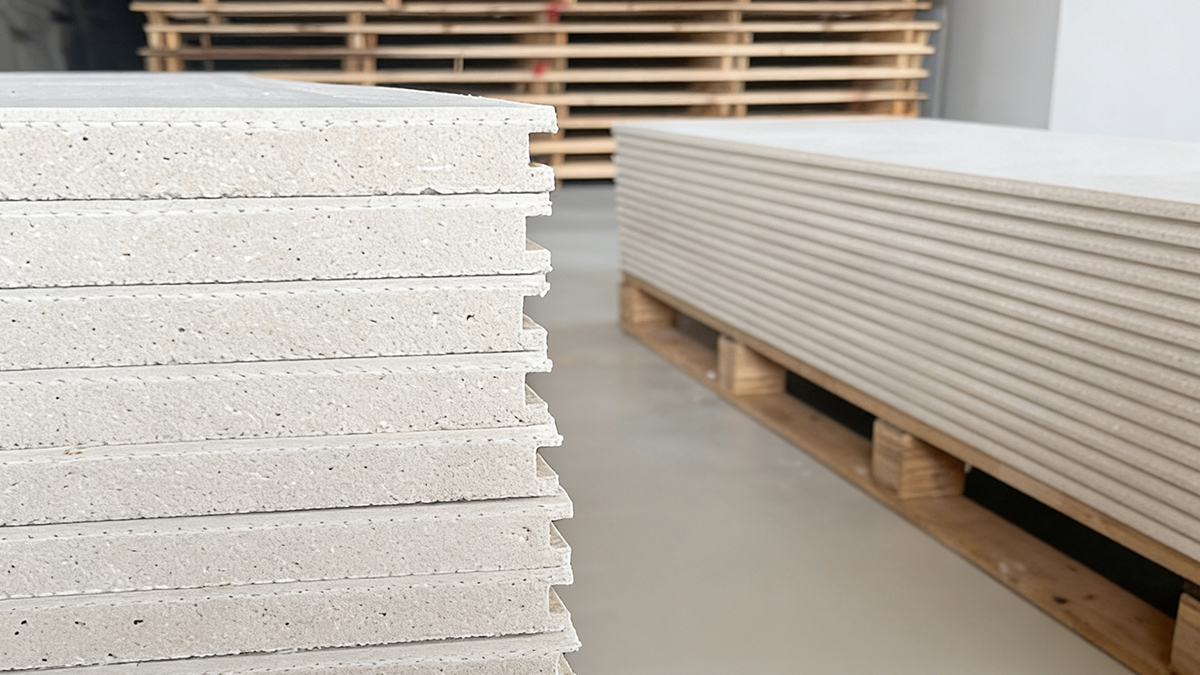
You want strong protection against fire in your building. The fire resistance of mgo board stands out in fire-rated assemblies. Mgo board does not burn or spread flames. You can use it in places where fire safety matters most. The fire performance of mgo board meets strict standards. According to ASTM E119 and ANSI-UL 263, mgo board can achieve fire ratings of 1-hour, 2-hour, and even up to 4-hour with less material than other options. This means you get more fire resistance with fewer layers.
Standard | Rating | Description |
|---|---|---|
ASTM E119 / ANSI-UL 263 | 1-Hour, 2-Hour, up to 4-Hour | Mgo board withstands fire for long periods, making it ideal for fire-rated assemblies. |
You can rely on mgo board to keep its shape and strength at high temperatures. It does not produce toxic smoke or gases if exposed to fire. Mgo board can handle heat up to 1200°C. You get peace of mind knowing your walls will not collapse or burn through during a fire.
Fire Resistance of Gypsum Board
Gypsum board also helps protect against fire. The fire resistance of gypsum board depends on the type and thickness. Type X gypsum board gives you a 1-hour fire rating in fire-rated assemblies. Type C offers even better protection with more glass fiber inside. You need more layers of gypsum board to reach higher fire ratings.
Type of Gypsum Board | Fire Rating | Thickness | Characteristics |
|---|---|---|---|
Type X | 1 hour | ⅝” (15.9mm) | Used in fire-rated assemblies from 1 to 4 hours. |
Type C | Superior to Type X | ½” (12.7 mm) and ⅝” (15.9mm) | More glass fiber for improved fire resistance. |
Gypsum board has a flame spread rating of 15 for most products, which is below the maximum for Class A. Some gypsum board products have a flame spread rating of zero. You get no smoke production when burning, which helps keep air safe during a fire. However, gypsum board can break down and lose strength under extreme heat. You may see wall failure or collapse if the fire lasts too long.
Note: Mgo board is non-combustible and keeps its structure during fire. Gypsum board can lose integrity and may need extra layers for better fire resistance.
Moisture Resistance
Moisture resistance is important for walls in bathrooms, kitchens, and exterior spaces. The moisture resistance of mgo board is excellent. Mgo board does not absorb water, so it resists mold and mildew. You can use mgo board in high humidity or direct water contact. Tests show mgo board keeps its strength even after one year in wet conditions. You do not need to worry about the board getting soft or falling apart.
The moisture resistance of gypsum board is lower. Gypsum board can absorb water and lose strength after wet-dry cycles. You may see mold or mildew if the area stays damp. Gypsum board works best in dry, indoor spaces. If you use gypsum board in wet areas, you may need to replace it sooner.
Tip: Choose mgo board for bathrooms, basements, or exterior walls. Use gypsum board for dry, indoor rooms.
Strength and Durability
You want your walls to stay strong for many years. The structural strength of mgo board is much higher than gypsum board. Mgo board has compressive strength between 12 and 25 MPa and flexural strength between 14 and 22 MPa. This means mgo board can handle heavy loads and stress without cracking or breaking. The durability of mgo board helps it last 25 to 50 years in normal building use.
Gypsum board has lower structural strength. Its compressive strength is only 3 to 6 MPa. Gypsum board may need extra support in wall assemblies. The durability of gypsum board is lower, with a lifespan of 10 to 15 years. You may need to repair or replace gypsum board more often, especially in busy or damp areas.
Sheathing Type | Compressive Strength (MPa) | Flexural Strength (MPa) |
|---|---|---|
Gypsum | 3 to 6 | N/A |
MgO | 12 to 25 | 14 to 22 |
Callout: Mgo board gives you better structural strength and durability for demanding projects. Gypsum board is best for simple, low-traffic spaces.
Real-World Project Implications
You need to match the sheathing to your project needs. If you build in a place with high fire risk or moisture, mgo board protects better and lasts longer. You save time and money on repairs. For standard indoor walls, gypsum board is cost-effective and easy to install. You get good fire resistance for basic needs, but you may need more layers or replacements over time.
You can see that mgo board excels in fire resistance, moisture resistance, and structural strength. Gypsum board works well for simple, dry spaces but does not match the durability or performance of mgo board in tough conditions.
Installation and Workflow
Installation Process
 Installation Process
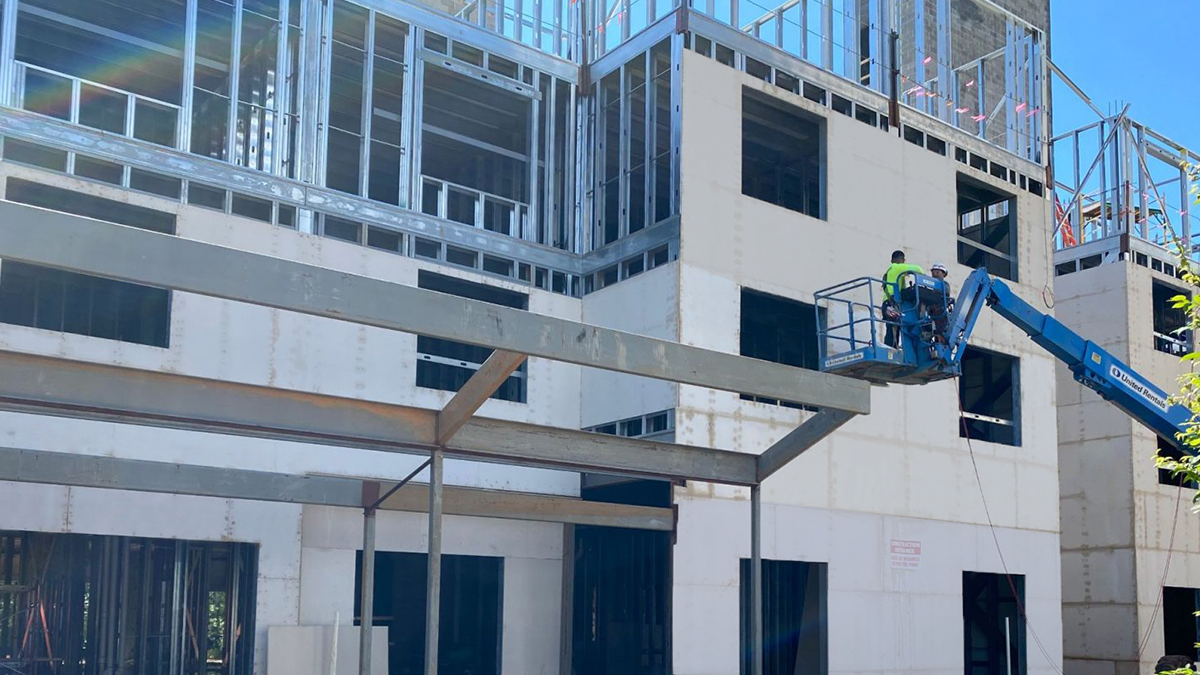
You need to know how the installation process works for each sheathing. When you install mgo board, you handle heavier panels. Mgo board often weighs between 30 and 100 pounds. You may need extra help to lift and place each mgo panel underlayment. Gypsum board is lighter. You can move and install gypsum board with less effort. This makes gypsum board a good choice for projects where speed matters. Mgo sheathing takes more time because of its weight and strength. You must secure each mgo panel underlayment tightly to the wall frame. Gypsum board installs faster in simple rooms.
Crew and Tools Needed
You want to plan your crew and tools. For mgo board, you need a larger crew. Workers must lift heavy mgo panel underlayment and use strong fasteners. You may need power tools to cut and shape mgo sheathing. Gypsum board needs fewer workers. You can cut gypsum board with a utility knife. Most crews finish gypsum board jobs with basic tools. Mgo sheathing requires more safety gear because of dust and weight.
Project Timeline
You want your project to finish on time. Mgo board can slow down your timeline. The weight of each mgo panel underlayment means you need more time for each step. Gypsum board speeds up the process. You can install gypsum board quickly in most rooms. The table below shows how weight affects installation:
Sheathing Type | Weight Range (lbs) | Installation Impact |
|---|---|---|
MgO | 30 – 100 | Requires more labor for handling and installation, potentially increasing costs and timelines. |
Gypsum | Lighter than MgO | Easier to install and handle, leading to reduced labor and time requirements. |
If you choose mgo sheathing, plan for extra days. Gypsum board helps you finish faster.
Maintenance
You want your walls to last. Mgo board needs less maintenance. Mgo panel underlayment resists water, mold, and fire. You do not need to repair mgo sheathing often. Gypsum board needs more care. If gypsum board gets wet, you may need to replace it. Mgo panel underlayment stays strong for many years. Gypsum board works best in dry, safe rooms. You save time and money on repairs with mgo sheathing.
Tip: Choose mgo panel underlayment for tough jobs. Pick gypsum board for quick, easy projects.
Cost and Value
Upfront Cost
You want to know how much you will spend at the start of your project. The cost of mgo board is higher than the cost of gypsum board. You pay more for mgo sheathing because it uses special materials and offers extra strength. Gypsum board costs less and fits most budgets for standard projects. You can see the average installed price per square foot in the table below:
Board Type | |
|---|---|
Magnesium Oxide Board | $1.50 – $3.00 |
Gypsum Board | $0.50 – $1.50 |
You also need to think about labor. Mgo sheathing takes more effort to install, so labor costs go up. Gypsum board installs faster and needs less work.
Long-Term Value
You want your building to last. Mgo board gives you long-term durability. You spend more at first, but you save money over time. Mgo sheathing does not need many repairs. It stands up to water, mold, and fire. Gypsum board may cost less at the start, but you might pay more later. It can get damaged by water or impact. You may need to fix or replace gypsum sheathing more often.
Mgo board has higher initial costs but offers long-term savings.
You do not need to repair mgo sheathing as much as gypsum board.
Gypsum board can cost more in the long run because it needs more maintenance.
Tip: If you want fewer repairs and a building that lasts, mgo board is a smart choice.
Lifecycle Cost
You need to look at the total cost over the life of your building. Mgo sheathing costs more at first, but you spend less on repairs and replacements. Gypsum board has a lower starting price, but you may pay more for upkeep. The table below shows how each sheathing compares:
Factor | MgO Sheathing | Gypsum Sheathing |
|---|---|---|
Initial Material Cost | Lower initial cost | |
Durability | Less durable in humid environments | |
Maintenance Needs | Reduced maintenance requirements | Higher maintenance needs |
Installation Efficiency | Potentially faster installation | Standard installation time |
Long-term Cost-effectiveness | More cost-effective over lifecycle | Less cost-effective over lifecycle |
You get better value from mgo board if you want strong, long-lasting walls. Gypsum board works well for simple, dry spaces where you want to save money at the start.
Environmental Impact
Sustainability
 Sustainability
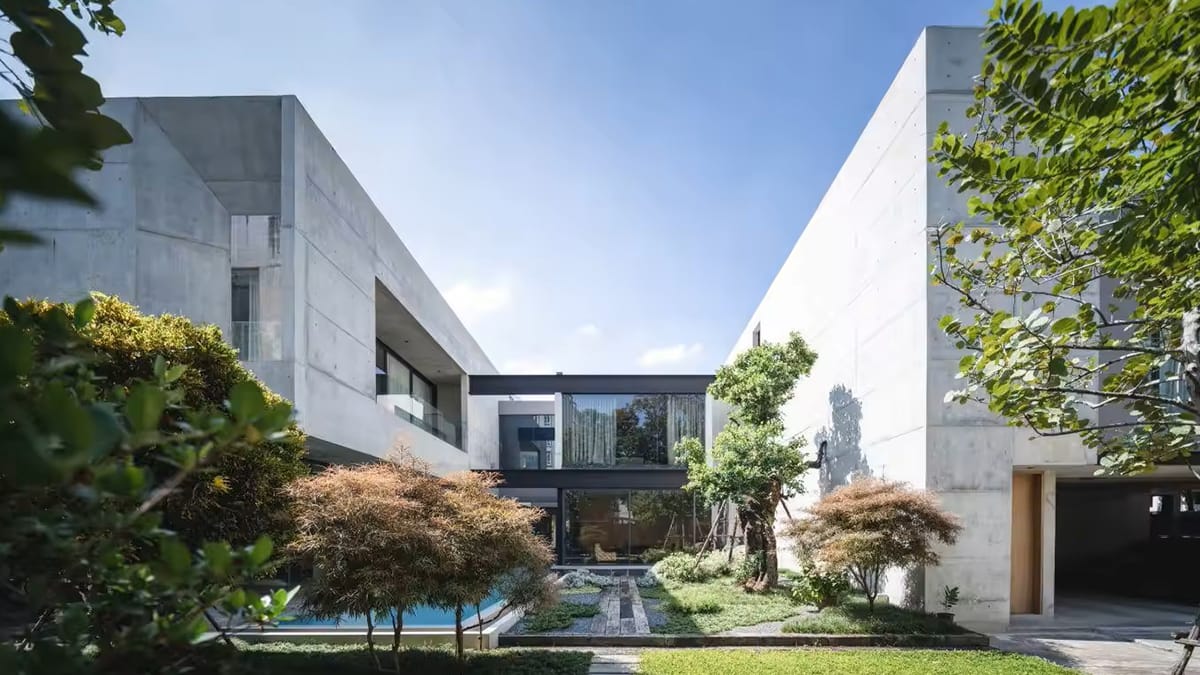
You want to help the planet when you pick sheathing. Mgo board and gypsum board are different for the environment. Mgo board needs less energy to make. It also traps carbon dioxide while it cures, which is good for the air. Gypsum board takes more energy to produce and does not trap carbon. Mgo comes from sources that are easy to find and replace. Gypsum comes from mining, which can hurt nature. The table below shows how mgo and gypsum are not the same:
Aspect | Magnesium Oxide Sheathing | Gypsum Sheathing |
|---|---|---|
Carbon Emissions | Lower emissions, sequesters CO2 | Higher emissions, does not capture CO2 |
Energy Consumption | Requires less energy to produce | Involves high energy consumption |
Resource Use | Abundant, sustainable sourcing | Relies on mined, finite resources |
Environmental Impact | More eco-friendly, captures CO2 during curing | Less sustainable, disrupts ecosystems during mining |
If you want walls that fight mold and mildew and care about the earth, mgo board is the better pick.
Certifications
You might want your sheathing to meet green building rules. Both mgo board and gypsum board can get important certificates. These certificates show your building uses safe and earth-friendly materials. The table below lists some top certificates:
Certification | Description |
|---|---|
LEED | Leadership in Energy and Environmental Design, awards credits for materials with proven environmental performance. |
BREEAM | Building Research Establishment Environmental Assessment Method, recognizes sustainable building practices. |
WELL | WELL Building Standard, focuses on enhancing health and well-being in buildings through sustainable materials. |
You can use mgo or gypsum to help your project earn these awards. Mgo board often gets more points for being green.
Health and Safety
You want walls that are safe for people and pets. Mgo board does not have bad chemicals or heavy metals. It only lets out a little magnesium, which is safe. Mgo board does not give off VOCs or formaldehyde. This makes it a good choice for people with allergies or asthma. Gypsum board might have extra chemicals that are not as safe. You should check the label before you buy gypsum board.
Mgo board does not have dangerous chemicals.
You do not need to worry about VOCs or formaldehyde with mgo.
Gypsum board may have added chemicals that could affect health.
Tip: If you want a healthy indoor space, mgo board is a safer option than gypsum board.
Choosing Between MgO Board and Gypsum Board for Applications
Residential Uses
 Residential Uses
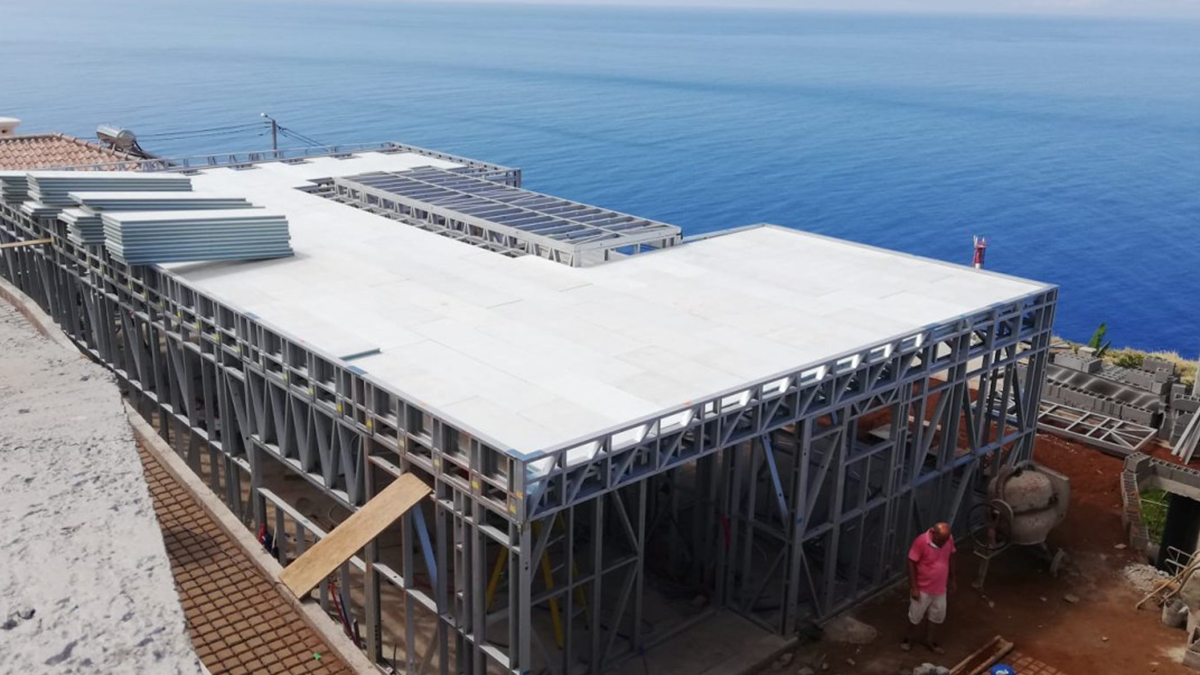
You want your house to be safe and last a long time. When you pick between mgo board and gypsum board, think about fire, water, and price. Mgo sheathing is good for places where fire safety is important. You can use mgo in walls, ceilings, and room dividers that need fire protection. Mgo also stops mold and mildew, so it works well in bathrooms, basements, and laundry rooms. If you live in an apartment building, mgo helps with fire and sound rules.
Gypsum board is best for dry rooms inside your home. You can use gypsum in bedrooms, living rooms, and hallways. Gypsum costs less money and goes up fast. You still get some fire and sound control. If you want to save money and your rooms are dry, gypsum is a smart pick.
Tip: Pick mgo sheathing for wet or fire-risk areas. Use gypsum board for normal walls in dry rooms.
Here are some ways people use each material at home:
Mgo sheathing: Fire walls, bathrooms, basements, laundry rooms, stairs.
Gypsum board: Bedrooms, living rooms, hallways, closets.
Rating Class | Flame Spread Index | Smoke Development |
|---|---|---|
Class A (I) | 0-25 | 450 max |
Class B (II) | 26-75 | 450 max |
Class C (III) | 76-200 | 450 max |
Mgo sheathing usually gets a Class A rating. This means it helps keep your family safe from fire.
Commercial Uses
You want strong walls for your business building. When you choose between mgo board and gypsum board, look at how they handle water, how easy they are to put up, and how long they last. Mgo sheathing is great for wet places. You can use mgo in bathrooms, kitchens, and busy areas. Mgo does not let mold or mildew grow, so your building stays healthy. You can also finish jobs faster with mgo.
Gypsum board works well in offices, classrooms, and stores. You can put up gypsum quickly in dry spaces. Gypsum underlayment takes more time to dry, which can slow you down. If you use gypsum in wet places, it might get damaged and need fixing.
Mgo sheathing: Bathrooms, kitchens, data centers, elevator shafts, museums, theaters.
Gypsum board: Offices, classrooms, stores, meeting rooms.
Note: Mgo sheathing stays strong when it gets wet. Gypsum board can break if it gets water on it.
You spend less on repairs if you use mgo in busy or damp places. Gypsum is better for simple, dry rooms where you want to save money.
Specialty and Exterior Uses
You want your building to handle bad weather and lots of use. When you pick between mgo board and gypsum board for special or outside jobs, think about strength and water. Mgo sheathing stays strong in freezing and thawing. You can use mgo for outside walls, soffits, and ceilings. Mgo does not swell or fall apart when it gets wet. You can put up mgo with normal tools, which makes work easier.
Gypsum sheathing does not do well outside. It can bend, break, or get ruined by rain and snow. You might need special tools for gypsum, and fixing it can cost more.
Advantage | MgO Sheathing | Gypsum Sheathing |
|---|---|---|
Freeze-Thaw Performance | Stays strong in freeze and thaw cycles | Falls apart in freeze and thaw cycles |
Durability | Very tough and hard to scratch or damage | Gets weak, bends, and breaks in bad weather |
Water Resistance | Does not swell or fall apart when wet | Can swell and break down in wet places |
Ease of Installation | Goes up with regular tools | May need special tools |
Callout: Use mgo sheathing for outside walls, soffits, and ceilings. Gypsum board is not good for outdoor or special jobs.
You get better safety and longer life with mgo in tough places. Gypsum is fine for simple indoor walls but does not last outside.
Pros and Cons Summary
MgO Board Pros and Cons
 MgO Board Pros and Cons
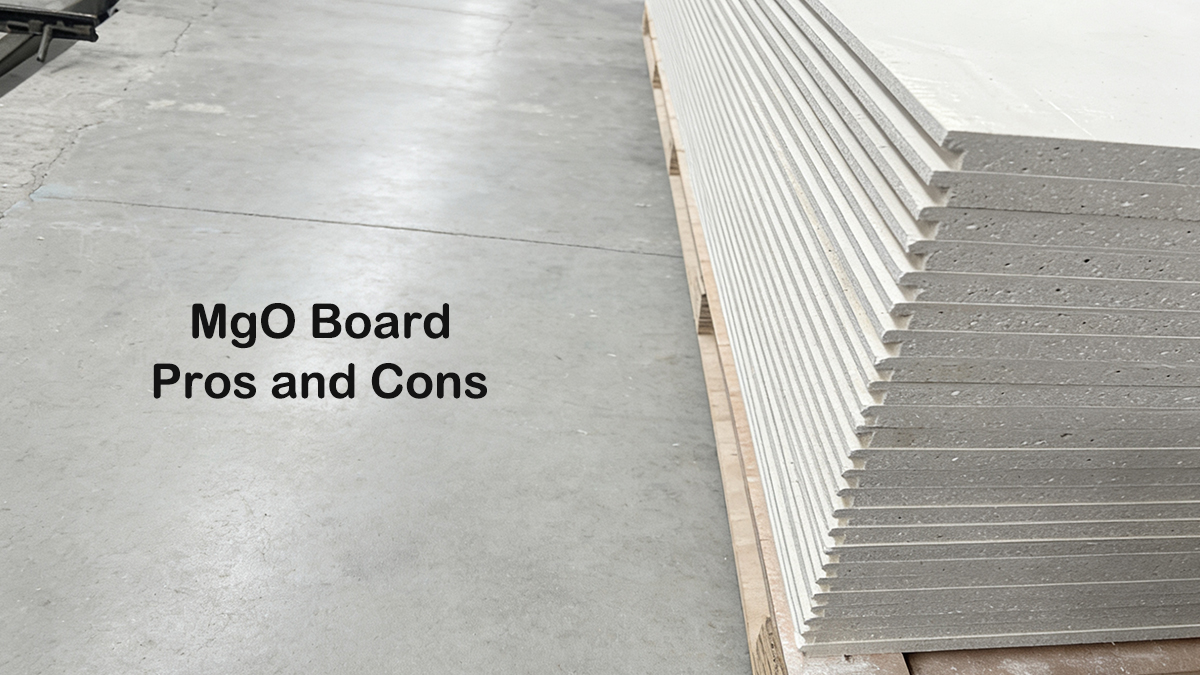
When you look at the advantages and disadvantages of mgo board, you see why many builders choose this sheathing for tough jobs. You get strong fire resistance and moisture protection. Mgo also helps keep pests away and does not give off harmful chemicals. You can use mgo for walls, floors, ceilings, and even cladding. The table below shows the main points you should know:
Cons of MgO Board | |
|---|---|
Fire-resistant and non-combustible | Higher initial cost than gypsum |
Moisture-resistant and mold-proof | Not always easy to find in every region |
Strong, durable, and impact-resistant | Needs special screws and tools for installation |
Eco-friendly and recyclable | Can break if you drop or mishandle it |
Lightweight and easy to install | Not as well-known as gypsum board |
Pest-resistant (like termites) |
|
Good thermal and sound insulation |
|
Non-toxic and safe for indoor air |
|
Works for many building uses |
|
Low maintenance and long-lasting |
|
Tip: If you want a sheathing that lasts and protects against fire, water, and pests, mgo gives you many benefits. You should also think about the higher cost and the need for special tools.
Gypsum Board Pros and Cons
You see the advantages and disadvantages of gypsum board in many homes and offices. Gypsum board costs less and goes up fast. You can use it for sound control and fire resistance in most rooms. You may find it hard to use on curved walls, and it does not hold up well if you hit or scratch it. The list below helps you compare:
Pros:
Low cost for most projects
Easy to install with basic tools
Good fire resistance for indoor walls
Helps control sound between rooms
Looks smooth and clean when finished
Cons:
Not fireproof in all situations
Does not last long if you hit or damage it
Hard to use on curved surfaces
Does not resist water or mold well
The table below gives you a quick look at the advantages and disadvantages of gypsum board:
Pros | Cons |
|---|---|
Fire resistance | Low durability against impact |
Ease of installation | Not good for curved surfaces |
Sound control | Weak when exposed to water or abrasion |
Low cost |
|
Note: Gypsum board works well for simple, dry rooms. You should not use it where you expect water, heavy use, or tough conditions.
You should pick MgO sheathing if your project has water, fire, or hard weather. This material protects well from fire. It also saves energy and needs less fixing. Gypsum sheathing is good for easy, dry places. It helps you spend less money. Think about what your project needs most. Fire safety, water control, and strength are important. If you are not sure, ask a building expert for help.
Remember: The right sheathing keeps your building safe and strong for years.
FAQ
What is the main difference between MgO sheathing and gypsum board?
MgO sheathing resists water, fire, and mold better than gypsum board. You get more strength and durability with MgO. Gypsum board costs less and works well in dry, indoor spaces.
Can you use MgO sheathing for exterior walls?
Yes, you can use MgO sheathing outside. It stands up to rain, snow, and temperature changes. You get long-lasting protection for exterior walls, soffits, and ceilings.
Is gypsum board safe for bathrooms or basements?
Gypsum board does not resist water well. You should avoid using it in bathrooms or basements. Moisture can cause mold and damage. Choose MgO sheathing for wet areas.
Does MgO board cost more than gypsum board?
Yes, MgO board costs more at first. You save money later because it needs fewer repairs and lasts longer. Gypsum board is cheaper to buy but may need more maintenance.
Which sheathing is better for fire safety?
Sheathing Type | Fire Resistance |
|---|---|
MgO Board | Excellent (non-combustible) |
Gypsum Board | Good (needs more layers for high ratings) |
You get better fire protection with MgO board. It does not burn or spread flames.