
22 Feb MgO Sheathing Board vs Plywood and OSB Which Performs Better
When you look at building materials, magnesium oxide sheathing board is safer and stronger. Many builders pick mgo sheathing board because it fights fire and water better than plywood or OSB. You can check the most important things in the table below:
Description | |
|---|---|
Moisture Resistance | Needed to stop mold from growing, which is a big problem in building. |
Fire Resistance | Very important for safety in homes and businesses, and needs special fire ratings. |
Strength | Needed for strong buildings, and helps you pick the right materials. |
Durability | Makes buildings last longer and lowers repair costs. |
You want something that saves money on heating and cooling and lasts a long time. Magnesium oxide sheathing board is very strong and helps stop expensive water damage.
Key Takeaways
MgO sheathing board stops fire and water better than plywood and OSB. This makes it safer for buildings.
Pick MgO sheathing for places with lots of moisture and mold. It does not soak up water. It also fights mold very well.
MgO sheathing costs more at first. But it saves money later because it lasts longer and needs less fixing.
MgO sheathing is simple to put in and use. You do not need special skills or tools. This helps builders save time.
If you need strong safety from fire and water, MgO sheathing is best. Plywood and OSB work for places that do not need as much protection.
Material Basics

What Is MgO Sheathing Board
You might ask why mgo sheathing is not like other boards. Mgo sheathing is made with minerals and fibers. It is strong and does not burn easily. The main parts are magnesium oxide, magnesium chloride, glass mesh, wood fiber, and some other things like perlite. Here is how mgo sheathing is made:
People pick and get ready the magnesium oxide and magnesium chloride.
They mix all the parts until it is smooth.
The mix goes into molds to make the board shape.
The boards are pressed to make them stronger.
The boards are dried and cured so they get tough.
This way, mgo sheathing gets special features. The board can handle fire, water, and mold.
What Are Traditional Materials
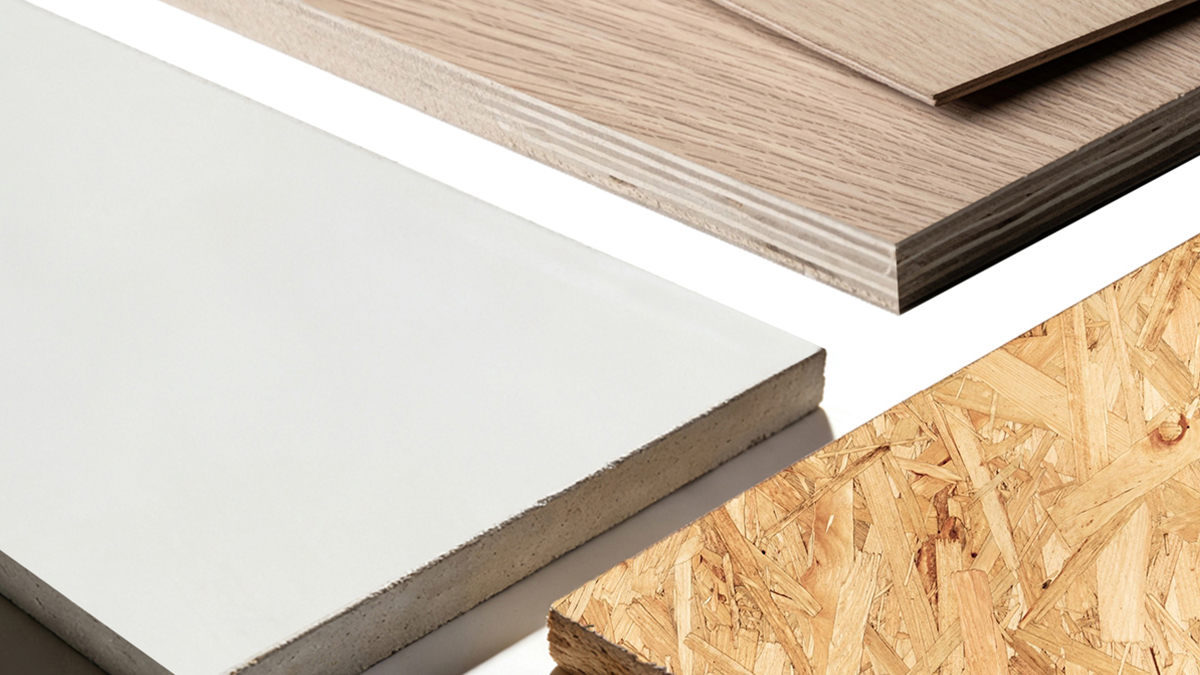
Old sheathing boards are plywood and OSB. Plywood is made by gluing thin wood sheets together. OSB uses wood strands from trees like aspen or southern yellow pine. To make OSB, workers take off bark, cut the wood, dry it, and press it with resin and wax. Both plywood and OSB use wood as the main part. This makes them strong but also means they can soak up water and grow mold.
Note: Plywood and OSB are used a lot because they are easy to buy and put in place. But they do not protect as well from fire or water as mgo sheathing.
Key Differences
You can look at the table to see how mgo sheathing, plywood, and OSB are not the same:
Property | MgO Sheathing Board | Plywood / OSB |
|---|---|---|
Material Composition | Minerals, glass mesh, wood fibers | Wood veneers or wood strands |
Water Absorption | Very low (about 0.34%) | Higher, can lose strength when wet |
Mold Resistance | Excellent, does not support mold | Mold prone due to wood content |
Combustibility | Non-combustible | Combustible, can fuel fires |
Fire Rating | 1-4 hours (ASTM E119) | About 30 minutes |
Smoke/Flame Spread | Class A (best rating) | Class C (lower rating) |
Mgo sheathing keeps you safer from fire and water. Plywood and OSB are good for many jobs, but mgo sheathing is safer and lasts longer.
Fire Resistance of Magnesium Oxide Boards vs Traditional Materials
 MgO Sheathing Fire Performance
 MgO Sheathing Fire Performance
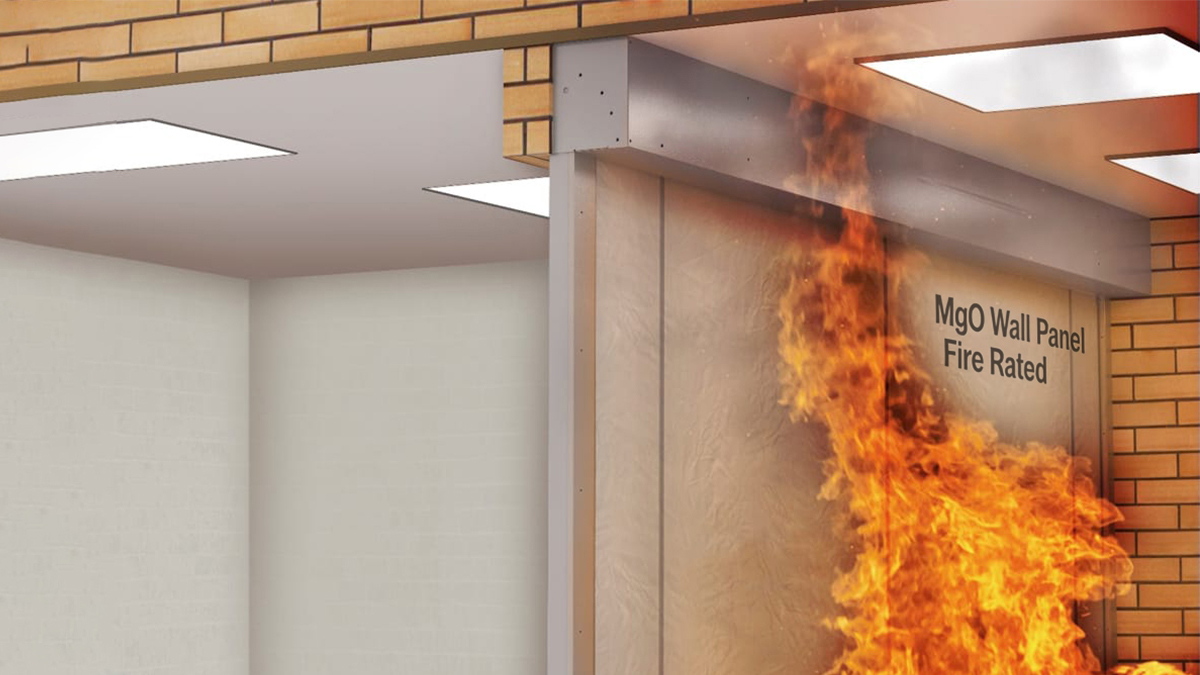
You want your building to stay safe during a fire. MgO sheathing gives you the best fire resistance you can get from a wall panel. This board does not burn because it uses minerals instead of wood. You can use MgO sheathing in places where you need fire-rated sheathing panels. The board passes strict tests like ASTM E136, which checks if a material burns at very high heat. MgO sheathing does not catch fire, even at 750°C.
You also get top marks for surface burning. MgO sheathing gets a zero flame spread and zero smoke rating in the ASTM E84 test. This means flames do not move across the board, and smoke does not fill the room. You can use MgO sheathing for fire-rated sheathing panels in walls, roofs, and floors. The fire resistance rating can reach up to 3 hours or more, depending on how you build the wall.
Here is a table that shows how MgO sheathing performs in fire tests:
Test Method | Description | Fire Resistance Rating |
|---|---|---|
ASTM E136 | Assesses combustibility at 750°C. | Noncombustible if passed |
ASTM E84/UL 723 | Evaluates surface burning characteristics, flame spread, and smoke developed. | Zero flame spread, zero smoke |
ASTM E119/UL 263 | Determines fire-resistance ratings for assemblies. | 1-, 2-, and 3-hour ratings possible |
MgO sheathing is non-combustible. You do not need extra treatments to make it fireproof. You can trust this board for fire and heat resistance in any building.
Plywood and OSB Fire Performance
You may know plywood and OSB as common building boards. These materials use wood, so they burn when exposed to fire. Plywood and OSB do not have strong fireproof properties. If you use regular plywood or OSB, fire can spread quickly. These boards do not give you much time to escape or protect your building.
OSB3 is combustible and does not have a high natural fire-resistance rating.
Without fire-retardant treatments, OSB3 can catch fire and burn fast.
Fire-retardant-treated OSB3 can reach a 30-minute fire resistance rating, but only in special cases.
You can buy fire-rated sheathing panels made from plywood or OSB, but they need extra chemicals. These treatments add cost and may not last as long as MgO sheathing. You should know that untreated plywood and OSB do not meet strict fire safety rules.
Fire Resistance Comparison Table
You want to see how these materials compare side by side. The table below shows the fire resistance of MgO sheathing, plywood, and OSB:
Material | Fire Resistance |
|---|---|
Magnesium Oxide (MgO) Boards | |
Plywood | Low |
OSB | Low |
MgO sheathing stands out because of its fireproof properties. The board is non-combustible and has an A1 fire rating. You can use MgO sheathing as fire-rated sheathing panels without extra steps. Plywood and OSB do not give you the same level of fire resistance and safety.
Tip: If you want the best fire resistance and safety for your project, choose MgO sheathing. You will get peace of mind and strong protection for your building.
Moisture & Mold Protection
MgO Sheathing in Wet Conditions
 MgO Sheathing in Wet Conditions
You want your building to stay safe from water and mold. MgO sheathing gives you strong moisture protection. This board does not soak up water like wood. You can use mgo sheathing in places with high humidity, such as bathrooms, pools, and outdoor walls. The board keeps its shape and strength even after long exposure to wet conditions.
Field studies show that mgo sheathing absorbs very little water. The moisture absorption rate is about 0.34%. You do not see swelling or warping. You can trust mgo sheathing to stay tough in wet weather. Accelerated aging tests prove that mgo sheathing keeps its strength after months in damp environments. Environmental tests confirm that mgo sheathing works well in heat and humidity.
Here is a table that shows how mgo sheathing compares to gypsum board:
Material | Moisture Absorption | Mold Susceptibility |
|---|---|---|
MgO Board | Very low (approx. 0.34%) | Low |
Gypsum Board | Higher (approx. 3%) | High |
You see that mgo sheathing has much better moisture protection than gypsum board. You do not need to worry about mold or water damage. The board stays strong and safe.
Mgo sheathing keeps its strength after long exposure to moisture.
You can use mgo sheathing in high humidity and heat.
Mgo sheathing stays free from mold in wet places.
Tip: If you want the best moisture and mold resistance, choose mgo sheathing for wet areas.
Plywood and OSB Moisture Response
You may use plywood or OSB for many building projects. These boards use wood as the main material. Wood absorbs water and can swell or warp. You see problems when plywood or OSB get wet. The boards lose strength and shape. You may notice swelling at the edges and changes in thickness.
Laboratory tests show that plywood and OSB change size when exposed to moisture. The coefficient of hygroscopic expansion is 0.0002 inch per inch for each 10% change in humidity. The panels can swell at the edges and across the surface. You see an average change of 0.05 inch across the width and 0.09 inch along the length of a 48×96-inch panel. These changes can cause gaps and weak spots in your walls or floors.
Here is a table that shows how plywood and OSB respond to moisture:
Characteristic | Measurement |
|---|---|
Coefficient of hygroscopic expansion | 0.0002 inch/inch per 10% humidity change |
Total change from oven dry to fiber saturation | 0.2 percent |
Edge swelling (maximum) | About 0.002 inch at each edge per 10% humidity increase above 40% |
Coefficient of hygroscopic thickness swell | 0.01 inch/inch of original thickness per 10% humidity change |
Dimensional changes (48×96-inch panel) | 0.05 inch across width, 0.09 inch along length under humidity changes |
You see that plywood and OSB do not give you strong moisture protection. The boards can swell, warp, and lose strength. You may need to replace damaged panels after water exposure.
Mold Resistance Comparison
You want your building to stay free from mold. Mold can grow on wood and drywall when they get wet. Mgo sheathing gives you excellent moisture and mold resistance. The board does not support mold growth, even in wet conditions.
Recent studies show that mgo sheathing does not swell, warp, or degrade in wet environments. You can use mgo sheathing in places where mold is a risk. OSB and plywood do not perform as well. OSB swells and deteriorates when exposed to water. Plywood is also mold prone.
Here is a table that compares mold resistance:
Property / Material | Magnesium Oxide (MgO) Board | Plywood | Drywall (Gypsum Panels) |
|---|---|---|---|
Mold Growth (ASTM G21 Fungal Test) | 0/0/0 (no mold growth) | Mold prone | Mold prone |
Mgo sheathing gives you excellent moisture resistance.
OSB swells and breaks down when wet.
You see no mold growth on mgo sheathing in tests.
Note: You can use mgo sheathing for strong moisture protection and fire safety. The board keeps your building safe from water, mold, and fire. You do not need extra treatments or coatings.
You see that mgo sheathing stands out for moisture and mold resistance. You get strong protection from water and fire. Plywood and OSB do not give you the same level of safety. You can trust mgo sheathing for long-lasting moisture protection in any building.
Durability & Strength
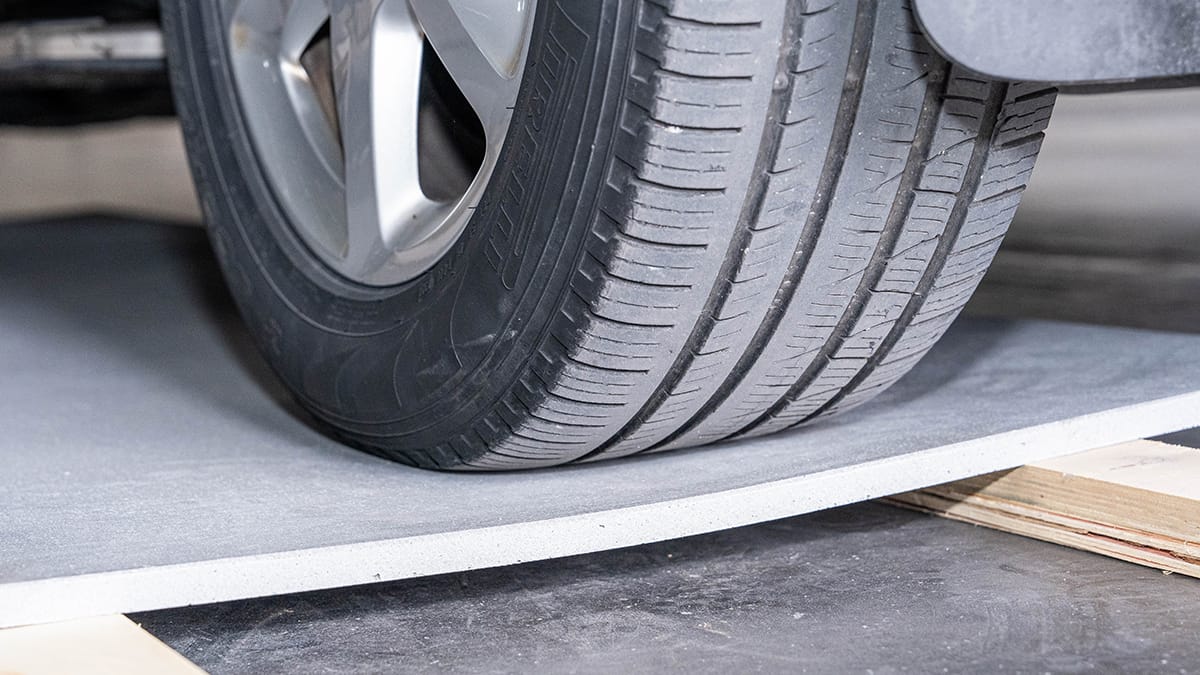
Structural Strength of MgO Sheathing
 Structural Strength of MgO Sheathing
You want your building to be strong. It should handle wind, pressure, and daily use. MgO sheathing gives good support in many situations. This board keeps its shape and strength, even after getting wet or drying out. Here are some reasons builders like mgo sheathing for strong jobs:
MgO sheathing boards pass tough wind and pressure tests (ASTM E72).
These boards do not swell or bend after getting wet.
They meet strict rules for not burning and fire safety.
You get steady results in hot or cold weather.
You can use mgo sheathing for walls, roofs, and floors. It works well where you need strength and durability.
Longevity of Magnesium Oxide Board
You want your building materials to last a long time. MgO sheathing is very durable. Studies show these boards stay strong for at least 33 years in normal weather. In the best places, mgo sheathing can last up to 100 years. This means you do not have to fix or replace it often. The board fights off water and mold, so it stays strong. You can feel good knowing your project will last.
MgO sheathing stays strong for many years.
You can trust it in wet or dry places for a long time.
Durability of Traditional Materials
You may wonder how plywood and OSB compare. Builders have used these materials for a long time. But they are not as strong or durable as mgo sheathing. The table below shows how each material does:
Material | Durability Characteristics | Vulnerabilities |
|---|---|---|
Magnesium Oxide Boards | Excellent durability, moisture resistance, and fire safety; withstands wear and tear. | N/A |
OSB | Cost-effective but vulnerable to moisture damage and fungal degradation. | Deteriorates faster without protection. |
Plywood | Offers stability and reduced moisture issues but can delaminate and split over time. | Susceptible to moisture exposure. |
Plywood can split or come apart when it gets wet. OSB can break down faster if it gets wet too. You get better strength and durability with mgo sheathing. If you want your building to last, pick materials that fight damage and wear.
Tip: If you need your project to be strong and last, mgo sheathing is better than plywood and OSB every time.
Environmental Impact of MgO Sheathing
Sustainability of Magnesium Oxide Boards
 Sustainability of Magnesium Oxide Boards
You want to pick building materials that help the earth. Magnesium oxide boards are a green choice for your project. These boards use natural and safe materials. You do not have to worry about bad chemicals or VOCs when they are made. Magnesium oxide boards do not have asbestos or other harmful stuff. You can recycle or reuse them when your building is old.
Magnesium oxide boards help lower your carbon footprint. They take in CO2 while curing. Making magnesium oxide boards uses less energy than making gypsum boards. The main materials for magnesium oxide boards are easy to find and can be collected in a good way. You do not cut down trees when you use magnesium oxide boards, unlike wood products.
Here is a table that shows how magnesium oxide boards and gypsum boards compare:
Aspect | MgO Boards | Gypsum Boards |
|---|---|---|
Carbon Footprint | Lower because they absorb CO2 | Higher because they use more energy |
Resource Use | Easy to find and collect | Limited supply, mining hurts nature |
Energy Efficiency | Needs less energy to make | Uses a lot of energy |
Environmental Impact | Safe and good for the planet | Uses resources that cannot be replaced |
You can see magnesium oxide boards have many earth-friendly benefits:
Magnesium oxide boards take in CO2 while curing.
Making magnesium oxide boards uses less energy.
The main materials are easy to find and collect.
Magnesium oxide boards can be recycled and reused.
You do not cut down trees when you use magnesium oxide boards.
Magnesium oxide boards last a long time, so you do not need to replace them often.
Environmental Profile of Traditional Materials
You may think plywood and OSB are easy picks, but they hurt the earth more. These boards come from wood, so you help cut down trees when you use them. Cutting trees changes the weather and hurts nature. It puts more carbon in the air, changes water, and harms plants and animals.
Making plywood puts a lot of greenhouse gases in the air. For every cubic meter of plywood, you add about 622 kg of CO2 to the air. Most of these gases come from the resins used in the boards. You also need lots of energy to make plywood and OSB. These boards do not last as long as magnesium oxide boards, so you may need to replace them more often.
Here are some facts about traditional boards:
Making plywood and OSB puts lots of greenhouse gases in the air.
Most gases come from fossil-based resins.
Cutting trees for wood hurts the weather and animals.
Making plywood and OSB uses more energy than magnesium oxide boards.
When you pick magnesium oxide boards, you help the earth. You use fewer resources, lower your carbon footprint, and do not cut down trees. Magnesium oxide boards give you a strong, safe, and earth-friendly choice for your building project.
Cost Comparison
MgO Sheathing Board Pricing
You may notice that MgO sheathing board costs more than plywood or OSB at first. The price for MgO sheathing board in North America and Europe usually falls between $1.50 and $3.00 per square foot. This price can change based on the thickness and brand you choose.
MgO sheathing board: $1.50–$3.00 per square foot
Price depends on thickness and supplier
You may pay more upfront, but you get better fire and water resistance
Tip: If you want a board that lasts longer and protects better, MgO sheathing can be a smart investment.
Plywood and OSB Costs
Plywood and OSB often cost less when you buy them. You can see the current prices in the table below. These prices use Canadian dollars per thousand square feet (msf), but you can compare the numbers to see the difference.
Material | Price (C$ / msf) | Change from Previous Week | Change from Last Month | Change from Last Year | Change from Two Years Ago |
|---|---|---|---|---|---|
Oriented Strand Board – 7/16″ | 590 | -70 (-11%) | -155 (-21%) | +175 (+42%) | -400 (-40%) |
Canadian Softwood Plywood – 3/8″ | 610 | -65 (-10%) | -143 (-19%) | -21 (-3%) | -540 (-47%) |
You can see that plywood and OSB prices can change a lot. They often cost less than MgO sheathing board at the start.
Long-Term Value
You should think about more than just the first price. MgO sheathing board gives you savings over time. You spend less on repairs and replacements because the board lasts longer and resists damage. You may also pay less for insurance because MgO sheathing is safer.
Material | Initial Cost | Long-term Maintenance Cost | Durability | Energy Efficiency | Insurance Premiums |
|---|---|---|---|---|---|
MgO Sheathing | Higher | Lower | High | High | Lower |
Plywood | Lower | Higher | Moderate | Moderate | Higher |
OSB | Lower | Higher | Moderate | Moderate | Higher |
Note: If you want to save money in the long run, MgO sheathing board can be the better choice. You get strong protection and fewer repair bills.
Installation & Handling
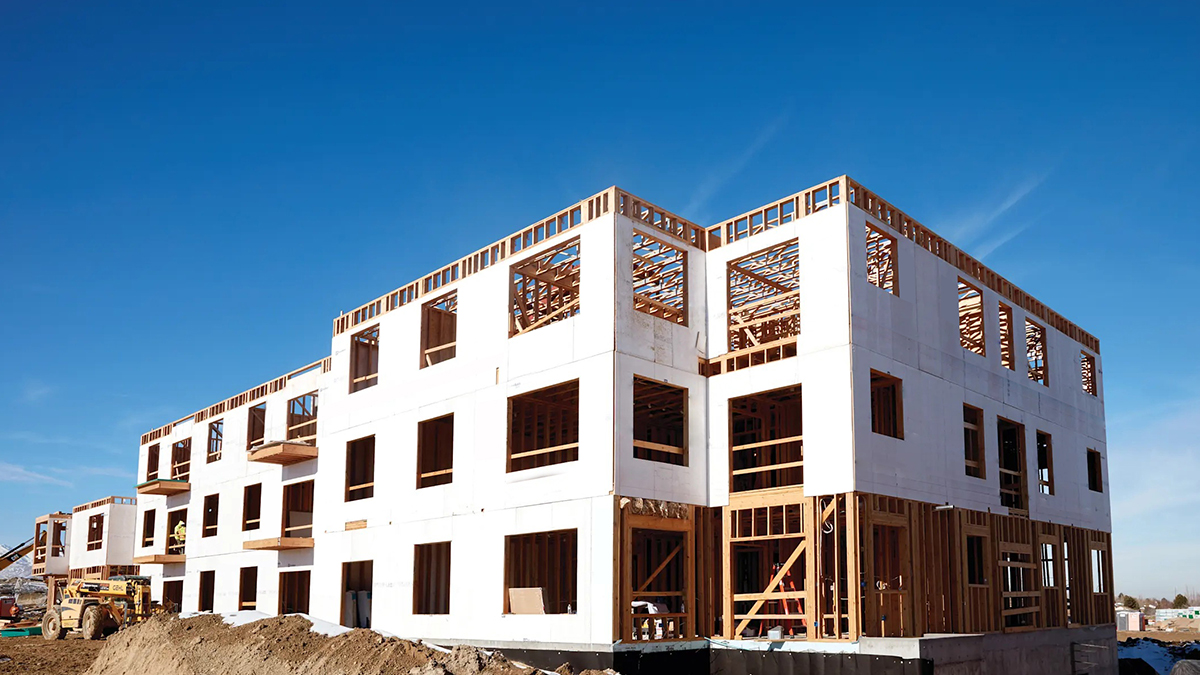
Working with MgO Sheathing
 Working with MgO Sheathing
When you install mgo board sheathing, you follow clear steps to get the best results. Start by making sure the wall surface is clean and free of debris. Check that the framing is even. Place the mgo board sheathing at the bottom and work your way up. Use corrosion-resistant screws or nails to attach each sheathing panel. Always use a level to keep the panels straight. After you install each sheathing panel, seal the seams with weather-resistant tape. You can also use adhesive for extra protection. Inspect your work for loose screws or gaps. Sand any rough edges for a neat finish. If you want, you can paint or finish the mgo board sheathing for added durability.
You need a few basic tools for this job:
Mgo board sheathing cut to size
Measuring tape
Utility knife or circular saw with a diamond blade
Drill with screwdriver bit
Corrosion-resistant screws or nails
Level
Sealing tape or adhesive
Protective gloves and eyewear
Mgo board sheathing is easy to cut and handle. You do not need special skills. The panels are lightweight, so you can move them without much effort. You get strong moisture resistance and water and mold resistance with every sheathing panel you install.
Installing Traditional Materials
When you work with plywood or OSB, you use many of the same tools. You cut the sheathing panel to fit, then attach it to the framing with nails or screws. Plywood and OSB are heavier than mgo board sheathing, so you may need help lifting each sheathing panel. OSB can swell at the edges if it gets wet. You must store these panels in a dry place before you install them. Always use proper adhesive and make sure the panels have room to expand. If you install the sheathing panel too tightly, you risk water getting in and causing damage. OSB needs a fluid-applied barrier to stop water from soaking in. In humid areas, you may not be able to use OSB as structural sheathing because of decay risks.
Labor and Time Factors
You save time with mgo board sheathing because the panels are easy to cut and install. You do not need to treat the panels for moisture resistance or water and mold resistance. The sheathing panel stays strong even in wet areas. Plywood and OSB take more time because you must protect them from water. You may need to add extra barriers or coatings. If you skip these steps, the sheathing panel can swell or rot. Mgo board sheathing gives you a faster, safer, and cleaner installation. You get reliable structural sheathing that lasts.
Tip: Choose mgo board sheathing for quick, safe, and easy installation. You get strong protection and less worry about future repairs.
Best Uses for Each Material
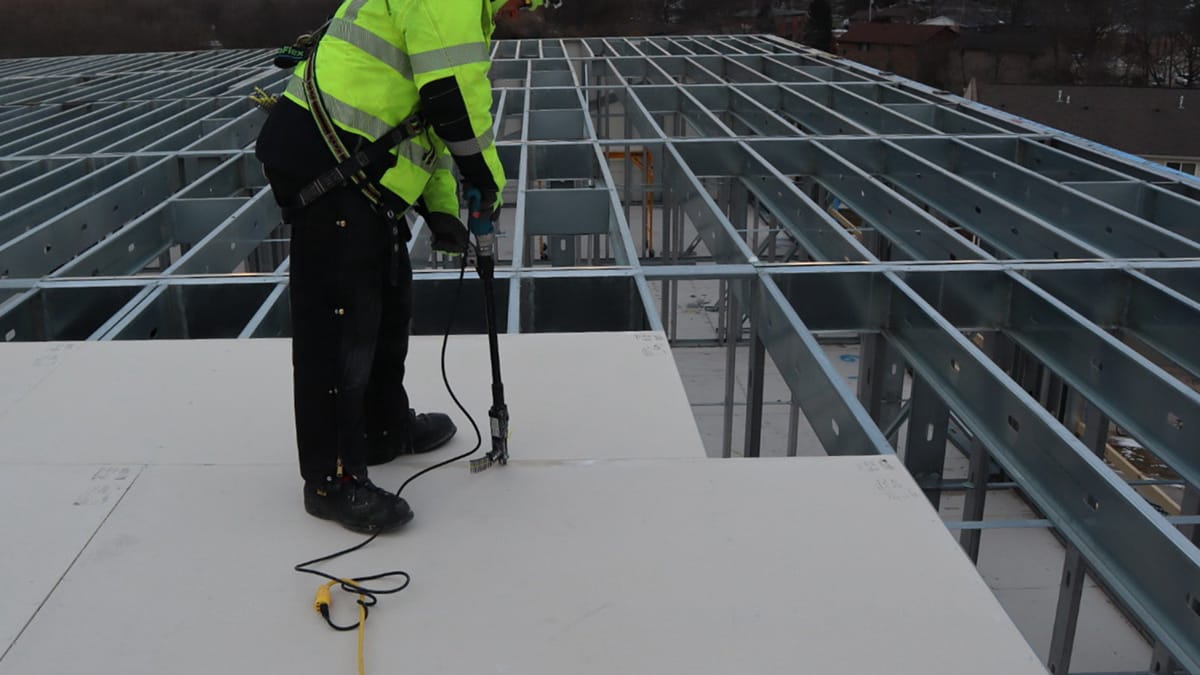
When to Choose MgO Sheathing
 When to Choose MgO Sheathing
Pick MgO sheathing board when you want strong protection. This board is great where fire, water, or mold could be a problem. Many experts say MgO sheathing works best in these places:
Interior Walls and Ceilings: It keeps rooms safe from fire and water. This is good for kitchens and bathrooms.
Flooring Substrate: The board does not crack easily. It stays strong in busy hallways and entryways.
Roof Sheathing: Your roof gets extra safety from fire and bad weather. This helps in wildfire areas.
External Cladding: The board stops bugs and stands up to tough weather. You can pick different styles for your building.
You can use MgO sheathing for soffits and fascias. It also works for fireproof walls in schools and hospitals. If you need quiet rooms, MgO boards help block sound in studios and libraries.
Tip: Pick MgO sheathing if you want the best safety and strength. It also gives great moisture protection for your project.
Use Case | Why MgO Sheathing Works Well |
|---|---|
Roof Sheathing | Handles fire and bad weather well |
Fireproof Partitions | Stays strong when it gets hot |
Flooring Substrate | Lasts long and does not break easily |
External Cladding | Stops bugs and tough weather |
When to Use Plywood or OSB
Pick plywood or OSB if you want to save money. These boards work well in dry places. Plywood is better than OSB in wet rooms. It lasts longer and does not swell as much. OSB costs less and is good for projects with little moisture.
Plywood: Use plywood in bathrooms and kitchens. It does not swell much and lasts longer than OSB.
OSB: Use OSB for walls, floors, or roofs in dry places. It saves money and still gives good support.
Material | Best Use Scenario | Key Benefit |
|---|---|---|
Plywood | Wet rooms that need strong boards | Handles water better |
OSB | Cheap builds in dry places | Costs less |
Note: If you want to spend less and do not need extra fire or water safety, plywood and OSB are good for many regular jobs.
You should choose MgO sheathing board for fire-prone or wet areas. It lasts longer and needs less maintenance than plywood or OSB. The table below shows how each material performs:
Feature | MgO Boards | Plywood | OSB |
|---|---|---|---|
🔥💧 | 💧 | 💧 | |
Lifespan | ⭐⭐⭐⭐ | ⭐⭐⭐ | ⭐⭐⭐ |
Cost | 💲💲💲 | 💲💲 | 💲 |
Many builders think MgO boards are just drywall or too costly. In reality, you get better fire protection and durability. Always match your choice to your project’s needs for the best results.
FAQ
What makes MgO sheathing board safer than plywood or OSB?
MgO sheathing board does not burn. You get a non-combustible material that resists fire and smoke. Plywood and OSB can catch fire quickly. MgO board helps protect your building and gives you more time to react in an emergency.
Can you use MgO sheathing board outside?
Yes, you can use MgO sheathing board outside. It stands up to rain, snow, and sun. The board does not swell or rot. You get strong protection for exterior walls, soffits, and even roofs.
Does MgO sheathing board support mold growth?
No, MgO sheathing board does not support mold growth. The board stays dry and does not feed mold. You can use it in bathrooms, kitchens, and basements. You help keep your building healthy and safe.
Is MgO sheathing board hard to cut or install?
You can cut MgO sheathing board with a utility knife or saw. The panels are lightweight. You do not need special tools. You can install them with regular screws or nails. The process is simple and fast.
How does the cost of MgO sheathing compare to plywood or OSB?
MgO sheathing board costs more at first. You save money over time because it lasts longer and needs fewer repairs. You also get better fire and water protection. Many builders see it as a smart investment.