
01 May What Are MgO Building Panels and How Are They Used in Construction
You will see MgO building panels made with magnesium oxide, sand, and fiber mesh. These panels are strong and can be used in many ways. Builders use them instead of gypsum board and plywood. MgO building panels are strong, resist fire, and are good for the environment. Many architects pick them because they are light and simple to put in. More people use them in green homes and buildings that save energy. New ideas make them even better at stopping fire and water, so they work well in lots of places.
Key Takeaways
MgO building panels are very strong and do not burn easily. They are good for the environment. This makes them a smart pick for new buildings. These panels do not let water or mold in. This helps keep the air inside clean. They also last a long time in wet places like kitchens and bathrooms. MgO panels can be used in many ways. You can use them for walls, ceilings, and floors. They can also be used as structural insulated panels. This helps save energy in buildings. When you put them in, you must be careful. You need to use the right screws. You also have to seal the seams well. This keeps the panels strong and safe. If you pick good MgO panels, your building will last a long time. It will also be safe and good for the planet. These panels meet tough fire safety rules.
What Are MgO Building Panels
Composition and Structure
MgO building panels are made in a special way. They use magnesium oxide, magnesium chloride, and perlite. Each part helps the panel work better. Magnesium oxide makes the panels strong and helps stop fires. Magnesium chloride holds the parts together and keeps the panels steady. Perlite makes the panels lighter and helps keep heat in or out. You can see what each part does in the table below:
Component | Contribution to Properties |
|---|---|
Magnesium Oxide (MgO) | Provides fire resistance, strength, and durability |
Magnesium Chloride (MgCl2) | Acts as a binder, enhancing stability |
Perlite | Improves insulation and reduces weight |
People who make these panels mix the parts carefully. When magnesium oxide and magnesium chloride mix, they make a hard, crystal-like shape. This is not how other boards are made. The panels dry for a few days, so they get very strong and last a long time.
Magnesium Oxide Board vs. Other Materials
MgO building panels are different from other building boards. Making MgO panels is harder than making gypsum or cement boards. MgO panels form by a chemical reaction. Gypsum and cement boards use easier ways to harden. This makes MgO panels stronger and more steady.
Here is a table that shows how MgO panels are different from plywood and gypsum board:
Feature | MgO Panels | Traditional Materials (Plywood/Gypsum Board) |
|---|---|---|
Durability | Prone to cracking and damage | |
Dimensional Stability | Resists warping, swelling, and delamination | Can warp and swell in high humidity |
Non-Toxic Composition | Free from harmful chemicals | May contain toxic compounds |
Non-combustible, ideal for fire safety | Generally less fire-resistant | |
Moisture Resistance | Withstands rain and freeze-thaw cycles | Can deteriorate in wet conditions |
Structural Integrity | Rivals OSB and plywood strength | Weaker structural performance |
Fungal Resistance | Resists mold and mildew | Susceptible to mold growth |
Ease of Use | Easy to cut and install | May require specialized tools |
MgO panels do not bend or get bigger when wet. They last longer and do not break easily. MgO panels also do not have bad chemicals, so they are safer for you and your family.
Main Functions in Construction
MgO building panels can be used in many places. They are good for walls, ceilings, floors, and outside siding. Builders like them because they stop fire, water, and mold. You can paint or put tiles on them, so they fit many designs.
Here is a table that shows what MgO panels do in buildings:
Function | Description |
|---|---|
Fire Resistance | Withstands fire for up to four hours, keeping buildings safer |
Durability | Strong and resists water damage, good for wet areas |
Eco-friendliness | Made from natural materials, supports green building |
Versatility | Used for walls, floors, ceilings, and can be finished in many ways |
Sound Insulation | Reduces noise, making rooms quieter |
Mold Resistance | Stops mold growth, improves indoor air quality |
Cost Efficiency | Quick to install, saves on labor and project costs |
You will see MgO panels used for:
Inside walls and ceilings
Outside walls and siding
Floors and under floors
Structural insulated panels (SIPs)
Fire barriers and modular buildings
Tip: If you want a building material that is strong, safe, and good for the earth, MgO building panels are a smart pick.
Key Features and Benefits of MgO Boards
 Durability and Strength
 Durability and Strength
You want building materials that last and stay strong. MgO boards do both jobs well. These panels only take in a little water, just 0.34%. This means they do not soak up much water. They do not break down like plywood or drywall. You will not need to fix them as much.
MgO panels are also very strong. They can hold heavy things and take hits. In tests, these panels had compressive strength from 12 to 25 MPa. This makes them a good pick for places that need extra strength.
You can see how MgO panels compare to other materials in the table below:
Material | Impact Resistance (kJ/m²) | Compressive Strength (MPa) | Fastener Holding Capacity (psf) |
|---|---|---|---|
MgO Panels | 5 | 14 | >350 |
Cement Board | 2.32 | 3-6 | N/A |
Plywood | N/A | N/A | N/A |
Note: MgO boards stay strong even when the weather changes. They do not get weak when it is humid. The core stays steady, so you can trust these panels for many years.
Fire and Moisture Resistance
You need materials that keep your building safe from fire and water. MgO boards do both things well. These panels do not burn. They act as a fire barrier and help keep you safe.
Here is a quick look at fire resistance:
Material | Fire Resistance Characteristics |
|---|---|
MgO Board | Excellent non-combustible material, does not burn and provides good fire resistance |
MgO panels also fight moisture better than gypsum board or fiber cement board. They do not swell or get weak in wet places. You can use them in bathrooms, kitchens, or basements without worry.
Check out how different boards handle moisture:
Material | Moisture Resistance Description | Performance in Wet Conditions |
|---|---|---|
Magnesium Oxide Boards | Excellent moisture handling; minimal water absorption; strong even when wet. | Best option for damp areas; prevents mold growth. |
Gypsum Boards | Poor moisture resistance; absorbs water leading to swelling and mold growth. | Weakens over time in high humidity. |
Fiber Cement Boards | Moderate moisture resistance; can absorb water over time, leading to weakening. | Better than gypsum but not as reliable as MgO. |
Tip: If you want to stop mold and mildew, MgO panels are your best choice. They keep your indoor air clean and healthy.
Environmental Safety and Sustainability
You care about the planet and your health. MgO boards help you build in a safe and green way. These panels use non-toxic materials. They do not have bad chemicals like benzene, ammonia, or asbestos. You get better indoor air because MgO boards do not give off dangerous gases.
MgO panels also help the earth. They use less energy to make and can even take in carbon dioxide over time. This helps lower the carbon footprint of your building project.
Here is a table that shows the green features of MgO boards:
Feature | Description |
|---|---|
Non-toxic materials | Made from natural magnesium sulfate, free from toxic substances like benzene, ammonia, and asbestos. |
Indoor air quality | Produces negligible toxic off-gassing, ensuring safer indoor air quality. |
Low-energy manufacturing | Reduces carbon footprint and supports sustainability. |
CO₂ sequestration | Actively cuts greenhouse gas emissions during curing. |
High-strength alternative | Offers a sustainable alternative to traditional materials in construction. |
MgO boards also meet strict fire safety rules, like EN 13501-1 Class A1 noncombustible. You can trust these panels to keep your building safe and good for the earth.
🌱 Pick MgO boards if you want a strong, safe, and green building material.
Applications and Installation of MgO Panels
Indoor and Outdoor Uses
 Indoor and Outdoor Uses
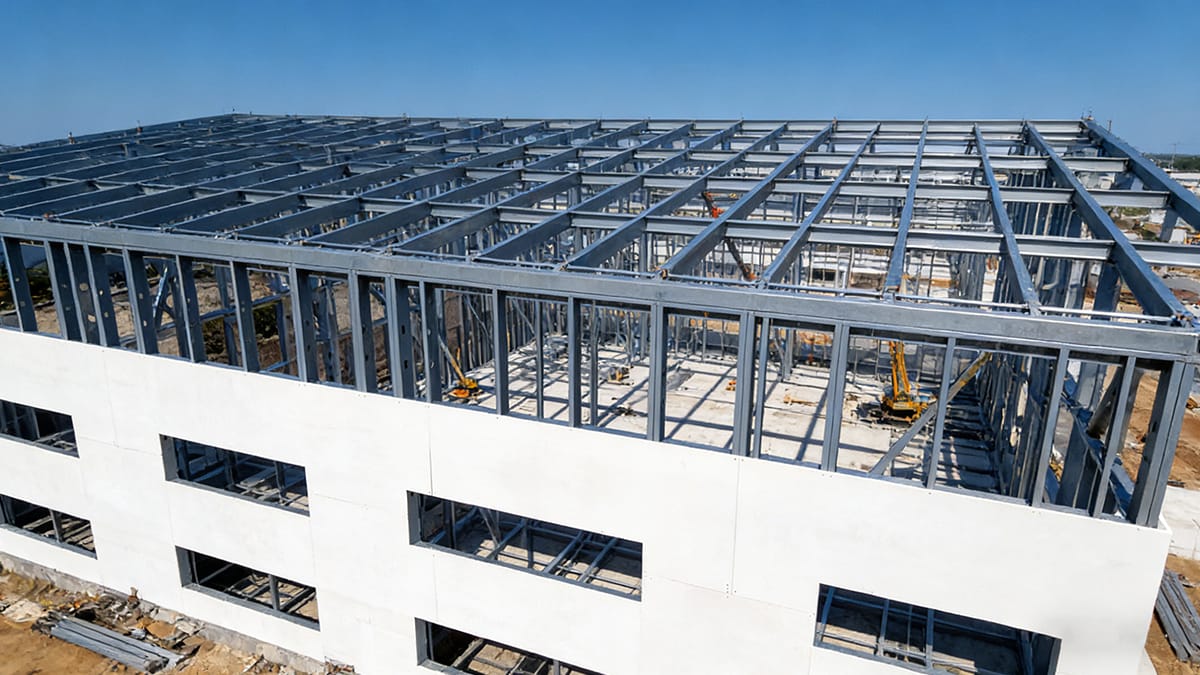
MgO panels can be used in many places in a building. They work well inside and outside. In hospitals, schools, and offices, people use them for walls and room dividers. Kitchens, bathrooms, and basements are good spots for these panels because they do not let water or mold in. Outside, MgO panels are used as a layer under siding and for extra support, especially where fire safety matters most.
Here is a table that shows common uses:
Application Type | Specific Uses |
|---|---|
Indoor Applications | Hospitals, schools, offices, kitchens, bathrooms, basements |
Outdoor Applications | Exterior sheathing, structural support in buildings needing fire safety |
General Benefits | Fire resistance, moisture resistance, durability, sound insulation |
MgO panels last longer in bad weather than fiber cement board. MgO boards do not let water in and will not burn for up to 1-2 hours. Fiber cement boards only keep out some water.
MgO Structural Insulated Panels (SIPs)
MgO structural insulated panels help make strong and energy-saving walls. These SIPs have insulation in the middle and MgO boards on both sides. The tight fit keeps heat inside and stops air from leaking out. Homes with MgO SIPs use less energy than homes with normal walls. You will pay less for heating and cooling because these panels stop heat from escaping.
MgO SIPs have a thermal conductivity of 0.038 W/mK, which is lower than plywood or cement board. This means your building stays warmer in winter and cooler in summer. The R-value can be as high as 6.5 per inch, so you get better insulation. These panels also help your building get a HERS score under 50, which means it saves a lot of energy.
MgO SIPs can save up to 45% more CO2 than stick framing and pay back their energy cost in just over five years.
Installation Process and Best Practices
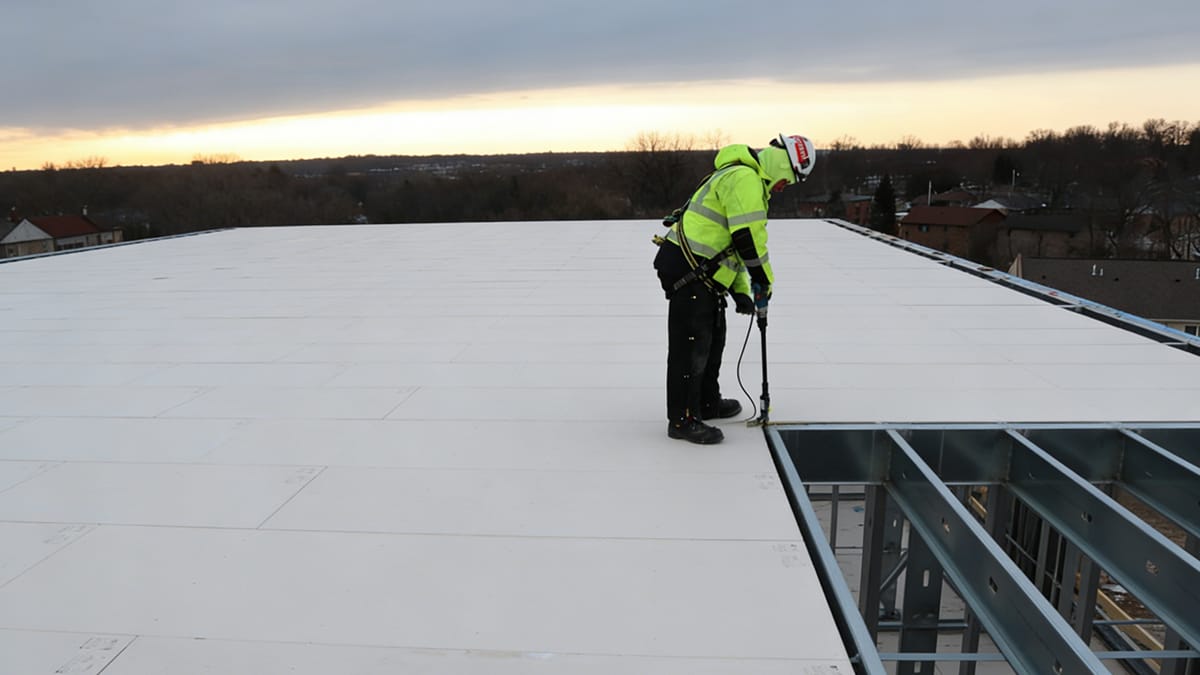
MgO panels are easy to put in if you follow the right steps. Use self-tapping or fine-thread screws. Pick stainless steel screws for wet places. Put screws every 150–200mm on the edges and 250–300mm across the rest of the panel. Cover the seams with fiberglass mesh tape, add joint compound, and sand it after it dries. Always use vapor barriers in wet areas and make sure you waterproof outside jobs.
Here are some tips for a smooth installation:
Do not drive screws in too far.
Make sure all seams are treated the right way.
Keep out water, especially before the building is finished.
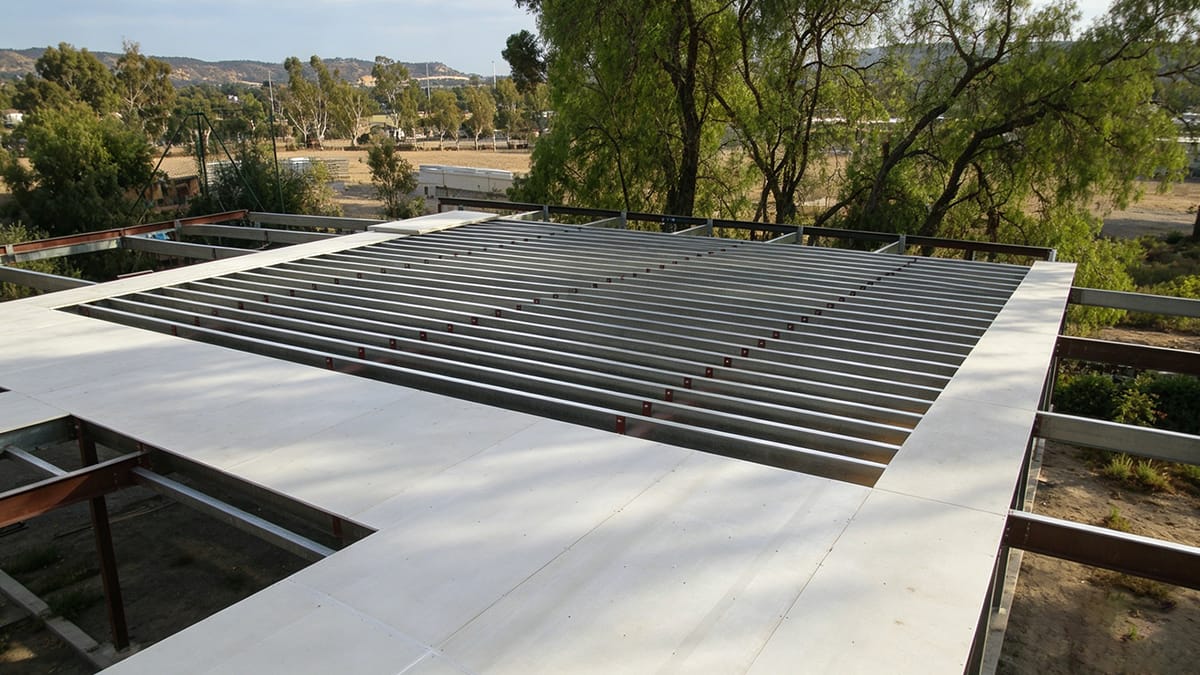
In tall buildings, you may need to patch and level seams and screw holes before putting in the final floor. This extra step can take more time and money, so plan ahead.
MgO panels are simple to install and work with other building parts. You get a strong, safe, and energy-saving building when you use these panels the right way.
Performance, Safety, and Environmental Impact
Fire, Water, and Mold Resistance
 Fire, Water, and Mold Resistance
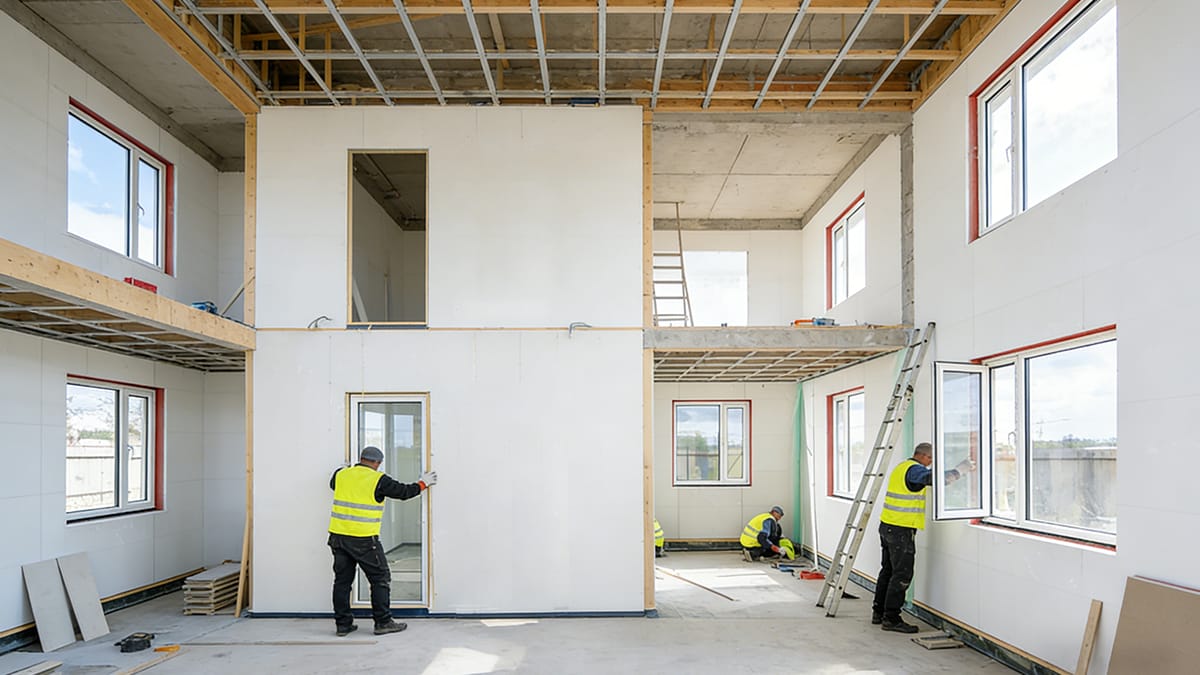
You want your building to be safe and strong. MgO panels are great at stopping fire and water. Tests show they work well in real life. Groups and officials made rules for how these panels should perform. ICC-ES AC386 was the first rule for MgO products. People are still working to make these rules into standards for building.
Here is a table that shows how MgO panels do in tests:
Performance Aspect | Testing Standard | Description |
|---|---|---|
Mildew and Mold | ASTM C1338 | Resistance checked |
Fire Safety | ASTM E84 | No flames or smoke |
Water Resistance | ASTM E331 | Passes weather barrier test |
Fastener Strength | ASTM D1761 | Checks how screws hold |
MgO boards do not soak up water. They stay strong even when wet. They stop mold from growing and work well in damp places. Tests show MgO panels keep their strength after many years.
Health and Safety Considerations
You want your building to be safe and healthy. MgO boards are not toxic and have no chemicals. They do not have formaldehyde or asbestos. These panels do not burn easily and do not give off bad fumes in a fire. Their makeup stops mold and bugs, so the air inside stays clean.
Some MgO boards that are not good quality can take in water. This can make metal parts rust. Too much water can cause problems with the building. There are no set rules yet, so you should check the quality before using them.
Environmental Impact and Certifications
MgO panels help keep the earth safe. They do not have asbestos, formaldehyde, or silica dust. The air inside is better because they do not let out bad gases or VOCs. MgO boards pass fire safety tests like ASTM E119 and ANSI/UL 263. They are certified to resist fire for up to two hours. You can trust MgO panels to help build safe and green buildings.
Tip: Always pick good MgO panels for the best safety and performance.
Drawbacks and Limitations of MgO Boards
Cost and Availability
 Cost and Availability
MgO boards usually cost more than some other boards. In North America, you pay about $1.50 to $3.50 for each square foot. Gypsum board is cheaper, costing $0.50 to $1.50 per square foot. Fiber cement board is the most expensive, costing $5.00 to $14.00 per square foot. Here is a table to compare the prices:
Material | Approx. Cost (per sq ft) |
|---|---|
Gypsum Board | $0.50–$1.50 |
Magnesium Oxide (MgO) | $1.50–$3.50 |
Fiber Cement Board | $5.00–$14.00 |
You can find MgO panels easily in North America. This is because many people want fire-resistant materials. In Europe, strict building rules help MgO boards become more popular. People also care about green building there. In other places, it can be hard to find MgO panels. The market is still growing in those areas.
Installation Challenges
You need to follow the right steps when you put in MgO boards. These panels stop fire and mold, but you must use the correct screws. You also need to seal all the seams. If you skip steps or use the wrong screws, the panels may not stay strong. Sometimes, you need special training to install MgO panels the right way. You might have to patch and level the seams. This can take more time and work than with other boards.
Tip: Always read the instructions from the maker before you start. This helps your panels stay strong and safe.
Moisture Sensitivity
MgO boards do not get damaged by water easily, but they are not fully waterproof. Older MgO panels sometimes took in water from the air. This caused wet spots and made the panels less steady. Magnesium chloride-based boards can soak up more water than magnesium sulfate-based boards. If MgO panels stay wet for a long time, they can change shape. This can make your walls or floors weaker. You can lower these risks by installing the panels the right way. Pick panels that do not have bad chemicals.
Note: MgO panels work well in most places, but do not use them where they will stay wet for a long time.
MgO building panels give you strong, safe, and eco-friendly options for your next project. You can use them for walls, floors, or ceilings. These panels resist fire, water, and mold. They last longer than many other boards. Some panels cost more and need careful installation. If you want a modern, green building, MgO panels can help you reach your goals.
Think about MgO panels when you want a building that stands the test of time.
FAQ
What tools do you need to cut MgO panels?
You can cut MgO panels with a standard utility knife, a circular saw, or a hand saw. Always wear a mask and goggles to protect yourself from dust.
Can you paint or tile over MgO boards?
Yes, you can paint or tile over MgO boards. Make sure the surface is clean and dry before you start. Use primers or adhesives made for cement-based materials.
Are MgO panels safe for people with allergies?
MgO panels do not release harmful chemicals or dust. They resist mold and mildew. You can use them in homes where people have allergies or asthma.
How do MgO panels help with soundproofing?
MgO panels reduce noise between rooms. They block sound better than regular drywall. You can use them in schools, offices, or homes for quieter spaces.