
15 Mar MgO Board or Gypsum Board Which Handles Water Better
You need a board that stands up to water. MgO board water resistant properties make it the best choice for wet environments. Gypsum board breaks down quickly in high-humidity areas. Take a look at this comparison:
Property | Magnesium Oxide Board | Gypsum Board |
|---|---|---|
High | Low | |
Mold Resistance | High | Low |
MgO board keeps its strength and shape even when exposed to water. It protects your walls and ceilings from moisture and mold.
Key Takeaways
MgO board does not let water in easily, so it works well in wet places like bathrooms and kitchens. – Gypsum board soaks up water fast, which can cause damage and mold to grow in damp rooms. – Pick MgO board if you want it to last a long time and stop mold, even though it costs more at first. – Gypsum board is good for dry rooms, but do not use it where there is a lot of water, or you might need to fix it later. – You need special tools and must be careful to put in MgO board, but gypsum board is faster and easier to put up.
Water Resistance
MgO Board Water Resistant Qualities
You need a board that can handle water. MgO board is great for wet places. Magnesium oxide board does not get bigger, rot, or lose strength when wet. You can use it in bathrooms or kitchens. It works well where humidity is high. International building codes say MgO board resists water and moisture. It keeps its shape and strength even after months in water.
MgO board panels stay strong after being wet for a long time.
MgO board does not change shape or get soft.
MgO board stays stable even in very wet places.
Lab tests show MgO board works better than others. Water tests prove MgO board keeps 99.8% of its water resistance after 12 months. It absorbs less than 0.5% moisture after 24 hours. Bending strength stays at 30 MPa or higher.
Metric | Value |
|---|---|
Water resistance retention | 99.8% after 12 months |
Bending strength | ≥30 MPa |
Moisture absorption rate | ≤0.5% after 24 hours |
MgO board also does well in water absorption tests. After 24 hours in water, magnesium oxide board takes in only about 20% water by weight. This low rate helps stop water damage and mold.
Material | Water Resistance | Notes |
|---|---|---|
MgO Board | Very resistant to water, moisture, and mold; stays strong. | Good for wet places, does not break down when wet. |
Gypsum Board | Not water-resistant; can break down when wet. | Some types resist moisture but are not as good as MgO boards. |
Gypsum Board and Moisture
Gypsum board does not do well with water. You might get water damage if you use it in wet places. Regular gypsum board soaks up water fast and gets weak. It can get bigger, softer, and break apart if wet for a long time. Even moisture-resistant gypsum board is not as good as magnesium oxide board.
International building codes show gypsum board can get damaged by water. It can get bigger and help mold grow. Regular gypsum board is not made for direct water contact. Moisture-resistant types help a little, but they still fail in wet or humid places.
Material | Water Resistance | Notes |
|---|---|---|
MgO Board | Very resistant to water and moisture; does not get bigger or rot. | Great for wet places like bathrooms and kitchens, especially in humid areas. |
Gypsum Board | Can get damaged by water; may get bigger and help mold grow. | Regular gypsum board is not made for water, even moisture-resistant types are not as good as MgO. |
You must pick the right board for your space. MgO board is best for wet areas. Gypsum board works in dry places, but it cannot stop water damage or mold.
Mold and Mildew Protection
 Mgo Board Mold Resistance
 Mgo Board Mold Resistance
You want a material that keeps your space safe from mold. Mgo board stops mold and mildew, even in damp places. When tested with ASTM G21, mgo board got a perfect score. No fungus grew after 28 days in a humid room. This test shows mgo board really resists mold.
Mgo board does not feed mold or mildew.
The surface stays dry and hard, even with water.
You can use mgo board in bathrooms, basements, and kitchens. You do not have to worry about mold.
A study looked at boards for moisture and fungus protection:
Type of Board | Moisture Absorbency at 95% RH | Corrosion and Fungal Protection |
|---|---|---|
MOC | High (leaked salty water) | Poor |
MOS | Better |
Mgo board, especially MOS type, takes in less moisture. It protects better against mold and mildew. You get safer, cleaner walls or ceilings with mgo board.
Gypsum Board Mold Issues
Gypsum board has many problems with mold and mildew. The paper on gypsum board has cellulose, which feeds mold. When water gets in, mold and mildew spread fast. Several things make gypsum board worse for mold resistance:
The mix of organic and inorganic materials in gypsum board.
Cellulosic paper facing helps mold and mildew grow.
The gypsum core holds moisture, helping mold survive.
Humid air, leaks, and bad ventilation make it worse.
Even mold resistant gypsum board cannot match mgo board. Mold and mildew can damage walls, cause smells, and create health risks. If you want the best mold and mildew resistance, mgo board is the better choice.
Durability in Moisture
Mgo Board Longevity
You want your walls and ceilings to last, even in wet places. Mgo board gives you excellent durability and strength. When you use it in bathrooms or kitchens, you do not have to worry about water damage. Mgo board keeps its shape and power after many wet and dry cycles. You can see how well it performs compared to other materials:
Property / Material | Magnesium Oxide (MgO) Board | Plywood | Drywall (Gypsum Panels) |
|---|---|---|---|
Flexural Strength Retention | Loses 9% | Loses 36-52% |
Mgo board panels stay strong, even after you expose them to water and then let them dry many times. They do not swell, crack, or lose their strength. You can trust mgo board for areas that get wet often. It even outperforms Portland cement panels in compressive and tensile strength. This means you get a board that lasts longer and keeps your space safe.
Tip: If you want a board that stands up to water year after year, mgo board is your best choice.
Gypsum Board Weaknesses
Gypsum board does not handle moisture well. When you use it in bathrooms or kitchens, you may see problems over time. The paper facing can break down, and the board can get soft or even fall apart. Here are some common issues you might face:
The paper facing can peel or disintegrate after water exposure.
Even moisture-resistant boards have limits in wet rooms.
Gypsum board absorbs water, which causes swelling and softening.
You may see peeling paint or bubbling surfaces.
Mold and mildew can grow, especially in humid places.
High humidity and temperature changes can make the board weak.
You can compare the mechanical strength of gypsum board and mgo board after water exposure:
Property | Gypsum Board | MgO Board |
|---|---|---|
~3% | 0.34% | |
Bending Strength | ≤ 5.6 MPa | 18-27 MPa |
Water Resistance | Poor (deteriorates) | Excellent (withstands 100 days submerged) |
Gypsum board loses much of its strength when it gets wet. It cannot match the durability and strength of mgo board in wet or humid spaces. If you want your walls to last, choose the right board for the job.
Installation Factors
Handling Mgo Board
 Handling Mgo Board
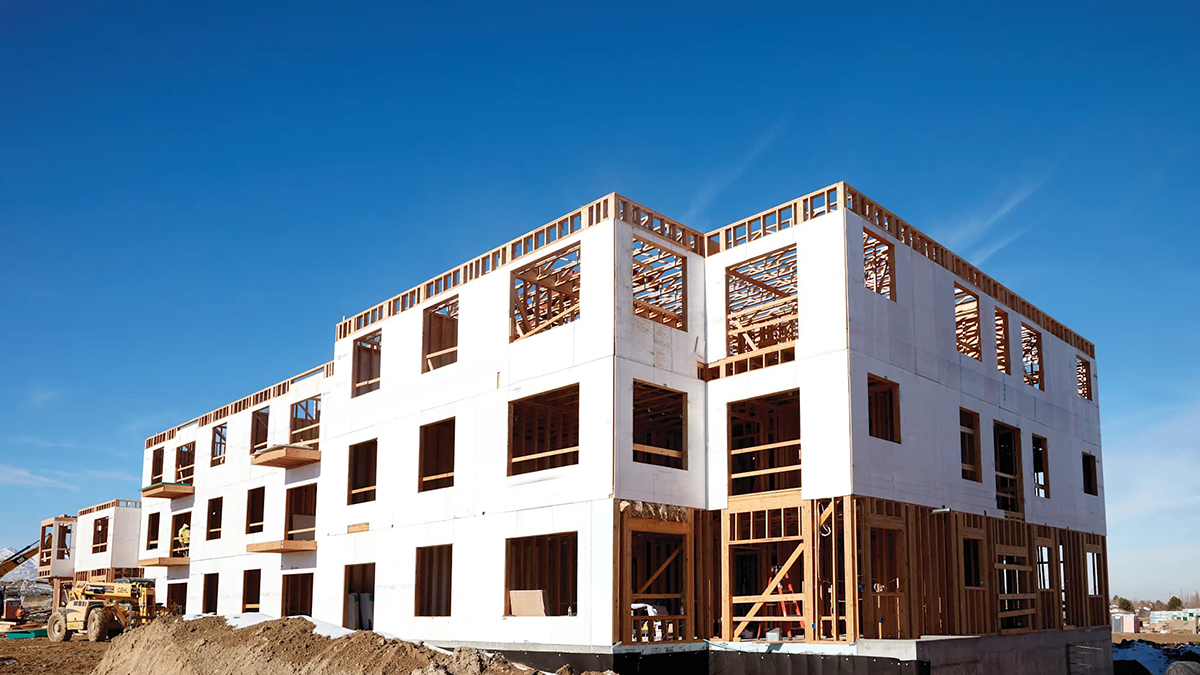
When you install mgo board, you need to follow special steps to get the best results. This board is heavier than gypsum board, so you may need extra help to lift and move it. You should use the right tools for cutting. Diamond or carbide blades work best because they make clean cuts and reduce the risk of cracks. If you use regular saws, the board can break or chip.
You must handle mgo board with care. It can be brittle, so dropping or bending it may cause damage. Fastening the board can be tricky. Nails do not hold as well as they do in wood, so you may want to use screws or special fasteners. For a smooth finish, you might need to skim coat and sand the surface.
Manufacturers recommend some important steps for wet areas:
Application Type | |
|---|---|
Interior Applications | Install a vapor barrier behind the mgo board. Apply water-resistant primer or coating. Seal joints with waterproof compound. |
Exterior Applications | Use only with full waterproofing. Avoid direct rain or standing water. |
General Tips | Avoid standing water. Always check manufacturer guidelines. Proper waterproofing extends board life. |
Tip: Always seal the joints and edges to keep water out and make your installation last longer.
Installing Gypsum Board
You will find that gypsum board is lighter and easier to handle. You can cut it with a simple utility knife, which saves time and effort. Most installers can put up gypsum board quickly, and you do not need special tools. Labor costs are lower because the process is simple and fast.
Gypsum board works well in dry spaces. You can finish the surface with joint compound and paint. If you use it in wet areas, you must choose moisture-resistant types, but even these have limits. You should avoid using gypsum board in places with high humidity or direct water contact.
Material | |
|---|---|
Gypsum Board | Lighter, easier to install, lower labor costs, no special tools needed, quick installation. |
Heavier, more complex installation, higher labor costs, may require special tools or extra workers. |
Mgo board can be installed at the same time as subfloors, which saves time on big projects.
Gypsum board needs no special training, so most crews can install it fast.
Note: Choose the right board for your project. Think about the tools, labor, and the space where you will install it.
Cost and Value
Mgo Board Cost
You may notice that mgo board costs more than gypsum board. The price per square foot for mgo board ranges from $1.50 to $3.50, while gypsum board costs between $0.50 and $1.00. Take a look at this comparison:
Material | |
|---|---|
Gypsum Board | $0.50 – $1.00 |
Mgo Board | $1.50 – $3.50 |
Several factors influence the cost of mgo board:
Production expenses are higher because manufacturers use advanced methods.
Material availability can affect price. If you live in an area where mgo board is not produced locally, you may pay more.
Environmental impact and sustainability add value. Mgo board is more eco-friendly, which increases its price.
You pay more upfront for mgo board, but you save money over time. Mgo board lasts longer in wet environments. You do not need to repair or replace it as often as gypsum-based sheetrock. This durability means you spend less on maintenance.
Tip: If you want a board that resists water and mold, mgo board gives you better value in bathrooms, kitchens, and basements.
Gypsum Board Cost
Gypsum board is the budget-friendly choice. You spend less at the start, which helps if you have a tight budget. Gypsum-based sheetrock is easy to find and install. You can use it in dry spaces without worrying about extra costs.
Gypsum board is less expensive initially.
You save on labor because it is lighter and easier to handle.
Gypsum-based sheetrock works well in low-moisture areas.
However, gypsum board can cost you more in the long run. In humid or wet places, it may sag, break, or grow mold. You might need to repair or replace it often. This adds to your total expenses.
If you want to save money now, gypsum board is a good option for dry rooms. If you want to avoid future repairs, mgo board is the smarter choice for wet spaces.
Best Uses and Recommendations
Where to Use Mgo Board
 Where to Use Mgo Board
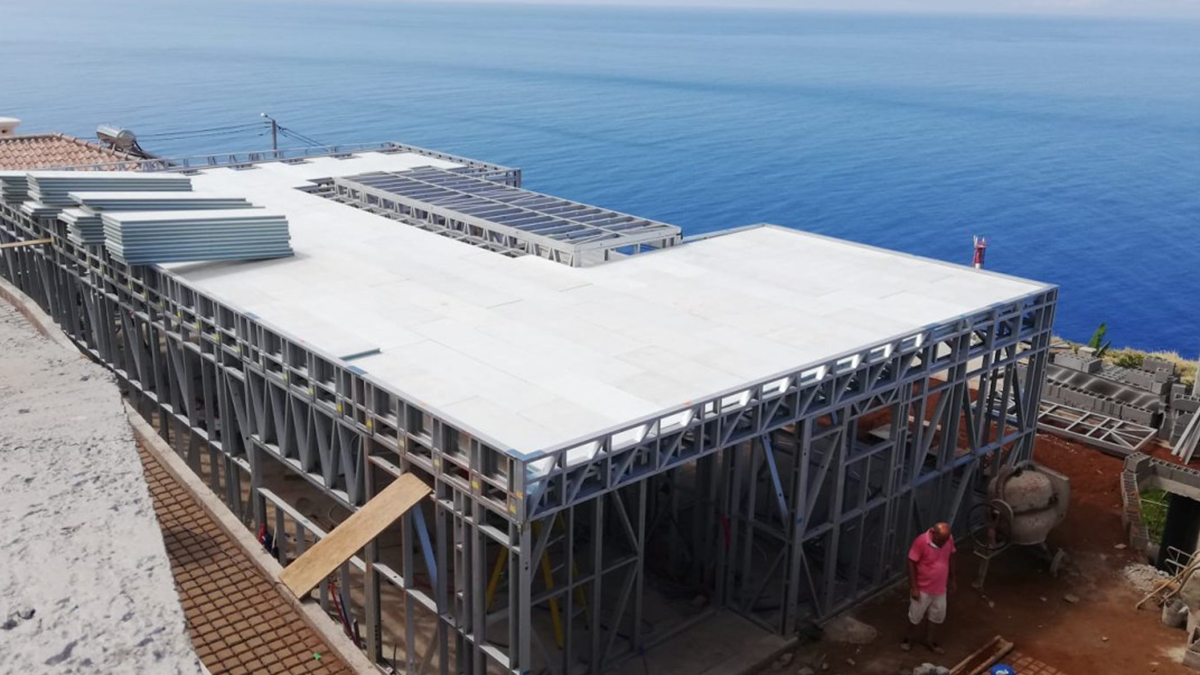
You want your walls and ceilings to last. Mgo board works best in places with water or humidity. It stays strong and safe in these areas:
Kitchens
Basements
Exterior sheathing
Pools or other wet places
You can use mgo board for fireproof walls and ceilings. It works well outside, especially where humidity is not too high. Hospitals and busy public spaces need boards that last. Mgo board gives extra strength and mold protection. You do not have to worry about water damage or mold.
Tip: Pick mgo board for wet or busy places. You will save money and time on repairs.
When Gypsum Board Is Enough
Gypsum board is good for dry rooms. You can use it in bedrooms, living rooms, or offices. It is easy to install and costs less. Experts say gypsum board is best for quick, cheap jobs in calm spaces.
Using gypsum board in places with some moisture can cause problems. It can get water damage and may need to be replaced. It is hard to check moisture in gypsum panels. If they get wet and do not meet rules, you must replace them. Moisture meters may not work well for gypsum panels, so checking water levels is tricky.
Do not use gypsum board in bathrooms, kitchens, or basements. If you use it in wet places, you may need to replace it after water damage. For dry rooms, gypsum board is a smart and cheap choice.
You want a board that stands up to moisture and lasts for years. Mgo board gives you strong protection in wet places. It keeps its shape and blocks mold. Gypsum board works well in dry rooms but can break down if it gets wet.
Mgo board resists moisture and mold, even after long exposure.
Gypsum board absorbs water and can swell or support mold.
Mgo board costs more and needs careful handling, but it saves money on repairs.
Choose the board that fits your space and keeps your walls safe.
FAQ
Can you use MgO board outside?
You can use MgO board outside if you protect it from direct rain. Always follow manufacturer guidelines. MgO board works well for exterior sheathing when you add waterproofing.
Is gypsum board ever water resistant?
You can buy moisture-resistant gypsum board. It resists humidity better than regular gypsum board. However, it still breaks down with direct water contact. Use it only in dry or low-moisture rooms.
Does MgO board prevent mold?
MgO board does not feed mold or mildew. You get strong mold protection in wet places. The board stays dry and hard, even after water exposure.
Which board lasts longer in wet areas?
Board Type | Durability in Wet Areas |
|---|---|
MgO Board | Lasts for years |
Gypsum Board | May break down quickly |
You get longer-lasting walls with MgO board in wet rooms.