
13 Mar Choosing Between MgO Board and Gypsum Drywall for Lasting Results
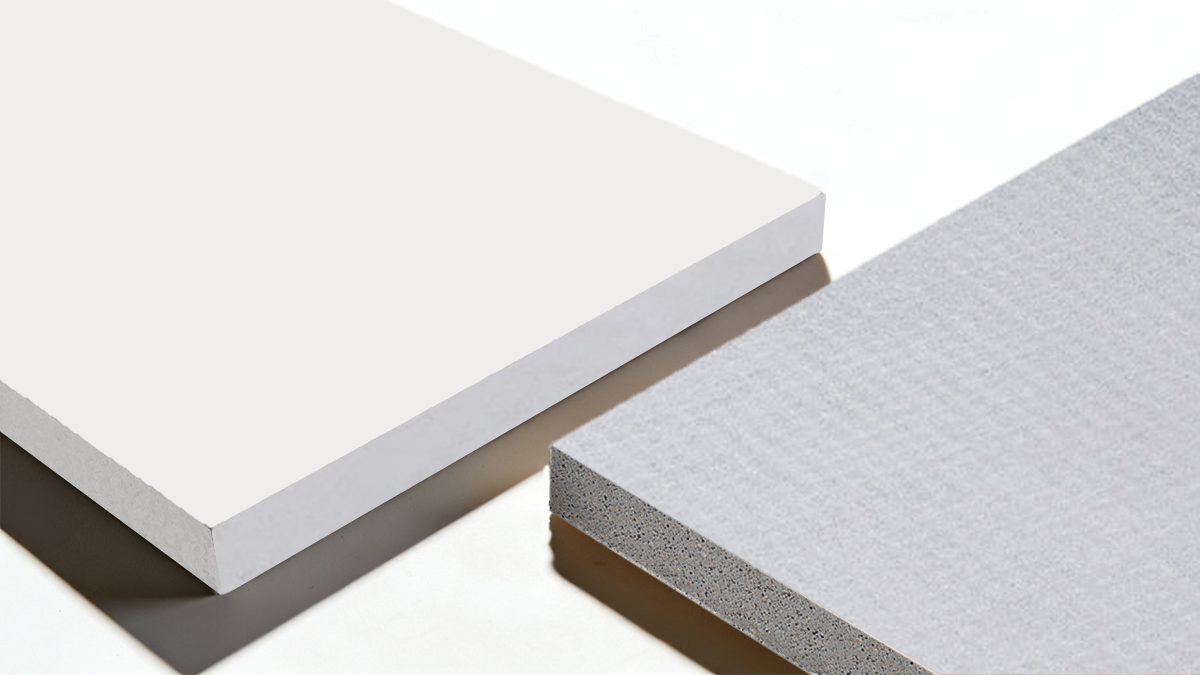
If you’re comparing MgO board vs gypsum drywall for your building, MgO board comes out on top for durability and performance. When it comes to MgO board vs gypsum drywall, MgO board is stronger and more reliable, with a lifespan of up to 100 years. You’ll find that MgO board vs gypsum drywall means fewer repairs over time, and it holds up much better in damp areas like kitchens and bathrooms.
MgO board vs gypsum drywall: MgO board can last up to 100 years.
MgO board vs gypsum drywall: MgO board needs fewer repairs as time goes on.
MgO board vs gypsum drywall: MgO board resists water and mold, making it ideal for wet spaces.
Here’s a comparison of MgO board vs gypsum drywall in key areas:
Feature | MgO Board | Gypsum Board |
|---|---|---|
Fire Resistance | Very good, does not burn, handles high heat well | Has fire-resistant stuff, but not as good |
Moisture Resistance | Stays strong when wet, does not get damaged | Gets hurt by water easily |
Impact Resistance | Strong and tough for busy spots | Breaks easier, not as strong |
When deciding between MgO board vs gypsum drywall, always consider your specific needs and the requirements of your project.
Key Takeaways
MgO board can last as long as 100 years. This makes it a strong choice for projects that need to last a long time. – Pick MgO board for places that get wet often. It does a good job stopping water and mold. – Gypsum drywall costs less money and is simple to put up. But it breaks more often and does not last as long. – MgO board is better for fire safety. It can last up to 4 hours in a fire. Gypsum drywall does not last as long in a fire. – Think about the environment too. MgO board is better for nature and is easier to recycle than gypsum drywall.
MgO Board vs Gypsum Drywall: Head-to-Head Comparison
Key Differences Overview
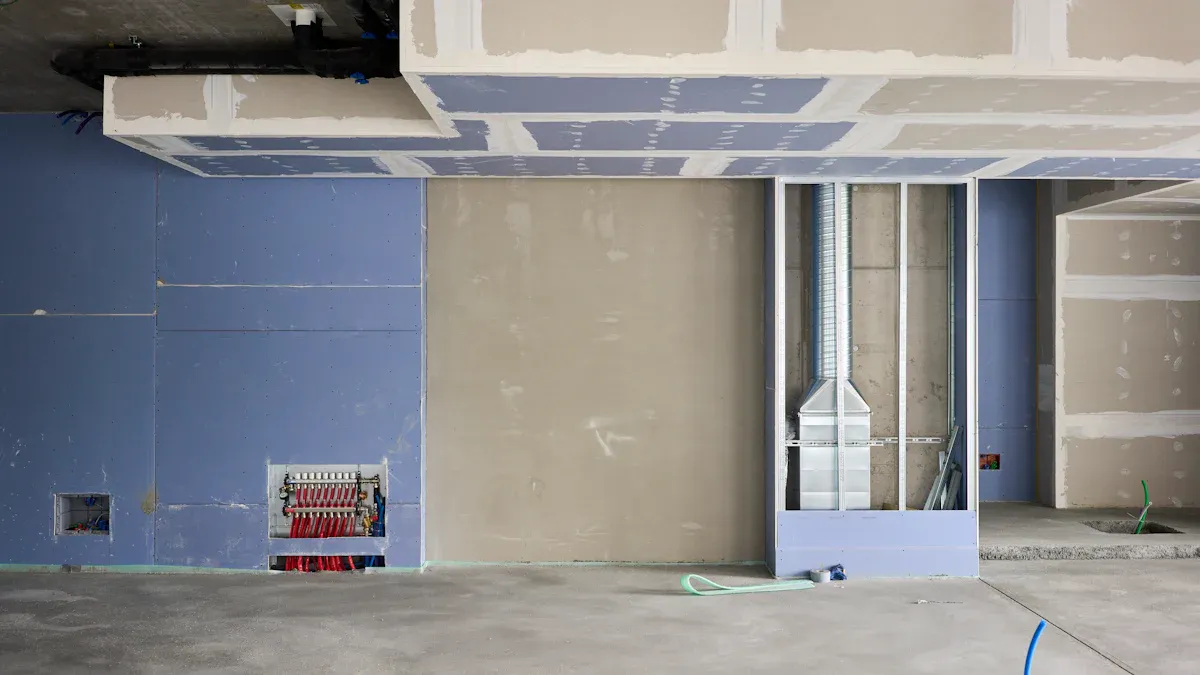
When you compare mgo board and gypsum drywall, you notice big differences. Each material works differently in real life. This comparison helps you pick what fits your needs.
Here is a table that lists the main differences between mgo board drywall and gypsum drywall:
Attribute | MgO Board Drywall | Gypsum Drywall |
|---|---|---|
Cost | $1.50 – $2.50 per sq ft | $0.50 – $1.00 per sq ft |
Durability | Highly durable, resists damage | Less durable, prone to damage |
Fire Resistance | High fire resistance, up to 4 hours | Limited, up to 1 hour |
Moisture Resistance | Excellent, mold-free, waterproof | Absorbs moisture, can mold |
Weight | Heavier, harder to install | Lightweight, easy to handle |
Environmental Impact | Eco-friendly, natural materials | Harder to recycle |
Sound Insulation | High sound insulation | Moderate sound insulation |
Installation Ease | Needs skilled labor | Easy, less skill needed |
Mgo board drywall is better in many ways. It gives strong fire and water protection. This means your home or building is safer. Mgo board also blocks more noise and is better for the planet. Gypsum drywall costs less and is simple to put up. But it does not last as long and needs fixing more often.
If you want your walls to last, mgo board drywall is best. You will save time and money on repairs. Mgo board keeps out water, mold, and bugs. Gypsum drywall can wear out faster, especially in wet or busy places.
Which Lasts Longer?
When you look at mgo board and gypsum drywall, you want to know which lasts longer. Mgo board drywall lasts much longer than gypsum drywall. Most mgo board drywall can last 20 to 30 years or even more. Gypsum drywall often needs to be replaced sooner.
Mgo board stays strong because it does not soak up water or grow mold.
Gypsum drywall can bend, crack, or get ruined if it gets wet.
Mgo board does not break easily, even in busy places.
Gypsum drywall can get holes or dents from bumps.
Tip: For walls that stay strong for many years, use mgo board drywall in bathrooms, kitchens, or busy rooms.
Choosing mgo board also helps the earth. Gypsum drywall makes more trash because you have to replace it more. Mgo board lasts longer, so you use less material over time.
In wet or busy places, mgo board drywall almost never fails. It does not let mold or mildew grow. It stays strong even when it gets wet. Gypsum drywall can break down fast in these spots. This means more repairs and higher costs.
When you compare them side by side, mgo board drywall is tougher, needs less fixing, and lasts longer. You can feel good knowing your walls will protect your space for a long time.
What Is MgO Board?
 Composition and Features
 Composition and Features
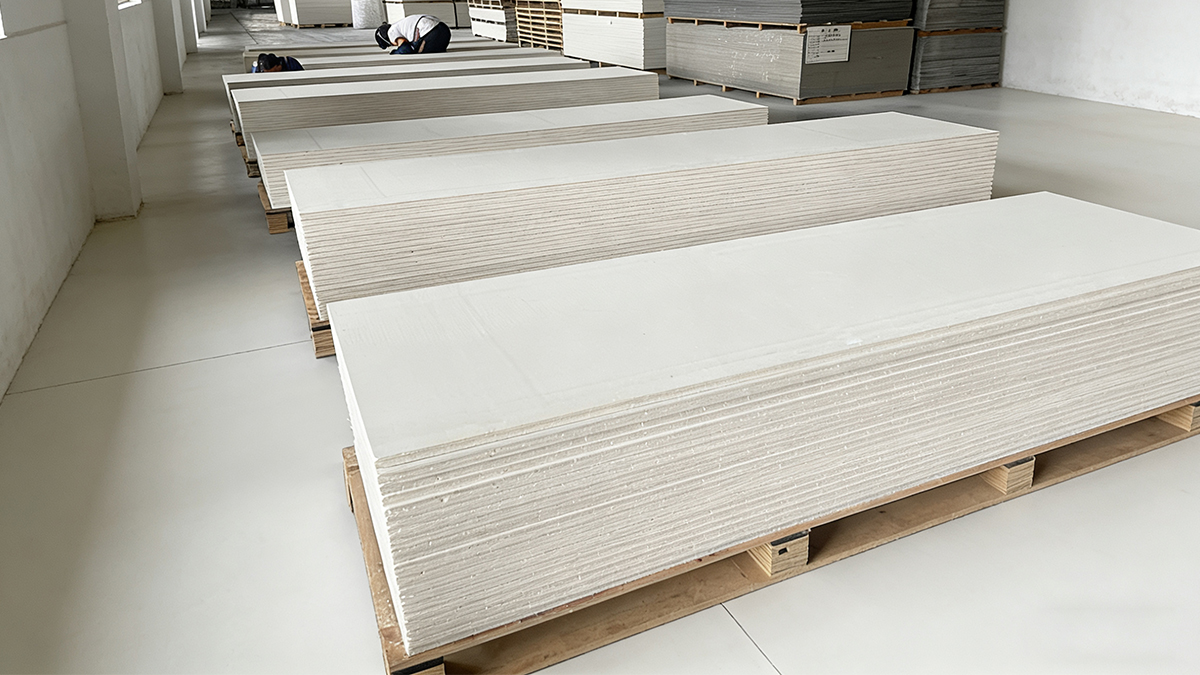
You might ask why mgo board is so good. It is made from natural and strong parts. Each part helps the board stay tough and safe. Look at this table to see what goes into mgo board and how each part helps:
Component | Contribution to Performance Characteristics |
|---|---|
Magnesium Oxide (MgO) | Gives strength, keeps it stable, and helps stop fires. |
Activator (MgCl₂/MgSO₄) | Makes the board hard and stick together better. |
Fillers (Sawdust, Perlite) | Makes the board lighter and stronger; sawdust helps it bend and blocks sound, perlite keeps it warm and light. |
Fiberglass Mesh | Makes the board last longer and stops cracks. |
Non-woven Fabric | Makes the surface smooth and protects when handled. |
Mgo board is special because it stops fire, water, and mold. It stays strong even in hard places. Many mgo boards pass tough safety tests. For example, they pass tests like ASTM E119 and EN 13501 for fire safety. Some brands, like Magpanel, also pass EN ISO 1716, showing they are safe from fire. These tests mean you get a safe board.
Note: Mgo board is certified by tests like ASTM, EN 13501, and PAS 670:2021. These tests check for fire, water, and strength. You can trust your walls to be safe.
Common Uses
Mgo board is used in many buildings. Builders pick it because it is strong and safe. Here are some places where you see mgo board:
Homes use it for walls, ceilings, and floors
Offices use it for fire safety and blocking noise
Factories use it because it is tough for hard jobs
Mgo board works well in kitchens and bathrooms. It is also good in places that need fire safety. Because mgo board stops water and mold, it keeps rooms healthy. You see mgo board in new buildings and old ones being fixed. Its strength and safety make it a smart choice for many jobs.
What Is Gypsum Drywall?
Composition and Features
Gypsum drywall is used in homes and offices. People call it gypsum board or sheetrock. It has a soft gypsum core. Strong paper covers both sides of the core. This makes the surface smooth and easy to paint.
Gypsum drywall comes in many types. Some panels are tough and resist damage. Others stop mold and moisture, good for kitchens and bathrooms. Some boards block fire and sound better.
Here is a table that shows how each type helps:
Component Type | |
|---|---|
Impact-Resistant Gypsum Panels | Built for busy places, these panels have strong facers and a tough core to stop damage. |
Mold/Moisture-Resistant Gypsum Panels | These panels soak up moisture and stop mold and mildew in wet rooms. |
High-Performance Gypsum Boards | These boards help with fire safety, sound, air quality, and moisture, making buildings work better. |
Gypsum sheetrock gives you many good things:
Makes walls strong and stops moisture
Helps keep rooms quiet
Stops mold, mildew, and decay
Tip: Pick the right gypsum drywall for each room. This keeps your walls safe and strong for longer.
Common Uses
Gypsum drywall is found in almost every building. Builders like it because it is strong and easy to put up. It also costs less.
Here are some ways people use it:
Walls to make rooms and spaces
Ceilings for a smooth look
Fire safety in important areas
Sound insulation to keep rooms quiet
Green building for a better planet
Gypsum board gives fire safety and blocks noise. It helps make spaces safe and comfy. You can use it in new or old buildings. It is easy to use and works for many jobs.
Durability and Strength
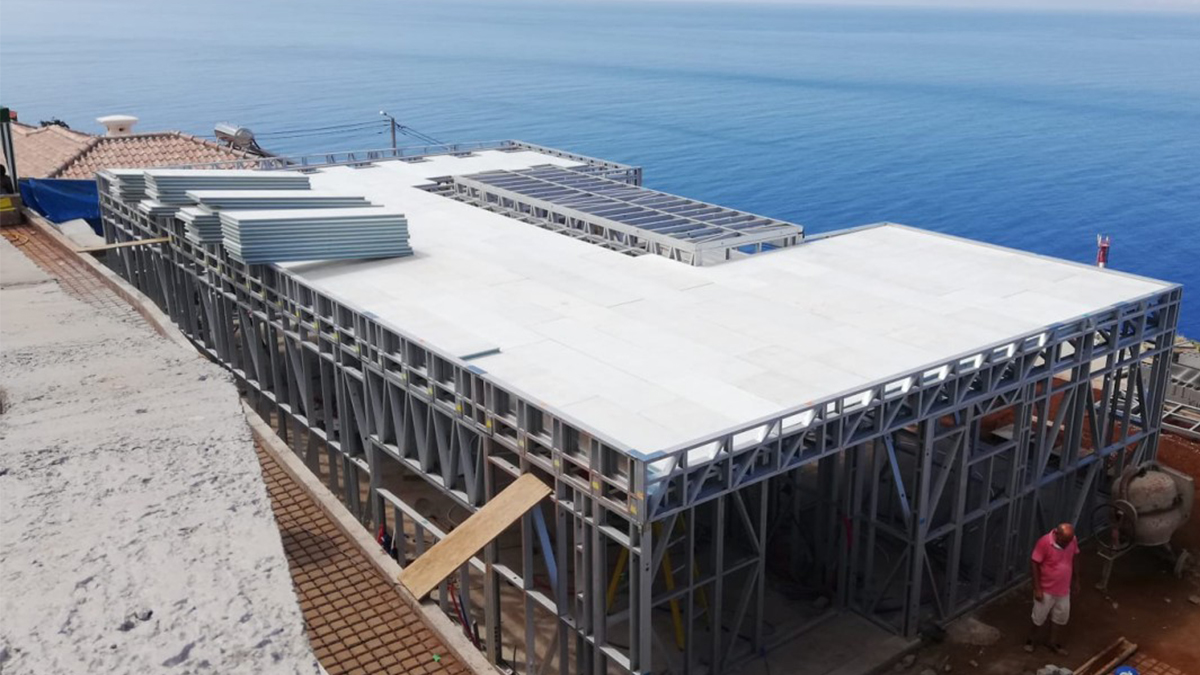 When you choose materials for your walls, you want them to last. Durability and strength matter most for long-term results. Both mgo board and gypsum drywall have their own qualities, but one stands out for lasting performance.
Impact Resistance
You need walls that can handle daily bumps and knocks. Mgo board gives you high impact resistance because of its dense, mineral-based core and fiberglass mesh. This makes it much tougher than gypsum drywall. You can use mgo board in busy hallways, schools, or commercial spaces where people and equipment move around a lot. It does not crack or break easily, even if something hits it hard.
Gypsum drywall, on the other hand, is softer. It can dent or crack if you bump into it with furniture or tools. In high-traffic areas, you may see holes or chips appear over time. If you want strength and durability, mgo board is the better choice for places where walls take a beating.
Tip: For playrooms, gyms, or public buildings, pick mgo board to keep your walls looking new and strong.
Longevity and Maintenance
You want your walls to last for many years with little effort. Mgo board gives you long term durability. It can last 25 to 50 years with very little care. You only need to check it once or twice a year for small cracks or chips. Most of the time, you will not need to fix anything.
Gypsum drywall does not last as long. It usually needs repairs more often. Over a 10-year period, you may have to patch holes, fix cracks, or even replace sections. Gypsum drywall has a service life of about 10 to 15 years before bigger problems start to show.
Moisture is a big problem for both materials. If water gets into your walls, it can cause damage. Gypsum drywall absorbs water quickly. This can lead to swelling, mold, and weak spots. Even treated gypsum drywall is not as reliable in damp areas. Mgo board resists water much better. It keeps its strength and shape, even in humid rooms like bathrooms or basements. Mold and mildew do not grow easily on mgo board.
Here is a quick look at how both materials handle real-world challenges:
Mgo board needs very little maintenance and lasts for decades.
Gypsum drywall needs more repairs and has a shorter lifespan.
Mgo board stands up to water and mold, keeping your space healthy.
Gypsum drywall can get weak and moldy if it gets wet.
If you want strength and durability for the long run, mgo board is the clear winner. You will spend less time and money on repairs. Your walls will stay strong and safe, even in tough conditions.
Note: Choosing mgo board means you get better strength and durability, less maintenance, and longer-lasting walls. This gives you peace of mind and saves you money over time.
Fire and Moisture Resistance
Fire Performance
You want your walls to protect you during a fire. MgO board gives you strong fire resistance. It does not burn and can handle high heat for a long time. Gypsum drywall also offers some fire resistance, but it does not last as long as MgO board. You can see the difference in this table:
Material | Fire Resistance Rating |
|---|---|
MgO Board | 1-4 hours (non-combustible) |
Gypsum Board | Limited, varies by thickness |
MgO board passes tough fire tests like ASTM E119. It can last from 1 to 4 hours in a fire. It also scores 0/0 on the ASTM E84/UL 723 Flame Spread and Smoke Developed Index. This means it does not help fire spread and does not make much smoke. Gypsum drywall needs extra layers or cement boards to improve its fire resistance. Alone, gypsum drywall does not do well in large fires.
MgO board releases moisture during a fire, which helps slow down heat.
Gypsum drywall can withstand fire, but only for a short time unless you add more protection.
If you want the best fire resistance for your home or building, MgO board is the safer choice.
Moisture and Mold Protection
You need walls that can handle water and moisture. MgO board gives you excellent water resistance. It absorbs only 0.34% moisture, so it stays strong even in wet places. Gypsum drywall absorbs almost 3% water. This makes it swell, warp, and lose strength in damp rooms.
MgO board keeps its shape in high humidity.
Gypsum drywall gets weak and can break down when exposed to water.
Mold and mildew resistance is also important. MgO board prevents mold growth because it does not hold water. Gypsum drywall does not have good mold protection. It can grow mold and mildew if it gets wet. You can see the difference in this table:
Material | Mold Resistance | Moisture Resistance | Breathability | Comments |
|---|---|---|---|---|
MgO Board | High | Excellent | Yes | Prevents moisture accumulation and mold growth effectively. |
Gypsum Drywall | Low | Moderate | No | Susceptible to moisture, leading to mold growth and deterioration. |
If you want walls that stay strong and healthy, choose MgO board for its water resistance and mold and mildew resistance. You will have fewer problems with repairs and a safer space for your family or workers.
Tip: Use MgO board in bathrooms, kitchens, and basements for the best protection against fire, water, and mold.
Environmental Impact
Sustainability
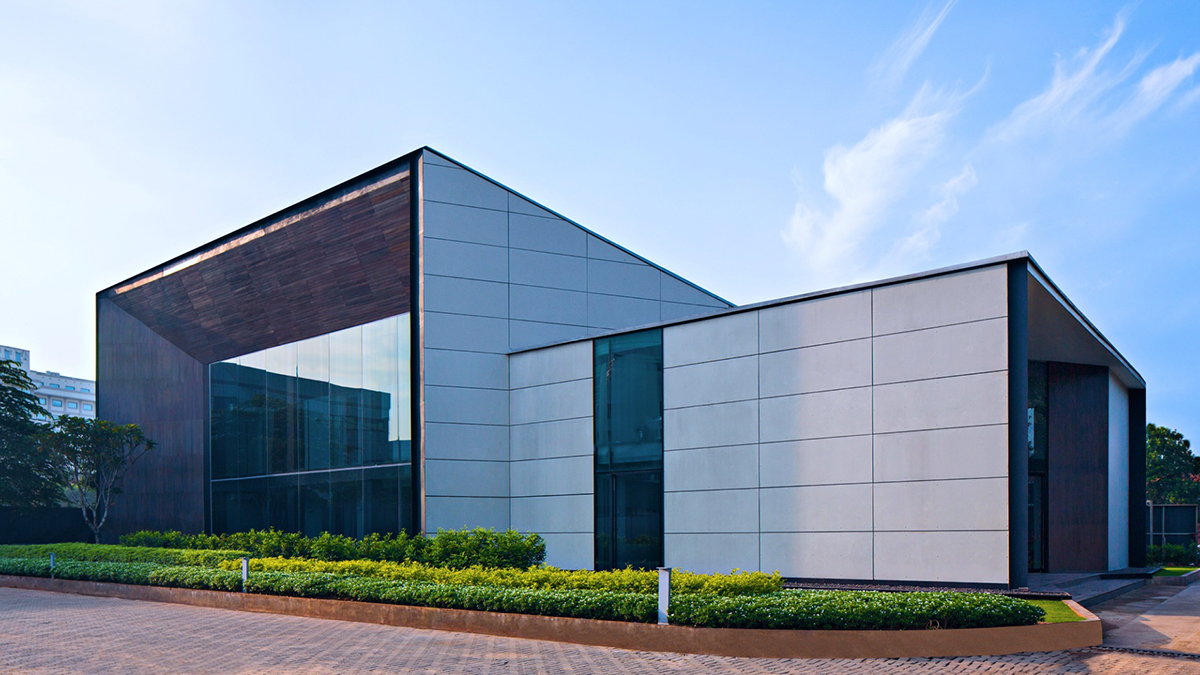 Sustainability
You want to pick materials that help the planet. MgO board is better for the earth. It uses renewable stuff that is easy to get. Gypsum drywall comes from mining, which can hurt nature and use up resources.
MgO boards make about 70 kg of CO₂ per ton when made. Gypsum boards make 65 kg, which is close, but MgO boards use less energy and fewer bad chemicals.
MgO boards do not give off bad chemicals or VOCs. Gypsum drywall can release toxins that are bad for health and the planet.
The parts in MgO boards help the earth because they can be renewed and reused.
When you finish using these boards, think about what happens next. MgO boards are easy to recycle. You can use them again in new buildings or as fertilizer. Gypsum drywall is hard to recycle and often goes to landfills. The table below shows how each material compares:
Material | Recyclability |
|---|---|
MgO Boards | Highly recyclable – can be reused or as fertilizer |
Gypsum Boards | Limited – mostly ends up in landfills |
Choosing MgO board helps you use fewer resources. You make less waste and protect nature.
Health and Indoor Air Quality
You want your home or office to have clean air. MgO boards help you get this goal. They do not release VOCs or formaldehyde. This means you lower the risk of breathing problems and allergies. MgO boards also resist moisture, so mold does not grow easily. This makes them a smart choice for places like hospitals and schools.
Gypsum drywall absorbs more moisture. This can lead to mold growth, which can cause health problems. Old gypsum boards may also have dangerous materials like asbestos or lead-based paint. These risks make MgO board a safer option for your indoor spaces.
Tip: For better indoor air quality and a healthier space, use MgO board in areas where people spend a lot of time.
Cost and Installation
Material and Labor Costs
When you compare MgO board and gypsum drywall, you notice a difference in price. MgO board usually costs more per square foot than gypsum drywall. You pay about $1.50 to $2.50 for each square foot of MgO board. Gypsum drywall costs less, around $0.50 to $1.00 per square foot. This makes gypsum drywall a popular choice for projects with a tight budget.
However, you should think about more than just the first price. MgO board gives you better value because it lasts longer and needs fewer repairs. You spend less money fixing or replacing it over time. This means you get more long-term value from your investment. Gypsum drywall may seem cheaper at first, but you might pay more later for repairs and replacements.
Material | Price per Sq Ft | Maintenance Cost | Lifespan | Value for Money |
|---|---|---|---|---|
MgO Board | $1.50–$2.50 | Low | 25–50 years | High |
Gypsum Drywall | $0.50–$1.00 | High | 10–15 years | Moderate |
Tip: If you want cost efficiency and fewer headaches, MgO board is a smart choice for busy or wet areas.
Installation Process
You will find that installing gypsum drywall is easier and faster. The panels are lighter, and most workers know how to put them up. You can finish a room quickly with gypsum drywall. This saves you time and labor costs.
MgO board is heavier and harder to cut. You need special tools and skilled workers for the best results. The installation takes longer, and you may pay more for labor. Still, MgO board gives you strong walls that last for decades. This adds to the long-term value of your project.
Here is a quick list to help you decide:
Choose gypsum drywall for fast, simple jobs.
Pick MgO board when you want strength, safety, and long-term value.
Note: Always check if your workers have experience with MgO board. This helps you avoid mistakes and get the best value from your walls.
Best Applications
Where MgO Board Excels
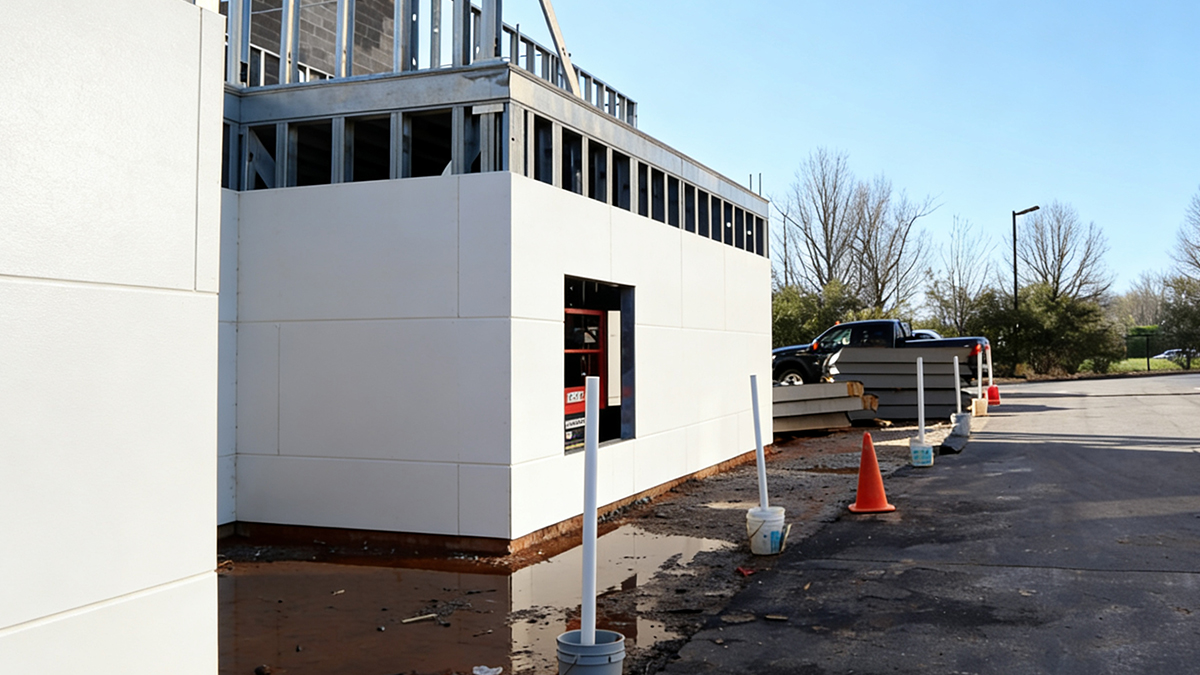 Where MgO Board Excels
You should choose mgo board when you need strong, long-lasting walls. This material works best in places where moisture, fire, or noise are big concerns. For example, mgo board keeps its shape in damp rooms like bathrooms and basements. It does not swell or bend, even when the air is humid. You can also use it in kitchens, laundry rooms, or any space that gets wet often.
Mgo board stands up to high temperatures, making it a smart pick for fire-rated walls and ceilings.
It absorbs less moisture than gypsum board, so it stays strong in wet environments.
The dense core blocks sound, which helps keep rooms quiet in schools, offices, or apartments.
Tip: Use mgo board in hospitals, hotels, and commercial kitchens for better fire and moisture protection.
You may want to avoid mgo board if you have a tight budget or need a quick, simple installation. It costs more and needs skilled workers to install. The panels are heavier, so you need extra help to put them up.
Where Gypsum Drywall Fits
Gypsum drywall works well for most homes and offices. You can use it in bedrooms, living rooms, and other dry spaces. It is easy to cut and install, so you save time and money on labor. Many builders pick gypsum drywall for standard walls and ceilings.
Here is a table to help you see where each type of drywall fits best:
Type of Drywall | Best Suited For | Cost per Sheet |
|---|---|---|
Standard Drywall | Bedrooms, living rooms, dry spaces | $10-15 |
Moisture-Resistant Drywall | Bathrooms, kitchens, basements | $12-20 |
Mold-Resistant Drywall | Basements, bathrooms, commercial spaces | $18-25 |
Fire-Rated Drywall | Garages, fire-safe areas | N/A |
You should not use gypsum drywall in places with lots of water or heavy use. It can swell, crack, or grow mold if it gets wet. It also dents easily if something hits it hard.
Note: Pick gypsum drywall for fast, affordable projects in dry, low-traffic rooms.
MgO board is better than gypsum drywall for strength and lasting power. The table below shows the main good and bad points for each:
Metric | MgO Board (pros/cons) | Gypsum Drywall (pros/cons) |
|---|---|---|
Fire Resistance | pros: Non-combustible | cons: Only moderate protection |
Moisture Resistance | pros: No warping, no mold | cons: Deteriorates in water |
Impact Resistance | pros: Strong, resists damage | cons: Prone to dents and cracks |
Pick MgO board if your space gets busy or wet. The good points mean you fix it less and save money over time. Gypsum drywall works best in dry rooms with little use. Think about the good and bad points before you decide which to use.
FAQ
What makes MgO board better for wet areas?
MgO board does not absorb water. You can use it in bathrooms, kitchens, or basements. It will not swell, warp, or grow mold. This keeps your walls strong and healthy.
Can you paint or finish MgO board like drywall?
Yes, you can paint or finish MgO board. Use a primer first for best results. You can also apply tiles or wallpaper. Always follow the manufacturer’s instructions for the best finish.
Is MgO board safe for people with allergies?
MgO board does not release harmful chemicals or dust. It resists mold and mildew. You can use it in homes, schools, or hospitals to help keep the air clean and safe.
How does the weight of MgO board affect installation?
MgO board weighs more than gypsum drywall. You may need extra help to lift and install it. Use the right tools and safety gear. Skilled workers can make the job easier and safer.
Which material is better for soundproofing?
MgO board blocks more sound than gypsum drywall. You can use it in offices, apartments, or schools to keep rooms quieter. For extra soundproofing, add insulation behind the boards.