
12 Mar Comparing the Environmental Impact of MgO and Gypsum Boards in 2026
When considering building materials, it’s important to choose options that are ECO-friendly and support sustainability. Recent comparisons of MgO board vs gypsum board ECO-friendly qualities show that MgO boards have a clear environmental advantage. For every ton produced, MgO boards can sequester up to 0.5 tons of CO2, making their production process carbon negative—removing more carbon from the atmosphere than it emits. Additionally, MgO boards are more durable, resulting in less waste and fewer replacements over time. The table below highlights the main ECO-friendly benefits of MgO board vs gypsum board.
Benefit | MgO Board Description |
|---|---|
Carbon Sequestration | |
Emission Neutralization | Removes more CO2 than it creates |
Waste Reduction | Minimal waste during production |
Longevity | Fewer replacements needed |
When evaluating MgO board vs gypsum board ECO-friendly features, it’s essential to consider factors like raw material sourcing, manufacturing, installation, indoor air quality, energy consumption, recycling, and end-of-life disposal.
Key Takeaways
Pick MgO boards if you want a green building. They trap up to 0.5 tons of CO2 for each ton made. This makes them carbon negative.
MgO boards last longer and make less trash. You will not need to replace them often. The building site stays cleaner.
Use MgO boards to help indoor air. They do not give off VOCs. They are not toxic. This keeps the air healthier.
MgO boards help save energy. They insulate better. You can spend less on heating and cooling.
Think about recycling materials. MgO boards are easy to recycle. This cuts down on landfill trash and helps the planet.
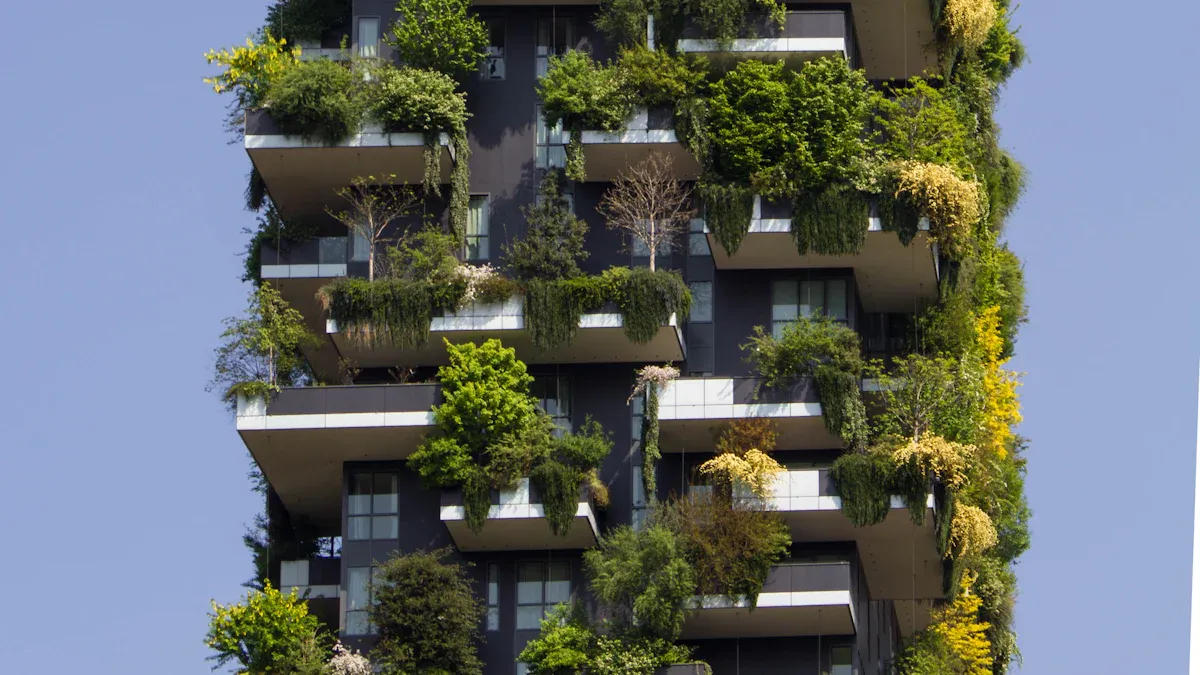
MgO Board vs Gypsum Board Eco-Friendly Overview
What Is Magnesium Oxide Board?
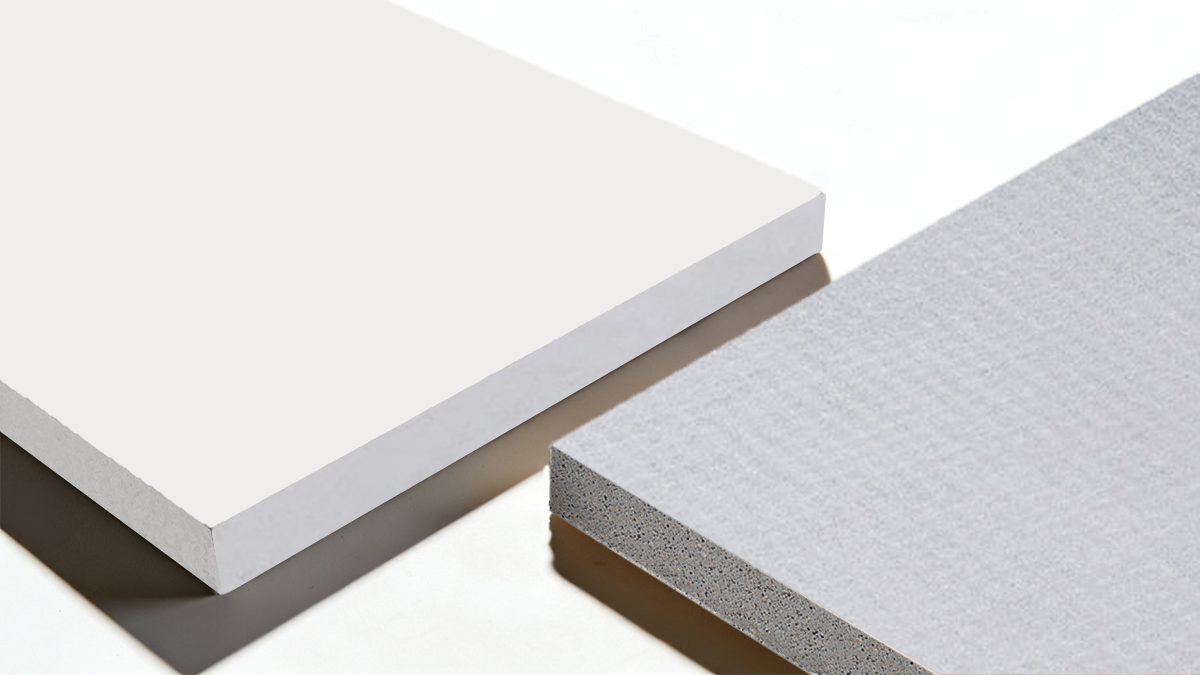
MgO board comes from minerals found in nature. It does not have dangerous chemicals like asbestos or formaldehyde. MgO board is strong and holds screws tightly. It can resist fire, water, and hits. You can use MgO board in many places for safety. It does not let out VOCs or heavy metals. This makes it good for eco-friendly building. MgO board needs less energy to make than other materials.
What Is Gypsum Board?
Gypsum board is used for walls and ceilings. It is made from calcium sulfate and covered with paper. You can get it in different sizes and thicknesses. Gypsum board is simple to put up. It helps stop fires and blocks noise. Making gypsum board uses more energy and can let out mercury. Some gypsum boards have wax or silicone, which are not always green. When you throw away gypsum board, it can make bad gases in landfills. This is not great for eco-friendly building.
Key Differences
MgO board and gypsum board are not the same for eco-friendly features. MgO board uses safe materials and has a smaller carbon footprint. Gypsum board uses more energy and can hurt the environment. MgO board can be recycled and does not let out bad chemicals. Gypsum board is harder to recycle and often goes to landfills.
If you want to pick the best material for eco-friendly projects, check the table below:
Feature | MgO Board | Gypsum Board |
|---|---|---|
Made from safe and natural materials | Natural, but takes lots of energy to make | |
Recyclability | Can be recycled and has no bad chemicals | Can be recycled, but not very often |
Carbon footprint | Lower because of cleaner making process | Higher because it needs more energy |
MgO board has more eco-friendly benefits than gypsum board. If you want to help the planet, MgO board is a better choice.
Raw Material Sourcing and Impact
MgO Board Sourcing
MgO boards use strong and earth-friendly materials. Magnesium oxide comes from minerals in the ground. Mining for it uses less energy than other ways. MgO boards make less carbon and help stop pollution. You can recycle MgO boards, so there is less waste and more resources saved.
Environmental Impact | Description |
|---|---|
Carbon Emissions | Magnesium oxide boards make 40–50% less CO2 than cement boards. |
Pollution Reduction | Making these boards causes less pollution. |
Resource Efficiency | MgO boards need less energy to make. |
Recyclability | These boards can be recycled, which helps cut down waste. |
Gypsum Board Sourcing
Gypsum comes from the earth or from power plants. Getting natural gypsum means mining, which uses a lot of energy. Synthetic gypsum is made at coal power plants. Making gypsum boards can let out mercury and other bad stuff. This process needs more energy and can hurt the environment.
Getting gypsum can let out mercury, especially from synthetic gypsum.
Mining natural gypsum makes greenhouse gases and uses a lot of energy.
Making FGD gypsum means catching pollution, but heating can still release mercury.
Environmental Impact of Extraction
Mining for MgO and gypsum can hurt nature. It can mess up animal homes and plants. Making gypsum uses more energy and lets out bad air. Throwing away gypsum can cause problems in landfills. Gypsum can also get into water and make it unsafe to drink.
Impact Type | Description |
|---|---|
Habitat Disruption | Mining can mess up animal and plant homes. |
Energy Use | Getting and making gypsum uses a lot of energy. |
Emissions | Making and moving gypsum lets out bad air and hurts the climate. |
Solid Waste | Throwing away gypsum can cause trash problems in landfills. |
Groundwater Contamination | Gypsum can get into water and make it unsafe to drink. |
Picking MgO boards helps the environment. MgO boards use less energy and make less pollution. Choosing them means cleaner air and safer water.
Manufacturing and Emissions Impact
 MgO Board Production Emissions
 MgO Board Production Emissions
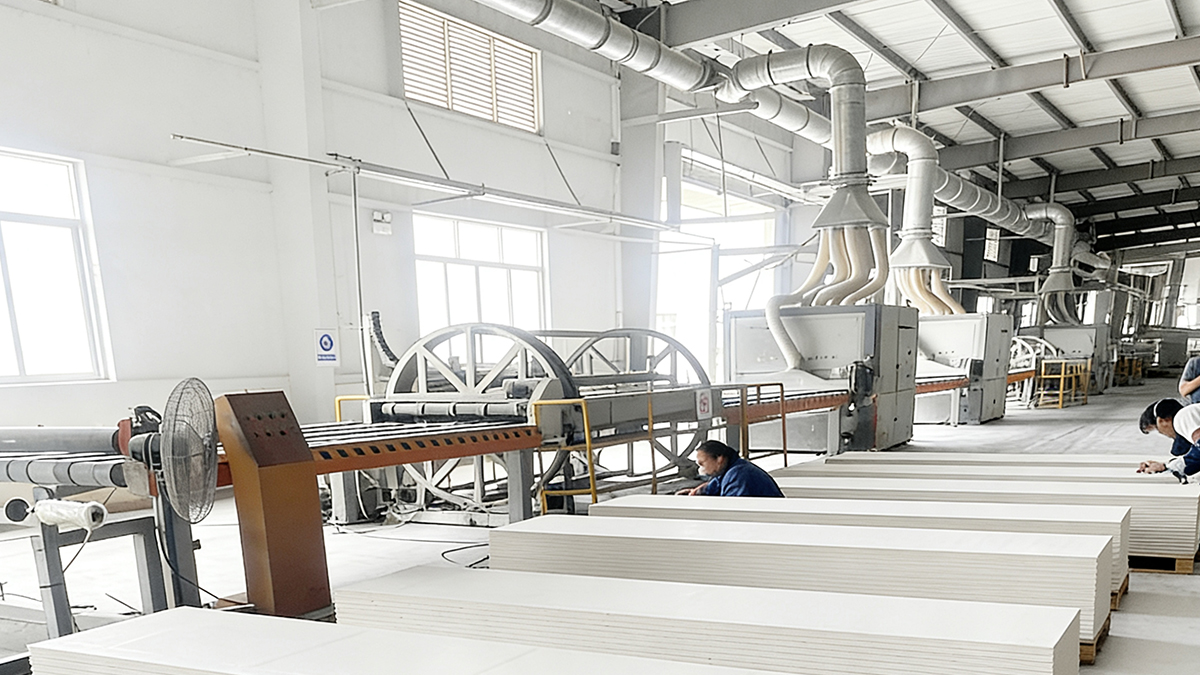
MgO board factories make less carbon than gypsum board factories. For every ton made, they release about 340 kg of carbon. This is much less than gypsum boards. Most carbon comes from heating magnesium carbonate. This process is called calcination. Factories also use energy to make boards. If they use coal or diesel, carbon goes up. In Canada, factories use natural gas. This lowers carbon by 18% compared to coal.
Source of Emission | Description |
|---|---|
CO2 from Calcination | 1.1 tons of carbon for every ton of MgO from MgCO3. |
Energy Sources | Coal and diesel in China; natural gas in Canada. |
Comparison of Emissions | Natural gas use in Canada cuts carbon by 18%. |
The energy source changes how much carbon is released. Cleaner energy means less carbon in the air.
Gypsum Board Production Emissions
Gypsum board factories release more carbon into the air. For every ton made, they release about 740 kg of carbon. Making gypsum boards uses lots of energy. Gypsum comes from mines and power plants. Factories mix materials and dry them in kilns. Kiln drying uses lots of energy and makes more carbon.
Making boards needs about 5,048 MJ for 1,000 board feet.
Factories use natural and synthetic gypsum. Synthetic gypsum comes from coal power plants.
Kiln drying adds extra carbon emissions.
Gypsum board production has a bigger impact because it uses more energy and different gypsum sources.
Energy and Resource Use
Energy and resources are important when comparing these boards. MgO boards use less energy and make less carbon. Gypsum boards need more energy and make more carbon. The table below shows the carbon difference.
Material | |
|---|---|
Magnesium Oxide | 340 |
Gypsum | 740 |
MgO boards have a smaller carbon footprint. Choosing MgO boards helps the planet more. Your choice matters. You lower carbon and help the environment.
Packaging, Transport, and Regional Impact
Packaging Waste
You see packaging waste every time you open a new board. MgO boards often use less packaging because they are stronger and less likely to break during shipping. This means you throw away fewer plastic wraps and cardboard boxes. Gypsum boards need more protection. You may notice extra layers of paper or plastic to keep them safe. Less packaging waste helps lower the environmental footprint of your project. If you choose MgO boards, you help reduce trash and keep your site cleaner.
Transportation Footprint
When you move building materials, weight and distance matter. MgO boards are lighter than gypsum boards. You can carry more boards in one truck, which lowers the transportation footprint. For example, a 12mm MgO board weighs between 1.5 to 2.0 pounds per square foot. Standard drywall of the same thickness weighs about 1.6 to 2.2 pounds per square foot. The lower density of MgO boards makes installation easier for you and reduces fuel use during transport. If you need to ship boards over long distances, MgO boards help you cut down on carbon emissions and save money. You make a smart choice for the planet by lowering the footprint of your building materials.
Regional Sourcing
Where you get your boards affects the footprint of your project. MgO boards often come from regions with large mineral deposits. If you live near these areas, you can lower the footprint by choosing local products. Gypsum boards are made in many places, but sometimes you must ship them far from the factory to your site. Local sourcing helps you reduce travel distance and energy use. You support your community and lower the footprint when you pick materials made close to home.
Tip: Ask your supplier about the origin of your boards. Local products help you build greener and smarter.
Installation and Construction Waste Reduction
Installation Process
 Installation Process
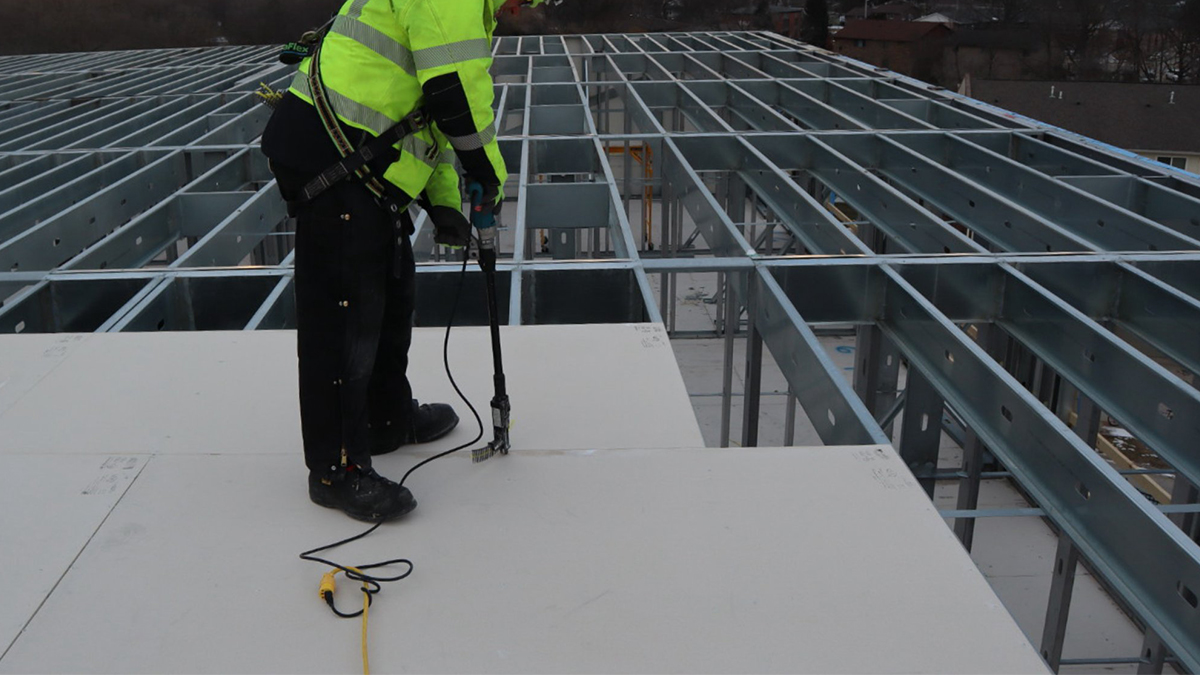
You want a smooth installation when you build with MgO or gypsum boards. MgO boards feel lighter and stronger. You can cut them with simple tools. You screw them into place without much trouble. You do not need special skills. You finish the job faster. Gypsum boards work well for walls and ceilings. You cut them with a utility knife. You attach them with screws or nails. You need to handle them with care. They break easily. You may drop pieces and create waste. You spend more time cleaning up after installation.
Tip: Always measure twice before you cut. You save time and reduce waste.
Waste Generation and Reduction
Waste matters in every project. You see waste when you cut boards, trim edges, or remove broken pieces. MgO boards create less waste. You use almost every piece. You throw away fewer scraps. You do not see much dust or debris. Gypsum boards produce more waste. You break boards during handling. You toss out damaged sections. You sweep up dust and small bits. You fill trash bins with waste from gypsum boards.
You want construction waste reduction. MgO boards help you reach this goal. You keep your site clean. You lower disposal costs. You protect the environment. Gypsum boards make waste harder to manage. You spend more money on waste removal. You see waste pile up in landfills.
Here is a quick comparison:
Board Type | Waste During Installation | Waste Management Difficulty | Waste Disposal Impact |
|---|---|---|---|
MgO Board | Low | Easy | Minimal |
Gypsum Board | High | Hard | Significant |
You make a smart choice when you pick MgO boards. You reduce waste. You help the planet. You finish your project with less mess.
Indoor Air Quality and Health Impact
VOCs and Emissions
You want to keep your indoor air quality safe. MgO boards help you do this. These boards are non-toxic and low in VOC emissions. You protect your health when you choose MgO boards. Gypsum boards can release harmful toxins, especially when you cut them. These toxins may affect your indoor air quality and pose risks to your health. MgO boards are eco-friendly and support a healthy environment inside your building.
MgO boards offer zero voc emissions during installation and use.
You avoid exposure to fly ash and other toxins with MgO boards.
Gypsum boards may emit toxins that lower indoor air quality.
You improve your indoor air quality when you select MgO boards. You create a safer space for your family, coworkers, or students. You also help the environment by reducing harmful emissions.
Tip: Always check for low VOC materials when you build or renovate. You make your indoor air quality better and support a healthy environment.
Mold, Mildew, and Moisture Resistance
Moisture can damage your walls and lower your indoor air quality. MgO boards resist water and mold much better than gypsum boards. You see less swelling and warping with MgO boards. Gypsum boards absorb more water and often swell or warp. Mold grows easily on gypsum boards, especially in humid places. You avoid these problems with MgO boards.
Feature | MgO Board | Gypsum Board |
|---|---|---|
Surface Moisture Absorption | Nearly 3% | |
Resistance to Water Damage | Excellent (no swelling) | Poor (swelling, warping) |
Mold Resistance | High (resists mold) | Low (more mold risk) |
You protect your indoor air quality by using MgO boards. You lower the risk of mold and mildew. You keep your environment healthy and safe. MgO boards work well in bathrooms, kitchens, and basements. You can trust them to keep your indoor air quality high.
Note: MgO boards are a smart choice for places with moisture. You reduce mold and improve your indoor air quality.
Energy Efficiency and Building Sustainability
Insulation and Energy Performance
You want your building to feel comfortable all year. MgO boards help you reach this goal. These boards have lower thermal conductivity than gypsum boards. MgO boards measure 0.038 W/mK. Gypsum boards measure 0.160 W/mK. MgO boards keep heat inside in winter. They keep heat outside in summer. You use less energy for heating and cooling.
You can look at the insulation values:
1/2″ Gypsum board has an R-value of 0.45.
5/8″ Gypsum board has an R-value of 0.56.
MgO boards give better insulation performance. You see the difference in your energy bills. You spend less money on electricity and gas. You help the environment by using less energy.
Tip: Pick MgO boards if you want better insulation and to save energy.
Contribution to Sustainable Buildings
You help make your building more sustainable. MgO boards support your efforts with strong energy efficiency. They also have eco-friendly features. MgO boards last longer and need fewer replacements. You reduce waste and save resources.
Here is a quick look at how MgO boards and gypsum boards help with energy efficiency:
Feature | Contribution to Energy Efficiency |
|---|---|
Thermal Insulation | Helps keep indoor climate steady without much heating or cooling. |
Eco-Friendly Material | Made from plentiful materials with a cleaner process. |
Cost-Effectiveness | Durable and saves energy, lowering costs over time. |
MgO boards help you build smarter and greener. You create spaces that use less energy. You protect the environment. You make choices that help your community and future generations.
Note: When you pick MgO boards, you move toward a sustainable building. You help the planet and make your life better.
End-of-Life and Recyclability
Reuse and Recycling Options
 Reuse and Recycling Options
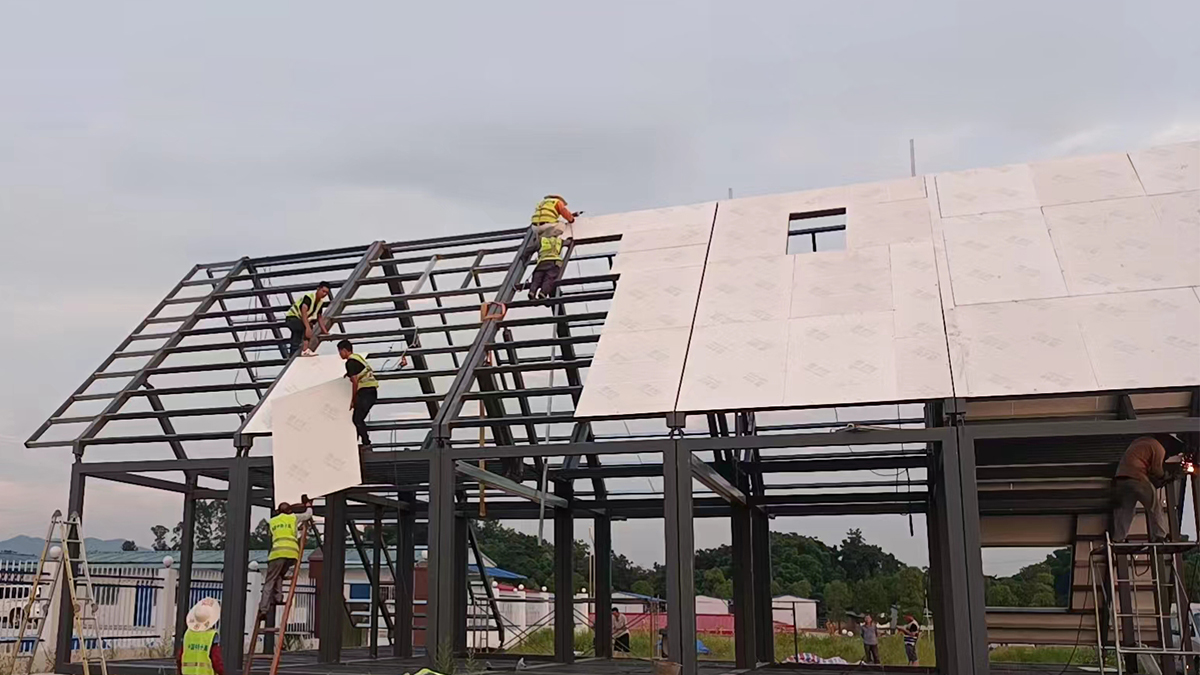
You should think about what happens to boards after use. Recyclability is important for MgO boards and gypsum boards. MgO boards are easy to recycle. People can collect old MgO boards from building sites. Workers clean off paint or other covers. They crush and grind the boards into small pieces. Then, they take out any leftover trash. The recycled MgO mixes with new material to make new boards or products. This process helps you make less waste and save resources.
Here is a simple table that shows the recycling steps for MgO boards:
Step | Description |
|---|---|
Collection | MgO boards are gathered from construction or demolition sites and separated from other debris. |
Cleaning | Workers remove paint and cladding to keep the material clean. |
Crushing and Grinding | Boards are ground into smaller pieces for processing. |
Separation | Ground material is separated to remove contaminants. |
Reworking | Recycled MgO is mixed with new material to create new boards or products. |
Gypsum boards are harder to recycle. You can recycle them, but it does not happen often. Many gypsum boards end up in landfills. Some recycling centers take gypsum, but they have strict rules. You help the planet more when you pick materials that are easier to recycle.
Disposal and Environmental Risks
You need to know what happens when you throw away boards. MgO boards do not cause much harm at the end of their life. Because you can recycle them, less waste goes to landfills. If you cannot recycle them, MgO boards break down without making dangerous chemicals.
Gypsum boards can cause problems if you do not recycle them. When you put gypsum in landfills, it can make hydrogen sulfide gas. This gas smells bad and can be unsafe. Because gypsum is hard to recycle, more waste piles up. Gypsum can also pollute water if it breaks down in wet places.
Tip: Always ask your local waste center about recycling building boards. You protect the environment and keep your community safe.
You make a big difference by picking boards that are easy to recycle. You lower waste, stop pollution, and help build a greener future.
Side-by-Side Sustainability Comparison
You want to pick the best board for your project. You need to see how magnesium oxide board and gypsum board are different. The table below shows their main features next to each other.
Feature | Magnesium Oxide Board | Gypsum Board |
|---|---|---|
CO2 Emissions (kg per ton) | 340 | 740 |
Recyclability | High | Low |
End-of-life Disposal Options | Can be recycled | Typically landfilled |
Environmental Impact | Lower carbon footprint | Higher carbon footprint |
Indoor Air Quality | No VOCs, non-toxic | May release toxins |
Waste Generation | Minimal | Significant |
Energy Efficiency | High (better insulation) | Moderate |
Mold/Moisture Resistance | Excellent | Poor |
Durability | High | Moderate |
Magnesium oxide board does better than gypsum board in most ways. Here is what this means for you:
You cut down on carbon emissions with magnesium oxide board. It makes less than half the CO2 compared to gypsum board.
You help the earth by choosing a board that can be recycled. Magnesium oxide board can be reused. Gypsum board usually goes to landfills.
You make indoor air safer with magnesium oxide board. It does not let out bad chemicals or VOCs. Gypsum board may give off toxins when you install or throw it away.
You create less trash at your work site. Magnesium oxide board is tough and does not break much. Gypsum board makes more scraps and dust.
You save energy in your building. Magnesium oxide board keeps heat in better, so you use less heating and cooling.
You protect your walls from water and mold. Magnesium oxide board stops water and mold. Gypsum board takes in water and can grow mold.
You get walls that last longer. Magnesium oxide board is strong and needs fewer fixes.
Tip: If you want a greener, healthier, and smarter building, magnesium oxide board is the best choice.
You can use this side-by-side comparison to help you decide. You make a big difference for the planet and your health when you pick the right board.
You help the planet more when you pick MgO boards. These panels remove carbon from the air. They lower the carbon footprint of your building. You meet green standards and make indoor air cleaner. MgO boards can be reused and recycled easily. Their strength and fire resistance give you more value. Gypsum boards are cheaper at first. They cannot be reused and do not help with carbon removal. Think about these things for your project:
Long-lasting and strong
Good for the environment
Safe and healthy
Easy to recycle
Can you get them nearby
You make your building greener when you choose MgO boards.
FAQ
What is LEED and how does it relate to MgO and gypsum boards?
LEED is a system for rating green buildings. It shows your building meets good environmental standards. Using MgO or gypsum boards can earn you LEED points. Picking eco-friendly boards helps your project get LEED certified.
Can MgO boards help you get LEED certification more easily than gypsum boards?
MgO boards can help you earn more LEED points. They have a lower carbon footprint than gypsum boards. MgO boards are easier to recycle and improve indoor air quality. These features help with LEED certification. Gypsum boards give some LEED benefits, but MgO boards offer more.
How do you recycle gypsum boards for LEED credits?
You recycle gypsum boards at special recycling centers. You need to separate clean gypsum from other trash. Recycling gypsum boards helps you earn LEED credits. This reduces landfill waste and supports LEED goals. Always ask your local center about recycling rules.
Does using recycled content in gypsum boards help with LEED certification?
Using recycled gypsum in boards can earn you LEED points. LEED rewards projects that use recycled materials. This helps the environment and supports LEED certification. Check if your gypsum board has recycled content. This makes your project greener.
What LEED categories do MgO and gypsum boards impact?
Your board choice affects several LEED categories. MgO and gypsum boards impact Materials and Resources, Indoor Environmental Quality, and Energy and Atmosphere. You earn LEED points by using recycled gypsum, low-emission boards, and energy-efficient products. Your choices help with LEED certification.