
11 Mar Which Is More Water Resistant, MgO Board or Fiber Cement Board
MgO board keeps out water better than fiber cement board, especially when considering MgO board vs fiber cement board water resistance. When you pick building materials, think about water resistance, as this is very important in wet or humid places. Water can hurt buildings, leading to issues like mold and making cleaning hard. The table below explains why water resistance matters:
Benefit | Explanation |
|---|---|
Water-resistant materials stop damage from water getting inside. | |
Mold and Mildew Prevention | These materials stop mold and mildew from growing, helping to keep the air inside cleaner. |
Ease of Maintenance | Surfaces that keep out water are easier to clean, which is helpful in places with lots of moisture. |
Enhanced Durability | These materials last longer and do not break down from water as quickly. |
MgO board and fiber cement board differ significantly in water resistance. MgO board effectively pushes water away and prevents mold, while fiber cement board often requires extra sealing. The choice you make between MgO board vs fiber cement board water resistance will impact how your building manages water in bathrooms, kitchens, or outdoor areas.
Key Takeaways
MgO board is better at stopping water than fiber cement board. This makes it great for places that are wet or have a lot of moisture.
Pick MgO board to stop mold and mildew from growing. It helps keep your indoor space healthy and easy to care for.
You must seal fiber cement board often to keep it strong. Sealing also helps stop water from hurting the board.
MgO board stays strong even when it is very humid. Fiber cement board can get bigger and weaker if you do not take care of it.
If you want a building material that lasts long and is good for the earth, pick MgO board. It does not need much work and keeps out water very well.
mgo board vs fiber cement board water resistance
Material resistance overview
It is important to know how these boards react to water. MgO board and cement board are not the same when it comes to water. MgO board is special because it does not let much water in. Scientists test how much water boards can take in and how much they change shape. MgO board only takes in about 0.34% water. Cement board takes in more water than that. Because of this, MgO board stays strong and does not change shape in wet places.
Material | Water Resistance Characteristics |
|---|---|
MgO Boards | Naturally hydrophobic, resist water penetration, maintain dimensional stability, do not swell, crack, or soften in damp conditions. |
Fiber Cement Boards | More resistant than wood but can absorb moisture, vulnerable to warping or degradation if unsealed. |
MgO board is made using new technology. This makes it fireproof and keeps out water. You can trust that each board will work well. Cement board also keeps out water, but only if you seal it. If you do not seal it, cement board can get weak or swell. MgO board works better in wet places than cement board.
MgO board does well in water tests. It takes in less than 10% water. After being in water for a day, it does not lose much strength. It does not change shape. The amount it grows from water is less than 0.3%. Cement board does not do as well in these tests. You must seal cement board to keep it strong.
Moisture and mold performance
When you compare these boards, you should also think about mold. MgO board does not let mold or mildew grow. This is because it is not made from things mold likes to eat. MgO board does not rot. In a special test called ASTM G21, MgO board got a score of 0/0/0. This means no fungus grew on it. That is why MgO board is good for wet places.
Cement board can keep out water, but only if you seal it well. If you do not, mold and mildew can grow. You need to seal the edges and joints of cement board. You can also use a vapor barrier and make sure air can move around. If you keep cement board dry, it works well. But it needs more care than MgO board.
MgO board is good because it does not let mold, mildew, or rot happen. You do not have to fix or replace it often. MgO board works well without extra sealing. Cement board needs you to take care of it to keep it strong. MgO board is easier to take care of and works better in wet places.
Tip: If you want a board that keeps out water and stops mold, pick MgO board. It works well and you do not have to worry about fixing it all the time.
mgo board resistance in humid environments
 Structural integrity and durability
 Structural integrity and durability
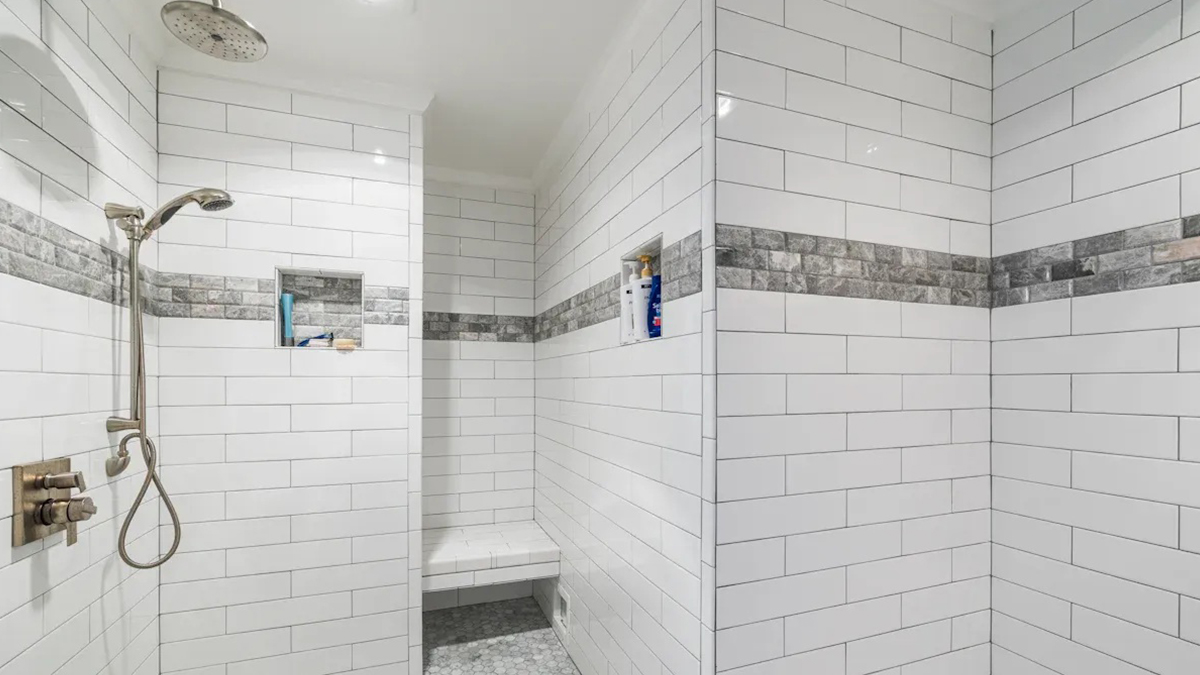
You want your building materials to stay strong in humid places. MgO board gives you reliable structural strength and durability. When you use MgO board, you do not worry about swelling, warping, or losing shape. This board keeps its size and form even when moisture levels change. Unlike gypsum boards, MgO board does not crack or break down over time. You can trust it to last in bathrooms, kitchens, or coastal areas.
MgO board absorbs some moisture, but it releases extra moisture once the air dries. This process does not weaken the board. You get long-lasting protection and moisture resistance. Studies show MgO board stays dry and strong for over two years in high humidity. Look at the table below to see how MgO board performs:
Board Type | Exposure Duration | Temperature | Relative Humidity | Performance Observed |
|---|---|---|---|---|
MOC A | 840 days | 30 °C | 90% | No moisture droplets |
MOC D | 840 days | 30 °C | 90% | No moisture droplets |
MOS G | > 2 years | 30 °C | 90% | No crying behaviour |
MOS H | > 2 years | 30 °C | 90% | No crying behaviour |
You see that MgO board keeps its structural strength and durability even after long exposure to moisture.
Mold and mildew protection
You need protection from mold and mildew in humid environments. MgO board gives you excellent defense. The board resists mold because it absorbs very little moisture. It only takes in 0.34% moisture, while gypsum boards absorb much more. This low absorption means mold and mildew cannot grow easily.
MgO board passes strict tests for mold and mildew protection. The ASTM G21 test exposes the board to fungi for 28 days. MgO board scores zero for fungal growth. You get a healthy indoor space with less risk of mold and mildew. The table below compares MgO board to gypsum board:
Board Type | Water Absorption | Mold Resistance |
|---|---|---|
MgO Board | 0.34% | Excellent |
Gypsum Board | 3% | Poor |
MgO board does not absorb water, so it keeps its strength and stops mold.
Gypsum board absorbs more moisture, which leads to mold and damage.
You should choose MgO board for wet or humid areas because it offers better protection and moisture resistance.
Tip: MgO board gives you peace of mind. You get strong protection from moisture, mold, and mildew. You spend less time on repairs and enjoy a healthier environment.
fiber cement board resistance and maintenance
Water absorption and swelling
It is important to know how cement board handles water. Cement board does better than wood, but it still takes in water. How much water it absorbs depends on the fibers and the place where you use it. Some cement boards with kraft pulp soak up about 13.4% water. If the board has bamboo fiber, it can take in as much as 23.85%. Bamboo fibers pull in more water than cement paste. When cement board gets wet, it can swell. Swelling can hurt the board’s strength and shape.
If you see cement board get bigger after rain, pay attention. Swelling can close gaps and cause the board to bend or fasteners to fail. This means the board is soaking up water from the weather. You should check for swelling to keep the board strong and safe.
Cement board does not keep out water as well as MgO board. You might see the board change shape or size if it gets too wet. Swelling can make the board weaker and you may need to fix it. Watch for signs of water and swelling to keep your cement board working well.
Maintenance for moisture protection
You can help the board resist water by doing some easy steps. Cement board needs regular care to stay safe from water and mold. Here are some things you should do:
Look at the cement board often for cracks or paint that is coming off.
Put caulk or sealant on the joints and seams to stop water from getting in.
Make sure gutters and downspouts move water away from the cement board.
Sealants and coatings make the board resist water better. You can use hydrophobic siloxane layers inside the board. These layers cut down on water getting in but let vapor out. Cement board with silicone shows water drops on the surface and still lets vapor pass. The best way is to use both siloxane inside and silicone outside.
Evidence Description | Effectiveness in Reducing Water Absorption |
|---|---|
Hydrophobic siloxane layers line the internal pore surfaces, reducing capillary absorption while maintaining vapor permeability. | Highly effective in reducing water absorption. |
Boards absorb significantly less moisture during production and in service. | Demonstrates effectiveness in practical use. |
Silicone-treated fiber-cement exhibits strong water beading while retaining natural vapor permeability. | Indicates effective water resistance. |
The combination of internal siloxane network + external silicone sealer delivers the strongest total protection package for exterior fiber-cement products. | Provides comprehensive protection against water absorption. |
You need to keep cement board dry to stop mold. Mold grows when water stays in the board. If you do these steps, you help the board resist water and keep your building safe. You stop mold and save money on repairs. Cement board needs more care than MgO board, but you can make it strong with good maintenance.
Tip: Check cement board often and use sealants to help it resist water. You will stop mold and keep your building strong.
mgo vs fiber cement boards: practical implications
Indoor and outdoor use
 Indoor and outdoor use
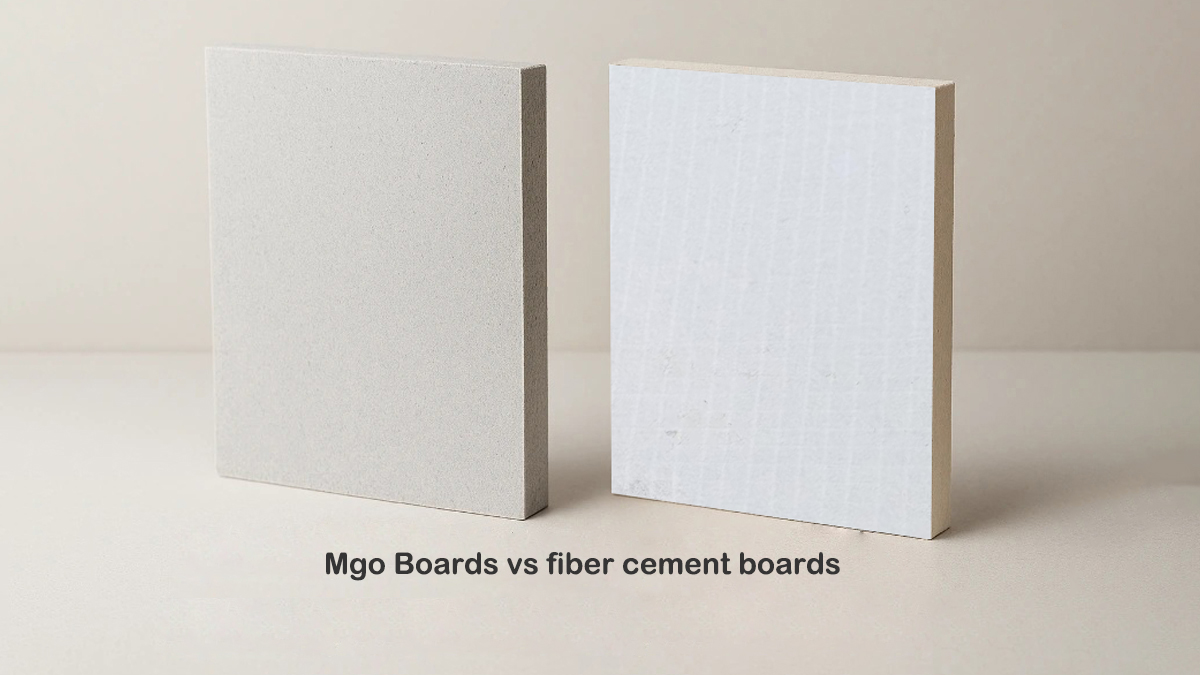
When you compare mgo vs fiber cement boards, you see big differences in how they work in real places. You want your bathroom and kitchen to stay dry and clean. Mgo vs fiber cement boards matter here because moisture can cause problems. Mgo board does not let water in, so you do not worry about mold or mildew. You get a strong wall that keeps its shape. This helps you keep your home healthy and safe. You also help with sustainability because you do not need to replace the board often.
If you look at mgo vs fiber cement boards for outside, you see more differences. Mgo vs fiber cement boards both work in wet weather, but mgo board does not swell or warp. You can use mgo vs fiber cement boards for siding in places with lots of rain. Fiber cement boards can handle salty air and strong wind, so you see mgo vs fiber cement boards in coastal homes. You want to pick the right one for your weather. Mgo vs fiber cement boards both help with sustainability because they last a long time and do not need much fixing.
Mgo vs fiber cement boards in bathrooms: Mgo board keeps out water and mold.
Mgo vs fiber cement boards in kitchens: Mgo board stays strong and clean.
Mgo vs fiber cement boards for siding: Both work in rain, but mgo board does not warp.
Mgo vs fiber cement boards in coastal areas: Fiber cement boards resist salt and wind.
Tip: When you choose mgo vs fiber cement boards, think about where you will use them. You want the best for your home and the planet. Sustainability matters.
Lifespan and upkeep
You want your walls to last. Mgo vs fiber cement boards both give you strong walls, but they need different care. Mgo board does not need much work. You do not have to seal it often. You get less mold and fewer repairs. This means you help with sustainability because you use fewer resources.
Fiber cement boards last for many years. You need to check them and seal them sometimes. Mgo vs fiber cement boards both stand up to weather, but mgo board can sometimes stain if it gets too wet. You want to look at the type of mgo board you buy. Some types work better in wet places. Mgo vs fiber cement boards both help with sustainability because they do not break down fast.
Feature | Mgo vs Fiber Cement Boards | What It Means for You |
|---|---|---|
Water Resistance | Mgo board is best | Less mold, less repair |
Durability | Both last long | Good for sustainability |
Upkeep | Mgo board needs less | Saves time and money |
Outdoor Performance | Both work well | Pick for your climate |
Note: Mgo vs fiber cement boards both help you build strong, green homes. You help the earth when you pick materials that last and need little care. Sustainability is easy when you choose well.
You want your building to stay safe from water. MgO board keeps out water very well. It also stops mold from growing. Fiber cement board works, but you need to take care of it more often. Look at this table to compare them:
Feature | Fiber Cement Board | MgO Board |
|---|---|---|
Water Resistance | Okay | Excellent |
Mold Resistance | Low | High |
Upkeep | Regular | Minimal |
Eco-Friendly | Moderate | High |
Pick MgO board for places that are wet or humid.
Use fiber cement board if you want to spend less money at first and can do the work to keep it strong.
Choose MgO board if you want it to last a long time and be better for the earth.
FAQ
What makes MgO board more water resistant than fiber cement board?
You get better water resistance from MgO board because it absorbs less moisture. The board stays strong and does not swell. You do not need to seal it often.
Can you use MgO board in bathrooms and kitchens?
You can use MgO board in bathrooms and kitchens. The board resists water and mold. You get a clean, healthy space with less maintenance.
Does fiber cement board need regular sealing?
You need to seal fiber cement board regularly. Sealing stops water from getting inside. You protect the board from swelling and mold.
Which board lasts longer in humid climates?
MgO board lasts longer in humid climates. You do not worry about warping or mold. Fiber cement board needs more care to stay strong.