
10 Mar Eco-Friendly Showdown MgO Board vs Fiber Cement Board
If you’re looking for ECO-friendly options for your next building project, it’s important to compare MgO board vs fiber cement board ECO-friendly features. MgO board stands out as a more ECO-friendly choice compared to fiber cement board. Manufacturing building materials contributes to about 7-11% of global carbon emissions, so choosing ECO-friendly products like MgO board vs fiber cement board ECO-friendly alternatives is crucial for a greener future. Using ECO-friendly and sustainable materials not only benefits the planet but also supports your health. Research shows that these products can reduce indoor black carbon and formaldehyde levels:
Parameter | Pre-Renovation (ng/m3) | Post-Renovation (ng/m3) |
|---|---|---|
Indoor Black Carbon | 2364 | 682 |
Formaldehyde | 0.01 ppm | 0.03 ppm |
By selecting MgO board vs fiber cement board ECO-friendly materials, you help create safer and cleaner spaces for everyone.
Key Takeaways
MgO board is better for the environment. It uses natural materials and makes less pollution. Choosing MgO board helps the air inside your home. It does not have bad chemicals like formaldehyde. MgO board can be recycled, so it makes less trash in landfills. This helps the planet. Using MgO board can help you get green building awards like LEED. MgO board is also lighter and simple to put in. This saves time and energy on your project.
MgO Board vs Fiber Cement Board Eco-Friendly Comparison
Direct Eco-Friendliness Verdict
When you look at mgo board and fiber cement board, you notice big differences. If you want to help the planet, mgo board is the better pick. Mgo and fiber cement boards are not the same for the environment. Magnesium oxide board uses natural and recycled things. This means it needs fewer resources that cannot be replaced. Fiber cement board needs a lot of energy to make cement, which makes more pollution.
You can check the table below to see the main eco-friendly differences:
Feature | MgO Board | Fiber Cement Board |
|---|---|---|
Carbon Footprint | Low due to cleaner production processes | Higher due to energy-intensive cement production |
Material Sourcing | Natural materials | Abundant raw materials |
Energy Intensity | Less energy-intensive production | More energy-intensive production |
Harmful Chemicals | Contains no asbestos, formaldehyde, or harmful chemicals | May contain harmful materials |
Indoor Air Quality | Natural mold resistance contributes to healthier air | Can create significant silica dust when cut |
Mgo board has a low carbon footprint and does not have toxic stuff. It also helps keep the air inside your house clean. Mgo board can help you get green building awards like LEED. Picking mgo board helps the earth and makes your home better.
Tip: If you want to help the earth and be more green, magnesium oxide board is the best pick.
Environmental Impact Differences
 It is important to look at how mgo and fiber cement boards affect the earth. Mgo board uses less energy to make. This means it makes less pollution. Mgo board’s carbon footprint is 37.3 kg CO2 eq/m2. Fiber cement board makes more pollution because it uses more energy. The exact number is not known, but it is always higher than mgo board.
Mgo board is also better for recycling. You can recycle mgo board all the way when you are done with it. Fiber cement board is harder to recycle. This means mgo board helps keep trash out of landfills and supports using things again.
Here is a quick look at recyclability:
Material | Recyclability |
|---|---|
MgO Boards | |
Fiber Cement | Limited recyclability |
You should also think about health and safety. Mgo board does not have asbestos or formaldehyde. It does not let out bad chemicals in your house. Fiber cement board might have harmful stuff and can make silica dust when you cut it. Breathing in this dust can be bad for you.
When you pick mgo board instead of fiber cement board, you help the planet, keep yourself safe, and make less pollution. Mgo board makes a big difference for you and the earth.
Mgo board is green and good for the planet.
It takes less energy to make.
It does not have bad chemicals like asbestos or formaldehyde.
It stops mold and keeps your air clean.
Magnesium oxide board gives you the best mix of low pollution, recycling, and safety. If you want to be eco-friendly, mgo board is the best choice in the mgo vs fiber cement boards debate.
Material Composition and Manufacturing
 MgO Board Ingredients and Process
 MgO Board Ingredients and Process
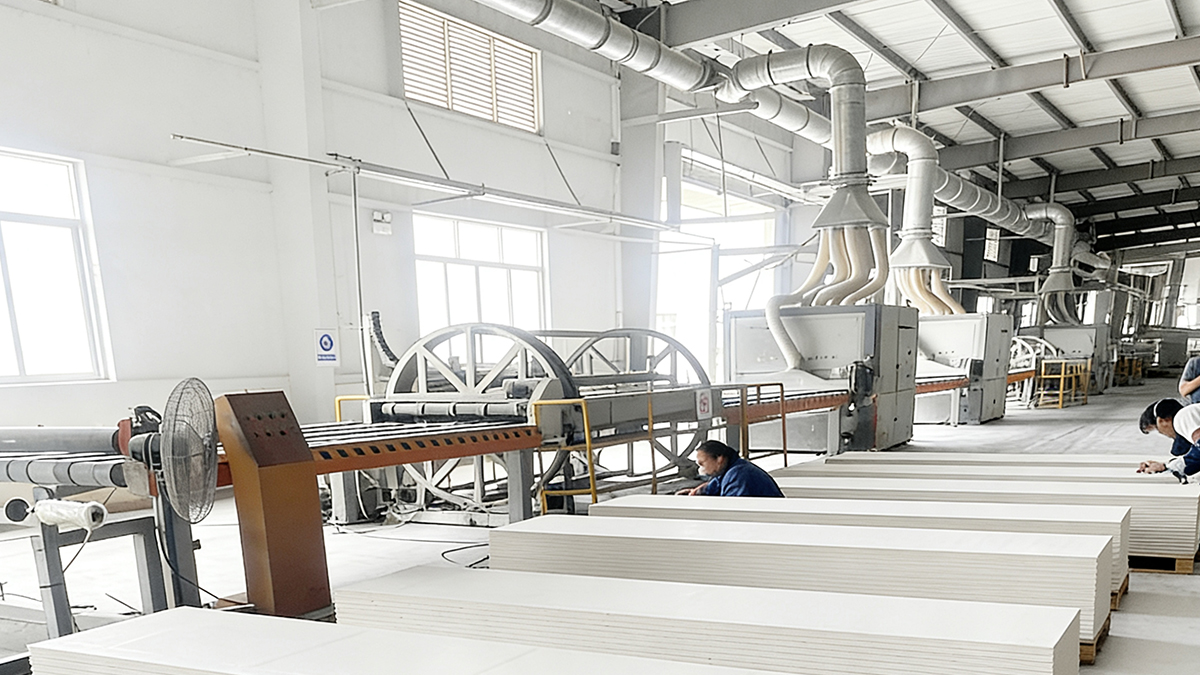
You may ask why mgo board is so eco-friendly. The main part is natural magnesium oxide. This mineral comes from magnesite. Workers get it from the ground. They do not use chemicals. They just break rocks from the mountain. Any dust from this helps the land, animals, or people close by.
Making mgo board uses less energy than other boards. When curing, the board takes in carbon dioxide from the air. This step lowers its carbon footprint. Mgo board does not have asbestos, formaldehyde, ammonia, silica, or benzene. These things make mgo board safe and green for your building.
Made with natural magnesium oxide
No harmful chemicals
Curing process captures carbon dioxide
Low energy use during production
Fiber Cement Board Ingredients and Process
Fiber cement board is made from cement, sand, and cellulose fibers. Making cement needs a lot of heat and energy. This makes more pollution. Workers mix the parts, then press and cure the boards with high heat. This can let out dust and other small bits.
Some fiber cement boards may have silica. Cutting these boards can make dust that is not safe to breathe. You should always wear safety gear when working with fiber cement board.
Production Carbon Footprint
There is a big difference in carbon footprint between mgo board and fiber cement board. Mgo board uses less energy and takes in carbon dioxide when curing. This makes it better for the earth. Fiber cement board uses more energy and makes more pollution. If you want to lower your carbon footprint, mgo board is the better pick.
Board Type | Main Ingredients | Energy Use | Harmful Chemicals | Carbon Footprint |
|---|---|---|---|---|
MgO Board | Magnesium oxide | Low | None | Low |
Fiber Cement Board | Cement, sand, cellulose | High | Possible silica | High |
Note: Picking mgo board helps you build safer and helps the planet.
Eco-Friendliness and Sustainability
Recyclability and End-of-Life
You should pick materials that do not hurt the planet. Recyclability is very important for being eco-friendly. Mgo board is special because you can recycle it all the way. This means less trash ends up in landfills. Fiber cement board is hard to recycle and does not break down in nature. It can stay in landfills for many years. Throwing away fiber cement board can cause problems for the environment:
Small, sharp fibers can bother your skin, eyes, throat, and lungs.
The board does not break down, so it pollutes for a long time.
You must follow special rules to throw it away safely.
If you want to meet green building rules or get leed certification, mgo board’s recyclability helps you a lot.
Energy Use and Resource Efficiency
You help the earth when you use materials that need less energy. Mgo board uses less energy than fiber cement board. Making mgo board creates fewer carbon emissions. It also makes very little harmful waste. This makes mgo board a smart and earth-friendly choice for people who care about the planet. Fiber cement board needs more energy and makes more pollution when made. Choosing mgo board supports saving resources and being sustainable.
Health and Indoor Air Quality
You want your house to be safe and healthy. Mgo board does not let out bad fumes or VOCs. This keeps your indoor air clean. People with asthma or who are sensitive to chemicals will feel better. Good mgo boards have no formaldehyde or VOCs. They stay safe even if there is fire or water. Fiber cement board can make dust that is not safe to breathe when you cut it. Mgo boards give you better air, safety, and peace of mind for your family.
High-quality mgo boards are different from regular materials. These boards have no formaldehyde or VOCs. Lab tests show almost zero VOC emissions.
You can see mgo boards are good because they can be recycled, save energy, and help your health. These things make your building project more eco-friendly and sustainable.
Practical Benefits: MgO vs Fiber Cement Boards
Installation and Handling
When picking materials for cladding, you want easy options. MgO board weighs less than fiber cement board. This makes it simple to carry and install. You can see the weight difference in the table:
Feature | MgO Boards | Cement Boards |
|---|---|---|
Weight | Lightweight | Heavier |
A lighter board uses less energy to move. This lowers pollution and helps the planet. You also save time and work when installing. For both boards, you need to stay safe:
Wear a dust mask and safety glasses when cutting or sanding.
Use wet suppression or a HEPA vacuum instead of dry sweeping.
These steps protect you and keep the air clean.
Durability and Moisture Resistance
You want your cladding to last, especially in wet places. MgO board is great at resisting water. It does not soak up water, so it stays strong and keeps its shape. Fiber cement board can handle some water, but it needs more care in very wet spots. Here is a quick look at how long each board lasts in wet areas:
Board Type | Average Lifespan in High-Moisture Environments | Durability Characteristics |
|---|---|---|
MgO Board | Over 30 years | Resistant to water, mold, and mildew |
Fiber Cement Board | Less durable, may require extra care | Less resistant in high-moisture environments |
MgO board stops mold, mildew, and bugs. Fiber cement board does not let mold grow inside, but dirt and water on the surface can cause surface mold. You can clean this off, but it does not go deep. For outside cladding, MgO board gives you strong protection and helps the planet.
Fire Resistance and Safety
Safety matters for every building. Both MgO board and fiber cement board resist fire well. They meet tough fire safety rules like EN 13501, ASTM E119, and BS 476. These boards can block fire for 30 to 120 minutes, depending on their rating. MgO boards often do better in fire tests, so they are a top pick for fire safety in cladding.
Tip: MgO board helps keep your building safe and gives you peace of mind. You get strong fire safety and help the planet at the same time.
Both boards are good for fire safety, but MgO board is better for moisture resistance, long life, and easy handling. If you want the best for your cladding, MgO board is a smart and earth-friendly choice.
Final Verdict and Actionable Advice
Key Findings Recap
 Key Findings Recap
You learned how MgO board and fiber cement board compare. Here are the main things to remember:
MgO boards use less energy to make. They need lower kiln heat. This means they make less CO₂.
MgO boards do not have harmful chemicals or VOCs. They help keep your indoor air safe.
You can recycle MgO boards more easily. They make less landfill waste than fiber cement boards.
MgO boards last longer. This means less waste and helps the planet.
MgO boards can help you get more green building points like LEED.
Fiber cement boards use more energy to make. They may release VOCs. They are harder to recycle and may not last as long. If you want to help the earth, MgO boards are the better choice.
Choosing the Right Eco-Friendly Board
You want to pick the best board for your project. Think about these things before you decide:
Aspect | MgO Board | Cement Board |
|---|---|---|
Eco-Friendliness | Sustainable and eco-friendly | Less sustainable |
Energy Consumption | Lower energy required for production | High energy consumption |
Harmful Chemicals | Contains no harmful chemicals | May contain harmful substances |
Recyclability | Fully recyclable | Difficult to recycle |
MgO boards take in CO₂ from the air when curing. They last longer and resist fire and water without toxic stuff. You may pay more at first, but you save money because you replace them less often. Fiber cement boards cost less at first and work well in many places. But they use more energy and are harder to recycle.
Tip: Look for certifications like LEED or eco-labels. These show a product is good for the planet.
If you care about being green and want to help the earth, MgO board is the smart choice. You help the planet, make your space safer, and support a greener future.
You can see MgO board is the eco-friendly winner. It uses natural minerals. MgO board needs less energy. It lowers carbon emissions more than fiber cement board.
Feature | MgO Board | Fiber Cement Board |
|---|---|---|
Material Composition | Natural, recyclable | Cement-based |
Energy Consumption | Low | High |
CO₂ Emissions | Low | High |
Pick materials that help green building goals. They make indoor air better. They also cut down on waste. Always choose renewable and recyclable options. Try to use things made nearby. Eco-friendly choices help the planet. They make spaces healthier for everyone. Begin your next project thinking about the earth!
FAQ
What makes MgO board more eco-friendly than fiber cement board?
MgO board uses natural minerals and needs less energy to produce. You can recycle it easily. It does not release harmful chemicals. This helps you protect the environment and your health.
Can you install MgO board as easily as fiber cement board?
Yes, you can. MgO board weighs less, so you can carry and cut it with less effort. You need basic tools. Always wear safety gear when cutting any board.
Is MgO board safe for indoor air quality?
Yes. MgO board does not release VOCs or formaldehyde. You get cleaner air inside your home. This helps people with allergies or asthma breathe easier.
Does MgO board cost more than fiber cement board?
You may pay a little more for MgO board at first. You save money over time because it lasts longer and needs less replacement. You also help the planet.