
08 Mar A Practical Guide to MgO Board and Cement Board Differences
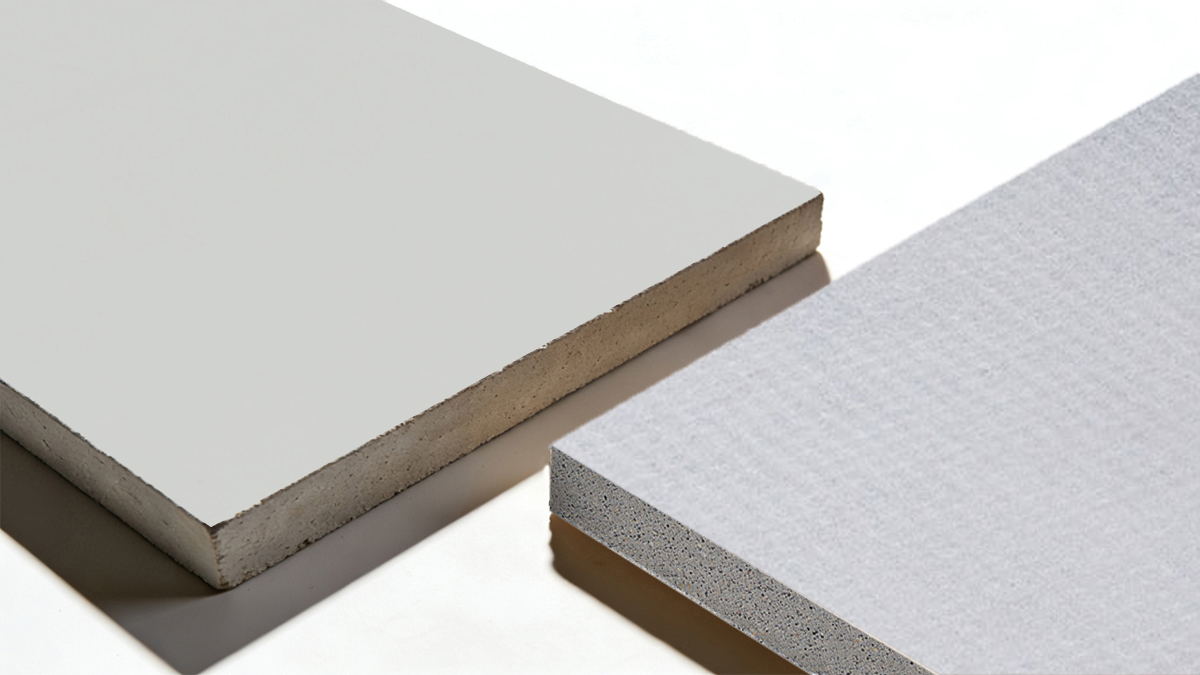
You may ask what makes MgO board different from cement board. The main differences between MgO board and cement board are weight, fire safety, and how they handle moisture. MgO board is lighter, providing better fire protection and effectively stopping mold from growing. In contrast, cement board is heavier and offers some protection from mold. This comparison of MgO board vs cement board is important because your project needs the right material for safety, which also affects the longevity of your building. Additionally, the environment is impacted by your choice of materials.
Property | MgO Board | Cement Board |
|---|---|---|
Composition | Mostly magnesium oxide | Cement and cellulose fibers |
Fire Performance | Better fire resistance | Not as good for fire |
Moisture and Mold Resistance | Mold does not grow easily | Some mold resistance |
Weight | Heavier because of what it is made of | |
Environmental Considerations | Good for the environment, recyclable | More waste made during production |
Key Takeaways
MgO board weighs less than cement board. It is easier to move. This makes putting it in place quicker. It also needs less work.
MgO board stops fire better than cement board. It also keeps mold away. This makes it good for places like kitchens and bathrooms.
Cement board is tougher than MgO board. It lasts longer in hard jobs. It works well in busy places like schools and hospitals.
Think about the planet. MgO board is kinder to the environment. It makes less carbon when it is made than cement board.
Look at what your project needs. Pick MgO board if you want flexibility and moisture resistance. Pick cement board if you need strength and to save money.
MgO Board vs Cement Board: Material Comparison
MgO Board Composition
MgO board is made from several materials. Magnesium oxide is the main part. This mineral makes the board strong and stable. It also helps protect against fire. Perlite and vermiculite are added too. These minerals get bigger when heated. This makes the board lighter. It also helps with heat and fire resistance. Wood fibers are mixed in. They make the board stronger and flexible. You can shape the boards easily. Fiberglass mesh is used as well. It makes the board tougher and last longer. All these materials help MgO board resist water and mold. This makes it good for places with lots of moisture.
Raw Material | Contribution to Properties |
|---|---|
Magnesium Oxide | Makes the board strong and stable. It protects against fire. It does not soak up water, so it stops warping and mold. |
Perlite | Helps with heat and fire resistance. It gets bigger when heated. |
Vermiculite | Makes the board lighter. It also gets bigger when heated. It helps with heat resistance. |
Wood Fibers | Makes the board strong and flexible. You can shape it easily. |
Fiberglass Mesh | Makes the board tough and strong. It lasts longer. |
Cement Board Composition
Cement board is made from cement and cellulose fibers. Sometimes it has treated wood flakes. Cement holds everything together. Cellulose fibers or wood flakes make the board stronger. They help it carry more weight. Cement board has fire resistance like MgO board. Fiber cement board uses cellulose fiber to make it stronger. Cement bonded particle boards use treated wood flakes. The thickness and extra materials can change how cement board works. Fiber cement boards are tough and protect against moisture. They are heavier than MgO board. Cement board is a strong choice for building projects.
Tip: Fiber cement board is good for outside walls and wet places. You may need extra help to install it because it is heavy.
Manufacturing Differences
MgO board and cement board are made in different ways. MgO board uses magnesium oxide, perlite, vermiculite, wood fibers, and fiberglass mesh. These materials are pressed together. They are cured at high temperatures. This makes the board light and strong. Cement board uses cement, cellulose fibers, and sometimes wood flakes. These are mixed and pressed into shape. They are cured to make a hard board. Cement board weighs more than MgO board.
Here is a quick comparison of weight and rigidity:
Board Type | |
|---|---|
MgO Board (10mm) | 9–12 kg |
Cement Board (10mm) | 18–20 kg |
MgO board is lighter and easier to move. Cement board is heavier and harder to handle. MgO board can be cut and moved with less effort. Cement board is more rigid. It is good for projects where strength is important.
MgO board and cement board are both strong and resist fire and moisture. MgO board is lighter and easier to use. Cement board is stronger and better for big jobs. Fiber cement boards can be used inside and outside. You need to think about their weight when installing. MgO boards are versatile and protect against mold and moisture. When you compare MgO board and cement board, you see each one is good for different building needs.
Performance Comparison
 Durability and Strength
 Durability and Strength
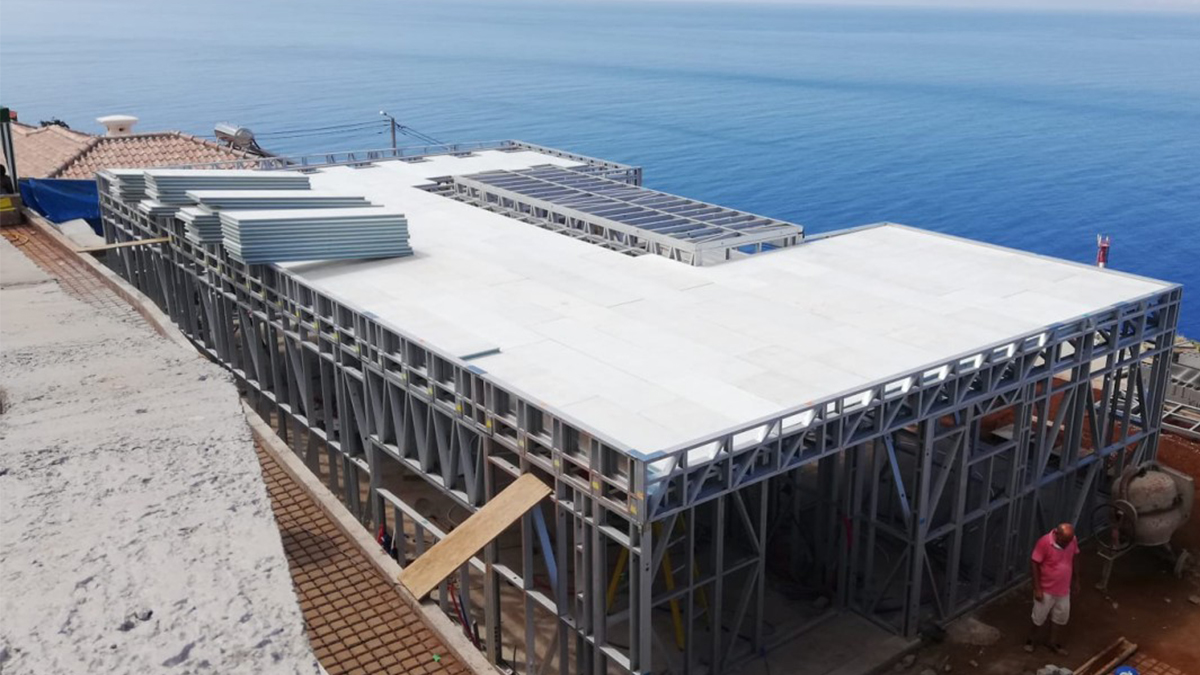
When you look at mgo board and cement board, you see they are different in strength and durability. Fiber cement boards are very strong. They can hold heavy things. These boards stay stable even when wet. Mgo board starts strong but can get weak if it gets wet many times. This is why fiber cement board is better for places that need strong support.
Mgo board can last more than 50 years if used normally. This means it protects your building for a long time. Magnesium oxide boards work well for many jobs. But if you need something very strong, fiber cement boards are better. Mgo boards are easy to use and can be used in many ways. For tough jobs, fiber cement board is the best choice.
Fire Resistance
Fire resistance is important when picking a board. Mgo board is great at stopping fire. It does not burn or make a fire worse. This makes it safe for places where fire is a risk. You can see how they compare in the table below:
Standard | Rating/Classification | Description |
|---|---|---|
European Standard | Euroclass A1 | Non-combustible, does not add to fire |
ASTM Standard (US) | ASTM E136 | Confirms mgo boards do not burn |
ASTM E84 / UL 723 | Class A | 0/0 rating for Flame Spread and Smoke Developed |
ASTM E119 / ANSI-UL 263 | 1, 2, 4-Hour Ratings |
Cement board also resists fire well. If installed right, it can stop fire for up to 2 hours. Many big buildings use cement board for walls and ceilings that need fire safety. But mgo board is better in very hot conditions. It stays strong and keeps its shape. This makes it good for places that need extra fire safety. Mgo board does not make much smoke or bad gases during a fire.
Material | Fire Resistance | Additional Notes |
|---|---|---|
MgO Board | Non-combustible | Excellent fire resistance; ideal for high-risk fire zones |
Cement Board | Moderate fire resistance | May need extra fireproofing in some conditions |
Moisture Resistance
Moisture resistance is another thing to think about. Mgo board keeps water out and does not let mold grow. This helps keep rooms healthy, especially in damp places. Mgo board does not hold water, so mold is less likely.
Tests show mgo boards can take in 4% to 11% water by weight in very humid air. Some mgo boards do better, but all can get damaged if wet for a long time. Fiber cement board takes in less water, about 3.2% by weight. Fiber cement boards stay strong and keep their shape better than mgo boards when wet. If you want the best water resistance, fiber cement board is a good pick.
Environmental Impact
You might care about the environment when picking materials. Making cement board uses lots of energy and makes a lot of carbon. Cement is made by heating limestone, which uses fossil fuels and makes CO2. Mining for cement and gypsum also hurts nature.
Mgo board is better for the planet. Making mgo board uses less energy and makes less carbon. Magnesium oxide comes from magnesite or seawater, which is less harmful. Mgo panels make at least 22% less CO2 than concrete products. If you want to help the environment, mgo board is a better choice.
Material | Recyclability | End-of-Life Disposal |
|---|---|---|
MgO Board | Recyclable, supports circular economy | Can be reused at the end of its life |
Cement Board | Hard to recycle, often goes to landfill | Needs extra effort for proper disposal |
Picking mgo board or cement board depends on what your project needs. If you want high fire safety and care about the planet, mgo board is smart. If you need strong and water-resistant boards, fiber cement board works well. This comparison shows what each board is good at so you can choose the best one for your building.
Installation and Handling
Ease of Installation
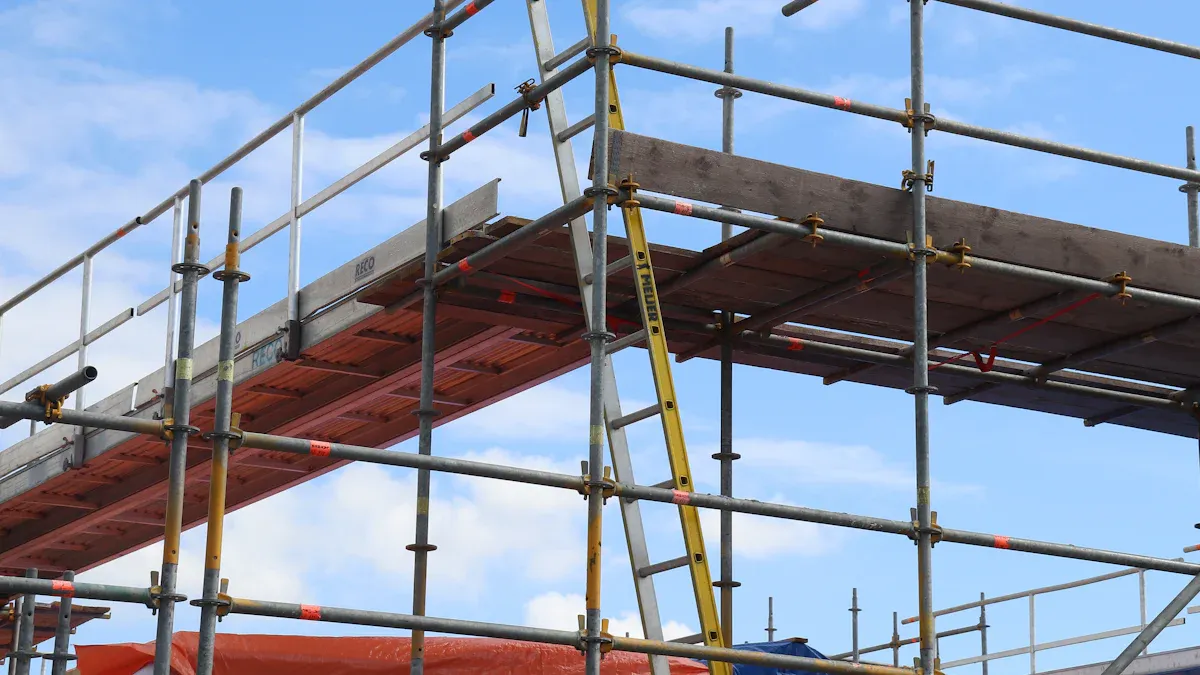
MgO board and cement board are installed in different ways. MgO board is light and easy to cut. You can use simple tools like a scoring knife. Cement board is heavy and needs a utility knife or saw. You might need extra help to move and install cement board. The table below shows the main steps for each board:
Aspect | MgO Board Installation | Cement Board Installation |
|---|---|---|
Storage and Handling | Keep MgO board in a cool, dry place. Let it sit for 48 hours before you install it. | Store cement board in a dry spot. Follow the handling rules for the product. |
Tools Required | Use special tools for MgO board, like a carbide tipped scoring knife. | Use a utility knife or saw to cut cement board. |
Placement | Put MgO panels with gaps based on the frame type. Use a 1/16” gap for steel and a 1/8” gap for wood. | Cement board panels should be close together and spaced evenly. |
Fastening | Use stainless steel or ceramic coated screws for MgO board. Follow the screw guide. | Use the right screws for cement board. Follow what the manufacturer says. |
MgO board can be installed faster because it is lighter. It is easier to handle. Cement board takes more time and effort. This means MgO board can save money on labor.
Weight and Rigidity
Weight is important when installing boards. MgO board weighs about 1.5 to 2.2 pounds per square foot. You can lift and move it easily. Cement board is much heavier. You may need special tools or more people to install it. The table below shows how weight affects handling:
Board Type | Weight per Square Meter (approx.) | Handling Impact |
|---|---|---|
MgO Board | 1.5 to 2.2 lbs per square foot | Lighter than cement board, easier to handle |
Cement Board | Heavier than MgO panels | Needs more workers and special equipment for installation |
Fiber cement board is also heavy and stiff. It gives strong support but is harder to cut and move. MgO board is more flexible for projects that need easy handling. If you want to save time and energy, MgO board is a good choice.
Safety Considerations
You need to stay safe when installing boards. Both MgO and cement board make dust when cut. Always wear safety glasses, a dust mask, and gloves. Work in a space with good airflow. Cement board makes more dust, which can hurt your lungs. Wear a respirator and hearing protection when cutting fiber cement boards. MgO board is made from natural materials. It does not release harmful chemicals. Cement board dust can be bad for your health, so be careful.
Tip: Keep boards flat and lift them the right way to avoid getting hurt. Wear long sleeves and pants for extra safety.
Always follow these steps to stay safe:
Wear all your safety gear.
Cut boards on a steady surface.
Keep your workspace clean and clear.
Use the right tools for each board.
MgO board is easier to install, resists water better, and is safer for your health. Cement board and fiber cement boards are strong and protect well but need more work and safety steps.
Cost and Value
Initial Cost
MgO board and cement board cost about the same at first. MgO board can be a little more expensive because of what it is made from. When you look at both for homes or businesses, MgO board gives more value. It is lighter, so it is easier and faster to install. You spend less money on workers and tools. Fiber cement board costs less to buy, but it takes more time and effort to move and cut.
MgO board: Costs a bit more, but is easy to install.
Cement board: Costs less, but is heavy and hard to move.
Fiber cement boards: Cheap, but need more work.
Maintenance and Long-Term Value
MgO board needs less care over ten years. It stops moisture, mold, and mildew, so you do not fix it often. You do not have to paint or seal MgO board much. Fiber cement boards need cleaning every year, new paint every 10-15 years, and checks for cracks. Cement board can bend or swell, so you fix it more. MgO board stays the same shape, so you do less work.
MgO board: Needs little care, keeps its shape.
Cement board: Needs checks and repairs often.
Fiber cement board: Needs cleaning and painting.
Fiber cement boards last 50 to 100 years. They do not rot, decay, or get bugs. MgO board can have problems in some places, especially where it is wet. Mold and rust can hurt its strength over time. You should think about your local weather before picking MgO board.
Cost Efficiency
Cost efficiency depends on how you install, care for, and save energy with the boards. MgO board may cost more at first, but you save money later. Its light weight means you pay less for workers. You spend less on fixing and caring for it. MgO board keeps heat in better, so your energy bills go down. It protects well from fire and water, so it is good for safe buildings. Cement board and fiber cement boards need more care, so they cost more over time.
Material Type | Initial Cost | Long-term Savings | Durability | Maintenance Requirements |
|---|---|---|---|---|
MgO Board | Higher | Yes | Superior | Reduced |
Fiber Cement Board | Lower | No | Moderate | Higher |
Note: MgO board saves money over time by stopping rot, mold, and fire damage. It also helps builders follow building rules and be more eco-friendly.
MgO board gives you many uses and good performance. Cement board protects well, but you need to think about the cost to care for it. This comparison helps you pick the board that fits your needs and budget.
Design Flexibility and Applications
Interior Uses
 Interior Uses
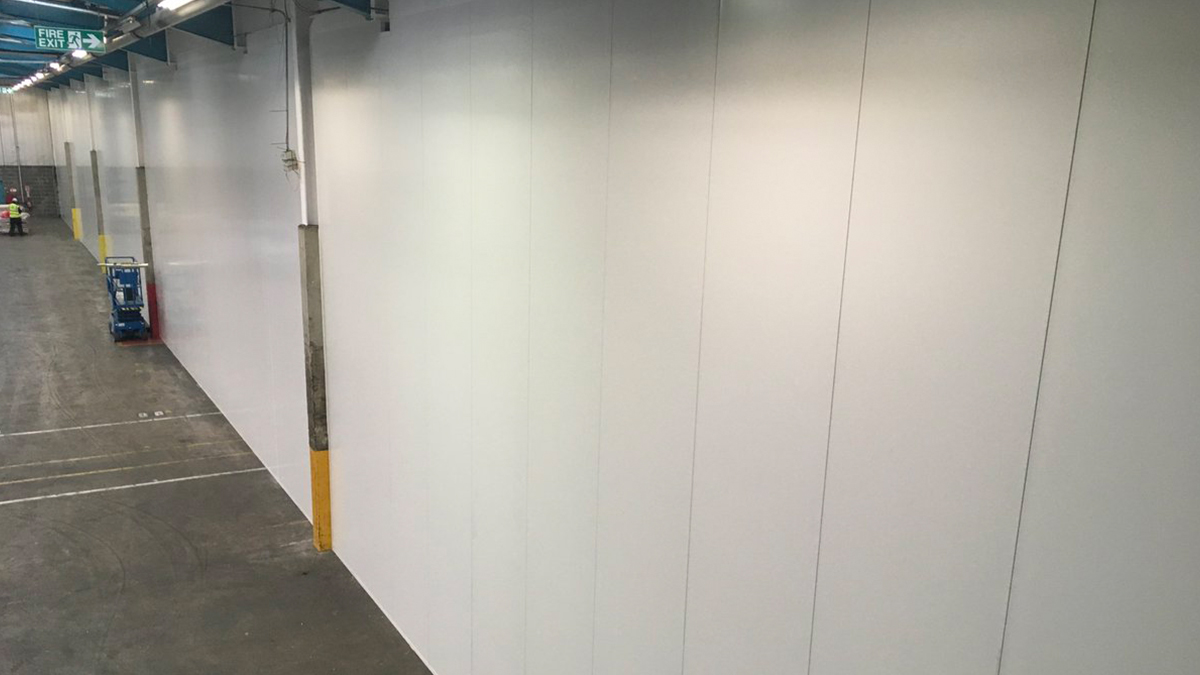
MgO board and cement board are good for many indoor jobs. You can use them for walls and room dividers. They also work for decorations. Both boards stop fire and control moisture. This makes them safe for homes and schools. Hospitals use them too. The boards have smooth surfaces. You can paint or finish them easily. You can cut and shape the boards to fit your design. The table shows how each job benefits from their features:
Application | Properties Influencing Suitability |
|---|---|
Indoor Walls and Partitions | High fire resistance, moisture resistance, impact strength |
Decorative Elements | Smooth surfaces for painting, versatility in design |
Renovation Material | Easy to cut and shape, enhances aesthetics without high cost |
Residential Buildings | Waterproof, non-toxic, soundproof, durable |
Educational Institutions | Excellent fire and impact resistance, noise reduction |
Offices and Hospitals | Clean, non-toxic, easy maintenance, safety and hygiene |
Tip: Fiber cement board is strong. It works well in busy halls and classrooms.
Exterior Uses
MgO board and cement board are good for outdoor jobs. They can handle rain, heat, and cold. MgO board keeps out water and stops mold. It works well in wet places. It stays strong in hot weather. It helps protect buildings from fire. Cement board also resists water and mold. It does not crack in bad weather. You can use these boards for siding and cladding. Fiber cement boards last a long time outside.
MgO board: Blocks water, stops mold, fireproof, light, eco-friendly.
Cement board: Resists water and mold, strong in all weather, easy to install.
Customization Options
You can customize MgO board and cement board in many ways. Pick different sizes and thicknesses. Choose from many colors. You can get smooth or rough surfaces. Ask for special edge shapes or patterns. This helps you match your style. The table shows your choices:
Customization Aspect | Options |
|---|---|
Size | Various sizes available |
Thickness | Different thicknesses |
Color | Multiple color choices |
Edge | Custom edge profiles |
Surface | Various surface textures |
Pattern | Custom patterns |
Cement board siding gives even more choices. You can pick wood grain, smooth, or stucco finishes. Match your home’s look or try something new. Both boards let you create the space you want.
Choosing Between MgO Board and Cement Board
Project Needs
Think about what your project needs first. If you want a board that stops fire and water, MgO board is best. You can use it in kitchens or bathrooms. It is good for places where safety matters. Cement board gives strong support for walls and floors. It works well in busy places like schools or hospitals. If you need to bend or shape the board, MgO board is easier to use. Cement board stays stiff and strong. It is good for flat walls and floors.
Here is a simple comparison to help you choose:
Factor | MgO Board | Cement Board |
|---|---|---|
Fire Resistance | Great at fire safety, does not burn. | Good fire resistance but may crack if very hot. |
Water & Moisture Resistance | Keeps water out, does not break down. | Resists water but may need extra waterproofing. |
Weight & Installation | Lighter, easy to carry and install. | Heavier, needs more work and special tools. |
Strength & Durability | Strong for its weight, resists impacts. | Very strong and tough, good for busy areas. |
Flexibility | Can bend for special designs. | Very stiff, not easy to curve. |
Environmental Impact | Good for the planet, makes less pollution. | Uses more energy to make, makes dust when cut. |
Climate and Environment
Look at your local weather and building space. MgO board works well in humid and wet places. It stops mold and water damage. You can use it in bathrooms, basements, or homes near the coast. Cement board also keeps water out, but you may need extra waterproofing. If you live where fires happen, MgO board gives better fire safety. MgO board helps the planet because it uses less energy and does not make harmful chemicals. Cement board is good in dry or mild places where strength is important.
Tip: MgO board is a smart choice for green building projects.
Budget Considerations
Check your budget before picking a board. MgO board costs more at first, but you save money later. It is lighter, so you finish jobs faster and pay less for workers. You do not need to fix or replace it often. Cement board costs less to buy, but you spend more on installation and repairs. If you want the best value over time, MgO board saves money and gives peace of mind.
Here are some things to remember:
MgO board saves money in the long run and is easy to install.
Cement board costs less at first but needs more work.
MgO board helps you build in an eco-friendly way.
Pick the right board by thinking about your needs, climate, and budget. MgO board is best for fire safety, wet places, and green goals. Cement board is good for strong, flat surfaces in busy areas.
MgO vs Fiber Cement Boards
Durability Comparison
 Durability Comparison
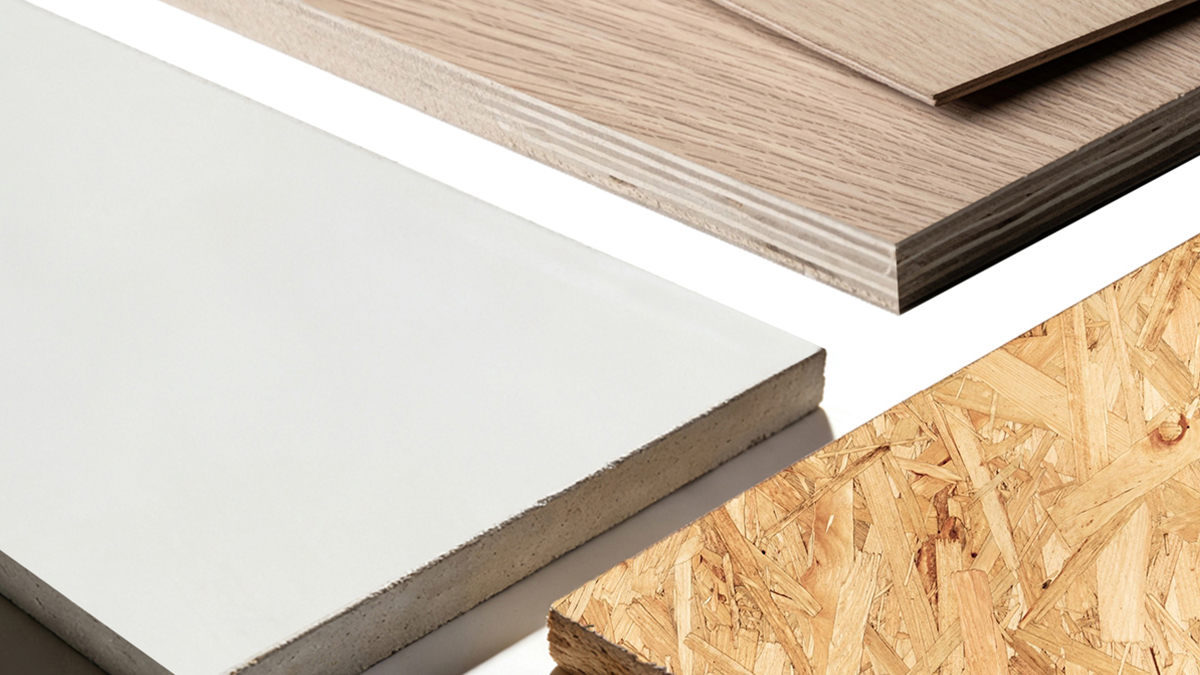
When you compare mgo vs fiber cement boards, you see clear differences in durability. You want a board that lasts a long time and stays strong. Mgo vs fiber cement boards show that both can handle tough jobs, but they do it in different ways. Mgo vs fiber cement boards both resist fire and water. You can use mgo vs fiber cement boards in places that get wet or hot. Mgo vs fiber cement boards do not rot or get eaten by bugs. You can trust mgo vs fiber cement boards to protect your walls and floors.
Mgo vs fiber cement boards have different strengths. Mgo vs fiber cement boards can last for decades if you install them right. You will find that mgo vs fiber cement boards do not crack easily. Mgo vs fiber cement boards also resist dents and scratches. You can use mgo vs fiber cement boards in schools, homes, or offices. Mgo vs fiber cement boards give you peace of mind because they stay strong year after year.
Feature | MgO Board | Fiber Cement Board |
|---|---|---|
Lifespan | 50+ years | 50–100 years |
Crack Resistance | High | Very High |
Bug Resistance | Excellent | Excellent |
Rot Resistance | Excellent | Excellent |
Performance Differences
You need to know how mgo vs fiber cement boards perform in real life. Mgo vs fiber cement boards both stop fire from spreading. You can use mgo vs fiber cement boards in kitchens or near heaters. Mgo vs fiber cement boards also keep out water. You will see that mgo vs fiber cement boards do not let mold grow. Mgo vs fiber cement boards help you keep your building safe and clean.
Mgo vs fiber cement boards feel different when you handle them. Mgo vs fiber cement boards are lighter, so you can carry them easily. You can cut mgo vs fiber cement boards with simple tools. Fiber cement boards are heavier and harder to cut. Mgo vs fiber cement boards also help the planet. You make less waste when you use mgo vs fiber cement boards. Mgo vs fiber cement boards use less energy to make. You can choose mgo vs fiber cement boards if you want to build green.
Tip: Use mgo vs fiber cement boards in places that need fire safety and water resistance.
Mgo vs fiber cement boards give you many options for design. You can paint or finish mgo vs fiber cement boards in many ways. You can trust mgo vs fiber cement boards for strong, safe, and lasting buildings.
You now know the key differences between MgO board and cement board. MgO board gives you lighter weight, better fire safety, and strong mold resistance. Cement board offers more strength and lower cost. Think about your project’s needs, your budget, and the climate. Choose the board that fits your goals. For big decisions, talk with a building expert. You will get the best results when you plan for long-term value.
FAQ
What tools do you need to cut MgO board or cement board?
You can cut MgO board with a scoring knife or a saw. For cement board, use a carbide-tipped scoring knife or a power saw. Always wear safety gear to protect yourself from dust.
Can you use MgO board or cement board in wet areas like bathrooms?
Yes, you can use both boards in wet areas. MgO board resists mold and water better. Cement board also works well but may need extra waterproofing for best results.
Is MgO board safe for people with allergies?
MgO board does not release harmful chemicals or dust after installation. You can use it in homes where people have allergies or asthma. It helps keep indoor air clean.
How do you dispose of leftover MgO or cement board?
You can recycle MgO board at some centers. Cement board often goes to the landfill. Check with your local waste service for the best way to dispose of building materials.