
06 Mar MgO Board or Cement Board Which Is the Best Choice for Construction
If you want great results in building, you should compare MgO board vs cement board. MgO board offers better fire safety and controls moisture more effectively than cement board. Many building experts say MgO board stays strong even when exposed to water, while cement board may not perform as well in wet conditions. MgO board is also good for the environment because its production uses less energy compared to cement board. Although MgO board might cost more initially, you save money in the long run since it lasts longer and requires less maintenance. Builders prefer MgO board for these reasons. The table below highlights the key differences between MgO board vs cement board:
Performance Metric | MgO Board | Cement Board |
|---|---|---|
Fire Resistance | Excels in fire safety, non-combustible | Good, but may crack under thermal shock |
Water & Moisture Resistance | Highly resistant, does not deteriorate | Water-resistant, may need extra waterproofing |
Environmental Impact | Eco-friendly, less energy-intensive | More energy used, creates silica dust when cut |
You should always choose the material that fits your building needs, considering factors like strength, environmental impact, and ease of maintenance when deciding between MgO board vs cement board.
Key Takeaways
MgO board is better at stopping fire and water than cement board. This makes it good for places that have more risk. MgO board costs more at first. But it saves money later because it lasts longer and needs less fixing. MgO board is good for the planet. It uses less energy to make and makes less pollution. This helps the environment. Pick MgO board if you need strong safety, especially in wet places like bathrooms and kitchens. Cement board costs less for simple projects. But it might need more care and fixing as time goes on.
Material Comparison
MgO Board Composition
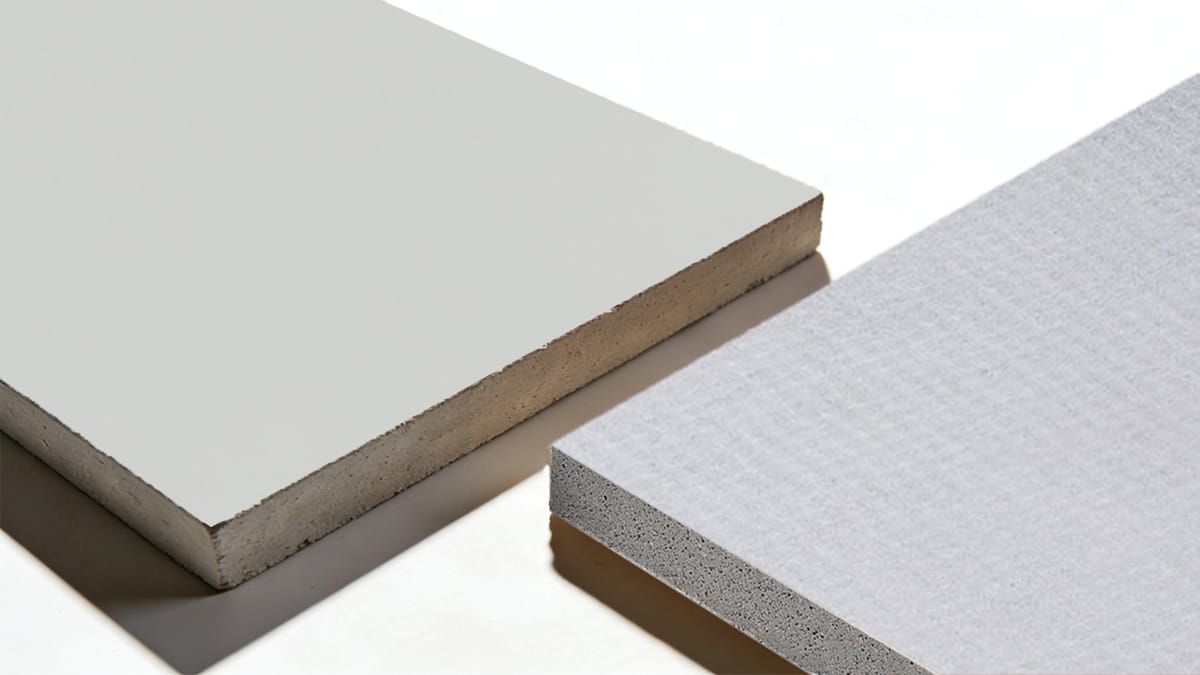
MgO board is used in many new buildings. Its main part is magnesium oxide. This makes the board very good at stopping fire. Makers add things like perlite and vermiculite. These help the board fight fire and keep water out. The board also has fiberglass mesh. This makes it stronger and helps it stay in shape.
Magnesium oxide will not burn. So, the board is very safe from fire.
Perlite and vermiculite keep the board dry. They stop water from getting in.
MgO boards do not soak up water. You can use them in bathrooms and kitchens.
MgO boards are inorganic. Mold and mildew cannot grow on them.
MgO boards stay flat in heat or water. They do not swell or bend.
When you look at MgO board and cement board, you see MgO board is better for fire and water safety. The mix of magnesium oxide and fillers makes MgO board a great pick for tough jobs. It is also better for the planet. Making MgO board uses less energy and makes less pollution.
Cement Board Composition
Cement board is made with Portland cement. It also has sand and cellulose fibers. There is usually fiberglass mesh inside for more strength. This mix helps cement board work well in many places.
Portland cement makes the board strong. It can hold heavy things.
Sand keeps the board steady. It helps stop cracks.
Cellulose fibers make the board bend without breaking. They help it take hits.
Cement board can handle water, but it may soak some up. You might need extra waterproofing in wet spots.
Cellulose fibers can let mold grow. You need to be careful in damp places.
When you compare MgO board and cement board, you see they are different. Cement board is good with fire, but not as good as MgO board. Cement board works in wet places, but it can swell if it gets too wet. Making cement board uses more energy and puts out more carbon dioxide.
Tip: If you want a board that stays strong in wet places and is very safe from fire, MgO board works better than cement board.
Comparison Table
Check this table to see how MgO board and cement board are different:
Property | MgO Board | Cement Board |
|---|---|---|
Main Ingredients | Magnesium oxide, perlite, fiberglass mesh | Portland cement, sand, cellulose fibers |
Fire Resistance | Up to 1200°C, lasts up to 4 hours | Up to 750°C, lasts 1-2 hours |
Moisture Resistance | Highly moisture-resistant, does not swell | Moisture-resistant, can absorb water |
Mold Resistance | Naturally resists mold | Limited resistance, cellulose supports mold |
Environmental Impact | Low carbon footprint, cleaner production | High carbon footprint, energy-intensive |
Performance Ratings
See the table below for how MgO board and cement board perform:
Property | MgO Board | Cement Board |
|---|---|---|
A1 Non-Combustible (highest class) | Fire-resistant up to 2 hours | |
Fire Endurance | Up to 4 hours | Up to 2 hours |
Moisture Resistance Rating | High | Moderate |
Performance in Wet Areas | Excellent for constant water exposure, does not absorb water. | Good for wet areas, often used under tiles in bathrooms. |
Why Composition Matters in Construction
It is important to know what is in MgO board and cement board before you pick one. MgO board is better at stopping fire and water because of its special parts. Cement board works well, but it is not as strong in tough spots. MgO board is also better for the earth. It uses natural minerals and cleaner ways to make it. Cement board needs more energy to make.
When you compare them, MgO board is best for fire and water safety. Cement board is good for many jobs, but MgO board is better when you need something strong and safe. You can use MgO board where you do not want mold or water damage. Cement board is good for most building, but you need to think about its limits.
You should always look at MgO board and cement board for your project. Think about how they work, how they affect the earth, and how long they last. MgO board is a good choice for strong buildings. Cement board is a good deal, but you may need extra help in wet or hot places.
Durability & Quality
 MgO Board Longevity
 MgO Board Longevity
You want your building materials to last. MgO board gives you that peace of mind. This board stands out for its long life and low maintenance. You can use MgO board in places with high humidity, like bathrooms and kitchens. It does not let mold or mildew grow. You do not need to worry about water damage. The fiberglass mesh inside MgO board adds extra strength. This means the board stays flat and does not crack easily.
MgO board also helps you save money over time. You spend less on repairs and upkeep. Many builders choose MgO board because it keeps its quality for years. You can trust it to hold up under daily use. The board’s structural strength supports heavy loads. You get a stable and safe wall or floor. MgO board also resists dents and scratches. You do not have to fix it often.
Tip: If you want a material that lasts and needs little care, MgO board is a smart choice.
Cement Board Strength
Cement board gives you strong support for many projects. You can use it as a base for tiles or as a wall panel. Cement board has high strength and durability. It stays rigid and does not bend under pressure. You can count on its structural performance in busy areas.
The table below shows how cement board and MgO board compare in strength and impact resistance:
Material | Strength and Durability | Impact Resistance |
|---|---|---|
Cement Board | Extremely strong and durable, providing a very rigid and stable substrate. Its density gives it high impact resistance, making it suitable for high-traffic areas. | High impact resistance suitable for high-traffic areas. |
MgO Board | Offers excellent strength-to-weight ratio and good impact resistance due to its fiberglass mesh reinforcement. | Good impact resistance, providing a stable and rigid surface for various finishes. |
You see that cement board works well in places with lots of movement. It does not break easily when hit. You can use it in schools, hospitals, or busy homes. Cement board gives you a solid base for tiles and other finishes. You get reliable structural strength for your project.
MgO vs Fiber Cement Boards
When you compare mgo vs fiber cement boards, you notice some big differences in quality and performance. MgO board stands out for its moisture resistance. You can use it in wet areas without worry. Fiber cement board can handle some humidity, but it may soak up water over time. This can lead to decay if you do not check it often.
Here is a table to help you see the differences:
Feature | MgO Boards | Fiber Cement Boards |
|---|---|---|
Durability | Superior durability and load-bearing capacity | Strong but prone to cracking under impact |
Moisture Resistance | Highly resistant to moisture, ideal for humid areas | Can absorb water over time, leading to decay |
You get better durability with MgO board. It holds up well under heavy loads. Fiber cement board is strong, but it can crack if hit hard. You need to check fiber cement board more often for damage. MgO board needs less maintenance. You do not have to worry about water damage or mold.
MgO boards require lower maintenance due to their moisture resistance and durability.
Fiber cement boards need more maintenance as they can crack and absorb water, necessitating regular checks.
You also save money with MgO board in the long run. You spend less on repairs and upkeep. MgO board increases the lifespan of your building. Even though you may pay more at first, you get better value over time.
When you look at mgo vs fiber cement boards, you see that MgO board gives you better quality, structural strength, and durability. You get a material that lasts, resists water, and needs little care. Fiber cement board works well, but you need to check it more often and fix cracks or water damage.
Note: For the best quality and structural performance, MgO board is a top choice. You get peace of mind and save money over time.
Fire & Moisture Resistance
Fire Performance
 Fire Performance
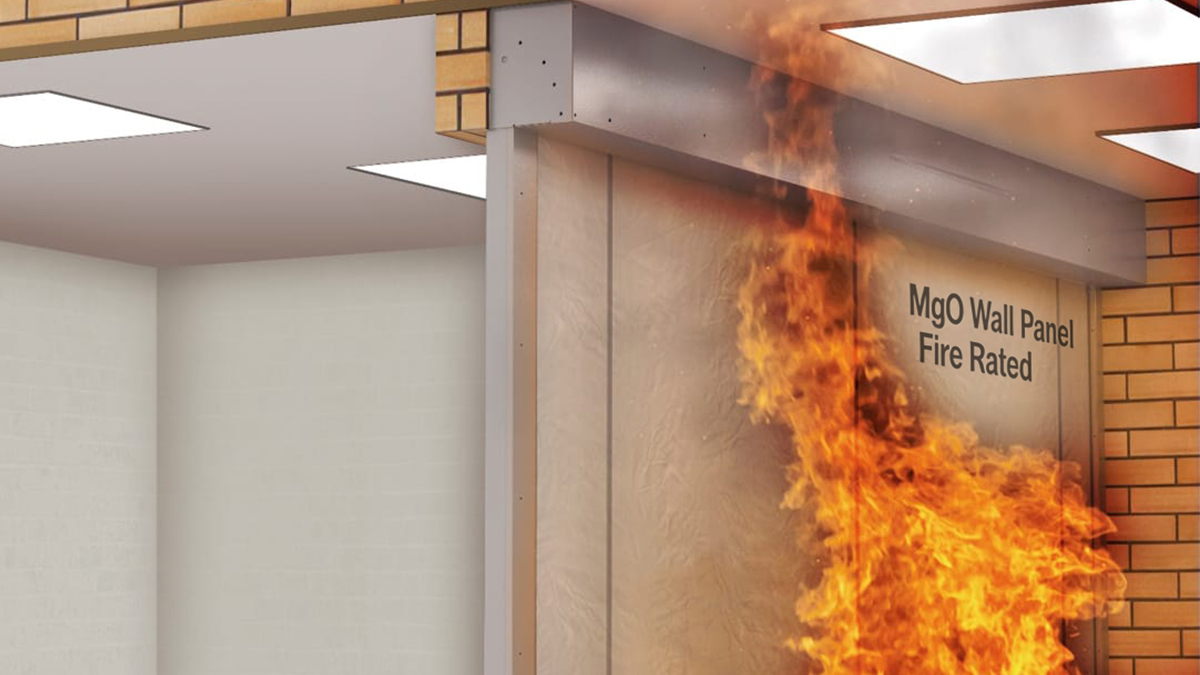
You want strong fire resistance in your building materials. Mgo board gives you top fire protection. This board does not burn. You can use mgo in places where you need the best fire safety. Cement board also offers fire resistance, but it may need extra fireproofing in some cases. Mgo stands out because it is non-combustible. You get peace of mind knowing your walls have strong fire protection.
Here is a table that shows how mgo and cement board perform in fire tests:
Board Type | Fire Performance Description |
|---|---|
MGO Board | Non-combustible, excellent fire resistance, ideal for high-risk areas |
Cement Board | Good fire resistance, may need extra fireproofing in some cases |
You can see that mgo gives you better fire protection. Builders trust mgo for its durability and safety. You can use mgo in schools, hospitals, and homes. The fire resistance rating for mgo board can reach up to 2 hours or more in many wall assemblies. This means you get more time for evacuation and less damage during a fire.
Check out these common fire ratings for wall assemblies:
UL Design No. | Assembly Type | Fire-Resistance Rating |
|---|---|---|
V340 | 2×4 wall construction | 1-hour both sides |
U350A, U350B | Townhouse dividing walls | 2-hour fire-resistance |
U349 | Mid-rise wall assemblies | 2-hour interior |
You get reliable fire protection with mgo. Cement board gives you good fire resistance, but mgo offers the highest level of safety and durability.
Moisture, Mold, and Mildew Resistance
You want your walls to stay dry and strong. Mgo board gives you excellent moisture resistance. This means water does not get inside the board. You can use mgo in bathrooms, kitchens, and basements. The inorganic makeup of mgo stops mold and mildew from growing. You get better mold & mildew protection with mgo than with cement board.
Here are some key points about moisture resistance and mold & mildew protection:
Mgo boards outperform cement boards in moisture resistance.
Mgo gives you better mold & mildew protection because it does not feed mold.
Cement board resists water better than gypsum, but mgo gives you the best protection.
You get long-lasting durability with mgo in wet areas.
Mgo keeps its shape and strength even after water exposure.
You can trust mgo for durability and protection in damp spaces. Cement board works well, but it may let some water in over time. Mgo gives you the highest level of moisture resistance and mold & mildew protection. You get a building that lasts longer and needs less repair.
Tip: Choose mgo board if you want the best durability, fire resistance, and protection from water and mold.
Installation & Customization
Installing MgO Board
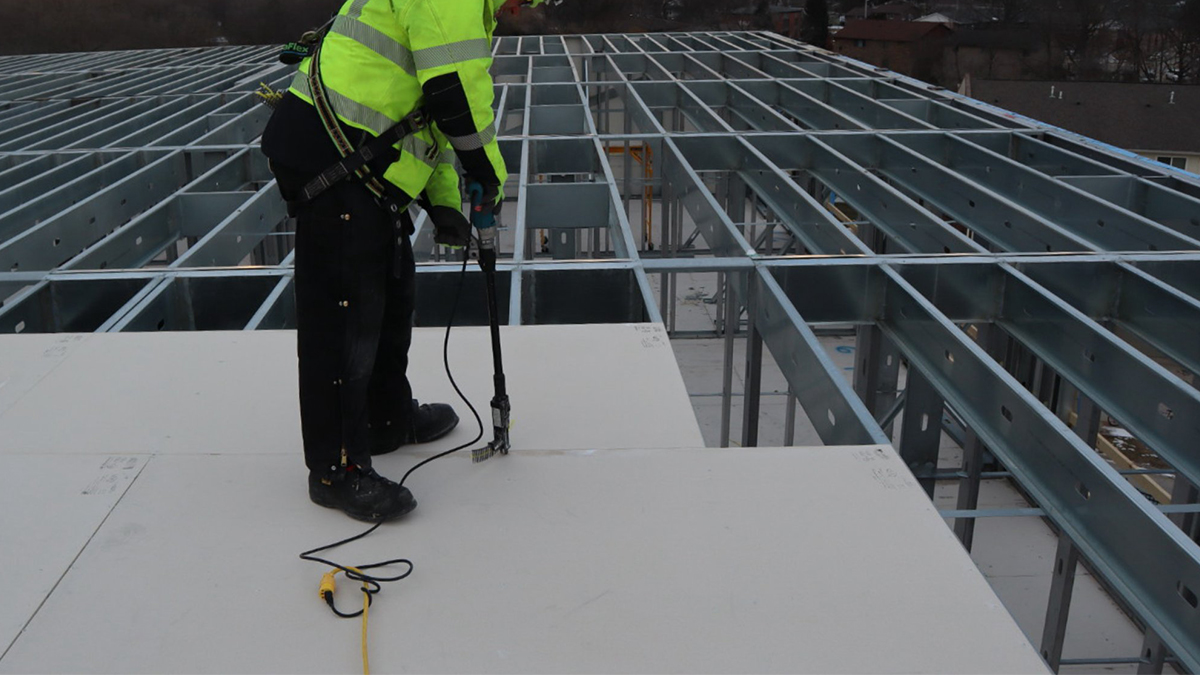
You will find that mgo boards are lighter than cement board. You can carry and move them with less effort. You can cut mgo with regular woodworking tools, which makes installation faster and easier. This helps you finish your project quickly and improves installation efficiency. You do not need special saws or blades. You can screw or nail mgo boards into place with basic tools.
However, you should know about some common installation challenges with mgo. The table below shows what you might face:
Installation Challenge | Description |
|---|---|
Moisture Absorption | Mgo board can absorb moisture, which may cause paint to peel or mold to grow. |
Corrosion of Metal Components | Some mgo boards have chloride ions that can rust metal fasteners. |
Cracking and Warping | Uneven drying or poor storage can lead to cracks or warping. |
Limited Compatibility with Finishes | Some paints and adhesives may not stick well to mgo, causing peeling or uneven finishes. |
Inconsistent Quality | Different brands of mgo may have different levels of quality and durability. |
You should store mgo boards in a dry place and use the right fasteners to avoid these problems.
Installing Cement Board
Cement board is heavier than mgo. You may need more people to lift and install it. You must use special tools to cut cement board, like carbide-tipped saws. This makes installation slower and harder. You also create more dust when you cut cement board, so you should wear a mask for safety.
You can attach cement board with screws or nails, but you must follow the manufacturer’s instructions. You should also seal the joints and edges to keep out water. This helps prevent damage and keeps your walls strong.
Finish Options
You can finish mgo in many ways. You can paint, tile, or plaster over it. Mgo works well with most finishes, but you should test your paint or adhesive first. Some products may not stick well to mgo. You can use mgo for walls, ceilings, and floors.
Cement board also gives you many finish options. You can tile, paint, or plaster over it. Cement board is a popular choice for tile backer in bathrooms and kitchens. You must use the right waterproofing and adhesives for the best results.
Tip: Mgo gives you more flexibility and easier installation. Cement board is strong but takes more time and effort to install.
Cost & Value
Initial Costs
 Initial Costs
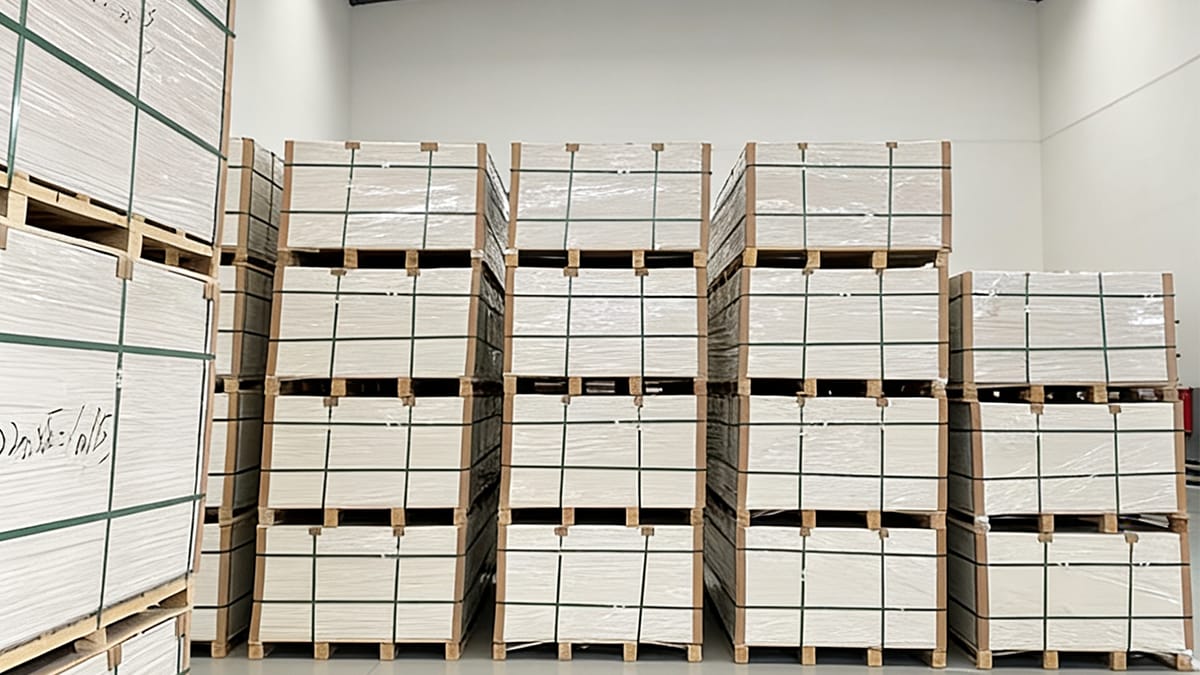
You need to look at the price before you start any construction project. MgO board costs more than cement board. You pay extra for the benefits of mgo, such as fire resistance and moisture protection. When you compare the average cost per square foot, you see the difference clearly.
Board Type | Average Cost per Square Foot |
|---|---|
MgO Board | |
Cement Board | $0.50 – $1.00 |
You spend more on mgo at the beginning. Cement board gives you a lower price, which helps if you want to save money right away. You must decide if you want to pay more for mgo and get better performance or choose cement board for a lower upfront cost. Many builders use mgo in construction when they need strong fire safety and moisture resistance. You see mgo in schools, hospitals, and homes where safety matters most.
Maintenance & Long-Term Value
You should think about the long-term value of your materials. MgO board needs less maintenance after installation. You do not have to worry about mold, mildew, or water damage. This saves you money over time. Cement board needs more care, especially in wet areas. You may need to add waterproofing or fix cracks. You spend more on repairs and upkeep.
MgO board lasts longer in construction. You get a stable wall or floor that stays strong for years. You do not have to replace mgo often. This helps with sustainability because you use fewer resources. Cement board works well, but you may need to replace it sooner if you see damage. You must check cement board often after installation.
Tip: If you want to save money in the long run, choose mgo for your construction. You get better durability, less maintenance, and improved sustainability.
You see that mgo gives you more value over time. You pay more at first, but you spend less on repairs and replacements. MgO board supports sustainability in construction because it lasts longer and needs less care. You make a smart choice when you use mgo for installation in places that need strength and safety.
Environmental Impact & Safety
Eco-Friendly Benefits
You want to pick building materials that are good for the earth. MgO board is a smart choice for the environment. One big benefit of MgO boards is their low carbon footprint. MgO board is made from magnesium oxide, which comes from natural minerals. Making MgO board uses less heat than making cement board. This means less CO₂ goes into the air. Cement board needs more energy and makes more pollution. When you use MgO, you help the planet and make your project greener.
You can check if a board is eco-friendly by looking for special labels. Some companies have boards with green certifications. The table below shows which companies have these labels:
Manufacturer | Certification(s) |
|---|---|
Ambient Bamboo Products Inc. | FloorScore®, LEED |
Sulfycor | N/A |
North American MgO LLC | N/A |
Foreverboard | N/A |
Ambient Building Products Inc. | N/A |
Some MgO boards meet high standards for clean air and being green. These labels help you trust your choice. MgO boards make less waste, use cleaner ways to make them, and last a long time. You help nature and get strong, safe walls.
Tip: If you want to make less pollution, MgO boards are better than cement board.
Indoor Air Quality
You want clean air inside your house or building. MgO board helps you have a healthier space. One big benefit of MgO boards is they give off almost no VOCs. You do not need to worry about bad chemicals in your home or office. When you put in MgO board, it does not make harmful dust or fumes. This keeps workers and families safer.
MgO board gives off almost no VOCs.
Fiber cement board can make fine dust with silica when you cut it.
Cement board might have some VOCs, but it is not always clear.
MgO board helps you breathe easier and keeps you healthier. The benefits of MgO boards are not just about being strong. They also help you have a safer and cleaner place to live or work. When you pick MgO, you help the planet and keep people safe.
Note: MgO is good for the environment and helps you build safely.
Applications & Suitability
Where MgO Board Excels
 Where MgO Board Excels
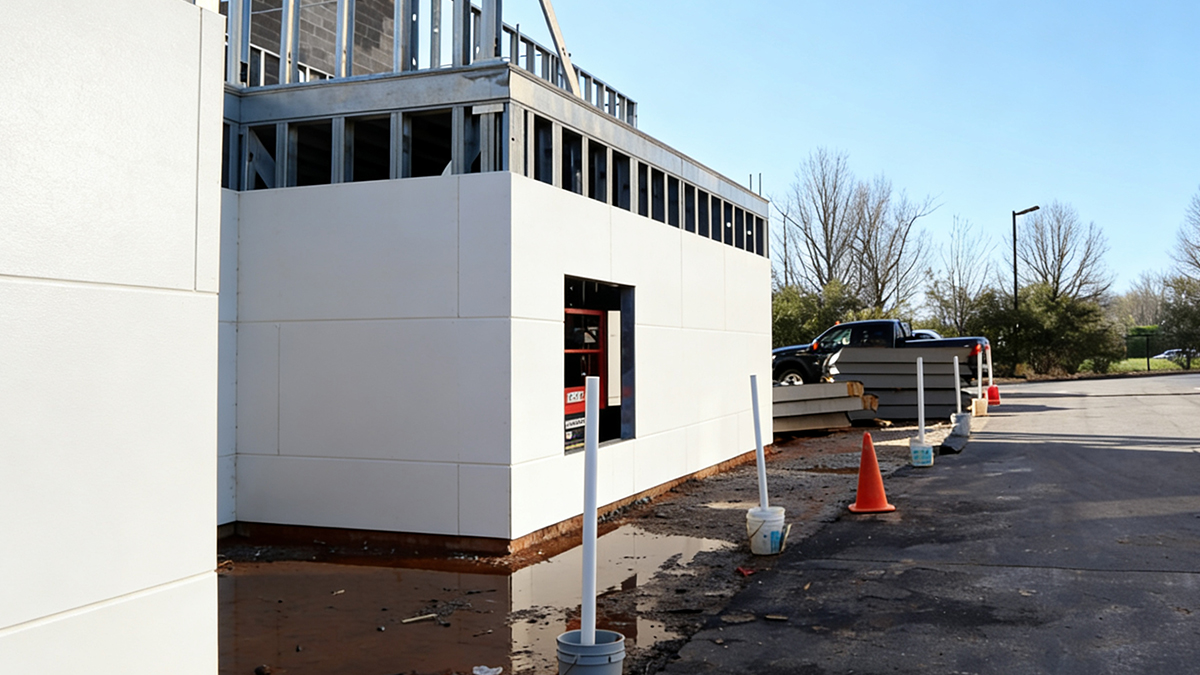
You can use mgo board in many types of construction. Mgo works best when you need strong fire safety or high moisture resistance. You see mgo in schools, hospitals, and homes where safety matters most. Mgo board does not burn, so it protects your building in fire-rated assemblies. You also get great results in wet areas like bathrooms, kitchens, and basements. Mgo keeps out water and stops mold from growing. You do not have to worry about damage from leaks or humidity.
Here is a table that shows how experts recommend mgo and cement board for different project types:
Project Type | MgO Board Benefits | Cement Board Benefits |
|---|---|---|
Fire-rated assemblies | Excellent fire resistance, does not burn | Moderate fire safety, budget-friendly |
Wet areas | Superior water and mold resistance | Suitable for projects with lower needs |
You can trust mgo for construction projects that need top safety and long life. Mgo board also works well for exterior walls, ceilings, and floors. You get a board that stays flat and strong, even in tough weather. Mgo helps you build green because it uses less energy and lasts longer. You save money on repairs and keep your building safe.
Tip: Choose mgo board for construction in places where you want the best fire and water protection.
Where Cement Board Is Preferred
You may pick cement board for construction when you want a strong and budget-friendly option. Cement board works well as a tile backer in kitchens and bathrooms. You can use it for walls and floors that do not face constant water. Cement board gives you a solid base for tiles and other finishes. You find it easy to use in projects where you do not need the highest fire or moisture resistance.
Cement board fits well in construction jobs with lower safety needs or tight budgets. You can use it in homes, offices, and light commercial spaces. Cement board also works for repairs or upgrades where you want a quick and sturdy solution.
Use cement board for tile underlayment in dry or lightly wet areas.
Pick cement board for construction projects where cost matters most.
Choose cement board when you want a simple, strong wall or floor.
You get good value with cement board in many construction jobs. You can finish your project on time and save money. Cement board gives you a reliable choice for many building needs.
You want the best board for your project. MgO board gives you excellent fire resistance, strong durability, and lower environmental impact. Cement board costs less at first but may need more care over time. Check this table to compare:
Feature | MgO Board | Cement Board |
|---|---|---|
Fire Resistance | Excellent | Good |
Durability | High, low upkeep | Long, needs care |
Cost | Higher upfront | Lower upfront |
Eco-Friendly | Yes | Less |
Think about your needs and local building codes. Making the right choice means you get a safe, strong, and lasting result.
FAQ
What is the main difference between MgO board and cement board?
MgO board uses magnesium oxide and natural minerals. Cement board uses Portland cement and cellulose fibers. You get better fire and moisture resistance with MgO board. Cement board gives you a strong, budget-friendly option.
Can you use MgO board outside?
Yes, you can use MgO board outdoors. It resists water, mold, and weather changes. You get a durable surface for exterior walls, ceilings, and soffits.
Is MgO board safe for indoor air quality?
MgO board does not release harmful chemicals or dust. You get cleaner air inside your home. This makes MgO board a safe choice for families and workers.
Which board is easier to install?
You can cut MgO board with regular tools. It feels lighter and easier to handle. Cement board needs special saws and creates more dust during installation.
How do you choose between MgO board and cement board?
Choose MgO Board if… | Choose Cement Board if… |
|---|---|
You want top fire safety | You need a lower price |
You need moisture control | You want a strong tile base |
You want less maintenance | You have a simple project |