
20 Dec MgO Board Versus Plywood Subfloor for Moisture-Prone Areas
You need a subfloor that can handle water. In wet places, the comparison of mgo board subfloor vs plywood subfloor reveals significant differences. MgO board does not get mold, swell, or rot easily, while plywood can bend or develop mold when it gets wet. Additionally, MgO board is tougher and does not break in cold and warm weather. If you want it to last, consider factors like moisture resistance, strength, installation methods, price, and environmental impact. Think about what your project needs before you choose between mgo board subfloor vs plywood subfloor.
Key Takeaways
MgO board works better in wet places because it stops water. It keeps mold and rot from happening.
Picking MgO board can help you save money later. You will not need to pay for repairs from water damage.
Putting in MgO board is easy. You only need regular tools. Many builders can use it.
MgO board helps keep the air inside cleaner. It does not let out bad chemicals. Some plywood can release harmful stuff.
MgO board might cost more at first. But it lasts a long time and needs little care. This makes it a good choice.
MgO Board Subfloor vs Plywood Subfloor: Quick Comparison
Which Is Better for Wet Areas
When you look at mgo board subfloor vs plywood subfloor in wet places, you notice big differences. MgO board does not swell, rot, or get mold when it gets wet. It keeps its shape and stays strong after many wet and dry times. Plywood can bend and lose strength if it gets wet a lot. Mold can grow on plywood because it has organic stuff inside.
If you want a subfloor that lasts in damp rooms, mgo board is better at stopping water and staying strong. The choice between mgo board subfloor vs plywood subfloor is not only about water. MgO board also gives better fire safety and stops mold. Builders use mgo board in bathrooms, basements, and laundry rooms because it stays strong and does not let mold grow.
Tip: If your home has lots of moisture or leaks, mgo board subfloor helps you avoid expensive fixes and health problems from mold.
Comparison Table: Key Differences
Here is a table that shows mgo board subfloor vs plywood subfloor side by side. It compares how each subfloor works for moisture, strength, price, installation, and safety.
Feature | MgO Board Subfloor | Plywood Subfloor |
|---|---|---|
Excellent—keeps strength and size after soaking | Moderate—loses strength and may deform | |
Mold and Rot Resistance | Perfect—does not support mold or rot | Poor—mold can grow, may rot |
Structural Integrity | Maintains shape and strength over time | Can bend or weaken with water exposure |
Flexural Strength (Wet Cycles) | Retains almost all strength after 25 wet cycles | Loses about 9% of bending strength |
Fire Safety | Excellent—non-combustible | Moderate—can burn |
Installation Time | Fast—less labor needed in modular builds | Standard—may take longer |
Labor Cost (per sq. ft.) | $3.00–$8.00 (varies by project and location) | Varies, often similar or higher |
Warranty | 5 years (MagPanel®), varies by brand | Varies by manufacturer |
Long-Term Moisture Exposure | Maintains integrity for over 2 years (840 days) | Not specified |
You can see mgo board subfloor vs plywood subfloor has clear wins in wet places. MgO board keeps your floor safe from water, mold, and fire. Plywood might cost less at first, but you could pay more later if water causes damage.
Mgo board subfloor gives you:
Strong protection from water
No mold or rot
Lasts a long time
Safer from fire
Quicker to install sometimes
Plywood subfloor gives you:
Lower starting price sometimes
Many builders know how to use it
Works okay in dry rooms
When you pick between mgo board subfloor vs plywood subfloor, think about your room. If you expect water or lots of moisture, mgo board will keep your floor and home safe for a long time.
What Is a Subfloor? Types and Materials
 Overview of Subfloor Materials
 Overview of Subfloor Materials
A subfloor is the base under your finished floor. It holds up everything above it. The subfloor keeps your floor safe from harm. Builders use different materials for subfloors in houses and buildings. Here are some common types:
Wood plank
Plywood
Oriented Strand Board (OSB)
Concrete
Mixed subflooring
Each material works best in certain places. You need to choose the right one for your project. Wet areas need extra care. Picking the right subfloor helps stop mold and rot.
Mgo Subfloor Panels Explained
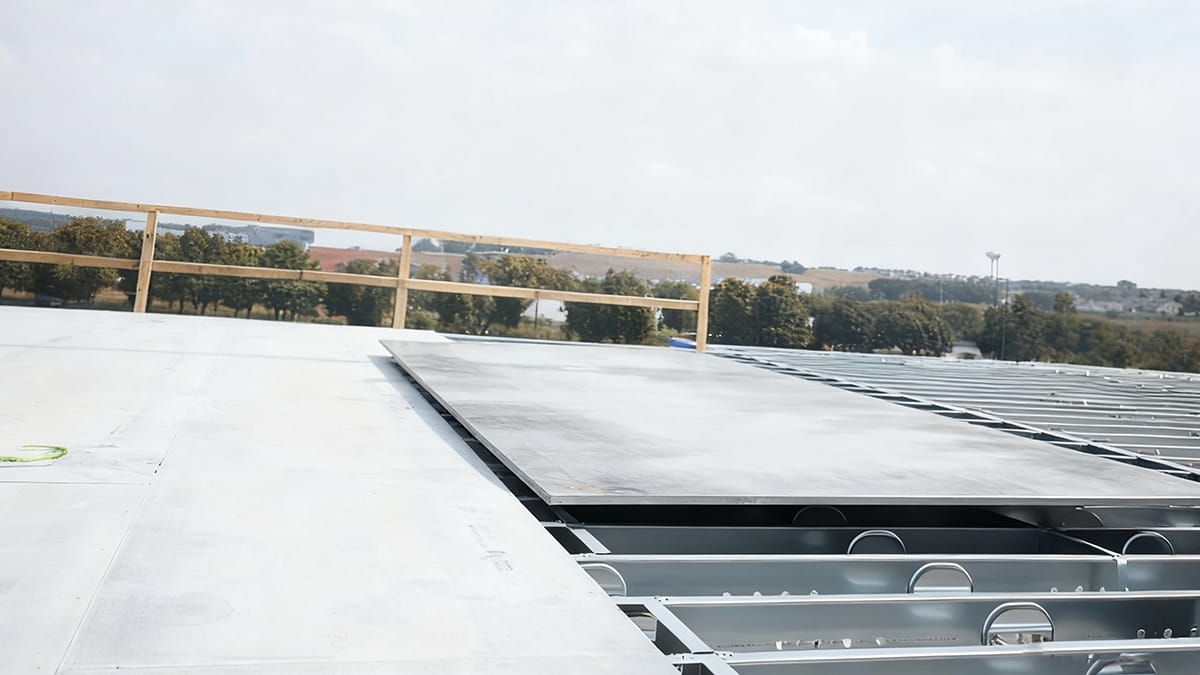
Mgo subfloor panels are made with magnesium oxide. These panels are thick and do not let water pass through. Mgo board stops mold and mildew. You can use mgo panels in bathrooms, basements, and laundry rooms. They keep their shape and strength after getting wet and drying many times.
Note: Mgo subfloor panels do not soak up water. This means your subfloor stays strong and safe.
Here is a table that shows how mgo board and plywood handle water:
Material | Moisture Resistance |
|---|---|
Mgo board | Thick, non-porous; blocks water from getting inside |
Plywood | Porous; soaks up water and can break down |
Mgo panels also stop mold and mildew from growing. This makes them last longer in wet places.
Plywood Subfloor Basics
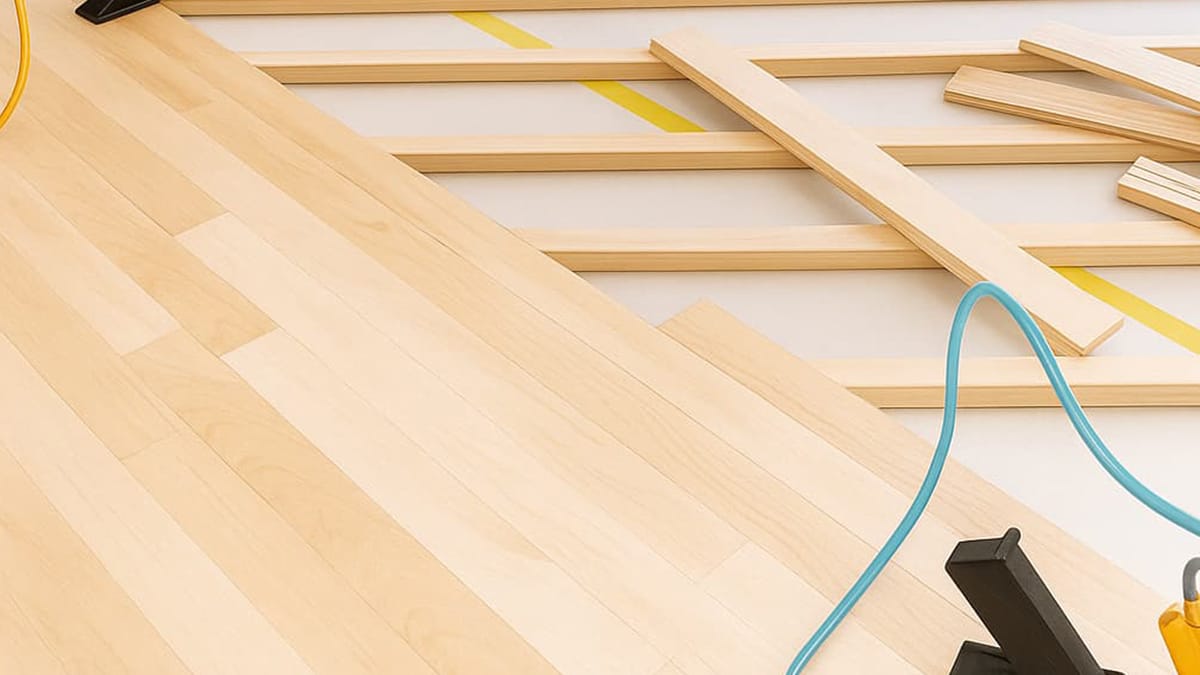
Plywood is a common subfloor material. You see it in lots of homes. Builders like plywood because it is simple to cut and put in. Plywood panels come in different thicknesses. Use 1/2 inch for light floors. Use 3/4 inch for heavy use or wide joists.
Thickness | Application |
|---|---|
1/2 inch | Good for light floors or small rooms with less walking. |
5/8 inch | Works well for most homes. |
3/4 inch | Best for big spaces or places with lots of walking. |
>16 inches | Use at least 3/4 inch plywood if joists are more than 16 inches apart. |
Some plywood types work better in wet places. Pressure-treated plywood fights water and mold. CDX plywood has extra protection from moisture. Tropical plywood is thick and handles lots of water.
But plywood can swell or rot if it gets wet a lot. Mgo panels do not have this problem. Mgo board gives better safety in wet rooms.
Moisture Resistance of MgO Board and Plywood
Water Exposure Performance
When you choose a subfloor for a wet area, you want to know how it handles water. MgO board stands out because it does not soak up water. You can install mgo board in bathrooms, laundry rooms, or basements and trust its performance. Plywood, on the other hand, absorbs water. This can cause it to swell, bend, or even break down over time. If you use plywood as a subfloor in a damp space, you may see problems after a few months.
MgO board resists water absorption, so it keeps its strength in wet places.
You do not need to worry about frequent repairs with mgo board.
Plywood can lose its performance and durability when exposed to water.
You can see the difference in standardized water tests. MgO board keeps its shape and performance, while plywood changes and weakens. If you want a subfloor that lasts, mgo board gives you better durability and moisture resistance.
Mold and Rot Resistance
Mold and rot can ruin a subfloor and harm your health. MgO board gives you strong mold growth resistance. You do not have to worry about mold outbreaks with mgo board. Plywood is made from wood, so it can support mold growth and rot, especially in high humidity.
MgO panels show superior mold resistance and durability.
You get healthier indoor air quality with mgo board.
Plywood is more likely to need replacement because of mold or rot.
Here is a table that shows common failure modes for subfloors in wet rooms:
Feature | MgO Boards | Plywood |
|---|---|---|
Moisture Resistance | High | Moderate |
Mold Resistance | High | Low |
Durability | Long-lasting | Variable |
Installation | Quick and easy | Standard tools |
If you want a subfloor that keeps your home safe and dry, mgo board is the best choice. You get better performance, durability, and mold growth resistance with mgo board. Plywood may cost less at first, but mgo board saves you money and trouble in the long run.
Durability and Longevity
Structural Integrity Over Time
 Structural Integrity Over Time
If you pick a subfloor for wet places, you want it to last. MgO board stays strong after many wet and dry times. It keeps its shape and does not break. Plywood can bend, twist, or fall apart when it gets wet. You might have to change plywood sooner, which costs more money and time.
Here is how mgo board and plywood do after getting wet and dry many times:
Property / Material | Magnesium Oxide (MgO) Board | Plywood |
|---|---|---|
Flexural Strength Retention | Nearly 100% after 25 cycles | Loses 9% |
Dimensional Stability | No warping or swelling | Warping, cupping |
MgO board keeps its strength and does not change shape. Plywood gets weaker and can bend or twist. If you want your floor to last a long time, mgo board is better.
MgO board lasts longer too. It only takes in a little water, about 4–11%. It does not swell or bend. You can use mgo board in bathrooms and basements. It stays strong and does not break down. Plywood takes in more water and can fall apart over time.
MgO board does not let water ruin it.
MgO board stays strong in wet places.
MgO board does not swell or bend.
Plywood can fall apart and get weak.
Fire and Heat Resistance
Your subfloor should help keep your home safe from fire. MgO board is very good at stopping fire. Experts have tested mgo board for fire safety. The Innovation MgO Wall Panels meet important fire safety rules. You can use mgo board where fire safety is needed.
Plywood can slow fire a little, but not as well as mgo board. Plywood panels follow some fire safety rules. You need to check these rules to make sure your floor is safe. MgO board helps you feel safe because it stops fire and lasts a long time.
If you want a subfloor that lasts and keeps your home safe, mgo board is a smart pick. It gives you long-lasting strength, fire safety, and protection from water. Your floor will stay strong for many years, even in hard places.
Installation and Handling in Wet Areas
Working with Mgo Board
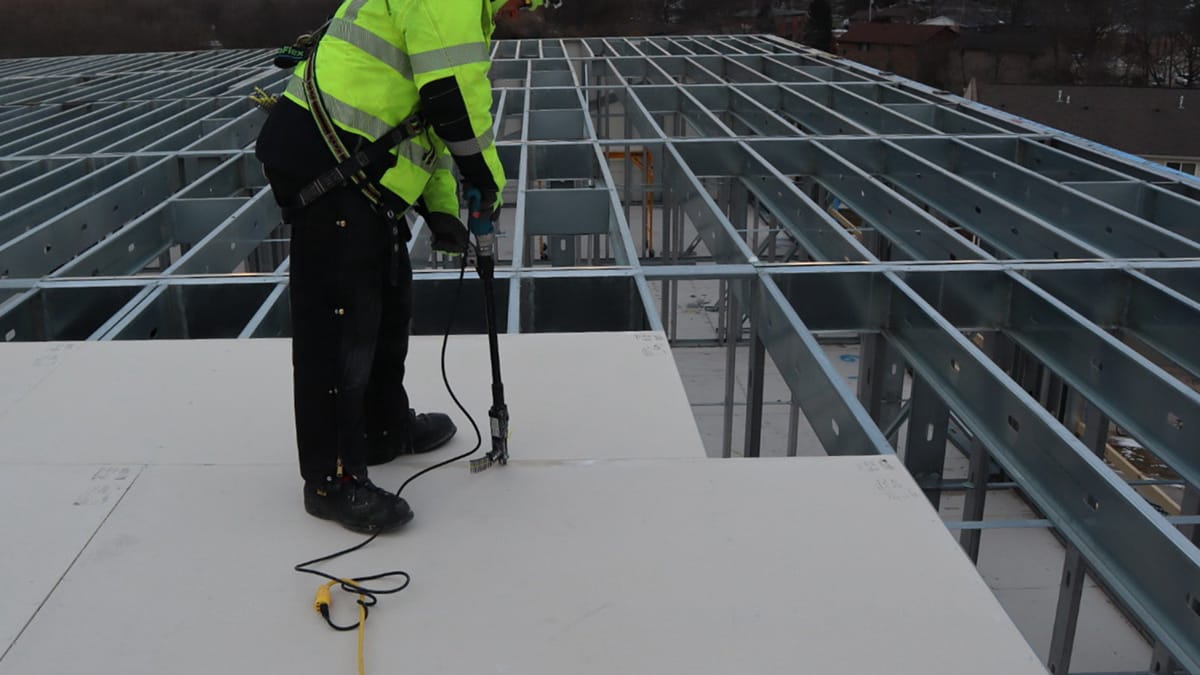
You can install mgo board as a subfloor in wet areas with confidence. The process is simple and helps you avoid problems with moisture. Mgo board does not absorb water, so you get a strong base for your floor. You should follow these steps for a successful installation:
Measure and cut the mgo board to fit your subfloor layout. Make sure the edges are clean for tight seams.
Place the mgo board on the joists. Secure each panel with special screws. Space the screws 8 to 12 inches apart for a solid hold.
Leave a small gap of 3 to 5 millimeters between each mgo board. This gap lets the panels expand or contract with changes in temperature or humidity.
Check the surface with a level. Adjust the mgo board if needed. You can add vinyl, tile, or hardwood on top of the mgo board for a finished look.
You will find that mgo board is easy to handle. The panels are light and strong. You do not need special tools for installation. Mgo board gives you a safe and long-lasting subfloor in wet rooms. You can trust mgo board to keep your floor dry and free from mold.
Tip: Always follow manufacturer guidelines for mgo board installation. This helps you avoid mistakes and keeps your subfloor strong.
Installing Plywood Subfloor
You may choose plywood for your subfloor in some rooms. The installation process is familiar to many builders. You need to pay attention to moisture when you use plywood in wet areas. Mistakes during installation can cause problems later.
Here is a table that shows common installation errors and what can happen:
Common Installation Error | Consequence |
|---|---|
Incorrectly installed underlayment | Moisture damage, uneven flooring, shorter subfloor lifespan |
Flooring not properly acclimated | Gaps, cupping, crowning, or buckling from expansion or contraction |
Moisture-related issues | Major damage if you do not fix moisture sources before installation |
Plywood subfloor with moisture damage | Wavy or warped surface, problems before you finish the floor |
You should always check for moisture before you start installation. Acclimate the plywood to the room’s humidity. Use the right underlayment to protect your subfloor. If you see any signs of damage, replace the plywood before you install the finished floor.
Mgo board gives you fewer worries about moisture. Plywood needs more care during installation in wet areas. You can make your subfloor last longer by following best practices.
Cost and Value Over Time
Upfront Costs
When you plan your project, you want to know how much you will spend at the start. The cost for each subfloor depends on the material you pick. In most homes, you see plywood used for the subfloor because it has a lower cost per square foot. You can expect to pay between $2.75 and $6 for plywood. If you choose high-performance options like mgo board, the cost per square foot usually ranges from $3.50 to $10.50. This price includes both the material and the labor to install it.
Here is a table to help you compare the installed cost per square foot for different subfloor materials:
Subfloor Material | Installed Cost per Sq.Ft. |
|---|---|
Plywood | $2.75 – $6 |
High-Performance (MgO board) | $3.50 – $10.50 |
Concrete | $4.25 – $12 |
You may notice that mgo board costs more at first. You pay a higher price for better water and fire resistance. If you want a subfloor that will last in wet rooms, this extra cost can give you peace of mind.
Maintenance and Replacement
You should also think about how much you will spend over time. Mgo board gives you strong protection from water and mold. You do not need to replace it often. Over ten years, the cost to keep mgo board in good shape stays low. Plywood can cost more in the long run because water can damage it. You may need to fix or replace plywood if it gets wet too many times.
Here is a table that shows how mgo board and plywood compare for maintenance and replacement:
Feature | MgO Board | Plywood Subfloor |
|---|---|---|
Longevity | May need replacement sooner | |
Maintenance Costs | Lower due to mold and moisture resistance | Higher due to potential water damage |
Strength and Shape Retention | Maintains for many years | Can crack or soak up water |
Additional Costs | Avoids costs from fire/water damage | May incur extra repair costs |
Mgo board lasts a long time in wet places. You do not have to worry about mold or fire damage. Plywood can last 20–30 years if you keep it dry, but in wet rooms, you may need to replace it sooner. If you want a subfloor that saves you money and trouble, mgo board is a smart choice.
Environmental and Health Impact
Sustainability of Mgo Board
 Sustainability of Mgo Board
You want your subfloor to be strong and good for the earth. Picking mgo board helps the planet in a few ways. Mgo board is made with magnesium oxide. This material takes in carbon dioxide while it dries. That means it makes less pollution. Mgo board makes much less carbon than Portland cement. Plywood is made from trees. Making plywood can hurt forests and make more pollution.
Mgo board takes in CO2 as it dries.
Mgo board makes less pollution than cement.
Making plywood can hurt forests and add more carbon.
Here is a table that shows how mgo board and plywood can be recycled:
Material | Recyclability |
|---|---|
Mgo board | Can be recycled or break down, so less goes to landfills |
Plywood | No clear recycling info; may have chemicals inside |
If you want a subfloor that is better for the earth, mgo board is a good pick. You can recycle it and help keep the planet clean. You also help make less trash.
Note: Mgo board is a smart pick for green building. You keep your home safe and help the earth too.
Safety and Indoor Air Quality
Your health is important when picking a subfloor. Mgo board is special because it does not let out bad chemicals. Some brands, like MgPanel, use natural magnesium sulfate. These panels do not have formaldehyde or other harmful glue. There is no off-gassing, so your air stays clean.
Plywood can let out VOCs and other chemicals. These can make the air in your house less healthy. Some mgo board brands say they have zero or low VOC, but you should still check the label. Most mgo board is safe for landfills and your family.
Mgo board does not let out formaldehyde.
Mgo board keeps the air in your house clean.
Plywood can let out VOCs and other chemicals.
If you want a safe home, mgo board is a good choice. It helps keep your air clean and your family safe from bad stuff.
You want a subfloor that lasts in wet spaces. Mgo board gives you strong moisture resistance, fire safety, and long-term value. Plywood works for dry rooms but can swell and rot. Compare the most important factors before you choose:
Factor | Mgo Board | Plywood |
|---|---|---|
Moisture | High | Moderate |
Durability | High | Moderate |
Cost | Higher upfront | Lower upfront |
Think about your budget, the room’s moisture, and how much maintenance you want. Mgo board may cost more at first, but you save on repairs. For more help, check guides on subfloor materials and mgo options.
FAQ
What makes MgO board better than plywood in wet areas?
You get stronger moisture resistance with MgO board. It does not swell or rot. Plywood can absorb water and lose strength. MgO board helps you avoid mold and costly repairs.
Can you install MgO board with regular tools?
You can cut and install MgO board using standard saws and drills. You do not need special equipment. Always follow the manufacturer’s instructions for best results.
Is MgO board safe for indoor air quality?
MgO board does not release harmful chemicals. You get cleaner air in your home. Some brands use natural materials and avoid formaldehyde or VOCs.
Does plywood work in bathrooms or basements?
Plywood works in dry rooms. In wet areas, it can bend, swell, or grow mold. You may need to replace it sooner if it gets wet often.