
10 Dec Is MgO Board the Best Choice for Subfloors Over Plywood and OSB
If you want the strongest subfloor, MgO board subfloor stands out for its moisture resistance and fire safety. You get a surface that won’t swell or weaken in wet areas. Plywood and OSB need extra treatments for fire, and they can lose shape with water. Choosing subflooring comes down to what matters most to you: durability, how easy it is to install, cost, and the impact on the environment. MgO board subfloor gives you peace of mind in tough conditions.
Key Takeaways
MgO board does not let water in easily. This makes it great for wet places like bathrooms and kitchens. MgO board does not burn, so it is safer from fire than plywood or OSB. MgO board lasts a long time. It can handle lots of people walking on it and tough weather. It does not bend or change shape. You can put in MgO board easily. You only need regular tools. You do not need special barriers for water. MgO board is good for the environment. It does not make much pollution and uses safe materials.
Material Overview and mgo panels
What Are MgO Panels?
You might wonder what makes mgo panels different from other subfloor materials. These panels use magnesium oxide, magnesium chloride, and other non-toxic ingredients. You get a board that feels solid and strong under your feet. The process to make mgo panels is simple but effective:
Mix natural components like magnesium oxide and fillers.
Pour the mixture into molds to shape the boards.
Press the boards under high pressure for strength.
Cure the boards by drying and hardening them.
Cut and sand the boards for a smooth finish.
This process gives you mgo panels that resist fire, water, and mold. You can trust mgo board to stay flat and strong, even in tough spots like bathrooms or basements.
Tip: If you want a subfloor that stands up to moisture and fire, mgo panels offer a smart choice.
Plywood and OSB Basics
You probably know plywood and osb panels as the classic subfloor materials. Plywood uses thin layers of wood, called veneers, glued together. Osb panels use strands of wood pressed and bonded with adhesives. Both options give you a sturdy base for your floors.
Here’s a quick look at how they compare:
Material | Density | Strength | Composition |
|---|---|---|---|
MgO Panels | N/A | High | Magnesium oxide |
Plywood | N/A | Good | Wood veneers |
OSB | N/A | Cost-effective | Oriented strands of wood |
For subfloors, you usually see plywood and osb panels in 3/4-inch or 5/8-inch thickness. CDX plywood is a common pick because it’s strong and resists sagging. Standard grades for plywood range from A to D, but for subflooring, Grade C-D works best.
Plywood gives you good strength and a smooth surface.
Osb panels cost less and work well for large areas.
You can pick the right material based on your budget and the room’s needs.
mgo board subfloor vs Traditional Subflooring
 Fire Resistance
 Fire Resistance
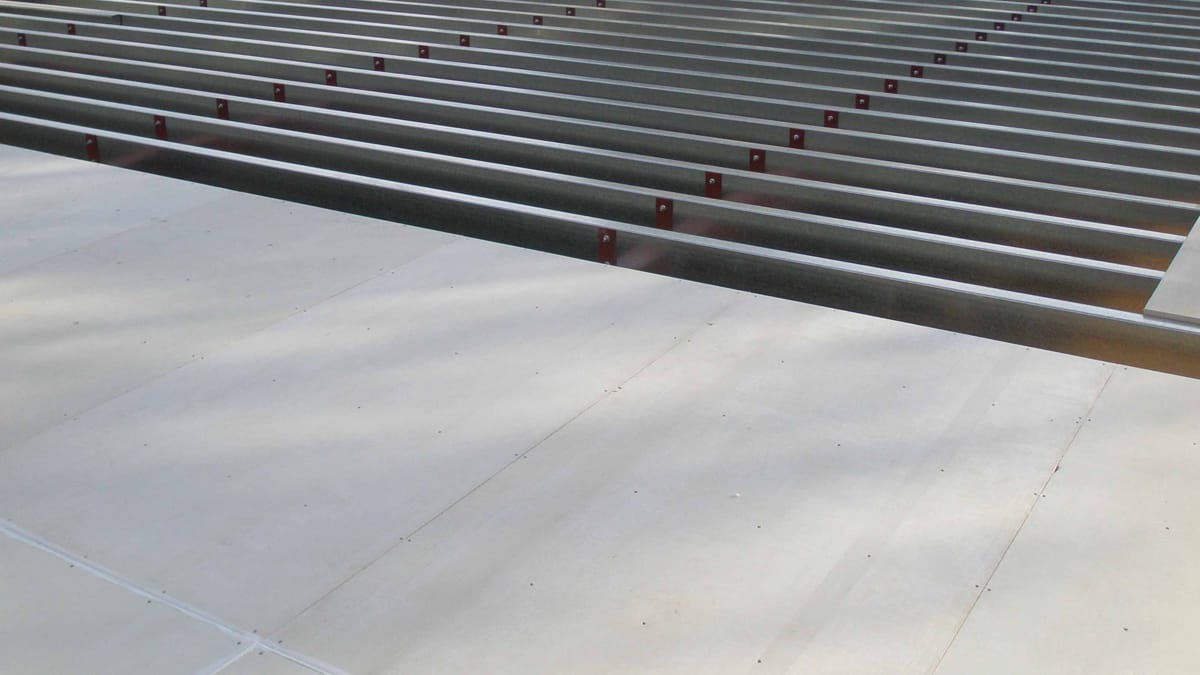
You want your home to stay safe if a fire starts. That’s where mgo board subfloor really shines. Mgo board does not burn. It stands up to flames and heat, even when the temperature gets as high as 1200°C. You can count on mgo subfloor panels to keep their shape for up to four hours during a fire. That gives you and your family more time to get out safely.
Plywood and osb do not offer the same protection. Both materials catch fire quickly. They lose strength fast when exposed to heat. If you use plywood or osb for your subfloor, you risk faster damage in a fire.
Here’s a quick look at how these materials compare:
Material | Fire Risk | Flame Resistance | Water Resistance | Mold Resistance |
|---|---|---|---|---|
mgo board | None | High | High | High |
osb | High | Low | Low | Low |
plywood | High | Low | Low | Low |
You can see that mgo subfloor panels have the best fire resistance. They do not burn or give off much smoke. Plywood and osb are both combustible. They have a high flame spread index and create a lot of smoke. Mgo board subfloor has a flame spread index of 0, which means it is Class A for fire safety.
Tip: If you want the safest subfloor for fire, mgo board subfloor is the clear winner.
Moisture and Mold Protection
Moisture can ruin a subfloor. You do not want your floors to swell, warp, or grow mold. Mgo board subfloor gives you peace of mind in wet areas like bathrooms, kitchens, or basements. Mgo subfloor panels do not absorb water. They do not bend, swell, or lose strength when wet. You can trust mgo board to keep its shape and stay strong, even in damp conditions.
Plywood and osb do not handle moisture well. Plywood absorbs water and swells. Osb soaks up even more moisture. Both can warp and lose their load-bearing capabilities. Mold loves to grow on wood, so you may see black spots or smell musty odors if your subfloor gets wet.
Let’s compare how each material handles moisture and mold:
Material | Moisture Absorption | Swelling | Warping | Mold Growth |
|---|---|---|---|---|
mgo board | Very Low | No | No | No |
plywood | Moderate | Yes | Yes | Yes |
osb | High | Yes | Yes | Yes |
Mgo subfloor panels do not support mold growth. They score a perfect 0/0/0 on the ASTM G21 mold resistance test. That means you will not see mold on mgo board subfloor, even if it gets wet. The minerals in mgo do not feed mold, so you get true fungal growth resistance.
Note: If you want a subfloor that stays dry and mold-free, mgo board subfloor is your best bet.
Structural Integrity
You need a subfloor that feels solid and supports everything above it. Mgo board subfloor gives you high load-bearing capacity. Mgo subfloor panels have strong compressive and flexural strength. They can handle heavy furniture, foot traffic, and even kitchen appliances without bending or breaking.
Here’s how the numbers stack up:
Material | Compressive Strength (MPa) | Flexural Strength (MPa) |
|---|---|---|
plywood | 30–40 | N/A |
osb | 25–35 | N/A |
mgo board | 40–60 | 7–10 |
Mgo subfloor panels outperform plywood and osb in structural integrity. You get a subfloor that stays flat and strong for years. Plywood offers good strength, but it can weaken if it gets wet. Osb is cost-effective, but it does not match the performance of mgo board subfloor for load-bearing capabilities.
You want your floors to last. Mgo subfloor panels help you build a home that stands up to daily life, spills, and even accidents. You get peace of mind knowing your subfloor will not let you down.
Callout: For the best mix of fire resistance, moisture resistance, and structural integrity, mgo board subfloor is hard to beat.
Durability and Longevity
Impact Resistance
 Impact Resistance
You want your subfloor to handle daily life. mgo board gives you impressive durability and safety. You can drop heavy objects, move furniture, or walk with hard shoes. mgo board resists dents and cracks better than plywood or OSB. You will notice the difference in busy rooms. Kitchens and hallways see a lot of action. mgo board stands up to it.
Here are the most common causes of subfloor failure:
Water damage in kitchens and bathrooms can cause swelling and weakness.
High traffic can lead to cracking and instability, especially under heavy furniture.
Particle board can sag and creak when it cannot support weight.
mgo board helps you avoid these problems. You get a subfloor that keeps its shape and strength. You do not have to worry about soft spots or squeaks. mgo board gives you peace of mind. You know your floors will stay solid for years.
Tip: If you want the best durability and safety, mgo board is a smart choice for any room.
Long-Term Performance
You want your subfloor to last. mgo board offers long-term durability that outshines plywood and OSB. You can use mgo board in wet basements, busy kitchens, or even in homes with pets. mgo board resists mold, mildew, and insects. You do not have to worry about rot or musty smells. mgo board keeps its strength in extreme weather.
Let’s look at how mgo board performs over time:
mgo board resists soak-dry and freeze-thaw cycles. You can trust it in cold or wet climates.
mgo board keeps good bending strength and low water absorption. It beats wood-based boards in tough spots.
mgo board shows little change in strength when wet. You get better performance than with plywood or OSB.
OSB works well in dry rooms. It does not last in wet areas. Plywood can swell and lose strength if it gets wet. mgo board gives you stability and safety for the long haul. You get long-term durability and safety with every panel.
Callout: Choose mgo board if you want a subfloor that delivers durability, safety, and long-term durability in every season.
Installation and Subflooring Cost
Installation Process
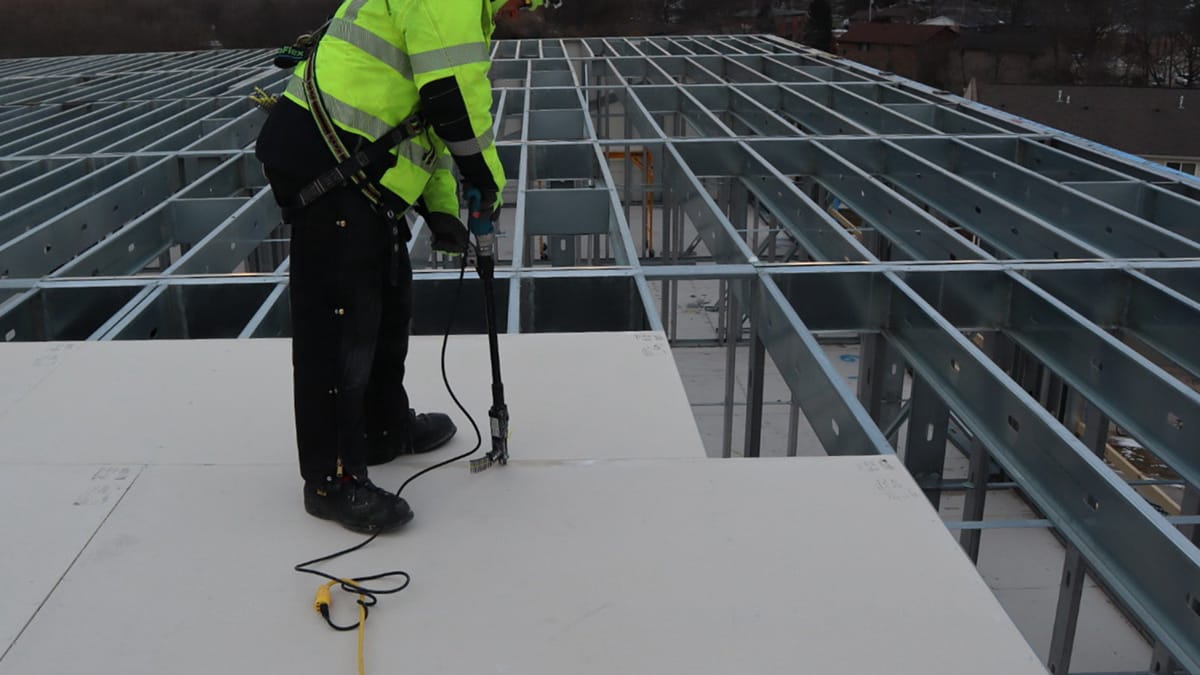
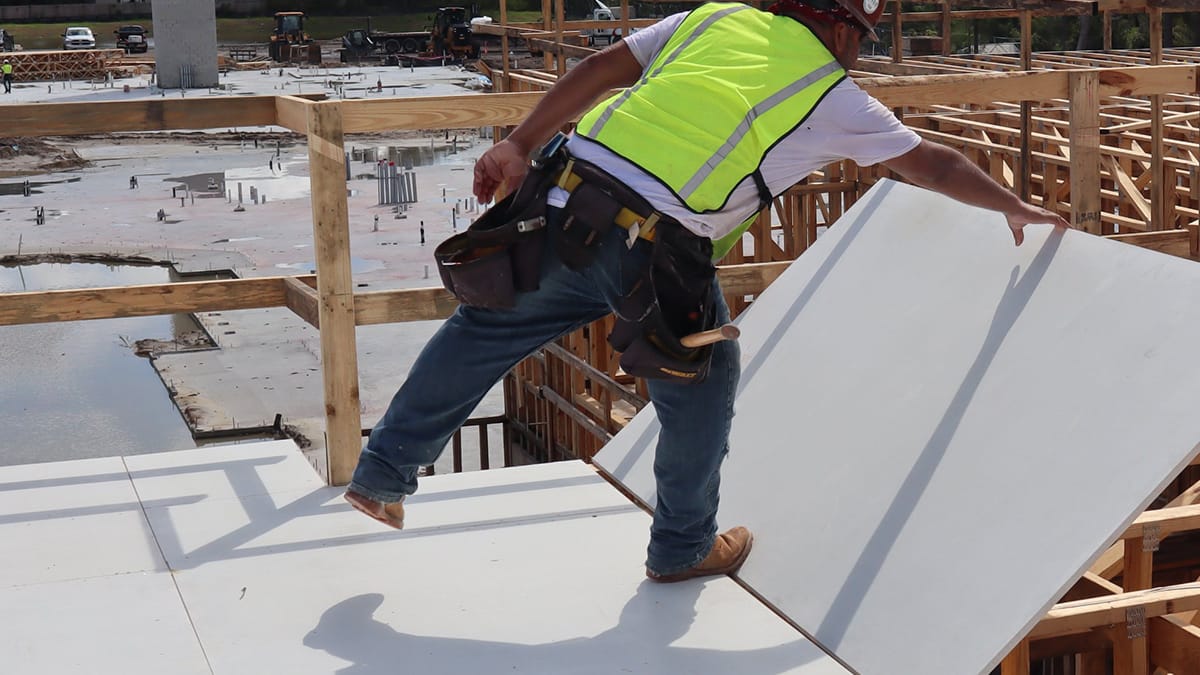
You want your subflooring project to go smoothly. The installation process for mgo board feels straightforward, but you need to know a few things. You can cut mgo board with standard tools, just like plywood or osb. You use a cordless power drill and self-tapping screws for most jobs. If you want to speed things up, try an automatic feed screw system. These tools help you finish the installation process faster.
Here’s a quick look at the best tools and fasteners for each subflooring material:
Type of Screw | Description |
|---|---|
Self-Tapping Screws | Great for softwood and plywood, no pre-drilling needed. |
Wood Screws | Best for hardwood, stops splitting, holds tight. |
Coated and Galvanized Screws | Stops rust, perfect for wet areas and mgo board. |
Deck Screws | Strong and versatile, works for all subflooring. |
Construction Screws | Heavy-duty, handles tough jobs and mgo board installation. |
You do not need a special moisture barrier for mgo board. It resists water better than osb or plywood. For mgo board, a liquid-applied membrane works best if you want extra water protection. OSB panels need polyethylene sheeting to stop vapor and protect the wood. Plywood often comes in tongue-and-groove sheets, which makes the installation process easier and keeps the subfloor flat.
Tip: mgo board works with almost any flooring type—tile, vinyl, carpet, or hardwood. You get flexibility for your next project.
Upfront and Long-Term Costs
Let’s talk about the cost comparison for subflooring. You want to know what you’ll pay now and what you’ll save later. OSB subfloor costs the least, usually $1.56 to $2.41 per square foot. Plywood and osb both cost between $3 and $10 per square foot. mgo board costs more upfront, from $4 to $12 per square foot. You pay more for mgo board, but you get better moisture resistance and durability.
Here’s a table to help you compare:
Subfloor Material | Moisture Resistance | Durability (Years) | Cost (per sq. ft.) |
|---|---|---|---|
Plywood | Moderate | 20-30 | $3 – $10 |
OSB | Medium-High | 20-25 | $3 – $10 |
MgO Board | High | $4 – $12 |
You spend less on repairs and replacements with mgo board. It lasts over 30 years, even in wet or busy rooms. Plywood and osb may need replacing sooner, especially if water gets in. Over time, mgo board gives you the best value for your money.
Note: If you want a subflooring material that saves you money in the long run, mgo board is a smart investment.
Environmental Impact of mgo panels
Sustainability
 Sustainability
You want to make smart choices for your home and the planet. When you look at mgo board, you see a material that helps you build greener. The production of mgo board uses magnesium oxide, which comes from surface mining. This process uses less energy and avoids harsh chemicals. During curing, mgo board actually captures CO2, so you lower your carbon footprint. You do not get harmful substances or toxic dust with mgo board. You help keep your indoor air clean.
Let’s compare the main subfloor options:
Material | Carbon Footprint | Resource Use | Extra Benefits |
|---|---|---|---|
mgo board | Low, captures CO2 | Minimal | No toxins, safe dust |
Plywood | Higher | Efficient | Good moisture resistance |
OSB | Highest | Efficient | Can use recycled wood fibers |
You see that mgo board stands out for low emissions and clean production. OSB has the highest carbon footprint. Plywood does better than OSB, but mgo board beats both for eco-friendliness. When you use mgo board, you support sustainable construction. You can earn LEED points for green building. Many builders choose mgo board for its carbon-negative properties and long-lasting strength.
Tip: If you want to lower your ecological footprint, mgo board is a smart pick for your subfloor.
End-of-Life and Recycling
You care about what happens when your subfloor reaches the end of its life. mgo board gives you options, but recycling takes effort. You can recycle mgo board, but you need special tools and a careful process. You collect, clean, crush, and separate mgo board to make new products. Sometimes, contamination or low market demand makes recycling harder. Still, mgo board does not create toxic waste.
Plywood and OSB offer different paths. You can chip old OSB panels and use them as biomass fuel. Many manufacturers add recycled wood fibers to new OSB panels. If you cannot reuse wood waste, you can turn it into renewable energy. Plywood also finds new life in other wood products.
Here’s a quick list of what happens at the end of service:
mgo board: Recyclable with effort, safe dust, no toxins.
OSB: Chipped for reuse, biomass fuel, recycled fibers.
Plywood: Reused in wood products, renewable energy.
You help the environment when you choose mgo board. You reduce waste and support recycling. You make your home safer and greener.
Note: mgo board gives you peace of mind for both installation and end-of-life. You build smart and protect the planet.
Summary Table: mgo board subfloor vs Plywood and OSB
You want to see how mgo board stacks up against plywood and osb for your subfloor. This table gives you a clear look at the most important features. You can use it to make a smart choice for your next project.
Criteria | mgo board subfloor | plywood subfloor | osb subfloor |
|---|---|---|---|
Material Composition | mgo, sand, additives | Wood veneer layers | Oriented wood strands |
Moisture Resistance | Excellent; does not swell | Swells with moisture | Swells and warps easily |
Fire Resistance | Non-combustible | Burns at high temps | Highly combustible |
Durability | Very durable | Durable, less impact proof | Strong, not best in wet |
Weight | Heavier | Lighter | Similar to plywood |
Cost | Higher | More affordable | Cheapest |
Environmental Impact | Eco-friendly, non-toxic | Not sustainable | Can use recycled fibers |
Sound Insulation | Great | Moderate | Moderate |
Lifespan | Longest | Shorter in wet areas | Shortest in wet areas |
Very strong | Strong, flexible | Strong, less in wet places |
You can see that mgo board gives you the best fire resistance and moisture protection for your subfloor. If you want a subfloor that lasts, mgo board is hard to beat. Plywood works well in dry rooms and gives you a lighter subfloor. osb is the most budget-friendly, but it does not hold up in wet places.
Tip: If you want a subfloor that stands up to water, fire, and heavy use, mgo board is your best bet. You get peace of mind and long-term value.
Here are a few things to remember when you choose your subfloor:
mgo board works best in bathrooms, basements, and kitchens.
plywood is easy to handle and install for most rooms.
osb saves money but needs protection from moisture.
You want your subfloor to last and keep your home safe. mgo board gives you that extra layer of protection. You can trust it to stay strong, even when life gets messy.
If you care about the environment, mgo board is a smart choice. It uses non-toxic materials and helps you build a greener home. You also get better sound insulation, so your rooms feel quieter.
You do not have to worry about mold or fire with mgo board. Your subfloor stays solid year after year. You get a safe, durable, and eco-friendly base for every floor in your house.
If you want the best subfloor for your home, mgo board stands out. You get top moisture resistance, fire safety, and long-lasting durability. Builders and experts recommend mgo for high-traffic, wet, or fire-sensitive spaces. You can trust mgo board to keep your subfloor strong year after year. Here’s a quick guide to help you choose:
Use mgo board for bathrooms, kitchens, and basements.
Pick mgo board when you want eco-friendly and safe subflooring.
Choose mgo board for better sound insulation and easy installation.
Criteria | mgo board | Plywood |
|---|---|---|
Moisture | Excellent | Fair |
Fire Resistance | Superior | Low |
Durability | High | Medium |
You make a smart investment with mgo board. Your subfloor stays solid, safe, and quiet.
FAQ
Can you install MgO board subfloor by yourself?
Yes, you can. MgO board cuts with regular tools. You use screws to attach it. If you have basic DIY skills, you can handle the job. Just follow the manufacturer’s instructions for best results.
Is MgO board safe for indoor air quality?
Absolutely. MgO board does not release harmful chemicals. You get a subfloor with no VOCs or toxic dust. Your home stays safe and healthy for your family.
Tip: Choose MgO board if you want clean indoor air.
Will MgO board work under tile, carpet, or hardwood?
Yes, MgO board works with all common flooring types. You can lay tile, carpet, vinyl, or hardwood on top. The surface stays flat and strong, so your floors last longer.
Does MgO board need special care or maintenance?
No, you do not need special care. MgO board resists water, mold, and insects. You just keep it clean and dry during installation. After that, it needs little attention.