
17 Dec Fire and Water Resistance MgO Board vs OSB Subfloor
You get better fire and water resistance with magnesium oxide boards than with OSB subfloors. Fire can spread quickly on OSB, but MgO boards stay noncombustible and block flames for up to two hours. Water also damages OSB and leads to mold, while MgO boards remain waterproof and resist mold growth. When you compare mgo board subfloor vs osb subfloor, you see MgO boards protect your home, last longer in wet places, and lower your risk of costly repairs.
Key Takeaways
MgO boards stop fire better than OSB. They do not burn and can block flames for two hours. OSB can burn fast.
MgO boards do not let water in. They do not grow mold. This makes them good for wet places like bathrooms and kitchens. OSB can get bigger and break down when wet.
MgO boards can help you save money over time. They last a long time and need less fixing. They can last more than 20 years. OSB lasts only 5 to 10 years.
Using MgO boards makes your home safer and worth more. They protect better from fire and water damage. This can make your insurance cost less.
MgO Board Subfloor vs OSB Subfloor Overview
MgO Board Key Features
When you compare mgo board subfloor and osb subfloor, you notice big differences. Each material reacts differently to fire, water, and daily use. MgO board is made from magnesium oxide, perlite, and wood fiber. This mix helps the board resist fire and keeps water out. You can put mgo boards in wet places like bathrooms or kitchens. They do not rot or swell when wet. These boards also help keep the air inside your home clean. They do not let out bad chemicals. If you want a subfloor that lasts and keeps you safe, mgo board is a good choice.
Here is a table that shows how mgo board and osb are different:
Property | MgO Board | OSB |
|---|---|---|
Fire Resistance | Non-combustible, high fire rating | Treated with fire-resistant chemicals, not fireproof |
Water Resistance | Highly resistant, maintains integrity | Can swell and degrade when exposed to moisture |
Mold Resistance | Excellent, reduces mold growth | Susceptible to mold if moisture is present |
Composition | Magnesium oxide, perlite, wood fiber, etc. | Wood strands, adhesives, and chemicals |
MgO boards work better in places with lots of moisture. They soak up water but let it go without getting weak. You do not have to worry about mold or germs growing under your floor.
OSB Subfloor Key Features
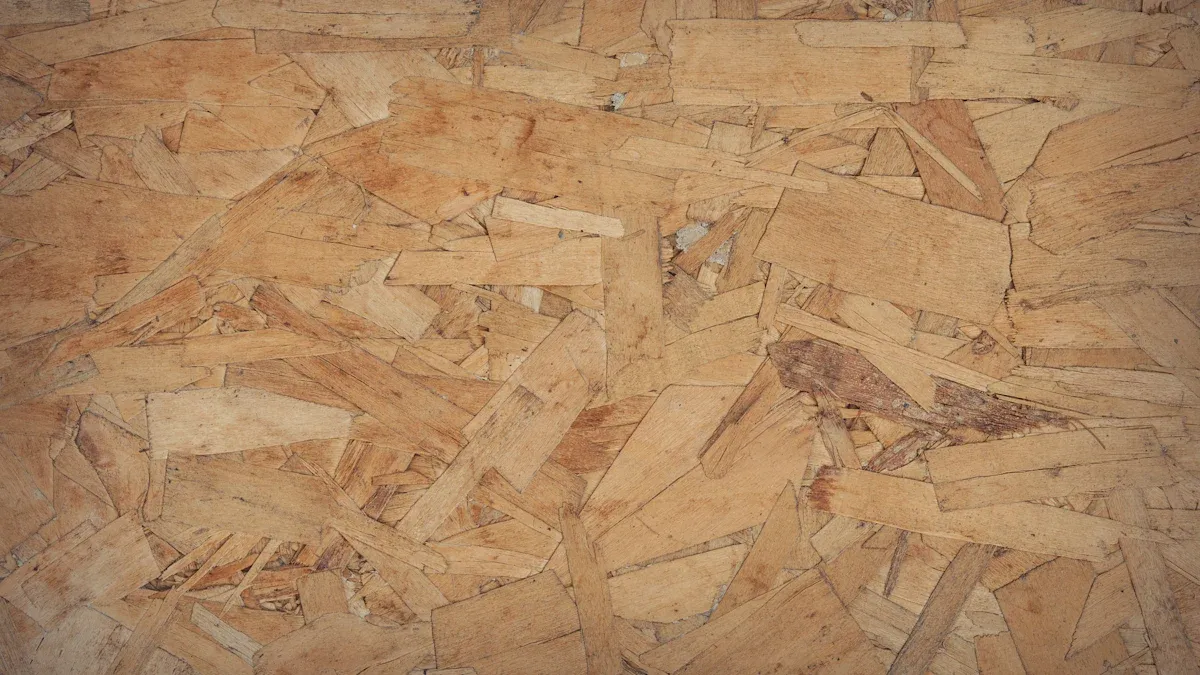
Oriented strand board, or osb, is made from wood strands and glue. Many people use osb in homes because it costs less than mgo board. But osb does not protect as well against fire or water. If water gets into your floor, osb can swell, rot, and grow mold. This means you might need to fix your floor sooner. Repairs can cost more money over time.
Here is a table that shows the main differences:
Key Characteristics | MgO Board | OSB |
|---|---|---|
Fire Safety | Very fire safe (Class A1) | Slows fire spread but not fireproof |
Water Control | Excellent, does not rot | Can swell and degrade over time |
Indoor Air Quality | Safe, no harmful chemicals | May contain formaldehyde |
If you want a subfloor that stays strong and safe, mgo board is better than osb. It lasts longer and protects your home more. You get more for your money, especially in places with lots of water or fire danger.
Fire Resistance Comparison
 MgO Board Fire Performance
 MgO Board Fire Performance
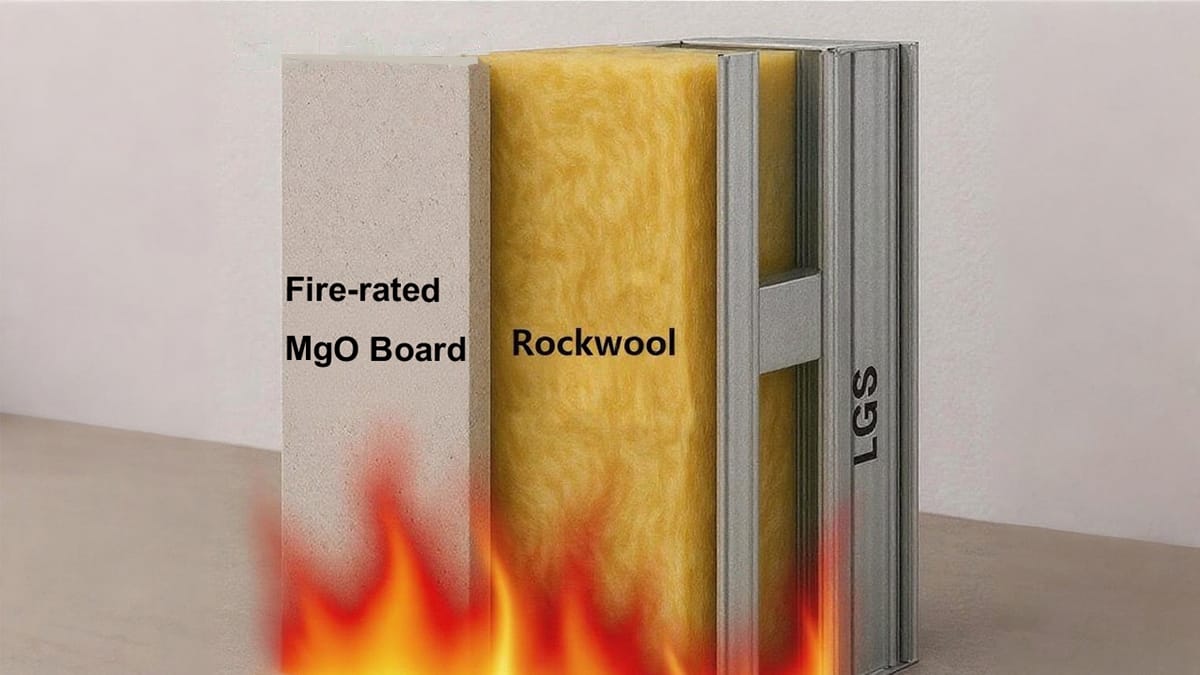
You want your subfloor to keep your home safe in a fire. MgO board is known for strong fire resistance. Many companies say mgo fire-rated sheathing panels do not burn. But tests in 2020 showed some panels, like DragonBoard, did not pass the ASTM E136 test. This means not every mgo board is called noncombustible in the United States. Still, mgo board can handle heat up to 1200°C. It stays strong for up to four hours in a fire. In Europe, mgo boards have the A1 non-combustible rating. This is the best fire safety level. You get great fire resistance and good performance in fire-rated assemblies. This is important in places with lots of fire or water.
Tip: Always look at your mgo board’s certification before you install it. Not every board meets the same rules.
OSB Fire Performance
OSB is used a lot for subfloors, but it does not resist fire like mgo board. Regular osb panels are made from wood strands and glue. These burn fast. Some osb panels, like Blazeguard, have a fire-resistant coating. Treated osb can last 30 minutes in a fire. This is much less than mgo board. Building codes do not give a fire rating for regular osb panels. The table below shows how osb compares to other wood panels:
Subfloor Type | Minimum Thickness | Fire Resistance Rating |
|---|---|---|
Wood Structural Panels (OSB) | 15/32″ | Not specified |
T&G Panels | 11/16″ | Not specified |
You can see osb does not meet the same fire safety as mgo board. If you want better protection, mgo board subfloor vs osb subfloor is very different.
Safety Impact
Fire resistance helps keep your home and family safe. MgO boards do not burn and stop flames well. OSB has a high fire risk and does not stop flames. The table below shows the safety results:
Material | Fire Risk | Flame Resistance |
|---|---|---|
MgO Boards | None | High |
OSB | High | Low |
MgO board keeps its shape in a fire. OSB gets weak fast. You have more time to get out and less damage with mgo board. Building codes like mgo for fire-rated assemblies. It does not soak up water and stays strong in wet places. OSB burns easier and can bend or break when wet. If you pick mgo board, your subfloor is safer and lasts longer. You also follow strict building codes for fire and water resistance.
Water Resistance Comparison
MgO Board Water Performance
 MgO Board Water Performance
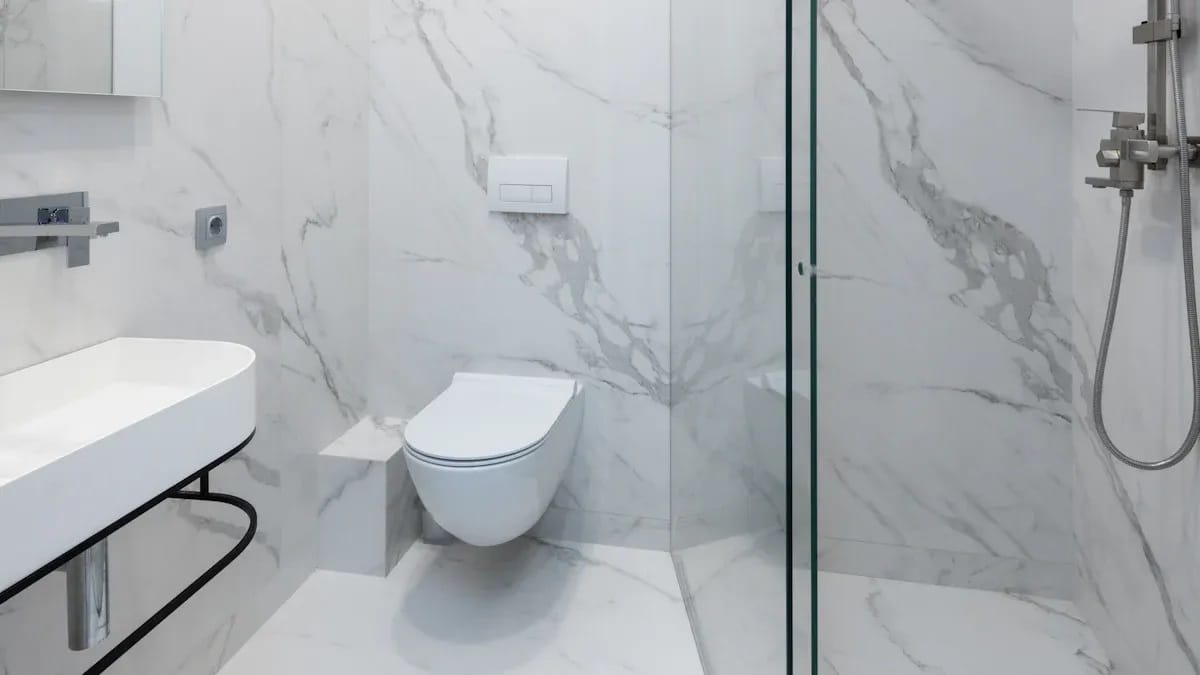
You want your subfloor to stay strong when water is present. MgO board gives you excellent moisture resistance. Water does not soak into the board. You can use it in bathrooms, kitchens, or basements. MgO boards prevent water from getting inside, so the board does not swell or break down. You do not need to worry about mold or rot. The board keeps its shape and strength, even in humid places. You get reliable performance for many years.
OSB Water Performance
OSB panels do not handle water well. When water touches OSB, the wood strands can swell. The glue can break down. The board may lose its strength. You might see the floor start to warp or buckle. If you use OSB in a wet area, you may need to replace it sooner. The risk of damage is high. OSB does not give you the same moisture resistance as MgO board.
Mold and Rot Risks
Water can cause mold and rot in your subfloor. You want to avoid these problems. MgO boards help you do that. The board blocks water and stops mold from growing. OSB panels can let water in. Mold can grow quickly. Rot can weaken the floor. You may face costly repairs.
Here is a table that shows the difference:
Material | Moisture Resistance | Mold Risk |
|---|---|---|
MgO Board | Excellent | Low |
OSB | Poor | High |
You can see the risks are much lower with MgO board. If you want to protect your home, choose the material with better moisture resistance.
MgO boards prevent water ingress, reducing the risk of swelling and mold.
OSB panels can swell and deteriorate when exposed to moisture, increasing mold growth risk.
When you compare mgo board subfloor vs osb subfloor, you see that mgo board gives you better protection against water and mold. You get a subfloor that lasts longer and keeps your home safe.
Performance and Durability
Longevity in Wet or Fire-Prone Areas
When you pick a subfloor, you want it to last. MgO board works well in places with water or fire risk. It keeps your home safe from fire and water for many years. Builders use mgo boards in bathrooms, kitchens, and basements. These boards do not let mold grow. They stay strong and keep their shape after getting wet and drying out many times. OSB can swell and bend when it gets wet. This can make your floor uneven and cost you money to fix.
Here is a table that compares how mgo board and osb hold up:
Characteristic | MgO Board | OSB / Plywood |
|---|---|---|
Maintains strength; resists mold and fungus | Loses strength; prone to mold | |
Dimensional Stability | Excellent; resists warping and swelling | Swells and warps in humidity |
Fire Resistance | Up to 4 hours | Up to 1 hour |
Weather Exposure | Withstands up to 180 days | Limited tolerance |
You can see mgo board protects better from fire and water. This means your subfloor lasts longer and has fewer problems. You get a strong and safe floor that does not need repairs often.
Maintenance Needs
You want a subfloor that does not need much work. MgO boards are easy to care for and last over 20 years. They stay strong and do not break down. OSB needs more repairs and does not last as long. You might hear squeaks, see edges swell, or need to fix the floor. These problems cost more money and make your floor worse.
Here is a table that shows how much work each type needs:
Material | Maintenance Cost | Lifespan |
|---|---|---|
MgO Boards | Low | |
Plywood/OSB | High | 5–10 years |
OSB can have loose nails, broken screws, and uneven spots. You will spend more fixing these things. MgO board helps you avoid these problems. Your floor stays strong and safe with less work. If you want a floor that lasts, mgo board is the best choice for your money.
Tip: Pick mgo board if you want floors that last in wet or fire-risk places. It gives you better safety and strength.
Cost and Installation
Material Cost
 Material Cost
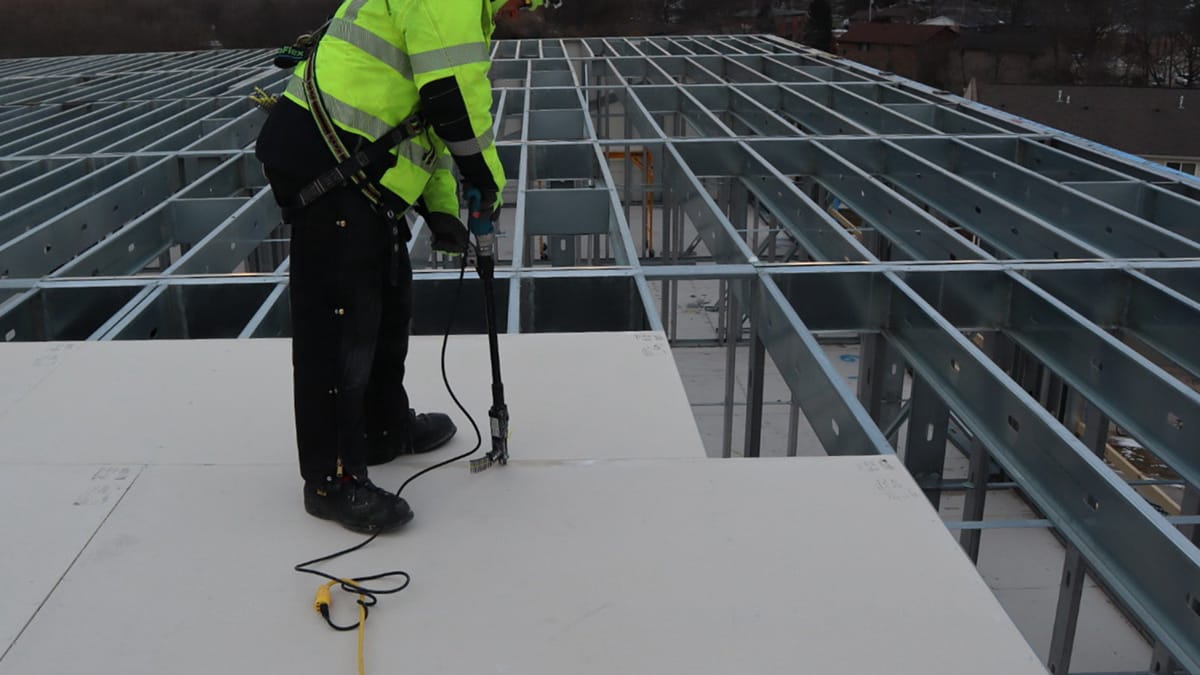
When you compare material cost, you notice a clear difference between mgo board and osb. MgO boards cost more upfront. For example, a 6mm MgO board usually costs between $8 and $12 per square meter. Thicker boards, like 12mm, can reach up to $20 per square meter. OSB is a budget-friendly option. You pay less at the start, which can help if you want to save money right away. However, you should also think about the quality and how long each material lasts.
Thickness | MgO Board Price (per m²) |
|---|---|
6mm | $8–$12 |
8mm | $10–$15 |
12mm | $14–$20 |
Installation Factors
You need to consider more than just the price of the boards. Installation plays a big role in your total cost. MgO boards require careful handling and skilled labor. This can increase installation costs. You might need to hire workers who know how to install mgo boards properly. OSB is easier to install. Many crews already know how to work with it, which saves time and money. Here are some key points:
MgO boards are more expensive and need careful installation.
OSB is cheaper and faster to install, making it a budget-friendly option.
MgO boards may require more labor, which adds to the total cost.
Value Over Time
You want a subfloor that gives you the best value over time. MgO boards offer strength and durability. They resist fire, water, and pests, so you spend less on repairs and replacements. MgO boards can last over 50 years. You also avoid the need for chemical pest treatments, which saves money and helps the environment. OSB may cost less at first, but it can swell, warp, or get damaged by water. This means you might pay more for repairs or even need to replace your subfloor sooner.
Board Type | Fire Resistance | Water Resistance | Impact on Resale Value |
|---|---|---|---|
MgO Board | High | High | |
OSB | Moderate | Low | Lower resale value |
Tip: If you want a cost-effective solution that protects your home and keeps its value high, choose mgo board. You get better strength and durability, which means fewer problems and lower costs in the long run.
MgO boards give you the best fire and water protection. They stay strong in places with lots of water or fire risk. You pay less for insurance and they last longer than OSB. Here is a simple table to compare them:
Feature | MgO Board | OSB Subfloor |
|---|---|---|
Fire Resistance | Excellent | Poor |
Water Resistance | High | Low |
Mold Resistance | Yes | No |
Insurance Premiums | Lower | Higher |
Pick MgO if you want a safe home that lasts a long time. It is good for new homes, fixing old ones, or green building. OSB is okay for dry places or if you need to save money.
FAQ
What makes MgO board better for fire safety?
MgO board does not burn. You get more time to escape during a fire. OSB can catch fire quickly. MgO board helps keep your home safer.
Can you use MgO board in wet areas like bathrooms?
Yes, you can use MgO board in bathrooms, kitchens, or basements. It does not swell or rot when it gets wet. You do not need to worry about mold.
Is OSB ever a good choice for subfloors?
You can use OSB if you want to save money and your space stays dry. OSB works well in dry rooms. It costs less than MgO board.
How long does MgO board last compared to OSB?
MgO board can last over 20 years with little care. OSB may need repairs or replacement after 5–10 years, especially if it gets wet.