
15 Dec Comparing Durability and Moisture Resistance of MgO Board and OSB Subfloors
You want a subfloor that lasts and keeps your space safe. When you compare mgo board subfloor vs OSB, you see clear differences. MgO boards do not burn, resist water, and stop mold. OSB does not protect as well. The table below shows how each material performs for fire and moisture resistance:
Material | Fire Risk | Flame Resistance | Water Resistance | Mold Resistance |
|---|---|---|---|---|
MgO Boards | None | High | High | High |
OSB | High | Low | Low | Low |
Choosing the right subfloor helps you keep your building strong and safe for years.
Key Takeaways
MgO boards stop water from getting in. This makes them good for wet places like bathrooms and basements. They do not get bigger or weaker when wet.
MgO boards do not burn. They can handle very hot temperatures. OSB burns fast and does not protect as well.
MgO boards last longer and do not wear out easily. They work well in places where many people walk. OSB breaks down fast if used a lot.
MgO boards cost more at first. But you spend less money later. You do not need to fix or replace them as much as OSB.
Pick MgO boards for places with lots of water or fire danger. This helps keep your subfloor safe and strong for a long time.
MgO Board Subfloor vs OSB Overview
What Is Magnesium Oxide Board?
Magnesium oxide board is made from magnesium oxide, magnesium chloride, and fillers. These materials are mixed and cured by manufacturers. This makes the board strong and dense. It does not burn or let water in. You can use it in places with lots of water, like bathrooms and basements. The board does not give off toxic fumes. It is safe for indoor air and does not catch fire.
What Is OSB?
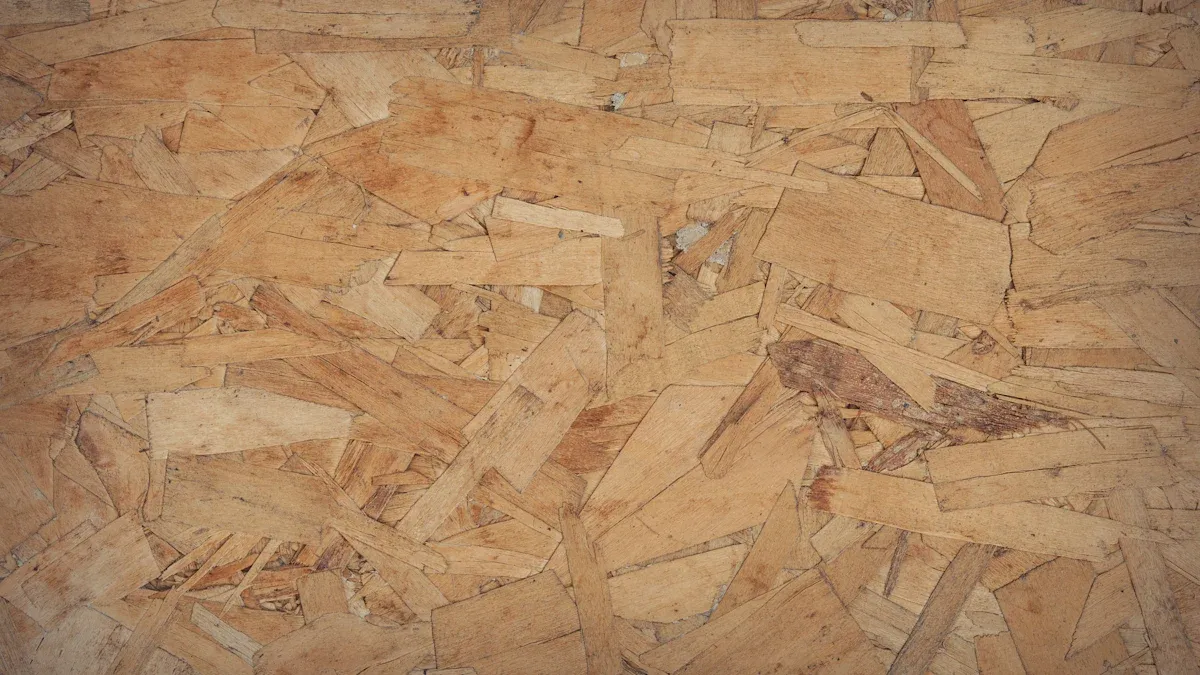
OSB means Oriented Strand Board. You see it used a lot in building projects. OSB is made by pressing wood strands and glue together. It looks and feels like wood. OSB does not resist water well. If it gets wet, it can soak up water and change shape. This can make your subfloor weak. OSB may have glue that releases VOCs. VOCs can make indoor air less healthy.
Key Properties for Durability and Moisture Resistance
When you look at mgo board subfloor vs osb, you should check their main features. Magnesium oxide board is very good at stopping water and fire. It is also strong and lasts a long time. OSB can break down if it gets wet. Here is a table that shows the differences:
Property/Aspect | Magnesium Oxide Board | OSB |
|---|---|---|
Composition | Magnesium oxide, magnesium chloride, fillers | Wood strands, adhesives |
Moisture Resistance | High | Low |
Durability | Engineered for stability | Susceptible to warping |
Fire Resistance | Non-combustible | Standard |
Indoor Air Quality | No VOCs | May contain VOCs |
You can use magnesium oxide board in wet places without worry. OSB does not work well in damp areas. Magnesium oxide board also meets tough fire rules. It is safer for your subfloor. If you want a strong and safe subfloor, magnesium oxide board is the best choice.
Durability: MgO Board Subfloor vs OSB
 Wear and Tear Resistance
 Wear and Tear Resistance
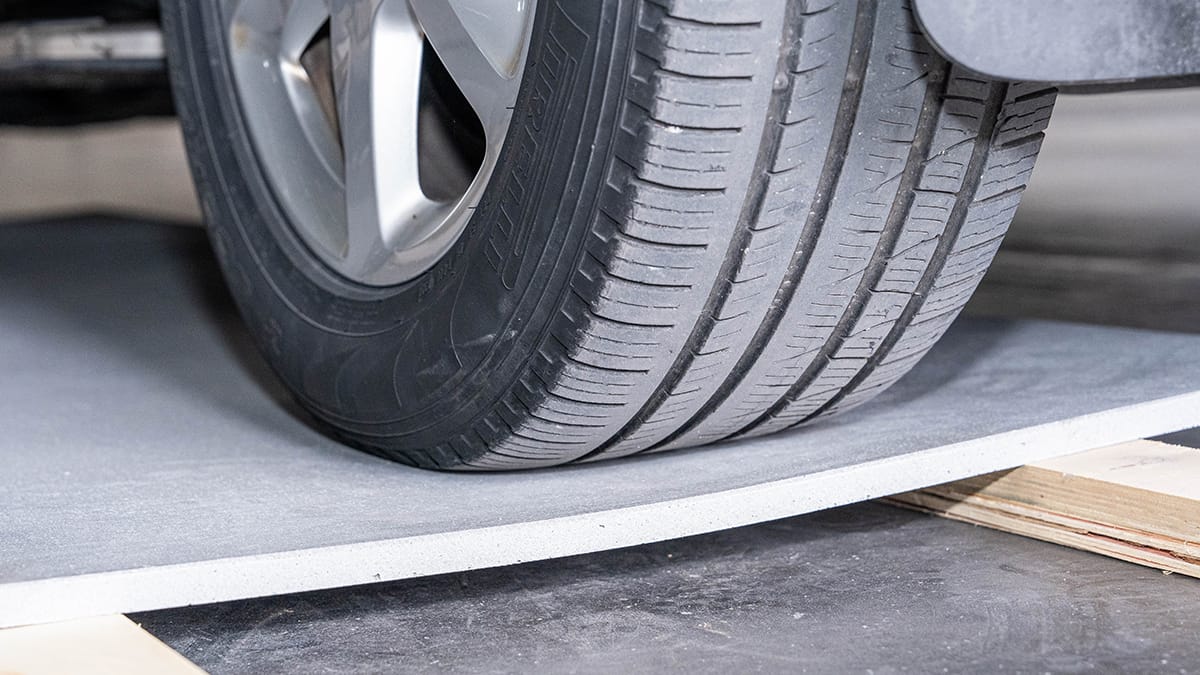
You want your subfloor to last through daily use. MgO board is very strong in busy places. It does not scratch or dent easily. It also resists damage from impacts better than OSB. When people walk or move furniture, MgO board stays looking good. OSB can get worn out fast in busy rooms. The table below shows how each material handles impacts and heavy use:
Material | Impact Resistance | Durability in High-Traffic Areas |
|---|---|---|
MgO Board | Exceptional | Long-lasting performance |
OSB | N/A | N/A |
MgO board keeps its strength and looks for a long time. OSB does not last as well. If you want a tough subfloor, MgO board works better.
Load-Bearing Strength
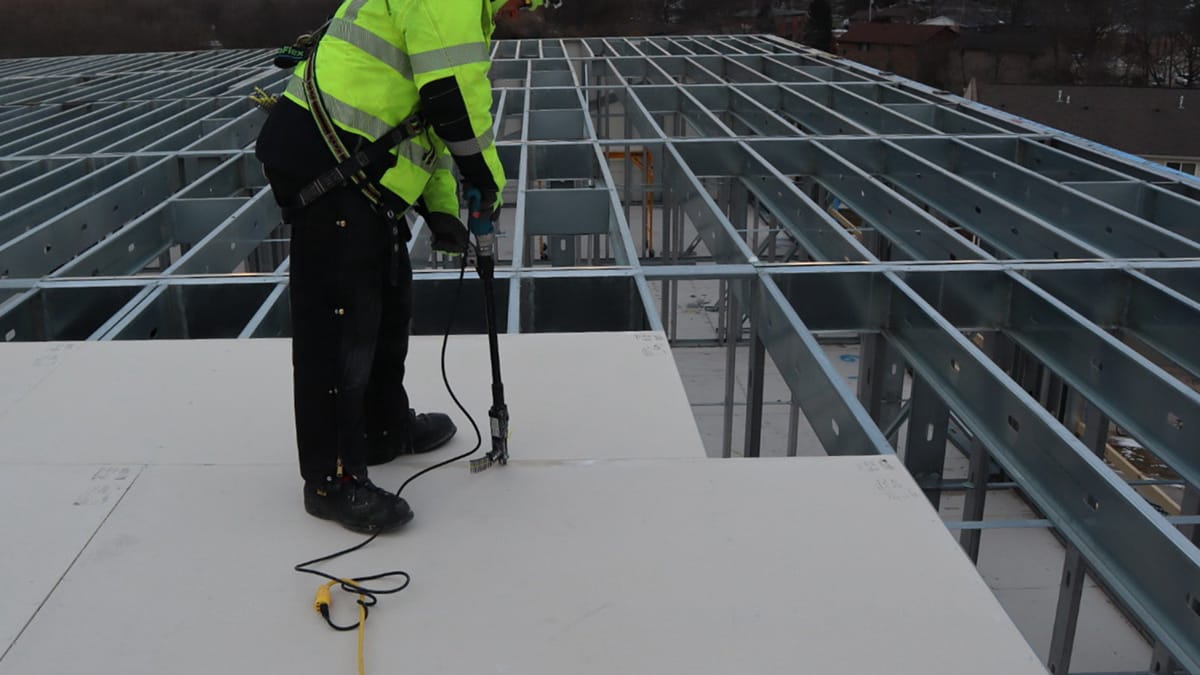
Your subfloor needs to hold heavy things and people. MgO board is very strong for this job. You can use 3/4 inch MagPanel MgO board with 24-inch joist spacing. It can hold up to 133 pounds per square foot. This means your floor will not bend or sag. OSB is not as strong. OSB may bend or get weak with heavy loads. MgO board gives you trust in its strength.
MgO board can hold 133 pounds per square foot at 24-inch spacing.
3/4 inch MagPanel MgO Board works well with standard joist spacing and holds a lot of weight.
MgO board is made for heavy use and load-bearing jobs. OSB is okay for lighter loads but is not as strong.
Longevity
You want your subfloor to last many years. MgO board is built to last a long time. Makers give a 5-year warranty for structural problems. This shows they believe in their product. A longer warranty means you can trust it to last. OSB does not have the same promise. How long OSB lasts depends on its quality and if it gets wet. Untreated OSB may only last a few months outside. Treated OSB can last years, but you must keep it dry.
MgO boards have a 5-year warranty for structural problems, showing the maker trusts its durability.
A longer warranty means the subfloor should last longer.
OSB’s life changes a lot depending on its quality and the weather.
Untreated OSB may last only months outside, but treated OSB can last years if protected.
MgO board gives you long-lasting strength and performance. OSB may need to be replaced sooner, especially in tough places. If you want a subfloor that lasts, MgO board is the better pick for strength and durability.
Moisture Resistance Comparison
Performance in Wet and Humid Areas
 Performance in Wet and Humid Areas
You need your subfloor to stay strong in wet places. MgO board does a great job against moisture. It keeps its shape and strength when the air is damp. You can use MgO board in bathrooms, kitchens, and basements. It does not swell or bend when it gets wet. OSB absorbs water fast. This makes the panels swell and bend. Over time, they can lose strength. If you live in a humid area or have rooms that get wet, you will notice a big difference.
MgO boards are very good at resisting moisture. They stay strong in damp places.
They work well in humid climates. They do not swell or bend.
OSB panels soak up water fast. This makes them swell and bend. They get weaker over time.
You can trust MgO board to protect your subfloor from water. OSB does not resist moisture as well.
Mold and Mildew Protection
Mold and mildew can hurt your home and health. You want a subfloor that stops mold from growing. MgO board is very good at stopping mold. It is inorganic, so mold and mildew cannot grow on it. This makes it great for bathrooms and kitchens. These rooms often have moisture. MgO board does not soak up water, so it stays dry. OSB and other wood products can soak up water. This lets mold and mildew grow.
MgO flooring resists moisture. It does not swell or bend.
It is made to stop mold and mildew. This helps keep air clean.
MgO boards are inorganic. Mold cannot grow on them.
Wood subfloors can hold mold spores.
MgO panels are best for wet areas. They help keep your home healthy.
OSB and wood subfloors can get damaged by moisture.
If you want a healthy home without mold, pick MgO board. Its mold resistance helps keep your family safe.
Structural Integrity After Moisture Exposure
Your subfloor needs to stay strong after getting wet. MgO board has great moisture resistance. Its surface does not let water in. The board does not swell or get weak. Even after soaking or freezing, MgO board keeps its shape. OSB does not do as well. It soaks up water and gets weak. Over time, this can make your floor unsafe. Sealing OSB helps, but it is not as good as MgO board.
MgO boards resist moisture like fibre cement boards. They stay strong after soaking and freezing.
MgO boards have a surface that does not let water in. They do not swell.
OSB soaks up water. This makes it swell and get weak.
Tip: If you want a subfloor that stays strong after getting wet, choose MgO board. It keeps its strength, even in tough places.
You can count on MgO board to last a long time in wet areas.
Fire Resistance: MgO Board vs OSB
Fire Ratings and Safety
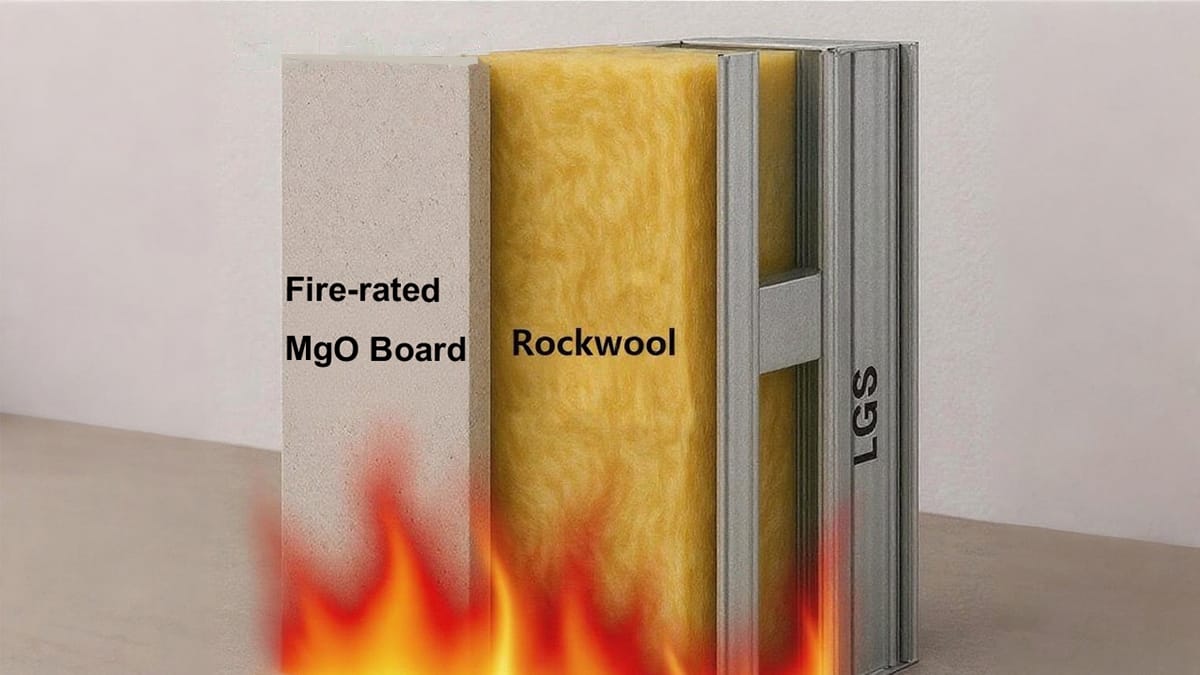 Fire Ratings and Safety
You want your subfloor to help keep your home safe from fire. MgO board is special because it does not burn. It will not catch fire or help a fire spread. There are tests that show how MgO board and OSB compare:
Certification / Standard | Purpose / What It Tests | Typical Fire Rating Achieved by MgO Boards |
|---|---|---|
ASTM E136 | Checks if a material will not burn | Classified as Noncombustible |
ASTM E84 | Looks at how fast flames move on a surface | Gets a Class A rating (best fire resistance) |
EN 13501-1 | European fire safety test | Class A1 (noncombustible) |
CAN/ULC S114 and ULC S135 | Canadian fire safety rules | Passes noncombustible tests |
MgO boards are called non-combustible and can stop fire for up to 4 hours. OSB panels can have special coatings, but they still burn faster than MgO boards. OSB can catch fire quickly and does not pass the same safety tests. If you want better fire safety, MgO board is the best pick.
Note: MgO board helps keep your building safer if there is a fire. OSB does not protect as well.
Performance Under High Temperatures
You need a subfloor that stays strong when it gets very hot. MgO board keeps its fire resistance even in high heat. It can handle heat up to 3000°F (1649°C) and still stay strong. OSB is not fire-resistant and will burn easily if it gets too hot. In fire tests, MgO board gets a 0 for Flame Spread and 0 for Smoke Developed. This means it does not help a fire grow or make smoke. OSB does not do well in these tests and can be dangerous.
Material | Fire Resistance Rating | Notes on Fire Resistance |
|---|---|---|
Magnesium Oxide (MgO) Board | Up to 1-2 hours; rated noncombustible (ASTM E136 & E84) | Very fire-resistant, better than gypsum and fiber cement boards |
OSB | Not fire-resistant; burns easily in high heat | Poor fire resistance |
You can trust MgO board to help protect your home from fire. OSB does not give the same fire safety. If you care about fire safety, MgO board is the best choice for your subfloor.
Installation and Cost Factors
Installation Impact on Durability and Moisture Resistance
You want your subfloor to last a long time. How you install MgO board or OSB matters a lot. Good site prep helps both materials work better. Always clean the area before you start. Make sure there is no water on the ground. A dry spot keeps boards safe from damage.
Clean the area so boards fit together well.
Keep the ground dry to protect the boards.
Use special fasteners that do not rust.
Check boards to make sure they are flat and not broken.
MgO boards stop mold and moisture, so you can use them in many rooms. They do not soak up water, so they stay strong in wet places. OSB needs more care when you put it in. If you make mistakes, you can have problems later. The table below shows common mistakes and what happens:
Common Installation Errors | Impact on Performance |
|---|---|
Misaligned framing | Makes the structure weak and panels not straight |
Improper stud spacing | Makes the floor less strong |
Corroded or damaged fasteners | Makes connections weak and less safe |
Unlevel top plate | Makes panels hard to put in and line up |
Delamination | Makes boards less strong and less weatherproof |
Voids | Makes the floor less tough |
Warping & Bowing | Makes installation harder and less good |
Surface Damage | Makes the floor less strong |
Excessive Moisture | Makes boards break down over time |
Incorrect Grade Stamps | May not be right for your project |
Cost Considerations for Long-Term Value
You want to know how much each subfloor costs over time. MgO boards cost more at first, but you save money later. They need less fixing and less care. OSB is cheaper to buy, but you might pay more if it gets wet or breaks.
MgO boards are tough and need little care.
OSB costs less at first but may need more fixing.
MgO boards last longer, so you spend less later.
Material | Durability | Maintenance Needs | Initial Cost | Long-term Cost |
|---|---|---|---|---|
MgO Board | High | Low | Higher | Lower |
OSB | Moderate | High | Lower | Higher |
MgO boards protect better from fire and water. OSB is good if you have a small budget but may not last as long. MgO board is a smart choice for wet or risky places. As one expert says:
The moisture and mold resistance of magnesium oxide SIP panels is a big help for stopping health problems from damp rooms.
You keep your building safe and save money when you pick the right subfloor.
Suitability for Different Environments
Residential Applications
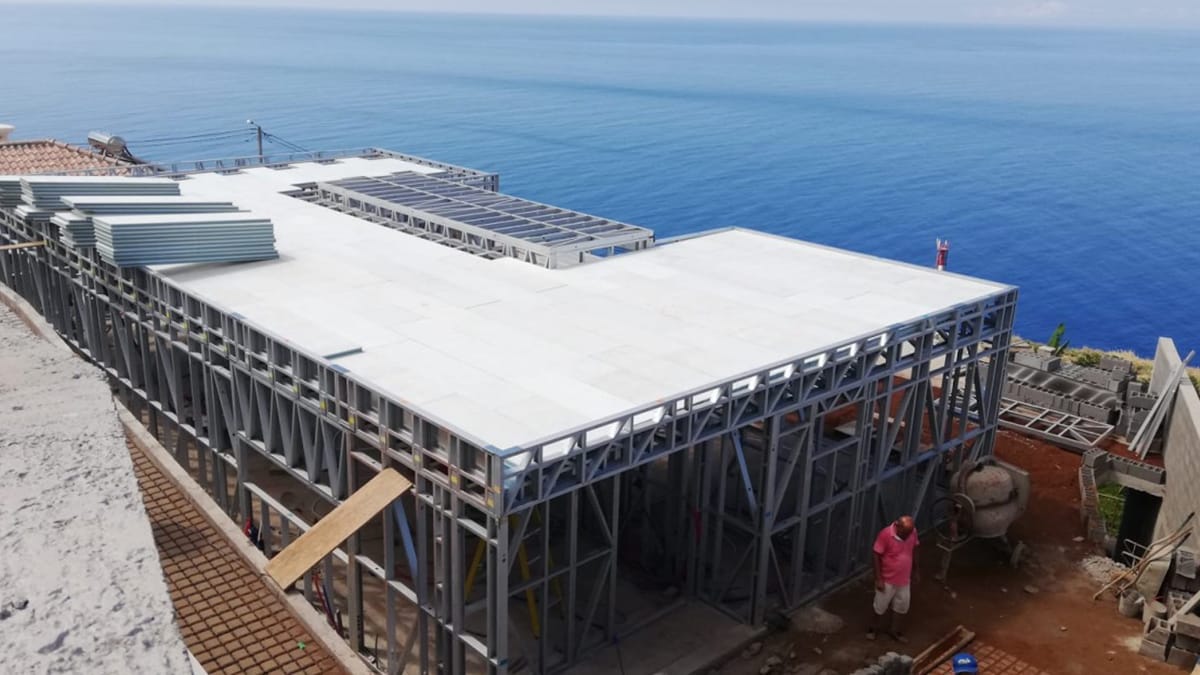 Residential Applications
When you choose a subfloor for your home, you want it to last and stay strong. Moisture and durability matter most in places like kitchens, bathrooms, and basements. MgO board stands out because it resists water and mold. OSB absorbs water, which can make it swell and weaken. You see the difference in the table below:
Material | Moisture Resistance | Durability |
|---|---|---|
OSB | Absorbs water more readily, leading to swelling and structural weakening. | Slightly less durable than plywood when exposed to moisture. |
MgO Board | Highly resistant to moisture and mold; ideal for humid environments. | Long-lasting, stable, and resistant to cracking, shrinkage, and deformation. |
If you want a subfloor that keeps your home safe and strong, MgO board is the better choice. You do not need to worry about mold or water damage. OSB works in dry rooms, but you must protect it from moisture. Homeowners and DIYers often pick MgO board for bathrooms and basements because it lasts longer and needs less care.
Tip: For rooms with high humidity, MgO board helps you avoid costly repairs and keeps your family healthy.
Commercial and High-Humidity Areas
In commercial buildings, you need a subfloor that handles heavy use and tough conditions. MgO board works well in places with lots of moisture, like gyms, kitchens, and laundry rooms. You do not need extra treatments to protect it. MgO board does not absorb water, so it keeps its shape and strength. You can use it in high-humidity areas without worry.
MgO boards resist mold and bacteria, making them safe for busy spaces.
You save time and money because you do not need extra coatings.
MgO board keeps its structure in humid conditions, so your floors stay flat and strong.
OSB can swell and warp if it gets wet, which means more repairs.
OSB burns easily, so it does not work well in places that need fire safety.
Builders often choose MgO board for commercial projects because it protects against water and fire. You get a subfloor that lasts and keeps your building safe.
If you want a subfloor for high-humidity or commercial spaces, MgO board gives you peace of mind and long-term value.
When you look at MgO board and OSB, you notice some big differences. MgO board is strong and lasts a long time, even in tough weather. It does not let water in and will not burn. OSB is okay for dry places but needs extra help in wet spots. The table below shows what each one is good at:
Property | MgO Boards | OSB |
|---|---|---|
Durability | Very high | Moderate |
Moisture Resistance | Excellent | Low |
Fire Safety | Outstanding | Needs treatment |
Tip: Think about where you will use your subfloor before you pick. MgO board is better for wet or risky places. If you are not sure, ask a building expert for help.
FAQ
What makes magnesium oxide boards better for subfloor use than oriented strand board?
Magnesium oxide boards handle water and fire much better. These mgo subfloor panels do not swell or rot. Oriented strand board can soak up water and get weak. Magnesium oxide boards last longer when used for floors.
Can I use mgo subfloor panels in wet areas like bathrooms?
You can put mgo subfloor panels in bathrooms, kitchens, and basements. Magnesium oxide boards stop water and mold from causing problems. Oriented strand board does not do well in wet rooms. Mgo subfloor panels help keep your floor safe in damp places.
Are magnesium oxide boards safe for indoor air quality?
Magnesium oxide boards help keep your air clean. These mgo subfloor panels do not let out VOCs. Oriented strand board might have glue that can hurt air quality. Magnesium oxide boards help make your space healthier for building projects.
How do mgo subfloor panels compare to oriented strand board for fire resistance?
Magnesium oxide boards are much better at stopping fire. Mgo subfloor panels do not burn or help fire spread. Oriented strand board burns fast. Magnesium oxide boards meet tough fire safety rules for floors and other uses.
Do magnesium oxide boards cost more than oriented strand board for subfloor projects?
Magnesium oxide boards cost more at first. Mgo subfloor panels save you money later. Oriented strand board is cheaper but may need fixing. Magnesium oxide boards last longer and need less work in building projects.