
12 Dec MgO Board Subfloor vs Engineered Wood Subfloor Which Lasts Longer
You want a subfloor that lasts. Between mgo board subfloor vs Engineered wood subfloor, mgo usually outlasts engineered wood in real-world use. The main reason comes from how mgo resists moisture and fire. You get better durability with mgo because it does not swell or rot. Mgo also offers more safety in fire-prone areas. Maintenance stays low with mgo, while engineered wood may need more care. You can trust mgo for strong durability and fewer problems over time.
Key Takeaways
MgO board subfloors can last more than 30 years. Engineered wood lasts about 20 to 30 years. MgO board is stronger and lasts longer.
MgO board does not get damaged by water or fire easily. Engineered wood can swell, rot, or catch fire more often. MgO board is safer.
You do not need to do much to take care of MgO board. Keep it dry and look for any damage. Engineered wood needs more care. You must protect it from water and mold.
Picking MgO board can help you save money over time. It costs less at first and lasts longer than engineered wood.
mgo board subfloor vs engineered wood subfloor: Comparison
Lifespan & Durability
When you look at mgo board subfloor vs engineered wood subfloor, you notice they last for different amounts of time. Each one handles stress in its own way. The way these materials are built changes how long they last and how strong they are. If you want a subfloor that stays strong for many years, check out these facts:
Subfloor Material | Lifespan | Structural Strength | Fire Safety | Moisture Performance |
|---|---|---|---|---|
Magnesium Oxide Panel | High | Non-combustible | Very low absorption | |
Engineered Wood Panel | 20–30 years | Moderate-High | Treated, combustible | Sensitive to moisture |
mgo board lasts longer than engineered wood. Magnesium-oxide board subfloors can last more than 30 years. Engineered wood subfloors usually last between 20 and 30 years. The strength of mgo board stays high even after many years. Engineered wood can get weaker if it gets wet or bugs attack it.
Fire safety is important too. Magnesium-oxide board does not burn. It gives you strong fire protection and helps keep your home safe. Engineered wood subfloors use special chemicals to help with fire, but they can still burn if there is enough heat.
Performance Factors
You should think about more than just how long the subfloor lasts. How it works in real life is important. Here are some things to remember:
Magnesium-oxide board does not let water or mold in. It takes in very little moisture (about 0.34%). This means you do not have to worry about swelling, rot, or mold. Engineered wood takes in more water and can get ruined in wet places.
mgo board keeps its strength even when it gets wet for a long time. Tests show that mgo does not get weaker in wet or humid places. You can use it in bathrooms, kitchens, or near pools.
Magnesium-oxide building products give you great fire safety. mgo board does not burn and can handle high heat. Engineered wood panels use chemicals for fire safety, but they do not work as well as mgo.
mgo board has other good points. It is lighter than other cement boards, easy to put in, and better for the environment. Magnesium-oxide building products help the planet by trapping carbon dioxide and making less waste.
mgo board subfloor vs engineered wood subfloor is also different when it comes to bugs. mgo does not attract termites or other pests. Engineered wood can get bugs if it gets wet.
Tip: If you want a subfloor that can hold a lot of weight and stay strong for a long time, magnesium-oxide board is a good choice. It protects against fire, water, and pests.
When you think about all these things, you see why people talk about mgo board subfloor vs engineered wood subfloor. mgo board gives you better strength, fire safety, and moisture protection. Engineered wood works well in dry places, but it cannot do everything that magnesium-oxide building products can do.
Durability in Real-World Conditions
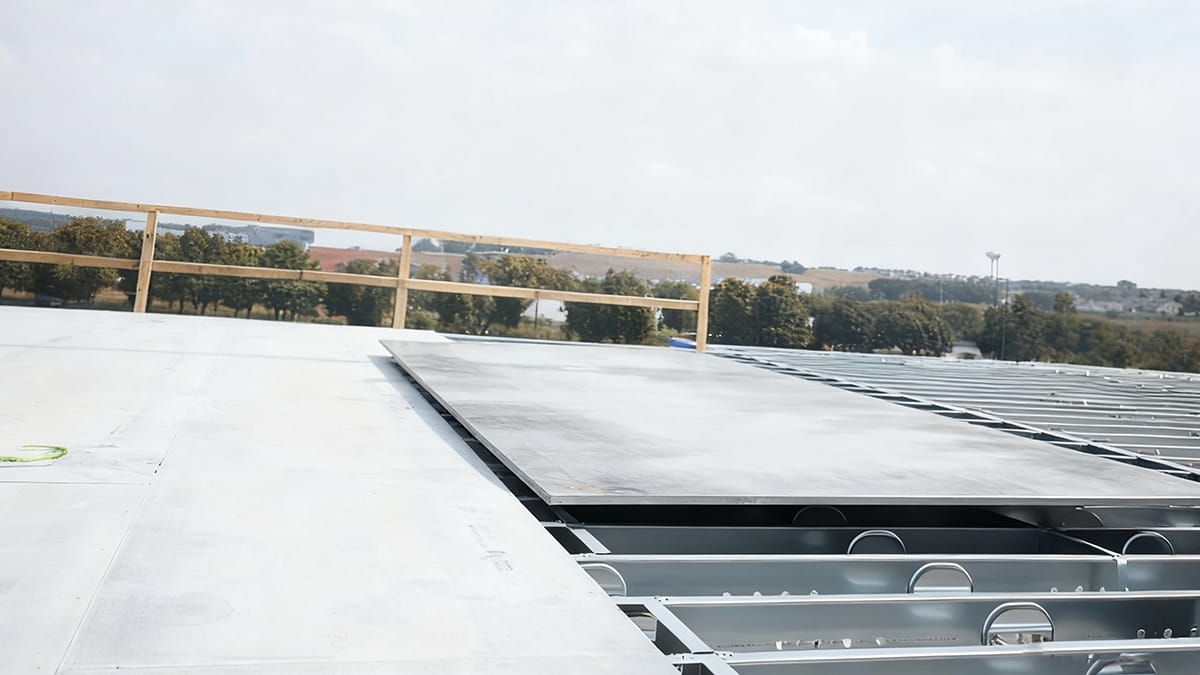
 mgo board Longevity
 mgo board Longevity
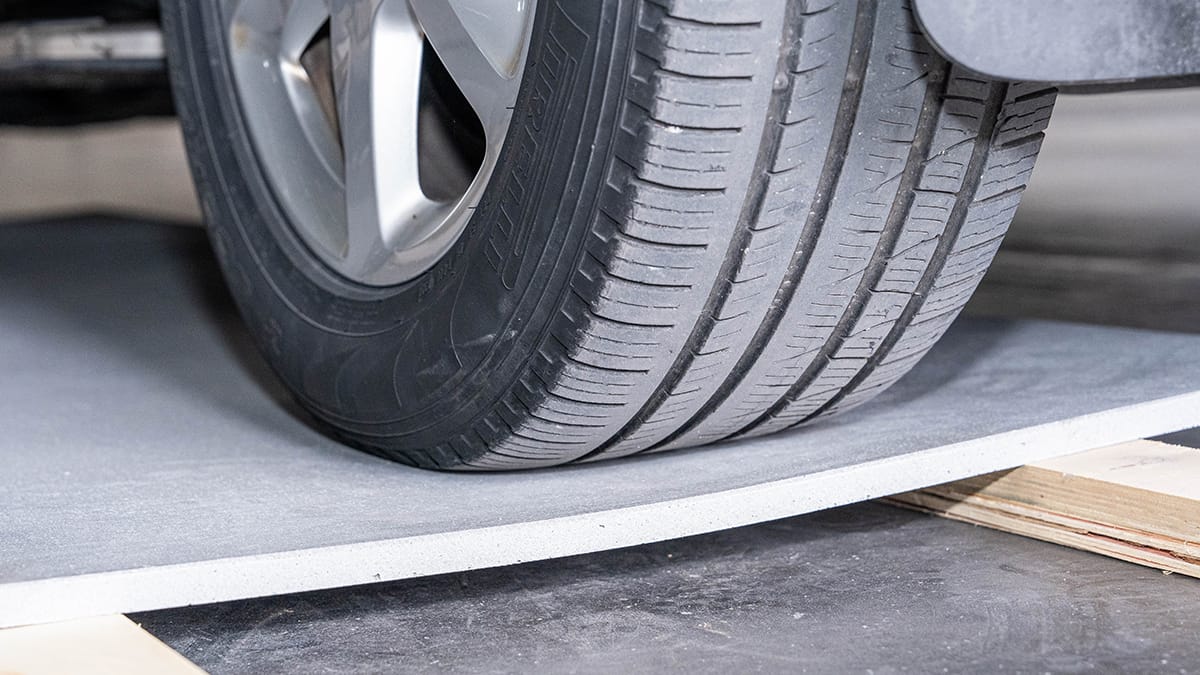
You want your subfloor to last a long time. mgo board works well in places with lots of water or fire risk. Builders pick mgo board because it stops water, mold, and bugs. You can use it in bathrooms, kitchens, and basements. You do not need to worry about swelling or rot. The strength of mgo board stays high for years.
But there are some problems to know about. If the maker does not build it right, issues can happen. Too many chloride ions in the board can cause trouble in wet places. Here are some things that might go wrong:
The board can crack if it gets too wet.
Salts can leak out and hurt metal fasteners.
Screws and nails can rust and get weak.
When mgo board lets out chloride ions, metal parts can rust. You might see rust spots on walls or ceilings. Over time, rust can make the subfloor weaker. This can mean more repairs and higher costs. Sometimes, it can even be unsafe if the floor holds heavy things. Studies show that wet air and bad building make these problems worse. Always check the quality before you put in mgo board. Watch the room to help stop rust.
Even with these worries, mgo board is great at stopping fire. It does not burn, so it keeps you safe. The board stays strong after heat or flames. This makes mgo board a smart pick for places where fire safety matters.
Engineered Wood Longevity
Engineered wood subfloors have their own good and bad points. They are made from layers, with real wood on top and plywood below. This design helps the wood handle changes in air and temperature. You can use engineered wood in basements or over concrete.
Here is a quick look at how engineered wood works:
Feature | Description |
|---|---|
Construction | Multi-layered product with a real wood veneer top layer bonded to a plywood core. |
Stability | Designed to resist expansion and contraction due to humidity and temperature changes. |
Suitability | Suitable for areas where solid wood may not be recommended, such as basements or over concrete. |
Maintenance | Proper maintenance, including humidity control and regular cleaning, is essential for longevity. |
You must keep engineered wood dry. If water gets in, the board can swell. The layers might come apart and lose strength. Wet and dry cycles can change the thickness and make it weak. If moisture goes above 30%, mold or rot can start. Repairs can cost a lot if you do not control the air.
Engineered wood does not protect against fire as well as mgo board. It uses chemicals to slow burning, but it can still catch fire. You need to be careful in places with fire risk.
Note: You can help engineered wood last longer by keeping it clean and dry. Check for leaks often and fix them fast to stop big problems.
When you look at both choices, you see mgo board is better for fire and water safety. But you must watch for rust if there are too many chloride ions. Engineered wood is strong in dry places, but needs good care to stop water damage. Pick the one that fits your space and how much care you can give.
Resistance to Moisture, Pests, and Wear
Moisture & Water Damage
 Moisture & Water Damage
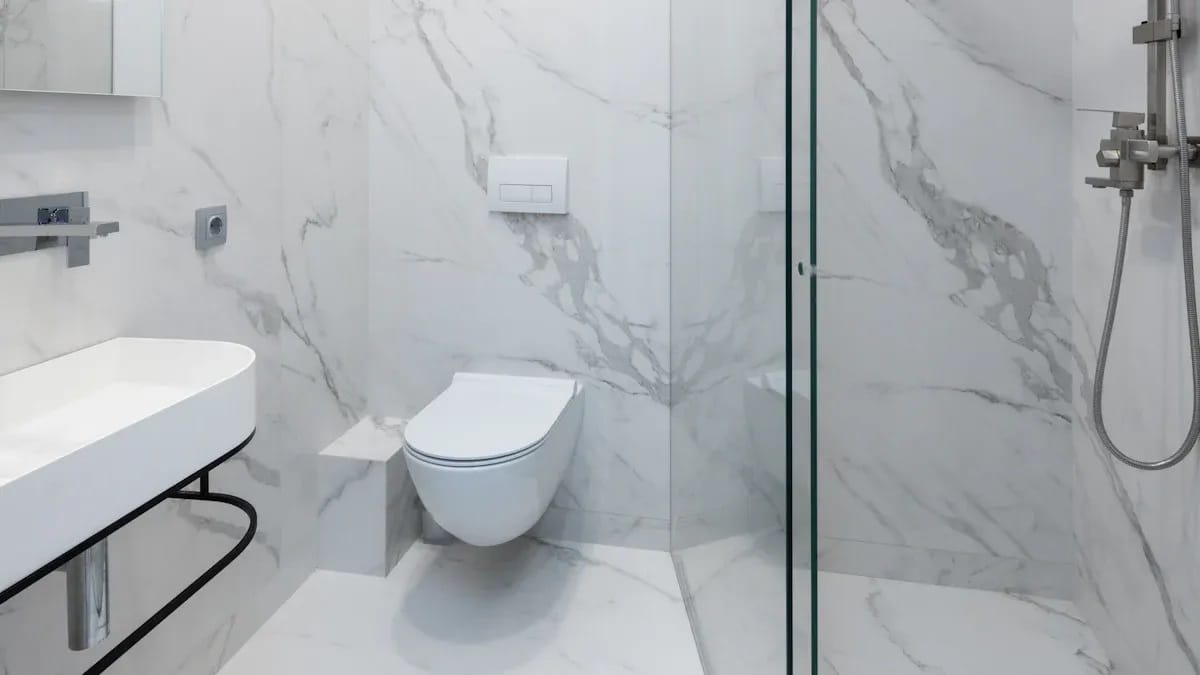
You want your subfloor to stay strong even when it gets wet. Mgo board gives you the best moisture resistance. It does not soak up water, so you do not see swelling or warping. Engineered wood subfloors can absorb water. When this happens, the boards may change shape or lose strength. You might see mold or mildew if the area stays damp.
Here is a quick look at how each subfloor handles water:
Property | MgO Boards | Engineered Wood Subfloors |
|---|---|---|
Water Absorption | Very low absorption | Can absorb water leading to damage |
Structural Integrity | Maintains integrity in humidity | Can warp with prolonged exposure |
Mold and Mildew Resistance | Impervious to growth | Can be affected by moisture |
Stability | Stays stable with humidity changes | May change shape with moisture |
Mgo board keeps its strength even in humid rooms. You can use mgo in bathrooms, kitchens, or basements. You do not need to worry about water damage. This high moisture resistance means you get fewer repairs and less worry about mold resistance.
Pest Resistance
You want a subfloor that keeps pests away. Mgo board gives you strong resistance to bugs and termites. Pests do not eat mgo, so you do not see damage from insects. Engineered wood does not have the same resistance. If the wood gets wet, termites and other bugs may attack. You might need to treat the wood or check for pests often.
Mgo board does not attract termites.
Engineered wood can become weak if pests get inside.
You save time and money with mgo because you do not need pest control.
Wear Over Time
You want your floor to last for years. Mgo board gives you high resistance to wear. It does not burn, so you get fire resistance and safety. The board keeps its strength even after many years of use. Engineered wood can wear down faster, especially if it gets wet or if pests attack. You may see scratches or dents in wood floors over time.
If you want a subfloor that stands up to fire, water, and pests, mgo board is a smart choice. You get long-lasting strength and less trouble with repairs.
Maintenance & Longevity Impact
Maintenance Needs
You want a subfloor that does not need much work. When you look at mgo board and engineered wood, you see a big difference in how much care each one needs. Mgo board gives you a simple routine. You only need to keep the surface dry and check for any signs of damage. You do not have to worry about mold or swelling. Mgo does not soak up water, so you do not need to fix water damage.
Engineered wood needs more attention. You must keep it dry at all times. If water gets in, the wood can swell or grow mold. You may need to clean it often and check for leaks. If you see any water damage, you must fix it right away. This can take a lot of time and money.
Here is a quick look at the maintenance for each type:
Subfloor Type | |
|---|---|
MgO Board | Minimal; keep surfaces dry and inspect for damage or wear. |
Engineered Wood | Requires careful maintenance; susceptible to moisture, swelling, and mold. |
Tip: If you want less work and fewer repairs, mgo board is the better choice.
Effect on Lifespan
The way you care for your subfloor changes how long it lasts. Mgo board stays strong even if you do not do much. Mgo does not let water in, so you do not see rot or mold. This means mgo can last for more than 30 years with very little care. You only need to check it sometimes and keep it dry.
Engineered wood can last a long time, but only if you take good care of it. If you let water sit on it, the wood can get weak. Mold and swelling can make you replace the floor sooner. You must watch for leaks and fix them fast. If you do not, the lifespan drops.
Mgo gives you peace of mind. You do not need to worry about pests or fire. Mgo board keeps its strength year after year. You save time and money because you do not need to do much to keep it in good shape.
Cost vs. Value Over Time
Initial Cost vs. Lifespan
When you plan your project, you want to know how much you will spend at the start. You also want to know how long your subfloor will last. The price for each type of subfloor can look very different. Take a look at this table:
Subfloor Type | |
|---|---|
MgO Board | $1.50 – $3.00 |
Engineered Wood | $7.85 – $12.69 |
You see that mgo costs less per square foot than engineered wood. This lower price can help you save money on big projects. You also get a longer lifespan with mgo. Most mgo subfloors last over 30 years. Engineered wood subfloors often last 20 to 30 years if you take good care of them. If you want a subfloor that gives you more years for your money, mgo is a smart choice.
Long-Term Value
You want your investment to last. Mgo gives you strong value over time. Here are some points to help you see the difference:
Mgo boards have a lower initial cost and offer a longer lifespan. You do not need to spend much on repairs or upkeep.
Engineered wood subfloors cost more at first. They may need more repairs if they get wet or damaged.
Mgo stands up to water, fire, and pests. You do not need to replace it as often.
Engineered wood can wear out faster in wet places. You might need to replace it sooner, which adds to your costs.
The long-term benefits of mgo often outweigh the higher price of other materials.
Tip: If you want to save money over time, choose mgo for your subfloor. You get strength, safety, and less worry about repairs.
Mgo gives you peace of mind. You spend less at the start and over the years. You do not need to worry about water, fire, or pests. Mgo keeps your home safe and strong for a long time.
You get a longer-lasting subfloor with MgO board. This material does not absorb water, so it keeps its strength in humid rooms like bathrooms and kitchens. You also avoid mold and mildew. Engineered wood works well in dry spaces, but it needs more care. For most homes, MgO board gives you better durability, safety, and value. If you live in a wet or fire-prone area, choose MgO board for peace of mind.
FAQ
What makes MgO board subfloors last longer than engineered wood?
You get better moisture and fire resistance with MgO board. This board does not swell, rot, or burn. Engineered wood can weaken if it gets wet or exposed to pests.
Can you install MgO board subfloors in any room?
Yes, you can use MgO board in bathrooms, kitchens, and basements. It works well in places with high humidity. You do not need to worry about water damage.
How does each subfloor affect indoor air quality?
MgO board does not release harmful chemicals. Engineered wood may contain adhesives that can emit volatile organic compounds. You get cleaner air with MgO board.
What is the environmental impact of MgO board compared to engineered wood?
MgO board production uses less wood and can trap carbon dioxide. This reduces the environmental impact. Engineered wood uses more trees and chemicals.
Do you need special tools to install MgO board subfloors?
You can cut and install MgO board with standard tools. The process is similar to installing plywood. Always follow the manufacturer’s instructions for best results.