
14 Dec Mgo Board Subfloor vs Engineered Wood Subfloor Pros And Cons Explained
When you compare mgo board subfloor vs Engineered wood subfloor, you notice they respond differently to water exposure. Good moisture resistance is crucial as it prevents floors from bending and keeps mold and damage at bay. The table below illustrates why this is vital for your home’s safety and the longevity of your floors:
Aspect | Impact on Performance and Safety |
|---|---|
Moisture Resistance | Stops mold, mildew, and rot from forming. |
Maintenance and Longevity | Less fixing needed and floors stay strong. |
Choosing the right subfloor, whether it’s mgo board subfloor or Engineered wood subfloor, is essential for maintaining a safe and healthy home, especially in areas where water can pose a problem.
Key Takeaways
MgO board subfloor stops water from getting in. This makes it good for wet places like bathrooms and kitchens.
Engineered wood subfloor needs a barrier to block water. This keeps it safe from spills and wet air. It is not the best for very wet rooms.
Pick MgO board if you want it to last a long time. It costs less to take care of. It does not get mold and does not bend when wet.
Think about how easy it is to put in. MgO board needs careful work and sealing. Engineered wood is simpler to cut and install.
Look at how it affects the planet. MgO board is better for the earth. It uses less energy and you can recycle it. Engineered wood is not as eco-friendly.
mgo board subfloor and moisture resistance
moisture-resistant pros
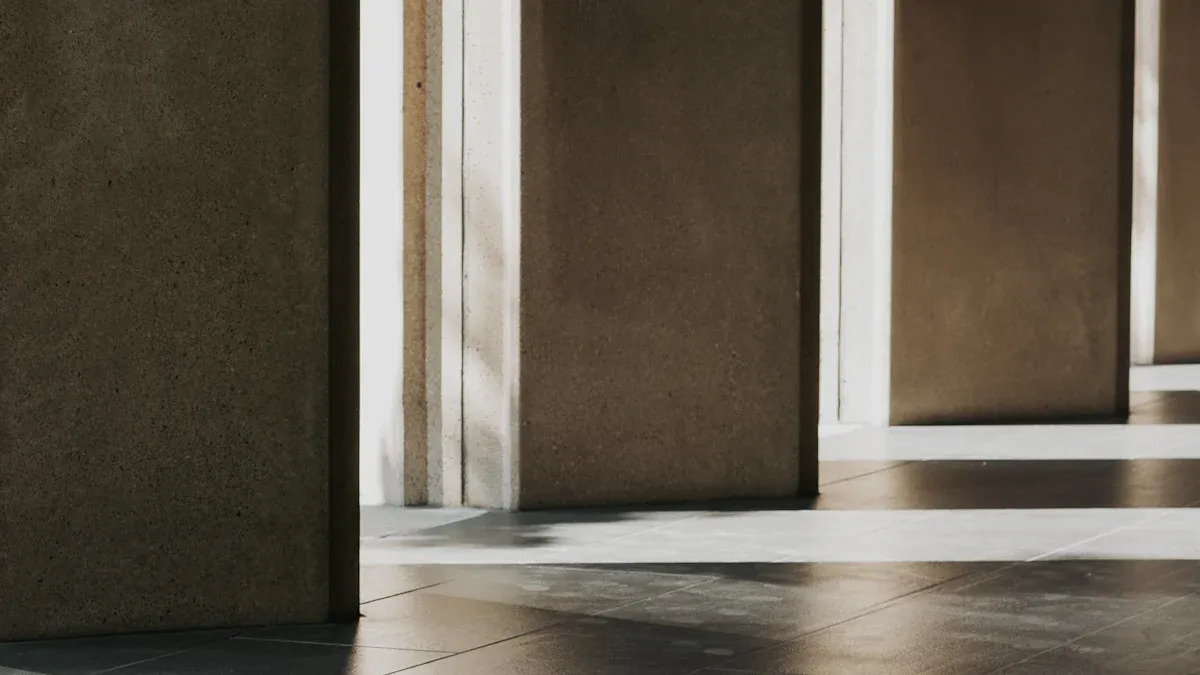
If you need a subfloor that handles water well, MgO board is a good choice. You can put it in rooms like bathrooms, kitchens, and basements. These places often have water or are humid. MgO board does not get bigger, bend, or break down when it gets wet. This helps your floor stay flat and strong, even if the air is damp or water spills.
Tip: If you live where it rains a lot or the air is often wet, MgO board helps you worry less. You do not have to think about mold or mildew growing under your floor.
Here is a table that shows how MgO board and plywood handle water:
Material | Moisture Resistance | Swelling/Warpage | Degradation |
|---|---|---|---|
MgO Board | Excellent | No | No |
Plywood | Moderate | Yes | Yes |
MgO board gives you many good things as a moisture-resistant subfloor:
It keeps water out, so your floor stays safe.
It does not change shape when it gets wet.
It stops mold and mildew, so your home stays healthy.
You spend less money fixing or replacing boards.
It works well in places like bathrooms and kitchens.
It is a top pick for places with lots of rain.
It lasts longer and does not bend or break easily.
moisture-related cons
MgO board is great at stopping water, but it has some problems. If it gets very wet, MgO board can soak up water, about 20%. When this happens, water can leak out of the board and make metal fasteners rusty. If the board has lots of chloride, the rust can get worse.
You might also have these problems:
Boards may not be made well, so you need to check them.
There is no one rule for making them, so you must look at each board.
Boards can soak up more water than other types, especially over time.
Problems can show up when you use them, not just in tests.
You need to look at the boards where you use them to make sure they work.
Note: MgO board stays strong even if it gets wet, but you should watch for water leaks or rust on fasteners. Always ask for expert help or research before you use MgO board in very wet places.
MgO board is good at stopping water and works well as a moisture-resistant subfloor. You get lots of benefits, but you should watch out for problems in very wet places.
engineered wood subfloor and moisture
moisture barrier pros
You may choose engineered wood for your subfloor because it handles changes in humidity better than solid wood. The layers in engineered subfloor panel help stop the floor from expanding or shrinking too much. This makes your floor more stable when the air gets wet or dry.
Engineered wood works best when you use moisture barrier adhesives. These adhesives keep water from getting into the wood. Many builders use them to make the floor last longer and stay strong. If you install engineered wood in your home, you should always use a moisture barrier. This helps protect your floor from damage and keeps it looking good.
Tip: You can use humidifiers to keep the air in your home at the right level. This helps prevent cracks and splits in your floor.
Here is a table that shows how engineered wood responds to moisture in different conditions:
Issue/Condition | Description |
|---|---|
Low Relative Humidity | The top layer dries faster than the core, causing corners to lift (dry cupping). |
High Relative Humidity | Splits and checks can form, which may lead to structural problems. |
Moisture Content Management | You need to monitor and keep moisture at the right level to avoid damage. |
Core vs. Wear Layer | The layers react differently to moisture, which can affect stability. |
Recommendations | Use humidifiers to keep humidity steady and prevent cracking. |
moisture-related cons
Engineered wood resists moisture better than solid wood, but it is not waterproof. If you spill water and do not clean it up quickly, the floor can swell or warp. Standing water can cause the layers to separate and may lead to permanent damage. Thin wear layers can scratch or dent more easily, especially if the floor gets wet.
You may also see mold or mildew if the floor stays damp for a long time. Mold often looks like black or gray spots. It can make your home smell musty and may cause rot if it spreads. You should not use engineered wood in places where water leaks or floods happen often.
Here are some common problems you might face:
Cupping: The edges of the boards rise because moisture comes from below.
Crowning: The center of the boards rises because moisture comes from above.
Warping: The boards twist or bend when moisture is uneven.
Sagging: Too much moisture makes the floor dip.
Mold Growth: Black or gray spots show water damage.
Failure Mode | Description |
|---|---|
Cupping | Edges of the boards are higher than the center. |
Crowning | Center of the boards is higher than the edges. |
Warping | Boards bend or twist due to uneven moisture. |
Sagging | Floor dips because moisture weakens the structure. |
Mold Growth | Mold and mildew appear as black or gray spots, showing water damage. |
Note: You should clean up spills right away and check for mold often. Engineered wood is not the best choice for bathrooms, basements, or other places with lots of water.
If you want a floor that handles moisture well, you need to think about where you will use it. Engineered wood works in most rooms, but you must protect it from water and mold.
mgo board subfloor vs engineered wood subfloor: side-by-side comparison
 moisture resistance comparison
 moisture resistance comparison
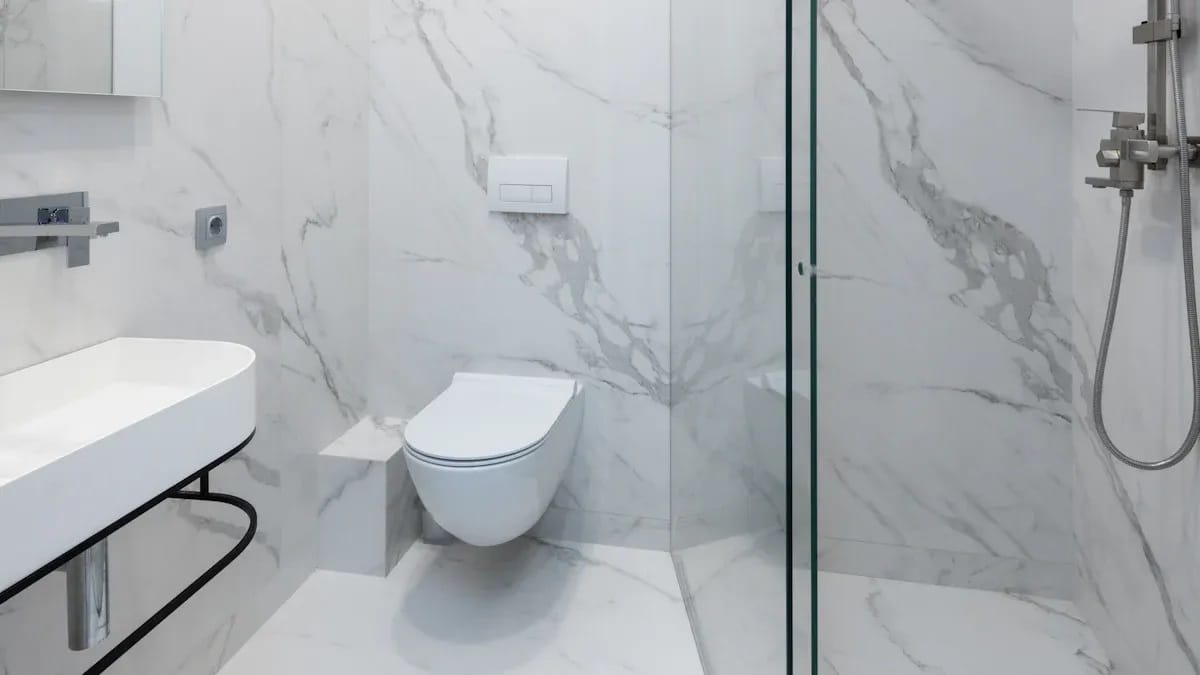
If you look at mgo board subfloor vs engineered wood subfloor, you will notice they handle water differently. MgO board does not get bigger or break down when wet. Engineered wood can handle some water, but it might bend or get mold if you do not protect it. You should think about how much water is in your room before you pick a subfloor.
Here is a table that shows how each subfloor deals with water:
Subfloor Material | Moisture Resistance |
|---|---|
MgO Board | High |
Plywood | Low |
OSB | Low |
Particle Board | Very Low |
Concrete | High |
MgO board and concrete are best for rooms with lots of water. Many builders say MgO board is good for bathrooms and basements. It keeps water out and stops mold. Engineered wood needs extra help, like moisture barriers, to stay strong in wet places.
Tip: Pick MgO board for kitchens or laundry rooms. It will last longer and keep water away.
other key factors
You should think about more than just water resistance when you compare mgo board subfloor vs engineered wood subfloor. Fire resistance is important for safety. MgO board does not burn easily. Engineered wood can catch fire. Sound insulation matters too. MgO board blocks noise better, so your rooms stay quiet.
Here is a table that shows other important features:
Criteria | MgO Board | Plywood |
|---|---|---|
Fire Resistance | Excellent fire resistance (non-combustible) | Limited fire resistance |
Sound Insulation | Better sound insulation | Less effective |
You should also think about how much weight the floor can hold, how easy it is to put in, cost, and how long it lasts. MgO board can hold a lot of weight, does not break easily, and lasts a long time. Engineered wood might cost less, but you need to see if it works for you.
Things to remember:
Moisture resistance
Fire resistance
Sound insulation
Cost
Lifespan
MgO board gives you better safety and resistance in rooms with lots of water.
choosing the right moisture-resistant subfloor
installation and handling
 installation and handling
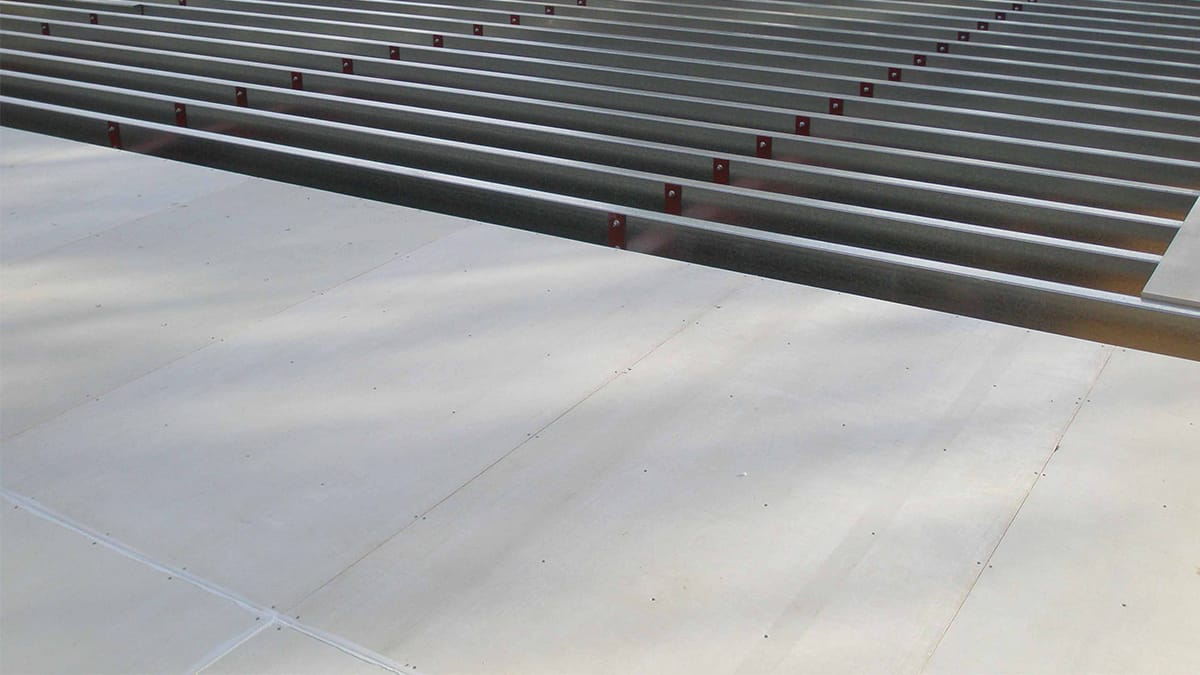
When you put in a subfloor, think about how simple it is. MgO board needs a flat and clean base. You must seal all the edges and joints to block water. Be careful with MgO boards because the edges are sharp. Wear gloves so you do not get hurt. Leave small gaps so the boards can move when it gets hot or cold. Engineered wood is easier to cut and put down. You need a moisture barrier to keep water out. Always read the instructions and follow building rules for safety.
Best Practices for MgO Board | Challenges for MgO Board |
|---|---|
Clean, even base | Moisture management |
Seal edges and joints | Careful handling |
Leveling compound | Expansion gaps needed |
Tip: Get a pro to help in bathrooms, kitchens, or basements. Good installation stops floors from bending and mold from growing.
cost and availability
Pick a subfloor that fits your money plan and is easy to buy. MgO board costs more at first, but you save money later because it needs fewer fixes. Engineered wood is cheaper to buy, but you might pay more for repairs if water hurts it. Some stores do not sell MgO board, so check before you start. Always look at both the first price and how much you will spend over time.
MgO board: Costs more now, but less for repairs.
Engineered wood: Costs less now, but may need more fixes.
durability and lifespan
Durability is very important in wet places. MgO board does not get ruined by water, wet air, or mold. It does not swell, bend, or rot, so it lasts a long time. You can use it in bathrooms, kitchens, and basements without worry. Engineered wood can take some water, but it might bend or rot later. You need to check for mold and fix problems fast. MgO board stays strong and keeps its shape for years. This makes it a good pick for wet rooms.
MgO board: Stays strong in wet air.
Engineered wood: Gets weaker if wet a lot.
MgO board: Stops curling, edge bending, and cracking.
Engineered wood: Needs more fixes in wet places.
environmental impact
Think about the planet when you pick a subfloor. MgO board uses less energy to make and does not have bad chemicals. You can recycle it many times, which helps keep trash low. Engineered wood uses more energy and might have chemicals that are not safe. It is harder to recycle and makes more trash. MgO board helps save resources and lowers pollution.
Aspect | MgO Boards | Engineered Wood Subflooring |
|---|---|---|
Recyclability | Can be recycled many times | Limited recyclability |
Carbon Footprint | Low energy use | Higher energy use |
Harmful Chemicals | Free of VOCs | May contain chemicals |
Landfill Impact | Reduces waste | Adds to landfill waste |
Resource Conservation | Saves raw materials | Needs new materials |
Note: Recycling MgO boards helps the earth and keeps building trash low.
You get the best moisture resistance with MgO board subfloor. It blocks water, lasts long, and keeps mold away. Engineered wood works in dry rooms but needs extra care in wet places. Here is a quick look at the main features:
Feature | MgO Board Subfloor | Engineered Wood Subfloor |
|---|---|---|
Moisture Resistance | Excellent | Moderate |
Durability | High | Medium |
Cost | Higher up front | Lower up front |
For bathrooms, basements, and kitchens, pick MgO board or tile. Always ask experts for help and use moisture tests before you install. Your choice should fit your home’s needs and budget.
FAQ
What makes mgo boards a good choice for moisture resistance?
You get strong moisture resistance with mgo boards. They do not swell or break down when exposed to water. You can use them in bathrooms, kitchens, and basements. They help keep your home safe from mold and mildew.
Can engineered wood subfloors use a moisture barrier?
You can use a moisture barrier with engineered wood subfloors. This barrier helps block water from reaching the wood. You protect your floor from swelling, warping, and mold. Always choose the right moisture barrier options for your space.
Do mgo flooring products offer fire-resistant properties?
You get fire-resistant properties with mgo flooring. These boards do not burn easily. You can use them in places where safety matters. They also resist water and mold, making them a smart choice for many rooms.
How do vapor barriers help with water leaks?
You can use vapor barriers to stop water leaks from damaging your subfloor. These barriers block vapor and water from moving through the floor. You keep your home dry and safe. Vapor barriers work well with mgo boards and engineered wood.
Is mgo flooring mold-proof in wet areas?
You get mold-proof protection with mgo flooring in wet areas. The boards do not let water in, so mold cannot grow. You keep your floors healthy and strong. Mgo boards work well in places with lots of moisture.