
26 Dec MgO Board Sheathing vs Plywood Sheathing for Home Builders
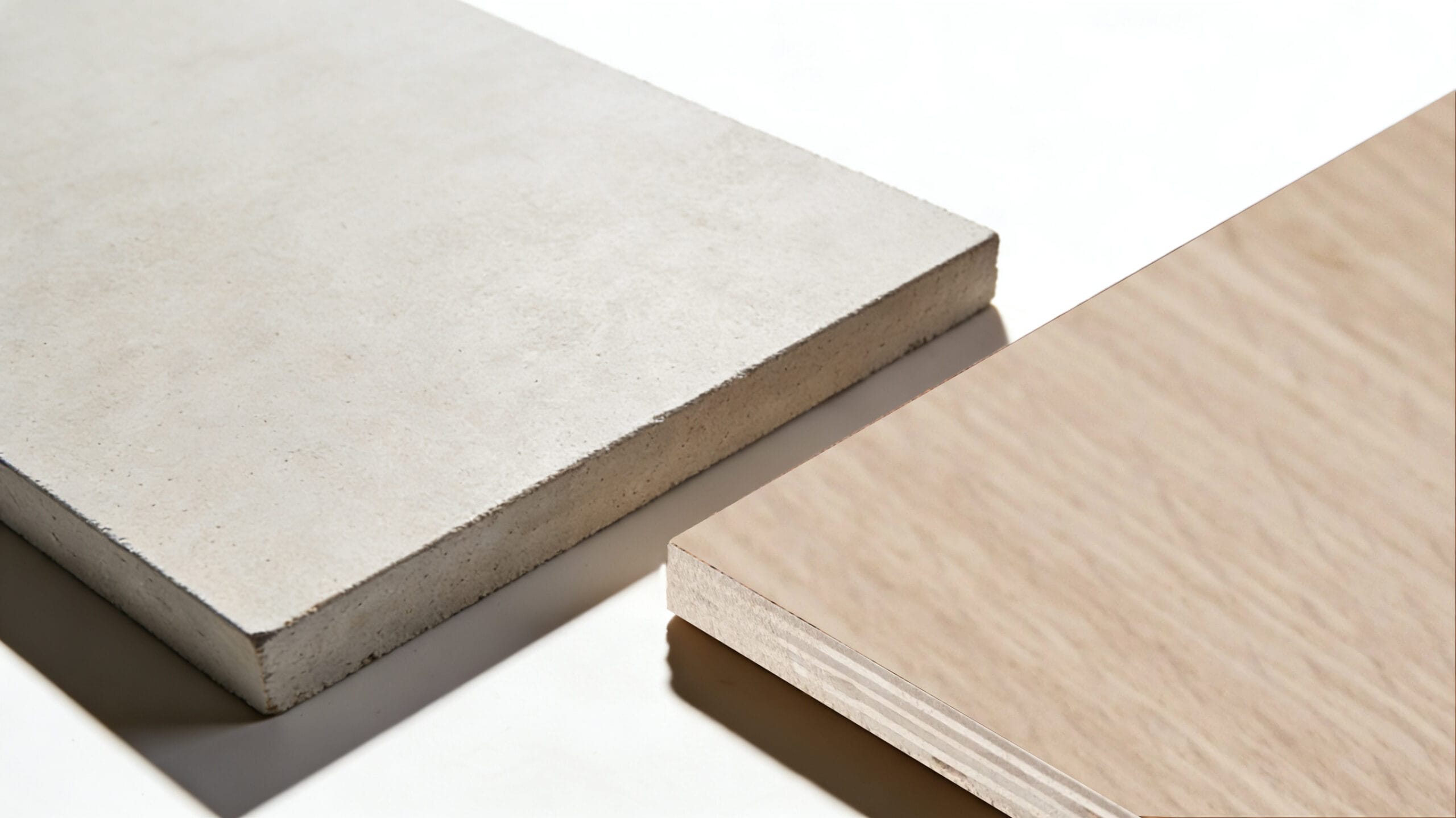
When you compare Mgo board sheathing vs plywood sheathing, you notice significant differences. These differences are crucial for individuals involved in home construction. Many builders prefer Mgo board because it performs better in damp environments. Additionally, it has a high resistance to fire and requires less maintenance over time. Mgo board remains robust even when exposed to moisture, while plywood often requires additional support to maintain its strength.
Feature | Mgo Board | Plywood |
|---|---|---|
Very good, stays strong | Needs extra help | |
Durability | Very tough, handles hits | Not as tough, can break |
Fire Safety | Very safe | Not as safe |
Environmental Impact | Needs less care | Needs more care |
Choosing the best sheathing involves considering its performance, cost, and longevity. You need to determine which option aligns best with your project requirements.
Key Takeaways
MgO board sheathing is very good at stopping water and fire. This makes it great for places that get wet or can catch fire easily.
Plywood sheathing costs less at first. But you might pay more later because it needs more fixing and replacing.
MgO board does not need much care. This saves you time and money over many years when compared to plywood.
Pick MgO board if you want better protection from bugs and mold. This helps keep your home healthier.
Think about the environment. MgO board is better for nature and can be recycled. Plywood can hurt forests because trees are cut down to make it.
Material Comparison: MgO Board vs Plywood
 MgO Board Sheathing Overview
 MgO Board Sheathing Overview
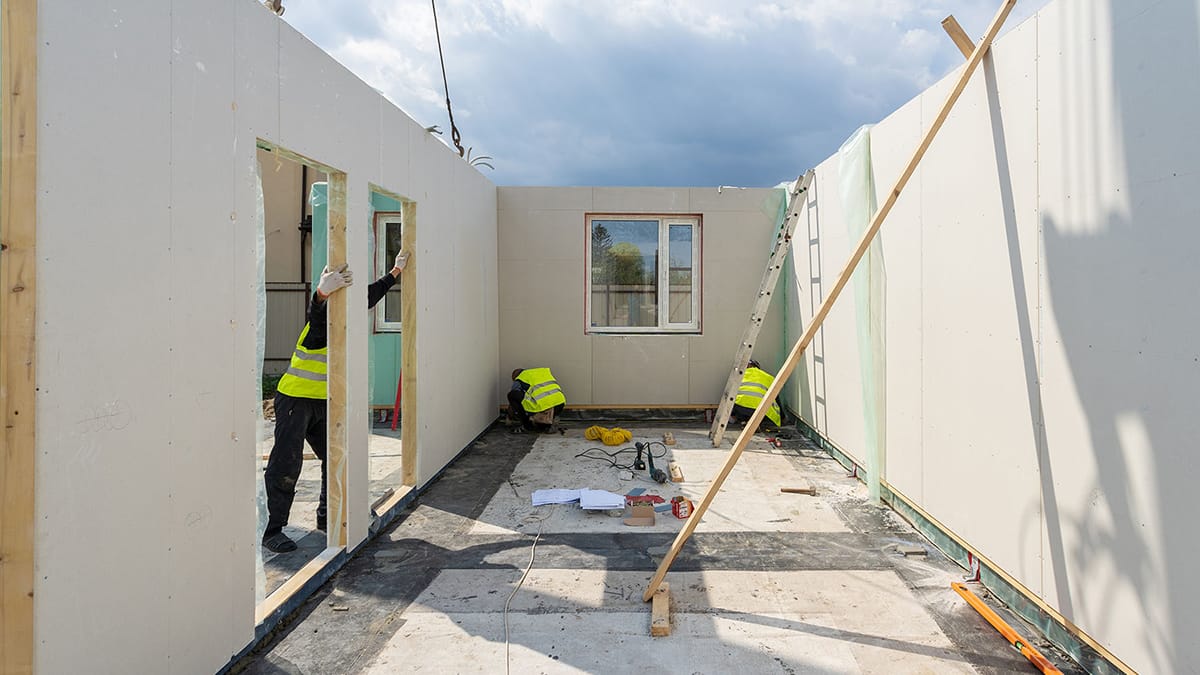
MgO board is a strong choice for walls. It is made with magnesium oxide, perlite, and fiberglass mesh. These materials are mixed and pressed into boards. The boards are cured and dried to make them tough. MgO board does not get weak in wet places. It can also handle high heat. Builders pick MgO board because it resists fire and lasts a long time. If you need sheathing for harsh weather, MgO board is a safe pick.
Tip: MgO board is best where water and fire safety are important.
Plywood Sheathing Overview
Plywood is used often in building homes. It is made by gluing thin wood sheets together. First, logs are picked and peeled into thin layers. The layers are dried and pressed to form plywood. Plywood is flexible and lighter than MgO board. Many builders like plywood because it is easy to use and costs less. But plywood can swell or bend if it gets too wet. You must keep plywood dry to make it last.
Key Differences in Composition
MgO board and plywood are made from different things. MgO board uses minerals and fiberglass mesh. Plywood uses wood sheets and glue. MgO board does better with water and fire than plywood.
MgO Board | Plywood | |
|---|---|---|
Material Composition | Magnesium oxide, perlite, fiberglass mesh | Wood veneers, glue |
Moisture Resistance | Highly resistant | Swells or warps |
Fire Resistance | Non-combustible | Combustible |
Durability | Very durable | Durable, less impact resistance |
Weight | Heavier | Lighter |
Think about what your project needs before you choose. MgO board protects better in tough places. Plywood is easier to use and costs less at first.
Performance: MgO Board Sheathing vs Plywood Sheathing
Moisture and Fire Resistance
When picking wall sheathing, water and fire safety are very important. MgO board sheathing is special because it does not soak up water. You can use it in bathrooms and kitchens. These places often get wet. Plywood sheathing can swell or bend if it gets wet. You must keep plywood dry so it stays strong.
Fire safety is also a big difference. MgO board does not burn and has a high fire rating. It can protect against fire for up to 4 hours. Plywood burns fast and does not stop fire. MgO board does not make much smoke or bad gases in a fire. This makes it safer for homes in wildfire areas.
Criteria | MgO Board Characteristics |
|---|---|
Fire Resistance Rating | A1 Non-Combustible, up to 4 hours fire resistance |
Smoke and Toxic Gas Emissions | Minimal smoke, no toxic gases emitted |
Applications | Residential, commercial, wildfire-prone areas, hospitals |
Note: If you want better fire and water safety, MgO board sheathing is the best pick.
Comparative Analysis of Durability
You should think about how long MgO board and plywood last. MgO board sheathing stays strong in wet and hot places. It does not break down fast. Plywood sheathing can get weak if it gets wet or bugs eat it.
MgO board and plywood are very different in how long they last. MgO board can take in water from the air. This can cause mold and rust on metal parts. Humid air can make MgO boards let out salty water. This can make metal rust faster. How long MgO board lasts depends on who made it. Some boards work better in wet air than others.
Plywood sheathing can swell, bend, or break when wet. It does not last as long if it gets wet a lot. You might need to change plywood more often in wet places.
Common reasons MgO board fails:
Takes in water from air, causing mold and rust.
Humid air makes salty water, which rusts metal.
Quality is different from each maker, so some last longer.
Common reasons plywood fails:
Swells and bends from water.
Breaks if hit or holds heavy things.
Gets ruined by bugs and mold.
Tip: Always check the quality of MgO board before buying. Good boards last longer and work better.
Pest and Mold Resistance
You want wall sheathing that keeps out bugs and mold. MgO board sheathing does not let mold grow. It is safe from termites and mold. You do not need to add chemicals to keep bugs away from MgO board. This makes it a healthy choice for your house.
Plywood sheathing does not stop mold or termites well. You may need to use chemicals to keep bugs away from plywood. Mold can grow on plywood in wet places. This can be bad for your health.
Material | Mold Resistant | Mildew Resistant | Termite Proof |
|---|---|---|---|
MgO Board Sheathing | YES | YES | YES |
Plywood Sheathing | NO | NO | NO |
Material | Mold and Mildew Resistance | Termite Resistance |
|---|---|---|
MgO Board Sheathing | High | High |
Plywood Sheathing | Low | Low |
MgO board sheathing does not need strong chemicals.
MgO board is great for wet rooms like bathrooms and kitchens.
MgO board keeps out termites and other bugs.
Callout: If you want clean air and fewer bugs, pick MgO board sheathing for your house.
You can see that MgO board sheathing vs plywood sheathing has clear winners in water safety, fire safety, and bug control. MgO board gives better results and lasts longer for most homes.
Cost Comparison for Modern Construction
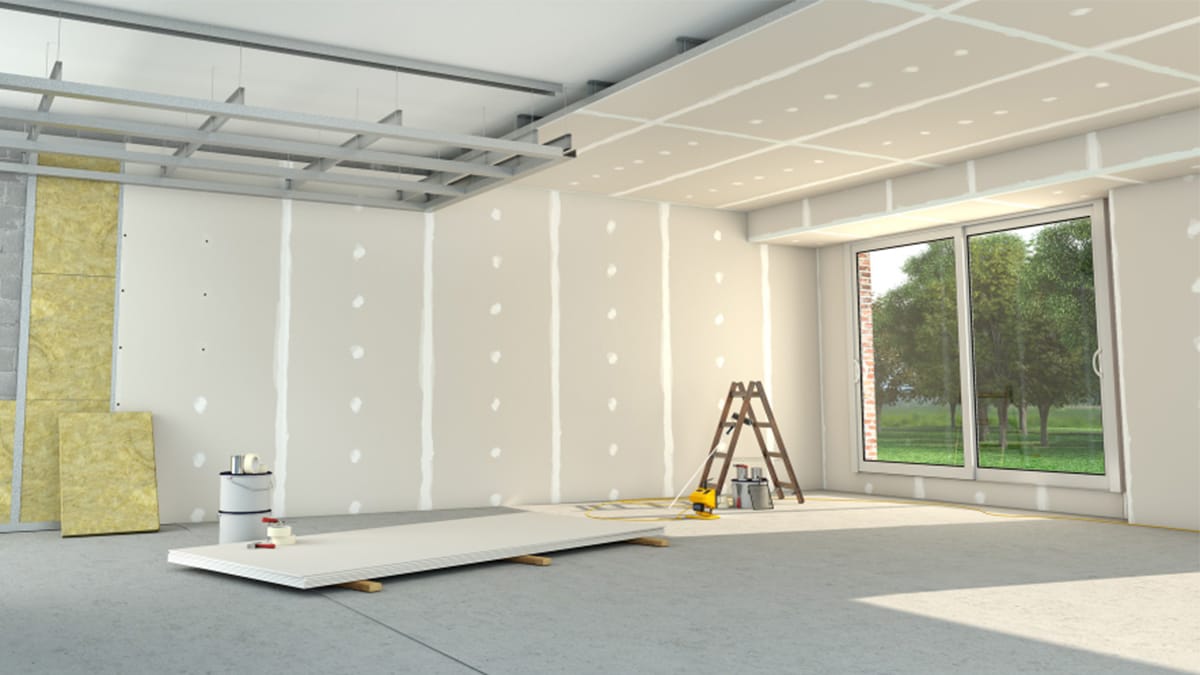 When you look at mgo board sheathing vs plywood sheathing, you see big differences in cost and value. You want to know which wall sheathing gives you the best results for your money. This cost comparison for modern construction will help you make smart choices for your project.
Upfront Costs
You need to think about the initial cost when you choose building materials. Plywood sheathing usually costs more per square foot than mgo board. The price for plywood ranges from $4.50 to $10 per square foot. Mgo board costs between $1.50 and $3.00 per square foot. You pay less for mgo board at the start, but you also get better fire and moisture resistance.
Material | Price per Square Foot |
|---|---|
Plywood | $4.50–$10 |
$1.50–$3.00 |
Installation costs also matter. Mgo board is generally more expensive to install because it is heavier and needs special handling. Plywood is cheaper for general use and easier to cut and fit. You save time with plywood, but you may spend more on repairs later.
Feature | MgO Board | Plywood |
|---|---|---|
Initial Cost | Generally more expensive | Cheaper for general use |
Fire Resistance | Non-combustible | Highly flammable |
Moisture Resistance | Superior moisture resistance | Susceptible to water damage |
Pest Resistance | Inorganic, no food source for pests | Provides food source for pests |
Tip: If you build in a wet or fire-prone area, mgo board gives you better protection for your investment.
Maintenance and Replacement
You want to know how much you will spend to keep your sheathing in good shape. Mgo board needs less maintenance than plywood. You check mgo panels once or twice a year for cracks or chips. You clean them with a damp cloth or mild soap. You may need to apply new joint compound if seams wear out. You make sure screws stay tight and rust-free. In wet areas, you use primer or waterproof sealant every few years.
Plywood sheathing needs more care. You must watch for swelling, warping, and mold. You may need to replace damaged panels more often. Plywood can attract pests, so you might use chemicals to keep bugs away. Over ten years, mgo board costs less to maintain and replace.
Material | Cost per Sq Ft (2025) | Maintenance Needs |
|---|---|---|
Plywood | $4.50–$10 | Frequent checks, repairs |
MgO Board | $1.50–$3.00 | Minimal upkeep |
Check panels for cracks or chips.
Clean with mild soap or a damp cloth.
Apply joint compound if seams wear out.
Tighten screws and check for rust.
Use sealant in wet areas every few years.
Note: Mgo board sheathing saves you time and money on repairs and replacements.
Long-Term Value
You want your building materials to last and protect your home. Mgo board vs plywood shows clear differences in durability and cost-effectiveness. Mgo board resists fire, water, mold, and pests. You get lower insurance premiums in fire-prone, humid, or flood-prone areas. Mgo board keeps its strength and shape over time. You spend less on repairs and replacements.
Plywood sheathing can cost more in the long run. You may pay higher insurance premiums because plywood burns easily and attracts mold and pests. You replace plywood more often in wet or bug-filled areas. Mgo board gives you better long-term value and cost analysis.
Mgo panels are noncombustible, which lowers fire risk and insurance costs.
Mold and pest resistance helps you save money in humid or pest-prone regions.
Mgo board keeps its structure in wet areas, reducing risk and insurance premiums.
Callout: If you want cost-effectiveness and durability, mgo board sheathing is the smart choice for modern construction.
You see that mgo board sheathing vs plywood sheathing offers clear benefits in cost comparison, maintenance, and long-term value. Mgo board stands out as a strong, affordable, and reliable wall sheathing for your next project.
Comparative Environmental Impact
Sourcing and Manufacturing
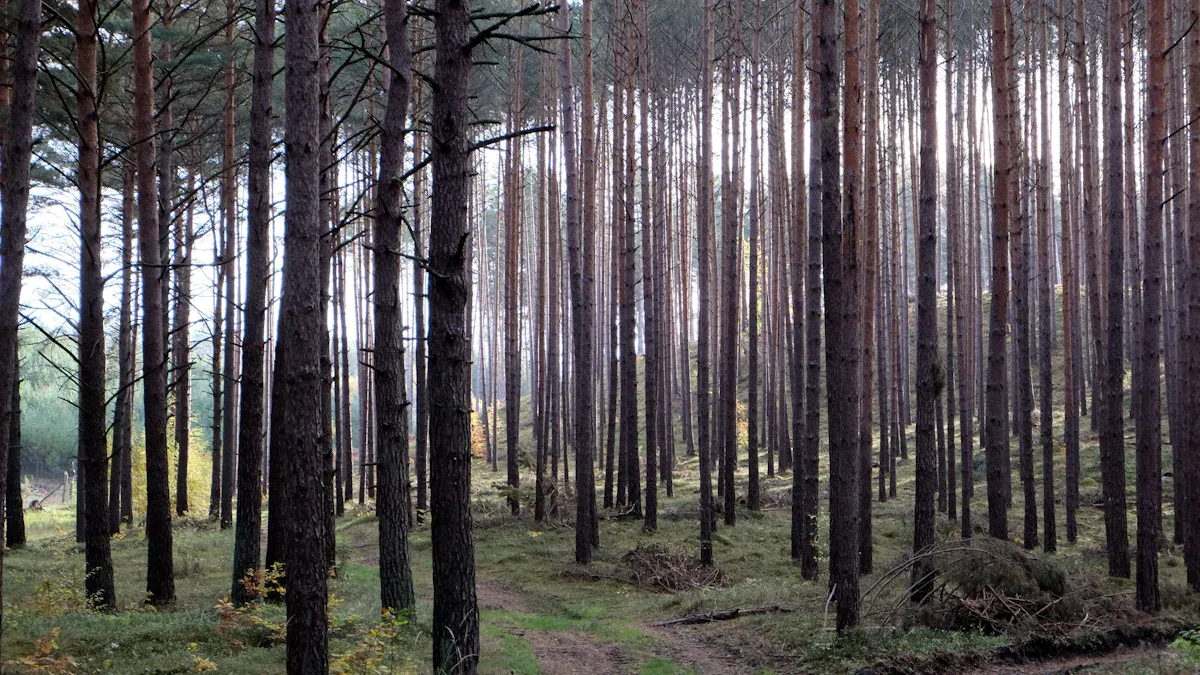
When you look at mgo board sheathing and plywood sheathing, you notice they are made in different ways. Mgo board uses minerals from nature and needs less energy to make. When mgo board dries, it traps carbon dioxide. This helps lower pollution. Plywood comes from wood and needs more energy to produce. Making plywood means cutting trees, gluing layers, and moving wood. These steps make more greenhouse gases. Using plywood can also lead to fewer trees in forests. Mgo board is a greener choice for wall sheathing.
Picking mgo board helps you lower the harm your building materials cause to the environment.
Recyclability
It is important to know what happens to sheathing when you do not need it anymore. Mgo board can be recycled completely. You can reuse it or recycle it instead of throwing it away. Plywood breaks down over time, but it has glues and chemicals that make recycling hard. Some plywood can be composted, but not all types are safe for nature.
Mgo board: You can recycle it and use it again.
Plywood: Breaks down, but may have bad chemicals.
Sustainability Factors
You should think about how mgo board and plywood affect the planet before you choose. Mgo board is safe and made from natural things. It helps buildings get green certifications like LEED and BREEAM. Plywood can come from forests that are managed well, but cutting trees and using chemicals is still a problem. Mgo board does not let out bad gases. Plywood glue can release VOCs that make air inside worse.
Description | |
|---|---|
CCMC 14038_e | Canadian Construction Materials Centre |
ISO 9001 | Quality Management |
EN ISO 1716 | Fire Performance |
EN 13501 | Fire Classification |
ICC-ES ESR-2880 | International Code Council Evaluation |
INTERTEK and ILAC-MRA | International Lab Accreditation |
MSDS | Material Safety Data Sheet |
VOC Report | Volatile Organic Compounds |
Safety Reports | Asbestos, Chloride, Formaldehyde, Radioactivity |
If you want sheathing that is good for the planet and has strong certifications, mgo board is a smart choice.
You can see that mgo board sheathing is better for the environment than plywood sheathing. Mgo board gives you more sustainability, less pollution, and safer ways to get rid of it when you are done.
Suitability for Home Building
Structural Performance
 Structural Performance
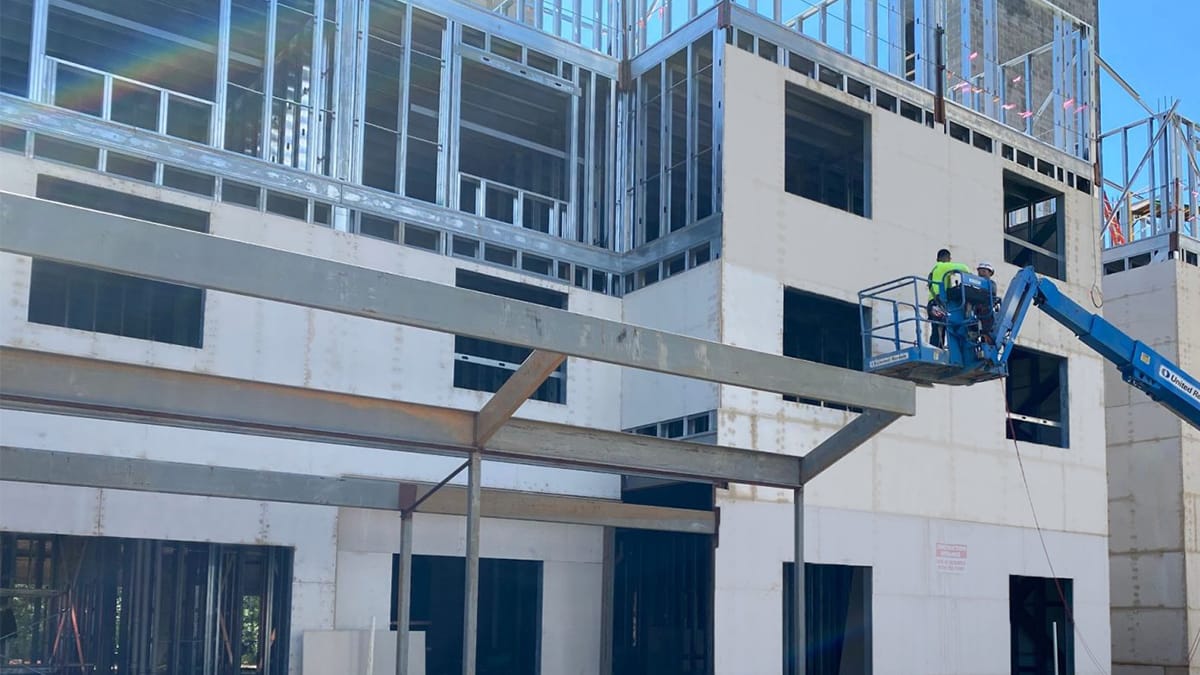
You want your home to stand strong. When you compare mgo board sheathing vs plywood sheathing, you see both materials offer support, but in different ways. Mgo board has a compressive strength between 12 and 25 MPa. It can handle a pulling load of 16 pounds. Plywood ranges from 3 to 45 MPa in compressive strength. Both are not ideal as the main structural element without extra support. You usually use them with framing to add strength and stability.
Material | Compressive Strength (MPa) | Load Capacity (lbs) | Notes |
|---|---|---|---|
MgO Board | 12-25 | 16 (pulling down) | Needs support for structural use |
Plywood | 3-45 | N/A | Not for long-bearing wall structural elements |
You should always use proper framing with wall sheathing. This helps you get the best performance and durability from your building materials.
Application in Wet and Fire-Prone Areas
You may build in places with lots of rain or high fire risk. Magnesium oxide sheathing works well in these spots. Mgo board does not swell or break down when wet. It also resists fire and does not burn easily. Plywood can swell, warp, or even rot if it gets too wet. It also burns faster than mgo board. If you want to protect your home from water and fire, mgo board gives you peace of mind.
Tip: Use mgo board in bathrooms, kitchens, basements, or homes near forests. You get better safety and longer life for your sheathing.
Installation and Handling
You want to finish your project on time and within budget. Mgo board is heavier than plywood. You may need more people or special tools to move and cut it. Plywood is lighter and easier to handle. You can cut plywood with simple tools. Mgo board creates less dust and does not release harmful chemicals during installation. This makes it safer for you and your team.
You should plan for the extra weight and handling needs of mgo board. The extra effort pays off with better durability and lower maintenance costs. When you look at suitability for modern construction, mgo board stands out for its performance, cost, and comparative environmental impact. You get a strong, safe, and green choice for your wall sheathing.
Summary Table: MgO Board vs Plywood
You want to make the best choice for your home. Comparing mgo board and plywood helps you see which sheathing fits your needs. This summary table gives you a clear look at how each option performs in key areas.
Feature | Plywood Sheathing | |
|---|---|---|
Moisture Resistance | Excellent, does not swell | Poor, swells and warps |
Fire Resistance | Non-combustible | Burns easily |
Durability | Very strong, long-lasting | Can break, less durable |
Pest Resistance | No food for pests | Attracts termites, mold |
Environmental Impact | Lower carbon footprint | Uses trees, more emissions |
Upfront Cost | $1.50–$3.00 per sq ft | $4.50–$10 per sq ft |
Maintenance | Minimal, easy to clean | Needs frequent checks |
Installation | Heavier, needs care | Lighter, easy to handle |
Tip: If you build in a wet or fire-prone area, mgo board sheathing gives you better protection and value.
You see that mgo board stands out in many ways. It resists water, fire, and pests. You spend less on repairs and replacements. Plywood sheathing costs more at first and needs more care. If you want strong wall sheathing that lasts, mgo board is a smart pick.
When you choose building materials, think about where you live and what your home needs. Mgo board sheathing works well in tough places. Plywood sheathing is easier to install but may not last as long. You get better long-term results with mgo board. This table helps you compare and decide what fits your project best.
Mgo board sheathing offers top performance for modern homes.
Plywood sheathing works for simple jobs but needs more upkeep.
You can trust mgo board to protect your home for years.
When you compare mgo board sheathing vs plywood sheathing, you see clear differences. Mgo board gives you better fire, moisture, and pest resistance. You spend less on repairs and replacements with mgo board. If you build in wet or fire-prone areas, mgo board sheathing protects your home. Plywood sheathing works for simple projects. Always match your sheathing choice to your needs. Think about long-term value. Mgo board sheathing helps you build safer, stronger homes. You make a smart choice when you pick mgo for your next project.
FAQ
What makes MgO board better for wet areas?
You get strong moisture resistance with MgO board. It does not swell or warp when exposed to water.
Tip: Use MgO board in bathrooms, kitchens, and basements for long-lasting protection.
Can you install MgO board with regular tools?
You can cut and fasten MgO board using standard construction tools. You may need extra help because the boards are heavier than plywood.
Use carbide-tipped blades for best results.
Is plywood sheathing safe for fire-prone regions?
Plywood burns quickly and does not stop fire. You should pick MgO board for homes in wildfire zones.
Note: MgO board offers up to 4 hours of fire resistance.
Does MgO board cost more than plywood over time?
You spend less on repairs and replacements with MgO board. Plywood needs frequent maintenance, which increases costs.
Material | Long-Term Cost |
|---|---|
MgO Board | Lower |
Plywood | Higher |