
30 Dec Understanding MgO Board Moisture Resistance
MgO boards can handle moisture, but they are not waterproof. You need to know what this means for your project. Moisture resistance makes water soak in slower. Waterproofing stops all water from getting through, even if water pushes hard on the surface.
Moisture resistance: Slows water soaking in, works well where there is no water pressure.
Waterproofing: Stops all water, even with pressure, keeps the inside dry.
Magnesium oxide boards are used more in building every year. By 2025, the market will reach 2,153.2 million dollars. Use in LEED-certified projects has gone up by 35%. Government projects using these boards have grown by 80%. When you look for MgO board Moisture & Weather Resistance, remember these facts.
Key Takeaways
MgO boards can keep out moisture, but they are not waterproof. You should use sealants in very wet places for extra safety.
Pick boards with more phosphorus for better water resistance. This makes a layer that protects the board from moisture.
MgO boards work better than gypsum and plywood when wet. They do not get mold and keep their shape.
It is important to install MgO boards the right way. Seal the edges, use fasteners that do not rust, and let boards get used to the room before you put them in.
You need to take care of MgO boards often. Look for cracks, clean them gently, and put on sealants to help them last longer.
MgO Board Moisture & Weather Resistance

How Magnesium Oxide Boards Resist Moisture
You want your building to stay dry. Magnesium oxide boards help with this. Their special chemistry gives strong water resistance. These boards protect against water soaking in. The science starts with how the boards are made. Manufacturers mix magnesium oxide and other minerals. Some boards have extra phosphorus. This makes them resist water better. Phosphorus helps keep magnesium ions stable. It forms a shield that blocks water.
Here is a table showing what affects water resistance:
Evidence Description | Explanation |
|---|---|
Phosphorus Content | Boards with more phosphorus resist moisture better. |
Mechanism of Action | Phosphorus creates a protective layer that blocks water. |
Variability in Performance | Different brands use different recipes, so water resistance can change. |
Chemical Composition | Pure raw materials lower the risk of water problems like crying. |
Physical Properties | Porosity controls how fast water moves through the board. |
Curing Process | Proper curing makes the board stronger and more water resistant. |
MgO board moisture & weather resistance depends on how it is made. Boards with the right mix and curing keep water out better. You should check the manufacturer’s details before you buy.
Porosity, Breathability, and Board Formulation
Porosity means tiny holes in the board. These holes affect water resistance. Magnesium oxide boards have few holes. Water cannot pass through easily. This gives better protection in wet places. Bathrooms and kitchens need this. The table below compares magnesium oxide boards to other materials:
Material Type | Moisture Resistance | Notes |
|---|---|---|
High | Superior water, mold, and mildew resistance. | |
Traditional Materials | Moderate to Low | Often damaged by moisture. |
MgO board moisture & weather resistance is higher than wood or gypsum. Magnesium oxide boards keep their shape and strength when wet. They also resist mold and mildew. This helps keep your home healthy.
Breathability is important too. Magnesium oxide boards let water vapor escape. This stops condensation and mold growth. You want this in humid places like basements. Breathable boards help control humidity. Good ventilation removes moisture.
Board formulation matters. Some boards use magnesium chloride. This absorbs water and can cause corrosion. Modern boards use magnesium sulfate. This resists water better and stops problems like weeping. Look for boards with magnesium sulfate for best water resistance.
Sweating and Hydrothermal Expansion
Sometimes boards sweat. Sweating is when water vapor collects on the surface. Magnesium oxide boards handle this well. Their water resistance keeps water out. You do not see swelling or warping like with wood or gypsum.
Hydrothermal expansion means the board changes size when wet or hot. Magnesium oxide boards change size very little. They pass tough tests like freeze-thaw cycles. The table below shows how they perform:
Property | Test Standard | Result | Requirement | Verdict |
|---|---|---|---|---|
Freeze/Thaw Cycling | ASTM C666 | No disintegration after 25 cycles | No disintegration after 25 cycles | Pass |
MgO board moisture & weather resistance works even in extreme weather. These boards do not break down or lose strength. You can use them where temperatures change a lot.
Magnesium oxide boards help keep indoor air clean. They do not release VOCs. Their water resistance stops mold and mildew. This keeps the air fresh. You want this in tropical climates or green buildings.
New ideas make magnesium oxide boards better. Manufacturers use recycled content and save energy. Boards are lighter and stronger. You get better water resistance and durability.
Remember, MgO board moisture & weather resistance is not waterproof. These boards slow water but do not block it all. Install them the right way and use sealants in very wet areas. Always check for certifications before you buy.
Comparing MgO Boards to Other Materials
 MgO Boards vs. Gypsum Panels
 MgO Boards vs. Gypsum Panels
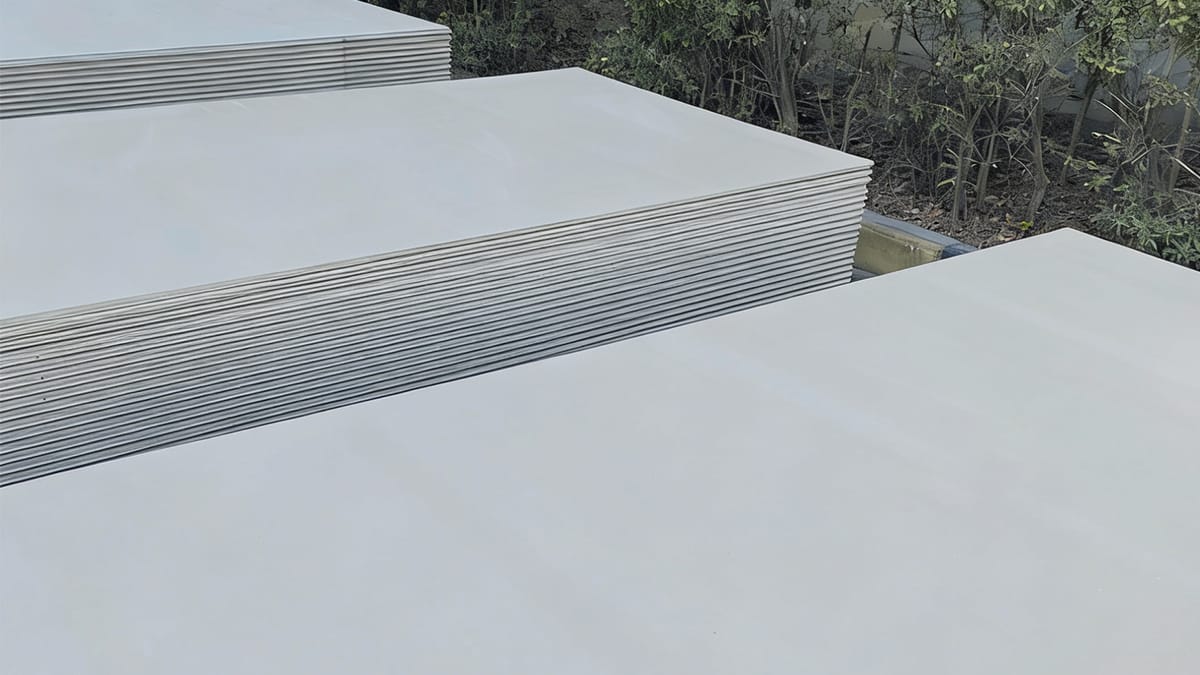
Magnesium oxide boards and gypsum panels are not the same. Magnesium oxide boards keep out water much better. Gypsum panels soak up a lot of water. This makes them swell and bend. Mold can grow on them in wet places. Magnesium oxide boards only take in 0.34% moisture. Gypsum boards take in 3%. The table shows this difference:
Material | Moisture Resistance |
|---|---|
MgO Board | Excellent (0.34% absorption) |
Gypsum Board | Poor (3% absorption) |
Magnesium oxide boards last longer and stay strong. Gypsum panels cost less at first. But you might pay more later for fixing them. Magnesium oxide boards also stop mold and mildew. This helps keep the air inside healthy.
MgO Boards vs. Plywood
Plywood is used a lot in buildings. But it does not do well with water. Plywood can bend, swell, and break when wet. Magnesium oxide boards stay the same shape in humid places. The table below shows how they compare:
Feature | MgO Boards | Plywood |
|---|---|---|
Moisture Resistance | Remains stable, does not warp or swell | Breaks down, warps, and swells in moisture |
Mold Resistance | Inorganic, no nutrients for mold growth | Organic, provides nutrients for mold |
Dimensional Stability | Maintains dimensions under humidity changes | Changes shape and may fail structurally |
Maintenance in Humid Areas | Lower maintenance costs, fewer replacements | Higher maintenance, more frequent replacements |
Health Impact | Resists mold, improving indoor air quality | Can harbor mold, affecting health |
Cost Efficiency | Higher upfront cost, lower long-term costs | Lower upfront cost, higher long-term costs |
Magnesium oxide boards need less fixing and care. Plywood may seem cheap, but it needs repairs in wet places. Magnesium oxide boards protect against water and mold.
MgO Boards vs. Cement Board
Magnesium oxide boards work better than cement boards in wet places. They do not swell or bend when wet. Their alkaline nature stops mold and mildew. Cement boards can work in wet spots. But they can soak up water if not sealed. This can cause trouble in very humid areas.
Magnesium oxide boards are good for the planet. They use natural and recycled materials. They need less energy to make. Cement boards are not as green. They can crack if hit hard. Magnesium oxide boards last longer and are tougher.
Tip: If you want a strong, moisture-resistant, and eco-friendly board, pick magnesium oxide boards. They keep water out and help the air inside stay clean.
Real-World Issues and Limitations
Resistant Properties in Practice
 Resistant Properties in Practice
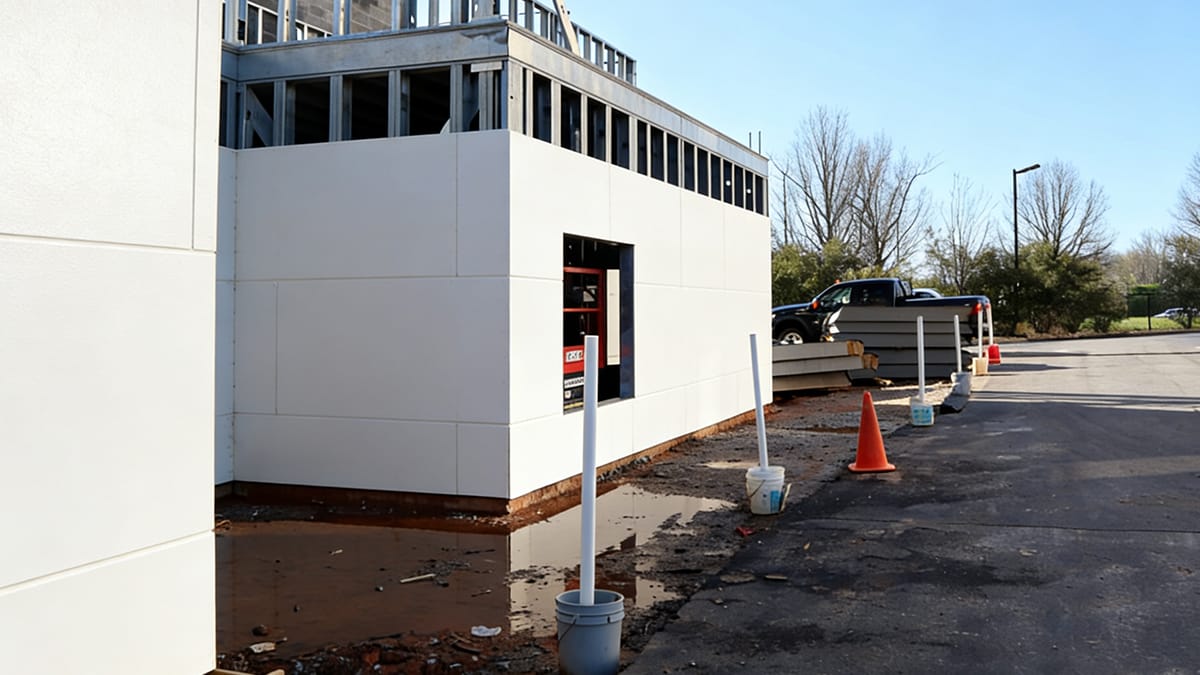
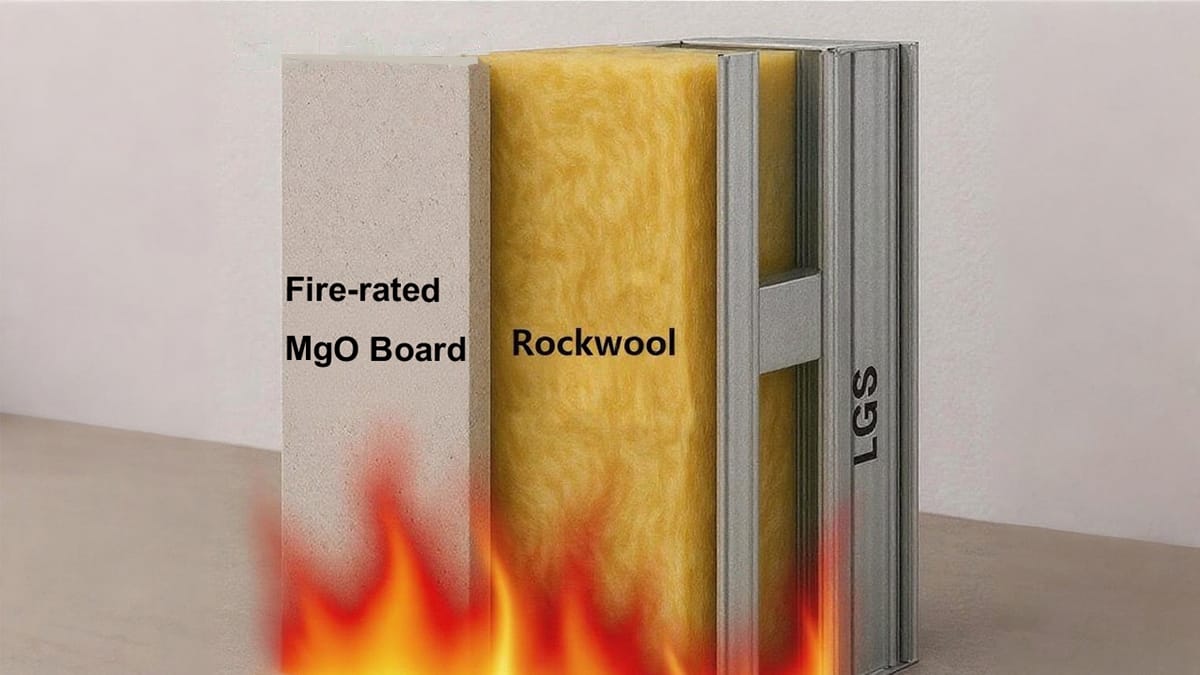
You want your building to last a long time. Magnesium oxide boards are good at stopping water. They work well in rain and humid weather. These boards also do well in freezing and thawing. Builders use them outside because they stay strong. They keep their shape even after getting wet many times. You can trust them for fire safety. They are tough and last a long time. They are a good choice for outdoor projects.
But there are some problems to watch for. Magnesium oxide boards can soak up water from the air. This happens more in places with lots of humidity. Sometimes, water drops form on the board’s surface. These drops can have salts in them. If you use metal screws, the salts can make them rust. Mold can grow if water stays on the boards. In places with bad airflow, boards can hold much more water. This makes them leak salty water. The water can hurt other materials nearby.
Note: Magnesium oxide boards stop water, but they are not waterproof. You need to control moisture to stop problems.
Common Problems and Solutions
You might have some issues with mgo boards in wet places. Here are the most common problems:
Water drops show up on the board’s surface.
Water with lots of salt comes out.
Metal screws and parts can rust.
Mold can grow in wet spots.
Paint or wallpaper can peel off.
Joint compounds may not stick well.
Boards can crack, bend, or swell.
You may pay more to fix things if water is not managed.
You can fix many problems with good habits. Boards like MagPanel® are very good at stopping water. They also keep out mold and mildew. They do not bend, swell, or rot when wet. If you see water drops, check for bad airflow or high humidity. In Denmark, builders saw water drops during wet weather. This caused mold and hurt the boards. You should look at your boards once or twice a year. Check for cracks or chips, especially after storms. Clean boards with a damp cloth or mild soap. Do not use strong cleaners. If joints wear down, add more joint compound and sand smooth. Make sure screws are tight and not rusty. In wet places, put on primer or waterproof sealant every few years.
Installation Tips for Moist Environments
You want the best results when you put in magnesium oxide boards in wet places. Follow these tips to help stop water and mold:
Seal all edges with waterproof sealant to keep water out.
Use screws that do not rust, like 316-stainless steel.
Leave small gaps between boards for changes in temperature.
Protect boards from too much water with membranes and coatings.
Use flashings to move water away from joints.
Here is a table with the best ways to seal joints and edges:
Best Practice | Description |
|---|---|
Waterproof Joint Tape | Use this tape to seal joints in wet areas. |
Elastomeric Filler | Fills gaps and keeps water out. |
Contractors say magnesium oxide boards are easy to cut and fit. You get smooth sides and clean cuts. Some people think the boards are heavy and can break easily. Handle them carefully so they do not crack. Always check for certifications and follow the maker’s instructions.
Tip: Take care of your boards to keep water and mildew out. Look at your boards often, clean them gently, and put on sealants when needed.
Magnesium oxide boards give strong water resistance and last a long time. You need to install and care for them the right way. If you do, you will have a healthy, tough, and water-resistant building.
You now know that magnesium oxide boards resist water, mold, and mildew better than many other options. When you choose MgO boards for wet or humid areas, remember these expert tips:
Carry boards on their side to protect edges.
Let panels adjust to the room for 48 hours.
Use 316-stainless steel fasteners to prevent rust.
Always check for supply and cost before starting your project. For best results, talk with a professional or the manufacturer about your specific needs.
FAQ
Can you use MgO boards in bathrooms or kitchens?
Yes, you can use MgO boards in bathrooms and kitchens. These boards resist moisture and mold. You should seal all edges and joints for best results.
Do MgO boards need waterproofing?
MgO boards resist moisture but do not block water completely. You should add waterproof sealant in very wet areas. This helps protect your walls and floors.
How do you clean MgO boards?
You can clean MgO boards with a damp cloth and mild soap. Avoid strong chemicals. Regular cleaning keeps the boards looking new.
What fasteners work best with MgO boards?
Fastener Type | Rust Resistance | Best Use Area |
|---|---|---|
316-Stainless Steel | Excellent | Wet environments |
Galvanized Screws | Good | Dry areas |
Tip: Use 316-stainless steel screws for bathrooms, kitchens, and outdoor spaces.