
16 Mar Are MgO Boards Truly Fire Safe for Modern Construction
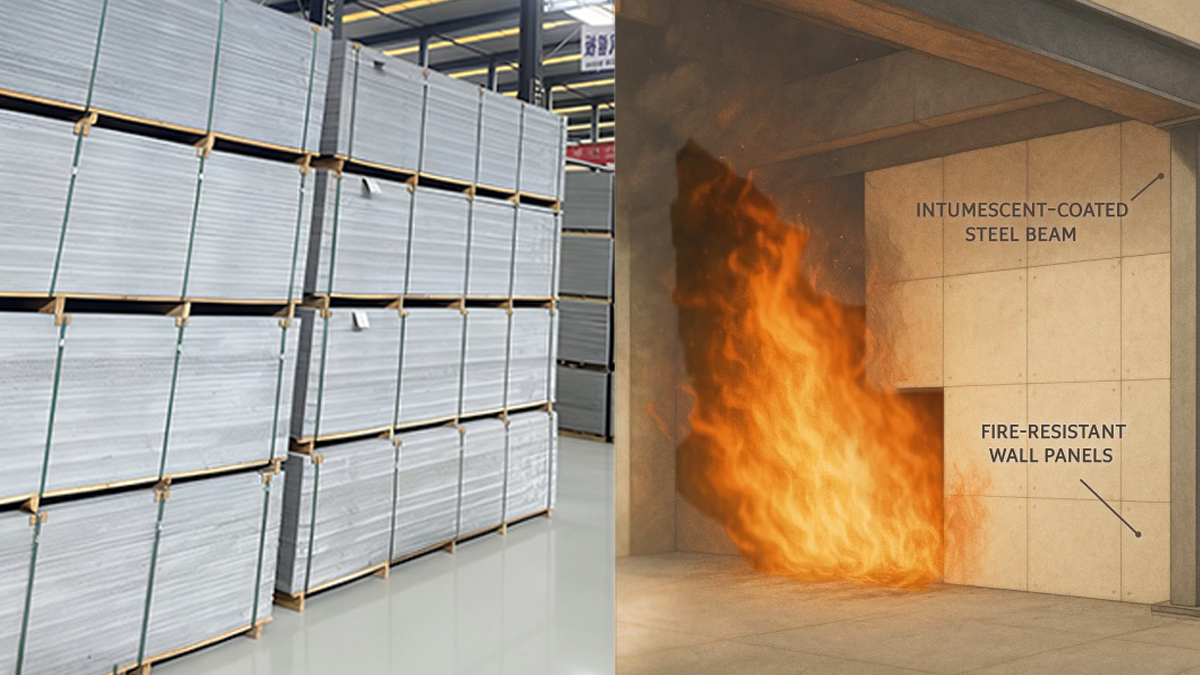
You want your building to be safe from fire, and that’s where MgO board fire safety comes into play. MgO boards help keep you safe by not burning or producing smoke when exposed to fire. Laboratory tests show that MgO boards do not catch fire, making them more effective than other boards.
Material | Fire Resistance Rating | Notes on Fire Resistance |
|---|---|---|
Magnesium Oxide (MgO) Board | Up to 1-2 hours; rated noncombustible (ASTM E136 & E84) | Very good at stopping fire, better than gypsum and fiber cement boards |
Gypsum Board | Fire-resistant but needs more layers or treatments | Not as good at stopping fire unless improved |
Fiber Cement Board | Fire-resistant but not as good as MgO boards | Okay at stopping fire |
OSB | Not fire-resistant; catches fire easily in high heat | Bad at stopping fire |
Using MgO board helps you comply with stringent fire safety regulations.
Key Takeaways
MgO boards do not catch fire or make smoke. This makes them safer than drywall and plywood. Using MgO boards helps you follow fire safety rules. This gives you peace of mind in new buildings. MgO boards can handle very high heat. They keep their shape and stay strong in a fire for up to four hours. If you put MgO boards in the right way, you may pay less for fire insurance. They protect buildings from fire better. Always look for certifications before using MgO boards. Follow the steps for installing them to get the best fire safety.
MgO Board Fire Safety In Modern Construction
 MgO Board Composition And Non-Combustibility
 MgO Board Composition And Non-Combustibility
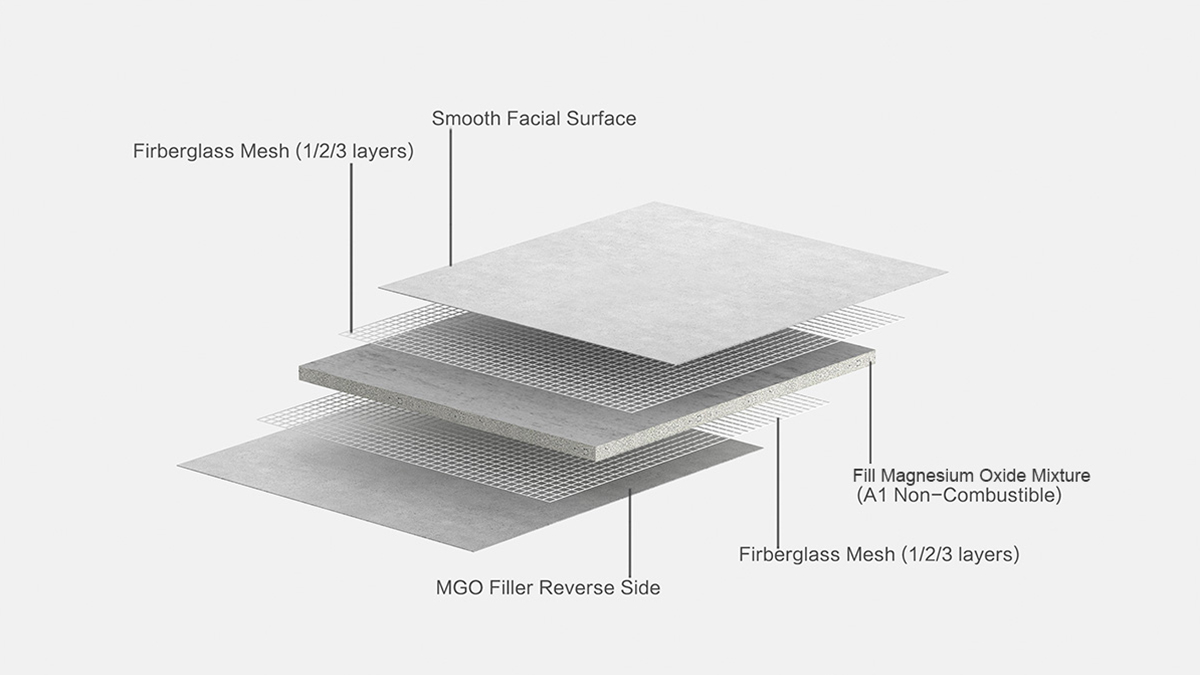
You might wonder why magnesium oxide wallboards are so good for fire safety. The secret is in what they are made of. Magnesium oxide boards use magnesium oxide, magnesium chloride, and other minerals. These materials do not burn, even in very hot fires. Magnesium oxide wallboards will not catch fire or make a fire worse.
Here are the main reasons magnesium oxide boards do not burn:
Magnesium oxide boards use inorganic materials, so they do not start on fire.
Their melting point is above 5,000 degrees Fahrenheit, so they stay solid in strong heat.
Magnesium oxide wallboards do not have organic binders, so they do not make dangerous gases or fumes.
These boards are called A1 non-combustible by European Standard EN 13501-1.
They show zero flame spread and zero smoke in fire tests.
When you pick magnesium oxide wallboards, you get a material that keeps its shape and does not melt or burn. This is why people trust mgo board fire safety in modern buildings.
How MgO Boards Enhance Fire Safety
You need building materials that keep people and property safe in a fire. Magnesium oxide boards help in many ways. First, they absorb heat instead of spreading it. When fire hits magnesium oxide wallboards, they react with water to make magnesium hydroxide and water vapor. This reaction cools the surface and slows the fire. You get more time to leave safely, which is very important.
Magnesium oxide boards make almost no smoke or toxic gases. Smoke and fumes can be more dangerous than flames. In hospitals, schools, and homes, you want clean air for everyone. Mgo board fire safety means you can trust the air to stay safe, even in a fire.
Here is a quick comparison to show the benefits:
Feature | MgO Boards | Other Materials |
|---|---|---|
Combustibility | Non-combustible | Combustible |
Smoke Production | Very little smoke | Varies |
Toxic Gas Emission | None | Possible |
Fire Resistance | High | Lower |
Safety for Occupants | High | Varies |
Magnesium oxide wallboards give strong fire resistance and do not burn or melt. They do not make dangerous fumes. This makes mgo board fire safety a smart choice for any building where you want the best protection.
Tip: If you use magnesium oxide boards in walls, ceilings, or floors, you help stop fire from spreading fast. This gives firefighters more time and keeps people safer.
You can trust magnesium oxide wallboards for mgo board fire safety in schools, hospitals, offices, and homes. Their good results in fire tests and real buildings show why they are a top choice for modern construction.
MgO Board Fire Resistance Evidence
Structural Performance In Fire
 Structural Performance In Fire
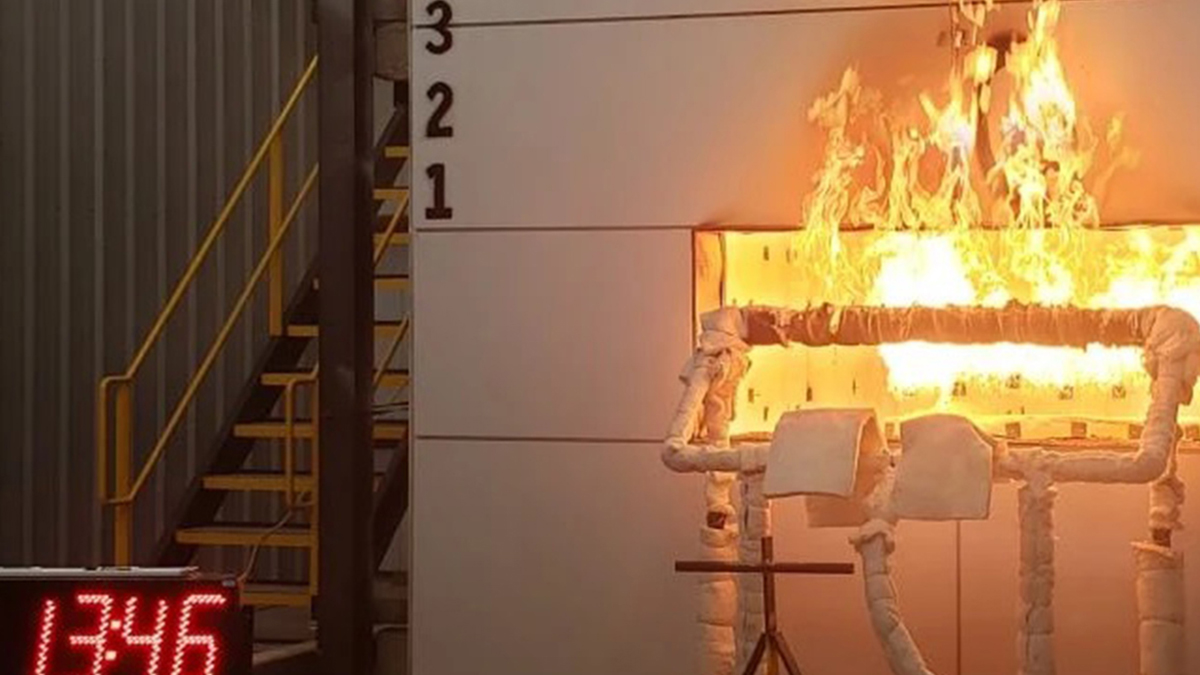
You want your building to stay strong in a fire. Magnesium oxide boards work well when there is fire. MgO boards do not bend or crack in high heat. They do not fall apart when it gets hot. Tests show MgO boards keep their shape for hours in fire. MgO panels can last two to three hours in fire. You can trust MgO boards to stay strong in long fires. Gypsum drywall loses strength when water inside dries up. MgO boards stay solid and do not break. You do not need to worry about bad stuff coming out or the board falling apart.
Material | Fire Resistance Characteristics | Structural Integrity During Fire Exposure |
|---|---|---|
MgO Boards | Non-combustible, high fire ratings, keeps shape in heat | Great at not bending, cracking, or falling apart |
Gypsum | Not as good at fire resistance, can break in heat | May get weak and let out bad substances |
MgO boards are much better than gypsum in fire. You can feel safe knowing your walls will not break fast in a fire.
Fire Ratings And High-Temperature Endurance
You need to know how MgO boards do in fire tests. MgO boards go through many tests to check fire safety. These tests include ASTM E136, ASTM E84, EN 13501-1, and Canadian rules. MgO boards get top fire ratings in these tests. They are called noncombustible and get Class A ratings. This means they are the best at stopping fire.
Certification / Standard | Purpose / What It Tests | Typical Fire Rating Achieved by MgO Boards |
|---|---|---|
ASTM E136 | Checks if material does not burn | Noncombustible |
ASTM E84 | Measures how fast fire spreads | Class A rating (best) |
EN 13501-1 | European fire test | Class A1 (noncombustible) |
CAN/ULC S114 and ULC S135 | Canadian fire safety tests | Meets noncombustible rules |
MgO boards also do well in tests for how long they last in fire. You can use them in walls and ceilings that need fire safety. MgO boards give fire resistance from 30 minutes up to 4 hours. This depends on how thick they are and how you put them in. Here is a table comparing fire resistance and other things:
Material Type | Fire Resistance Duration | Combustibility | Smoke/Toxic Fume Emission |
|---|---|---|---|
Magnesium oxide boards | 1 to 4 hours | Non-combustible | None |
Gypsum board | 0.5 to 2 hours | Combustible | Low |
Cement board | 1 to 2 hours | Non-combustible | None |
Plywood | 0 hours | Combustible | Yes |
MgO boards have high fire resistance and do not make smoke or bad fumes. This makes them safer for walls and ceilings that need fire safety.
MgO boards can take very high heat before breaking. You can count on MgO boards to stay strong up to 1,472°F (800°C). Some tests show MgO panels can handle over 1,000°C. You get a board that does not break easily in extreme heat.
Material | Maximum Temperature (°F) | Maximum Temperature (°C) |
|---|---|---|
MgO Board | 1,472 | 800 |
Note: MgO boards get a 0/0 rating on the ASTM E84 / UL 723 Flame Spread and Smoke Developed Index. This means they do not spread fire or make smoke. This is important for fire safety.
You can see fire resistance duration in the chart below:
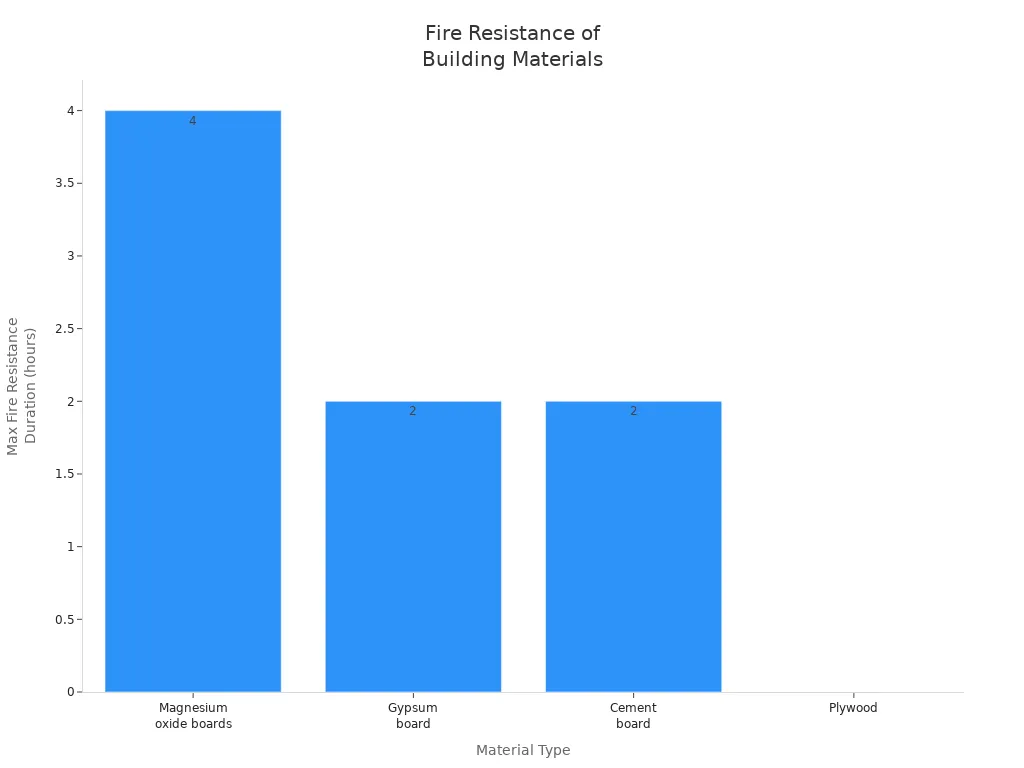
MgO boards do better than plywood and gypsum in fire tests. You get more protection and better safety for your building. MgO boards meet strict fire safety rules and tests. This makes them a smart choice for modern buildings.
You can trust MgO boards for walls, ceilings, and floors that need fire safety. They pass many tests and get high fire ratings. You get strong fire resistance and good performance, which helps keep people safe.
MgO Board Fire Safety vs Traditional Materials
MgO Board vs Drywall
You want to know how MgO boards compare to drywall when it comes to fire safety. MgO boards give you better protection because they do not burn. Drywall can slow down fire, but it does not last as long in high heat. MgO boards can handle much higher temperatures and do not let flames spread.
Here is a table that shows the difference:
Material | Maximum Temperature Resistance | Flame Spread Index |
|---|---|---|
MgO Boards | Up to 1200°C (2192°F) | 0 |
Gypsum Drywall | Fails at 400°C (752°F) | Higher than 0 |
You can see that MgO boards stay strong at much higher temperatures. They do not let fire move across their surface. Drywall breaks down faster and can let fire spread.
If you use MgO boards, you may also save money on insurance. Insurance companies like buildings with better fire protection. They often give lower rates when you use materials that do not burn. MgO boards can last two to three hours in a fire without losing strength. This makes your building safer and can help you pay less for insurance.
MgO boards can lower insurance costs because they improve fire safety.
You get more time to escape during a fire.
MgO Board vs Plywood
You might wonder how MgO boards perform compared to plywood. Plywood burns easily and adds fuel to a fire. MgO boards do not burn at all. In real fires, MgO boards have shown that they keep their shape and stop fire from spreading. For example, in a hotel fire in Los Angeles, MgO boards used in walls and ceilings did not catch fire or break down. Plywood would have burned and made the fire worse.
If you want the best fire safety for your building, MgO boards are a smart choice. They protect people and property better than drywall or plywood.
Code Compliance And Real-World Use
Building Codes And Certifications
MgO boards follow strict rules for fire safety in new buildings. Many places around the world say these boards are safe to use. You can see how different rules rate MgO boards in the table below:
Standard | Classification | Region |
|---|---|---|
EN 13501-1 | Class A1 noncombustible | Europe |
CAN/ULC S114 | Fire-resistance standard | Canada |
ULC S135 | Fire-resistance standard | Canada |
You need to check for the right certificates before using MgO boards. These certificates prove the boards pass important fire safety tests. Here are some main certificates you should look for:
Certification | Description |
|---|---|
CE Marking | Shows the board meets European safety rules |
ISO 9001 | Quality management system certificate |
EN ISO 1716 | Fire performance testing rule |
EN 13501 | Fire classification rule |
ICC-ES ESR-2880 | International Code Council report |
CCMC 14038_e | Canadian Construction Materials Centre certificate |
BBA | British Board of Agrément certificate |
Kiwa BDA | European technical approval certificate |
INTERTEK and ILAC-MRA | International lab certificate for trusted test results |
MSDS | Material safety data sheet |
VOC Report | Volatile organic compounds report |
Asbestos, Chloride, Formaldehyde, and Radioactivity Reports | Safety reports on dangerous materials |
Always check that your MgO boards have these certificates. This helps you follow the rules and gives your building strong fire safety.
Installation And Project Examples
You help keep fire safety strong by installing MgO boards the right way. Good installation keeps the boards non-combustible and fire-resistant. Here are some tips for putting MgO boards in place:
Use screws or nails that do not rust to hold the boards. This keeps the boards safe during a fire.
Cover all joints with fiberglass mesh tape and the right compounds. This stops cracks and keeps fire from moving.
Follow the maker’s instructions for spacing and support. This helps you follow the rules and keeps the building safe.
Many new buildings use MgO boards for walls, ceilings, and floors. You can find MgO boards in schools, hospitals, and apartments. Builders pick MgO boards because they want strong fire safety and easy rule-following. Insurance companies may lower your fire insurance if you use MgO panels that do not burn. These boards help your building stay strong in a fire and give people more time to leave safely.
Tip: Always check local rules before starting your project. This helps you follow the rules and gives your building the best fire safety.
Limitations And Concerns
Cost And Availability
 Cost And Availability
You may notice that MgO boards cost more than regular drywall at first. The price per sheet is higher, especially when you compare it to standard gypsum boards. Here is what you need to know:
MgO boards have a higher upfront cost than traditional fire-rated drywall.
Over time, you can save money because MgO boards last longer and need less repair.
The price of MgO boards is close to specialty drywall and often less than cement boards.
You may also find that MgO boards are not available everywhere. Some regions have fewer suppliers. This can make it harder to get enough boards for big projects. The market for MgO boards is growing fast, so you may see more choices soon.
Evidence Type | Details |
|---|---|
Fire Resistance | MgO boards achieve Class A fire ratings and can withstand temperatures over 1200°F. |
Regulatory Compliance | More building codes now require non-combustible materials, so demand for MgO boards is rising. |
Market Growth | The market for MgO boards is expected to grow from $928 million in 2021 to $2.5 billion by 2033. |
You help create safer fire-resistant walls when you choose MgO boards, but you need to plan for cost and supply.
Installation Challenges
You need to know about some challenges when you install MgO boards for fire-resistant walls. These boards can absorb moisture from the air. If you do not install them the right way, water can cause metal parts in your walls to rust. You must use special tools and skills to cut and fit MgO boards. Not all workers know how to do this.
Challenge | Description |
|---|---|
Moisture Absorption | MgO panels can take in too much water, which may cause metal parts in walls to corrode. |
Installation Skill Requirements | You need special tools and training to install MgO boards for fire-resistant walls. |
Material Compatibility Issues | MgO boards may not work well with other materials in walls, which can cause problems. |
You must seal all edges and joints in your walls to keep moisture out. If you do not, the boards can lose their fire resistance. You also need to check that MgO boards match the other materials in your walls. If you mix materials that handle water differently, you may get cracks or weak spots in your fire-resistant walls.
Note: Installation mistakes, especially in humid places, can cause MgO boards to break down. This can lower the fire safety of your walls.
Potential Drawbacks
You should think about some long-term issues with MgO boards in fire-resistant walls. These boards can pull in water from the air, especially in damp places. Over time, water can cause mold to grow and metal parts in your walls to rust. In some cases, water droplets with chloride can form on the surface of the boards. This can damage your walls and lower fire safety.
Research shows that many MgO boards, especially those made with magnesium oxychloride, can have problems in wet places. In Denmark, two-thirds of tested boards showed damage from moisture in less than two months. This means you need to check your walls often if you use MgO boards in humid areas.
You also need to know that MgO boards may not work well with all other building materials. If you use them with materials that do not handle water the same way, your walls can get weak. You must follow the right steps to keep your fire-resistant walls strong and safe.
Tip: Always use the right installation methods and check your walls for signs of water damage. This helps keep your fire-resistant walls safe for a long time.
You want your building to be safe from fire. MgO boards protect well because they do not burn or make smoke. You can look at the table to see how they compare to other materials.
Feature | MgO Boards | Traditional Materials |
|---|---|---|
Fire Resistance Rating | Up to 4 hours; exceptional protection | Wood and drywall need extra help |
Combustibility | Non-combustible | Wood spreads fire |
Smoke and Fume Emission | Very low; no toxic fumes | Wood releases harmful chemicals |
Thermal Stability | Excellent in high heat | Moderate to low |
MgO boards may cost more and need special skills to install. But you get better fire safety and feel safer with MgO boards.
FAQ
What makes magnesium wall boards safer than regular drywall in a fire?
Magnesium wall boards are safer in a fire. They do not burn or make smoke. These boards stay strong in high heat. You can trust them for safe buildings.
Can magnesium wall boards handle high-temperature performance during a fire?
Magnesium wall boards work well in high heat. They stay strong when flames touch them. Magnesium oxide boards do not melt or break. You get more time to escape.
Are magnesium wall boards a good fire-resistant alternative to plywood?
Magnesium wall boards are safer than plywood. Plywood burns fast in a fire. Magnesium oxide boards do not catch fire. They protect people and property better.
How do magnesium wall boards perform with moisture and mold resistance?
Magnesium wall boards resist moisture well. They do not soak up water easily. Magnesium oxide boards help stop mold from growing. You get better moisture and mold protection than drywall.
Where can you use magnesium wall boards for the best fire safety?
You can use magnesium wall boards in schools, hospitals, and homes. They work well for walls, ceilings, and floors. Magnesium oxide panels give strong fire safety in many places.