
10 Feb How MgO Boards Are Shaping Sustainable Construction in 2026
You can see how mgo board changes building in 2026. Mgo board helps the environment by taking in CO₂. This makes it important for green building. The magnesium oxide board market gets bigger. It goes from $1.96 billion in 2025 to $2.11 billion in 2026. The market grows by 7.5% each year. More people want fire-resistant and moisture-resistant materials. Mgo board is better than other green building materials. It cuts carbon emissions by 73% compared to Portland cement. The table below shows mgo board uses less energy. It also has a lower carbon footprint.
Material Type | Carbon Footprint (kg CO₂ eq/m²) | Energy Usage (% of Portland cement) |
|---|---|---|
MgO Boards | 37.3 | 25-50% |
Portland Cement Concrete | Higher | 100% |
Key Takeaways
MgO boards help lower carbon emissions a lot. They cut emissions by 73% compared to Portland cement. These boards do not catch fire easily. They also do not get damaged by water. This makes them good for many building uses. Builders use them for walls and roofs. MgO boards last a long time. They do not need much fixing. This can save money over time. You might get back 89% of what you spend. Recycling MgO boards helps reduce waste. It also helps protect the environment. They can be used again without making bad emissions. Picking MgO boards matches green building rules. Builders can earn LEED points. This helps make the planet healthier.
MGO Board Basics And Role In Construction
 What Is An MGO Board
 What Is An MGO Board
You can find mgo board in many new buildings. Magnesium oxide boards use natural minerals. They are made with magnesium oxide, perlite, fiberglass mesh, magnesium chloride or sulfate, sawdust, and non-woven fabric. Each part helps the board work well in building. The table below shows how each material helps:
Component | Function |
|---|---|
Perlite | Makes the board lighter, keeps heat in, and helps stop fires. |
Fiberglass Mesh | Makes the board stronger and stops cracks. |
Magnesium Oxide | Gives the board strength to hold weight. |
Magnesium Chloride/Sulfate | Holds all the parts together. |
Sawdust | Makes the board lighter. |
Non-woven Fabric | Makes the surface smooth and helps parts stick together. |
People make mgo board by mixing the materials into a wet mix. Then, they shape the board and add fiberglass mesh. Workers cut the boards to the right size. After that, the boards dry and harden. Inspectors check the boards to make sure they are good.
Key Properties And Uses
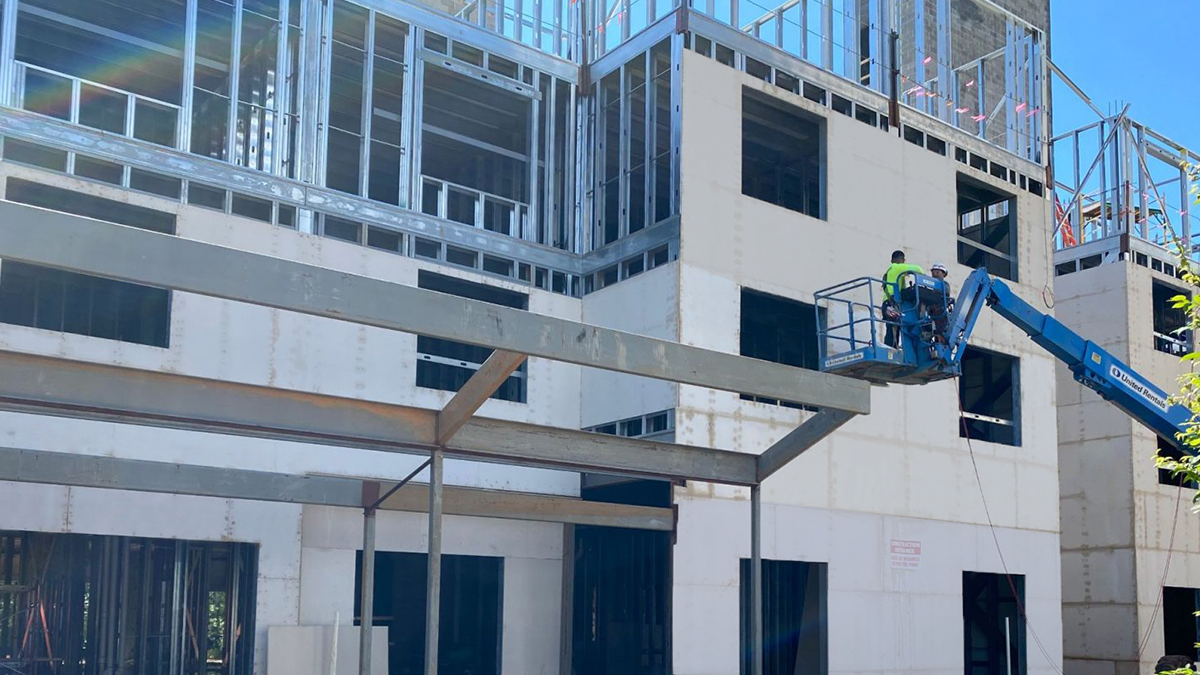
Mgo board is special because it is strong and useful. It has 50-60% magnesium oxide, fibers, perlite, and fillers. These things make the board strong and keep heat in. Mgo board can handle fire up to 1200°C and does not make toxic smoke. It only takes in 0.34% water, so it does not swell or get moldy. It keeps rooms warm or cool and saves energy. The board is thick, so it blocks noise. This makes it good for hotels, offices, and studios. People use mgo board for walls, ceilings, floors, roofs, and outside covers.
Why MGO Boards Matter In 2026
Mgo board is more important in 2026. It helps builders make green buildings. Mgo board helps get LEED points and has a small carbon footprint. Making mgo board is good for the environment. The board lasts a long time because it does not burn, get wet, or get bugs. You can recycle mgo board when you are done using it. This helps the planet. Builders use mgo board to follow new green building rules. Using mgo board early shows you care about the earth. It also matches new building standards. Choosing mgo board helps protect nature and supports green building.
Environmental Impact Of MGO Boards
Low-Carbon And Carbon-Negative Production
Mgo board helps the climate by taking in more CO₂ than it makes. This is called carbon-negative production. Magnesium oxide reacts with CO₂ from the air. It forms magnesium carbonate and stores carbon. One ton of board can take in about 0.5 tons of CO₂. Using mgo board helps fight climate change.
You can look at the table below to compare carbon footprints:
Production Method | GHG Emissions (kg CO₂eq/kg MgO) | Notes |
|---|---|---|
Brine (bischofite) | 2.7 – 5.6 | Lower carbon footprint due to less fuel needed |
Serpentinite Ore | 3.8 – 7.5 | Higher emissions due to less efficient fuel use |
Magnesite Calcination | 3.1 – 4.5 | Medium emissions with a one-stage process |
Brine-based production has a lower carbon footprint. New calcination uses natural gas, not coal. This change lowers carbon emissions and helps nature. Using mgo board in building projects can cut the carbon footprint by up to 70%. The board is light, so moving it uses less fuel. Mgo board is good for the planet and does not fill up landfills.
CO2 Emissions And Air Quality
Mgo board helps keep the air clean in buildings. It does not release toxic gases. You do not need to use chemical treatments. This means no harmful chemicals in the air. Mgo board does not have formaldehyde or asbestos. These chemicals are bad for health and nature. The board stops mold because it does not soak up water. People can breathe better in buildings with mgo board.
Mgo board gives off very few harmful substances.
No need for chemical treatments that make toxins.
The board does not release toxic gases.
It does not have formaldehyde or asbestos.
It keeps out mold and keeps the air clean.
Choosing mgo board helps the climate and makes buildings safer.
Recycling And Waste Management
You can recycle mgo board to help the earth. Recycling mgo board means less waste and lower costs. Boards stay out of landfills and save resources. Recycling does not make carbon dioxide. This is better for the environment than making new boards. Recycled materials cost less for building.
Here are the steps for recycling mgo board:
Collection: Take boards from sites and sort them.
Cleaning: Remove paint and cladding to keep boards good.
Crushing and Grinding: Break boards into small pieces.
Separation: Take out bad stuff with magnets.
Reworking: Mix old and new material to make new boards.
Process Step | Description |
|---|---|
Collection | MgO boards are gathered from building or demolition sites and segregated from other debris. |
Cleaning | Impurities such as paint and cladding are removed to ensure quality. |
Crushing and Grinding | The boards are ground into smaller pieces for easier processing. |
Separation | Ground material is separated to eliminate contaminants using methods like magnetic separation. |
Reworking | Refined MgO particles are combined with fresh material to create new boards or products. |
Recycling mgo board helps the earth and saves resources. It also makes buildings better for the future. You help nature and keep waste out of landfills.
Performance And Environment Advantages
Fire And Moisture Resistance
 Fire And Moisture Resistance
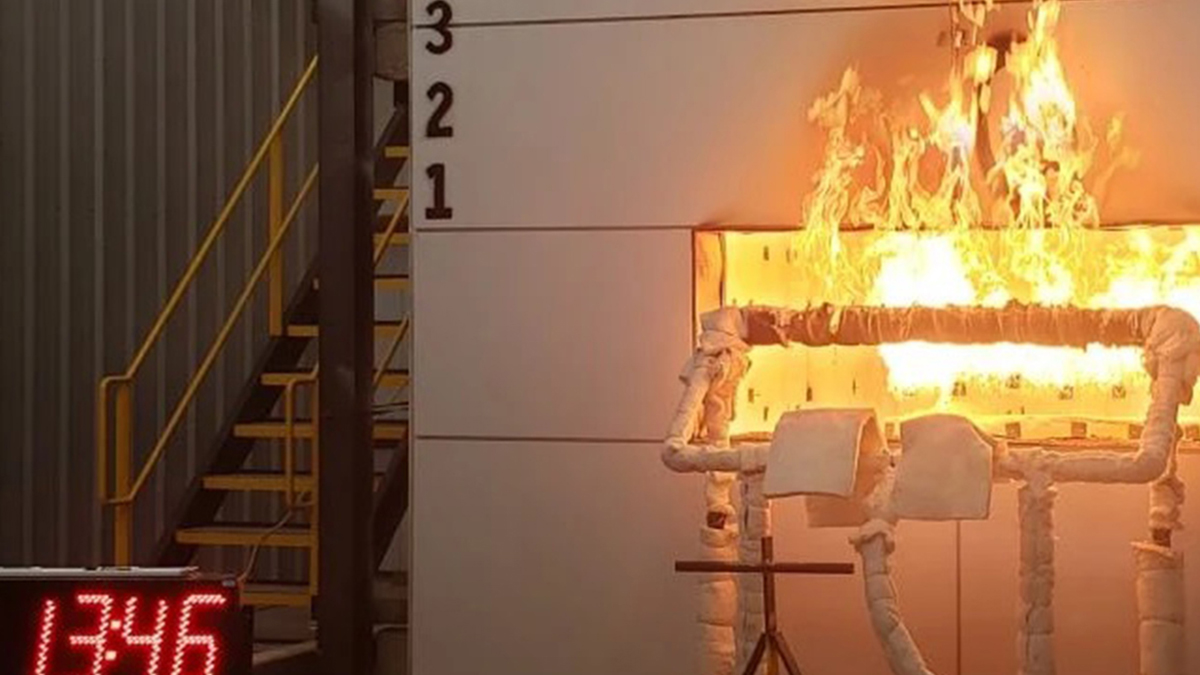
You can trust mgo board to protect your building from fire. The board does not burn or help fire spread. It holds the highest fire resistance rating, A1 non-combustible. You see this in the table below:
Material | Fire Resistance Rating | Notes |
|---|---|---|
MgO Boards | A1 non-combustible | Highest level for not burning, very safe for fire-resistant sheathing. |
Gypsum Board | Slows down fire | Less effective in very hot fires compared to MgO boards. |
Cement Board | Stops fire | May crack or break under high heat. |
Plywood | Can catch fire | Helps fire spread quickly. |
OSB | Can catch fire | Similar to plywood in fire behavior. |
You get stronger protection with mgo board than with gypsum or cement boards. Plywood and OSB can catch fire and make it worse. Mgo board also resists moisture. You do not see water droplets on the board after years in humid places. Boards A and D showed no moisture droplets after 840 days in high humidity. MOS boards did not cry after over two years at 30 °C and 90% RH. You keep your building safe from mold and water damage.
Durability And Longevity
You want your building to last. Mgo board gives you a long lifespan. Studies show that mgo board can last up to 100 years. You do not need to repair or replace it often. The board stays strong and does not crack or break easily. You save money and time because you do not worry about frequent repairs. Mgo board keeps its shape and strength even in tough conditions.
| Estimated Lifespan | Up to 100 years | Shorter life, more repairs needed |
Insulation And Energy Efficiency
You improve energy efficiency in your building with mgo board. The board uses composite materials like magnesium oxide and magnesium chloride. These materials give the board high compressive and tensile strength. You get better safety and durability. Mgo board offers superior fire resistance and flexibility. You also benefit from thermal insulation. The board keeps rooms warm in winter and cool in summer. You use less energy for heating and cooling. Mgo board is recyclable and biodegradable. You help the planet and save money on energy bills. You see faster build times and better quality control when you use mgo board in prefabricated construction.
Tip: Choose mgo board for your building to get strong fire protection, moisture resistance, long life, and energy savings.
Economic Value And Lifecycle
Cost Savings Over Traditional Materials
You might notice that mgo board costs more at the start of your building project. Over time, you save money because mgo board resists fire, water, and damage. You do not need to spend much on repairs. The board is light, so you pay less for labor during installation. Plywood may seem cheaper at first, but it can warp or get damaged by moisture. You will need to fix or replace it more often, especially in humid places. Mgo board lasts longer and keeps your building strong. Over ten years or more, you spend less on repairs and energy bills. The board gives you better thermal insulation, which lowers your utility costs. Industry data shows that most building expenses come from maintenance and operations, not just construction. Mgo board can give you up to an 89% return on investment because you do not need to fix it as much.
Maintenance And Replacement
You keep your building in good shape with simple care for mgo board. You only need to clean the surface with a damp cloth and vacuum corners to stop dust. Check the boards each month in busy areas. For homes or quiet spaces, check every few months. If you see dents or scratches, fix them right away. This keeps the board looking new and working well. You do not need to replace mgo board often. The board stays strong for many years, so you do not worry about big repairs.
Clean with a damp cloth and vacuum.
Inspect monthly in busy places.
Repair dents or scratches quickly.
Replace boards only when needed.
Lifecycle Assessment
You get a long-lasting solution when you choose mgo board for your building. The board can last up to 100 years. You do not need to replace it often, which saves resources. Mgo board also helps the environment because you can recycle it at the end of its life. You use less energy for heating and cooling because of its strong thermal insulation. This means you save money and help the planet. Over the whole life of your building, mgo board gives you strength, safety, and savings.
Comparing Sustainable Building Materials
MGO Board Vs. Traditional Materials
 MGO Board Vs. Traditional Materials
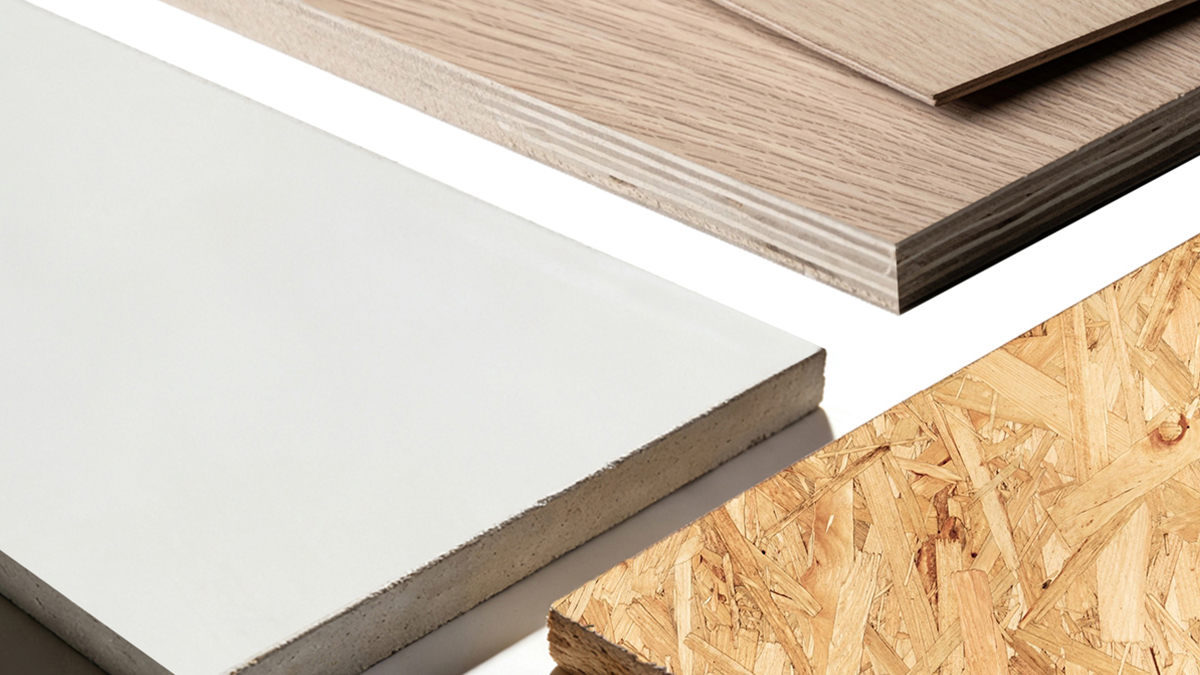
Mgo board is different from gypsum and cement boards. It uses natural minerals and materials you can recycle. Gypsum boards use chemicals and are not as good for the earth. Cement boards need more energy and make more carbon emissions. If you pick mgo board, you help the planet.
The table below shows how mgo board and gypsum boards are not the same:
Feature | MgO Boards | Gypsum Boards |
|---|---|---|
Eco-Friendliness | Made from natural, recyclable materials | Less eco-friendly; uses chemical additives |
Fire Resistance | Inherently fire-rated and non-combustible | Limited fire resistance, degrades under prolonged exposure |
Water Resistance | Highly resistant, does not swell or rot | Susceptible to water damage, promotes mold growth |
Durability | Excellent strength and impact resistance | Softer and more fragile, easily dented |
Mgo board is better at stopping fire. It does not burn or help fire spread. Gypsum boards can break in a fire. Mgo board stays strong in wet places. Gypsum boards get bigger and grow mold when wet. You want your building to last a long time. Mgo board helps your building stay strong.
Environmental And Performance Superiority
You make a smart choice with mgo board. The board saves energy and helps the environment. Mgo board needs less energy to make than cement boards. You make less carbon emissions when you use mgo board. The board lasts longer and does not need many repairs. You save money over time.
You can see real examples of mgo board in buildings:
In Europe, builders use mgo board for modular buildings. The board follows strict safety rules and keeps people safe.
In Australia, mgo board is used under floors. It helps buildings stay strong in wet weather.
In the Middle East, mgo board panels protect buildings from fire. The board meets local safety rules.
The table below shows how mgo board works in real projects:
Project Type | Location | Key Features | Outcome |
|---|---|---|---|
Multi-family housing | Coastal region | Buildings withstood extreme weather, maintaining structural integrity over time. | |
Commercial building | Urban area | Fire-rated MGO boards, compliance with fire safety regulations | Received accolades for safety features and energy efficiency. |
Educational institution | School renovation | Enhanced fire resistance, eco-friendly attributes | Improved safety and aligned with sustainability goals. |
In Europe, mgo board is used in panels and wet-area modules. In Australia, builders use mgo board under floors. It makes building faster and keeps floors dry. In the Middle East, mgo board is used for outside walls and inside walls. The board helps stop fires and saves money.
Tip: Pick mgo board for your next building. You get strong fire protection, water resistance, and long life. You help the earth and save money.
Implementation And Compliance
Installation And Handling
When you put mgo board in your building, be careful. The boards can break if you do not handle them gently. Use diamond-tipped or thin carbide blades to cut the boards. Measure carefully so you do not make mistakes. If you cut wrong, you might have to spend more money to fix it. You can save time by having boards cut at the factory. Good planning and working together help make installation easier. You should manage your materials so you do not waste them. If you order boards from far away, shipping costs can get higher. Planning ahead helps your building project stay on track.
Common challenges during installation:
Boards can crack or break if you are rough.
Labor costs go up when you need careful work.
Delays happen if boards are hard to find nearby.
Teamwork helps stop mistakes.
Tip: Always check your layout and measurements before you start putting in mgo board.
Supply Chain In 2026
In 2026, the supply chain for mgo board changes. There are problems with quality and how well the boards work. Some boards do not last long, especially in wet places. This happens because of different raw materials and ways of making the boards. It can be hard to trust the quality of mgo board for your building. Some builders and rule-makers wait before using these boards for big jobs. You should pick suppliers who use strong quality checks. This helps you get good boards for your building.
Certifications And Standards
You need to look at certifications when you pick mgo board for your building. Certifications show the boards are safe and good quality. In 2026, there are many third-party certifications for mgo board. These help you trust the boards and follow building rules.
Important certifications and standards:
CE Marking (Europe)
ISO 9001 (Quality Management)
EN ISO 1716 (Fire Performance)
EN 13501 (Fire Classification)
ICC-ES ESR-2880 (International Code Council Evaluation Service)
CCMC 14038_e (Canadian Construction Materials Centre)
BBA (British Board of Agrément)
Kiwa BDA (European Technical Approval)
INTERTEK and ILAC-MRA (International Laboratory Accreditation)
Material Safety Data Sheet (MSDS)
VOC Report (Volatile Organic Compounds)
Asbestos, Chloride, Formaldehyde, and Radioactivity Reports
When you choose mgo board with these certifications, your building is safer and better for the earth. You also follow local and world rules.
Future Of MGO Boards And Environment
Innovations And Applications
 Innovations And Applications
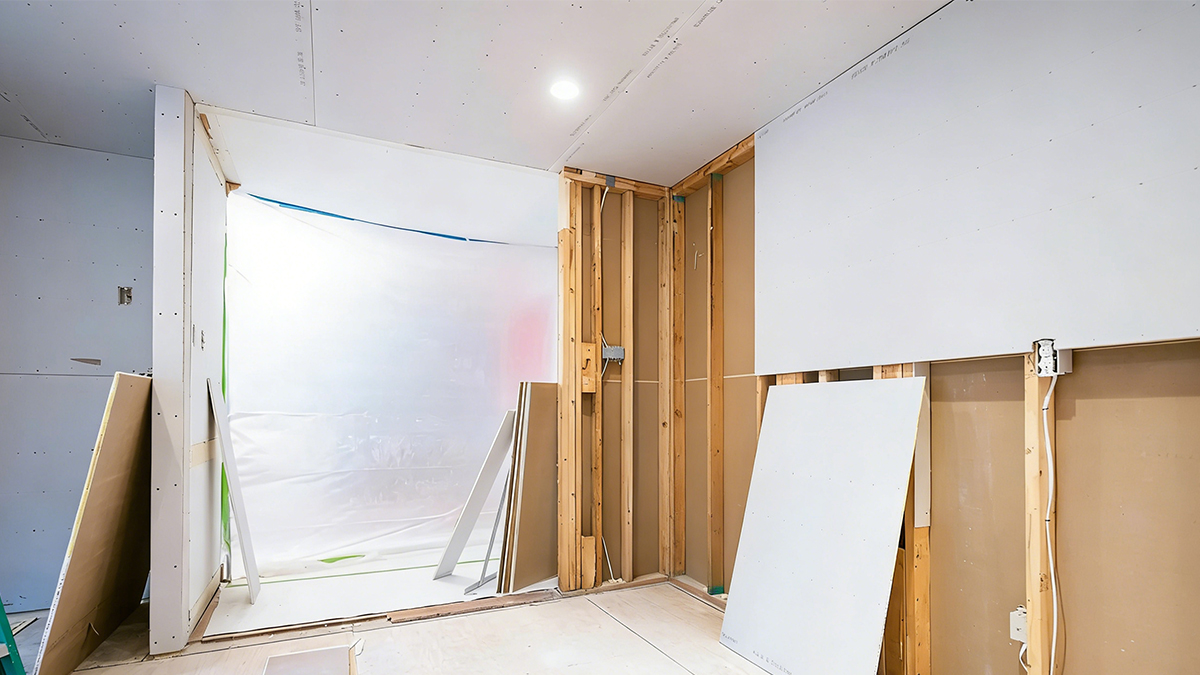
You see new technology changing how you use mgo board in every type of building. Machines now automate mixing and checking, so factories make more boards each day. These machines use less energy and create less waste. You get boards that pass strict tests for fire, water, and strength.
In homes, you use mgo board for walls, ceilings, and floors, especially in kitchens and bathrooms where moisture is a problem.
In offices and hotels, mgo board improves sound insulation and fire safety.
In factories, you rely on mgo board for fire walls and strong layers that protect workers.
Feature | Description |
|---|---|
Automation | |
Energy Savings | Less energy used means less pollution. |
Quality Control | Boards meet high standards for fire, water, and strength resistance. |
Market Trends And Adoption
You notice more builders choosing mgo board for new projects. The market grows from $1.81 billion in 2025 to $1.91 billion in 2026. By 2034, it could reach $2.93 billion. This growth comes from people wanting eco-friendly materials and safer buildings.
You see more homes and offices using mgo board because it insulates well and resists fire.
Governments support green building rules, so you find mgo board in many new projects.
Builders like mgo board because it is light and easy to install.
You see more modular and prefabricated buildings using mgo board for quick and safe construction.
Tip: If you want a safe and green building, mgo board is a smart choice.
Long-Term Environmental Impact
You help the planet when you use mgo board in your building. The board uses natural materials, so you do not depend on non-renewable resources. Making mgo board needs less energy than other materials, which lowers pollution. You can recycle mgo board and even use ground-up pieces to improve soil.
Mgo board absorbs carbon dioxide during drying, which helps fight climate change.
You keep your building healthy because mgo board stops mold and pests.
Over time, you see less waste and more recycling in the construction industry.
Note: Choosing mgo board means you support a cleaner future for your building and the environment.
You see mgo board changing the way you build for the future. The market grows fast, and you find mgo board in more buildings every year. You choose mgo board because it keeps your building safe and helps the planet. The table below shows how mgo board supports green goals and better building practices.
Statistic | Description |
|---|---|
Market Growth Rate | The magnesium oxide board market grows quickly, showing more builders use it. |
Adoption in Construction Sectors | You see mgo board in homes and offices because it works well in every building. |
Alignment with Sustainability Goals | Mgo board has low toxicity and protects the environment during building. |
You save money when you use mgo board in your building.
You pay a small premium for mgo board, but you get big energy savings.
You cut labor costs by almost half, making your building project easier.
You lower your energy bills by up to 95% with mgo board in your building.
You help the earth and make your building last longer. You lead the way in sustainable construction. You can expect mgo board to shape the future of every building you create.
FAQ
What makes MgO board eco-friendly?
You help the planet when you choose MgO board. The board uses natural minerals. It absorbs CO₂ during production. You can recycle it after use. This reduces waste and pollution.
Can you use MgO board outside?
Yes, you can use MgO board for exterior walls and siding. The board resists water, mold, and fire. You get strong protection for outdoor spaces.
How does MgO board compare to drywall?
MgO board is stronger than drywall. It resists fire and water better. Drywall can break or grow mold. You get more safety and durability with MgO board.
Is MgO board safe for indoor air quality?
MgO board does not release harmful chemicals. You do not find formaldehyde or asbestos in it. You breathe cleaner air in your home or office.
How do you install MgO board?
Measure and cut the board with a diamond blade.
Attach it to studs with screws.
Seal the joints with tape or caulk.
Paint or finish the surface as you like.