
25 Mar MgO Board versus OSB Board Which Offers Superior Durability and Safety
If you are comparing Magnesium Wall Board vs OSB board, magnesium wall board stands out as the stronger and safer option. Magnesium wall board offers superior performance compared to OSB board. It is highly fire-resistant and does not burn easily. Unlike OSB board, magnesium wall board absorbs very little water and effectively prevents mold growth. Here’s a breakdown of how magnesium wall board and OSB board differ:
Property | Magnesium Wall Board | OSB Board |
|---|---|---|
Water Absorption | Non-porous, absorbs about 20% moisture | Porous, absorbs water fast |
Mold and Mildew Resistance | Resistant, stops mold from growing | Vulnerable, lets mold grow |
Fire Rating | A1 non-combustible, lasts 2-4 hours in fire | Burns easily, not very fire-safe |
Choosing magnesium wall board ensures your building remains safe and durable for years to come, making it the clear winner in the Magnesium Wall Board vs OSB board comparison.
Key Takeaways
MgO board is stronger and safer than OSB board. It works well in places with fire and water risks.
Pick MgO board because it stops fire better. It does not burn fast and stays strong in fires.
MgO board does not soak up much water. This stops mold from growing and keeps it strong in wet places.
MgO board costs more at first, but you save money later. It lasts a long time and needs little care.
If you build in wet or fire-risk areas, MgO board is best. It keeps people safe and lasts longer.
Magnesium Wall Board vs OSB Board: Material Differences
What Is MgO Board?
Some people call mgo board by other names. You might hear it called mgo sheathing board or mgo sheathing. The main part of this board is magnesium oxide. Makers mix magnesium oxide with magnesium chloride or magnesium sulfate. They also add things like perlite, wood fibers, and vermiculite. A fiberglass mesh makes the mgo board stronger. The board is made in a closed-loop system at room temperature. This way, it makes less carbon emissions. It also helps the mgo board resist water very well. Mgo sheathing board does not burn easily. It stays strong even when it gets wet. Builders use mgo sheathing for walls, ceilings, and floors. It lasts a long time.
What Is OSB Board?
OSB board means Oriented Strand Board. You can find it in many homes and buildings. The main part of OSB board is wood strands. Makers glue these wood strands together with waterproof adhesives. Some adhesives are phenol formaldehyde or MDI. The board is made using high heat to dry and press the wood. This step uses a lot of energy and makes more emissions. OSB board does not have fiberglass mesh or special fillers. It can swell or bend if it gets wet. Builders use OSB board for subfloors, roofs, and wall sheathing. But it does not stop fire or water as well as mgo sheathing board.
Core Material Comparison
Here is a table to help you see the main materials in magnesium wall board and osb board:
Material Component | MgO Board Composition | OSB Board Composition |
|---|---|---|
Primary Material | Magnesium oxide | Wood strands |
Binding Agents | Magnesium chloride or magnesium sulfate | Waterproof adhesives (phenol formaldehyde or MDI) |
Reinforcement | Fiberglass mesh | N/A |
Fillers | Perlite, wood fibers, vermiculite | N/A |
Weight | N/A | 650-720 kg/m³ |
Yes | N/A |
The way mgo board and mgo sheathing board are made helps them fight fire and water better. You can use mgo sheathing where you need more safety, like kitchens, bathrooms, or basements. OSB does not work as well in wet or humid places. When you compare magnesium wall board and osb board, mgo sheathing board stays strong and safe. OSB board may not last as long.
Durability and Strength
 Structural Performance
 Structural Performance
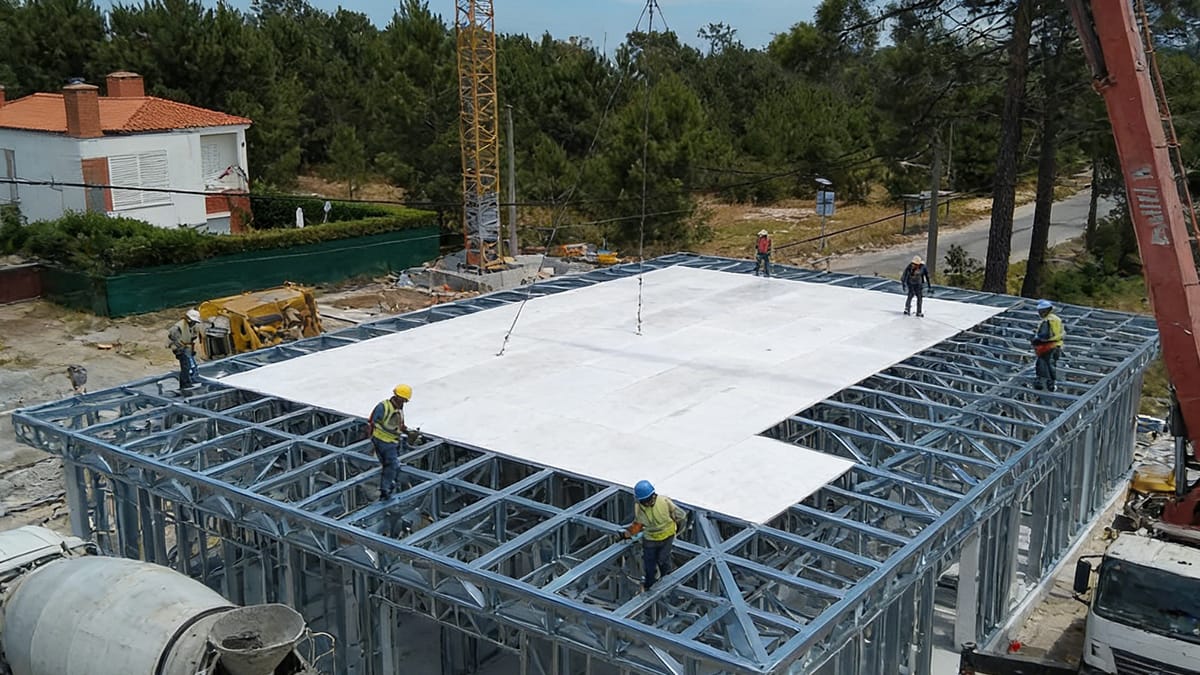
You want your building to be strong and safe. MgO board is very strong. It stays strong even in tough weather. You can use MgO board for walls, floors, and ceilings. It does not bend or break easily. OSB board works well if it stays dry. But OSB board can get weak if it gets wet or if the air is humid. MgO board does not warp or crack easily. You can trust MgO board to hold up your building for many years.
Tip: If you build where the weather changes a lot or it is wet, MgO board will help your building stay safe and strong.
Longevity in Real-World Use
You need materials that last a long time. MgO board is very durable in real life. It stays strong in dry and wet places. Builders use MgO board in homes, schools, and hospitals. It meets fire and safety rules. Here is a table that shows how MgO board performs:
Performance Aspect | MgO Board Performance |
|---|---|
Environmental Conditions | Performs exceptionally well under diverse conditions |
Construction Efficiency | Reduces on-site labor and construction errors |
Versatility | Multi-purpose applications (walls, floors, ceilings, SIPs, wet areas) |
Compliance | Meets fire and environmental regulations |
MgO board stays strong for a long time. OSB board can last up to 30 years if it stays dry. But OSB board can swell or rot if it gets wet. MgO board does not soak up much water, so it stays strong longer. You save money with MgO board because you do not need to fix or replace it often.
Impact and Wear Resistance
You want your walls and floors to last and not get damaged. MgO board is very tough and strong compared to OSB board. It has high impact resistance, over 5KJ/m². You can use MgO board in busy places like schools, hospitals, or stores. It stays strong even if people bump into it. OSB board can handle some wear, but it does not do as well with heavy hits as MgO board.
Here is a table that shows how MgO board and OSB board compare:
Material | Impact Resistance | Durability in High-Traffic Areas |
|---|---|---|
MgO Board | Exceeds 5KJ/m² | High, suitable for busy environments |
OSB Board | Moderate | Good, but less durable in wet or high-impact areas |
MgO boards stay strong even in hard conditions.
They do not warp, crack, or break down over time.
OSB boards are made to last a long time and can last 30 years or more.
OSB boards are heavy and stable.
They can handle hot and cold temperatures and heavy loads.
They resist water and bugs better than regular wood panels.
When you look at durability and strength, MgO board works better in tough places. You can count on MgO board to keep your building safe from damage and wear.
Fire Resistance Comparison
Fire Ratings and Standards
You need to know how building materials handle fire. MgO board stands out because it meets strict fire safety standards. You can trust MgO board to protect your home or business. MgO board achieves a Flame Spread Index of zero in ASTM E84 tests. This means fire does not spread across the surface. OSB board does not perform as well. OSB board burns easily and does not meet high fire resistance ratings. Fire-rated OSB uses chemicals to slow down fire, but it still cannot match MgO board.
Here is a table that shows the fire resistance characteristics of both materials:
Material Type | Fire Resistance Characteristics |
|---|---|
MgO Sheathing | Naturally fire-resistant, withstands higher temperatures than OSB |
Fire-rated OSB | Treated with fire-resistant chemicals, less fire-resistant than MgO |
MgO board belongs to the A1 non-combustible class. You can use MgO board in fire-rated assemblies for walls, ceilings, and floors. OSB board does not offer the same level of fireproofing. You must follow fire safety standards when you build. MgO board helps you meet these standards with ease.
Performance in Fire Events
You want your building to stay safe during a fire. MgO board does not burn or release toxic smoke. It keeps its shape even when exposed to fire. You can rely on MgO board to protect your property and your family. OSB board burns quickly and loses strength. Fire can spread fast through OSB board. Fire-rated OSB slows down fire, but it still cannot stop it like MgO board.
MgO board maintains fire resistance even after heavy water exposure. You do not have to worry about swelling or losing shape. Mold and mildew do not grow on MgO board, so you get a safe and healthy environment. You can use MgO board in fire-rated assemblies for extra protection. MgO board works well in fire-rated sheathing panels. You can trust MgO board to deliver strong fireproofing capabilities.
Note: MgO board does not lose fire resistance after water damage. OSB board loses fire resistance and can swell or rot.
Safety Implications
You must think about fire safety when you choose building materials. MgO board gives you peace of mind. You get strong fireproofing and non-combustibility. MgO board does not burn or spread fire. You can use MgO board in fire-rated assemblies for walls, floors, and ceilings. OSB board does not offer the same protection.
Here is a list of safety benefits you get with MgO board:
MgO board does not swell or lose shape when wet.
MgO board maintains fire resistance after water exposure.
Mold and mildew do not grow on MgO board.
MgO board meets fire safety standards for residential and commercial buildings.
You can use MgO board in fire-rated sheathing panels for extra safety.
MgO board provides non-combustibility and strong fireproofing.
You can see that MgO board offers superior fire resistance and fireproofing. OSB board cannot match the fire performance of MgO board. You get better fire safety and long-term value with MgO board. You protect your building and everyone inside when you choose MgO board.
Moisture Resistance and Mold Protection
Water Absorption and Swelling
 Water Absorption and Swelling
You want your walls and floors to stay strong even when exposed to moisture. MgO board offers excellent moisture resistance. It absorbs only 0.34% surface moisture, while OSB board absorbs nearly 3%. This difference matters when you build in places with high humidity or frequent water exposure. MgO board does not swell or warp after contact with moisture. OSB board can swell, bend, and lose strength if it gets wet. You can see the comparison in the table below:
Feature | MgO Board | OSB |
|---|---|---|
Surface Moisture Absorption | 0.34% | Nearly 3% |
Resistance to Water Damage | Excellent (no swelling or warping) | Poor (prone to swelling and warping) |
If you need a board that is best for moisture and fire, MgO board stands out. You do not have to worry about repairs or replacements caused by moisture damage.
Mold and Mildew Resistance
You want to avoid mold and mildew in your building. MgO board gives you superior moisture and mold resistance. Its inorganic composition prevents mold from growing, even in humid environments. MgO board achieves a perfect score on the ASTM G21 fungal test. OSB board is susceptible to mold growth, especially when exposed to moisture. The table below shows how each board handles mold:
Sheathing Type | Mold Resistance |
|---|---|
MgO Board | Superior: Does not promote mold growth. |
OSB Panels | Low: Susceptible to mold growth. |
MgO board stays mold-free for years. OSB board can get moldy if it gets wet. You get a healthier indoor environment with MgO board.
Performance in Wet Areas
You need strong boards in bathrooms, basements, and coastal areas. MgO board is best for moisture and fire in these spaces. It withstands salt air and extreme weather. You can use MgO board in kitchens, bathrooms, and basements. It keeps its shape and strength even after long exposure to moisture. OSB board needs extra waterproofing to perform well in wet areas. MgO board does not warp or degrade in humid conditions. You save time and money because MgO board requires less maintenance.
MgO board absorbs very little moisture and keeps its structure.
OSB board absorbs moisture and can swell or lose strength.
MgO board is naturally resistant to mold and mildew.
OSB board may get moldy if exposed to moisture.
Choose MgO board for the best moisture resistance and long-term durability. You protect your building from moisture and mold problems.
Cost and Installation
Material and Labor Costs
You want to know how much each board will cost you. MgO boards cost more than OSB boards at first. You pay between $1.50 and $2.50 per square foot for MgO boards. OSB boards usually cost less. The table below shows the average cost per square foot for each material:
Material | Average Cost per Square Foot |
|---|---|
MgO Boards | $1.50 – $2.50 |
OSB Boards | $0.50 – $1.00 |
You spend more on MgO boards at the start. However, you may save money later because MgO boards last longer and need fewer repairs.
Installation Process
You want your project to finish on time. MgO boards help you build faster. Many builders say that using MgO boards can save you 2–3 weeks on your construction schedule. Some projects even save up to two months when using MgO underlayment. The framing crew can install MgO boards quickly. You do not need special tools or extra steps. This makes the installation process simple and fast.
MgO boards can speed up your project.
You can save money on labor because the installation is easy.
You do not need to wait for the boards to dry out or settle.
Tip: Fast installation means you can finish your building sooner and move in faster.
Maintenance Needs
You want your building to stay strong for many years. MgO boards are highly durable and resist moisture. You do not need to worry about swelling or warping, even in humid places. OSB boards can swell, warp, or rot if they get wet. This means you may need to repair or replace OSB boards more often.
MgO boards work well in damp or humid areas.
You spend less money on repairs with MgO boards.
OSB boards may need more maintenance in the long run.
Although MgO boards cost more at first, you save money over time because they last longer and need less care. You get better value and peace of mind with MgO boards.
Environmental and Health Factors
Sustainability
You want to pick building materials that are good for the Earth. MgO boards use natural magnesium oxide and safe additives. Making MgO boards uses less energy and traps carbon dioxide. This means MgO boards make less pollution. OSB boards use wood strands, which can cause trees to be cut down. Making OSB boards uses more energy and makes more pollution.
Here is a table to help you compare how much each material uses resources and makes pollution:
Material | Resource Use | CO2 Emissions |
|---|---|---|
MgO Board | Low-energy manufacturing, natural magnesium sulfate | Lower CO2 emissions due to low-energy processes |
OSB Board | Wood processing, potential deforestation | Higher emissions due to traditional manufacturing methods |
MgO boards also stop fire, mold, and water damage. They can be recycled. You can trust MgO boards because they have important safety and quality certificates. These include EN 13501-1 A1 for fire, ASTM E84 Class A for fire spread, ISO 9001 for quality, and CE Marking for safety.
Indoor Air Quality
You want the air inside your building to be clean and safe. MgO boards do not let out harmful chemicals like VOCs or formaldehyde. These chemicals are found in OSB boards and can make the air unhealthy. Using MgO boards helps you breathe easier and lowers allergy risks. This makes MgO boards a smart pick for homes, schools, and hospitals.
MgO boards also keep out moisture and mold. This helps stop things that can cause allergies. OSB boards can get moldy if they get wet, which can make allergies worse.
Tip: Pick MgO boards if you want cleaner air for your family or people in your building.
End-of-Life Disposal
You should think about what happens when you are done using building materials. MgO boards can be recycled or used again. This helps cut down on waste. OSB boards are harder to recycle because they have glue and wood strands. Most OSB boards end up in landfills.
When you choose MgO boards, you help the planet by making less waste and pollution. You make a smart choice for your building and the Earth.
Choosing the Right Board: MgO Board vs OSB Board
Best Use Cases for MgO Board
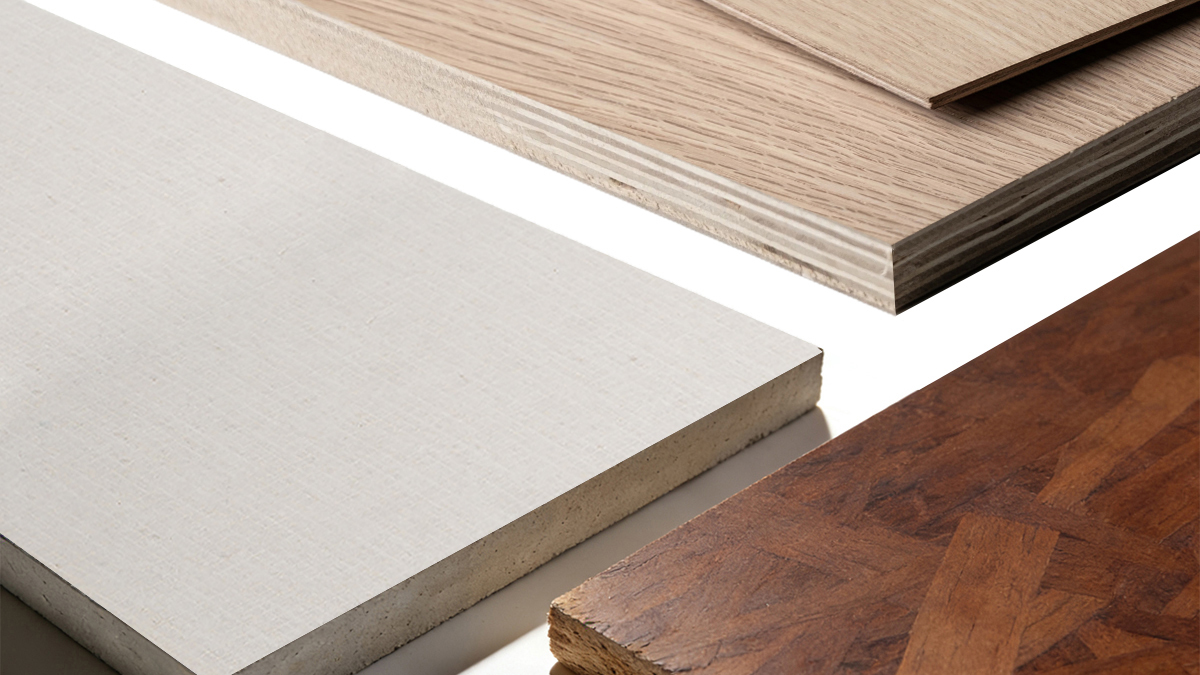 Best Use Cases for MgO Board
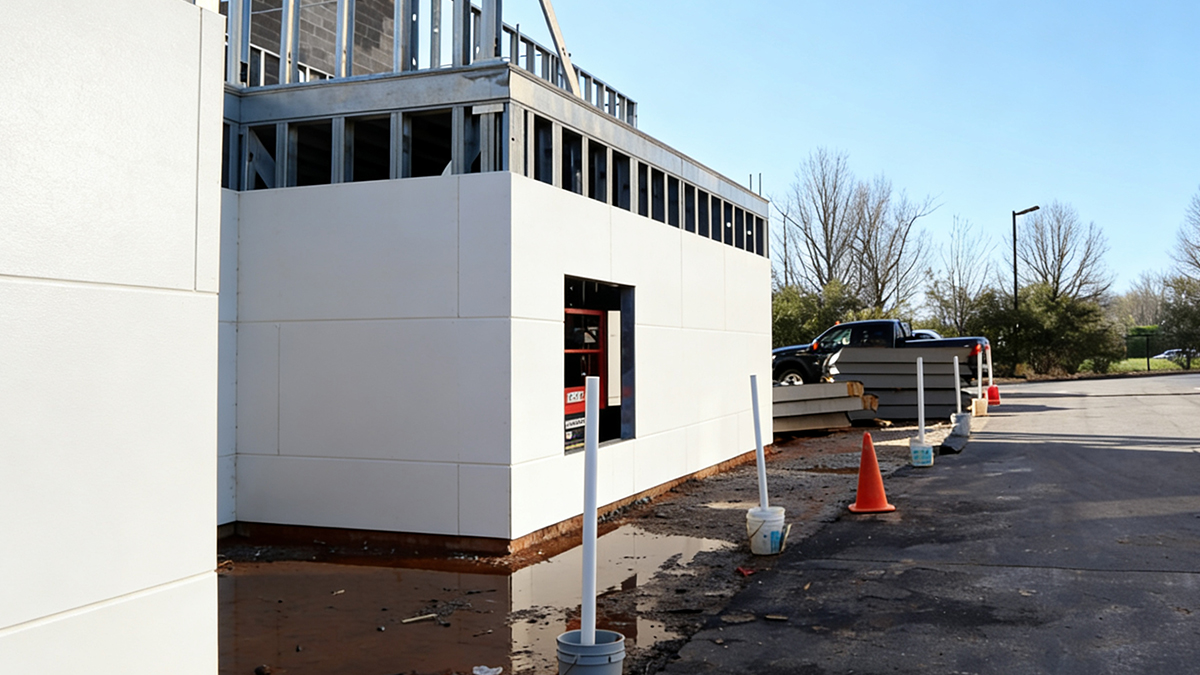
MgO board is used in many places where safety is important. It works well for inside walls and ceilings. You can put it under tiles in bathrooms and kitchens. Builders use MgO board outside for sheathing and soffits. It is also used as a fire barrier in apartments and big buildings. MgO board is popular because it does not burn, get wet, or grow mold. More builders pick MgO board because people want safer and greener materials. MgO board is great for projects that need eco-friendly and energy-saving designs.
Bathroom and kitchen tile underlayment
Exterior sheathing
Soffits
Fire-rated barriers in multi-family and commercial construction
Tip: MgO board is smart for wet places and where fire rules are strict.
Best Use Cases for OSB Board
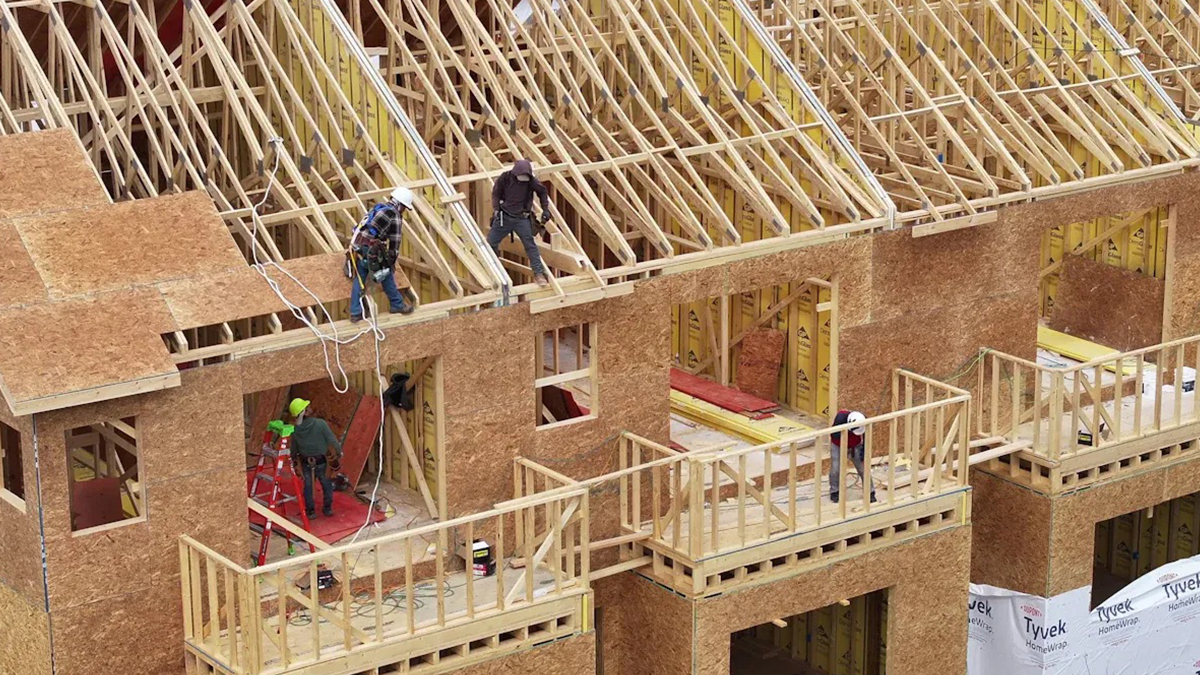
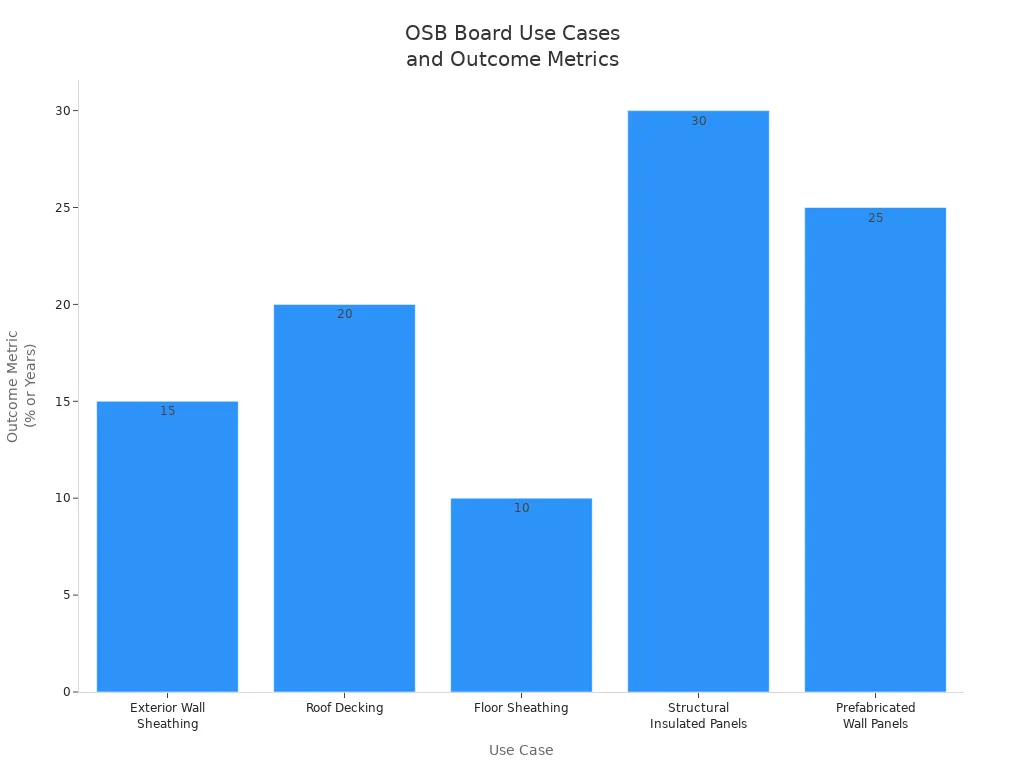
OSB board is strong and does not cost a lot. You see OSB board on outside walls, roofs, and floors. Builders use OSB board in special panels and wall panels made in factories. OSB board helps save money and time when building. It is good for jobs that need strong boards and fast work.
Use Case | Benefits | Outcome Metrics |
|---|---|---|
Exterior Wall Sheathing | High strength-to-weight ratio, fewer issues with warping or cracking | Reduced labor costs by 15% |
Roof Decking | Stability under heavy loads, fewer gaps or buckling | Reduced installation time by 20% |
Floor Sheathing | Ability to withstand heavy foot traffic, fewer squeaks | 10-year increase in floor durability |
Structural Insulated Panels | Energy-efficient walls and roofs, reduced construction waste | Cut construction time by 30% |
Prefabricated Wall Panels | Faster onsite assembly, integrated wiring channels | Reduced project duration by up to 25% |
Decision Factors
You need to think about a few things before you pick a board. MgO board is better at stopping fire and water. OSB board is strong and costs less money. MgO board helps keep the air inside clean and lasts longer in wet places. OSB board is easy to buy and works well if it is dry.
Factor | MgO Board | OSB Board |
|---|---|---|
Fire Safety | Moderate fire resistance | |
Moisture Resistance | High moisture resistance | Vulnerable to moisture |
Structural Strength | Strong and durable | Good strength but less than MgO |
Cost | Generally higher | More cost-effective |
Availability | May be less available | Widely available |
Indoor Air Quality | Better for indoor air quality | May emit VOCs |
Pick the board that fits your project best. MgO board is good for places with lots of fire or water risk. OSB board is better if you have a small budget and the place is dry. Think about safety, price, and where you will use the board to make the best choice.
You want the best protection for your building. MgO board stands out as the all-around recommendation for durability, fire, and moisture resistance. It resists fire for up to 3 hours, does not swell with water, and lasts over 50 years. OSB works well in dry, low-risk areas, but MgO board gives you peace of mind in wet or fire-prone spaces. For most projects, you get an all-around recommendation with MgO board. Always match your choice to your budget, climate, and safety needs.
FAQ
What makes MgO board safer than OSB board?
MgO board does not burn or release toxic smoke. You get better fire protection and indoor air quality. OSB board can burn quickly and may release harmful chemicals.
Can you install MgO board with regular tools?
Yes, you can cut and fasten MgO board with standard woodworking tools. You do not need special equipment. This makes installation easy for most builders.
Does MgO board cost more than OSB board?
You pay more for MgO board at first. Over time, you save money because MgO board lasts longer and needs less repair. Here is a quick comparison:
Board Type | Upfront Cost | Long-Term Value |
|---|---|---|
MgO Board | Higher | Better |
OSB Board | Lower | Less |
Where should you use OSB board instead of MgO board?
You can use OSB board in dry areas where fire and moisture are not big risks. OSB works well for subfloors, roof decking, and wall sheathing in standard homes.