
26 Mar Magnesium Wall Board vs Gypsum Board The Safer Choice for Your Home
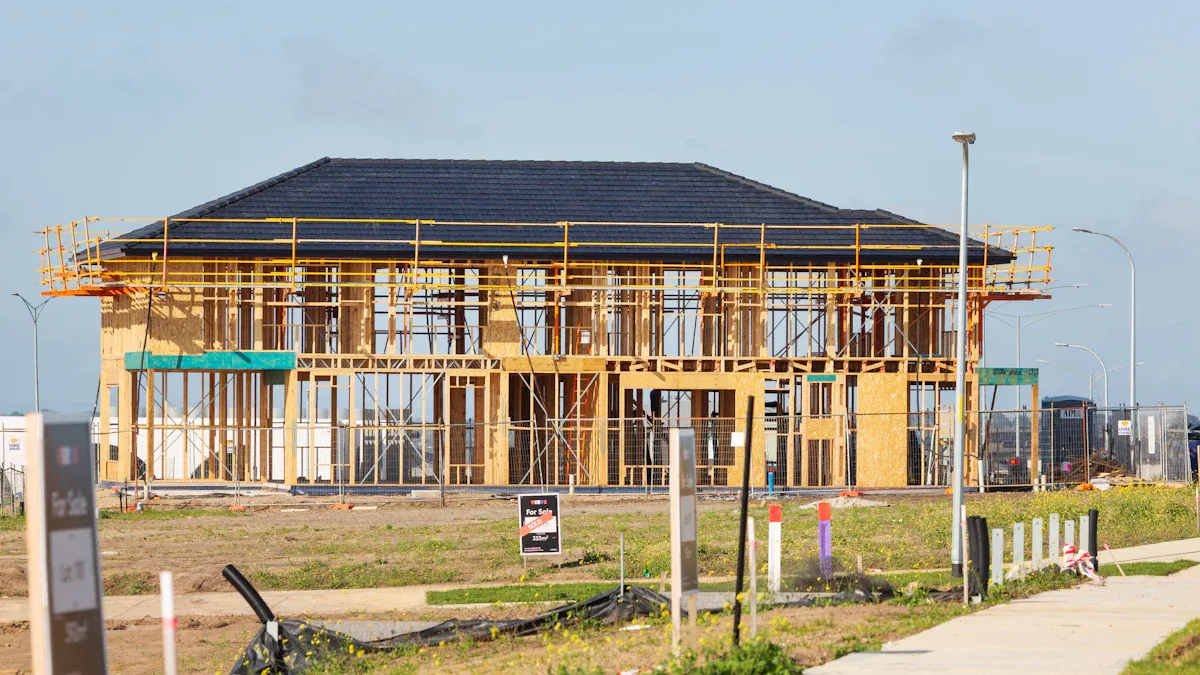
Image Source: unsplash
When you compare Magnesium Wall Board vs Gypsum Board, safety is a crucial factor for your home. Magnesium wall board offers superior fire resistance, lasting up to four hours in high heat without burning or producing harmful smoke. In contrast, gypsum board can only withstand fire for less than one hour and weakens significantly when exposed to extreme temperatures. If you’re aiming for a safer and healthier home, it’s essential to evaluate these boards. This comparison will empower you to choose the right option with confidence.
Key Takeaways
Magnesium wall board stops fire for up to four hours. This makes it a safer choice for your home.
Pick magnesium wall board for places with lots of moisture. It fights mold and does not soak up water like gypsum board.
Think about the environment. Magnesium wall board makes less carbon emissions. It can be recycled, which helps keep building green.
Magnesium wall board costs more at first. But it lasts longer and is strong. This can help you save money on repairs later.
Gypsum board is easier to put up and costs less at the start. It works well in dry places where moisture is not a problem.
Magnesium Wall Board vs Gypsum Board Comparison
Key Differences Table
You might wonder how magnesium wall board and gypsum board compare for your house. The table below shows the main ways they are different. It covers what they are made of, how you put them in, and how they work. This makes it easy to see which one is right for you.
Feature | Magnesium Wall Board | Gypsum Board |
|---|---|---|
Core Material | Magnesium oxide, magnesium chloride, and water | Natural gypsum mixed with water |
Reinforcement | Often reinforced with fibers like glass mesh or wood chips | No reinforcement, just paper sheets |
Surface | Smooth and hard, no paper on the outside | Sandwiched between two sheets of paper |
High resistance to fire | Moderate fire resistance | |
Water Resistance | Excellent, does not soak up much water | Can absorb water, may not last in wet conditions |
Environmental Impact | Better for the environment, uses fewer resources | Safe for indoor use, but less eco-friendly |
Common Uses | Areas needing fire and water protection | Walls and ceilings in various settings |
Cutting Tools | Diamond blades needed | Utility knives or saws |
Fasteners | Corrosion-resistant screws | Standard screws |
Handling | Heavier, needs more care | Lighter, easy to handle |
Safety During Install | Dust control needed | Less dust, safer |
Tip: Magnesium wall board keeps your home safer from fire and water. Gypsum board is easier to cut and put up.
Quick Reference Points
Here are some quick facts to help you compare magnesium wall board and gypsum board for your home:
Magnesium wall board lasts longer and stays strong in wet places. Gypsum board can get soft or break if it gets wet.
You get better fire safety with magnesium wall board. Gypsum board slows fire, but not as much.
Magnesium wall board uses green materials and makes less waste. Gypsum board is safe, but not as good for the earth.
You need special tools to cut magnesium wall board. Gypsum board is easy to cut with a knife.
Magnesium wall board is heavy and harder to move. Gypsum board is light and easy to carry.
You need to watch out for dust when you put in magnesium wall board. Gypsum board makes less dust.
Magnesium wall board costs more at first, but you save money later because it lasts longer. Gypsum board is cheaper at first, but you might need to fix or change it sooner.
Magnesium wall board has fibers that make it stronger. Gypsum board does not have extra support.
If you want the best for fire, water, and strength, magnesium wall board is the better pick. If you want something easy to put in and not too expensive, gypsum board works for most rooms.
Safety and Health
 Fire Resistance
 Fire Resistance
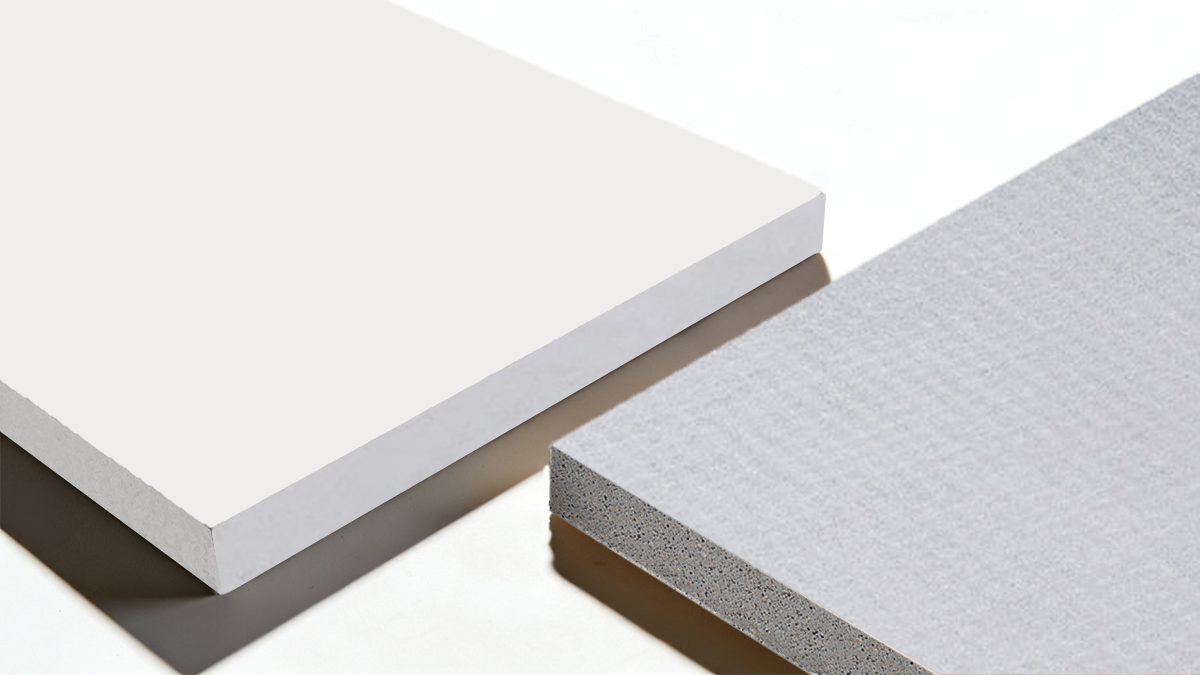
You want your home to stay safe during a fire. mgo board gives you the highest level of fire resistance. In tests, mgo board can last up to four hours when exposed to flames. Gypsum board usually lasts only 30 to 60 minutes. Some thicker gypsum boards can reach four hours, but they often lose strength as they dry out. mgo board keeps its shape and does not burn, even at temperatures up to 1200°F. You also get peace of mind because mgo board does not release toxic smoke or gases during a fire. Gypsum board may give off some smoke, but it is still considered low. The table below shows how each board performs in fire safety classifications:
Material | Fire Resistance Rating | Temperature Resistance | Flame Spread Rating | Toxic Smoke/Gas Emission | Combustibility |
|---|---|---|---|---|---|
MgO Board | Class A1 Non-Combustible (up to 4 hours) | Up to 1200°F (and up to 1472°F in some cases) | Zero | None | Non-combustible |
Gypsum Board | Fire-Resistant (limited, <1 hour) | Limited | Moderate | Low | Combustible |
If you want the best fire resistance for your walls, mgo board stands out as the safer choice.
Indoor Air Quality
You care about the air your family breathes. mgo board helps you keep your indoor air clean. It does not release volatile organic compounds (VOCs). These chemicals can cause headaches, allergies, or breathing problems. Gypsum board sometimes contains VOCs, especially if it has certain additives or paper coverings. You can see the difference in this table:
Material Type | |
|---|---|
Magnesium Oxide Board | No VOC emissions |
Gypsum Board | Sometimes contains VOCs |
When you use mgo board, you lower the risk of indoor air pollution. You make your home healthier for everyone.
Mold and Mildew Protection
You want to avoid mold in your home. mgo board gives you excellent protection against mold and mildew. The minerals in mgo board stop mold from growing, even in damp places like bathrooms or basements. Gypsum board can soak up water. If it stays wet, mold can start to grow on it. This can lead to stains, smells, and even health problems. The results from laboratory tests show how well each board resists mold:
Board Type | Moisture Absorption Rate | Resistance to Mold |
|---|---|---|
Magnesium Wall Board | 0.34% | Excellent |
Gypsum Wall Board | 3% | Poor |
mgo board prevents mold growth in wet areas.
Gypsum board can develop mold if it gets wet and stays damp.
You get better long-term protection with mgo board.
Tip: Choose mgo board in rooms where you worry about mold, like kitchens, laundry rooms, or basements.
You can see that mgo board gives you strong fire resistance, clean air, and top mold protection. These features make it a smart choice for a safer and healthier home.
Durability and Moisture Resistance
Lifespan and Strength
You want your walls to last for many years. mgo board gives you a longer lifespan than gypsum board. It keeps its shape and strength over time. You do not have to worry about swelling, cracking, or mold.
Studies indicate that magnesium wall boards have a significantly longer lifespan than gypsum wall boards, maintaining their shape and strength for many years without absorbing water, which prevents issues like swelling, cracking, or mold.
When you look at durability and strength, mgo board stands out. The table below shows how much pressure each board can handle before breaking:
Material | Compressive Strength (MPa) |
|---|---|
Magnesium Wall Board | 12 – 25 |
Gypsum Board | 3 – 6 |
This means mgo board is much stronger and can handle more weight and pressure. You get better durability and impact resistance for your home.
Water and Humidity Performance
You need walls that can handle moisture. mgo board offers better moisture resistance than gypsum board. Here is what you should know:
mgo board shows different levels of water absorption based on how it is made.
It can absorb some moisture but does not swell or break down easily.
Gypsum board absorbs more water and can swell or get damaged in wet areas.
mgo board works better in places with high humidity or where water is a problem.
You can trust mgo board to keep its strength even in bathrooms, kitchens, or basements.
Impact and Pest Resistance
You want walls that can take a hit and keep pests away. mgo board gives you crack and dent resistance. It does not crumble or dent as easily as gypsum board. This makes it a smart choice for busy areas in your home.
Magnesium wall boards are noted for their superior strength and impact resistance compared to gypsum boards, which are prone to denting and crumbling under pressure. This enhanced durability makes mgo board particularly advantageous for use in high-traffic areas and commercial settings.
You also get protection from pests. mgo board does not provide food for termites or bugs. Its mineral makeup keeps pests away and helps you avoid costly repairs. You do not need to use harsh chemicals to protect your walls. This adds to the overall durability and strength of your home.
Environmental Impact and Cost
Sustainability
 Sustainability
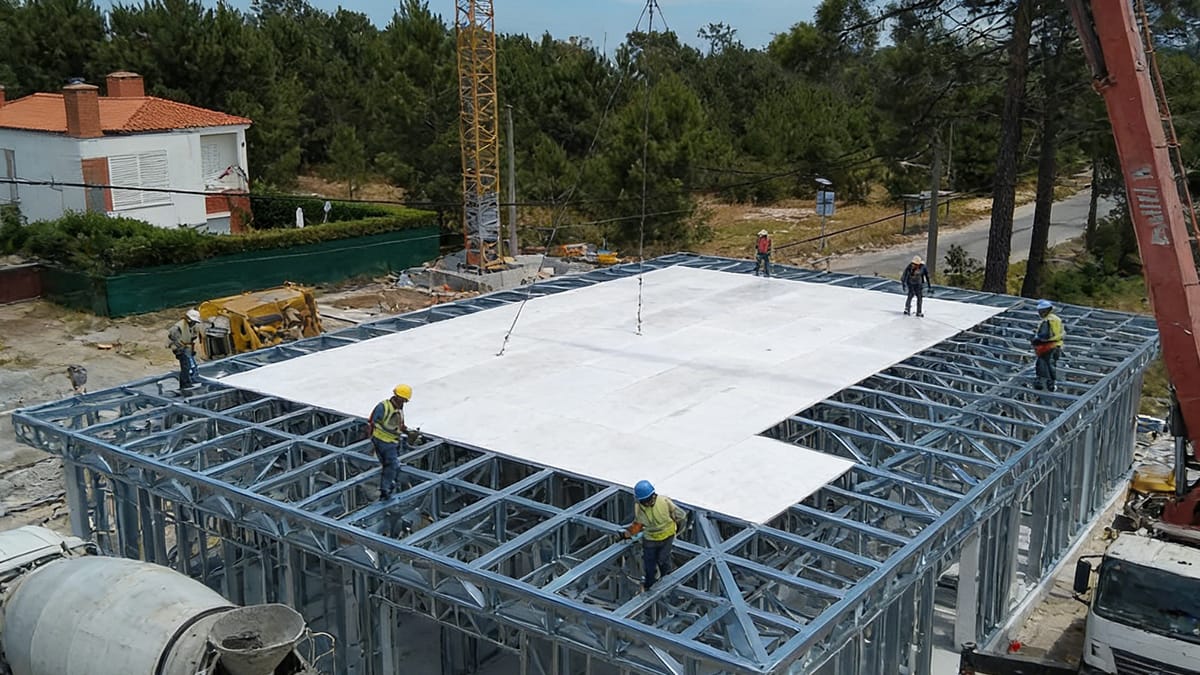
You want to make choices that help the planet. When you look at building materials, mgo board stands out for its eco-friendly qualities. It uses natural materials and needs less energy to produce. This means you lower your carbon footprint when you choose mgo board for your home. Gypsum board, on the other hand, uses more non-renewable energy and creates more pollution during production.
Here is a quick look at the carbon emissions for each material:
Material | |
|---|---|
Magnesium Oxide Wallboard | 340 kg |
Gypsum Wallboard | 740 kg |
You can see that mgo board creates less than half the carbon emissions of gypsum board. This makes it a better choice for green building. You also support sustainable construction when you pick mgo board.
Mgo board uses natural resources and does not release harmful chemicals.
Gypsum board needs more energy and adds to environmental impact.
The production of gypsum board uses about 5,048 MJ of non-renewable energy for every 1,000 board feet.
Recyclability
You may wonder what happens to your wall boards after many years. Mgo board is fully recyclable. You can reuse it and keep waste out of landfills. The recycling process for mgo board is simple:
Collect mgo board from old buildings or construction sites.
Clean the boards to remove paint or other materials.
Crush and grind the boards into small pieces.
Separate any leftover debris.
Mix the clean mgo particles with new materials to make new boards.
Gypsum board can also be recycled, but it often ends up in landfills because the process is less efficient. By choosing mgo board, you help reduce waste and protect the environment.
Cost and Installation
You want to know how much each board costs and how easy it is to install. Here is a cost comparison:
Material | Average Cost per Square Foot |
|---|---|
Magnesium Wall Board | $1.50 – $3.50 |
Gypsum Board | $0.50 – $1.50 |
Gypsum board costs less at first, so it works well for tight budgets. Mgo board costs more, but it lasts longer and needs fewer repairs. This means you save money over time. When you look at ease of installation, gypsum board is lighter and faster to put up. Workers know how to handle it, and you finish projects quickly. Mgo board is heavier and needs special tools, so it takes more time and care to install.
Material | Characteristics | |
|---|---|---|
Gypsum Board | Quicker | Easier to cut and install, familiar to workers. |
Magnesium Wall Board | Longer | Heavier, requires special tools, more care needed. |
If you want a board that helps the planet and lasts for years, mgo board is a smart investment.
Real-World Applications
Best Uses for Magnesium Wall Board
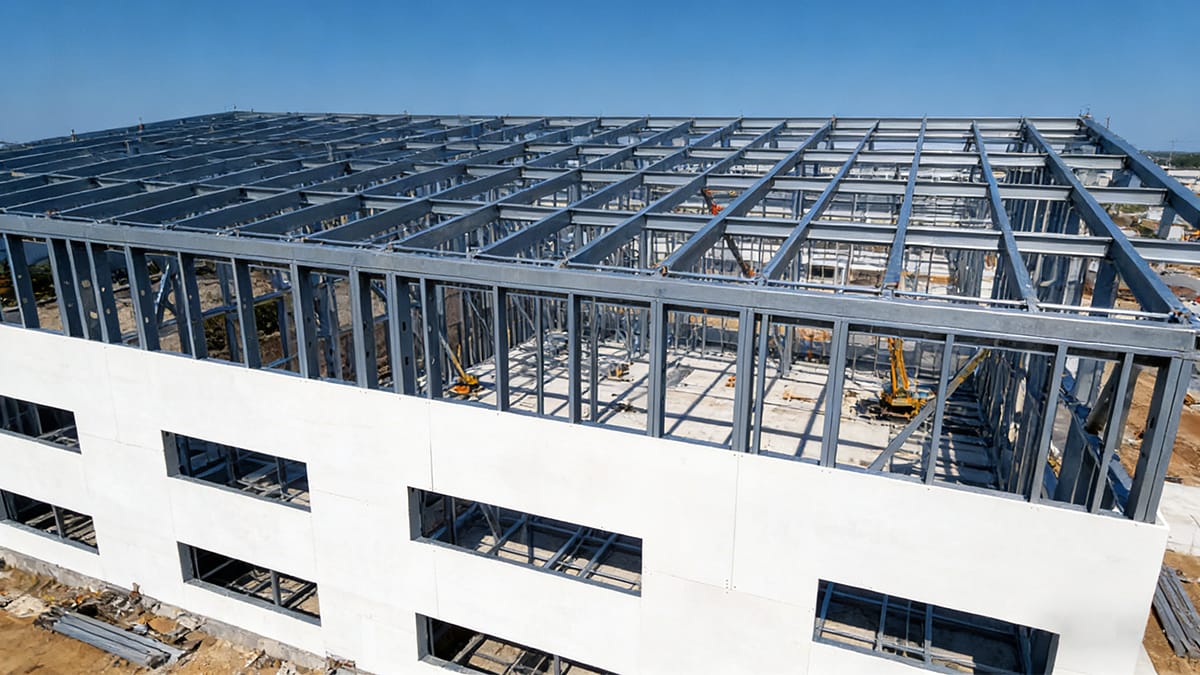 Best Uses for Magnesium Wall Board
Magnesium wall board works well in places where safety matters. It is good for rooms with lots of water or fire risk. You can use it in bathrooms, kitchens, basements, and laundry rooms. Builders pick magnesium wall board for walls and ceilings. It is also used in rooms that need extra fire or water protection, like garages or utility rooms.
Tip: Magnesium wall board is great for wet rooms or places needing strong fire safety.
The table below shows how different places use magnesium wall board:
Region | Application | Benefits | Outcome |
|---|---|---|---|
Europe | Panels and wet-area modules | Stops fire and mold, keeps heat in | Faster builds, safer homes |
Australia | Floor under tiles or laminate | Keeps water out, makes floors strong | Surfaces last longer and stay stable |
Middle East | Outside walls and inside partitions | Stops fire and heat, not heavy | Strong, meets building rules |
Magnesium wall board helps in places with fire, water, or mold problems. It keeps your home safe and cuts down on repairs.
Best Uses for Gypsum Board
Gypsum board is best for dry rooms inside your house. You can use it for walls and ceilings in living rooms, bedrooms, and hallways. It is easy to cut and install, so you finish jobs fast. Gypsum board also helps block sound, so it works well in schools, hospitals, and homes.
Here is a table showing where gypsum board works best:
Benefit | Description |
|---|---|
Fire Resistance | Good for walls that protect from fire |
Ease of Installation | Light and quick to put up |
Sound Insulation | Helps keep rooms quiet |
Cost-Effectiveness | Cheap and lasts a long time |
Aesthetic Flexibility | Easy to paint or cover with wallpaper |
Note: Gypsum board does not do well with water. In wet rooms, it can soak up water, crack, or get mold. Magnesium wall board is safer for these spaces.
Pick gypsum board for most dry rooms. For wet or risky areas, magnesium wall board gives better safety.
You want the safest walls for your home. Magnesium wall board stands out for fire resistance, durability, and mold protection. It lasts longer and saves money over time. The table below shows why it is the safer choice:
Feature | Magnesium Wall Board | Gypsum Board |
|---|---|---|
Fire Resistance | 2-3 hours | Less than 1 hour |
Mold Resistance | Low | |
Water Absorption | Very low | High |
Think about your rooms and needs. Choose magnesium wall board for safety and strength. Ask a builder about upgrading your walls for a healthier home.
FAQ
What makes magnesium wall board safer than gypsum board?
You get better fire resistance, mold protection, and strength with magnesium wall board. It does not burn easily or let mold grow. You can trust it in wet or risky areas.
Can you paint or decorate magnesium wall board like gypsum board?
Yes, you can paint or cover magnesium wall board just like gypsum board. Use a primer first for the best results. You can also add wallpaper or tiles.
Is magnesium wall board hard to install?
Magnesium wall board is heavier and needs special tools for cutting. You may need help to lift and fit it. Many builders can install it if you ask.
Does magnesium wall board cost more than gypsum board?
Yes, you pay more for magnesium wall board at first. You save money later because it lasts longer and needs fewer repairs.
Where should you use gypsum board instead of magnesium wall board?
You can use gypsum board in dry rooms like bedrooms, living rooms, or hallways. It works well where you do not worry about water or fire.