
27 Mar Choosing Between Magnesium Wall Board and Cement Board Pros and Cons Explained
If you’re deciding between Magnesium Wall Board vs Cement Board for your project, it’s important to consider fire safety and water protection. Magnesium wall board, also known as MgO board, offers excellent fire resistance, long-lasting durability, and is more environmentally friendly. On the other hand, cement board is also effective and usually costs less upfront. Check out this simple comparison table to see how Magnesium Wall Board vs Cement Board stack up:
Features | MgO Board (Magnesium Wall Board) | Cement Board |
|---|---|---|
Durability | Lightweight, resists cracking | Heavy, can crack |
Fire Resistance | Excellent, non-combustible | Good, may need extra support |
Moisture Resistance | Excellent water resistance | Handles water, but may swell |
Environmental Impact | Eco-friendly | Higher pollution |
Installation | Easy and light to install | Heavy, more difficult to install |
Cost | Higher cost, longer lifespan | Lower initial cost |
When comparing Magnesium Wall Board vs Cement Board, think about your priorities for safety, budget, and where you plan to use the material. The right choice depends on what matters most for your home or building project.
Key Takeaways
Magnesium wall board is very good at stopping fire and water. This makes it great for wet places like bathrooms and kitchens.
Cement board costs less, so it is good for saving money. But it might need more work and sealing to stop water damage.
Think about the environment; magnesium wall board is better for nature. It has a smaller carbon footprint and uses natural things.
If you want to do it yourself, magnesium wall board is easier to move and put up. Cement board is heavier and harder to use.
Look at what your project needs; pick magnesium wall board if you want it to last long and be safe. Pick cement board if you want to save money right now.
Magnesium Wall Board vs Cement Board: Key Differences
 Quick Comparison Table
 Quick Comparison Table
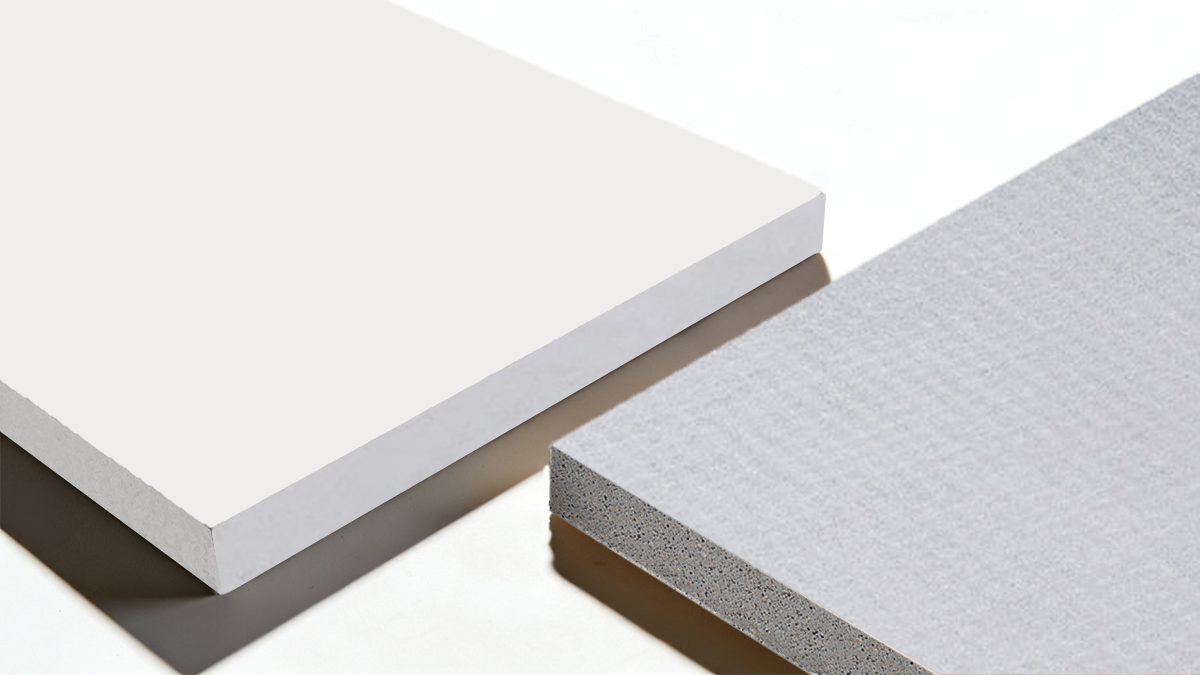
You might wonder how magnesium wall board vs cement board are different. The table below helps you see the main differences. It shows how each one works for fire safety, water protection, strength, how easy it is to install, how it affects the environment, price, and how many ways you can use it.
Feature | Magnesium Wall Board (MgO) | Cement Board |
|---|---|---|
Fire Resistance | A1 non-combustible, superior fire resistance | Fire-resistant but can degrade under high heat |
Moisture Resistance | Naturally resistant, does not swell or warp | Can absorb moisture if not sealed properly |
Durability | Good, but less durable than MgO | |
Weight | Lighter than cement | Heavier than MgO |
Dimensional Stability | Excellent, resists warping | Good, but can warp under certain conditions |
Installation | Easy to handle and cut | Requires more effort and specialized tools |
Environmental Impact | Energy efficient, eco-friendliness, reduces waste | Higher pollution, less eco-friendly |
Cost | Higher cost, longer lifespan | Lower initial cost |
Versatile | Suitable for many applications | Good for wet areas and exterior walls |
Summary of Pros and Cons
When you compare magnesium wall board vs cement board, you will see some important differences. The lists below make it easy to understand the good and bad things about each material.
Magnesium Wall Board (MgO) Pros:
Very safe from fire, does not burn
Stays strong when wet, does not swell or break down
Stops mold and fungus from growing
Saves energy when made, makes less waste, takes in carbon dioxide during production
Lighter than cement boards by 20 to 30 percent
Simple for builders and people who do projects themselves
Keeps its shape, does not bend or twist
Lasts a long time
Magnesium Wall Board (MgO) Cons:
Costs more than gypsum boards, about the same as cement board
Quality can change depending on who makes it
Needs special steps to install, must follow directions closely
Might not work as well in very humid places
Harder to find in some areas
Cement Board Pros:
Good at stopping fire, does not burn
Handles water well, good for wet places
Pretty strong, does not break easily
Costs less at first
Easy to buy in many stores
Works well for outside walls
Cement Board Cons:
Heavier, harder to put up
Can soak up water if not sealed right
Might crack if it gets too hot or cold fast
Can bend or twist in some situations
Not as good for the environment, makes more pollution when made
Tip: If you want the best fire and water safety, magnesium wall board vs cement board shows that MgO boards usually do better. They have higher fire ratings (1-4 hours) and are great at stopping water and mold. Cement board is a good choice if you want to save money and need a strong, water-safe surface.
You can see that mgo vs fiber cement boards have different strengths. Magnesium wall board vs cement board gives you a clear look at what each one does best. MgO boards are great for fire safety, water protection, and being good for the planet. Cement board is strong and costs less. You should think about these differences before you pick one. Mgo vs fiber cement boards are not the same weight and are not installed the same way. Magnesium wall board vs cement board shows that MgO boards are easier to use and can be used in more ways. You can use mgo vs fiber cement boards for lots of jobs, but magnesium wall board vs cement board is best for places that need fire safety and water protection. Mgo vs fiber cement boards also show that magnesium wall board vs cement board is better at keeping its shape and stopping mold. The table and lists above help you see the main differences. Mgo vs fiber cement boards help you pick what is right for your project. Magnesium wall board vs cement board gives you the facts you need to choose. Mgo vs fiber cement boards show that magnesium wall board vs cement board is the best for the environment and for using in many ways.
What Is Magnesium Oxide Board?
Composition and Features
 Composition and Features
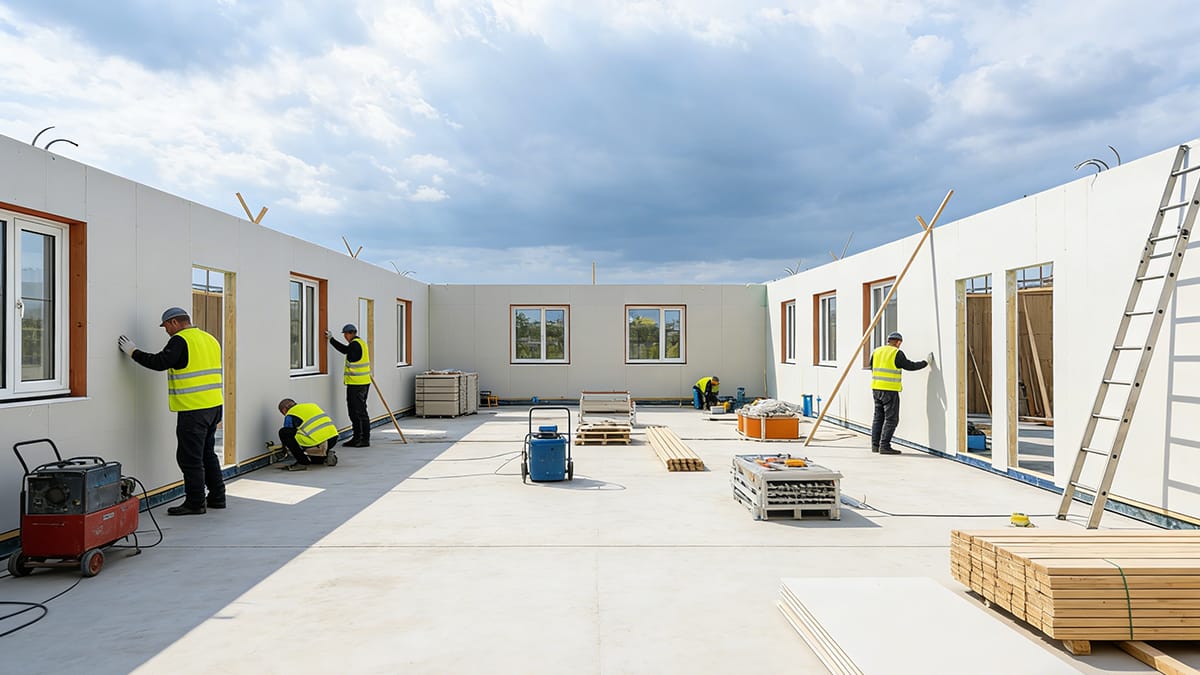
Mgo board is special because it uses different materials. The main part is magnesium. It also has magnesium oxide, magnesium sulfate, wood dust or cellulose, perlite or vermiculite, and glass fiber mesh. Each part helps mgo board work well in many places.
Function | |
|---|---|
Magnesium oxide (MgO) | Base material |
Magnesium sulfate (MgSO₄) | Binding agent |
Wood dust or cellulose | Adds flexibility and texture |
Perlite or vermiculite | Improves insulation and fire resistance |
Glass fiber mesh | Provides additional strength and durability |
This mix gives mgo board many good features. Mgo board does not burn or soak up water. It stays strong even when wet. Mgo board stops mold and lasts a long time. It does not crack or lose its shape. Mgo board is also better for the planet. It makes less pollution and keeps indoor air clean.
Feature | Magnesium Oxide Board (MgO) | Fiber Cement Board |
|---|---|---|
Fire Resistance | Highly fire-resistant, can withstand extreme temperatures | Fire-resistant but generally lower rating than MgO |
Durability | Strong, impact-resistant, does not deteriorate in water | Durable but prone to cracking and requires maintenance |
Moisture Resistance | Naturally resistant to mold, mildew, and rot | Moisture-resistant but can absorb water if not sealed |
Environmental Impact | Low carbon footprint due to cleaner production | Higher carbon footprint due to energy-intensive processes |
Indoor Air Quality | Safe for indoor air quality | Not specified |
Note: Mgo board is great for fire safety and water protection. It is also good for the environment. Mgo board helps you feel safe in tough places.
Common Applications
You can use mgo board in lots of places. It works well for walls and ceilings in offices and factories. These surfaces are strong and do not burn. Mgo board keeps out water and mold in storage spaces. You can put mgo board in bathrooms, kitchens, and basements because it does not soak up water. Mgo board is used for fireproof walls and quiet rooms. It is good for homes near the ocean and other wet places because it lasts a long time.
Wall sheathing in homes and buildings to stop fire and water
Ceiling tiles in kitchens and bathrooms to stop mold and sagging
Fire-resistant barriers in important building areas
Outside sheathing for stucco and rainscreen walls
Backer board for tile in wet rooms
Mgo board is helpful for wall sheathing because it makes walls stronger and safer from fire. Ceiling tiles made from mgo do not sag or get moldy. Fire-resistant barriers with mgo keep people safe. Outside sheathing with mgo works well in bad weather. Backer board made from mgo keeps tiles safe from water damage.
Tip: You can pick mgo board for many kinds of jobs. Mgo board gives you strength, fire safety, and water resistance. You get these benefits every time you use it.
What Is Fiber Cement Board?
Composition and Features
 Composition and Features
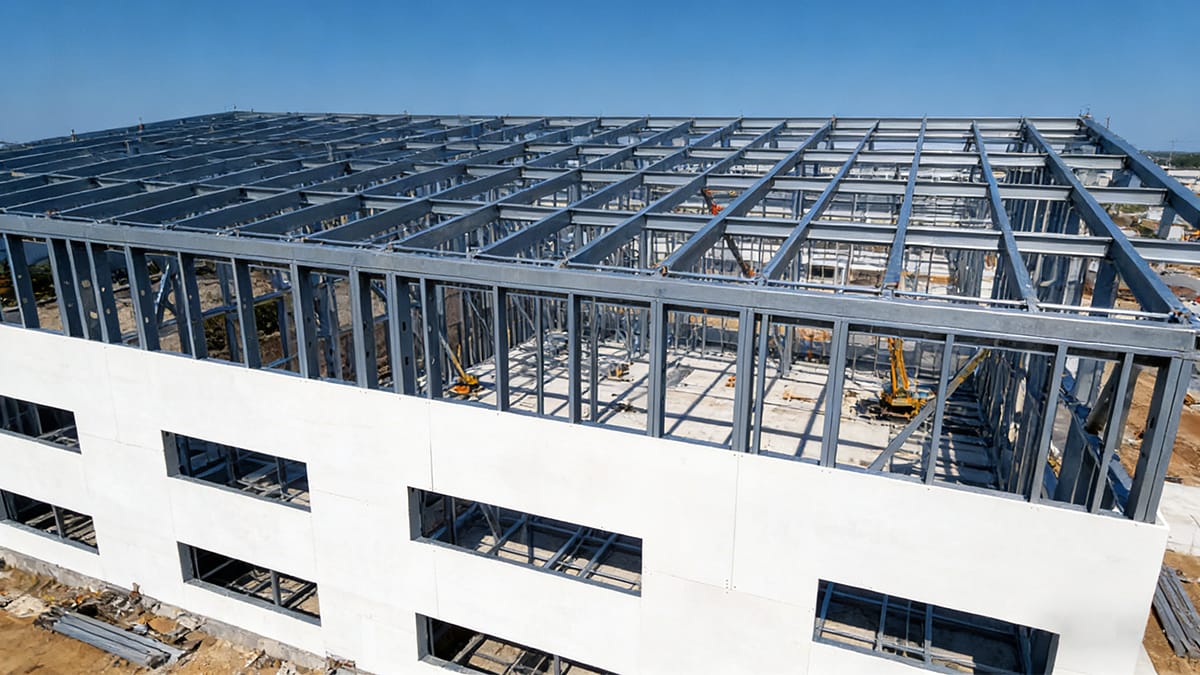
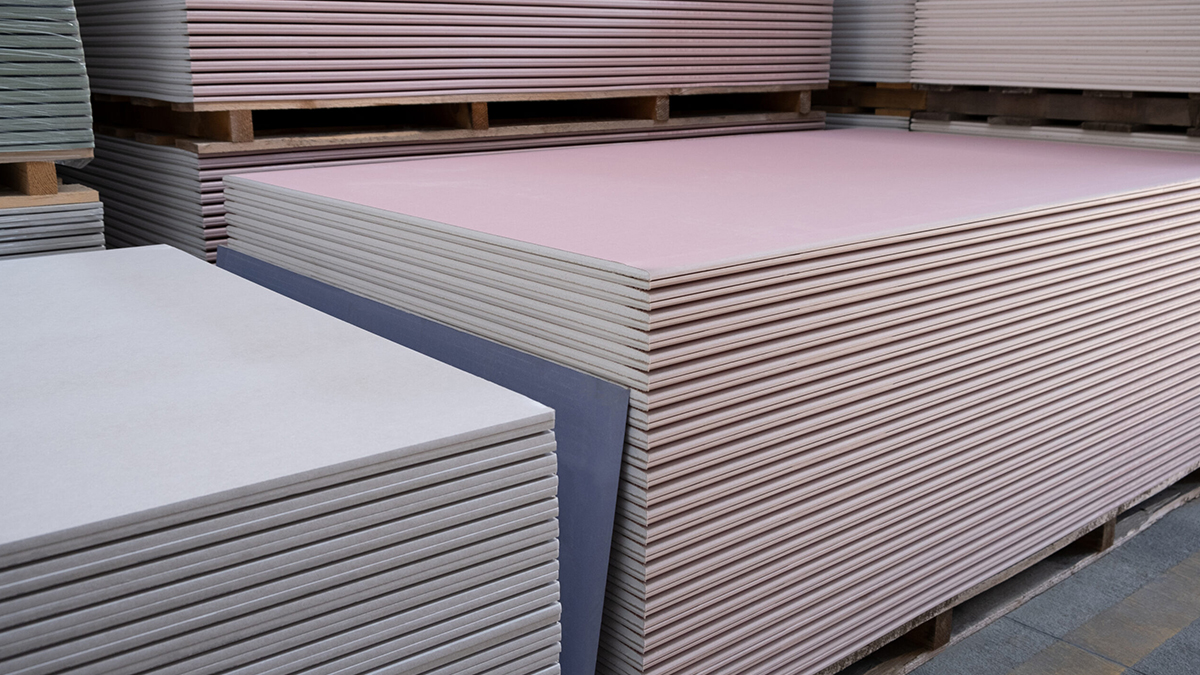
Fiber cement board is used in lots of building jobs. It is strong and can bend a little without breaking. The main parts are cement, cellulose fibers, fillers like silica and mica, and some special chemicals. Cement makes the board hard and helps stop fires. Cellulose fibers keep the board from cracking and let it bend. Fillers make the board thicker and more stable. Additives help the board resist water and set the right way.
Here is a table that shows what is in fiber cement board and why each part is important:
Material | Percentage (%) | Purpose |
|---|---|---|
Cement | Structure, strength, fire resistance | |
Fillers (Silica) | 20-30 | Density, stability |
Fiber (Cellulose/Fiberglass) | 8-10 | Flexibility, crack prevention, strength |
Mica | 10-15 | Fire resistance, stability |
Additives (Aluminum Stearate, PVA) | Small amounts | Water resistance, setting control |
Cenospheres (optional) | Small amounts | Lower weight, maintain strength |
Fiber cement board is good at handling bad weather, water, and fire. It also does not rust or get damaged by hits. You do not need to fix it often, and it lasts for years. Fiber cement board stays strong even when things get rough. It will not burn, so it helps keep your house safe. It also lets out very few harmful gases, so it is good for green building.
Tip: Fiber cement board is a smart pick if you want a strong, safe, and easy-to-care-for surface.
Common Applications
You can use fiber cement board in many places. It works as outside siding to protect your house from rain and wind. People use it for soffits and trim to finish the edges of homes. In bathrooms and kitchens, it is a good tile backer board because it does not soak up water. You can also use it for roofing and under floors.
Fiber cement board is used in schools, hospitals, offices, and stores. It is tough, safe, and can look nice in many ways. Theaters and concert halls use it to help with sound and style. You see fiber cement board on the outside of buildings, behind tiles, and on soffits and trim because it stands up to water and weather.
Outside siding to keep out rain and wind
Soffits and trim to finish the look
Tile backer board in wet rooms
Roofing and under floors
Schools and hospitals for safety and easy care
Offices and stores for a modern look
Theaters for better sound and design
Fiber cement board gives you lots of choices. You can count on it to be strong and keep out water in homes and big buildings.
Fire Resistance Comparison
Magnesium Wall Board Performance
You want the best fire resistance for your home or building. Magnesium wall board gives you top-level protection. This board does not burn. It has an A1 non-combustible rating, which means it will not catch fire even in extreme heat. You can trust it to keep your walls safe. Many building codes show that magnesium wall board can last up to 4 hours in a fire test. That is much longer than regular gypsum wall board, which only lasts about 1 hour.
Here is a table that shows how magnesium wall board compares to gypsum wall board:
Property | Magnesium Wall Board | Gypsum Wall Board |
|---|---|---|
Fire Ratings | Up to 4 hr | 1 hr |
Inherent Non-Combustibility | Yes | No |
You get strong fire resistance and protection for your family or workers. Magnesium wall board also does not give off toxic smoke or gases during a fire. This makes it safer for everyone inside. You can use this board in places where you need the highest level of durability and fire protection, like stairwells, corridors, and fire-rated walls.
Cement Board Performance
Cement board also gives you good fire resistance. It does not burn and helps slow down the spread of flames. You can use cement board for protection in kitchens, bathrooms, and outside walls. The fire resistance rating for cement board usually reaches up to 2 hours. This is less than magnesium wall board, but still strong for many uses.
Here is a table that compares magnesium wall board and cement board:
Material | Fire Resistance Rating | Fire Endurance |
|---|---|---|
Magnesium Board | A1 Non-Combustible | Up to 4 hours |
Cement Board | Fire-resistant | Up to 2 hours |
Cement board may need extra fireproofing to reach the highest ratings. It can crack under very high heat, which may lower its durability in a fire. You still get good protection for most home projects. Cement board works well for tile backers and exterior walls where you want both fire resistance and durability.
Tip: If you want the best fire protection and durability, magnesium wall board is the top choice. Cement board gives you solid fire resistance and protection for many jobs, but magnesium wall board offers longer-lasting safety.
Moisture and Mold Resistance
Magnesium Wall Board in Wet Areas
 Magnesium Wall Board in Wet Areas
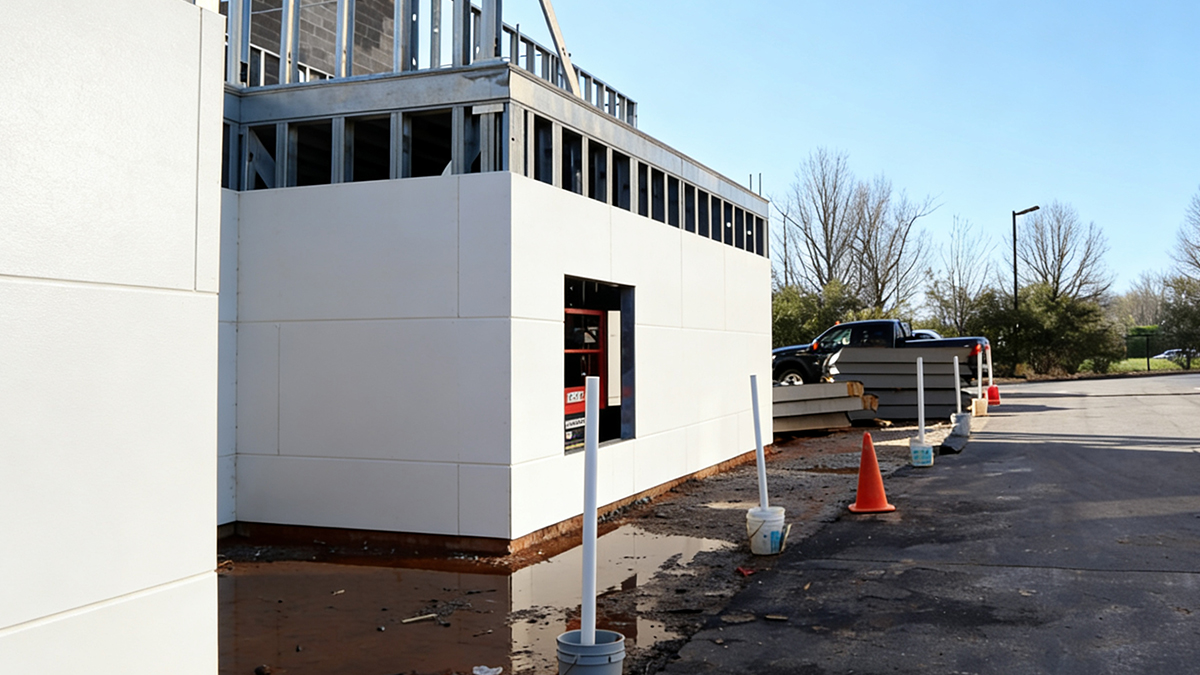
Magnesium wall board works well in wet rooms. Its minerals help it resist water. Magnesium oxysulphate boards stay dry, even in high humidity. Some magnesium oxychloride boards get water drops, but others stay dry for a long time. How the board is made changes how it handles water. You see magnesium wall boards in bathrooms and basements because they do not soak up water. They keep their shape and strength in damp places.
Board Type | Additional Notes | |
|---|---|---|
Magnesium Oxychloride (MOC) | Some get water drops; others stay dry for a long time | How well they work depends on how they are made; some have problems with chloride leaching |
Magnesium Oxysulphate (MOS) | No water on the surface after 840 days at 90% humidity and 30°C | Stays stable in humid places |
Gypsum Plasterboard | Soaks up water and gets weaker after drying | Not a good choice for wet rooms |
Magnesium wall boards also help stop mold. Their minerals keep mold from growing, even in damp places. You get a safer and healthier space when you use magnesium wall board in wet rooms.
Cement Board in Wet Areas
Cement board also works well in wet places. Some products like PermaBASE WP are made to resist water and mold. Cement board does not need extra waterproofing, so you save money and time. The waterproof core stops water damage in showers. You can cut cement board easily and attach it with strong edges. Using PermaBASE WP means you use less sealant than with regular cement boards. Cement board stays strong in kitchens, bathrooms, and other wet spaces.
Cement board is made for wet areas and resists water and mold.
You do not need extra waterproofing, so it is easier to install.
The waterproof core keeps out water damage.
You save money by using less sealant.
Cement board is light and easy to move.
Mold Resistance Comparison
You want to know which board stops mold better. Magnesium wall board only absorbs 0.34% water. It does not let mold grow because it stays dry and stable. Cement board also resists mold, but you need to seal it to keep water out. Both boards work in damp places, but magnesium wall board gives better protection.
Material | Mold Resistance Rating | Additional Notes |
|---|---|---|
Magnesium Wall Board | Superior | Low moisture absorption; does not support mold growth |
Cement Board | Good | Needs sealing to keep water out |
Magnesium wall boards are made to stop mold in wet places. Their minerals keep them dry and strong. Cement board resists mold, but sealing helps it work best. You can use either board where water is a problem, but magnesium wall board gives the most mold protection.
Tip: Pick magnesium wall board for places with lots of water and mold risk. Cement board is a good choice, but sealing makes it work better.
Durability and Strength
Impact Resistance
You want your walls to be tough. Magnesium wall boards are very strong. They have a hard mineral base and fibers inside. Tests show these boards do not crack or dent easily. You can hit them, and they stay in good shape. Gypsum wall boards are softer and get scratched or dented more. Cement boards are also strong, but magnesium wall boards are even stronger. They are best for places that need extra protection. You can count on magnesium wall boards to keep their shape and not break when bumped.
Note: If you need walls that can take hard hits, magnesium wall boards are stronger than gypsum wall boards. Cement boards are tough, but magnesium wall boards are even better for strength.
Longevity and Maintenance
You want building materials that last a long time. Magnesium wall boards last many years and need little care. They do not need much fixing or work. Cement boards do not last as long and need more repairs. You have to seal and fix cement boards more often. Magnesium wall boards cost more at first, but you save money later. You do not have to fix them as much.
Feature | Magnesium Wall Board (MgO) | Cement Board |
|---|---|---|
Longevity | Extended lifespan | Shorter lifespan |
Maintenance Requirements | Lower maintenance needs | Higher maintenance needs due to sealing and repairs |
Magnesium wall boards cost more at first, but you spend less on repairs later.
Cement boards are cheaper at the start, but you may pay more for fixing them.
Magnesium wall boards give you strength and last a long time. Cement boards are strong, but you need to check them for damage and seal them to keep water out. Magnesium wall boards keep their shape and strength for many years. You can trust them to last and not need much care.
Installation and Handling
Cutting and Workability
 Cutting and Workability
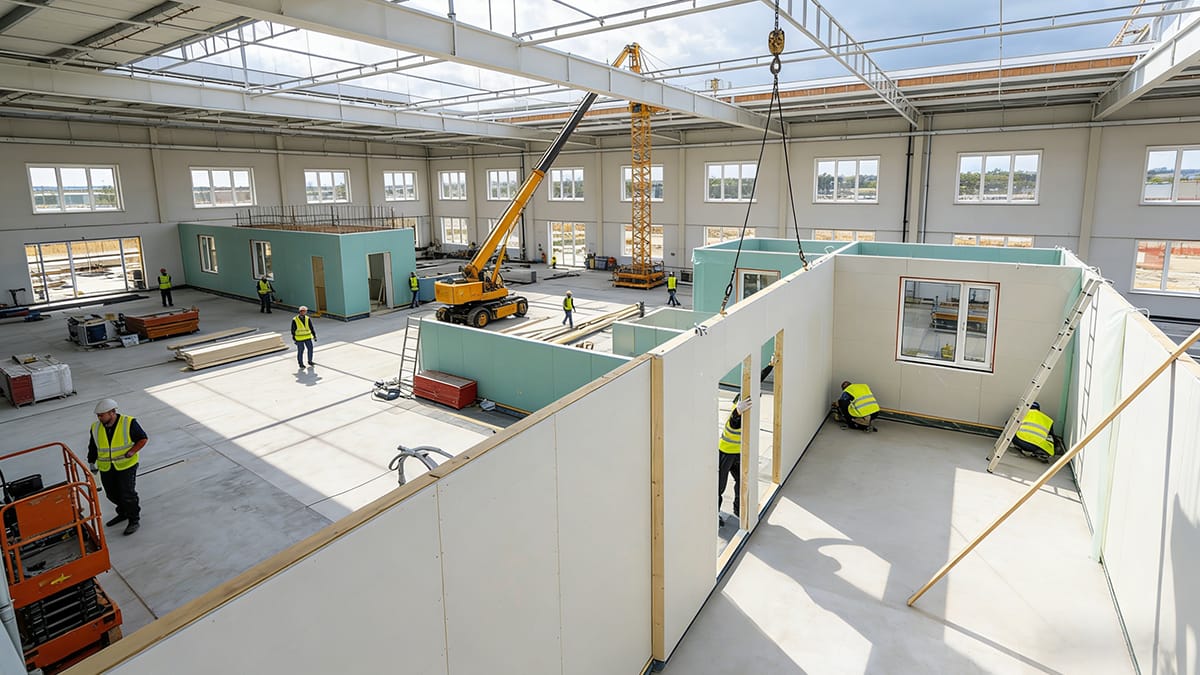
When you install wall boards, you want materials that are easy to cut and handle. Magnesium wall board (MgO) stands out because it is lighter and easier to work with than cement board. You can cut MgO boards with a utility knife or a regular saw. The edges stay clean, so you get a precise fit. Cement board feels much heavier and denser. Cutting it takes more effort and creates silica dust, which means you need to wear a mask for safety.
Feature | Magnesium Oxide (MgO) Board | Cement Board |
|---|---|---|
Weight | Lighter, easy to carry | Heavy, hard to move |
Workability | Simple to cut and shape | Tough to cut, dusty |
Tip: Always carry boards on their side and stack them flat. Let the panels adjust to the room’s temperature and humidity for 48 hours before you start your project.
Fastening and Finishing
You need to use the right fasteners and finishing steps to make your wall strong and long-lasting. For both MgO and cement boards, use corrosion-resistant screws like 316-stainless steel or ceramic-coated fasteners. These prevent rust and keep your walls sturdy.
Best practices for fastening and finishing:
Cut the boards to size with a utility knife or saw. Make sure the edges are smooth.
Dry fit the boards against the wall to check alignment.
Position and fasten the boards, leaving a small gap (1/16” for steel framing, 1/8” for wood). Start fastening from the center and work outward. Space screws 6 inches apart on the edges and 12 inches in the center.
Seal the joints with joint compound or adhesive. Sand the surface smooth.
Apply a primer or waterproof sealant for extra protection.
Recommended Fastener Type | Description |
|---|---|
316-stainless steel | Prevents corrosion and lasts a long time |
Ceramic coated fastener | Designed for cement boards, resists rust |
Corrosion-resistant screws | Essential for strong, lasting joints |
Note: Always leave small gaps for expansion and seal all joints to keep out moisture. This helps your wall last longer and stay strong.
Environmental Impact
Sustainability of Magnesium Oxide Board
Magnesium oxide board is good for the environment. Making it uses less energy than other wall boards. Factories make it at room temperature, so there is less pollution. The board even takes in carbon dioxide from the air while it dries. This helps lower greenhouse gases. You do not have to worry about bad chemicals like asbestos or formaldehyde. There is no ammonia, silica, or benzene in the board. This means the air inside your house stays cleaner.
Magnesium oxide boards use natural materials that are easy to find. You can recycle the boards or put them back in the ground when you are done with them. They do not hurt the earth. Making these boards uses much less energy—about half as much as making Portland cement. This makes magnesium oxide board a smart pick for the planet.
The board helps the earth by making less waste.
It does not let out harmful stuff, so it is safer.
Picking this board helps the air because it soaks up carbon dioxide.
But, most of the materials come from China. Shipping them far away adds more pollution. You should think about this when you want to be as green as possible.
Sustainability of Fiber Cement Board
Fiber cement board is also good for the planet. It is made from cement, cellulose fibers, sand, and water. Some of the stuff in the board is recycled. The board does not get ruined by bugs, water, or bad weather. You do not have to change it often, so it lasts a long time.
Component | How It Helps the Planet |
|---|---|
Cellulose fibers | Make the board stronger and last longer |
Cement | Holds everything together |
Sand | Makes the board tough and hard |
Water | Helps the board set and get strong |
Manufacturing | Makes less waste and follows rules |
Durability | Needs little fixing, so it lasts longer |
People use fiber cement boards in green buildings. These boards meet rules for helping the environment. More builders want green materials, and fiber cement boards are a big part of this. You help the earth when you pick boards that last and use recycled things. Fiber cement boards do not hold water and will not burn, so they are safe and green.
Tip: If you want to help the planet, both magnesium oxide board and fiber cement board are good choices. Think about how long the board lasts and if it fits your project.
Cost and Availability
 Material and Installation Costs
 Material and Installation Costs
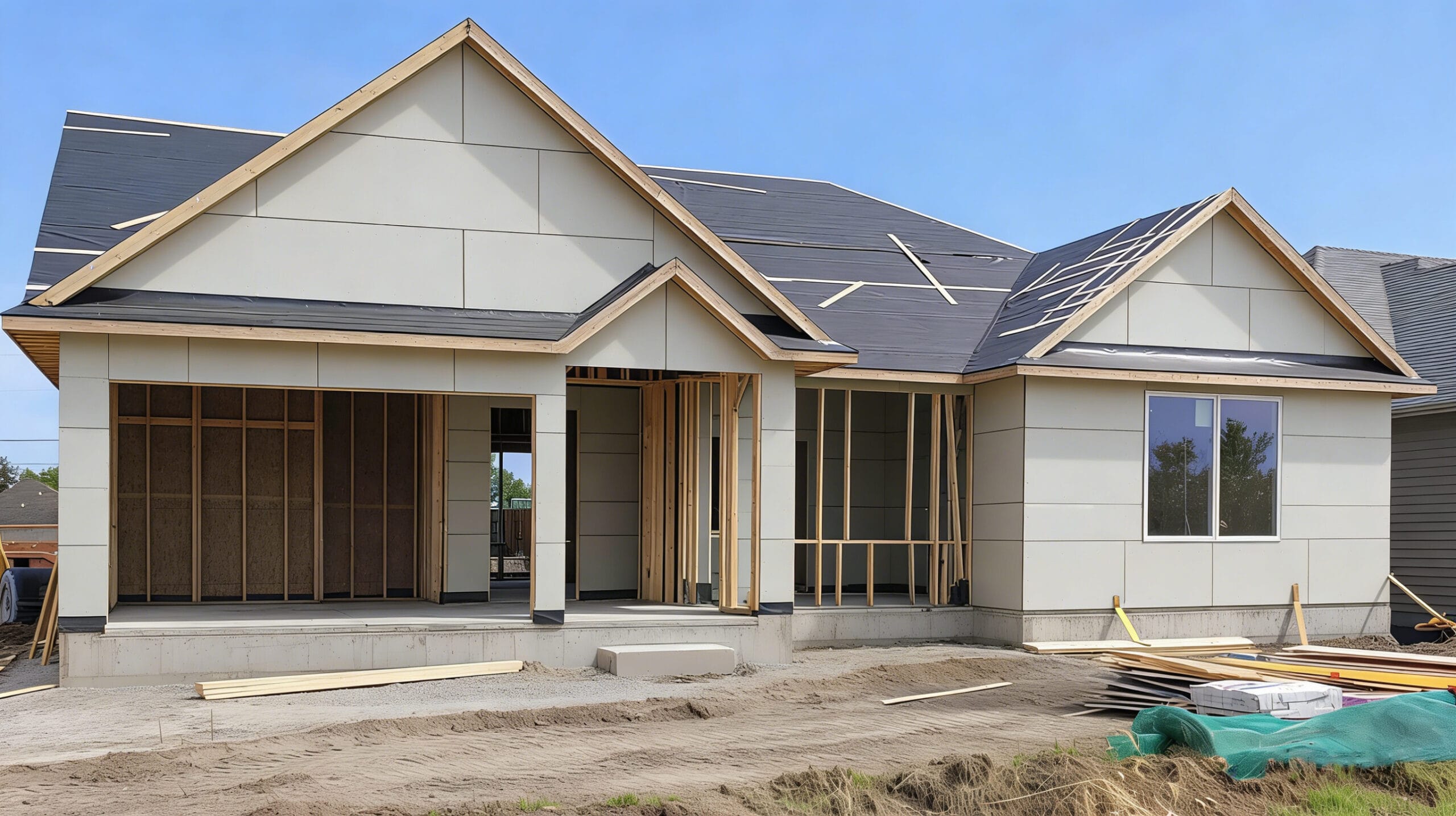
When you plan your project, you want to know how much each board will cost. Magnesium wall board usually costs more than cement board. You pay for the extra features and long-term value that magnesium wall board brings. Here is a simple cost comparison:
Material cost for magnesium wall board ranges from $1.50 to $3.50 per square foot.
Material cost for cement board ranges from $0.50 to $1.00 per square foot.
A standard 4×8 foot magnesium wall board sheet costs between $48.00 and $80.00, depending on thickness.
You may notice that the upfront price for magnesium wall board is higher. However, you get long-term value because it lasts longer and needs less maintenance. Cement board costs less at first, but you might spend more on repairs and replacements over time. If you want long-term savings, magnesium wall board can be a smart choice for your budget.
Availability and Sourcing
You can find cement board in most hardware stores and building supply shops. It is easy to buy and comes in many sizes. Magnesium wall board is less common in North America. You may need to order it from specialty suppliers or wait for shipping. Some regions have limited stock, so you should check availability before you start your project.
If you want to use magnesium wall board, plan ahead. Ask your supplier about delivery times and stock levels. Cement board gives you more options if you need materials right away. Both boards offer long-term value, but your choice may depend on what you can get quickly.
Tip: Always compare prices and check local suppliers before you decide. Think about long-term value, not just the initial cost.
Best Uses and Limitations
Ideal Applications for Magnesium Wall Board
You can use magnesium wall board in places where you need strong protection from water and fire. This board works well in bathrooms because it stops mold and mildew. Kitchens also benefit from magnesium wall board since it resists moisture and stays durable. If you live in a coastal area, magnesium wall board helps keep your home safe from humidity and mold. High-traffic areas like schools and offices need tough walls. Magnesium wall board gives you strength and lasts a long time. Green building projects often use magnesium wall board because it is eco-friendly and keeps indoor air clean.
Application Area | |
|---|---|
Bathrooms | Water resistance, mold and mildew prevention |
Kitchens | Moisture resistance, durability |
Coastal Homes | Stops mold and moisture, ideal for humid environments |
High-traffic Areas | Strength and durability for commercial applications |
Green Buildings | Eco-friendliness and structural integrity |
Tip: Magnesium wall board is a smart choice for places that need extra safety and long-lasting walls.
Ideal Applications for Cement Board
Cement board works best in areas where you need a strong surface that can handle water. You can use cement board in bathrooms, kitchens, and basements. It does not swell or crack when wet. Cement board also resists fire and pests. Many builders use cement board for tile backers and exterior walls. You can count on cement board for projects that need tough and reliable surfaces.
Board Type | Moisture Resistance | Ideal Use Cases |
|---|---|---|
Cement Board | Good moisture resistance | Bathrooms, kitchens, basements, exterior walls |
Note: Cement board gives you a sturdy base for tiles and protects your home from water damage.
Limitations of Each Material
You need to know the limits before you choose a board. Magnesium wall board costs more than gypsum board. You pay a higher price upfront, but it lasts longer and needs less maintenance. Some boards are heavier and harder to cut. Cement board is heavy and needs special tools. It can crack if you do not handle it carefully. Cement board also needs more care and sealing to keep it strong.
Material | Advantages | Disadvantages |
|---|---|---|
Magnesium Wall Board | Handles water and fire well. Lasts long. Good for the planet. | Costs more. Heavier than drywall. Harder to cut. |
Cement Board | Does not swell or crack when wet. Resists fire and pests. | Heavy. Needs special tools. Can crack. Costs more. |
⚠️ Always check your budget and tools before you start. Pick the board that fits your needs and your project.
Choosing the Right Board for Your Project
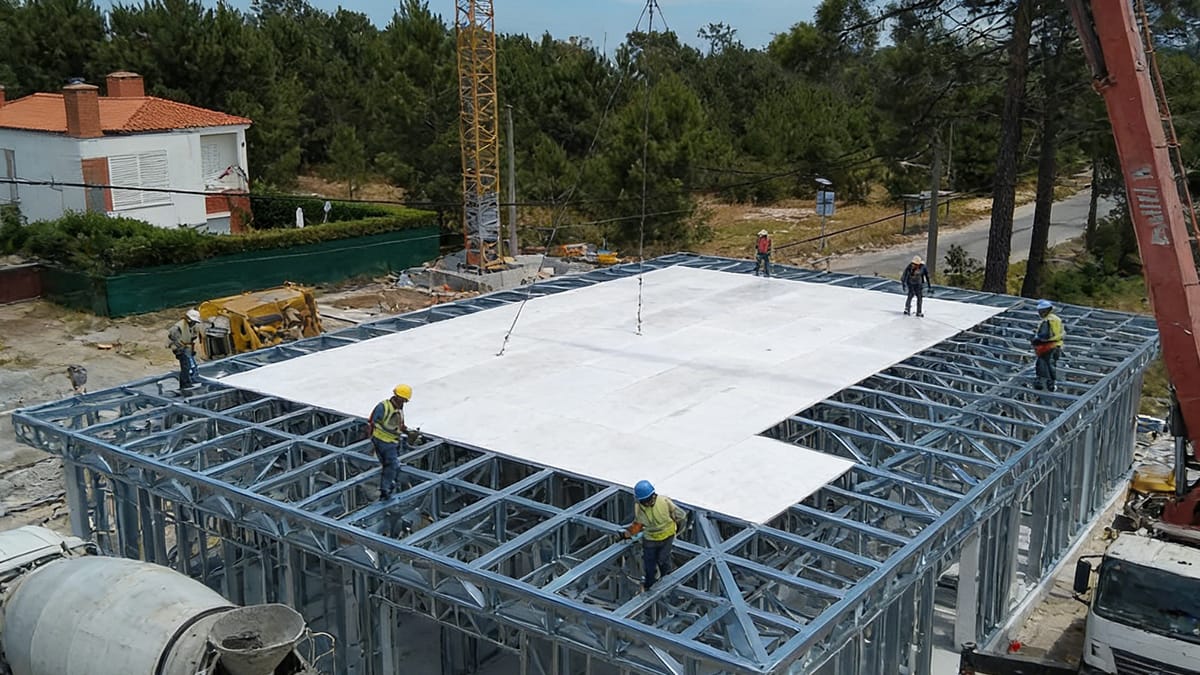 Picking the right board depends on what you need for your project. You should think about where you will use the board and what you want it to do. The table below helps you see how magnesium wall board and cement board work for different jobs.
Factor | Magnesium Wall Board | Cement Board |
|---|---|---|
Wet Areas | Excellent moisture resistance, suitable for wet environments | Good moisture resistance, but less than magnesium |
Fire-Rated Assemblies | High fire resistance, ideal for safety in fire-rated applications | Good fire resistance, but may not match magnesium |
Eco-Friendly Builds | Made from natural materials, more sustainable option | Often contains synthetic materials, less eco-friendly |
Budget Projects | Higher initial cost but lower long-term maintenance costs | Generally lower initial cost, but higher maintenance costs |
DIY vs Professional Use | Easier to handle and install for DIY projects | Requires more expertise for installation due to weight and complexity |
Wet Areas and Bathrooms
Bathrooms and wet rooms need strong protection from water. Magnesium wall board is great because it keeps out water and mold. You can use it in showers, basements, and kitchens. Cement board works too, but you might need to seal it more. If you want the best water protection, magnesium wall board is a good pick.
Fire-Rated Assemblies
Fire safety is important in some places. Magnesium wall board gives very high fire resistance. You can use it in stairwells, hallways, and fire walls. Cement board also helps stop fire, but magnesium wall board lasts longer when it gets hot. Pick magnesium wall board if you want the most fire safety.
Eco-Friendly Builds
If you want to help the planet, choose green materials. Magnesium wall board uses natural stuff and makes less pollution. This helps the earth. Cement board has more man-made parts and takes more energy to make. For green building, magnesium wall board is better.
Budget Projects
Sometimes you need to save money. Cement board costs less at first. It is good for simple jobs and repairs. Magnesium wall board costs more, but you will not spend as much fixing it later. If you want to save money over time, magnesium wall board is smart.
DIY vs Professional Use
You might want to do the work yourself. Magnesium wall board is lighter and easier to cut. You can put it up with basic tools. Cement board is heavy and needs special skills. If you like DIY, magnesium wall board makes things easier. Pros can use both, but magnesium wall board saves time.
Tip: Think about your space, your money, and your skills. Choose the board that works best for you and your project.
You have learned how magnesium wall board and cement board compare. Magnesium wall board gives you better fire and moisture resistance. Cement board costs less and is easy to find. Both boards last a long time and work well in wet areas. Think about what matters most—fire safety, water protection, budget, or eco-friendliness. Weigh the pros and cons for your project. If you feel unsure, ask a building professional for advice. Your choice shapes the safety and value of your space.
FAQ
What is the main difference between magnesium wall board and cement board?
You get better fire and moisture resistance with magnesium wall board. Cement board costs less and is easier to find. Magnesium wall board is lighter and more eco-friendly. Cement board works well for most wet areas.
Can you use magnesium wall board outside?
Yes, you can use magnesium wall board outside. It resists water, mold, and fire. You should check with your supplier for the right type for exterior use.
Is cement board safe for showers?
Yes, cement board is safe for showers. It handles water well and gives a strong base for tiles. You should seal the joints to keep water out.
Which board is easier to cut and install?
Magnesium wall board is easier to cut and install. You can use a utility knife or saw. Cement board is heavier and makes more dust when you cut it.
How do you choose the right board for your project?
Think about your needs:
For fire safety, pick magnesium wall board.
For budget jobs, choose cement board.
For green building, use magnesium wall board.
For DIY, magnesium wall board is easier.