
01 Apr Everything You Need to Know About Magnesium Wall Board for Construction
You can use magnesium wall board to make buildings better for the environment. This material has magnesium oxide, magnesium chloride, and other special things. The table below shows how each part helps in building:
Contribution to Performance | |
|---|---|
Magnesium Oxide (MgO) | Gives fire resistance and makes it strong |
Magnesium Chloride | Makes it better against water |
Additives | Makes it last longer and bend easier |
Magnesium wall board gives you many good things. It stops mold, keeps bugs away, and works well in wet places. You help the planet when you pick materials that last and keep buildings safe. Sustainable construction means using things smartly and caring for nature. Magnesium wall board is a top choice for green building because it is safe and healthy. When you choose this material, you help make the world better with smart building.
Key Takeaways
Magnesium wall board is very good at stopping fire. It can last up to four hours in a fire. This makes buildings safer. This material does not let water in easily. It helps stop mold and damage in wet places like bathrooms and kitchens. Using magnesium wall board is better for the environment. It makes less carbon emissions and you can recycle it. It is easy to install with normal tools. This can help save time and money on work. It costs more at first than regular drywall. But it lasts longer and saves money on fixing and replacing later.
What Is Magnesium Wall Board?
Definition & Composition
People sometimes call magnesium wall board mgo board. It is also called mgo wall board. These boards are special in construction. They use magnesium oxide, magnesium chloride, and other additives. This makes the board very good at stopping fire. It also keeps out water and holds in heat. These things make mgo wall board a favorite for builders. They want their buildings to be safe and last a long time.
If you look at what is inside, you find magnesium oxide, water, chloride, sulfate, wood dust, and perlite. Sulfate is sometimes called Epsom salts. Wood dust is also called cellulose. The process starts when magnesium and oxygen are heated together. This makes mgo, which is like stone after heating. Next, you mix this powder with the other parts. The finished board is strong and lasts for years. Each part helps the board fight fire, water, and damage.
Manufacturing Process
You may wonder why mgo wall board is so strong. The answer is in how it is made. First, you heat magnesium carbonate or magnesium ore. This makes mgo. Then you mix it with water and magnesium chloride. Cellulose and perlite are added to make the board bend and weigh less. The mix goes into molds and gets pressed flat. After that, the boards dry and get hard. This makes the board tough like stone.
Mgo wall board is better than regular wall boards in many ways. Look at this table to see the differences:
Characteristic | Magnesium Wall Board | Traditional Wall Boards |
|---|---|---|
Fire Resistance | High | Moderate to Low |
Moisture Resistance | Exceptional | Low to Moderate |
Durability and Strength | High | Moderate |
Thermal Insulation | Superior | Moderate |
Weight | Lightweight | Heavier |
You can see mgo wall board does well in almost every way. These boards do not get ruined by water. They stop mold and mildew from growing. They stay strong even if they get wet. You get a light but strong board for many uses.
Tip: If you want your building to be safe and last a long time, mgo wall board is a smart pick. It helps protect your building from fire, water, and damage.
Key Features of MGO Board
Fire Resistance
You want your building to stay safe during a fire. MGO wall board gives you high fire resistance. This material does not burn or give off toxic smoke. You can trust it to protect your space longer than other boards. Look at the table below to see how different standards rate its fire resistance:
Standard | Fire Resistance Rating |
|---|---|
ASTM E119 | |
Other | 1–2 hours |
MGO wall board stands out because it can last up to four hours in a fire. Gypsum board starts to weaken after just 30 to 60 minutes. Cement board can last up to one hour. MGO board stays strong and fire resistant much longer. You get peace of mind knowing your walls will not fail quickly in a fire. This makes mgo a top choice for fire resistant construction.
Moisture & Impact Resistance
You need walls that can handle water and bumps. MGO wall board gives you exceptional moisture resistance. It does not warp or break down in wet places. You can use it in bathrooms, kitchens, and even marine environments. The table below shows how mgo compares to other boards:
Feature | MgO Boards | Traditional Wall Boards |
|---|---|---|
Moisture Resistance | High | Good |
Direct Water Exposure | Yes | Limited |
Warping in Humidity | Less Prone | More Prone |
Use in Marine Environments | Yes | No |
MGO boards pass strict tests like EN12467 and ASTM C1288 for water and moisture resistance. You also get strong mold resistance, so your walls stay clean and healthy. MGO boards meet impact resistance standards such as ASTM C1513 and ASTM D1761. This means your walls can take hits and still look good. The lightweight design makes installation easy, but you do not lose durability and strength.
Environmental Benefits
You help the planet when you choose mgo wall board. These panels use safe, natural materials. They do not have harmful chemicals or VOCs. You get cleaner indoor air and a safer home. MGO boards create less than half the carbon emissions of regular drywall. They are recyclable, so you cut down on landfill waste. The manufacturing process uses less energy and creates fewer greenhouse gases. You support sustainable building and protect the environment. MGO wall board gives you durability, mold resistance, and water and moisture resistance while keeping your building green.
MGO Wall Board Uses in Construction
 Interior Walls & Ceilings
 Interior Walls & Ceilings
You can use mgo wall board for many interior projects. It works well for wall cladding in living rooms, bedrooms, and hallways. You can also use it for ceilings in homes and offices. Mgo wall board replaces gypsum drywall in most cases. You get a surface that resists fire, water, and mold. Many people use mgo as a tile backer board, especially in bathrooms and shower stalls. You can trust mgo wall board to stay strong and smooth, even in damp spaces. This makes it a smart choice for healthy indoor air and long-lasting walls.
Common applications for mgo wall board inside buildings include:
Ceilings
Firewalls and partitions
Shaft liners
Tile backer boards
Wall cladding for rooms with high moisture
Exterior Sheathing
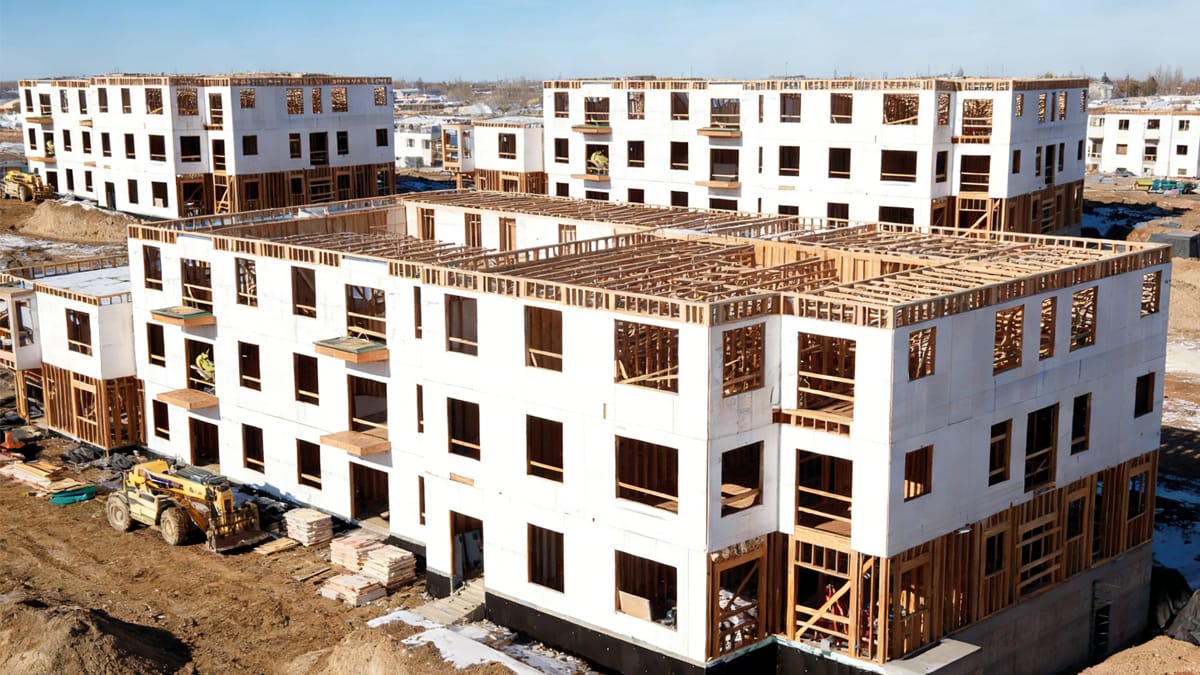
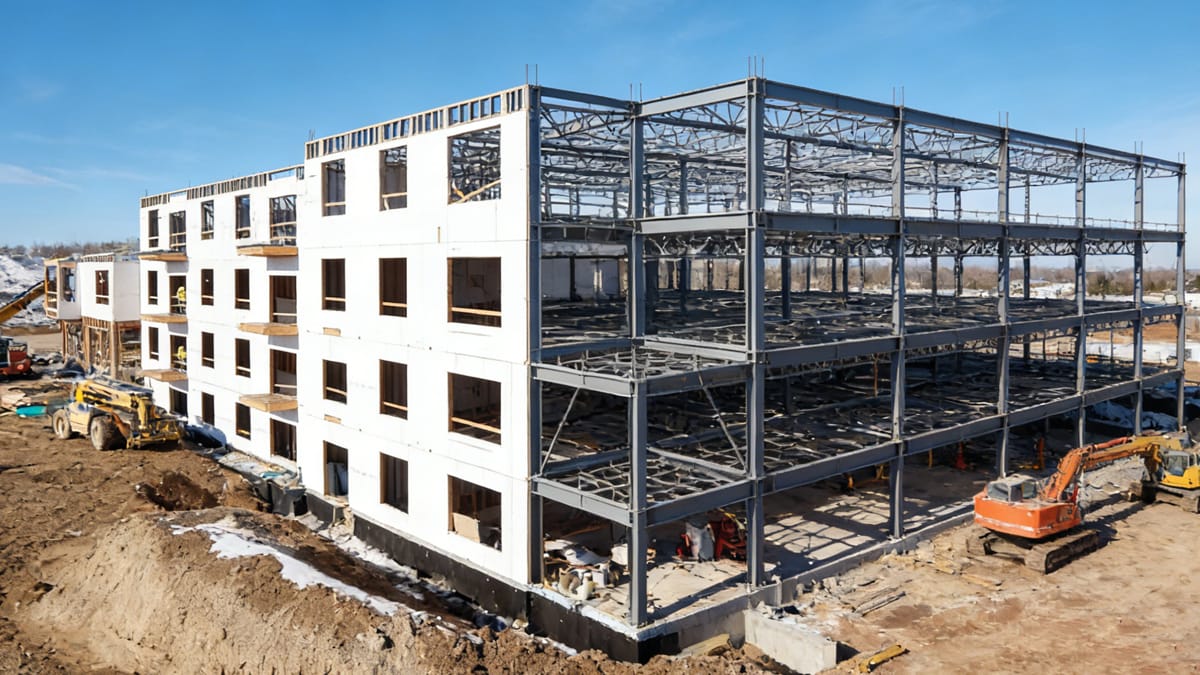
Mgo wall board gives you strong protection for the outside of your building. You can use it as exterior wall cladding or as a facing for structural panels. Mgo boards work well as substrates for insulated systems and coatings. They also serve as soffits and fascias. You get a board that stands up to rain, wind, and sun. Mgo wall board does not warp or break down like some other materials. You can use it for exterior wall cladding on wood or metal stud walls. This keeps your building safe and looking good for years.
Commercial Applications
You see mgo wall board in many commercial buildings. Builders use it for wall cladding in schools, hospitals, hotels, and offices. Mgo wall board is popular for firewalls and partitions in large spaces. You also find it as structural sheathing and as a substrate for coatings. Magnesium boards help you meet strict safety codes. They also lower repair costs because they last longer than regular boards. Mgo wall board may cost more at first, but you save money over time. The easy installation of mgo wall board can also help you finish projects faster. You get strong, safe, and clean walls for any commercial application.
Note: Mgo wall board gives you many options for both new construction and renovations. You can use it for almost any wall cladding or exterior wall cladding project.
Pros & Cons of Magnesium Wall Board
Advantages (Fire Resistance, Durability)
Magnesium wall board gives you many good things. The best feature is fire resistance. Mgo wall board does not burn. It will not make toxic smoke in a fire. This helps buildings meet safety rules and keeps people safe. You can count on mgo wall board to protect your building longer than regular boards.
Mgo wall board is strong and lasts a long time. It can handle bumps and daily use. It works well in busy places like schools and hospitals. The board does not crack or dent easily. You do not need to fix it often. Mgo wall board keeps its shape. It does not bend or droop over time. You can use it in wet places because it resists water. Unlike drywall, mgo wall board does not swell or break down when wet. This makes it a smart pick for bathrooms, kitchens, and other damp spaces.
Here are some main advantages of magnesium board:
Mgo wall board does not burn and does not make toxic smoke.
You get high fire resistance, which keeps buildings safer.
Mgo wall board is tough and can handle impacts and daily use.
The board keeps its shape and does not bend or droop.
Mgo wall board does not crack, split, or swell.
You need less fixing because it is strong.
Mgo wall board works well in busy and wet places.
You help keep buildings safe and strong.
Tip: If you want walls that work well, mgo wall board gives you fire resistance, strength, and good protection for your building.
Disadvantages (Cost, Limitations)
You should know about the downsides of mgo wall board. The first problem is cost. Mgo wall board costs more than regular drywall or cement board. The special materials and how it is made make it more expensive. You may also have trouble with installation. Some workers do not have the right tools or skills to put up mgo wall board. This can slow your project or make labor cost more.
You may find problems with other materials. Mgo wall board does not always work with every fastener or joint compound. In some places with high humidity, mgo wall board can show a “crying” or “sweating” effect. This happens when extra magnesium chloride comes out, which can cause mold or rust. Magnesium oxychloride boards have this problem more than magnesium oxysulphate boards, which stay stable in damp places.
Here are some common disadvantages:
Higher starting costs because of special materials and making.
Installation may need special tools and skilled workers.
Possible problems with other building materials.
Limits in humid places, like sweating or leaking.
Some types of magnesium boards have more moisture problems.
Note: Always check if mgo wall board works for your climate and building before you start your project.
Cost Overview
You need to plan your money when you use mgo wall board. The average cost per square foot in the United States is between $1.50 and $2.50. This price is higher than regular drywall, but you get better fire resistance, strength, and safety. The cost can change based on where you live, the thickness and size of the board, and how many people want eco-friendly materials.
The table below shows the main things that change the price of mgo wall board:
Factor | Description |
|---|---|
Raw Material Costs | The price of magnesium oxide changes MgO board prices. Higher mining costs make prices go up. |
Manufacturing Process | Special ways to make the boards need special tools and skills, which raise costs. |
Market Demand | More people want eco-friendly materials, so prices can rise. |
Industrial Applications | High demand from the steel industry can limit supply and make prices go up for mgo wall board. |
Thickness and Size | Bigger and thicker boards are stronger but cost more, which changes your project budget. |
You may pay more at first, but you save money later because mgo wall board lasts longer and needs less fixing. You also get better fire resistance, strength, and safety for your building projects.
Tip: Always look at the total cost, including putting up and fixing, when you pick wall materials for your projects.
Material Comparison
Magnesium Wall Board vs Gypsum Board
 Magnesium Wall Board vs Gypsum Board
When you compare mgo wall board to gypsum board, you see big differences in safety and durability. Mgo wall board gives you up to four hours of fire resistance. Gypsum board only lasts thirty to sixty minutes before it weakens. Mgo wall board does not burn or make toxic smoke. You get better protection for your building.
Moisture is another area where mgo wall board stands out. Mgo wall board does not swell or grow mold, even in wet places. Gypsum board absorbs water and can grow mold. You can use mgo wall board in bathrooms, kitchens, and other damp spaces without worry.
Installation is easy with mgo wall board. You do not need special tools. Most people can install mgo wall board without a professional. Gypsum board may need a skilled worker.
Here is a table to help you see the differences:
Attribute | Magnesium Wall Board (MGO) | Gypsum Board (Drywall) |
|---|---|---|
Fire Resistance | Up to 4 hours, does not burn | 30–60 minutes, weakens in fire |
Moisture Resistance | Highly resistant, no swelling/mold | Absorbs water, can grow mold |
Installation | Easy, no special tools needed | May need a professional |
You will find that mgo wall board needs little care. You only need to check for cracks once a year, clean with mild soap, and use sealant in wet areas. Gypsum board needs more repairs because of mold and water damage. Mgo wall board also keeps out mold, mildew, and insects. Its high alkalinity makes it hard for fungi to grow. This makes mgo wall board a better choice for healthy spaces.
Magnesium Wall Board vs Cement Board
Mgo wall board also gives you benefits over cement board. Mgo wall board is lighter, so you can lift and install it with less effort. You can cut mgo wall board with standard tools. Cement board is heavier and needs special tools for cutting. You may find cement board harder to work with.
Mgo wall board is flexible and does not chip easily. You can use mgo wall board for many jobs, like walls, ceilings, and floors. Cement board is strong but can crack during installation. Mgo wall board works well in places where you need both strength and flexibility.
Here is a table to compare them:
Feature | Magnesium Wall Board (MgO) | Cement Board |
|---|---|---|
Weight | Lightweight | Heavier and denser |
Ease of Installation | Easy, standard tools | Needs special tools |
Long-term Durability | Flexible, resists chipping | Rigid, can crack |
You can use mgo wall board for interior walls, ceilings, flooring underlayment, fire-rated partitions, and exterior facades. Mgo wall board gives you moisture protection and fire resistance in all these places. You get a board that is easy to handle and lasts a long time.
Tip: If you want a material that is easy to install, strong, and safe, mgo wall board is a smart pick for your next construction project.
Installation & Maintenance Tips
Choosing the Right Board
 Choosing the Right Board
You need to pick the best mgo wall board for your project. Look at the type of construction and the area where you will use the board. Some boards work better in places with lots of moisture. Others give you extra fire resistance. You should check the thickness and size. Most mgo wall board comes in sizes like 1220mm by 2440mm and thicknesses from 6mm to 12mm. Always check for certifications like ASTM and ICC-ES reports. These show the board meets safety and performance standards.
Criteria | Description |
|---|---|
Construction Types | Pick boards for your specific project needs. |
Fire Resistance | Choose boards with high fire ratings for safety. |
Moisture Resistance | Select boards for wet areas to stop mold. |
Thickness and Size | Make sure the board fits your space and needs. |
Follow methods for better performance and ease of installation. | |
Maintenance Tips | Pick boards that are easy to care for and last longer. |
Tip: Look for mgo wall board that resists fire, water, and mold. Eco-friendly boards help the planet and last longer.
Installation Best Practices
You get the best results when you follow smart steps for mgo wall board. Store boards flat in a dry place. Let them adjust to the room before you start. Use corrosion-resistant screws spaced 8 to 12 inches apart. Do not tighten screws too much. Leave gaps between boards for movement. Fill gaps with paintable caulking. For wet areas, install a vapor barrier behind the mgo wall board. Apply a water-resistant primer before finishing. Start fastening at the center and work outward. This prevents bulging and helps with ease of installation.
Use boards 10 to 12 mm thick for most walls.
For extra fire or impact resistance, use boards up to 15 mm thick.
For steel framing, leave a 1/16 inch gap. For wood framing, use a 1/8 inch gap.
Common Mistakes | Description |
|---|---|
Store boards flat | Keep boards flat in a dry, ventilated area. |
Acclimate boards | Let boards adjust to room temperature and humidity. |
Avoid over-tightening screws | Prevent cracking by using recommended fasteners. |
Apply joint compounds evenly | Stop expansion or contraction issues. |
Note: Ease of installation improves when you follow these steps and avoid mistakes.
Maintenance Guidelines
You keep your mgo wall board strong with regular care. Clean boards with a damp cloth or mild detergent. Do not use abrasive cleaners. Dry boards after cleaning to stop moisture buildup. Inspect boards for cracks or chips. Fix problems quickly with suitable fillers or sealants. In high-moisture areas, check for water intrusion often. Touch up painted surfaces as needed. Mgo wall board resists mold and moisture, so you spend less time on repairs. Ease of installation and maintenance makes mgo a smart choice for busy spaces.
Clean boards regularly to remove dust and dirt.
Inspect boards for damage and repair cracks right away.
Avoid heavy scrubbing to protect the surface.
Use sealants for minor issues to prevent bigger problems.
Tip: Mgo wall board stays stable and strong with simple care. You get long-lasting walls with less effort.
You have learned how magnesium wall board can improve your building projects. This material gives you fire resistance, strength, and better air quality. You should think about these points:
It lasts longer than many other boards.
It works well in wet and dry places.
It may cost more at first.
Consider talking to a building expert before you choose. You can find more details by doing extra research.
FAQ
What tools do you need to cut magnesium wall board?
You can use a standard utility knife for thin boards. For thicker boards, use a circular saw with a carbide blade. Always wear a dust mask and safety glasses.
Can you paint or tile over magnesium wall board?
Yes, you can paint or tile over it. Use a primer before painting. For tiling, apply a suitable adhesive. The surface holds paint and tiles well.
Is magnesium wall board safe for people with allergies?
Magnesium wall board does not contain harmful chemicals or VOCs. It resists mold and mildew. You get cleaner indoor air, which helps people with allergies.
How long does magnesium wall board last?
You can expect magnesium wall board to last for decades. It resists water, fire, and impact. You will not need to replace it often.
Does magnesium wall board need special maintenance?
You only need to clean it with a damp cloth. Inspect for cracks or chips once a year. Use sealant in wet areas. Magnesium wall board needs less care than regular drywall.