
29 Jan The Pros and Cons of Using Magnesium Wall Board in Modern Construction
You may ask if magnesium wall board is good for your project in 2025. Many builders pick it because it is light and simple to put up. You also get materials that are better for the earth, which can help you protect nature. But you should know it can cost more and is not always easy to find, which can make building more expensive. Look at these things and compare them to regular materials. Think about what is most important to you—fire safety, keeping out water, or saving money.
Key Takeaways
Magnesium wall board is very good at stopping fire and water. This makes it a safe pick for buildings. It is light, so it is easier to put up. You should use fasteners that do not rust. This stops them from getting damaged. Magnesium wall board costs more at first than drywall. But it can help you save money later. This is because it lasts a long time and does not need much fixing. Always try paints and glues on a small spot first. This helps you see if they work well with magnesium wall board. You should use magnesium wall board in wet places. Bathrooms and kitchens are good spots. This helps keep people healthy and safe.
Magnesium Wall Board Overview
What Is Magnesium Oxide Wallboard
Magnesium oxide wallboard is not like other wallboards. It uses magnesium oxide as the main part. Makers heat magnesite to get magnesium oxide powder. They mix this powder with magnesium chloride brine and other things. This mix turns into panels for walls and ceilings. The steps include shaping, drying, and checking for quality. The wallboard meets rules like ASTM C1185 and EN 12467.
Here is a table that shows what makes magnesium oxide wallboard special:
Property | Description |
|---|---|
Fire Resistance | It does not burn and can handle high heat. It does not let out bad fumes. |
Moisture Resistance | It does not get damaged by water or mold. It stays strong in wet places. |
Durability | It does not crack, bend, or droop. It lasts a long time. |
High Melting Point | It melts at over 2800°C. It can take a lot of heat. |
Lightweight Structure | It is lighter than cement boards. It is easy to move and put up. |
Dimensional Stability | It does not bend or shrink much when the air gets wet or dry. |
Alkalinity | It keeps away mold, mildew, and bugs. |
Compatibility | You can use many paints, finishes, and covers on it. |
Magnesium oxide wallboard does not catch fire. It can last up to four hours in fire tests. It does not soak up much water, so it keeps its shape in wet rooms. It also stops mold and mildew because it is alkaline.
Common Uses in Construction
Magnesium oxide wallboard is used in lots of places. Builders use it for inside walls and ceilings in homes, schools, and hospitals. You can put it in bathrooms, kitchens, and basements because it does not get ruined by water. Some builders use it for outside walls where fire safety is needed.
You can put magnesium oxide wallboard in wet places.
You can use it for fire-safe walls in big buildings.
You see it in fix-up jobs where you need strong walls that do not get moldy.
You find it in green buildings because it helps get LEED points for recycled stuff and low VOCs.
Tip: Magnesium wall board works with many paints and finishes. You can make your space look how you want.
Magnesium oxide wallboard gives you a strong and safe choice for new buildings. It meets building rules like IBC and IRC. It helps keep your building safe from fire, water, and bugs.
Advantages of Magnesium Wall Board
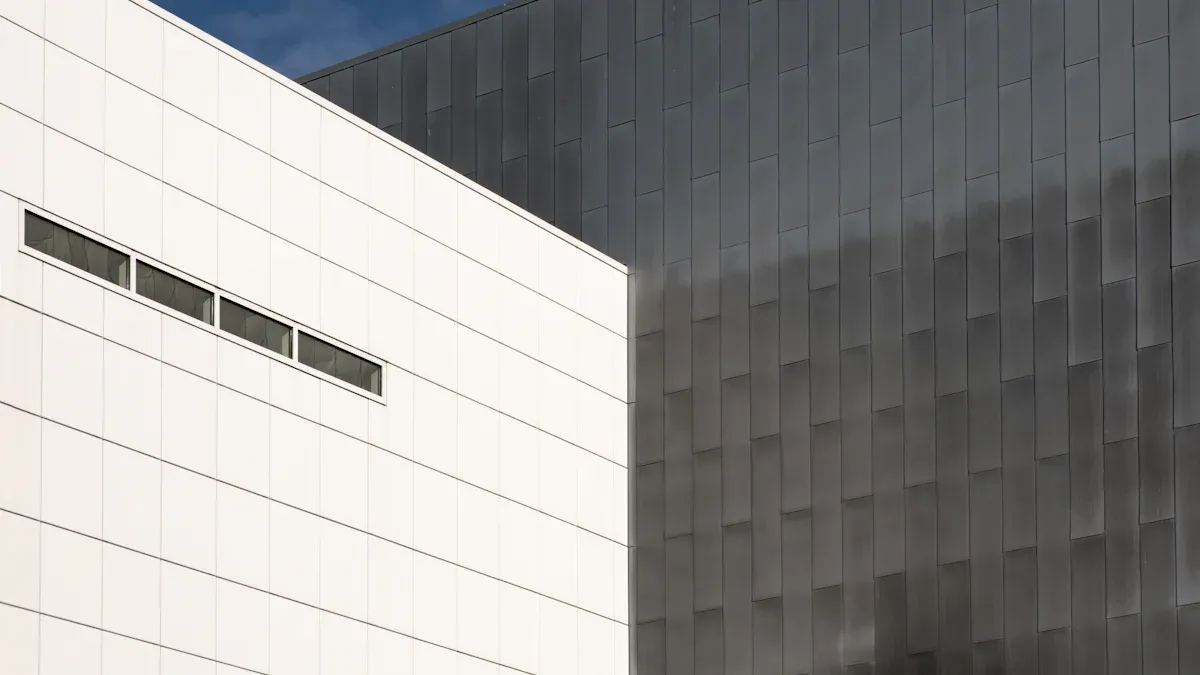
Magnesium wall board has many good points. It helps keep buildings safe from fire. It does not get ruined by water or mold. It is strong and lasts a long time. It is made with materials that are better for the earth. It is also easy to put up. These things make it a smart pick for many building jobs.
Fire Safety
Magnesium wall board is great for fire safety. It helps protect people and things in a fire. This wall board does not burn or make fires worse. It stays strong even when flames touch it for hours. It meets tough safety rules like ICC-ESR and IBC for big buildings.
Feature | Description |
|---|---|
Fire Resistance | Stays strong for up to four hours in fire. |
Non-combustibility | Does not burn or help fire spread; passes ASTM E136. |
Certifications | Meets ICC-ESR and IBC for Types I and II buildings. |
Here is how magnesium wall board does in fire tests:
Property | MgO Board | Gypsum Board | Cement Board |
|---|---|---|---|
Fire Resistance Rating | A1 Non-Combustible | Up to 1 hour | Up to 2 hours |
Fire Endurance | Up to 4 hours | 30-60 minutes | Up to 2 hours |
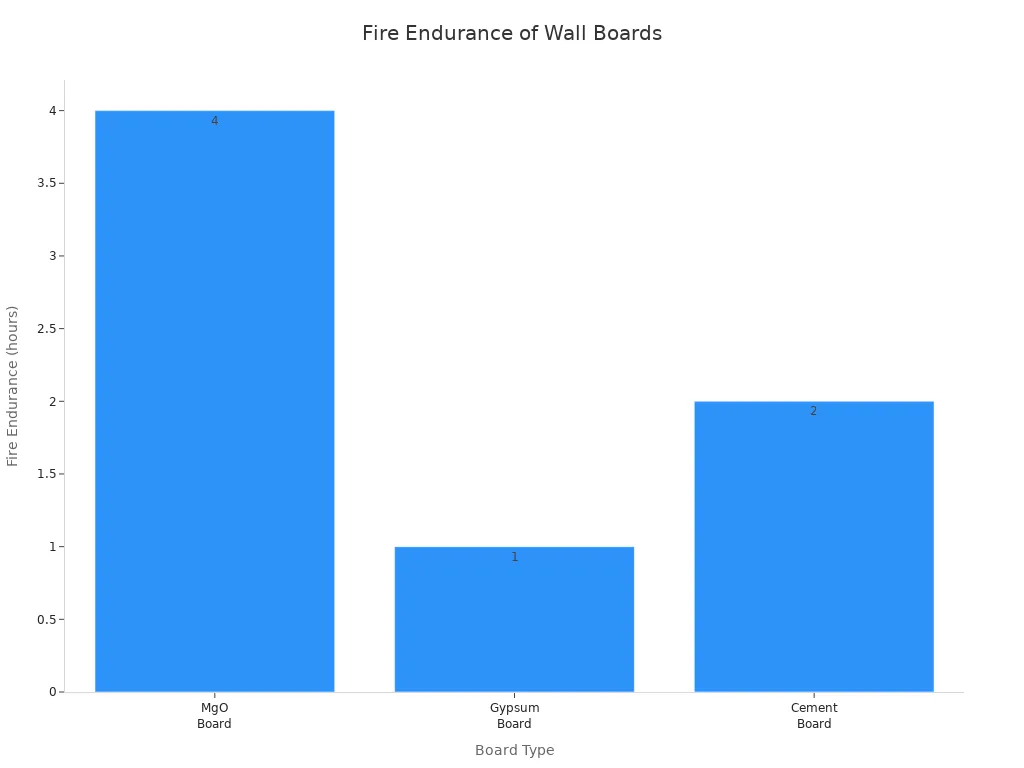
Magnesium wall board gives you strong fire safety. This makes it better than other wall boards.
Moisture Resistance
Magnesium wall board is good in wet places. It does not swell or break when it gets wet. It keeps out mold and mildew. This helps keep buildings safe and healthy.
Magnesium wall board was tested in wet air for two years. It did not get weak or show water drops.
It does not let mold grow and stays strong in wet rooms.
Gypsum boards can soak up water and get mold, even if they say they resist water.
Here is a table about moisture resistance:
Feature | Magnesium Wall Board (MgO) | Gypsum Board |
|---|---|---|
Moisture Resistance | Great, stops mold and stays strong in wet air | Bad, swells and breaks when wet |
You can count on magnesium wall board to fight water and mold. This is important for rooms that get damp.
Durability
Magnesium wall board is tough and lasts a long time. You do not need to fix it often. It does not crack, bend, or sag. It can handle busy places and daily use.
Magnesium wall board keeps its shape and strength for years.
It does not get weak from water or changes in heat.
You can use it in places where lots of people walk.
This means you save money and time fixing walls. It also helps keep your building safe.
Eco-Friendly Material
Many builders want to use eco-friendly materials. Magnesium wall board is good for the earth. It helps lower pollution and saves energy.
Certification | Purpose |
|---|---|
CE | Shows it meets health and safety rules. |
ISO | Makes sure it is made well every time. |
INTERTEK | Checks safety and how it works. |
ASTM E84 | Tests how safe it is in fire. |
UL 723 | Looks at how fast fire spreads. |
FloorScore | Checks air quality inside. |
LEED | Gives points for green building. |
Using magnesium wall board can cut pollution by 70% compared to old materials.
Making it can take in more CO2 than it puts out.
It makes less CO2 than concrete or drywall.
By picking magnesium wall board, you help the planet. This is good for people who care about nature.
Installation Ease
Magnesium wall board is easy to put up. It is light, so you can move it easily. You can cut, drill, and shape it with normal tools. This makes building faster and easier.
Builders say it is simple to cut and fit. The smooth sides help make clean cuts.
You can put it up quickly and save money on work.
Some boards are heavy, so be careful not to break them.
You can use magnesium wall board in many ways. You can paint it, put tiles on it, or use wallpaper. This helps you be creative in your building.
Tip: Magnesium wall board lets you build in many styles. You can use it for lots of needs.
When you add up all these good points—fire safety, water and mold resistance, strength, eco-friendly materials, and easy building—you see why magnesium wall board is a top pick for new buildings. It is safe and flexible, so it is a smart choice for your next project.
Disadvantages of Magnesium Wall Board
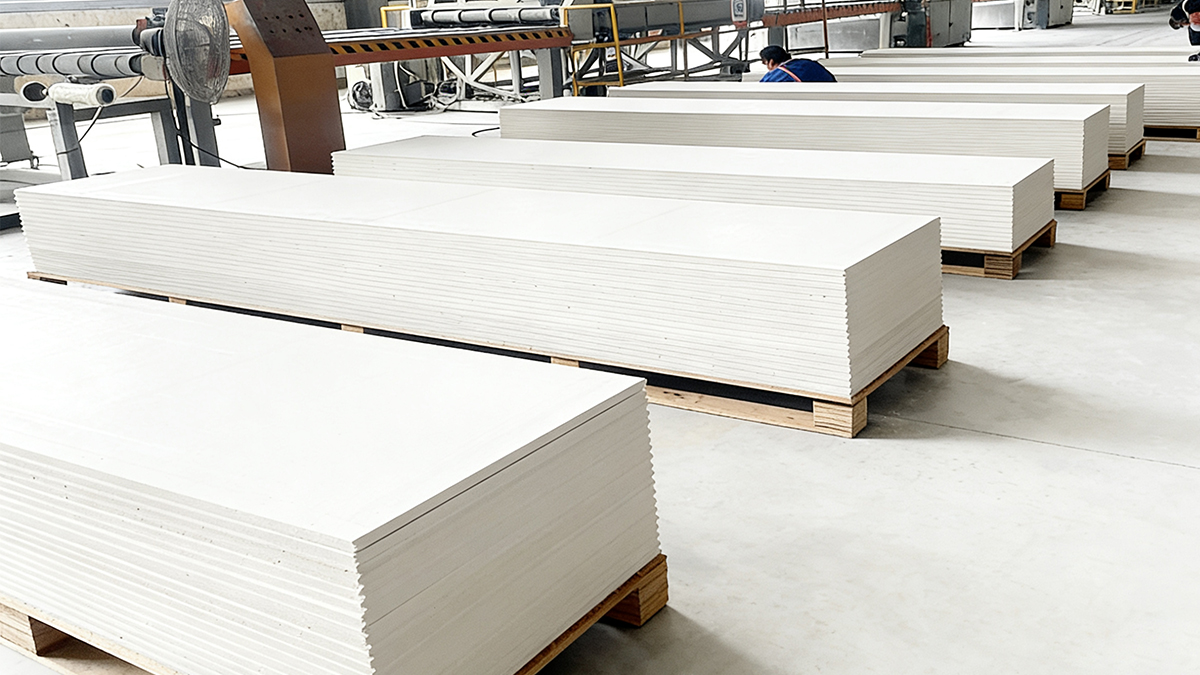 Magnesium oxide wallboard has many good points. But it also has some problems. These problems can change your building plans. You should know about higher cost, corrosion, quality changes, and trouble with other materials. Learning about these issues helps you pick the best wallboard.
Higher Cost
Magnesium oxide wallboard costs more than other wallboards. The price for each square foot is higher than drywall or plywood. This means your project might cost more, especially if it is big.
Material | Cost per sq.ft. |
|---|---|
$1.50 – $3.50 | |
Drywall | $0.30 – $1.00 |
Plywood | $0.80 – $2.50 |
If you use 6mm magnesium oxide wallboard, you pay about $8–$12 for each square meter. Thicker boards cost even more money. Labor costs go up because magnesium oxide wallboard is heavier. Sometimes you need special tools. You may need more workers or extra time to finish.
Board Type | Long-term Value | |
|---|---|---|
MgO Board | $1.50 – $2.50 | Strong, fireproof, and water-resistant, saving money later. |
Gypsum Board | $0.50 – $1.00 | Cheaper upfront but may need more repairs over time. |
Gypsum boards are cheaper to put in. They are lighter and do not need special tools.
Magnesium oxide wallboard costs more to put in. It is heavier and takes longer.
You need to think about if the higher cost is worth it for the future.
Corrosion Concerns
Another problem is corrosion. Magnesium oxide wallboard has magnesium chloride inside. This can make metal fasteners or frames rust. When chloride touches steel or aluminum, it can make the metal weak. You might see stains or have safety problems if fasteners break.
Corrosion can make fasteners weak and unsafe.
You might see stains or need to fix things.
More repairs can cost you extra money.
To stop corrosion, use special fasteners and glue that do not rust. Keep your work area dry and use the right ways to put up the wallboard.
Description | |
|---|---|
Use corrosion-resistant fasteners and adhesives | This prevents rusting, ensuring the wall remains strong and safe from fire. |
Maintain a dry workspace | Keeping the workspace dry helps the wall last longer and prevents water damage. |
Ensure proper installation techniques | Proper techniques are crucial to avoid water damage and maintain the integrity of the wall board. |
Tip: Always check that your fasteners and glue are safe for magnesium oxide wallboard.
Quality Variation
Not all magnesium oxide wallboard is made the same. Quality can change from one company to another. Some boards are better at stopping fire, staying strong, or keeping out water. Others might not last as long or may not follow building rules.
MagPanel (Magnesium Sulfate Board) | Cement-Based Boards | Standard Magnesium Oxide Boards | Traditional Drywall | |
|---|---|---|---|---|
Thermal Resistance | Better than cement boards | 0.05 to 0.20/inch | Similar or slightly higher | Not for insulation |
Fire Resistance | A1 Fire Rating; >750°C for 30+ min | Good, but lower | Good | Lower |
Flexural Strength | 7 to 15 MPa | N/A | N/A | 3 to 5 MPa |
Moisture & Mold Resist | High resistance | Lower | Lower | Poor |
Weight (12mm) | ~2.2 lbs/sq ft | Heavier | N/A | 1.6–2.2 lbs/sq ft |
Dimensional Stability | Excellent | Lower | Lower | Lower |
Environmental Impact | Low VOCs, recyclable | Higher carbon | N/A | Contains VOCs |
Some groups make rules for magnesium oxide wallboard. These rules help you get better boards, but not all boards follow them.
Organization | Purpose |
|---|---|
Leading the development of standards for magnesium wall boards | |
Magnesium Oxide Building Board Trade Association (MOBBTA) | Creating a Publicly Available Specification (PAS) document |
Note: Always check if your wallboard follows trusted rules before you buy.
Compatibility Issues
You might have trouble using magnesium oxide wallboard with other building stuff. Some glues, paints, or finishes do not stick well. The alkaline part of magnesium oxide wallboard can make paint or wallpaper peel off. Joint compounds may not stick, so you get cracks or rough spots.
Description | |
|---|---|
Joint Compound Adhesion | Moisture absorption weakens the bond between joint compound and magnesium wall board. |
Paint and Wallpaper Peeling | The alkaline nature of magnesium boards makes it difficult for some paints and adhesives to adhere. |
Mold Growth | Excess moisture can lead to mold growth where the joint compound fails. |
Seams and Corners | Joint compound may pull away from the board, leading to an unfinished appearance. |
Testing Paint Adhesion | Recommended to test paint adhesion before large applications to avoid peeling or bubbling. |
Use of Primer | Primers are necessary to improve adhesion of finishes to magnesium wall board surfaces. |
You can fix some problems by using a primer before painting or finishing. Always test your paint or glue on a small spot first. If you use metal frames, you may need a barrier to stop rust.
Material Type | Recommendation | |
|---|---|---|
Traditional MgO Boards (MgCl) | Corrosion of metal fasteners, weeping boards | Install a barrier to avoid direct contact with galvanized steel framing |
MagPanel® (MgSO4) | Better moisture resistance, less prone to weeping boards | Use with galvanized steel framing and a barrier |
Tip: Always follow the maker’s instructions for glues, paints, and joint compounds when you use magnesium oxide wallboard.
You need to think about these problems and the good points. Magnesium oxide wallboard is strong, but you must plan for these issues to get the best results.
Material Comparison
 Magnesium Wall Board vs. Drywall
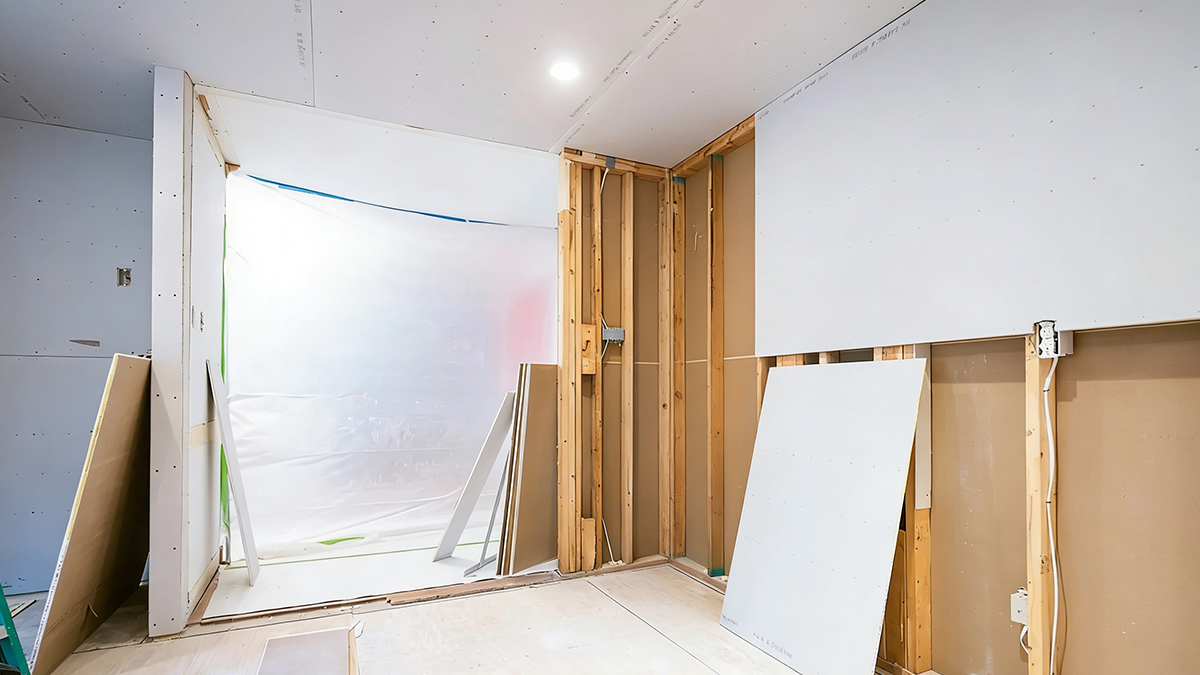 Magnesium Wall Board vs. Drywall
Magnesium oxide wallboard is different from drywall. It does not burn and can take high heat. Drywall gives some fire protection, but only special types are very safe. Magnesium oxide wallboard keeps out water and does not let mold grow. Drywall gets weak and moldy when wet. Magnesium oxide boards make walls stronger. Drywall cracks and dents more easily.
Magnesium Oxide Wallboard | Drywall | |
|---|---|---|
Fire Resistance | Non-combustible, withstands high temperatures | Moderate, fire-rated types available |
Moisture Resistance | Resists moisture, does not warp or support mold | Deteriorates quickly when exposed to water |
Durability and Strength | Stronger, impact-resistant, withstands wear | Prone to dents and cracks, less rigid |
You need special fasteners for magnesium oxide wallboard. Use stainless steel or ceramic coated ones. Drywall uses regular screws. Wear safety gear when working with magnesium oxide boards. Do not dry sweep dust from these boards. Drywall does not need these extra steps.
Fastening is different for each board.
Magnesium oxide boards need careful handling and expert help.
Drywall is easier to install and has more choices.
Magnesium Wall Board vs. Cement Board
Magnesium oxide wallboard is better than cement board in many ways. It protects against water and fungus for a long time. These boards are light and strong, so you can move them easily. Cement board is heavy and needs special tools to cut. Magnesium oxide boards use natural minerals and need less energy to make. This helps the earth. Cement board is not as good for the environment.
Magnesium oxide boards last longer and fight water damage.
They are easier to put up because they weigh less.
Cement board costs less at first but may need more fixing.
Cement board can soak up water if not sealed, which causes trouble.
Magnesium oxide wallboard saves money over time. You do not need to fix or replace it as much.
Performance and Cost
Think about how well the material works and how much it costs. Magnesium oxide wallboard costs more at first. But you save money later because it needs fewer repairs. These boards stop fire, water, and mold. Drywall is cheapest, but it does not last long. Cement board costs in the middle and may need extra work.
Material | Long-term Savings | Durability Features | |
|---|---|---|---|
Magnesium Wall Board | Higher | Yes | Fire, water, and mold resistance |
Drywall | Lowest | Limited | Quick installation, but less durable |
Cement Board | Moderate | Variable | May require additional treatments |
Magnesium oxide boards help you build safe and strong spaces. They are a good choice for projects that need tough and safe walls. Pick the material that matches your needs and budget.
Practical Use
When to Choose Magnesium Wall Board
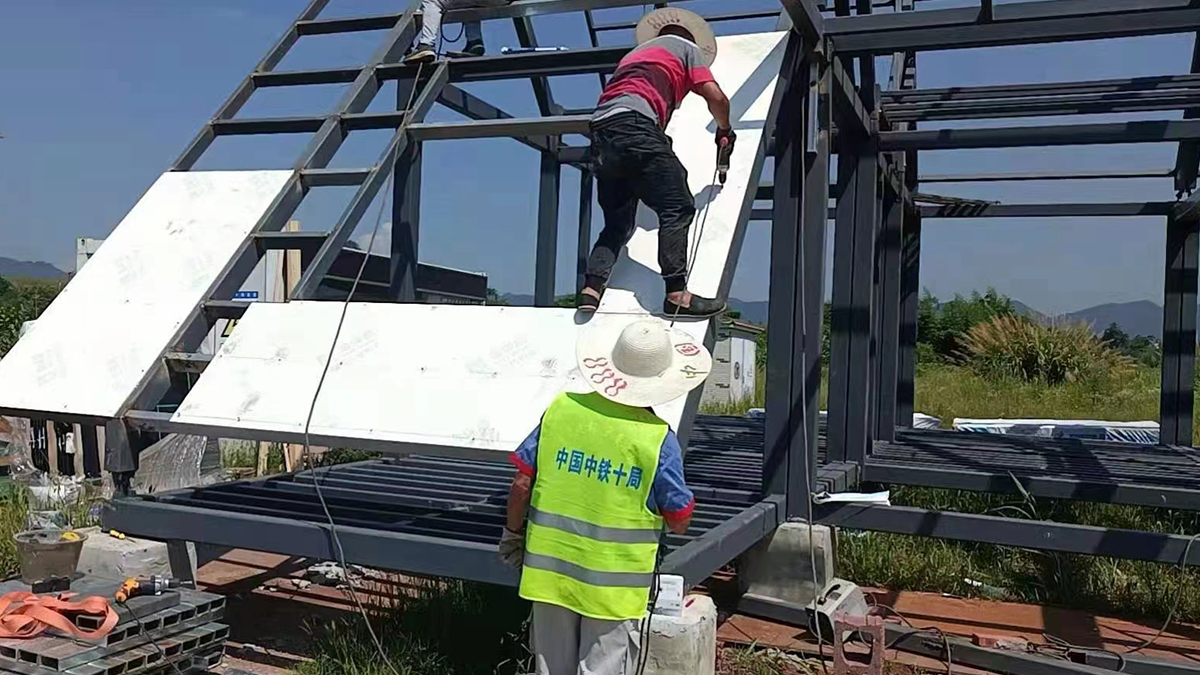 When to Choose Magnesium Wall Board
Magnesium wall board is good for projects needing fire safety. It also helps if you want walls that resist water and last long. This material is light and easy to put up. You save money over time because it does not break or need many repairs. Magnesium wall board is a smart pick if you care about the earth. Use it in places where you need strong walls and want to stop mold or water damage. It is better than regular drywall for strength and easy building.
Tip: Pick magnesium wall board if you want light, easy-to-install walls that save money later.
Best Applications
Magnesium wall board works in many buildings. Builders use it in homes, schools, hospitals, and offices. It is best for wet places like bathrooms and kitchens. It is also good for buildings near the coast. Modular builders like it because it is light and saves time. The table below shows where magnesium wall board helps most:
Project Type | Benefits | Examples |
|---|---|---|
Modular Construction | Saves money, lasts long, stops water and mold | Modular homes |
Residential Buildings | Safe from fire, lasts long, stops mold | Homes, apartments |
Commercial Projects | Strong, safe, follows rules, needs little fixing | Schools, hospitals, offices |
Wet and Coastal Areas | Stops swelling and rotting, handles tough weather | Bathrooms, kitchens |
You get the most help in places that need strong walls and water protection. Magnesium wall board helps you follow building rules and keeps your space safe.
Installation Tips
You can put up magnesium wall board with easy steps. Always use stainless steel or ceramic coated fasteners so they do not rust. Put fasteners at least 4 inches from corners. Space them 6 inches apart on the edges. Cover all screw heads with joint compound and press down to hide each screw. Make the surface smooth.
Handle boards carefully when packing and moving.
Keep boards inside before you close up outer walls.
Store boards in a dry place and keep them wrapped until you use them.
Installation Tip | Description |
|---|---|
Fastening | Use rust-proof fasteners for strong walls. |
Safety Precautions | Wear a mask and safety glasses when cutting or sanding. Use water or a HEPA vacuum for dust. |
Material Management | Keep boards dry inside and follow the maker’s rules. |
Screw Head Treatment | Cover screw heads with joint compound for a smooth wall. |
Note: Always follow the maker’s instructions when you install magnesium wall board. This helps your building stay safe and last longer.
You now know the main good and bad things about magnesium wall board. It keeps out fire, water, and lasts a long time. It is also better for the earth. But it costs more and can be harder to put up. When you look at other materials, magnesium wall board is safer and greener. Check the table below to see the good and bad points for your job:
Factor | MgO Boards | OSB |
|---|---|---|
Fire Resistance | Excellent | Moderate |
Moisture Resistance | Excellent | Moderate |
Durability | High | Moderate |
Eco-friendliness | High | Low |
Cost | Higher | Lower |
Installation Ease | Moderate | Easy |
Think about what you need for fire safety, water protection, and how much you can spend. The good and bad points are important when you plan your building. More people want safe and green materials, so magnesium wall board is getting more popular. If you want to use it in 2025, talk to sellers, check your local rules, and look at the good and bad points for your job.
FAQ
What makes magnesium wall board different from drywall?
You get better fire and moisture resistance with magnesium wall board. Drywall can break down in wet areas. Magnesium wall board lasts longer and helps keep your building safe.
Can you paint or finish magnesium wall board easily?
You can paint or finish magnesium wall board. Use a primer first for best results. Always test your paint or adhesive on a small area before finishing the whole wall.
Is magnesium wall board safe for bathrooms and kitchens?
You can use magnesium wall board in bathrooms and kitchens. It resists water and mold. This helps keep these rooms healthy and strong.
Does magnesium wall board cost more than other options?
You pay more for magnesium wall board than for drywall. The higher price gives you better durability and safety. You may save money over time because you need fewer repairs.
How do you prevent corrosion when installing magnesium wall board?
You should use stainless steel or ceramic-coated fasteners. Keep the boards dry before and during installation. This helps stop rust and keeps your walls strong.
Tip: Always follow the manufacturer’s instructions for the best results.