
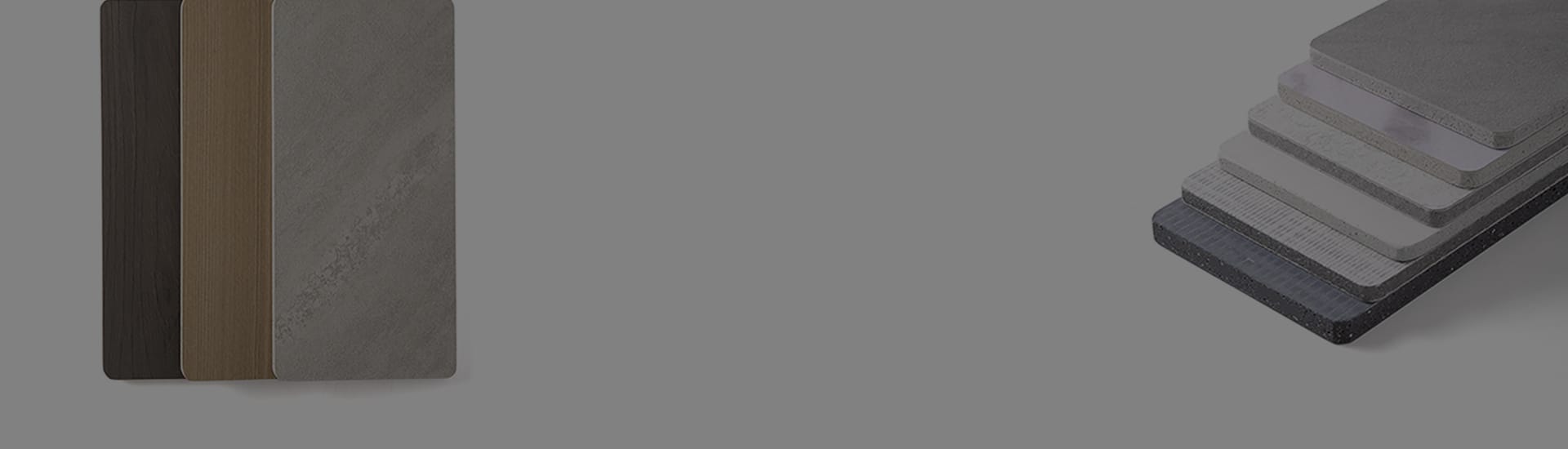
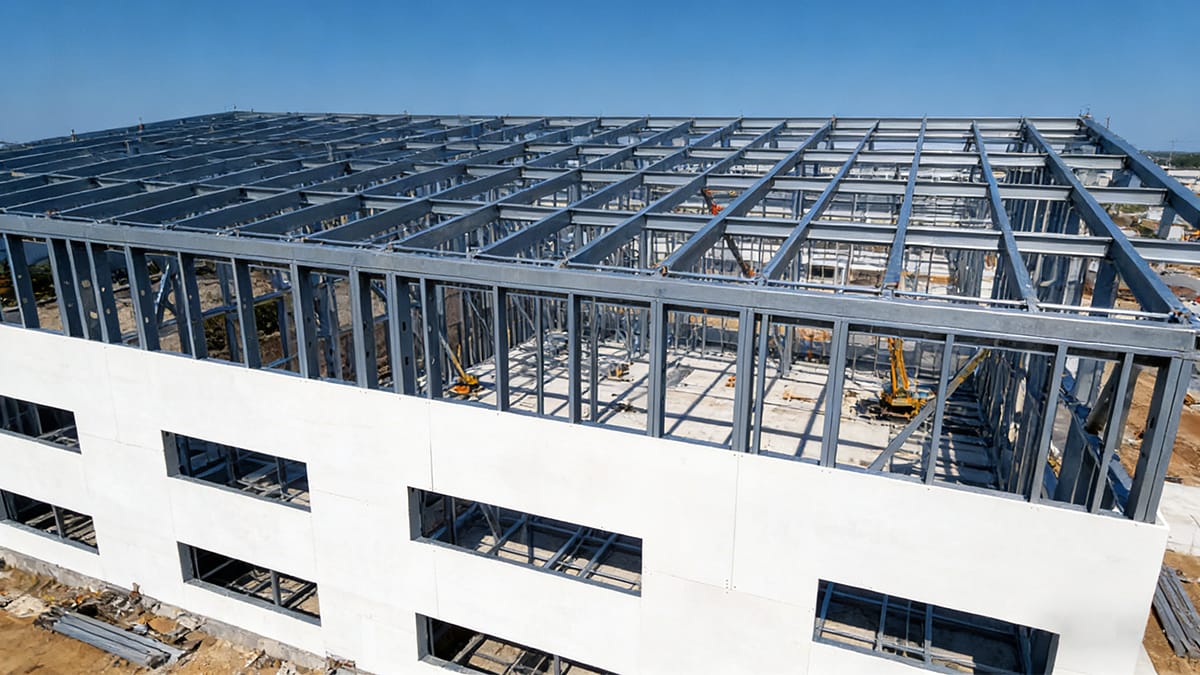
21 Mar Magnesium Oxide Wallboard and Drywall Differences You Need to Know
You want your building to last a long time. You also want it to be safe and not cost too much. There are important differences between magnesium oxide wallboard and drywall. These differences can change how safe your building is. Magnesium oxide wallboard is very good at stopping fire. It can last over four hours without burning. Drywall can stop fire for up to two hours. But drywall can get weak when it gets hot. When you think about safety, moisture, and strength, magnesium oxide wallboard protects better in risky places. Drywall costs less money, but it is not as safe or strong as magnesium oxide wallboard.
Key Takeaways
Magnesium oxide wallboard is better at stopping fire. It can last up to four hours. Drywall only lasts two hours.
Magnesium oxide wallboard works better in wet places. It does not let water or mold in easily.
Drywall costs less money and is simple to put up. Magnesium oxide wallboard lasts longer and needs fewer fixes.
Think about what your project needs. Pick magnesium oxide wallboard for safety and strength. Pick drywall if you want to save money and finish fast.
Key Pros and Cons Overview
Quick Comparison Table
You want to pick the best wall material. The table below shows how magnesium oxide wallboard and drywall compare. This quick comparison helps you see the main differences fast.
Factor | Magnesium Oxide Wallboard | Drywall |
|---|---|---|
Fire Resistance | High | Moderate |
Moisture Tolerance | Excellent | Limited |
Durability | High | Moderate |
Installation Convenience | Moderate | High |
Mold Resistance | Excellent | Low |
Upfront Cost | Higher | Lower |
Sound Control | Good for acoustical performance | Needs extra insulation |
Note: Magnesium oxide wallboard can help meet sound rules in apartment buildings. This is important for health and wellness.
The table shows that magnesium oxide wallboard is better for fire, moisture, and strength. Drywall is easier to install and costs less.
Summary of Key Pros and Cons
You should know the main pros and cons before choosing. Here is a simple list for each material. This summary helps you decide what fits your needs.
Magnesium Oxide Wallboard
Pros:
Superior moisture resistance works well in damp places.
High durability means walls last longer in busy spots.
Lightweight makes it easier to carry than other cement boards.
Fungus resistance stops mold, mildew, and allergens from growing.
Environmentally friendly and improves indoor air quality.
Works with many finishes like paint, tile, stone, and wallpaper.
MgO board is great for moisture resistance. It works well in wet places. Its makeup stops water from soaking in. This keeps it strong and steady for a long time.
Cons:
Higher upfront cost than drywall.
Moderate installation convenience. You may need special tools or skills.
Drywall
Pros:
Lower upfront cost helps you save money.
High installation convenience. Most contractors know how to use it.
Easy to cut and finish for DIY projects.
Flexible for many wall and ceiling designs.
Fast to install in most homes.
Good for interior walls in dry spaces.
Available in many sizes and thicknesses.
Repairs are simple and cheap.
Cons:
Moderate fire resistance. Not as safe as magnesium oxide wallboard.
Limited moisture tolerance. It can get moldy in wet places.
Durability is moderate. It can crack or get holes from impacts.
Needs extra insulation for soundproofing.
Not good for outside walls without special treatment.
Needs framing for support.
Installation can be messy and needs skill for best results.
Not water-resistant. Mold can grow in high-moisture areas.
This overview helps you pick the right material. If you want strong and safe walls, magnesium oxide wallboard is a good choice. If you want something cheaper and easy to install, drywall may be better for your project.
Material Comparison: Magnesium Oxide Wallboard vs Drywall
 What Is Magnesium Oxide Wallboard?
 What Is Magnesium Oxide Wallboard?
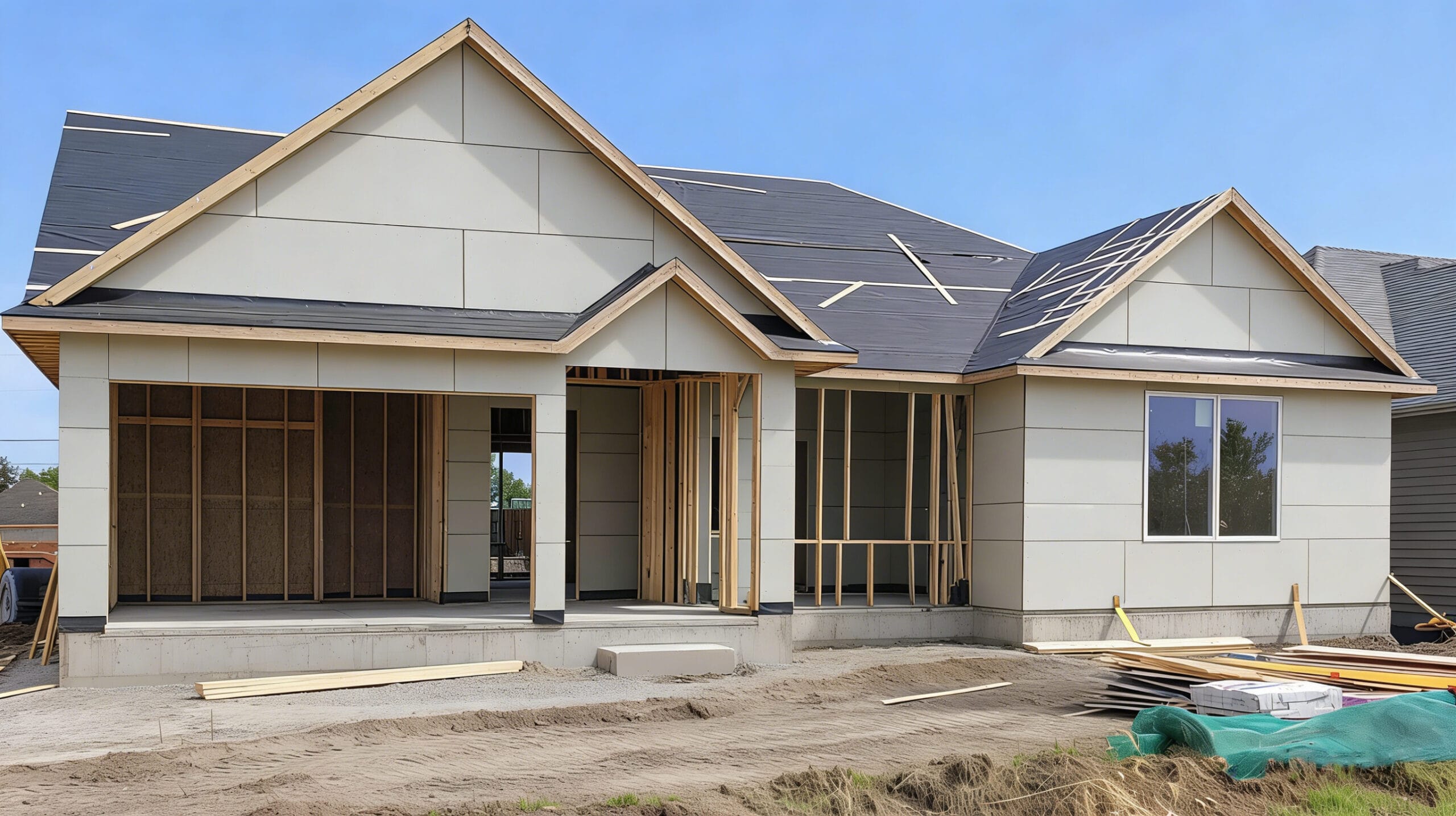
You may hear people call this material magnesium wall board or mgo board. Magnesium oxide wallboard uses special minerals to make strong panels for your walls. You find magnesium wall board in places that need extra safety. It works well in schools, hospitals, and homes. The main ingredient is mgo, which comes from magnesia-based ore. Some factories add magnesium sulfate or magnesium phosphate. These extra parts make the board even stronger.
Here is a table that shows what goes into magnesium wall board:
Raw Material | Description |
|---|---|
Magnesium oxide (MgO) | Comes from magnesia-based ore, called periclase. |
Magnesium sulfate | A magnesium compound that costs more. |
Magnesium phosphate | Another magnesium compound that costs more. |
You can use magnesium wall board in wet places. It does not soak up water. You also get great mold resistance. Mgo board vs drywall shows that mgo wins in wet rooms.
What Is Drywall?
You see drywall in most homes and offices. People call it traditional drywall. It uses a core made from gypsum. Paper covers both sides. Traditional drywall is easy to cut and install. You can paint or cover it with wallpaper. Most builders use traditional drywall for inside walls. It works best in dry rooms.
Traditional drywall does not like water. If you put it in a bathroom, it can get soft and moldy. Mgo board vs drywall shows that drywall is not good for wet places. You may need to replace it if it gets wet.
Core Differences in Composition
You need to know what makes mgo board vs drywall different. Magnesium wall board uses mgo as its main part. Traditional drywall uses gypsum. This difference changes how each board works.
Here is a table that shows how mgo board vs drywall compare:
Material | Fire Resistance Characteristics |
|---|---|
MgO Boards | |
Gypsum Drywall | Fire resistant by water evaporation; less durable under heat |
You see that magnesium wall board gives you better fire safety. Mgo board vs drywall also shows big changes in water and mold resistance:
Performance Metric | Magnesium Oxide Board | Drywall |
|---|---|---|
Water Absorption | Very low | High |
Durability in Wet Areas | High | Low |
Resistance to Mold | Excellent | Poor |
If you want walls that last in tough spots, you should pick magnesium wall board. Mgo board vs drywall proves that mgo gives you more safety and strength. Traditional drywall is best for dry, simple rooms. You get more choices with mgo board vs drywall, so think about your needs before you decide.
Performance: MGO Board vs Drywall
 Fire Resistance
 Fire Resistance
You want your walls to protect you from fire. Magnesium wall board gives you top fire resistance. Laboratory tests show that magnesium oxide wallboard can last up to four hours in a fire. Drywall usually lasts only 30 to 60 minutes. This big difference means you get better fire safety with magnesium wall board. MGO does not burn or make harmful smoke. Drywall can make smoke and dangerous gases when it gets hot. You can see the main fire safety features in this table:
Feature | Magnesium Oxide Wallboard | Drywall |
|---|---|---|
Fire Resistance Rating | A1 | A |
Non-combustibility | Yes | No |
Smoke Production | Low | High |
Harmful Gas Emission | None | Yes |
Heat Resistance | High | Moderate |
You should choose magnesium wall board for places where fire safety matters most. MGO gives you peace of mind in schools, hospitals, and homes. Drywall works for basic rooms, but it does not match the fire resistance of magnesium wall board.
Moisture and Mold Resistance
Moisture can ruin walls fast. Magnesium wall board stands up to water better than drywall. MGO absorbs very little moisture. Drywall soaks up water and gets weak. You can see the difference in this table:
Material | |
|---|---|
Magnesium Oxide Board | 0.34% |
Drywall | Nearly 3% |
MGO keeps its shape and strength in wet places. Drywall gets soft and can fall apart. You want good moisture resistance in bathrooms, kitchens, and basements. Magnesium wall board gives you that. MGO also stops mold from growing. Building science research says:
In lab tests, MGO boards scored a perfect 0/0/0 on the ASTM G21 mold resistance test. This means no mold grew on the panels at all. The panels use inorganic minerals, so mold and mildew cannot find food or a place to grow.
Magnesium oxide is also very alkaline. This makes it hard for mold to live. Your indoor air stays cleaner and healthier. MGO wall panels stop moisture from getting in. This keeps mold from starting.
You get better mold resistance and moisture resistance with magnesium wall board. Drywall does not protect you from mold in damp rooms.
Durability and Impact Strength
Durability matters for busy spaces. Magnesium wall board gives you strong walls that last. MGO panels have high impact resistance. Drywall breaks or cracks more easily. You can see the difference in this table:
Attribute | MGO Panels | Gypsum Board (Drywall) |
|---|---|---|
Impact Strength | More than 4.5 Kilo Joules | Less than 1 Kilo Joule |
Magnesium wall board stands up to bumps and hits. MGO keeps its structural strength even in tough spots. Drywall needs repairs more often. You want durability in schools, hospitals, and busy homes. MGO gives you that. Magnesium wall board also keeps its shape in wet or hot places. Drywall loses strength when it gets wet or hot. You get better impact resistance and durability with magnesium wall board. Choose MGO for strong, safe, and long-lasting walls.
Installation and Workability
Cutting and Handling
 Cutting and Handling
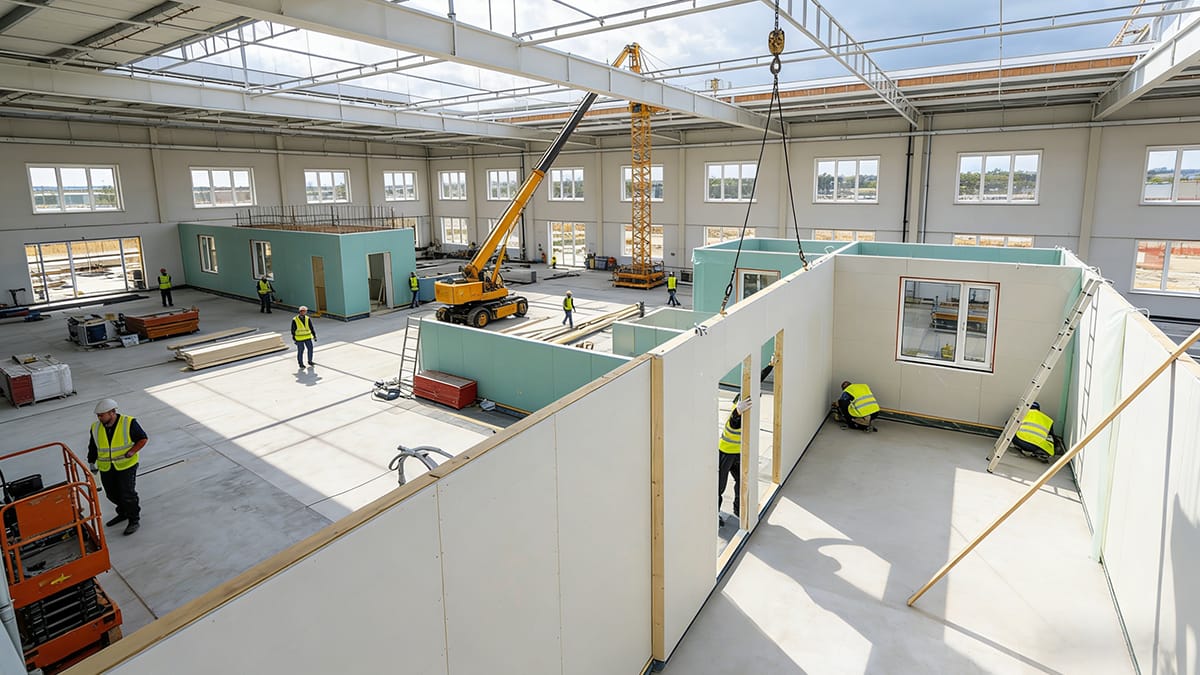
Drywall is easy to cut with a utility knife. Most people can score and snap drywall without trouble. Drywall sheets are light, so you can carry them easily. Magnesium wall board is not the same. You need a saw with a carbide blade to cut mgo panels. The dust from magnesium wall board can bother your skin or eyes, so wear safety gear. Mgo is lighter than cement board but still heavier than drywall. You might need help to move big sheets of magnesium wall board. If you want to work fast, drywall is easier to use.
Fastening and Finishing
You can use regular screws and nails for drywall. Most workers know how to put drywall on wood or metal studs. You finish drywall seams with joint compound and tape. This job goes quickly. Magnesium wall board needs special screws or fasteners. Sometimes you have to pre-drill holes in mgo panels. This step takes more time. Some workers need training to install magnesium wall board. Finishing mgo can be hard. You must use the right primer before painting or adding wallpaper. If you skip this, you might see bubbles or peeling later.
Material | Time Required | Additional Notes | |
|---|---|---|---|
Drywall | Easy | Short | Commonly used, quick to install with standard tools. |
Magnesium Oxide Wallboard | Complex | Longer | Requires special tools and training, less common. |
You can finish drywall faster than magnesium wall board. Mgo takes longer but gives you stronger walls in the end.
Compatibility with Other Materials
You can paint drywall with almost any paint. Most glues and coatings stick well to drywall. Magnesium wall board acts differently. Some water-based paints may peel off mgo. Decorative films or laminates might not stick well to magnesium wall board. Oil-based finishes can take longer to dry on mgo. You may need special primers for the best results. If you use normal wallpaper glue, it might not work on magnesium wall board. Sometimes, the surface of mgo reacts with some coatings. This can cause spots or color changes.
Issue Type | Description |
|---|---|
Adhesion with Paints | Some water-based paints may peel off. |
Adhesion with Coatings | Decorative films or laminates may not stick evenly. |
Oil-based Finishes | Can take longer to cure or require special primers. |
Adhesives for Wallpapers | The board’s surface may be too smooth or chemically reactive for standard adhesives. |
Improper Priming | May lead to bubbles, peeling, or uneven textures. |
Chemical Reaction | Certain coatings may react with residual chloride in the board, causing discoloration. |
Variability in Quality | Differences in raw material purity and production processes can lead to inconsistent performance. |
Drywall gives you more choices for finishes. Magnesium wall board needs careful steps for the best look. If you want strong walls, mgo is a good pick, but you must follow the right steps.
Cost and Value
Upfront Material Costs
You want to know how much you will spend on wall materials. The price for magnesium wall board is higher than drywall. In North America, you pay between $1.50 and $3.00 per square foot for magnesium wall board. Drywall costs less. You pay about $0.30 to $0.70 per square foot for drywall. Mgo panels cost more because they use special minerals. Magnesium wall board gives you better fire and water resistance, but you pay more at the start.
Magnesium wall board: $1.50 – $3.00 per sq ft
Drywall: $0.30 – $0.70 per sq ft
If you want to save money right away, drywall looks like the best choice. If you want more safety and strength, you may choose magnesium wall board.
Installation Costs
You also need to think about how much it costs to put up the walls. Drywall is easy to install. Most workers know how to cut and hang drywall. You do not need special tools. This makes the labor cost lower. Magnesium wall board takes more time and skill. You need special saws to cut mgo. Workers may need training to install magnesium wall board. This can make the installation cost higher. If you want a fast and simple job, drywall helps you save on labor.
Long-Term Value
You want your walls to last a long time. Magnesium wall board gives you long-term durability. You do not need to fix mgo as often as drywall. Over 20 years, you spend less on repairs with magnesium wall board. Drywall needs more repairs because it can crack, get holes, or grow mold. Mgo stands up to water and fire. This means you save money in the long run. The table below shows how the costs compare over time:
Material | Initial Cost (per sq ft) | Long-term Maintenance Needs | Durability Benefits |
|---|---|---|---|
Magnesium Oxide Wallboard | $1.50 – $3.50 | Fewer repairs needed | Longer lifespan, resistant to fire and water damage |
Drywall | $0.30 – $0.70 | More frequent repairs | Shorter lifespan, more susceptible to damage |
If you want long-term durability, magnesium wall board is a smart choice. You pay more at first, but you get strong walls that last. Drywall costs less at the start, but you may spend more on repairs. Mgo gives you peace of mind for many years.
Environmental Impact and Health
Benefits of Magnesium Oxide Boards for the Environment
 Benefits of Magnesium Oxide Boards for the Environment
Choosing the right building materials helps the planet. Magnesium oxide boards are better for the environment because they have a low carbon footprint. Making magnesium oxide wallboard releases only 340 kg of CO2 for each ton. Drywall makes more than double that, at 740 kg of CO2 per ton. Magnesium oxide wallboard also takes in CO2 while it cures, so it is even better for the earth. If factories use natural gas instead of coal, they cut emissions by 18% more. Magnesium oxychloride panels also make less pollution than concrete.
You can check for green certifications when you buy building materials. Many magnesium oxide boards have important eco-friendly labels:
Certification | Description |
|---|---|
CE Certification | Meets European health, safety, and environmental standards. |
ISO 9001 | Shows strong quality management in factories. |
ISO 14001 | Proves the company uses eco-friendly production. |
LEED/BREEAM Credits | Helps you get green building points if the board is low-emission or recycled. |
ASTM E84 | Tests fire and smoke safety for global projects. |
VOC Emissions | Checks for indoor air safety with EMICODE or AgBB. |
Recyclability and Disposal
You want to make less waste on your project. Magnesium oxide boards are easy to recycle and reuse. You can use them again in new buildings or even as fertilizer. Drywall is hard to recycle and usually goes to landfills.
Material | Recyclability |
|---|---|
Magnesium Oxide Boards | Highly recyclable – can be reused in construction or as fertilizer |
Gypsum Boards | Limited recyclability – ends up mostly in landfills |
Indoor Air Quality and Safety
Clean air inside is important for your health. Magnesium oxide wallboard does not give off any volatile organic compounds (VOCs). These boards are non-toxic, so your indoor space is safer. You do not need to worry about bad chemicals in your home or office. This is another reason why magnesium oxide boards are good for your health and the planet.
Best Uses and Recommendations
Residential Applications
You can use drywall and magnesium oxide wallboard for many home jobs. Each one works best in different places. The table below shows where you might use each in your house:
Application Type | Description |
|---|---|
Tiny homes | MgO panels are easy to move and install. |
Single-family homes | Magnesium oxide board is strong and eco-friendly. |
Interior walls | MgO boards prevent mold and fire, ensuring safety in rooms. |
Exterior walls | MgO modular wall panels withstand rain and weather conditions. |
Renovations | Magpanel MgO aids in upgrading old homes with enhanced protection. |
Drywall is good for most inside walls in dry rooms. It works well in bedrooms, living rooms, and on ceilings. You can also use drywall for quick fixes and simple updates. If you have wet places, like bathrooms or basements, magnesium oxide wallboard is a better pick. It keeps your home safe from mold and fire.
Commercial and High-Traffic Areas
Busy places like schools, hospitals, and offices get a lot of use. Facility managers say magnesium oxide wallboard lasts longer in these spots. The table below compares the two materials:
Feature | Magnesium Oxide Wallboard | Traditional Drywall |
|---|---|---|
Durability | High | Moderate |
Resistance to Impact | Excellent | Poor |
Resistance to Wear | Excellent | Moderate |
Structural Integrity | Maintains under heavy loads | Prone to dents/cracks |
Drywall is fine for offices or rooms that do not get much use. It is also good if you want to save money. For busy hallways, lobbies, or classrooms, magnesium oxide wallboard works better.
When to Choose Magnesium Oxide Wallboard
Pick magnesium oxide wallboard when you need strong safety and long-lasting walls. Experts say it is best for outside walls and risky areas. You get great fire and water safety. This board is also good for the earth because it is non-toxic, recyclable, and does not give off bad gases.
MgO boards are made from minerals and have fibers or mesh inside. This makes them strong and steady.
Here are some tips for using magnesium oxide wallboard:
Pick it for fire and water safety in risky spots.
Buy boards from trusted companies.
Check your local building rules.
Ask for help if you are not sure.
Keep boards flat and dry before you use them.
When to Choose Drywall
Use drywall if you want to spend less money and finish fast. Drywall costs less and is simple to put up. It is good for most inside walls in dry rooms. Drywall is also a smart choice for easy repairs or if you want to change the look of a room. Remember, drywall may need more fixing over time. If you switch to magnesium oxide wallboard, you might have problems with fasteners or glue.
Drywall is best for projects with a small budget.
It is easy to cut and finish.
You can use it for ceilings and walls in dry rooms.
Think about your needs before you choose. You get the best results when you use the right board for the right job.
You now know the main differences between magnesium oxide wallboard and drywall. Drywall works well for most homes, especially in dry rooms. You can install drywall quickly and save money. Drywall repairs are simple. For wet or high-risk areas, you should choose magnesium oxide wallboard. You get better fire and water safety. Think about your budget, your project, and how long you want your walls to last. Ask a building expert or check your local codes before you decide.
FAQ
What makes magnesium oxide wallboard safer than drywall?
You get better fire and mold resistance with magnesium oxide wallboard. This board does not burn easily. It also stops mold from growing. You can use it in places where safety matters most.
Can you paint or decorate magnesium oxide wallboard?
You can paint or tile magnesium oxide wallboard. Use a special primer first. This helps paint or glue stick well. Always follow the manufacturer’s instructions for the best results.
Is drywall good for bathrooms or kitchens?
Drywall does not work well in wet rooms. Water can damage it and cause mold. You should use magnesium oxide wallboard in bathrooms, kitchens, or basements for better protection.
Does magnesium oxide wallboard cost more than drywall?
Yes, you pay more for magnesium oxide wallboard. It costs more to buy and install. You save money later because it lasts longer and needs fewer repairs.