
16 Apr How Magnesium Oxide Panels Are Transforming Exterior Wall Technology
You see a change in building as magnesium oxide panels for exterior walls transform your perception of materials. These panels are unique because they are strong, fire-resistant, and environmentally friendly. Their new features include:
Feature | Description |
|---|---|
Magnesium oxide panels for exterior walls do not burn. They can withstand fire and do not produce dangerous smoke or flames. | |
Superior Moisture and Mold Protection | Magnesium oxide panels for exterior walls effectively combat moisture. They remain strong in wet environments. |
Impressive Strength and Durability | Magnesium oxide panels for exterior walls are tough. They do not break easily and are stronger than traditional materials. |
Eco-Friendly and Sustainable Material | Magnesium oxide panels for exterior walls are beneficial for the planet. They can be recycled and contribute to green initiatives. |
More people are utilizing magnesium oxide panels for exterior walls, especially in areas prone to fires:
Magnesium oxide panels for exterior walls are used in about 7% of fire-safe wall materials in the U.S.
Over 30% of individuals use them in locations with strict fire regulations.
Key Takeaways
Magnesium oxide panels are tough and do not burn easily. They are good for the environment, so they are a smart pick for outside walls. These panels keep out water and mold very well. This helps them last longer in wet places. Magnesium oxide panels help save energy because they keep heat in better. Putting up magnesium oxide panels is quicker than using old materials. This saves both time and money on work. Picking magnesium oxide panels helps the planet and is better for nature.
Magnesium Oxide Panels for Exterior Walls
Composition and Structure
Magnesium oxide panels for exterior walls change how people build. These panels have a special mix that makes them strong and safe. When you look at mgo boards, you see they use different materials. Each part helps make mgo boards good for building.
Magnesium oxide gives mgo boards their strength and helps stop fires.
Magnesium sulfate helps mgo boards work well in hard places.
Perlite keeps buildings warm or cool.
Wood chips help mgo boards stay strong and not break.
Fiberglass mesh keeps mgo boards safe from weather and damage.
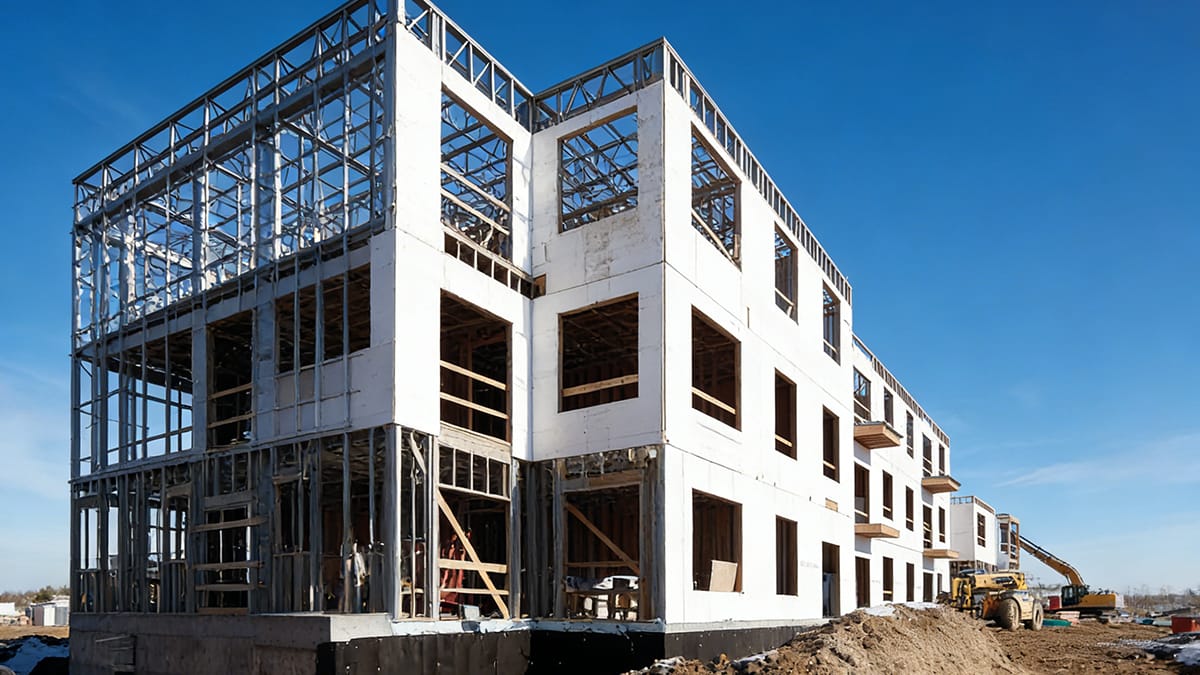
You can use mgo boards in many ways, like behind tiles or siding. Builders pick magnesium oxide panels for exterior walls because they last a long time and protect buildings. These panels stand up to fire, water, and bugs.
MOC and MOS Cements
You might wonder what keeps mgo boards together. The answer is the cements that hold the parts in place. There are two main cements in mgo boards: magnesium oxychloride (MOC) and magnesium oxysulfate (MOS). Each cement gives special benefits to magnesium oxide panels for exterior walls.
Type of Cement | Contribution to Performance | Key Benefits |
|---|---|---|
Magnesium Oxychloride (MOC) | Makes panels better against fire and stronger | Makes less CO2 than Portland cement |
Magnesium Oxysulfate (MOS) | Helps panels handle water | Stops water problems and lowers rust risk |
MOC was the first binder used in mgo boards. It comes from Sorel cement and helps mgo boards stop fires. MOS was made later and uses magnesium sulfate. MOS mgo boards are better in wet places because they handle water well. This makes magnesium oxide panels for exterior walls a smart pick for many places.
You can trust mgo boards to keep your building safe. They use strong cements and a good mix of materials. When you choose magnesium oxide panels for exterior walls, you get safety, comfort, and value for a long time.
Innovative Manufacturing and Technology
 Production Process
 Production Process
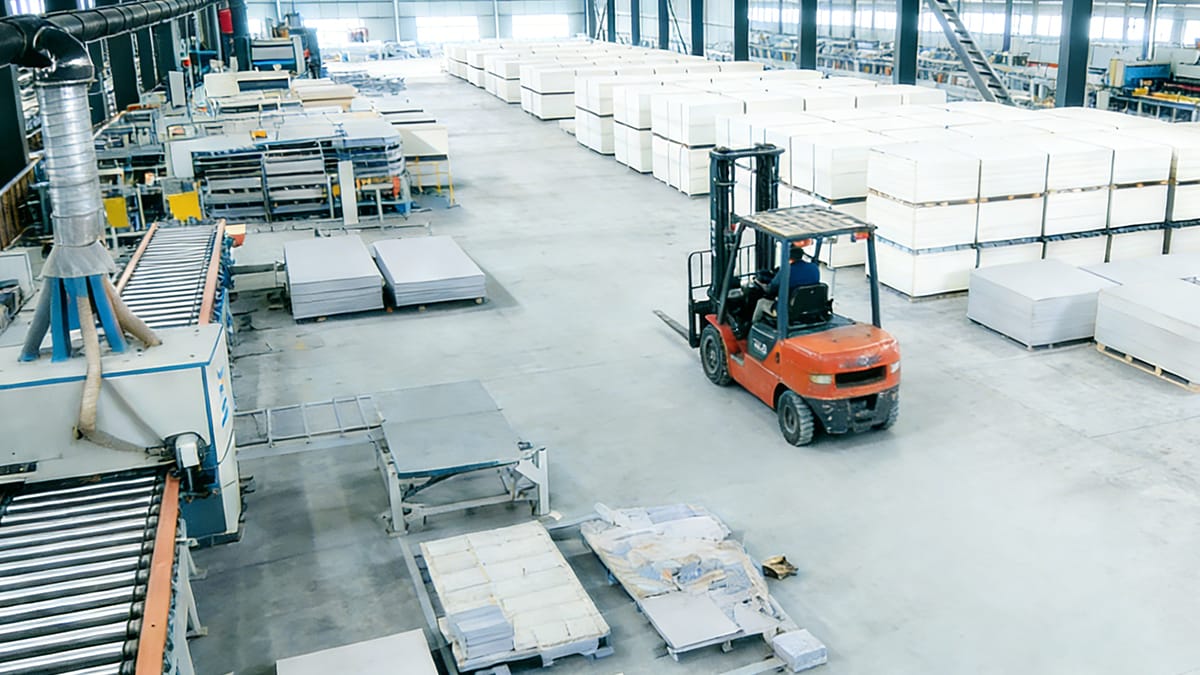
Have you ever wondered how mgo panels are made? The steps use new machines and careful checks. Each panel must be strong and safe. Here is a simple table that shows the main steps:
Step Number | Key Step | Description |
|---|---|---|
1 | Raw Material Preparation | Workers pick magnesite or other minerals with magnesium. They get them ready for the next step. |
2 | Calcination | They heat magnesite until it turns into magnesium oxide. This step also releases carbon dioxide gas. |
3 | Mixing and Additives | The team mixes magnesium oxide powder with water and binders. They add special things to make panels better. |
4 | Forming and Pressing | Machines shape the mix into boards. They press the boards to make them strong. |
5 | Curing and Drying | Panels go through drying and curing. This keeps them from bending and makes them last longer. |
6 | Quality Control and Finishing | Inspectors check each panel. They get panels ready for building. |
This careful process makes sure mgo panels are strong and safe for your building.
Advances in MgO Technology
New technology makes mgo panels even better for outside walls. Recent changes fix old problems like water damage and breaking. Here are some important advances:
Mgo panels now resist water and stay strong in wet places.
You can use mgo panels in damp spots without worrying about mold or bugs.
Modern mgo panels use special formulas. These limit free chlorides and stop corrosion.
Manufacturers make mgo panels for outdoor use. They last longer in bad weather.
Factories check every mgo panel with strict tests and audits.
Tip: If you pick mgo panels, you get a product tested for real life and built to last.
These new features help mgo panels protect your building, even in tough conditions.
Key Benefits for Exterior Walls
Fire and Moisture Resistance
 Fire and Moisture Resistance
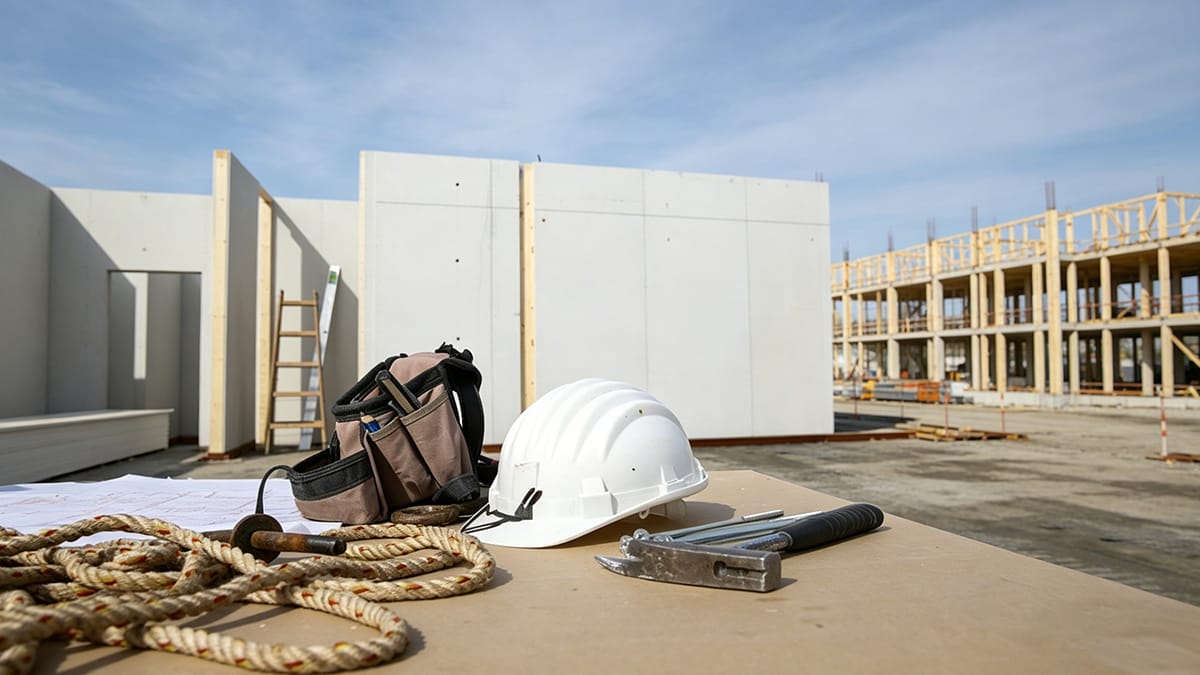
You want your outside walls to be tough. Magnesium oxide panels help protect against fire and water. These panels do not catch fire. They also do not make dangerous smoke. Look at the table to see how they compare to other materials:
Material Type | Fire Resistance Duration | Combustibility | Smoke/Toxic Fume Emission |
|---|---|---|---|
Magnesium oxide boards | 1 to 4 hours | Non-combustible | None |
Gypsum board | 0.5 to 2 hours | Combustible | Low |
Cement board | 1 to 2 hours | Non-combustible | None |
Plywood | 0 hours | Combustible | Yes |
Mgo boards give you peace of mind. They pass tough fire safety tests like ASTM E136, ASTM E84, EN 13501-1, and CAN/ULC S114. These tests show mgo boards have top fire ratings.
Mgo boards are also good with water. They do not swell or bend when wet. You can use them in bathrooms, kitchens, or outside walls. They are waterproof and do not let mold or mildew grow. Fiber cement boards also fight water, but they can soak up water if not sealed. Mgo boards keep your building safe from mold, bugs, and weather.
Note: Mgo sheathing keeps rain, humidity, and pests away from your walls. You do not need to use chemicals to stop mold.
Superior Insulation Properties
You want your building to feel good all year. Mgo boards help keep heat inside in winter and outside in summer. Check the table to see how well they insulate:
Insulation Thickness | Total Panel Thickness | R-Value |
|---|---|---|
1″ | 1-3/4″ | R-5 |
1-1/2″ | 2-1/4″ | R-7.2 |
2″ | 2-3/4″ | R-9.4 |
2-1/2″ | 3-1/4″ | R-11.6 |
3″ | 3-3/4″ | R-13.8 |
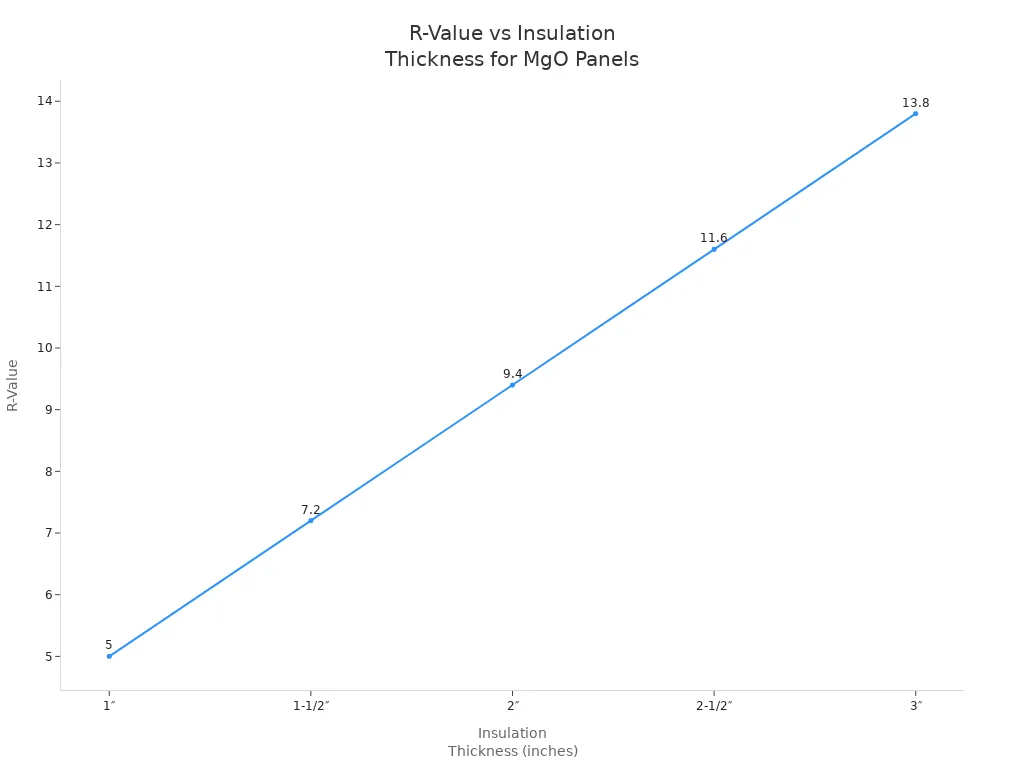
Mgo boards do not let heat move through them easily. They insulate better than drywall or cement board. The thermal conductivity of mgo panels is 0.038 W/mK. Drywall is 0.160 W/mK, and cement board is 0.130 W/mK. Mgo sheathing helps you follow green building rules.
Tip: Mgo boards save energy and make your building more comfortable.
Durability and Stability
You want walls that last a long time. Mgo boards are strong and stay in good shape. They do not crack, bend, or sag. They do not change much with heat or cold. Mgo panels stay strong outside.
Mgo boards keep their shape and strength for years.
You do not need to fix or replace them often.
Mgo sheathing keeps buildings safe in wet or changing weather.
You spend less on repairs and make less waste.
Mgo boards are also very strong when bent. Their flexural strength is between 14 and 22 MPa. This is stronger than many other materials. You can trust mgo boards to hold up your walls.
Material | Flexural Strength (MPa) |
|---|---|
Magnesium Oxide | 14 to 22 |
OSB | N/A |
Gypsum Board | N/A |
Mgo boards stand up to storms, heat, and cold.
Environmental Impact and Carbon-Negative Production
You care about the planet. Mgo boards help the environment and support carbon-negative building. Factories use clean energy and magnesium from seawater. When mgo panels dry, they take in CO2. This makes them good for the earth.
Benefit | Description |
|---|---|
Chemical Treatments | Mgo boards do not need chemicals, so air stays clean |
Lifespan | Strong panels mean less waste and fewer replacements |
Recyclability | Mgo boards can be recycled and break down naturally |
Carbon Footprint | Making mgo boards creates less pollution than other materials |
Mgo boards make indoor air healthier. They give off very little gas. They use common raw materials, which is better for nature. Because mgo boards last a long time, you throw away less and replace less.
Callout: Mgo boards help you build green and protect the planet.
You can count on mgo boards for strong, water-safe, and earth-friendly walls. You help the planet and make your building safer and greener.
Comparing MgO to Traditional Materials
Plywood and OSB
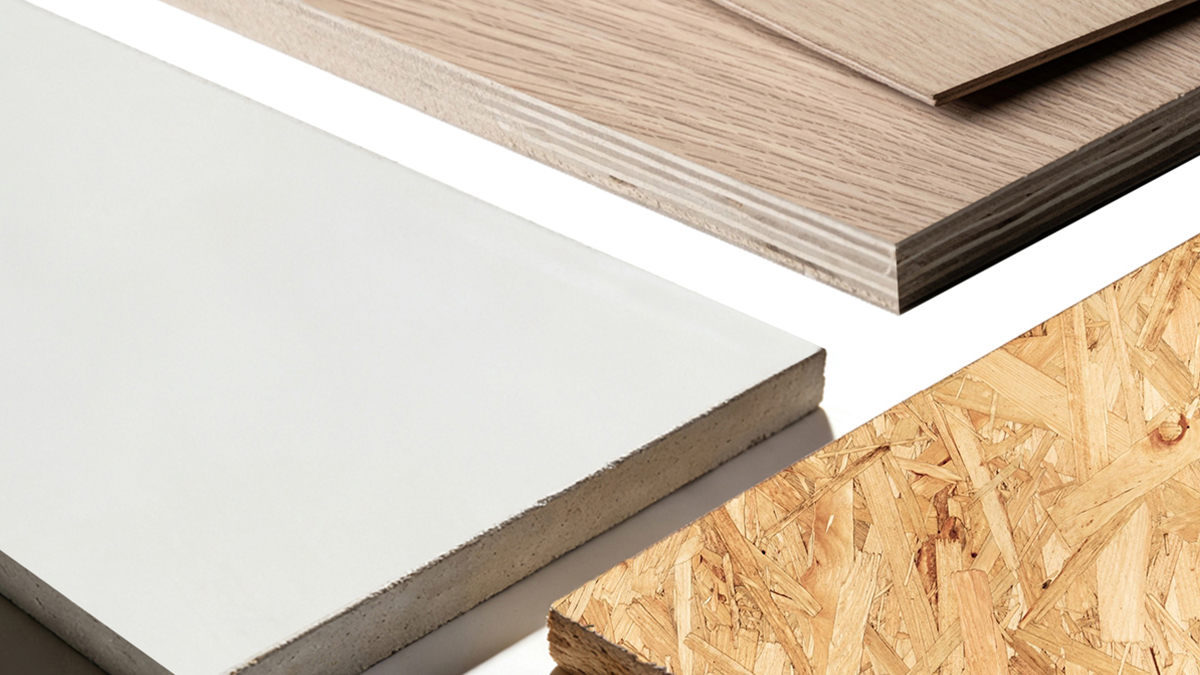 Plywood and OSB
You often see plywood and OSB in exterior walls. These materials work well in dry places, but they have limits. Plywood and OSB can swell, warp, or rot when they get wet. They also burn easily, which makes them risky in fire-prone areas. When you use mgo boards, you get better protection in wet rooms like bathrooms and kitchens. Many people report no mold growth for years after switching to mgo boards in damp spaces. You can trust mgo boards to stay strong during storms and daily use.
Feature | MgO Panels | Plywood/OSB |
|---|---|---|
Moisture Resistance | Excellent, resists water and mold | Vulnerable to water damage |
Fire Safety | Non-combustible | Combustible |
Durability | High, maintains integrity in wet conditions | Can warp or swell when wet |
Structural Integrity | Strong, suitable for demanding environments | Strong but can be compromised by moisture |
Mgo boards excel in moisture resistance. They do not swell or warp. Their non-combustible nature gives you better fire safety than plywood or OSB.
Fiber Cement and Gypsum Board
You may also consider fiber cement and gypsum board for your walls. These materials offer some protection, but mgo boards perform better in many ways. Mgo boards absorb very little water and stay strong when wet. Gypsum boards soak up water, swell, and grow mold. Fiber cement boards resist water at first, but they can weaken if not sealed well.
Material | Moisture Resistance | Fire Resistance |
|---|---|---|
Magnesium Oxide Boards | Absorb very little water; remain strong when wet. | Excellent; can block fire for 30 minutes. |
Gypsum Boards | Soak up water; can swell and grow mold. | Require additional layers for improved resistance. |
Fiber Cement Boards | Moderate resistance; can weaken over time if not sealed. | Some resistance, but not as effective as MgO boards. |
Mgo boards show only 0.05–0.07% moisture movement after many weeks. Gypsum boards absorb much more water. Fiber cement can lose strength over time. You get better long-term performance with mgo boards.
Cost and Installation
You might notice that mgo boards cost more than OSB or gypsum at first. OSB is the cheapest, while fiber cement and mgo boards are pricier. Plywood costs more than OSB but less than mgo boards. Fiber cement also has higher labor costs because it is heavy and hard to cut.
Material | Cost per square foot |
|---|---|
Magnesium Oxide | $1.50 – $3.00 |
OSB | $0.50 – $1.00 |
Plywood | More expensive than OSB |
Fiber Cement | Higher due to weight and labor intensity |
Fiber cement and mgo boards last the longest and fight water and fire, but they are pricey.
You can install mgo boards with standard tools. Your framing crew can handle the job, which saves you time and money. Mgo boards need patching and leveling at seams, which adds some labor. They do not need curing time, so you can keep building right away. Gypsum underlayment takes up to seven days to cure, which can slow your project. Mgo boards can be installed up to 30% faster than traditional gypsum assemblies.
You get a wall that lasts longer and needs fewer repairs when you choose mgo boards. The higher upfront cost pays off with less maintenance and better protection.
Challenges and Considerations
Supply and Availability
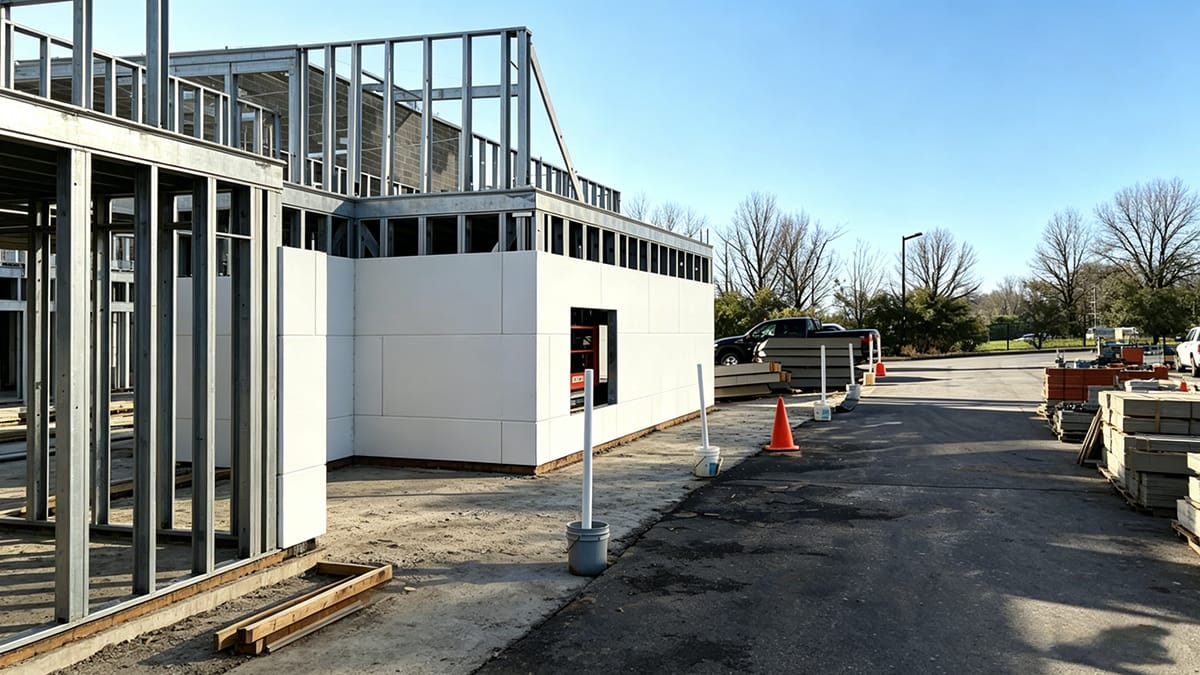 Supply and Availability
You may face some challenges when you try to get mgo boards for your project. The supply chain for these panels can be complex. Many factors can affect how quickly you receive your order and the quality you get. Here is a table that shows common supply issues:
Challenge | Description |
|---|---|
Raw material price changes | Prices can go up or down by 20% each year because of mining changes. |
Quality inconsistency | About 8% of projects report problems with chloride-based boards. |
Shipping costs | Costs have gone up by 25% during global shipping problems. |
Supply dependency | Most magnesite comes from only three countries. |
Certification delays | Testing can take 6 to 12 months, slowing down new products. |
Material degradation | Boards can lose quality if stored or shipped for too long. |
Tariffs | U.S. tariffs can make mgo boards more expensive and harder to find. |
Longer lead times | Overseas orders can take longer to arrive. |
Moisture-induced deformation | Low-quality boards can swell if they get wet, so audits are stricter now. |
You should check with your supplier about where the boards come from and how they are stored. This helps you avoid delays and get the best quality.
Installation Best Practices
You want your mgo boards to last a long time and work well. Good installation is key. Here are some best practices you should follow:
Carry boards on their side to protect the edges.
Stack boards flat on wood, not on the ground, and do not put heavy things on top.
Let boards get used to the room’s air for at least 48 hours before you install them.
Leave a small gap between boards—1/16″ on steel frames and 1/8″ on wood frames.
Use the smooth side for finished walls and the rough side as a backer.
Cut boards with special knives or saws made for cement boards.
Make sure frames are straight and level, and support the ends of the boards.
Use rust-resistant screws and keep them away from corners.
Fill seams with the right materials and use the correct primers and paints.
Wear protective gear when cutting or sanding, and control dust.
Tip: Use vapor barriers and seal joints to keep water and mold out of your walls.
Long-Term Performance
You want to know how mgo boards perform over time. These panels work well in many climates. They do not let water in, so you do not have to worry about mold or rot. They keep their shape and size, even in hot, cold, or wet places. You can use them in bathrooms, kitchens, basements, or coastal areas. Mgo boards also protect metal parts from salt damage near the ocean.
Performance Aspect | Description |
|---|---|
Moisture Resistance | Blocks water, stops mold and rot. |
Dimensional Stability | Keeps shape and size in all climates. |
Fire Protection | Shields your building from flames and heat. |
You should use vapor barriers and flexible sealants to prevent water from getting in. Choose stainless steel or ceramic-coated fasteners to stop rust. Let boards adjust to the environment before you install them. These steps help your mgo boards last for many years.
Future Trends in Exterior Wall Technology
Sustainable Construction
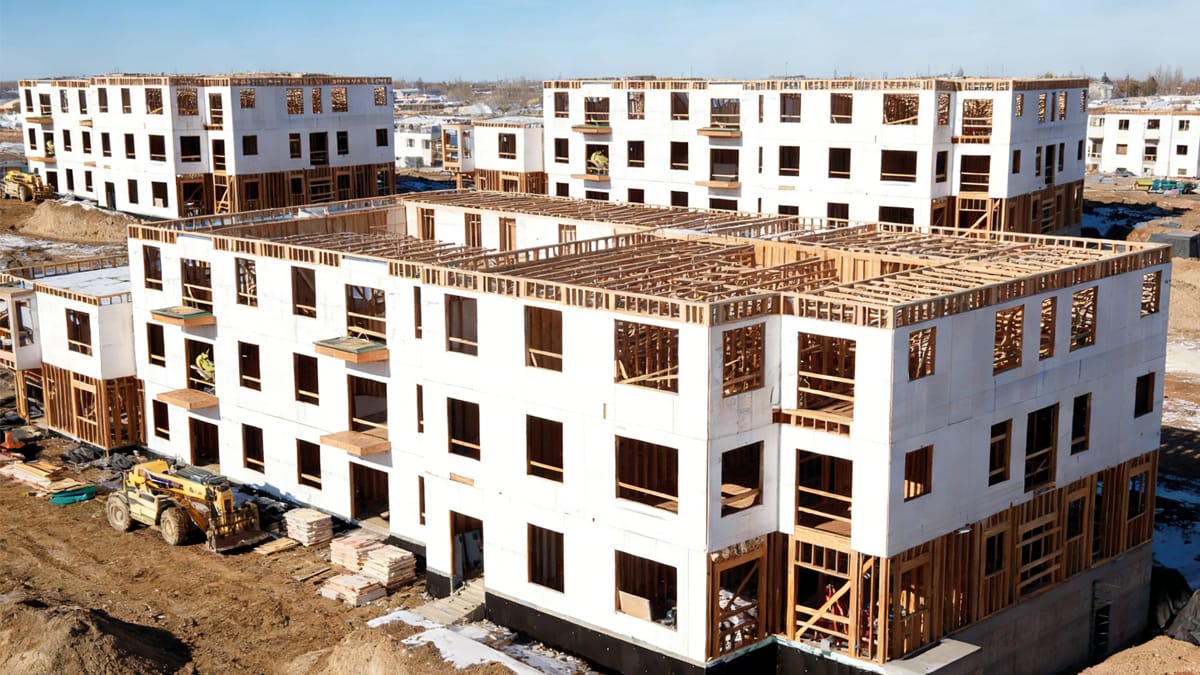 Sustainable Construction
More people want to build in ways that help the planet. Magnesium oxide panels are good for this goal. These panels use minerals that are easy to find. You do not need to use materials that harm the earth. When you pick these panels, you make less pollution than with cement or gypsum. You can recycle them, so less trash ends up in landfills.
Magnesium oxide panels use natural resources to support green building.
They help the earth because they make less carbon.
You can recycle these panels, which helps green projects.
Their insulation keeps buildings warm or cool and saves energy.
You help the building world become more eco-friendly.
Magnesium oxide panels also meet important green rules. You can see them in buildings that follow LEED and BREEAM standards. They have certifications like CE, ISO, INTERTEK, and ILAC-MRA. These show the panels are safe and good for the environment.
Tip: Using magnesium oxide panels makes your building safer and greener.
Wider Adoption of MgO Panels
More builders and designers use magnesium oxide panels each year. People want buildings that are safe and good for the earth. These panels are used for both walls and floors. They stay strong and do not get damaged by water. New technology makes them easier to put in and work better.
Trend | Description |
|---|---|
Fireproof and Eco-Friendly Construction | More projects use MgO panels for safety and sustainability. |
Flooring and Wall Panel Applications | Builders use MgO panels for strength and moisture resistance. |
Technological Innovations | New methods make panels better and easier to use. |
Green Building Integration | MgO panels work well with other sustainable materials. |
Indoor Air Quality and Safety | These panels help create healthier spaces. |
Governments want new materials that meet tough safety rules. Magnesium oxide panels can be used in many places, like homes and offices. Experts think the market will grow a lot. It could be worth over $2 billion by 2026 and keep getting bigger. When you use magnesium oxide panels, you help this trend grow.
Note: You help make buildings safer and greener when you choose magnesium oxide panels.
Magnesium oxide panels make building outside walls better. They give strong fire safety and keep out water. You can put them up quickly because they are light. These panels help you build in a way that is good for the earth and cuts down on pollution. Here is how they help in real buildings:
Benefit | Description |
|---|---|
Stop fires and block water from causing damage. | |
Fast Installation | Light panels make work faster and easier. |
Help with LEED, BREEAM, and green building projects. |
You can count on these panels for your next job. Pick good panels and use the right steps so your walls last a long time.
FAQ
What makes magnesium oxide panels different from drywall?
You get better fire resistance and moisture protection with magnesium oxide panels. Drywall can absorb water and grow mold. Magnesium oxide panels stay strong and safe in wet or hot conditions.
Can you cut and install magnesium oxide panels with regular tools?
Yes, you can use standard hand tools or power saws. Always wear a mask and goggles to protect yourself from dust. You do not need special equipment.
Are magnesium oxide panels safe for indoor air quality?
You can trust these panels for healthy air. They do not release harmful chemicals or strong odors. Many builders use them in schools and hospitals.
How long do magnesium oxide panels last on exterior walls?
You can expect these panels to last for decades. They resist rot, mold, and insects. With proper installation, they keep your building safe for many years.
Do magnesium oxide panels need painting or sealing?
You should paint or seal the panels for best results. This step protects them from weather and keeps them looking good. Use paints or sealers made for cement-based materials.