
04 Mar What Are the Most Common Uses of Magnesium Oxide Board in Modern Construction
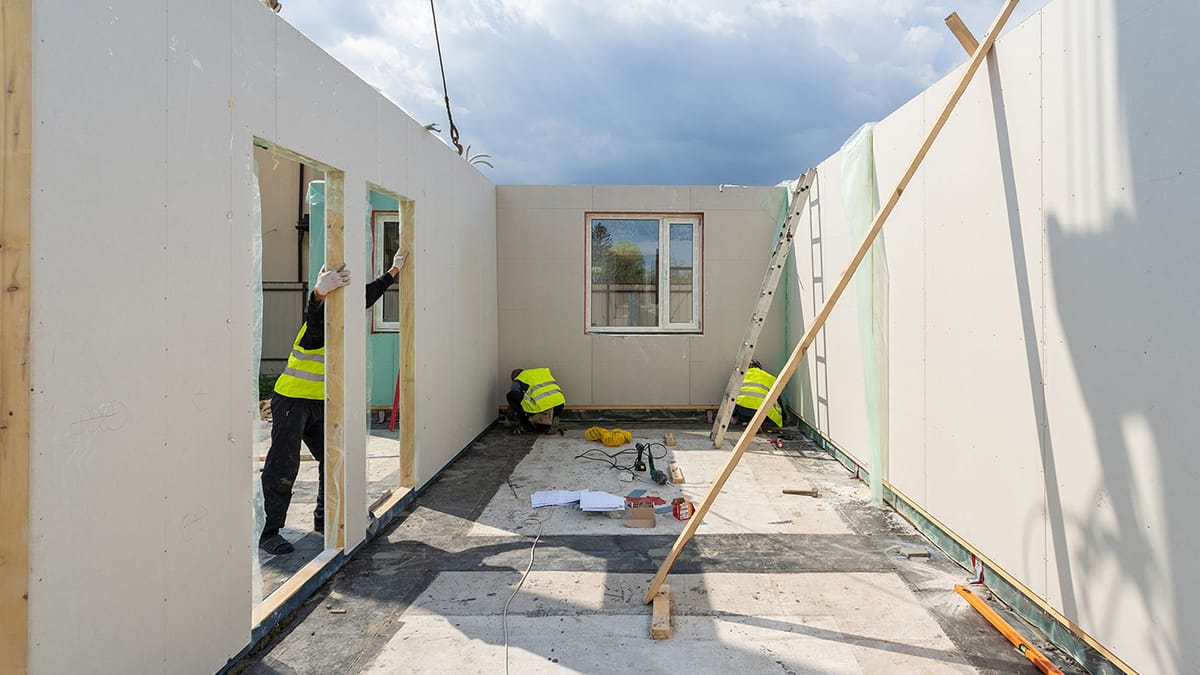
You can see magnesium oxide board used for wall sheathing, on walls, ceilings, and floors in many buildings. People pick magnesium oxide board because it does not burn easily. It also does not get damaged by water and lasts a long time. If you compare magnesium oxide board to gypsum board, you will notice some big benefits. Magnesium oxide board does not soak up as much water. It also does not grow as much mold. You can use magnesium oxide board as a wall board or for flooring. Builders use it in homes and in business buildings. It is very useful in building. Its main benefits make it a popular choice for many projects.
Key Takeaways
Magnesium oxide board stops fire from spreading. It keeps buildings safer by blocking fire and smoke.
This board does not let water in easily. It helps stop mold and water damage in kitchens and bathrooms.
Using magnesium oxide board means less fixing is needed. It saves time and money compared to gypsum board.
The board is strong and can hold heavy things. It lasts a long time in homes and businesses.
Magnesium oxide board can be used in many ways. It works for walls, ceilings, floors, and outside walls. It is a good choice for new buildings.
Magnesium Oxide Board Used for Interior Construction
Walls and Partitions
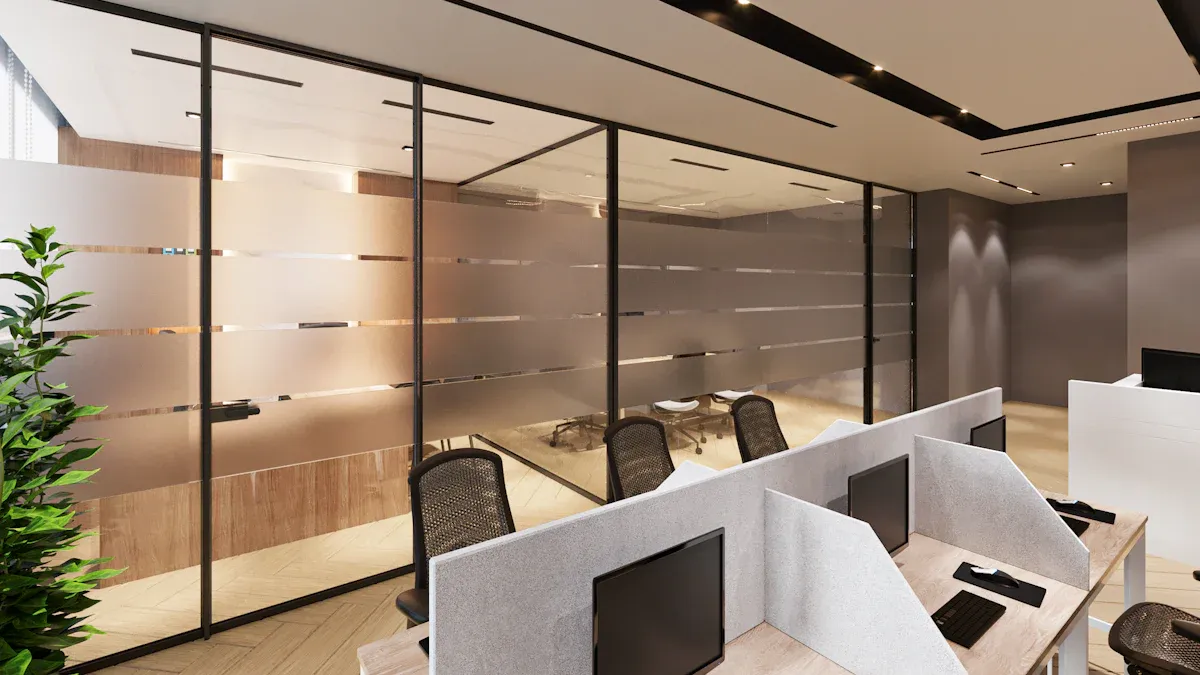
Magnesium oxide board is used in many walls and partitions. It gives strong fire resistance. The board does not burn and has a high fire rating. This helps stop fire and smoke from spreading. You can use it in homes, offices, and schools. It makes these places safer.
Magnesium oxide board is good for making flexible spaces. You can cut and install it easily. It works better than plywood panels for fire safety. It also resists moisture well. The board does not soak up water. It will not swell or break. Gypsum board can get wet and grow mold. Magnesium oxide board stops mold and mildew. This is great for places like hospitals and kitchens.
Tip: Magnesium oxide board helps block noise between rooms. You will notice quieter spaces when you use it for walls and partitions.
Sheathing
Sheathing is a main use for mgo board in construction. You can use magnesium oxide board for inside and outside sheathing. It gives a strong base for walls and ceilings. The board is tough and has a dense structure. It can hold heavy loads without cracking.
Here is a quick comparison of sheathing options:
Application Type | Description | Comparison to Other Materials |
|---|---|---|
Used for both interior and exterior walls due to fire resistance and moisture-proof properties. | More durable and mold-resistant than gypsum boards. |
Magnesium oxide board for sheathing gives great impact resistance. The board absorbs shocks and keeps its shape. It works well in busy areas. You will not need to fix it often. The strong material means your building lasts longer. You will need less upkeep. Using magnesium oxide board for sheathing protects your walls from pests and mold. It keeps your walls strong and safe.
Flooring and Underlayment
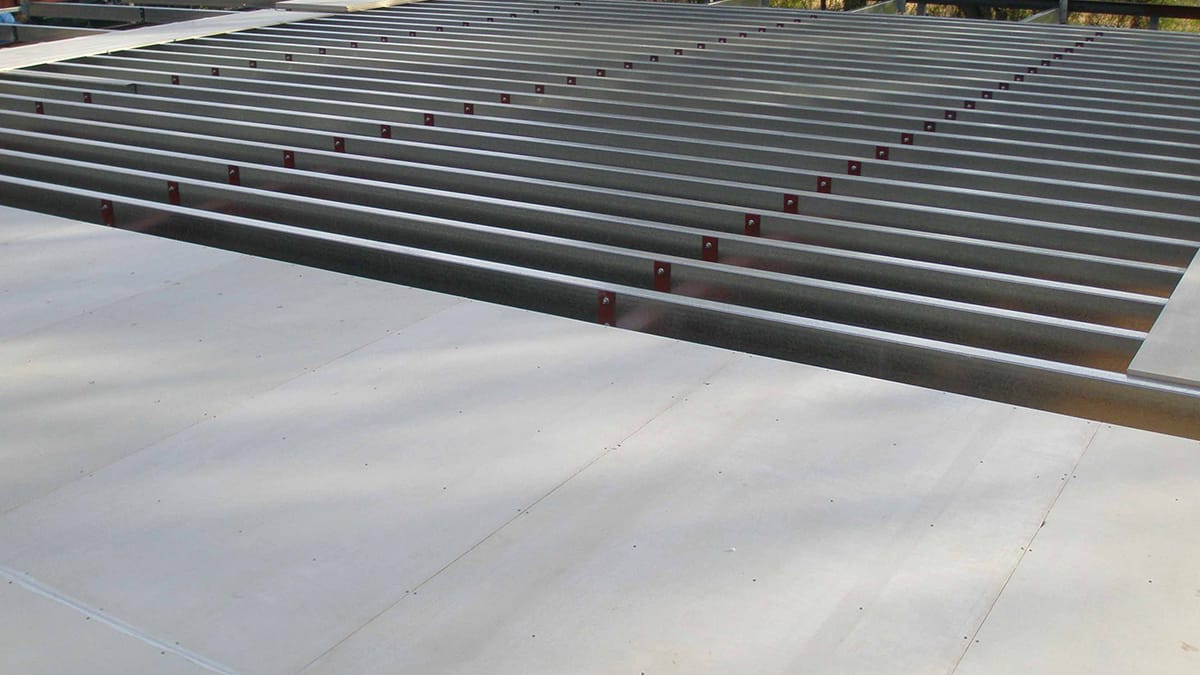
Magnesium oxide board is used as a base for floors and underlayment. This is a common use in homes and business buildings. The board does not burn, so it will not catch fire or release bad fumes. This makes your floors safer.
Magnesium oxide board is good for wet areas like kitchens and bathrooms. It resists moisture and mold. Your floors will not warp, swell, or break. The board stays strong even after getting wet. You can put it under tile, carpet, or wood flooring. Using magnesium oxide board for floors gives you a stable surface that lasts.
Note: Magnesium oxide board needs very little care. You do not have to worry about water damage, pests, or mold. This is a big advantage over gypsum board and plywood, which need more repairs.
Main Benefits at a Glance
Fire resistance: Non-combustible and blocks fire and smoke.
Moisture resistance: Does not absorb water or grow mold.
Durability: Withstands impact, heavy loads, and high traffic.
Easy installation: Simple to cut and shape for many applications.
Low maintenance: Needs less care than gypsum board or plywood.
Magnesium oxide board is becoming a top choice for interior construction. It replaces older materials. It gives better safety, strength, and value for your building.
MgO Board in Exterior Construction
 Facades and Cladding
 Facades and Cladding
You can use magnesium oxide board for facades and cladding on many types of buildings. The board stands up to rain, snow, and sun. It does not lose strength or shape in harsh weather. You get a material that lasts over 30 years in normal conditions. The board resists moisture, so you do not have to worry about mold or mildew. Builders choose magnesium oxide board because it keeps walls strong and safe in all climates.
Magnesium oxide board works well for siding, soffits, and trim.
The board keeps its structure in wet and dry weather.
You get a long-lasting wall that stays strong for decades.
The board resists moisture, which helps prevent damage.
Tip: Magnesium oxide board helps your building look good and stay safe for a long time. You do not need to replace it often.
Siding and Soffits
You can install magnesium oxide board as siding and soffits. The board outperforms gypsum, OSB, and plywood in tough climates. It resists fire and moisture. You get a safer building in areas with high humidity or fire risk. Unlike gypsum, magnesium oxide board does not soak up water or grow mold. OSB and plywood can break down in wet conditions, but magnesium oxide board stays strong.
Magnesium oxide board gives you a reliable surface for siding and soffits. You do not have to worry about water damage or pests. The board keeps its shape and does not warp. You get a clean look and strong protection for your building.
Exterior Sheathing
Magnesium oxide board is a smart choice for exterior sheathing. You get fire resistance and moisture protection. The board can handle temperatures over 1600°F. It does not burn or release toxic smoke. You keep your building safe in case of fire.
Feature | Description |
|---|---|
Fire Resistance | Withstands temperatures over 1600°F; 1-hour and 2-hour fire ratings. |
Non-combustible | Certified as non-combustible under ASTM E136. |
Toxic Smoke | Does not produce toxic smoke when exposed to fire. |
The board does not absorb water like wood or gypsum. It keeps its shape in wet areas. Lab tests show that magnesium oxide board does not swell or break after long exposure to water. The dense structure stops mold and mildew from growing. You get a safer and healthier building.
Note: Magnesium oxide board supports sustainable building. The production uses less energy than cement. The board is recyclable and helps lower the carbon footprint of your project.
Specialty Uses of Magnesium Oxide Board
Fire-Rated Assemblies
Magnesium oxide board is trusted for fire-rated assemblies. It is used in commercial and industrial buildings. The board meets strict fire safety standards like Class A and A1. These ratings are under ASTM E84 and EN 13501-1. You can find it in offices, hotels, schools, and homes. The boards do not burn or spread flames. They do not release harmful gases. They can handle heat up to 1200°C. Using this board helps protect people and property. It works well for walls, ceilings, and floors. The fire resistance supports green building certifications. It helps you meet national fire safety codes.
If you install magnesium oxide board the right way, you get good fire safety and long-lasting results.
Waterproofing and Mold Resistance
Magnesium oxide board is great for waterproofing and mold resistance. The board does not swell or warp when wet. It does not rot or break down. Gypsum board absorbs water and can grow mold. Magnesium oxide board does not do this. It is a smart choice for bathrooms, kitchens, and basements. It works well in damp places in homes and businesses. You do not need to seal or fix it as often as cement board. The board’s non-porous structure stops mold. It gives you a healthier space. You can rely on its strength and durability. It works even in humid areas or places with pests.
Stops curling, swelling, and rotting
Keeps its shape in wet conditions
Needs less maintenance
Acoustic and Thermal Benefits
Magnesium oxide board helps control sound in buildings. Its dense structure blocks and absorbs sound waves. It is good for apartment walls and office partitions. It works well in entertainment spaces too. You get quieter rooms for work or relaxing. The board also improves thermal insulation. This helps you save energy. Your building materials last longer and perform better. You meet code rules for fire resistance and sound control. This is important in multifamily and high-performance homes.
Tip: Magnesium oxide board helps make busy places more private and comfortable.
Comparing Magnesium Oxide Board to Other Materials
MgO Board vs. Gypsum Board
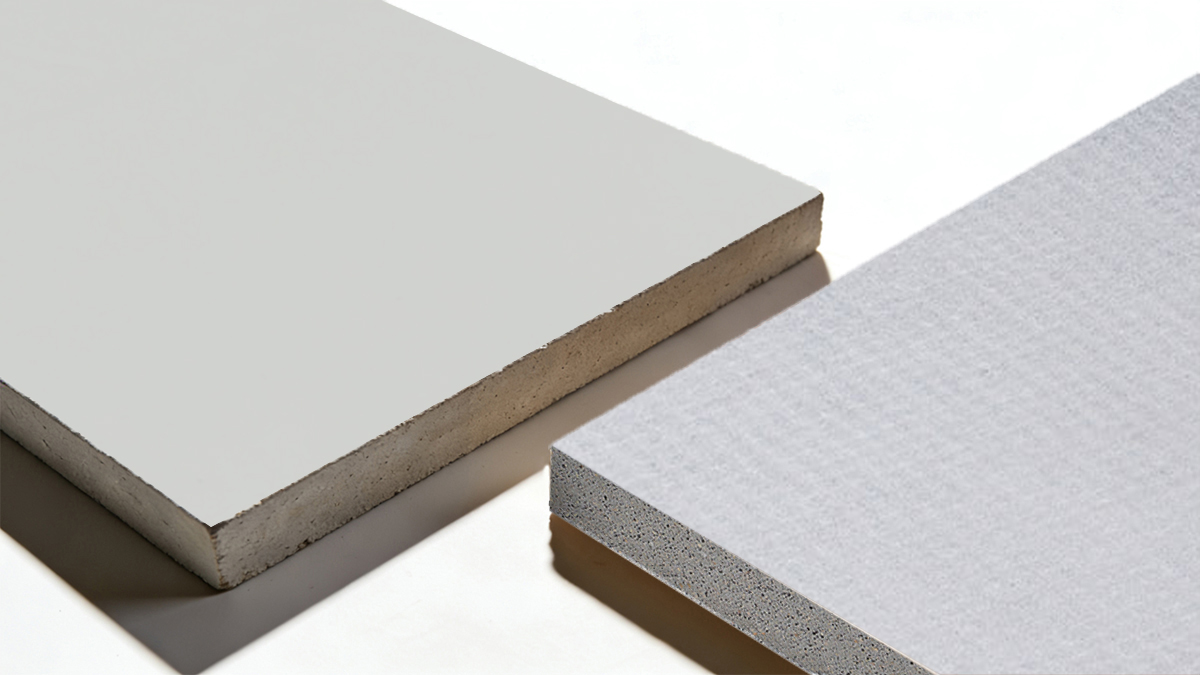 MgO Board vs. Gypsum Board
Magnesium oxide board and gypsum board are used for walls and ceilings. Magnesium oxide board is better at stopping fire. It also resists water and lasts longer. Look at the table below to see the differences:
Material | Fire Resistance Rating | Moisture Resistance | Durability |
|---|---|---|---|
Magnesium Oxide (MgO) Board | Up to 1-2 hours; rated noncombustible | Fully waterproof | Excellent longevity |
Gypsum Board | Fire-resistant but needs multiple layers | Less moisture-resistant | Moderate durability |
Magnesium oxide board does not soak up water. It stays strong for many years. Gypsum board can get wet and break. It needs more repairs. Magnesium oxide board costs more at first. But you spend less money fixing it. It lasts 20-30 years. Gypsum board lasts 10-15 years. This shows magnesium oxide board is a smart choice.
MgO Board vs. Cement Board
Magnesium oxide board and cement board both resist fire and are strong. Magnesium oxide board is better at stopping water and mold. The table below shows how they compare:
Feature | Magnesium Oxide Board (MgO) | Cement Board |
|---|---|---|
Fire Resistance | Excellent | Good |
Superior | Moderate | |
Strength & Durability | Lightweight yet strong | Dense and rigid |
Weight & Ease of Installation | Lighter, easier to handle | Heavier, needs special tools |
Environmental Impact | Low footprint, sustainable | Higher footprint |
Cost | Higher upfront, lower long-term | Lower upfront, higher long-term |
Versatility in Applications | Highly versatile | Limited to specific uses |
Magnesium oxide board uses natural materials. It is better for the environment. Cement board needs more energy to make. It is not as eco-friendly. This comparison helps you see why magnesium oxide board is a good choice.
Installation and Practical Considerations
You need to plan before installing magnesium oxide board. The boards are heavier than gypsum board. You need more people to help. You also need special tools to cut the panels. Here are some tips:
Use carbide-tipped saw blades or scoring tools.
Secure panels with corrosion-resistant screws or nails.
Wear protective gear and make sure there is good airflow.
Store boards flat in a dry place. Keep them away from water.
Some mistakes are using the wrong tools or too much force. Do not forget to leave gaps for expansion. If you drive screws too hard, you can crush the board. Always check for moisture protection in wet areas.
Tip: Not all brands are the same. Pick trusted brands to avoid problems like dampness, cracking, or corrosion.
If you follow these steps, your project will be strong and safe. You will get results that last a long time.
You can use magnesium oxide board for walls and floors. It also works for outside parts of buildings. This board protects against fire. It does not get damaged by water. It lasts a long time. Builders use it in homes and offices. It works in hot, cold, wet, or dry places.
Property | Benefit |
|---|---|
Non-combustibility | Helps keep your building safe from fire |
Moisture resistance | Stops water damage and mold. Makes your space healthier |
Durability | Handles bad weather and daily use |
Low maintenance | Saves time and money on repairs |
Good for homes and offices
Works in many climates
Needs little care to stay strong
Magnesium oxide board helps your building stay safe and last longer.
FAQ
What makes magnesium oxide board safer than gypsum board?
You get better fire resistance with magnesium oxide board. It does not burn or release toxic smoke. You protect your building and keep people safer.
Can you use magnesium oxide board in wet areas?
Yes, you can use it in bathrooms, kitchens, and basements. The board resists water and mold. You do not need to worry about swelling or rotting.
How do you install magnesium oxide board?
You cut the board with a carbide-tipped saw. You secure it using corrosion-resistant screws. Always wear safety gear and keep the area well-ventilated.
Tip: Store the boards flat and dry before installation.
Is magnesium oxide board good for soundproofing?
Magnesium oxide board blocks noise well. You get quieter rooms in homes and offices. The dense structure absorbs sound and helps you create peaceful spaces.
Does magnesium oxide board last longer than plywood?
Yes, magnesium oxide board lasts longer. You get strong walls and floors that resist damage. The board does not warp, rot, or break down like plywood.