
01 Mar What Is a Glass Magnesium Board and How Is It Manufactured in 2026
You see a glass magnesium board in many modern buildings today. This board uses magnesium oxide, glass fibers, and other safe materials. Builders choose it because it resists fire and moisture. The market for these boards keeps growing fast. In 2024, it reached 1.75 billion US dollars. Experts expect it to grow to 2.43 billion dollars by 2032. New factories in 2026 use smart machines to make each board strong and safe.
Key Takeaways
Glass magnesium boards do not burn and do not get damaged by water, so they are good for safe buildings. These boards are light but also very strong. This makes them easy to put up and they still last a long time. Glass magnesium boards are made in a way that is good for the earth. This helps lower harm to nature and makes them a smart choice for building. In 2026, new machines use smart tech to make sure every board is safe and good quality. Glass magnesium boards can be used in many places like schools, hospitals, and homes.
Glass Magnesium Board Overview
What Is a Glass Magnesium Board
You might ask how a glass magnesium board is not like other building materials. This board has magnesium oxide as the main part. Makers mix in glass fibers and other safe things to make it tough. The board feels hard and looks smooth. People sometimes call it an mgo board. You can use it where you need something strong and safe. The board will not catch fire or rot. It does not change when it gets wet. You can count on it to last for a long time.
Key Features and Uses
If you pick a glass magnesium board, you get lots of good things. The table below shows why this board is special:
Characteristic | Description |
|---|---|
A1-rated fire protection | No burning, so it is great for places that need fire safety. |
Moisture and mold resistance | It does not swell or bend, and mold cannot grow on it even if it gets wet. |
Eco-friendly and safe | It does not have bad chemicals, so it is good for green buildings. |
Lightweight but strong | It is easy to carry and put in, and it is still strong. |
Finish-ready surface | The smooth top lets paint or other finishes stick well. |
Long-term durability | Bugs, rust, and weather do not hurt it, so it lasts a long time. |
Tip: Glass magnesium boards are safe and simple to use in many places.
You can see glass magnesium boards in lots of new buildings. Here are some ways people use them:
They work for walls, ceilings, and floors.
Builders use them to make strong panels with insulation.
They are good for fire doors and tunnels.
Prefab buildings use these boards a lot.
They help make Type III Construction safer from fire.
Schools and hospitals use them because they do not get weak from water.
So, a glass magnesium board gives you safety, strength, and many ways to use it for building.
Magnesium Oxide Board Composition
 Main Ingredients and Additives
 Main Ingredients and Additives
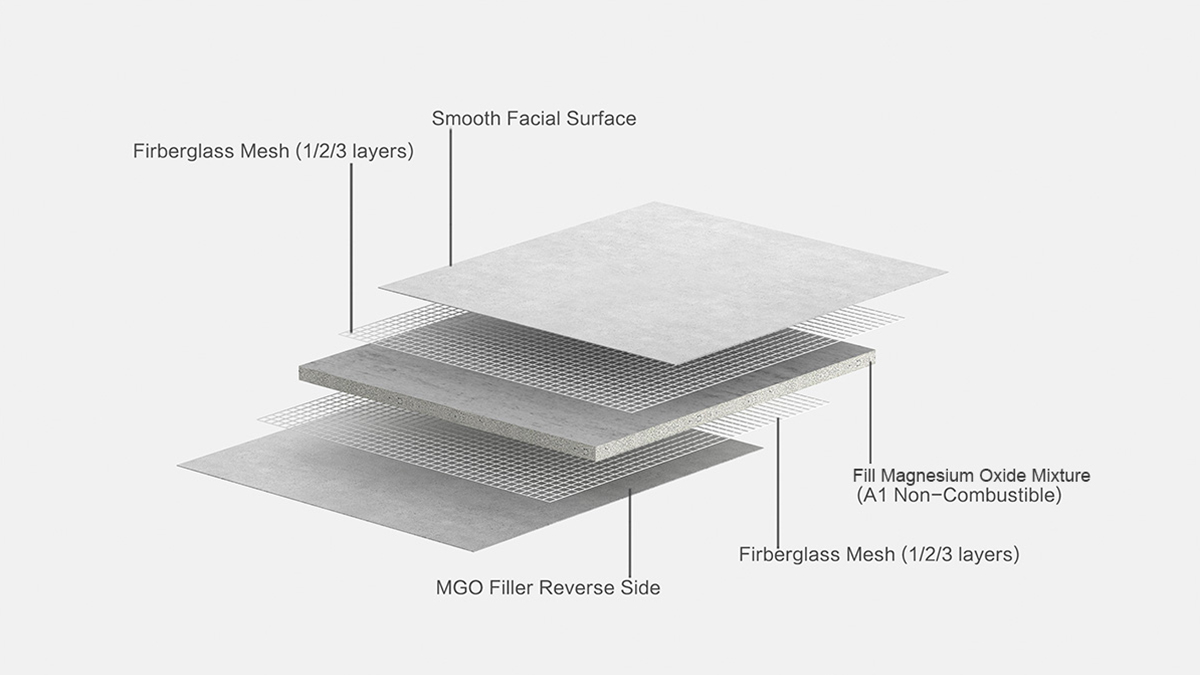
You might wonder what makes a magnesium oxide board so strong and reliable. The answer lies in its special mix of ingredients. Each part plays a key role in giving the board its unique properties. Here is what you will find inside:
Magnesium Oxide (MgO): This is the main ingredient. It gives the board its fire resistance and strength.
Magnesium Chloride (MgCl2): This acts as a binder. It holds all the materials together and keeps the board solid.
Perlite: This lightweight mineral helps the board stay light and improves insulation.
Wood Fiber: This adds flexibility and extra strength.
Vermiculite: This mineral expands when heated, adding more safety.
Glass Mesh: This reinforces the board and makes it even tougher.
Phosphate: This helps create strong chemical bonds inside the board.
You can see that each ingredient has a special job. When you combine them, you get a board that is safe, strong, and ready for many uses.
Role of Glass Fiber, Perlite, and Wood Chips
You may ask why glass fiber, perlite, and wood chips matter so much. These materials do more than just fill space. They change how the board works and feels.
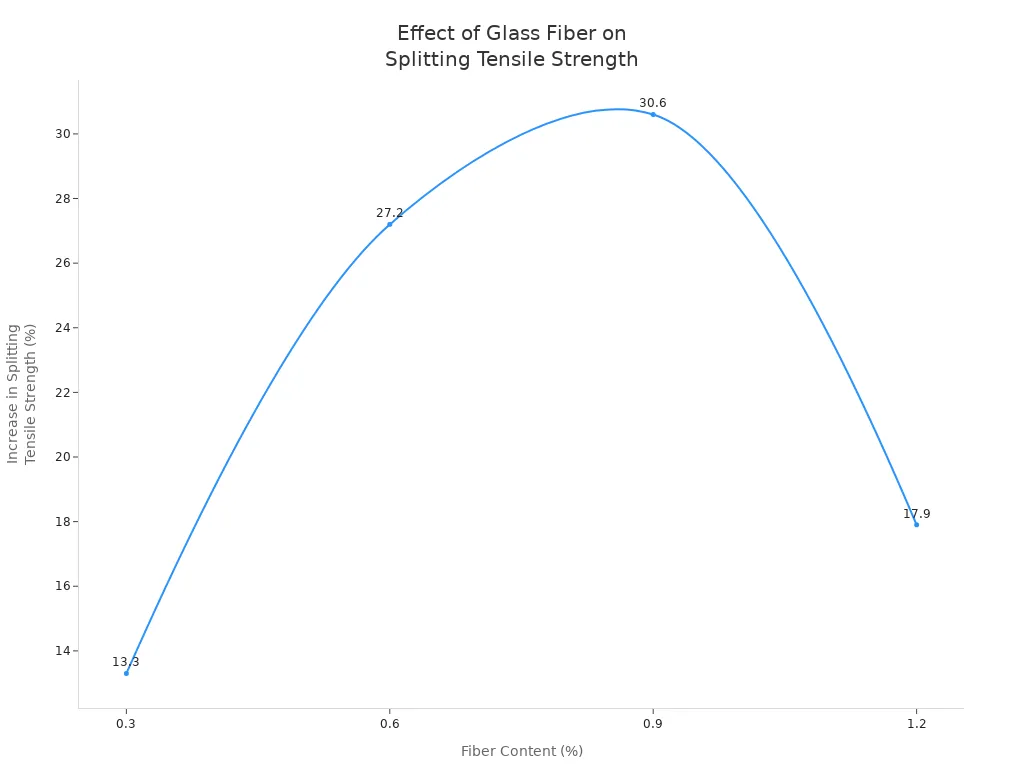
Glass fiber makes the board much stronger. Even a small amount can boost the board’s splitting tensile strength. For example, adding 0.6% glass fiber can increase strength by over 27%. You can see how the strength changes with more glass fiber in the chart below.
Perlite keeps the board light and helps with insulation. You get a board that is easy to handle and keeps rooms comfortable.
Wood chips or wood fiber add flexibility and extra toughness. The board can bend a little without breaking, which helps during installation.
Note: The right mix of these materials makes the magnesium oxide board a top choice for safe and modern buildings.
How Glass Magnesium Board Is Made
Raw Material Preparation
The first step is getting the raw materials ready. Workers pick good magnesium oxide and magnesium chloride. They also choose other important ingredients. Machines check if each material is pure and the same every time. This is important for making strong and safe boards. Workers also get glass fiber mesh, perlite, and wood chips ready. These things help the board fight fire and water. The factory keeps all the materials in clean, dry rooms. This keeps everything fresh and good to use.
Mixing and Forming Process
The next step is mixing and shaping the board. Special machines do most of the work. All the ingredients go into a big mixer. The mixer stirs them into a smooth liquid. This makes sure every board is the same. After mixing, workers pour the liquid into molds. The molds shape the boards and hold the glass fiber mesh. The mesh sits inside to make the board stronger. The molds get pressed to push out air and make the boards thick. Pressing helps the boards last longer and stay tough.
Here is a simple table that shows each step in the manufacturing process:
Step | Description |
|---|---|
Material Preparation | Select and prepare all raw materials. |
Mixing | Blend ingredients into a smooth slurry. |
Molding | Pour slurry into molds and add fiberglass mesh for strength. |
Pressing | Press molds to remove air and increase density. |
Curing | Let boards cure to harden and improve performance. |
After pressing, the boards need to cure. Curing makes the boards hard and strong. Quality checks happen at every step. Machines test the boards for fire, water, and strength. This careful work makes sure you get a safe board every time.
Modern Advancements in 2026
In 2026, factories use smart machines and new materials. Robots and sensors watch every part of the process. Automation helps make every board the same with no weak spots. New modifiers are added to the mix. These make the boards even safer and stronger.
Here is a table that shows how each component helps the board:
Component | Contribution to Non-Combustibility and Durability |
|---|---|
Magnesium Oxide | Gives fire resistance and keeps the board strong. |
Magnesium Sulfate | Adds moisture resistance and makes the board last longer. |
Fiberglass Mesh | Makes the board tougher and safer in a fire. |
Lightweight Aggregates | Keeps the board light but strong. |
These new changes help the boards fight fire and water better. Fiberglass mesh makes the boards stronger. Lightweight aggregates make the boards easy to carry. The special mix stops bad gases from forming in a fire. This keeps people safe in buildings.
Tip: Modern factories use strict quality checks. Every glass magnesium board must pass tests for fire, water, and strength before it leaves the factory.
You can trust the 2026 process to make safe and strong boards. These boards are ready for any building job.
MGO Board Properties and Benefits
Fire and Moisture Resistance
 Fire and Moisture Resistance
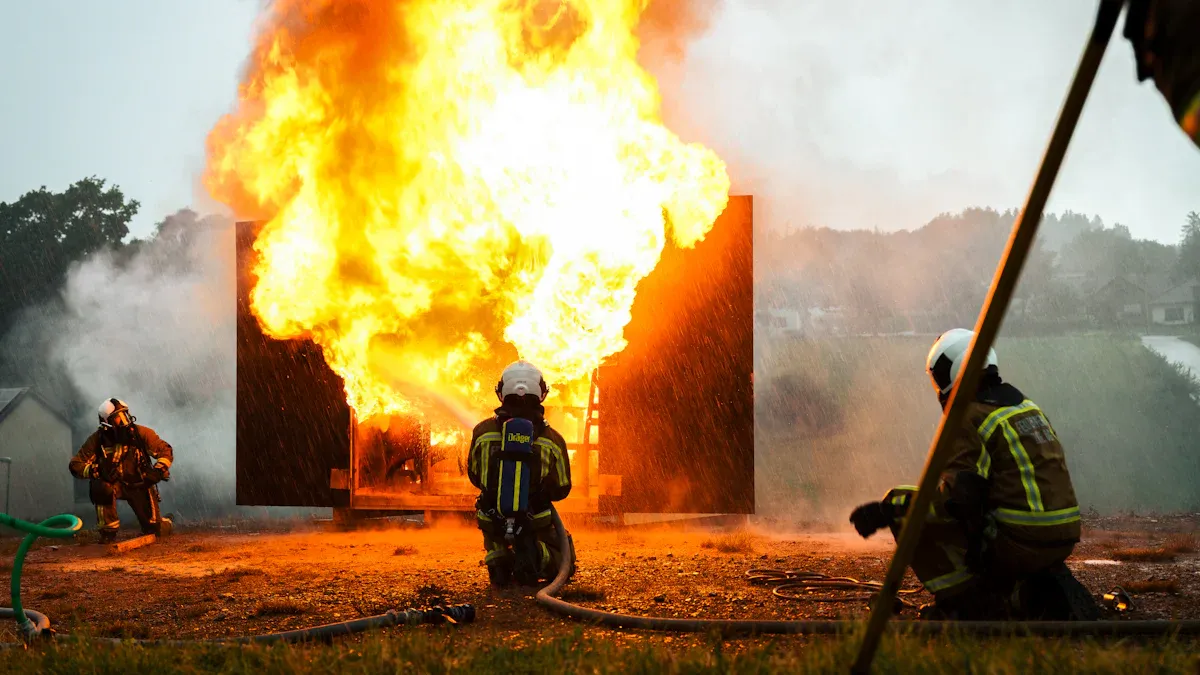
You want your building to be safe. An mgo board protects against fire. It can stand flames for four hours. This is good for fire walls and barriers. The board also stops water from soaking in. It keeps its shape and stays strong in wet places. In humid areas, builders saw no mold on mgo boards. After one year, rooms with these boards had less humidity and no mold. You can trust mgo board to keep your space safe from fire and water.
Here is a table that shows how mgo board compares to gypsum boards:
Material | Fire Resistance Duration | Moisture Resistance | Mold Resistance | Non-combustibility |
|---|---|---|---|---|
Glass Magnesium | Up to 4 hours | Water-resistant | Mold-resistant | Non-combustible |
Traditional Gypsum | Up to 1 hour | Prone to deterioration | Favorable for mold growth | Combustible |
Tip: Mgo board helps you meet fire codes and keeps your building safe.
Strength, Durability, and Safety
You need a board that lasts a long time. Mgo board stays strong even with heavy use. It does not crack or break easily. Glass fibers inside make it stronger. The board also resists mold, so it stays clean. Builders pick mgo board because it is safe. It does not burn, so it protects people in a fire. You can use it in schools, hospitals, and homes. Its fire and mold resistance make it a smart choice for safe buildings.
Environmental Impact
You care about the planet and want safe materials. Mgo board uses natural and safe ingredients. It does not release bad chemicals. Many boards earn eco-friendly certifications. Here are some labels you might see:
Certification | Details |
|---|---|
Meets safety and health rules. | |
ISO | Shows the board is always good quality. |
INTERTEK | Proves safety and performance. |
ASTM E84 | Meets fire safety standards. |
UL 723 | Another fire safety mark. |
LEED | Supports green building. |
FloorScore | Shows low emissions for indoor air. |
You help the environment when you pick mgo board. Its eco-friendly design and certifications show it is safe for people and the planet.
Glass Magnesium Board Applications
Construction Uses
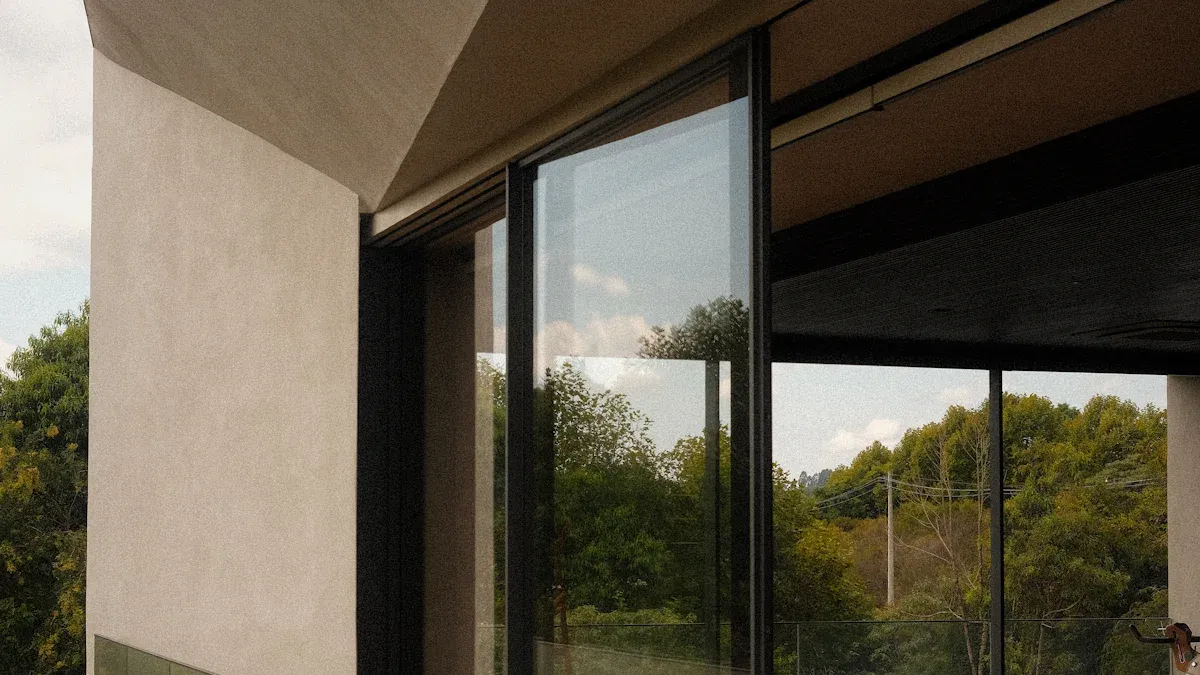
Glass magnesium boards are used in many building parts. They work for homes and big buildings. You can see them inside and outside walls. Builders use them for special jobs too. The table below shows how these boards are used:
Application Type | Examples |
|---|---|
Exterior Applications | Wall sheathing, Fascia, Soffit, Trim, Lap Siding |
Interior Applications | Wall panels, Ceiling board, Tile backer, Drop ceiling tiles, Fire wall system |
Specialty Applications | Office cubicles, Room dividers, Structural Insulated Panels (SIPS) |
Mgo boards are found where extra safety is needed. Hospitals and schools use them because they do not burn. They also stop mold from growing. The table below shows why these boards are good for busy places:
Feature | Description |
|---|---|
Fire Resistance | Non-combustible with a zero flame spread rating, suitable for fire-rated assemblies. |
Impact Resistance | More durable than gypsum drywall, ideal for high-traffic areas. |
Antimicrobial Properties | Resistant to mold, mildew, and allergens, making it suitable for healthcare facilities. |
Moisture Resistance | Antimicrobial characteristics prevent mold and mildew, essential for hospitals and schools. |
Durability | Can handle more weight and stress than drywall, making it ideal for high-traffic areas. |
Tip: These boards are best for places where safety and cleanliness are important.
Comparison to Other Boards
You might ask how glass magnesium boards are different from other boards. Gypsum is the most common board. The table below shows how much each board costs:
Material | Average Cost per Square Foot |
|---|---|
MgO Boards | |
Gypsum Boards | $0.50 – $1.00 |
Mgo boards cost more than gypsum boards. You pay more because they resist fire and water better. These boards last longer and do not break easily. Gypsum boards are cheaper and simple to install. But they do not last as long in wet or busy places.
Glass magnesium boards help the environment. They use safe materials and last a long time. You can trust them for strong, safe, and green buildings.
You have learned that glass magnesium boards are safe and strong. They are also good for the environment. These boards stop fire, water, and mold. They last a long time and do not break easily. Here is how these benefits compare:
Benefit | Description |
|---|---|
Fire resistance | These boards do not burn fast. They help keep people safe in fires. |
Durability and strength | They stay strong for many years. This helps buildings last longer. |
Moisture and mold resistance | They do not swell or let mold grow. This keeps rooms dry and clean. |
Lightweight | They are light, so workers can carry and install them easily. |
Environmental benefits | They use natural materials. This helps the planet by lowering CO₂ emissions. |
You can put glass magnesium boards in bathrooms, basements, and outside walls. Pick them if you want buildings that are safer, greener, and last longer.
FAQ
What tools do you need to cut a glass magnesium board?
You can use a utility knife, a saw, or a scoring tool. Always wear gloves and a mask for safety. Cut slowly to avoid chipping the edges.
Can you paint or tile over a glass magnesium board?
Yes, you can. The smooth surface lets paint, wallpaper, or tiles stick well. Make sure the board is clean and dry before you start.
How does a glass magnesium board handle extreme weather?
You get strong protection. The board resists rain, snow, and heat. It does not warp or rot. Builders use it for both indoor and outdoor projects.
Is a glass magnesium board safe for people with allergies?
Yes! The board does not support mold or mildew. It does not release harmful chemicals. You can use it in hospitals, schools, or homes for better air quality.
How does glass magnesium board compare to cement board?
Feature | Glass Magnesium Board | Cement Board |
|---|---|---|
Weight | Lighter | Heavier |
Fire Resistance | Excellent | Good |
Mold Resistance | High | Moderate |
Installation | Easier | Harder |