
26 Feb How Glass Magnesium Board Stacks Up Against Drywall, Plywood, and Cement Board
You want a building material that can handle fire, water, and daily use. Glass magnesium board does better in these areas than drywall, plywood, and cement board. Look at the table below to see how each one matches up:
Property | Magnesium Oxide Board (Magpanel) | Drywall (1/2 inch) | Cement Board | Plywood |
|---|---|---|---|---|
Weight (psf) | 1.5 to 2.0 | 1.6 to 2.2 | N/A | N/A |
Flexural Strength (MPa) | 7 to 15 | 3 to 5 | N/A | N/A |
Fire Rating (E84) | Yes | Limited | N/A | N/A |
Environmental Impact | Low carbon footprint, recyclable | N/A | N/A | N/A |
You can see that glass magnesium board is stronger and has a good fire rating. It also helps the environment because it has a low carbon footprint. These are some reasons to use mgo sheathing boards, especially in wet or fire-risk places. Some people think glass magnesium board costs more or takes longer to put in. Others wonder about its natural materials or if it lasts a long time. You can see the good things about mgo sheathing boards when you look at the facts and features.
Key Takeaways
Glass magnesium board is better at stopping fire than drywall and plywood. This makes it safer for places with more risk. It also does a great job keeping out water. This stops mold from growing. That is good for bathrooms and kitchens. Glass magnesium board can cost more at first. But it lasts longer and needs less fixing. This saves money in the long run. It is easier to put in than cement board. This means you spend less time and money on work. Picking glass magnesium board is good for the planet. It helps keep building green and safe for nature.
Quick Comparison Table
Key Features Overview
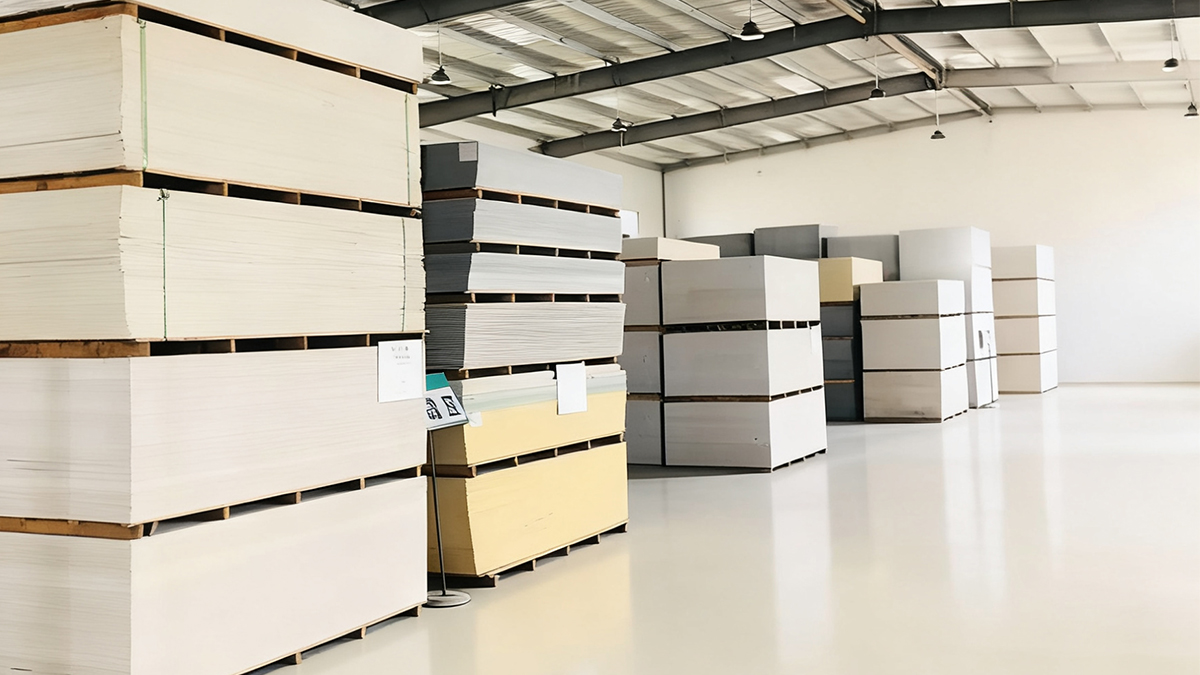
You want to know how each board works. The table shows glass magnesium board, drywall, plywood, and cement board. It compares them on important things. You can see which one is best for strength, water, putting in, looks, and price.
Material | Durability | Moisture Resistance | Installation Difficulty | Aesthetics | Cost | Environmental Impact |
|---|---|---|---|---|---|---|
Glass Magnesium Board | Very High | Excellent | Moderate | Plain, paintable | High | Low carbon, recyclable |
Cement Board | Very High | Excellent | Hard | Limited | High | Moderate |
Drywall | Good | Good | Easy | Smooth, paintable | Moderate | Moderate |
Plywood | High | Poor | Moderate | Wood grain, warm | Moderate | Renewable, needs sealing |
Tip: If you need a board for wet or fire-risk places, glass magnesium board and cement board are good choices. Drywall and plywood do not do well with water.
Main Pros and Cons
You should check the good and bad points of each material before picking one. Here is a quick list:
Material | Advantages | Disadvantages |
|---|---|---|
Glass Magnesium Board | Handles water and fire very well. Lasts a long time. Good for the planet. | Costs more. Heavier than drywall. Harder to cut. |
Cement Board | Does not swell or crack when wet. Resists fire and pests. | Heavy. Needs special tools. Costs more. |
Drywall | Light and easy to install. Saves money. | Can get moldy. Not strong in wet places. |
Plywood | Strong and flexible. Looks warm and natural. | Warps with water. Needs sealing. |
You can see glass magnesium board is best for strength and water. Cement board is also strong but harder to use. Drywall is easy and cheap but not good in wet spots. Plywood looks nice but needs care to stop water damage.
Fire Resistance Comparison
 Glass Magnesium Board Performance
 Glass Magnesium Board Performance
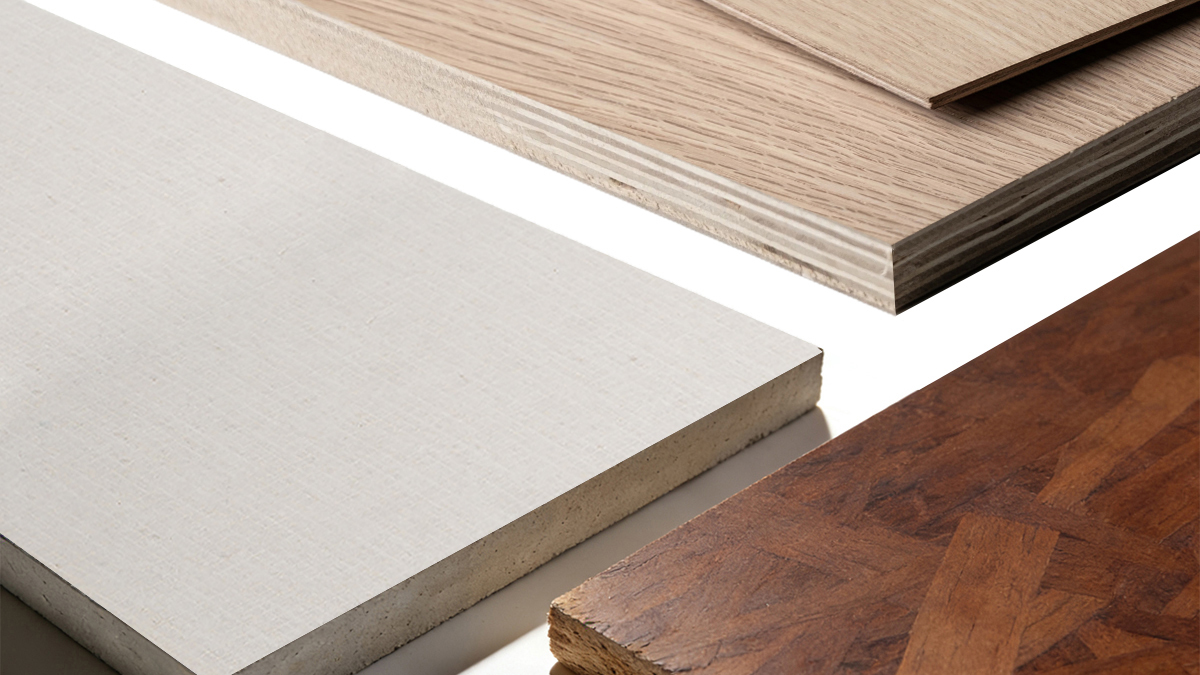
You want the best protection for your building. Magnesium oxide board gives you that. This board stands out for fire safety and resistance. You can use magnesium oxide board in places where fire risk is high. The board does not burn. It stays strong even when exposed to flames. You get peace of mind because magnesium oxide board is noncombustible. Builders trust magnesium oxide board for its non-combustibility. You can use it for walls, ceilings, and floors. Magnesium oxide board does not release toxic smoke. You help keep your family safe. You also meet many building codes for fire safety and resistance. Magnesium oxide board can last longer in fire than drywall or plywood. You see why magnesium oxide board is a smart choice.
Drywall and Plywood Performance
You may know drywall is common in homes. Type X gypsum board gives you a Class A fire rating. It can last up to one hour in fire. Type C gypsum board lasts up to two hours. Plywood does not do well with fire. It burns quickly and does not protect you. You should not use plywood where fire safety and resistance matter. Drywall helps, but magnesium oxide board gives you better results. You want to choose the right material for each room.
Note: Drywall and plywood do not match the fire safety and resistance of magnesium oxide board.
Cement Board Performance
Cement board also gives you good fire safety and resistance. It has a Class A rating and lasts up to one hour in fire. You can use cement board in kitchens, bathrooms, and outside walls. Cement board does not burn, but it is heavy and hard to cut. Magnesium oxide board is easier to handle and gives you more options.
Best Use Cases
You want to use magnesium oxide board in places where fire safety and resistance are most important. Good spots include kitchens, furnace rooms, and stairwells. You can also use magnesium oxide board in schools, hospitals, and hotels. Cement board works well in wet areas. Drywall fits best in dry, low-risk rooms. Plywood is not good for fire safety and resistance.
Here is a table to help you compare:
Material | Fire Resistance Rating | Duration in Fire |
|---|---|---|
Type X Gypsum Board | Class A | Up to 1 hour |
Type C Gypsum Board | Class A | Up to 2 hours |
Cement Board | Class A | Up to 1 hour |
Glass Magnesium Board | High | Longer than others |
Plywood | Low | Burns quickly |
You see that magnesium oxide board leads in fire safety and resistance. You get better protection and peace of mind.
Moisture & Mold Resistance
Glass Magnesium Board in Humid Areas
 Glass Magnesium Board in Humid Areas
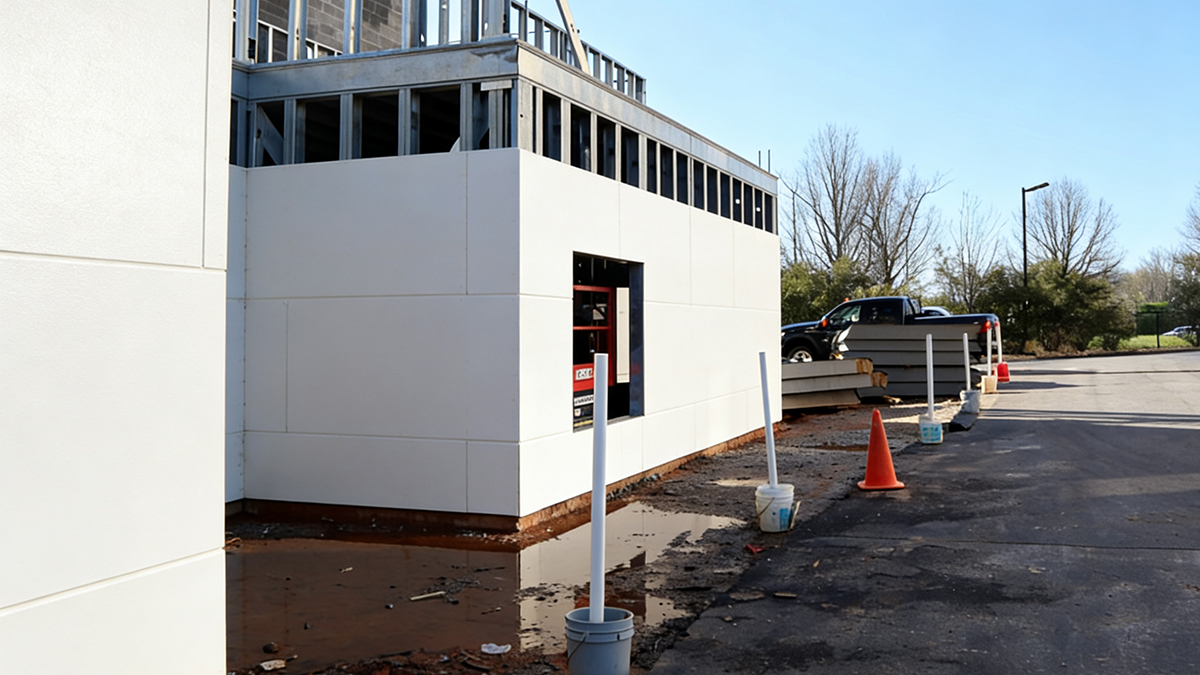
You want a board that stands up to water and damp air. Mgo boards give you top moisture resistance. These boards have a moisture absorption rate of only 0.34%. That means they barely take in water, even in bathrooms or basements. You do not need to worry about mold growing on mgo boards. They do not support mold or rot, so you get a clean and safe space. You can use mgo in showers, laundry rooms, or anywhere with high humidity. You do not need extra sealing for mold protection when you choose mgo.
Mgo boards have a moisture absorption rate of 0.34%.
Mgo boards resist mold growth in humid places.
Mgo boards do not need extra sealing for moisture resistance.
Tip: Use mgo in places where you expect a lot of steam or water.
Drywall and Plywood Limitations
Drywall and plywood do not give you the same moisture resistance as mgo. Drywall absorbs water at a rate of 3%. This makes it easy for water to get inside and cause damage. You may see stains, swelling, or even mold on drywall in wet rooms. Plywood also struggles with water. It can warp, swell, or rot if it gets wet. You need to seal plywood well, but even then, it does not match the moisture resistance of mgo.
Cement Board Capabilities
Cement board gives you good moisture resistance. You can use it in showers or kitchens. Cement board does not rot, but it may need sealing to stop water from getting in. Mgo boards do not need this extra step. You save time and get better mold resistance with mgo. Cement board is heavy and harder to cut, but it works well if you seal it right.
Ideal Environments
You want to pick the right board for each room. Use mgo in bathrooms, basements, laundry rooms, and kitchens. These places need strong moisture resistance and mold resistance. Cement board works in wet areas if you seal it. Drywall and plywood fit best in dry rooms. If you want the best protection, mgo is your top choice.
Durability & Strength
Impact Resistance of MGO Board
You want walls that can take hits and last. Mgo board is tough and does not break easily. It works well in places like schools and hospitals. Mgo board is stronger than drywall, plywood, and cement board. The table shows how each board does with strength and durability:
Material | Weight (psf) | Durability | Moisture Resistance | Flexibility | Environmental Impact |
|---|---|---|---|---|---|
Magnesium Oxide Board | 1.5 – 2.0 | High | Excellent | Strong | Lower |
Drywall | 1.6 – 2.2 | Moderate | Moderate | Moderate | Moderate |
Cement Board | N/A | Low | Poor | Low | High |
Plywood | N/A | Moderate | Moderate | High | Moderate |
Mgo board does not dent or crack as much as drywall. You get walls that stay strong and need less fixing.
Structural Integrity of Alternatives
Other boards are not as strong as mgo board. Drywall can break if you hit it hard. Plywood bends well but is not as strong as mgo board. Cement board feels solid but is not tough and does not handle water well. You want walls that last a long time. Mgo board gives you that strength.
Tip: Pick mgo board for places where walls get hit a lot.
Longevity and Maintenance
You want walls that last many years and need little care. Mgo board can last up to 100 years if you look after it. You only need to check for cracks once a year. Clean it with mild soap and use sealant in wet rooms. Drywall does not last as long and needs more repairs for mold and dents. Plywood and cement board do not last as long as mgo board. The table shows how long each board lasts and what care it needs:
Material Type | Estimated Lifespan | Maintenance Requirements |
|---|---|---|
Magnesium Oxide Board | Up to 100 years | Minimal; check annually for cracks, clean with mild soap, apply sealant in wet areas |
Drywall | Shorter lifespan | Higher maintenance due to mold and damage repairs |
Plywood | N/A | N/A |
Cement Board | N/A | N/A |
You also get a 5-year warranty for mgo board. This covers problems with the board if you buy from the right place. You can trust mgo board to be strong and last in your next project.
Cost & Installation
Material and Labor Costs
 Material and Labor Costs
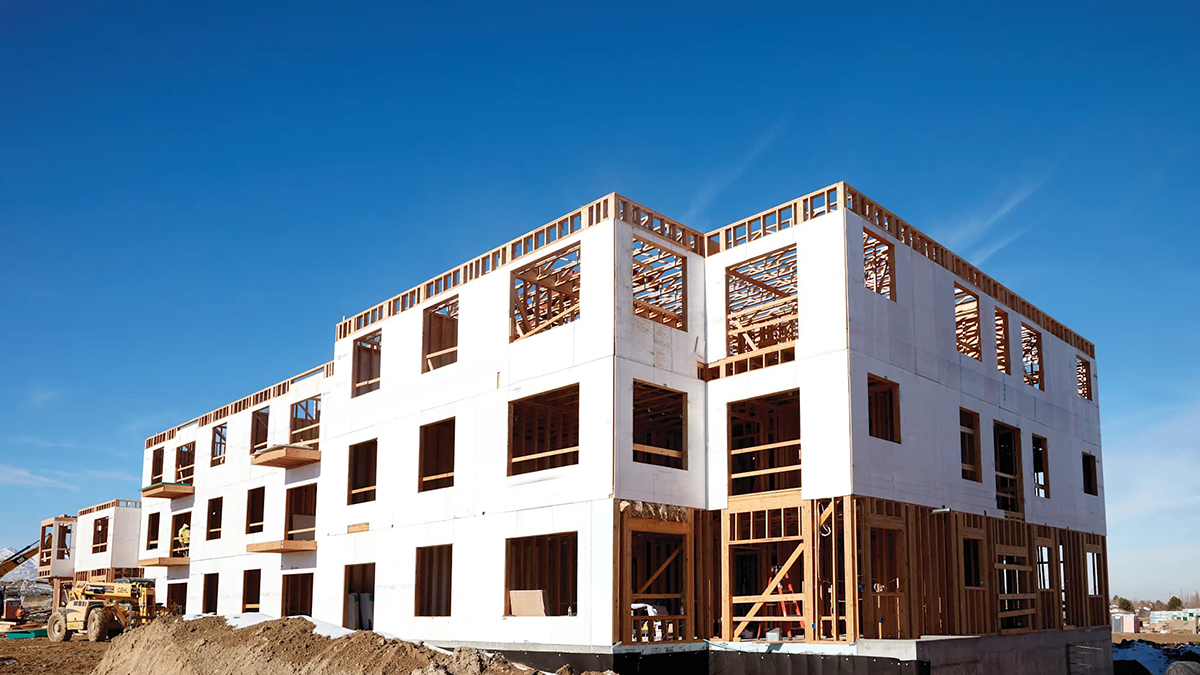
You want to know how much each board will cost. The price includes both the material and the labor to install it. Here is a table to help you compare:
Material Type | Installation Cost (per sq ft) | Material Price (per sheet) |
|---|---|---|
Drywall (Gypsum Board) | $10 – $20 | |
Cement Board | $4 – $6 | N/A |
Magpanel mgo board usually costs more than drywall at first. You pay a higher price per sheet. Over time, you save money because it lasts longer and needs fewer repairs. Cement board can cost between $4 and $6 per square foot. Some premium boards cost even more. Drywall is the cheapest, but it does not last as long in tough places.
Tip: You should think about cost-effectiveness, not just the price you pay today. A board that lasts longer and needs less fixing can save you money in the long run.
Ease of Installing Magpanel MGO Board
You want a board that is easy to handle. Magpanel mgo board is lighter than cement board. You can carry and move it with less effort. This makes installation faster. You do not need special tools for most cuts. You can use standard tools for most jobs. This helps you finish your project on time and keeps labor costs down.
Installation Challenges with Other Materials
Other boards can slow you down. Drywall is easy to cut and install with regular tools. Plywood is heavy and needs more people to lift and fit it. Cement board is the hardest to install. You need special tools to cut it. It is heavy and can take more time to put up. Here is a table that shows the main challenges:
Material | Installation Challenges | Impact on Project Timelines |
|---|---|---|
Glass Magnesium Board | Lighter weight, easy handling, faster installation | Reduces labor time and costs |
Drywall | Standard tools, simple process | Quick installation |
Plywood | Heavy, needs more manpower | Slower, more labor needed |
Cement Board | Needs special tools, heavy | Slower, increases installation time |
You can see that magpanel mgo board helps you finish faster and with less effort. You get a strong wall and save time.
Environmental Impact
Sustainability of MGO Sheathing Boards
You want to pick materials that are good for the earth. Mgo sheathing boards help you build in a green way. These boards use natural minerals and need less energy to make. You lower your impact on the planet when you use mgo sheathing boards. Many builders use mgo sheathing boards to meet leed goals. The table below shows how mgo sheathing boards compare to other boards:
Board Type | CO2 Emissions | Energy Use | Recyclability |
|---|---|---|---|
MgO Board | Low | Low | Yes |
Cement Board | High | High | Limited |
Gypsum Board | High | Medium | May contain VOCs |
You help the earth by using mgo sheathing boards. These boards support green building and leed certification. You make a smart choice for nature.
Health and Indoor Air Quality
You want your building to be safe and healthy. Mgo sheathing boards do not release bad chemicals. You avoid VOCs and other toxins that can harm air inside. Mgo sheathing boards help you make a clean and safe space for your family or workers. You also support leed certification by making air better indoors. Many green buildings use mgo sheathing boards for this reason. You can breathe easy knowing your walls are safe.
Tip: Good air inside helps everyone feel better and stay healthy.
Recyclability and Eco Benefits
You want to cut down waste and protect nature. Mgo sheathing boards can be recycled. You can reuse or recycle old boards instead of throwing them away. This lowers your impact on the planet and supports green building. Mgo sheathing boards help you earn leed points for recycling and less waste. You also support building that is good for the earth. You make a positive change for nature every time you pick mgo sheathing boards.
Mgo sheathing boards are good for the earth.
You support leed certification and green building.
You help nature with every project.
Application Suitability
Where Glass Magnesium Board Excels
 Where Glass Magnesium Board Excels
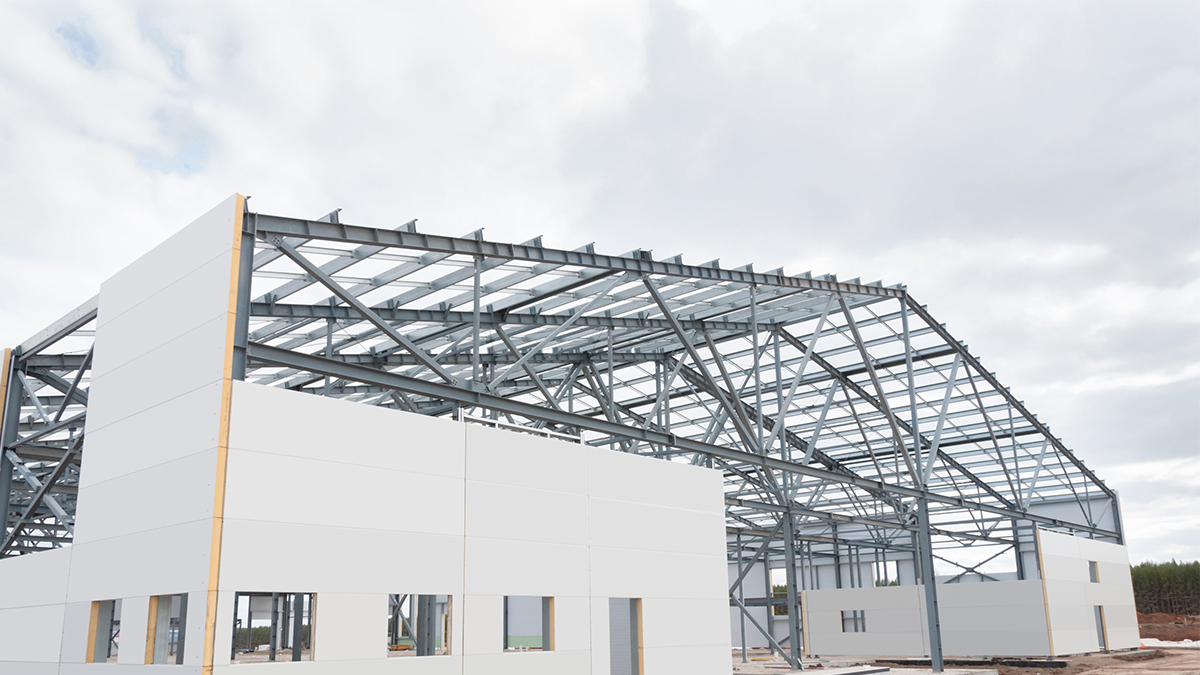
You want a building material that works in many places. Glass magnesium board gives you strong performance in areas where other boards fail. You can use it in rooms with lots of water, like bathrooms and kitchens. You can also use it in places with heavy foot traffic, such as schools or hospitals. Magpanel stands out because it does not absorb water. It keeps its shape and strength, even in humid air. You do not need to worry about mold or mildew. This board stays clean and safe.
Here is a table that shows where glass magnesium board works best and what you gain:
Application Area | Benefits of Magnesium Oxide Boards |
|---|---|
Bathrooms | Water resistance, mold and mildew prevention |
Kitchens | Moisture resistance, durability |
Coastal Homes | Stops mold and moisture, ideal for humid environments |
High-traffic Areas | Strength and durability for commercial applications |
Green Building Projects | Eco-friendliness and structural integrity |
You see that magpanel fits in many places. You get water resistance in bathrooms. You get durability in kitchens. You protect coastal homes from mold. You keep high-traffic areas strong. You also help the planet with green building projects.
Tip: Use magpanel in places where you need strength, water resistance, and safety from mold.
Best Uses for Magpanel
You can use magpanel in many projects. This board works well for walls, ceilings, and floors. You can use it inside or outside. You get the best results in places that need extra protection. Here are some top uses for magpanel:
Bathrooms and showers: You stop water damage and mold.
Kitchens: You get a strong wall that does not swell or rot.
Laundry rooms: You keep the air clean and dry.
Basements: You avoid mold and keep your space safe.
Schools and hospitals: You need walls that last and stay clean.
Commercial buildings: You want a board that handles bumps and heavy use.
Coastal homes: You fight off moisture and salt air.
Green buildings: You meet eco-friendly standards and earn LEED points.
You can also use magpanel for fire-rated walls and ceilings. You get peace of mind in case of fire. You can paint or finish magpanel to match your style. You do not need to worry about warping or cracking. You save money on repairs because magpanel lasts a long time.
You see that the applications of mgo sheathing boards cover many needs. You can trust magpanel for both new buildings and renovations. You get a board that works in tough spots and helps you build better.
Limitations of Drywall, Plywood, and Cement Board
You may wonder why not use drywall, plywood, or cement board. Each has limits that magpanel does not have. Drywall absorbs water. It gets soft and grows mold in wet rooms. You need to replace it often in bathrooms or basements. Plywood warps and rots when it gets wet. You must seal it well, but even then, it does not last in damp air. Cement board resists water, but it is heavy and hard to cut. You need special tools and more time to install it.
Here is a quick list of problems with these boards:
Drywall does not stop mold or mildew.
Plywood loses shape in humid places.
Cement board takes longer to install and costs more labor.
None of these boards match the eco-friendly benefits of magpanel.
You want a board that gives you strength, water resistance, and easy installation. Magpanel gives you all these things. You get better results in more places. You also help the environment with every project.
You can see that the applications of mgo sheathing boards go beyond what drywall, plywood, or cement board can do. You get more value and fewer problems when you choose magpanel.
Real-World Examples
Residential Projects
 Residential Projects
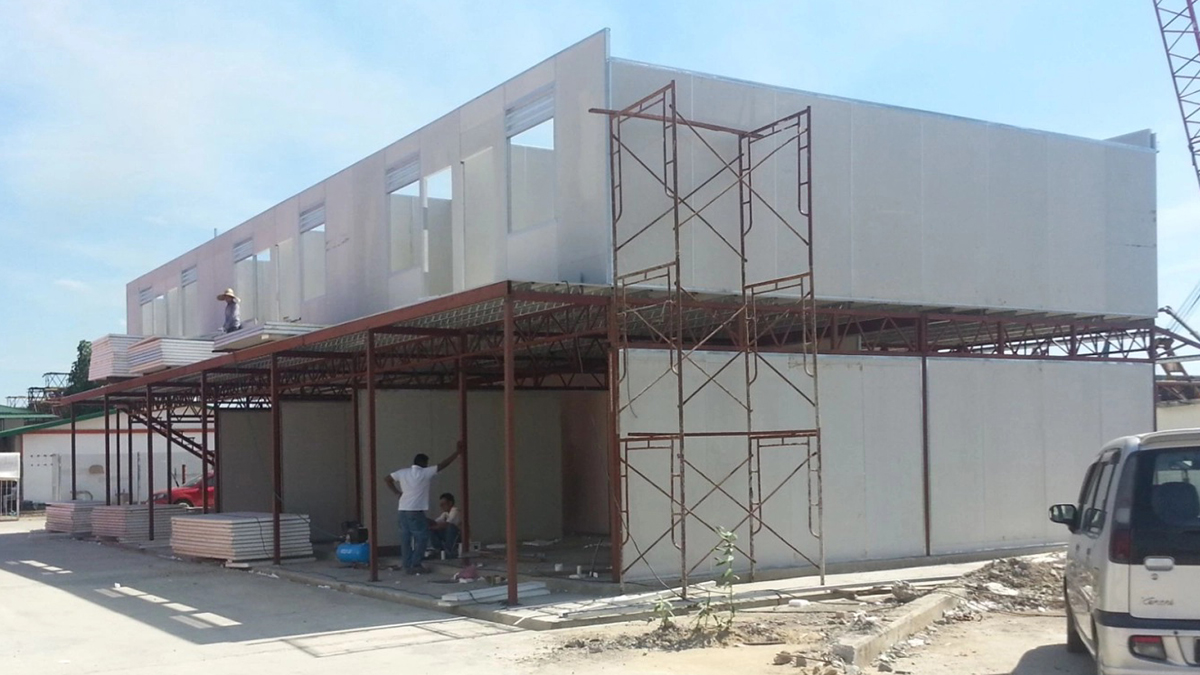
You want your house to be safe and last a long time. Many people use glass magnesium board in bathrooms, kitchens, and basements. One family took out old drywall in their basement and put in magpanel. The new walls did not get bigger or grow mold, even after a small leak. You can paint or put tiles on magpanel just like you do with drywall. You get a nice look and strong walls. In homes near the ocean, magpanel keeps salt air from hurting your house. Your home stays looking good for many years.
Tip: Put magpanel in laundry rooms and entryways. These spots get wet and lots of people walk through.
Commercial Applications
You can find glass magnesium board in schools, hospitals, and hotels. Builders use magpanel in busy hallways and stairs. In one hospital, workers put magpanel in patient rooms and bathrooms. The walls stayed clean and strong, even after lots of cleaning and bumps from carts. In restaurants, magpanel does not get ruined by steam or spills. You do not have to fix the walls as much. Magpanel also helps you build in a green way. Many offices use it to make the air inside better.
Lessons from Case Studies
You can learn a lot from real projects. The table below shows how glass magnesium board works compared to other boards in real buildings:
Aspect | Magnesium Board (MgO) | Gypsum Board | Plywood | Cement Board |
|---|---|---|---|---|
Fire Resistance | Better (A1 rating) | Moderate | Low | Moderate |
Moisture Resistance | Very High (0.34% absorption) | Moderate (3%) | Low | High |
Durability | Excellent (no swelling/warping) | Moderate (can swell) | Low | High |
Cost-Effectiveness | Higher initial, lower long-term | Lower initial | Low | Moderate |
Environmental Impact | Eco-friendly materials | Moderate | Low | Moderate |
You can see magpanel is better for fire and water safety. It is also strong and good for the earth. You might pay more at first, but you save money later. These facts help you pick the best board for your next job.
Decision Guide
Choosing the Right Material
 Choosing the Right Material
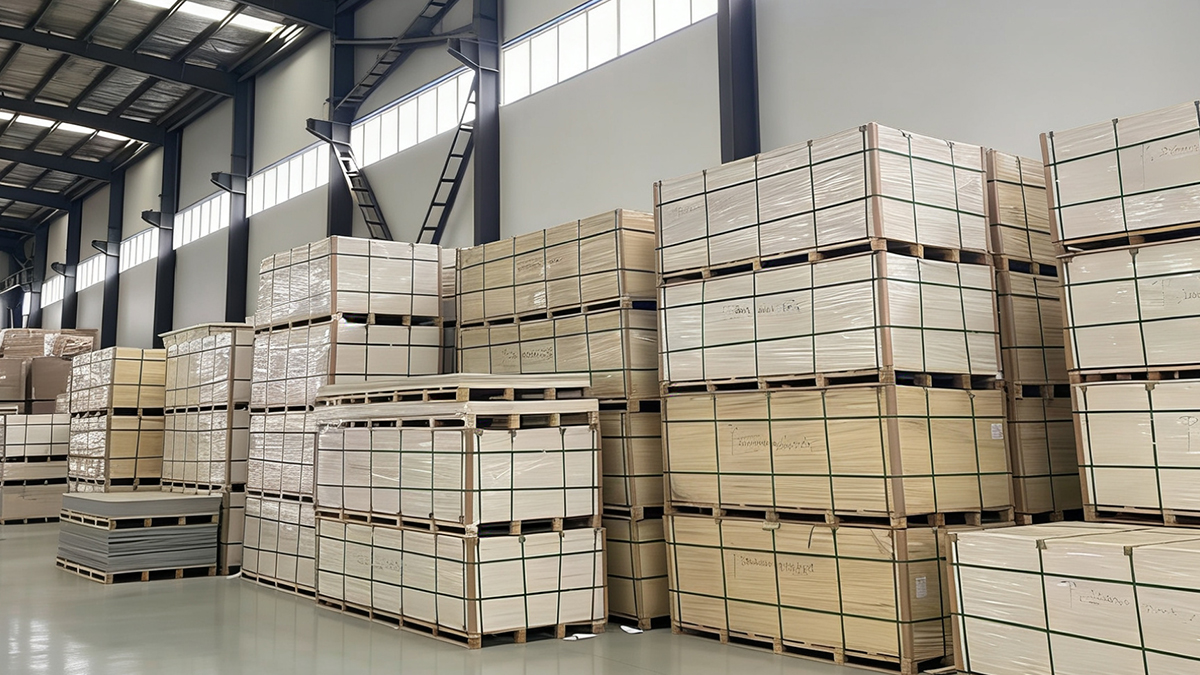
You want to pick a wall or ceiling material that gives you the best value for your project. Glass magnesium board stands out because it offers strong fire resistance and stops water damage. You get more safety and durability compared to drywall, plywood, or cement board. Magnesium oxide boards are non-combustible and pass major fire tests. They also last longer and handle tough weather. This means you get better overall value for your money.
The table below shows how glass magnesium board compares to other materials:
Feature | MgO Boards’ Performance | Advantage Over Other Materials |
|---|---|---|
Fire Resistance | Non-combustible, passes tests | Safer than drywall and plywood |
Durability | Long-lasting, tough in bad weather | Outlasts drywall and fiber cement |
You want a material that keeps its value over time. MgO boards do not warp or get ruined by water. You can use them in bathrooms, kitchens, and other wet places. You also save on repairs, which adds to the long-term value of your project.
Key Questions for Your Project
Before you choose, ask yourself these questions to find the right value for your needs:
Do you need a 1-hour, 2-hour, or 3-hour fire rating for your space?
Will the walls face high moisture or humidity?
Do you want a material that resists warping, swelling, and discoloration?
Is long-term value important for your building?
Will you need to repaint or repair often?
Fire Rating | Description |
|---|---|
1-Hour | Needed for homes and some commercial spaces |
2-Hour | Used in multi-family and some commercial buildings |
3-Hour | For high-risk or special structures |
You want to choose materials that resist moisture and keep their value. MgO boards are completely waterproof, so they work well in bathrooms and kitchens. You get peace of mind and long-term value when you pick the right board.
Tip: Always think about how much value you get now and in the future. The right choice will save you time and money for years.
You want the best board for your job. Glass magnesium board is great for fire and water. It lasts longer than drywall or cement board. It needs less fixing and care. Look at the table to see how they stack up:
Feature | MgO Board | Cement Board | Drywall |
|---|---|---|---|
Fire Resistance | Superior | Good | Limited |
Moisture Resistance | Excellent | Good | Poor |
Installation | Easy, fast | Harder | Very easy |
Durability | High | High | Low |
MgO panels are best for fire safety.
Drywall costs less money.
MgO sheathing is good for green building.
Make sure you pick what fits your needs, your budget, and safety rules.
FAQ
What makes glass magnesium board different from drywall?
You get better fire and moisture resistance with glass magnesium board. Drywall absorbs water and can grow mold. Glass magnesium board stays strong in wet places. You can use it in bathrooms, kitchens, and basements.
Can you use glass magnesium board outside?
Yes, you can use glass magnesium board for exterior walls. It resists rain, humidity, and temperature changes. You get a strong wall that does not warp or rot.
Tip: Always seal the edges for best outdoor performance.
Is glass magnesium board safe for indoor air quality?
You stay safe with glass magnesium board. It does not release harmful chemicals. You help keep your home’s air clean. Many builders choose it for healthy buildings.
Does glass magnesium board use sustainable raw materials?
Yes, glass magnesium board uses sustainable raw materials. You support green building when you choose this board. You help protect the environment and reduce waste.