
12 Apr Understanding the Fireproof Properties of Magnesium Oxide Panels
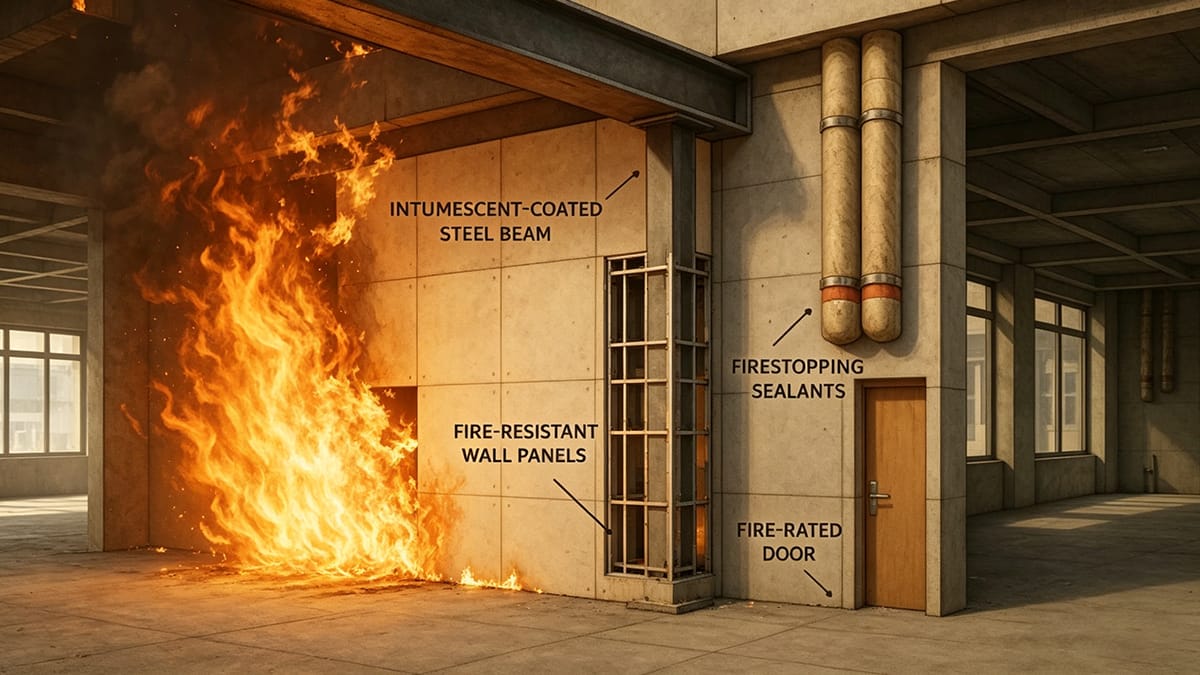
Yes, fireproof magnesium oxide panels stop fire because they do not burn. They can handle very high heat. Magnesium oxide melts at about 2,800°F (1,538°C). This is much hotter than most building materials. You get no flame spread and no water vapor comes out. The panels do not let out bad gases during a fire. These things help protect buildings and keep you safer in emergencies.
Key Takeaways
Magnesium oxide panels do not burn. They can handle very high heat. This makes them very safe from fire. These panels do not let flames spread. They do not give off bad gases in a fire. This helps keep people and firefighters safe. Magnesium oxide panels are strong. They do not get damaged by water. They do not let mold or mildew grow. This means they last a long time in many places. You should always look at fire ratings and certificates before picking panels. This makes sure they follow safety rules. Magnesium oxide panels are a good choice for fire safety. They work well in buildings like schools and hospitals. They protect better than regular materials.
Why Fireproof Magnesium Oxide Panels Resist Fire
Noncombustible Structure and High Melting Point
You can trust fireproof magnesium oxide panels to keep your building safe because they do not catch fire. This means they won’t burn, even in very hot heat. The panels have a high melting point, so they don’t melt easily. They can handle temperatures up to 1,472°F (800°C) without losing shape or strength. Magnesium oxide melts at over 2,800°C, making it very resistant to heat. These panels meet strict fire safety rules, like EN 13501-1, and are called Class A1 noncombustible. You can use them in many building projects because they follow these high standards. The special physical features of magnesium oxide, especially its high melting point, make it a good choice for hot conditions. Knowing that these panels don’t burn helps keep your building safe during a fire.
Zero Flame Spread and Vapor Emission
When you use fireproof magnesium oxide panels, they help stop fire from spreading. Because they are noncombustible, flames can’t move across their surface. Tests show that these panels have zero flame spread and produce no smoke. They can also release up to 30 pounds of water vapor during a fire. This vapor cools the area and helps control the fire. The panels contain flame retardants that stop toxic gases and thick smoke from being released. This makes the air safer for everyone during a fire. These features show how their noncombustibility and material qualities work together to improve fire safety.
Durability and Moisture Resistance
Durability is another reason to choose magnesium oxide panels. They keep their fireproof qualities even after long use. They can get 1- and 2-hour fire ratings without extra treatments. Their performance is proven in NFPA 285 tests, which are important fire safety standards. The panels also resist moisture, mold, and mildew. This helps prevent rot and decay, so they last longer. In humid places, the panels won’t warp or swell like wood. This keeps their fire resistance steady. But if the panels aren’t sealed well, they might absorb moisture and develop surface problems over time. Modern coatings help reduce this risk and make the panels last longer. Overall, their noncombustibility, durability, and moisture resistance make magnesium oxide panels a smart choice for meeting fire safety rules and protecting your building for many years.
Fire Resistance of Magnesium Oxide Sheathing Board: Testing and Ratings
 Common Fire Standards and Certifications
 Common Fire Standards and Certifications
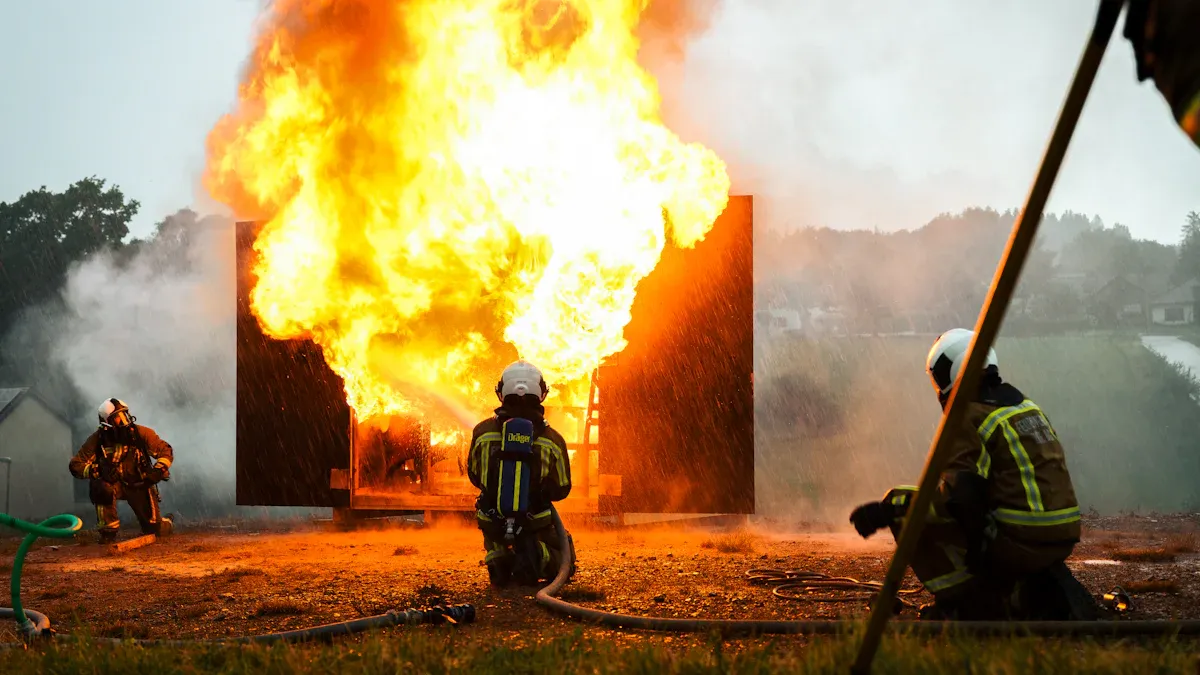
It is important to know which rules show that magnesium oxide sheathing board can resist fire. These rules help you feel sure the panels will protect your building if there is a fire. Many groups check and approve these panels. The biggest ones are ASTM, EN, UL, and ICC-ES. These groups make sure the panels follow tough safety rules.
Here is a table that lists the main fire standards and what they mean:
Standard / Code | Description | Fire Resistance Rating / Classification |
|---|---|---|
Noncombustibility test | Noncombustible | |
ASTM E84 | Surface flame spread | Class A rating |
EN 13501-1 | European fire classification | Class A1 (noncombustible) |
UL and ICC-ES say fireproof magnesium oxide panels are safe for big buildings.
ICC-ES also checks if the panels follow building codes like IBC and IRC.
These panels fight fire, mold, and water, so they are a smart pick for many jobs.
You can see these rules focus on stopping fire and flames from spreading. This means you can feel safer when you use magnesium oxide sheathing board fire resistant products.
Fire Ratings and What They Mean for MgO Boards
When you check how well magnesium oxide sheathing board resists fire, you will see ratings like “1-hour” or “2-hour.” These ratings tell you how long the panels can stop fire from moving. A higher rating means better safety.
Here is a table to help you see what these ratings mean:
Fire Rating | Significance in Building Safety |
|---|---|
1 hour | Provides basic fire resistance, suitable for low-risk areas. |
2 hours | Offers enhanced protection, ideal for higher-risk structures and compliance with safety regulations. |
A 1-hour fire rating means the panel can block fire for one hour. This gives people more time to get out and helps firefighters work. A 2-hour fire rating means even more safety. You need this level in places like schools, hospitals, and tall buildings. Fireproof magnesium oxide board can reach both 1-hour and 2-hour ratings. This shows it is very good at stopping fire and is a great choice for safety.
You should always look at the fire rating before picking a panel. This helps you follow building rules and keeps everyone safe.
How Fire-Resistant MgO Boards Are Evaluated
You might wonder how experts check the fire resistance of magnesium oxide sheathing board. They use special labs and follow strict steps. The most common tests are ASTM E84, ASTM E136, EN 13501-1, and NFPA 285. These tests check how the panels act with fire, smoke, and heat.
Here is a table that shows the main fire tests and ratings for these panels:
Testing Standard | Purpose |
|---|---|
ASTM E84-24 | Evaluates flame spread and smoke production. |
EN 13501-1+A1:2010 | Provides fire resistance ratings for building materials. |
NFPA 285 | Assesses performance of wall assemblies in fire conditions. |
ASTM E84 checks how fast flames move and how much smoke comes out.
EN 13501-1 gives a fire-resistance rating for building materials in Europe.
NFPA 285 tests how a whole wall system works in a fire.
You will see that magnesium oxide sheathing board fire resistant panels often get top scores in these tests. They do not burn, do not spread flames, and do not make bad smoke. These panels can take high heat without breaking. They also meet or beat the main rules for fire resistance.
When you pick fireproof magnesium oxide panels, you get strong fire resistance and peace of mind. The main fire tests and ratings show these panels protect your building and the people inside. You can trust their fire resistance in new buildings and when fixing old ones.
Tip: Always ask for test reports and certifications before you buy. This helps you make sure you get panels that really resist fire.
Comparing Fireproof Magnesium Oxide Board to Other Materials
MgO vs. Gypsum Board
 MgO vs. Gypsum Board
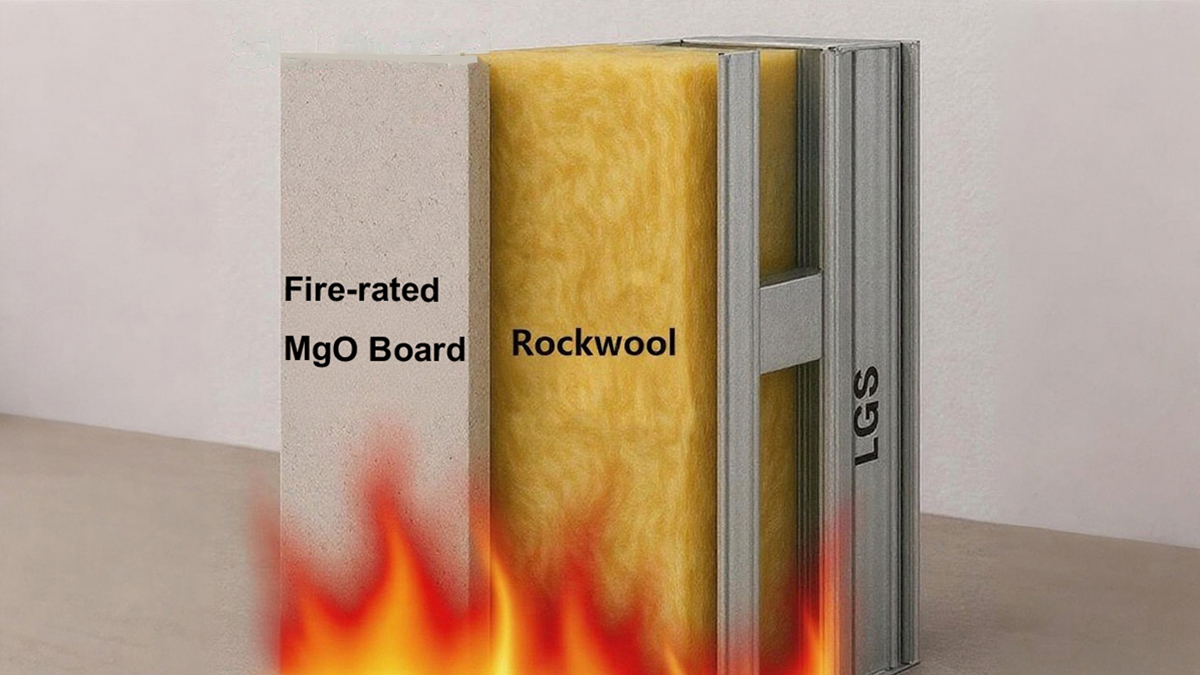
When you look at fire-resistant mgo boards and gypsum board, you notice big differences. Fireproof magnesium oxide panels do not burn, even in very hot fires. Gypsum boards need special treatments to get the same fire rating. The table below shows how each board works:
Board Type | Fire Resistance Performance |
|---|---|
Magnesium Oxide Boards | Very fire-resistant; does not burn; lasts 1-2 hours or more; stays strong |
Gypsum Board | Fire-resistant but needs water inside; usually lasts 30 minutes to 1 hour |
You can use thinner fire-resistant mgo boards to meet fire rules. Gypsum boards must be much thicker to work as well. Magnesium oxide boards also stop moisture, mold, and bugs. This means you can use them in kitchens, basements, and stores.
Tip: Pick fire-resistant mgo boards if you want better fire safety and long-lasting panels in tough places.
MgO vs. Cement Board
You might wonder how fire-resistant mgo boards compare to cement board. Both types can handle fire, but magnesium oxide boards do not burn and block fire for longer. Cement boards often need extra treatments to be as fireproof as mgo boards. The table below shows the main differences:
Feature | Magnesium Oxide Board | Cement Board |
|---|---|---|
Fire Resistance | Excellent, non-combustible | Lower than MgO board |
Moisture Resistance | Yes | Not specified |
Mold Resistance | Yes | Not specified |
Cost | Generally lower cost |
Magnesium oxide gets a flame spread rating of 0. This means fire does not move across its surface. Cement boards may cost less, but you might need special tools to put in mgo boards.
MgO vs. Plywood and OSB
If you use plywood or OSB, you have more fire risk. These materials burn fast and last only 5 to 15 minutes in a fire. Fire-resistant mgo boards last 1 to 2 hours and do not burn. The table below shows the difference:
Material | Fire Resistance Rating |
|---|---|
MgO | 1 to 2 hours |
OSB | 5 to 15 minutes |
Plywood | 5 to 15 minutes |
You should choose fire-resistant mgo boards for places where fire safety is important. They give you more time to get out and protect your building better than wood panels.
Practical Benefits and Limitations of Fire-Resistant MgO Boards
Installation and Handling
 Installation and Handling
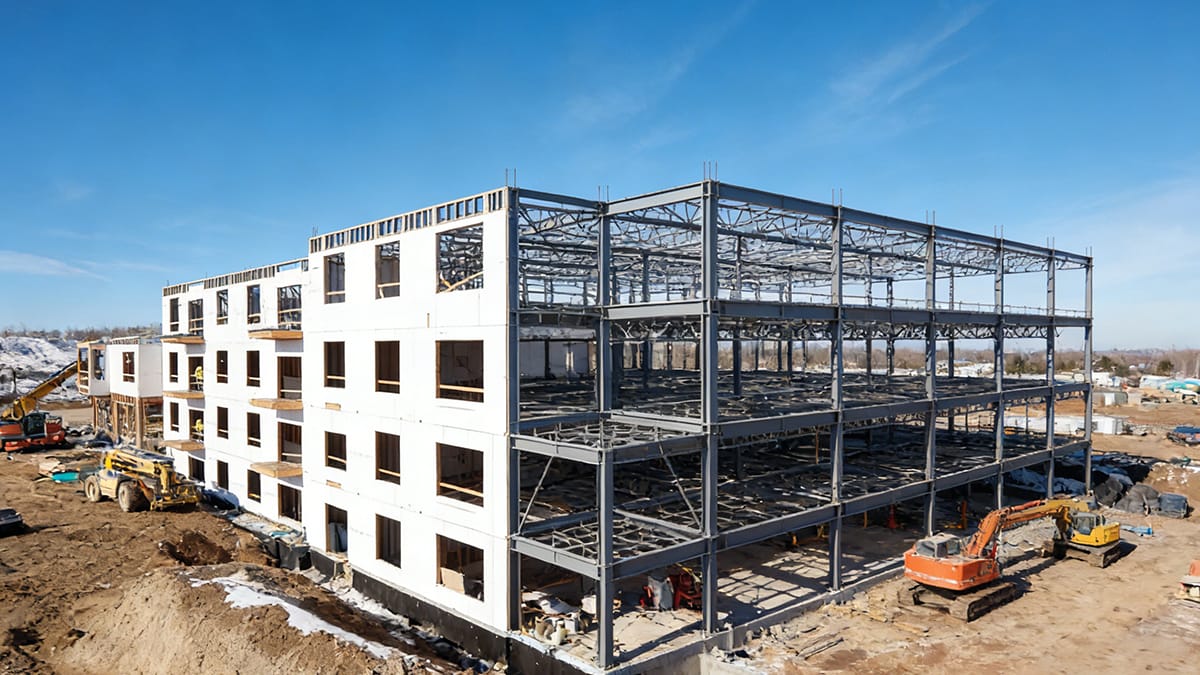
You can put in magnesium oxide boards fast because they are light and strong. These boards make the job easier and help save money on work. You need to follow the instructions when you install them. If you do not store or get the boards used to the room, they might crack from weather or building movement. You should be careful when you move heat resistant wall panels so they do not break. Many builders pick MgO boards for fire-resistant buildings because they are strong and help stop fires.
Fireproof insulation does not burn and does not give off bad gases.
MgO boards stop mold and mildew, so they protect against moisture and mold.
You can use them in fire-rated walls for more safety.
Maintenance and Longevity
Magnesium oxide boards last longer than plywood or OSB. They are very tough because they do not get mold, rot, or burn. You do not have to fix them a lot because they do not crack much. Good moisture and mold protection means the air inside is cleaner and people have fewer allergies. Fireproof insulation stays strong for a long time, so it is a good choice for many jobs.
MgO boards are lighter and simpler to put in than other fire boards.
They last a long time because they do not soak up water.
Compliance with Building Codes
You need to check fire safety rules before you use MgO boards. These boards meet big rules for fire-rated walls in many places. The table below shows how they match important fire safety codes:
Fire Safety Standard | Compliance Details |
|---|---|
ASTM E136 | Does not burn, passes tests |
ASTM E84 | High fire rating, makes little smoke |
EN 13501-1 | A1 non-combustible rating |
UL 263 | Can block fire for up to four hours |
BS 476 Part 4 | Helps keep fire in one area |
You can trust MgO boards for fire-resistant buildings and high heat.
Limitations and Considerations
You should know some things before you pick heat resistant wall panels. MgO boards cost more at first than other boards. The quality can change from one maker to another. Putting them in can be harder than with other fireproof boards. Not many people know about MgO boards, so not everyone uses them.
Limitation | Description |
|---|---|
Higher Initial Cost | MgO boards cost more at first |
Quality Variations | Quality is not always the same from all makers |
Installation Challenges | Harder to put in than other boards |
Market Awareness | Not many people know about MgO boards |
Tip: Always check the rules and ask for papers to make sure your building is safe from fire.
You get great fire safety when you pick magnesium oxide panels. These panels do not burn at all. They have high fire-resistance ratings. They stay safe and do not let out bad fumes. They also protect against mold, water, and bugs. You can use them in apartments, schools, hospitals, and stores. New treatments help stop water problems and keep fire rules. Magnesium oxide panels help you feel safe for walls, ceilings, and fire-rated systems.
FAQ
What makes magnesium oxide sheathing a good choice for fireproof buildings?
You get strong protection when you use magnesium oxide sheathing in fireproof buildings. This sheathing does not burn. It helps stop fire from spreading. You can trust it to keep buildings safe. Many builders use this sheathing for walls and ceilings in fireproof buildings.
Can you use magnesium oxide sheathing in all types of buildings?
Yes, you can use magnesium oxide sheathing in many buildings. You see it in homes, schools, hospitals, and offices. This sheathing works well in both new and old buildings. It helps make buildings safer and stronger. You can use it for fireproof upgrades.
How does magnesium oxide sheathing compare to other fireproof materials?
You find that magnesium oxide sheathing gives better fireproof safety than wood or gypsum. This sheathing does not burn. It lasts longer in fires. You can use thinner sheathing and still get strong fireproof results. Many buildings need this level of fireproof safety.
Does magnesium oxide sheathing help with moisture in buildings?
Yes, magnesium oxide sheathing helps keep buildings dry. This sheathing resists water, mold, and mildew. You can use it in wet places like bathrooms and basements. It keeps buildings strong and fireproof. You get extra safety from both fire and water.
What should you know before installing magnesium oxide sheathing in fireproof buildings?
You need to follow the maker’s guide when you install sheathing in fireproof buildings. Store the sheathing in a dry place. Use the right tools for cutting. You can ask experts for help. This way, you keep buildings safe and meet fireproof rules.