
16 Feb Understanding Fire Rated Sheathing Boards and Their Standards
You use a fire rated sheathing board to help protect buildings from fire. This board slows fire from spreading fast. It gives people more time to get out safely. You must follow fire safety rules to keep your building safe. Fire rated sheathing boards help with fire safety and meet building codes. The boards also last longer than the minimum burn time needed for fire safety.
Evidence Description | Compliance Details |
|---|---|
Fire rated sheathing lasts longer than code burn time rules | Makes fire safety better than the lowest standards |
Load bearing 1hr and 2hr fire-rated wall assemblies | Approved by ASTM E-119 and ICC (ESR-5116) |
Firepoint meets 2021 and 2018 IBC and IRC | Put in place by following maker’s rules and code needs |
Key Takeaways
Fire rated sheathing boards help stop fire from spreading fast. This gives people more time to get out safely. Always look for fire resistance ratings and certification marks. These show the boards meet safety rules. Using fire rated materials helps keep buildings and people safe from fire damage. There are different types of fire rated sheathing. Each type has its own good points. Pick the right one for your building. Following fire safety codes keeps people safe. It also helps you avoid legal and money problems.
Fire Rated Sheathing Board Definition
What Is a Fire Rated Sheathing Board?
A fire rated sheathing board is a special building material. It helps protect buildings from fire. This board slows down flames and heat. People get more time to leave safely. Fire resistant sheathing makes compartments inside buildings. These compartments stop fire from spreading fast. You can find fire rated exterior sheathing in walls, floors, and ceilings. It is important for fire resistant construction.
Fire resistant sheathing protects buildings by slowing flames and heat.
It makes compartments that stop fire from spreading quickly.
Fire rated assemblies help keep escape routes safe during a fire.
Fire rated panels are used where fire safety is needed most. Fire rated exterior sheathing helps meet building codes and keeps people safe.
Function in Fire Safety
Fire resistant sheathing is important for fire safety. It protects load-bearing parts like beams and columns. During a fire, these boards help keep the building strong. They stop fire from hurting the main structure. This means the building stands longer in a fire.
Fire-rated sheathing boards help make load-bearing structures safer. They protect these parts from fire damage. This keeps the building stable during a fire. The fire resistance limit shows how long a structure can last before it gets weak.
Fire resistant sheathing controls flame spread. It keeps temperatures lower on the safe side of the wall. This helps people escape and stops the building from falling down. Fire resistant construction materials form a barrier against flames and heat.
Evidence Description | Key Points |
|---|---|
Flame Spread Control | Fire resistant sheathing acts as a barrier. It keeps flames from spreading fast and keeps temperatures lower. This helps people leave safely. |
Structural Integrity | These materials protect load-bearing parts from fire. They help the building stay strong and not collapse. |
Enhanced Performance | Tests show fire resistant systems last over 130 minutes in fire. They do much better than regular systems. |
Charring Mechanism | Treated sheathing forms a char layer. This layer protects the inside material from heat and keeps it strong. |
Wood Protection | Treated wood can handle a lot of fire. Only the outside gets damaged, so it stays strong longer. |
Fire resistant construction materials help keep buildings safe and strong in a fire. Fire-rated gypsum board and fire-resistant drywall protect escape routes and important places.
Common Materials and Types
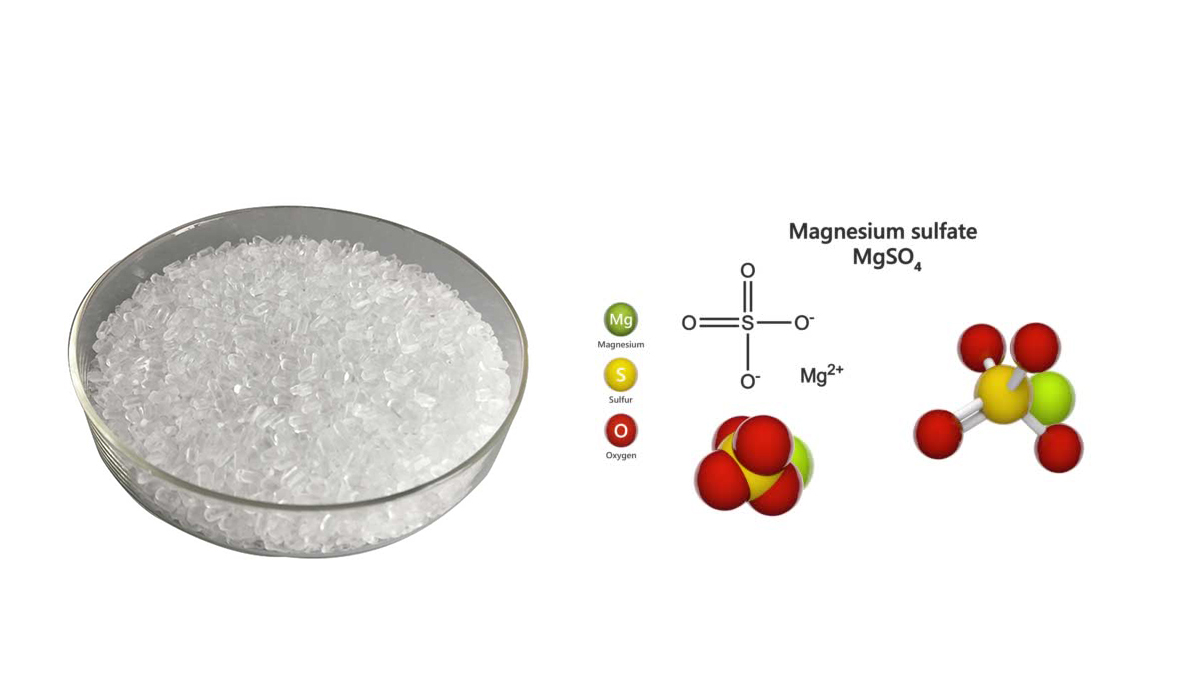 You have many choices for fire resistant sheathing. Each type has its own strengths. The most common materials are magnesium oxide boards, fire-rated gypsum board, fire-resistant drywall, and fiber cement boards. These materials help meet fire safety rules and keep buildings safe.
Material Type | Primary Function | Ideal Use Cases |
|---|---|---|
Great fire resistance and thermal protection for walls and ceilings | Used in risky areas in homes or businesses | |
Flameblock Sheathing | Has fire-retardant properties, good for wildfire areas | Used in important structures needing extra safety |
Fire-rated OSB Boards | Gives fireproofing and strength | Used in floors, walls, and roofs |
MgO-based FRT Sheathing | Adds strength and safety with advanced fireproofing | Used in buildings needing more fire safety |
Gypsum Board | Common fire-resistant finish, treated for better fire resistance | Used in inside walls in homes |
You will see different types of fire rated exterior sheathing in homes and businesses. Popular types are fire-rated gypsum board, fiber cement boards, type x drywall, and magnesium oxide boards. These materials give strong protection and help meet strict building codes.
Type of Sheathing Board | Benefits and Applications |
|---|---|
Resists fire, good for busy buildings, meets safety rules. | |
Fiber Cement Boards | Great fire resistance, used in homes and businesses. |
Type X Gypsum Sheathing | Better fire resistance, good for places with strict codes. |
Magnesium Oxide (MgO) Boards | Works well in fires, keeps people safe in risky areas. |
Choosing fire rated exterior sheathing helps protect buildings from fire. Fire resistant sheathing, fire-rated gypsum board, and fire-resistant drywall all help keep buildings safe. You can also use fire rated doors for more protection. Fire rated sheathing board is important for building safer and stronger structures.
Fire Resistance Ratings and Classifications
Fire Resistance Explained
It is important to know about fire resistance when picking building materials. Fire resistance means a material can slow or stop fire, hot gases, and heat. This helps keep people and things safe during a fire. Fire resistance ratings tell how long a material stays strong and blocks fire. These ratings matter for fire-rated sheathing boards. You will see ratings in hours, like one-hour or two-hour. These numbers show how long the material lasts before it fails.
Fire resistance ratings help you see if a material meets safety rules. A higher rating means the material can handle fire longer. For example, Class A is the best fire resistance rating. This means the material can resist fires from common things that burn. Always check fire resistance ratings to keep your building safe.
Testing Standard | Requirement | Description |
|---|---|---|
ASTM E119 | Average Temperature | Must not go over 250 F above normal temperature |
ASTM E119 | Single Thermocouple | Cannot go over 325 F above normal temperature |
ASTM E119 | Penetration | No holes or wallboard failure during the hose test |
ASTM E119 | Burn-through | No burn-through is allowed |
ASTM E119 | Structural Integrity | The structure must not fall down during testing |
Fire resistance ratings depend on a few main things. These include how well the material stops flames, how much smoke it makes, and how long it lasts in a fire. The rating tells you if a sheathing board can protect people and property. Always check the fire resistance rating before using any fire-rated material.
Standard Test Methods (e.g., ASTM E-84)
You can trust fire resistance ratings because experts use special tests. One important test is ASTM E84. This test checks how fast fire moves across a material’s surface and how much smoke it makes. You will see two main numbers: the Flame Spread Index (FSI) and the Smoke Developed Index (SDI). These numbers help you compare fire-rated materials.
Aspect | Description |
|---|---|
Significance and Use | This test gives measurements of how fast flames spread and how much smoke forms. It compares the results to red oak and fiber-cement board under certain fire conditions. |
Scope | Used for surfaces like walls and ceilings, with the sample placed face down to the fire source. |
Testing Duration | The test lasts 10 minutes, with rules for longer tests and other materials. |
Flame Spread Index (FSI) | Shows how quickly fire moves across the surface. |
Smoke Development Index (SDI) | Shows how much smoke is made when the material burns. |
Calibration Materials | Uses cement board, red oak, and heptane to compare results. |
Testing Environment | Done in a 25-foot tunnel lined with bricks, with flames on the material for 10 minutes. |
Safety Considerations | The test does not cover all fire dangers and says to follow safety rules during testing. |
ASTM E84, also called the Standard Test Method for Surface Burning Characteristics of Building Materials, is very important for fire-rated sheathing boards. This test puts the material under high heat and measures how fast flames move and how much smoke forms. The results give you the flame spread rating and smoke development index. These numbers help you know if a material meets fire safety rules.
You should also know that the ASTM E119 test checks how long a material can last in fire. This test looks at temperature, burn-through, and if the structure stays strong. You can trust these tests to give you good fire resistance ratings.
Rating Terms and Their Meaning
You will see many words when looking at fire resistance ratings. Each word tells you something about the fire-rated material. Here are some common words and what they mean:
Type X Gypsum Board: This board gives a one-hour fire resistance rating in some assemblies. You often see it as a 5/8-inch board on wood studs.
Type C Gypsum Board: This board is like Type X but has extra stuff added. It gives a similar fire resistance rating but may need fewer layers.
Class A: This rating means the material has the best fire resistance. It has a flame spread rating of 0 to 25 and a smoke development index of 0 to 450.
Class B: This rating means the material has a flame spread rating of 26 to 75 and a smoke development index of 0 to 450.
Class C: This rating means the material has a flame spread rating of 76 to 200 and a smoke development index of 0 to 450.
Index Type | Measurement Method |
|---|---|
Flame Spread Index (FSI) | Measured during ASTM E84 testing, rounded to the nearest 5 |
Smoke Developed Index (SDI) | Measured during ASTM E84 testing, rounded to the nearest 5 (for values under 200) or nearest 50 (for values over 200) |
You should always check the fire resistance rating and flame spread rating before picking a fire-rated sheathing board. These ratings help you know if the material will keep your building safe during a fire.
Tip: Always look for clear fire resistance ratings and check if the material passed standard tests like ASTM E84 or ASTM E119. This helps you make safe choices for your building.
Fire resistance ratings, flame spread rating, and smoke development index all work together to show how well a fire-rated material will do. You can use these ratings to compare products and make sure you meet fire safety rules. Fire resistance is not just about stopping flames. It is about giving people time to get out and keeping buildings strong during a fire.
Standards for Fire Resistant Sheathing
 Major Standards (NFPA, ASTM)
 Major Standards (NFPA, ASTM)
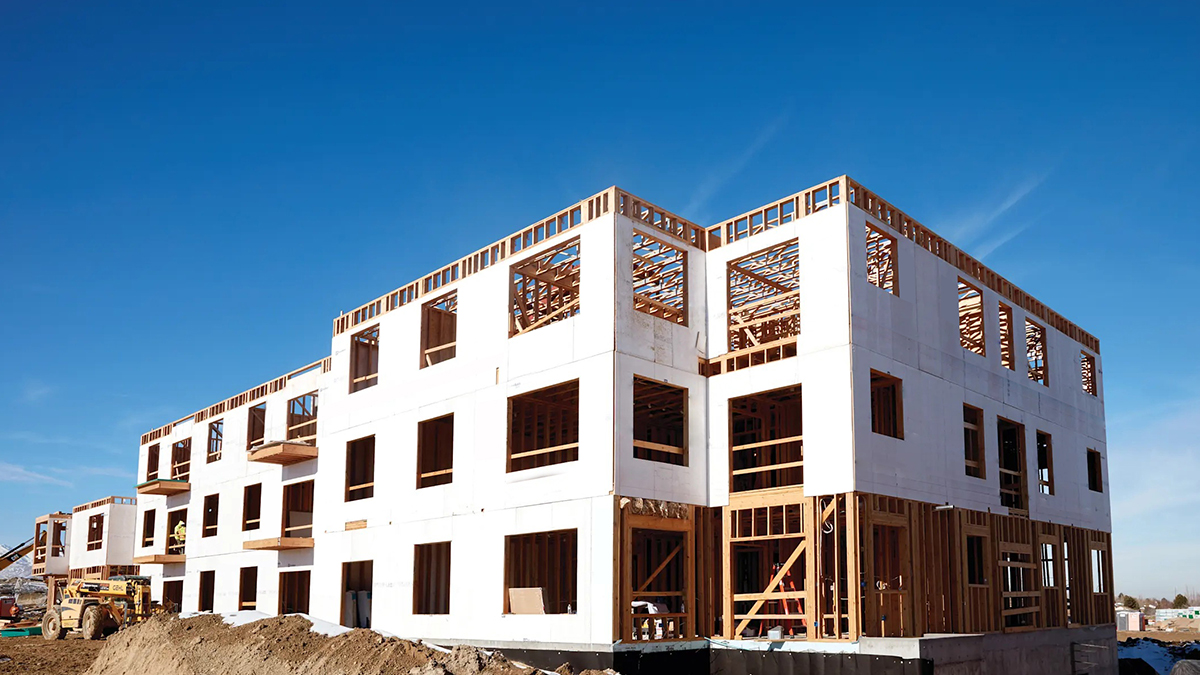
It is important to know the main standards for fire resistant sheathing. These rules help you see if a material will keep your building safe in a fire. The most important standards come from groups like NFPA and ASTM. These groups make rules for fire rated assemblies and fire resistance.
Standard | Description |
|---|---|
ASTM E119 (UL 263) | Tests how long materials and assemblies resist fire. |
ASTM E84 | Measures how fast flames spread and smoke forms. |
ASTM E136 | Checks if materials can catch fire. |
UL Solutions | Tests, inspects, and certifies for safety. |
NFPA 101 | Sets rules for building safety and fire protection. |
International Fire Code | Gives safety and fire protection rules for buildings. |
You will find these standards in building codes and fire safety rules. They make sure fire resistant sheathing meets tough requirements. Always check if your fire rated assemblies follow these standards.
Certification and Testing
You should look for certification when picking fire resistant sheathing. Certification means the material passed fire resistance tests and meets fire safety rules. Testing checks how fire rated assemblies work during a fire. You will see tests like ASTM E119 and ASTM E84. These tests measure fire resistance, flame spread, and smoke.
Certification Body | Standard/Method | Description |
|---|---|---|
Underwriters Laboratories (UL) | 5/8″ Type X Wallboard Certification | Lets makers certify wallboard for one-hour fire rated systems using set rules. |
ASTM | E 119 | Main way to test fire-resistance of assemblies, checking how long they last and stay strong in fire. |
Look for labels from trusted groups. These labels show the fire resistant sheathing meets all fire safety needs. You can trust certified fire rated assemblies to keep your building safe.
Impact on Product Selection
You must follow fire safety rules when you pick fire resistant sheathing. If you use materials that do not meet the rules, you can have big problems:
You might get fines from inspectors
You could pay a lot to fix mistakes
You may be responsible if someone gets hurt in a fire
When you use fire resistant sheathing that meets all standards, you keep your building and people safe. You also avoid legal and money problems. Fire safety standards help you make good choices. Always check for certification and test results before using any fire rated assemblies. This keeps your building safe and follows all rules.
Tip: Always pick fire resistant sheathing that meets the newest fire safety standards. This helps you build safe, strong, and code-approved buildings.
Fire Safety and Compliance
Identifying Compliant Sheathing Boards
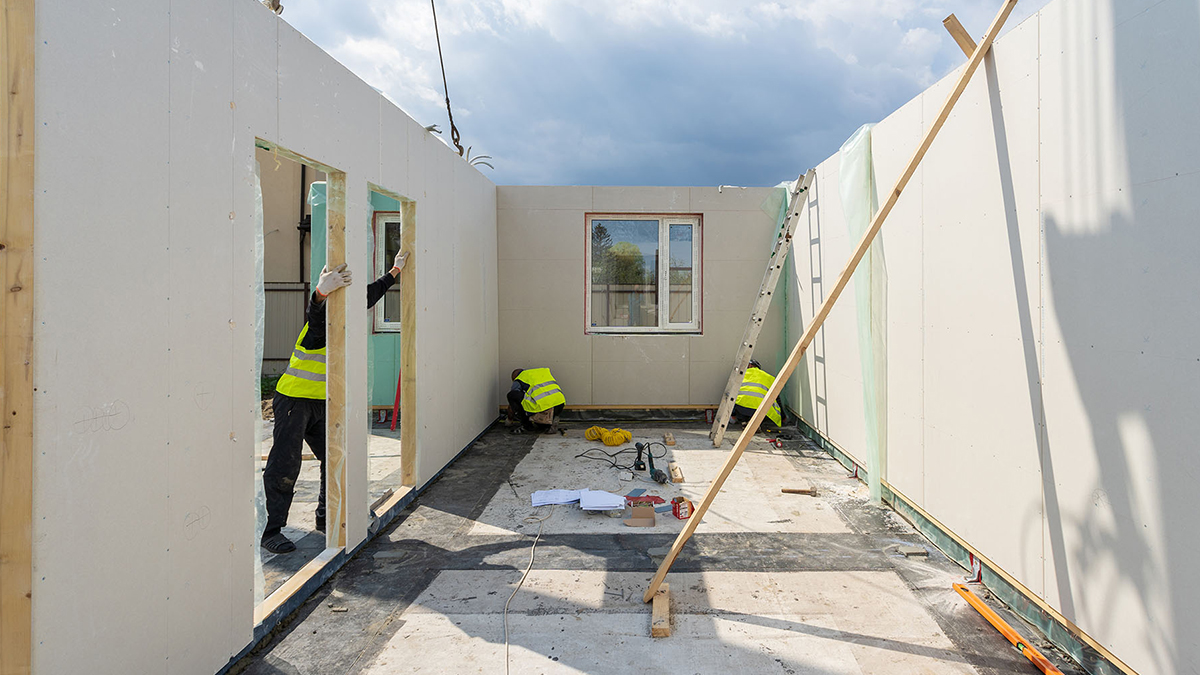 Identifying Compliant Sheathing Boards
You should look for clear certification marks when picking a fire rated sheathing board. These marks show the fire resistant sheathing meets tough fire safety rules. Always check for labels from trusted groups. These marks tell you the fire-rated product passed all needed fire resistance tests.
Certification Mark | Description | Compliance Area |
|---|---|---|
cUL | UL-certified products | Accepted in Canada |
ULC | ULC-certified products | Accepted in Canada |
Always check for these marks on fire resistant sheathing and fire-resistant drywall. These marks prove the product meets fire safety and building codes. If you do not see a mark, ask for proof before using the material.
Importance of Compliance for Fire Safety
Following fire resistance standards keeps everyone in the building safer. Using fire resistant sheathing that meets all rules helps keep escape routes safe. It also lowers the risk of fire spreading. Fire safety experts say following these rules is not just for passing inspections. You also meet your legal duties under the Building Safety Act. This law says you must use fire-resistant materials and systems from the start. You help stop fire dangers and make sure people can leave safely. You also lower legal risks and make the building safer for everyone.
If you use fire rated sheathing board or fire-resistant drywall that does not meet rules, you face big risks. You might have to redo work, pay for more inspections, or fix safety problems. These mistakes can slow down your project and cost more money. Not following rules can also cause legal fights and contract problems. You might get penalties or have to redo work that does not meet fire safety codes.
Building Code Considerations
You must follow building codes and fire safety codes when using fire resistant sheathing. These codes set the rules for fire resistance, rated assemblies, and fire-resistant drywall. If you do not follow the codes, you face serious problems:
Financial Penalties: You may have to pay big fines for not meeting safety rules.
Increased Liability: You have more legal responsibility if a fire happens.
Insurance Implications: Your insurance might not cover damage from non-compliant materials.
You protect your building and everyone inside when you use fire rated sheathing board that meets all fire safety standards. Always check for certification, follow the newest codes, and use fire resistant sheathing that passes all fire resistance tests. This keeps your project safe, legal, and strong.
You help keep buildings safe from fire when you know about fire rated sheathing boards and their standards. Fire-rated assemblies follow building codes. They give people extra time to get out during a fire.
Fire-rated materials make homes and big buildings safer.
Certified systems slow down fire and help save lives.
Always check fire resistance ratings and look for safety labels.
You can learn more in fire safety guides and technical libraries. If you do these things, you help make places safer for everyone.
FAQ
What does “fire rated” mean for sheathing boards?
“Fire rated” means the board can slow down fire and heat. You get more time to escape during a fire. The board meets strict safety tests and rules.
How do you know if a sheathing board is fire rated?
You should look for certification marks or labels from trusted groups. These marks show the board passed fire safety tests. Always check for these before you buy.
Why do building codes require fire rated sheathing?
Building codes want to keep you safe. Fire rated sheathing helps stop fire from spreading fast. This gives people more time to leave and keeps buildings standing longer.
Can you use regular sheathing instead of fire rated sheathing?
You should not use regular sheathing where fire rated boards are required. Regular boards do not protect as well. You may break the law and put people at risk.