
07 Dec Complete Guide to Technical Specifications of MgO Board Subfloor
You can pick an mgo board subfloor for your project. It is a strong building material that lasts a long time. Magnesium oxide board gives a tough base. It does not get damaged by wear, water, or fire. Many builders like mgo because it is good for the environment. It is also safe for indoor air quality. The table below shows how magnesium oxide board compares to other subfloor choices for fire resistance:
Material | Fire Resistance Rating |
|---|---|
Plywood | Low; catches fire easily and burns fast. |
OSB | A bit better than plywood; still burns. |
MgO Board | Great; can last 1–2 hours in fire. |
Cement Board | Does not burn; best resistance to fire. |
Key Takeaways
MgO boards stop fire for up to 4 hours. They do not bend or change shape. This makes them safe for any building.
These subfloors are very strong. They can last up to 100 years. You do not need to fix or change them often.
MgO boards do not let water or mold in. This keeps the air inside clean. It also stops damage in wet places like bathrooms and kitchens.
Using thicker and heavier MgO panels makes floors stronger. This helps in places where many people walk.
Installing is easy. If you get ready and seal it right, the subfloor will last long and work well.
What Is Magnesium Oxide Board?
Composition and Structure
Magnesium oxide board is a special building material. It is made from minerals that make it strong. The main parts are magnesium oxide and magnesium sulfate. These two things help the board stay tough and last long.
Component | Description |
|---|---|
Magnesium Oxide | Primary ingredient in the board |
Magnesium Sulfate | Also known as Epsom salts, used in the board |
Manufacturers add fiberglass mesh and fillers to the board. These make the board harder to break or stretch. The board is thicker and stronger than drywall. It works well in places where many people walk. The board does not change shape when it gets wet or dry. This means you can use it in both dry and wet places.
Core Properties and Benefits
MgO subfloors have many good features. They are very strong and do not bend easily. The table below shows how strong MgO boards are compared to other materials:
Property | MgO Board (MPa) | OSB (MPa) |
|---|---|---|
Compressive Strength | 10.3 to 17.2 | |
Flexural Strength | 14 to 22 | N/A |
MgO boards do not burn fast and can handle heat. They also do not get ruined by water or mold. You can use them in bathrooms or kitchens. These boards help keep your building safe and save money on repairs.
Here are some main benefits of MgO subfloors:
Strong and water-resistant
Good for busy areas
Stops damage in wet places
Keeps its shape in different weather
Comes in many sizes and thicknesses
Choosing magnesium oxide board helps the environment. The materials come from sources that do not harm nature much. MgO boards also keep rooms warm and quiet. They last a long time, even if the weather is bad.
MgO Board Subfloor Specifications
 Thickness and Strength
 Thickness and Strength
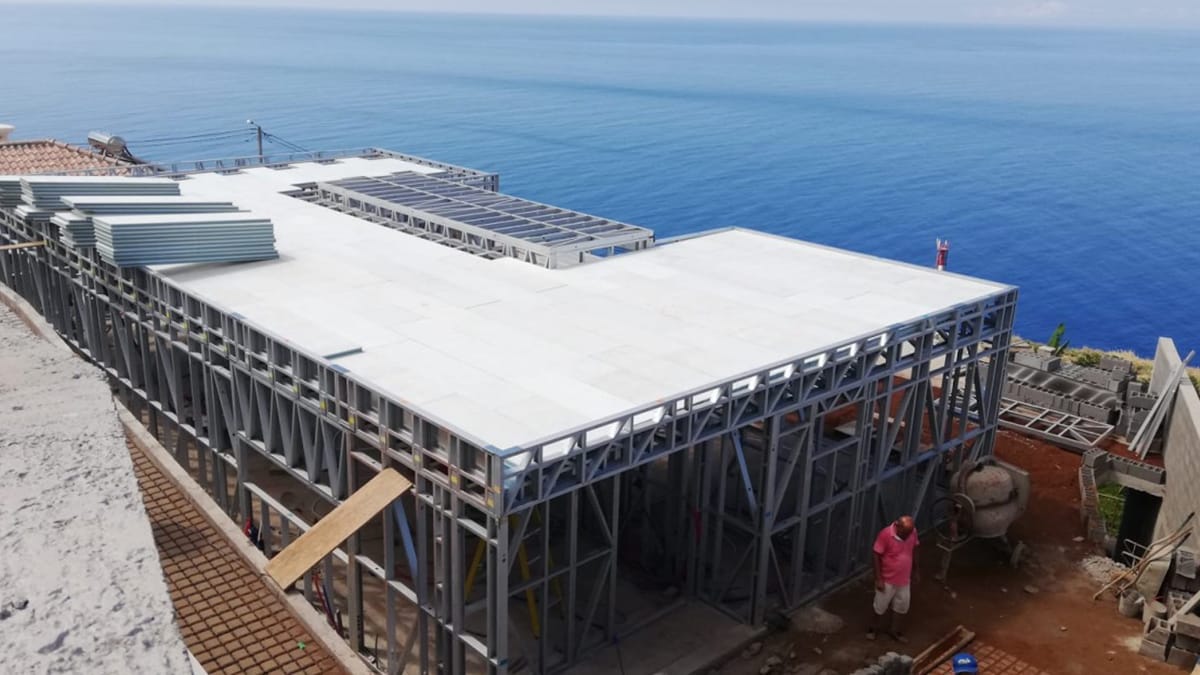
When you choose an mgo board subfloor, you need to think about thickness and strength. These two features decide how well your subfloor will hold up under pressure. You can find mgo subfloors in several thickness options. The most common sizes include:
1/4 inch (6 mm)
1/2 inch (12 mm)
5/8 inch (15 mm)
3/4 inch (18 mm)
1 inch (25 mm)
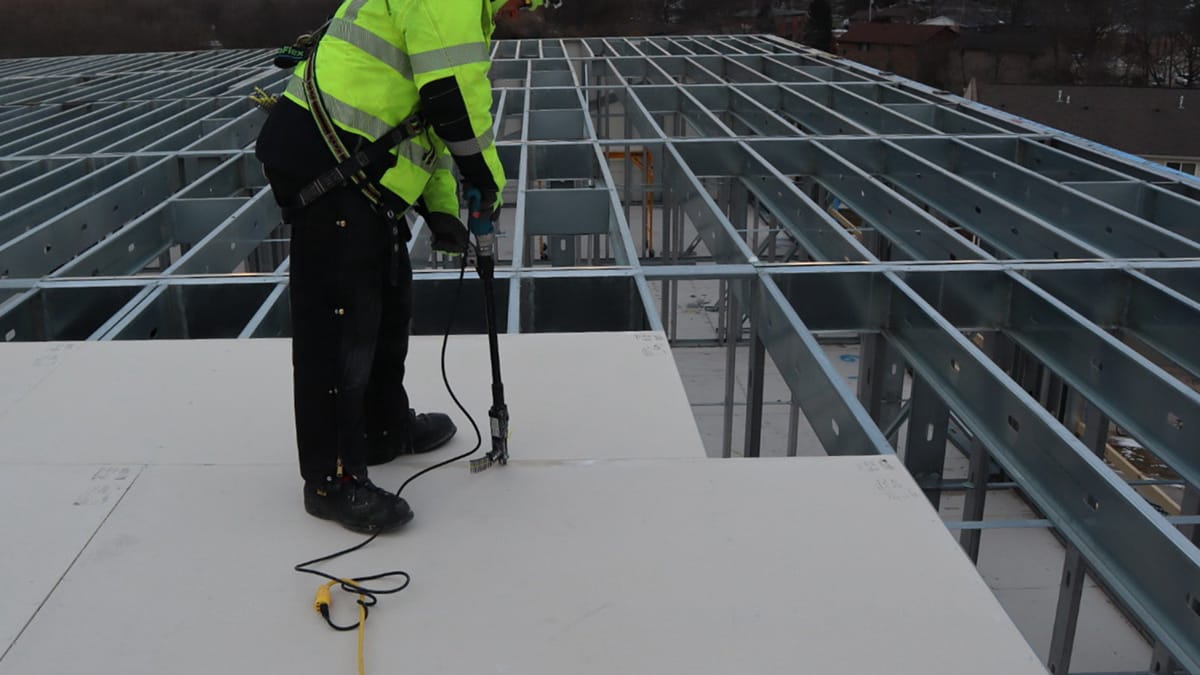
If you want the best support for your subfloor, you should look at the 3/4-inch (19 mm) MagPanel. This size gives you strong rigidity and stability. It stands up to heavy foot traffic and daily use. You can install it easily, even if you are new to building projects.
Here is a table that shows how thickness relates to load-bearing capacity:
Thickness (inches) | Thickness (mm) | Load-Bearing Capacity |
|---|---|---|
1/4 | 6 | N/A |
1/2 | 12 | N/A |
5/8 | 15 | N/A |
3/4 | 18 | High impact resistance, high bending strength, exceptional weight-bearing capacity |
1 | 25 | N/A |
You get more strength and durability with thicker mgo subfloors. The compressive strength of mgo board subfloor ranges from 12 to 25 MPa. This is much higher than gypsum and not comparable to plywood or OSB. You can trust mgo subfloors to stay strong under heavy loads.
Density and Load Capacity
Density plays a big role in how much weight your subfloor can handle. Mgo board subfloor panels for flooring have a density range of 1200–1400 kg/m³. This high density means your subfloor will not bend or break easily. You can use mgo subfloors in places where you expect a lot of movement or heavy furniture.
Type of MgO Board | Density Range (kg/m³) |
|---|---|
Wall panels | 900–1000 |
Flooring panels | 1200–1400 |
Door core panels | 240–350 |
You get better load capacity with higher density. Mgo subfloors keep their shape and do not sag over time. You can rely on them for both homes and commercial buildings.
Tip: If you want a subfloor that lasts, pick a high-density mgo board subfloor. You will notice less wear and tear, even in busy areas.
Fire and Moisture Resistance
You need a subfloor that can handle fire and moisture. Mgo board subfloor panels are non-combustible. They can tolerate temperatures up to 1472°F (800°C). You get up to 4 hours of fire resistance without deformation. These panels do not release toxic fumes during a fire.
Property | Rating/Characteristic |
|---|---|
Non-combustibility | Yes |
Maximum temperature tolerance | 1472°F (800°C) |
Fire resistance duration | Up to 4 hours without deformation |
Toxic fume emission | None |
Mgo subfloors meet top fire safety standards. You can see their ratings below:
Standard | Fire Rating Classification |
|---|---|
ASTM E84 | Class A |
ASTM E136 | Class A1 |
EN 13501-1 | Non-combustible |
You also get waterproof and moisture resistant benefits. Mgo subfloors absorb only 0.34% moisture. Plywood can warp and swell when wet, but mgo board subfloor panels keep their shape. You can use them in bathrooms, kitchens, and basements. They resist mold and mildew because they do not provide food for fungi.
Mgo subfloors maintain structure in wet conditions.
They resist mold and mildew.
They are waterproof and do not swell.
You get reliable fire and moisture resistance.
Antimicrobial and Environmental Features
You want a subfloor that is safe for your health and the planet. Mgo board subfloor panels do not contain asbestos, formaldehyde, or VOCs. You get better indoor air quality. The production of mgo subfloors uses less energy than cement boards. Manufacturers can use recycled materials like fly ash or waste magnesium.
Mgo subfloors help lower your carbon footprint.
They are resistant to bacteria, mold, and mildew.
You get a waterproof and moisture resistant subfloor.
These panels last longer and need fewer repairs.
Note: When you choose mgo board subfloor, you support a cleaner environment and a healthier home.
You can trust mgo subfloors for strength, fire and moisture resistance, and eco-friendly features. They give you a safe, durable, and sustainable base for any flooring project.
Step-by-Step Guide to Installing MgO Subfloors
Preparation and Layout
 Preparation and Layout
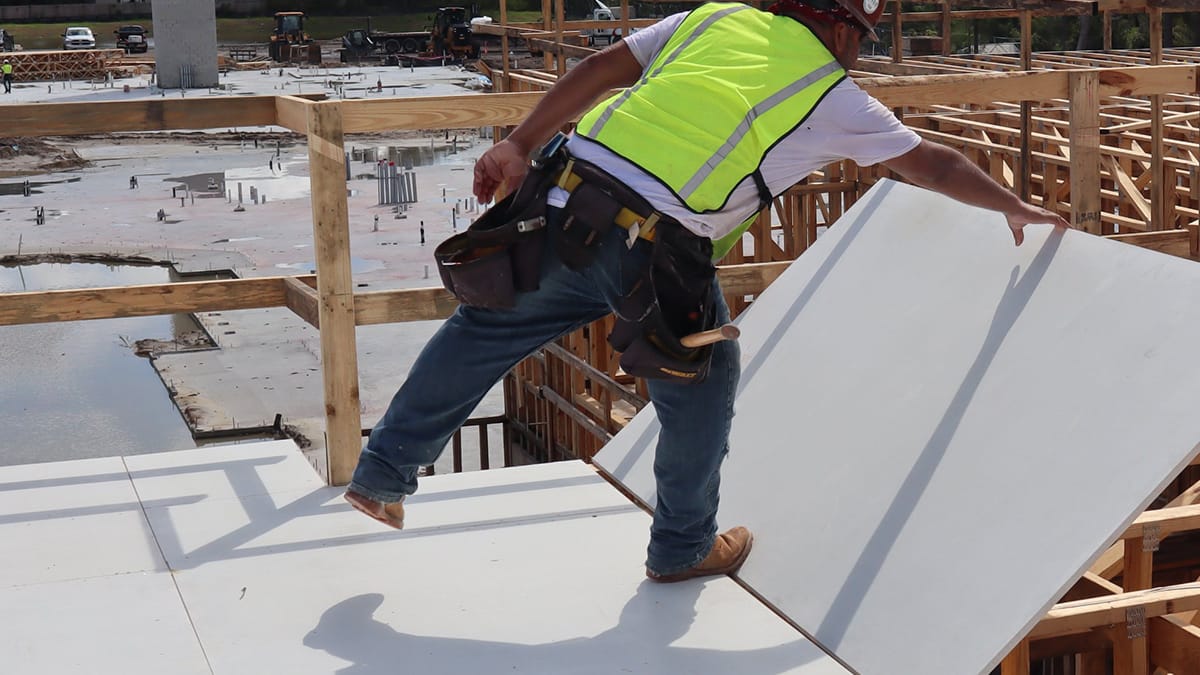
Start by getting ready to install mgo subfloors. Clean the area and make it level. Take out old flooring and sweep up all dirt. Make sure the floor is flat so panels sit right. Check if the floor is dry. Fix cracks or holes you find. Repair any damage so panels stick well.
Keep mgo subfloor panels flat and dry when storing. Handle panels gently so they do not bend or chip. Good storage keeps your panels ready for use. Measure the room with a tape measure before starting. Mark the size on the floor with chalk or pencil. Plan your layout to use less material. Leave a small gap, about 1/8 inch, between panels for expansion. Mark where each panel goes so you see the plan.
Tip: Careful prep helps you avoid problems later. You get a smoother job and a subfloor that lasts longer.
Cutting and Fitting MgO Subfloor Panels
Use a sharp knife or saw to cut mgo subfloor panels. Measure and cut each panel to fit your floor and joists. Make sure edges are clean for tight seams. You can shape the edges if you want to use tape and mud. Square edges are easier to work with.
Leave a gap of 3 to 6 mm between panels for caulk. Fill these gaps with caulk that does not shrink and can be painted. Sand or smooth outside corners until they are even. Glue inside corners with a bead of painter’s caulk. These steps help you get neat seams and a strong finish.
Note: Clean cuts and tight seams make your subfloor look good. You also get better strength and a greener result.
Fastening and Sealing
Use the right screws to hold mgo subfloor panels in place. Pick corrosion-resistant screws for wet areas. For wood, use #8 flat head screws with special threads. For metal, use heavy screws that drill themselves. Pneumatic nails work for thin materials. Use construction glue like urethane or contact cement for extra hold.
Fastener Type | Material Used | Application Details |
|---|---|---|
Corrosion-resistant screws | Stainless steel 316, 304, 305 | Best for wet environments and mgo subfloor panels |
Ceramic coated fasteners | Ceramic coating | Extra corrosion resistance for mgo subfloors |
Pneumatic nails | Hardened nails | Good for light gauge materials |
Construction adhesives | Various types | Moisture cure urethanes and contact cements |
After fastening, seal all joints with caulk that does not shrink. Fill gaps between panels to stop water and air leaks. Sealing helps protect against mold and keeps your subfloor strong.
Safety measures: Wear gloves and a mask when cutting or fastening panels. Protect your eyes from dust and chips.
Final Checks and Tips
Check that all panels are flat and tight before finishing. Look for gaps or loose screws. Make sure you left space for expansion. Check all sealed joints to see if you missed any spots. Add more caulk if needed.
Walk on the subfloor to check for movement. If you feel bounce, add more screws. Clean up dust and scraps. Store extra panels in a dry spot for repairs. Read the instructions from the manufacturer to make sure you did everything right.
Tip: Careful checks help you avoid problems later. You get a safe, strong, and eco-friendly floor.
Following these steps helps your mgo subfloors last for years. You get a tough, water-resistant, and fire-safe base for your floor. Picking panels with the right thickness and density gives you the best results. Good prep, clean cuts, tight seams, and sealing make installation easy and strong. Always follow safety rules and instructions for the best job.
Performance of MgO Subfloor Panels
Durability and Longevity
You want floors that last a long time. Mgo subfloors are very tough and strong. These panels can last up to 100 years in homes. You do not need to fix or replace them often. Mgo subfloor panels stay strong after getting wet or dry many times. They do not bend or break down easily.
Here is a table that shows how mgo subfloor panels compare to other materials in long-term performance:
Material | Moisture Resistance | Strength Retention After Wet/Dry Cycles | Longevity |
|---|---|---|---|
MgO Boards | Excellent | Maintains almost all strength (25 cycles) | Up to 100 years |
Plywood | Moderate | Loses about 9% strength | Moderate |
OSB | Poor | Not specified | Shorter |
You can see mgo subfloors are the best for durability.
Mold and Mildew Resistance
Mgo subfloor panels help stop mold and mildew. These panels take in very little water—only 0.34%. This means mold does not grow easily. You get better air in your home. Gypsum board takes in more water and grows mold faster.
Material | Moisture Resistance | Mold Risk |
|---|---|---|
MgO Board | Excellent (0.34% water) | Low |
Gypsum Board | Poor (3% water) | High |
You can trust mgo subfloors to keep your home safe. Tests show mgo subfloor panels work well in tough weather and humidity. These tests check how panels last after years of heat and wet weather.
Tip: Pick mgo subfloor panels if you want floors that stay strong and clean for a long time.
Suitability for Different Flooring Types
You can use mgo subfloors with many kinds of flooring. Vinyl and tile work very well with mgo subfloor panels. These choices are best for wet places like bathrooms and kitchens. Mgo subfloors do not get damaged by water.
Vinyl flooring
Tile flooring
You can use mgo subfloor panels with other flooring too, but vinyl and tile give the best results. You get strong, safe, and long-lasting floors in every room.
Mgo subfloors help you build floors that last and keep you safe. You can feel good knowing your subfloor will work well for many years.
Comparing MgO Subfloors to Other Materials
MgO board vs. Plywood
 MgO board vs. Plywood
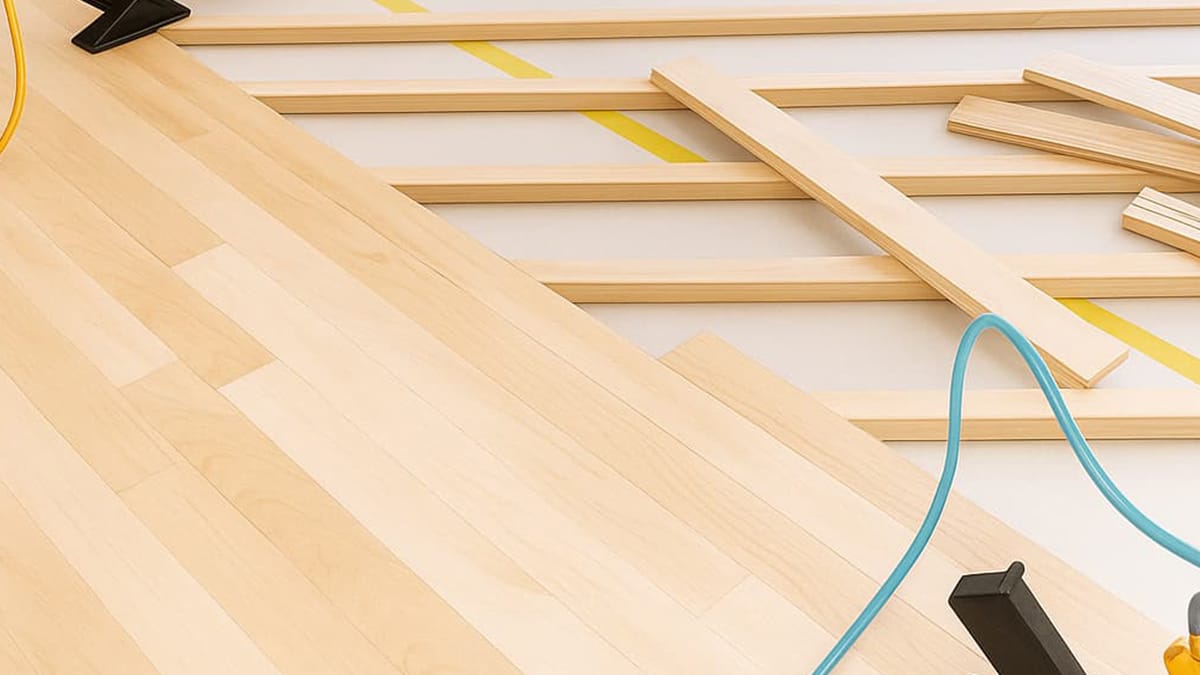
When you compare mgo subfloors to plywood, you see big differences in how they perform. Mgo subfloor panels use minerals like magnesium oxide, while plywood uses layers of wood. You get much better moisture resistance with mgo subfloors. Plywood can swell or warp if it gets wet, but mgo subfloor panels stay flat and strong. Fire safety is another key point. Mgo subfloors do not burn, but plywood can catch fire quickly. You also get better sound insulation with mgo subfloor panels.
MGO Board | Plywood | |
|---|---|---|
Material Composition | Magnesium oxide, sand, additives | Layers of wood veneer |
Moisture Resistance | Highly resistant | Swells or warps when wet |
Fire Resistance | Non-combustible | Limited, burns at high temps |
Durability | Very durable | Less durable in wet conditions |
Weight | Heavier | Lighter |
Cost | More expensive | More affordable |
Environmental Impact | Eco-friendly | Not sustainable |
Sound Insulation | Better | Less effective |
Lifespan | Longer | Shorter, especially if wet |
If you want a subfloor that lasts longer and keeps your home safer, mgo subfloors are the better choice.
MgO board vs. OSB
You might wonder how mgo subfloors compare to OSB. OSB stands for oriented strand board. It uses wood chips and glue. Mgo subfloor panels cost more than OSB at first, but you get better value over time. OSB can break down in wet places, but mgo subfloors resist water and mold. You also find that mgo subfloor panels are stronger and do not sag under heavy loads. You save money on repairs because mgo subfloors last longer.
Mgo subfloors have a higher upfront cost than OSB.
OSB can swell and lose strength if it gets wet.
Mgo subfloor panels keep their shape and strength in all conditions.
You get better fire and moisture resistance with mgo subfloors.
Tip: If you want a subfloor that stands up to water, fire, and heavy use, choose mgo subfloor panels over OSB.
MgO board vs. Cement Board
You may also look at cement board when picking a subfloor. Both mgo subfloors and cement board resist fire and water. Mgo subfloor panels are lighter and easier to cut. You can install mgo subfloors faster because they do not break as easily as cement board. Cement board costs a bit less, but mgo subfloor panels give you more benefits.
Mgo subfloors are non-flammable, waterproof, and insect-proof.
You get a strong, lightweight, and easy-to-install panel.
Cement board is heavier and harder to cut.
Mgo subfloor panels cost more, but you save time and effort during installation.
Cement board is more rigid and sometimes stronger.
Mgo subfloors offer better sound dampening and thermal resistance.
You get a cleaner, safer, and more comfortable floor with mgo subfloor panels.
Note: Mgo subfloors help you build a floor that lasts, saves energy, and keeps your home safe.
Maintenance and Troubleshooting
Routine Care
You can keep mgo subfloors in good shape with easy steps. Clean them often to stop dirt and damage. Sweep or vacuum the floor regularly. Use a damp mop and mild cleaner for deeper cleaning. Do not let the floor get too wet. Wipe up spills right away to avoid stains and water problems. Check your mgo subfloors every few months. Look for cracks, chips, or uneven spots near seams and edges. Fix small cracks with sealant. Replace boards if you see bigger damage. Protect your mgo subfloors by keeping indoor conditions steady. Put pads under heavy furniture. Do not drag sharp things across the floor.
Description | |
|---|---|
Cleaning and Routine Maintenance | Sweep or vacuum often. Use a damp mop with gentle cleaner. Avoid soaking. Clean spills quickly. |
Inspecting for Damage or Wear | Check for cracks, chips, or uneven spots every few months or after heavy use. |
Repairing or Replacing Damaged Sections | Fill small cracks with sealant. Replace larger damaged boards. |
Prolonging the Lifespan of MgO Subfloors | Control indoor conditions. Use pads under heavy furniture. Avoid dragging sharp items. |
Tip: Cleaning often and checking for damage helps mgo subfloors last longer.
Common Issues and Solutions
You might see some problems with mgo subfloors as time goes by. Here are common issues and ways to fix them:
Moisture can make paint peel, mold grow, and weaken the floor. Pick boards with less chloride and use waterproof sealants.
Metal parts can rust when chloride ions are present. Use low chloride boards and corrosion-resistant fasteners.
Cracks and warping can happen from bad handling or temperature changes. Store boards the right way and do not tighten screws too much.
Some finishes may not stick well to mgo subfloors. Use the right primer and test adhesives before using them.
Quality can change between brands and affect how the boards work. Buy from trusted suppliers and check boards before installing.
Note: You can stop most problems by picking good mgo subfloor panels and following the best steps when installing.
If you take care of your mgo subfloors and fix problems fast, you will have a strong and safe floor for many years.
You gain many benefits when you choose MgO board subfloors for your project.
Exceptional fire resistance keeps your space safe.
Superior durability means your floors last longer.
MgO boards stay strong in wet areas and do not warp or rot.
Mold and mildew cannot grow, so your indoor air stays clean.
Pick thicker, denser panels for busy spaces. Smooth panels work best for paint, while textured ones suit tile. Always buy from trusted suppliers to ensure quality.
FAQ
What tools do you need to cut MgO board subfloors?
Use a utility knife for thin panels. For thick boards, use a circular saw with a carbide blade. Always wear a mask and goggles to keep dust out of your nose and eyes.
Can you install MgO board subfloors in wet areas?
Yes, you can put MgO board subfloors in bathrooms, kitchens, and basements. These panels do not soak up water or rot. You get a strong and safe floor for wet rooms.
How do you fasten MgO board subfloors?
Use corrosion-resistant screws or pneumatic nails to hold the panels down. For extra strength, add construction glue. Space the fasteners evenly so the boards stay tight.
Tip: Always read the manufacturer’s instructions for the best fasteners.
Are MgO board subfloors safe for indoor air quality?
MgO board subfloors do not have asbestos, formaldehyde, or VOCs. This means you get cleaner air and a healthier home.
What flooring types work best over MgO board subfloors?
You can put vinyl, tile, laminate, or carpet on top of MgO board subfloors. These panels give a strong and water-resistant base for many kinds of floors.