
21 Jan Magnesium Wall Boards vs Drywall What You Need to Know in 2025
In 2025, you want walls that are safe and strong, and it’s important to understand the differences between magnesium wall boards vs traditional drywall. Magnesium wall boards, or MGO boards, outperform traditional drywall in stopping fire, water, and mold. They provide superior protection against impacts and have a longer lifespan. While traditional drywall is less expensive and quicker to install, your choice should depend on your project requirements, budget, and location.
Fire resistance: Magnesium wall boards work better than traditional drywall.
Moisture resistance: Magnesium wall boards remain tough, while traditional drywall can weaken.
Durability: Magnesium wall boards do not break easily, whereas traditional drywall requires more care.
Cost: Traditional drywall is cheaper initially, but magnesium wall boards last for more years.
Key Takeaways
Magnesium wall boards stop fire for up to 4 hours. Drywall only stops fire for 30 to 60 minutes.
Mgo panels do not get damaged by water or mold. They work well in wet places like bathrooms and kitchens. Drywall can soak up water and grow mold.
Magnesium wall boards cost more at first. They last longer and need less fixing, so they save money over time.
Pick magnesium wall boards for busy or damp places. This helps lower repair costs and keeps people safe.
For easy jobs in dry places, drywall is cheaper. But think about how magnesium wall boards help in the long run.
Magnesium Wall Boards vs Traditional Drywall: Quick Comparison
Key Features Side by Side
When you compare magnesium wall boards vs traditional drywall, you see clear differences in performance. You want to know which material works best for your project. The table below shows the key differences between mgo panels and drywall. You can use this table to decide which option fits your needs.
Attribute | Magnesium Wall Board (MGO Panels) | Traditional Drywall (Gypsum Board) |
|---|---|---|
Fire Resistance | Up to 4 hours, does not burn | 30–60 minutes, weakens in fire |
Moisture Resistance | Highly resistant, does not swell or mold | Absorbs water, can grow mold |
Impact Strength | More than 4.5 Kilo Joules | Less than 1 Kilo Joule |
Bending Strength | 18–27 MPa | Less than 5.6 MPa |
Density | 0.85–1.2 g/cm³ | 1.2–1.3 g/cm³ |
Typical Thickness | 8–12 mm | 9.5–15 mm |
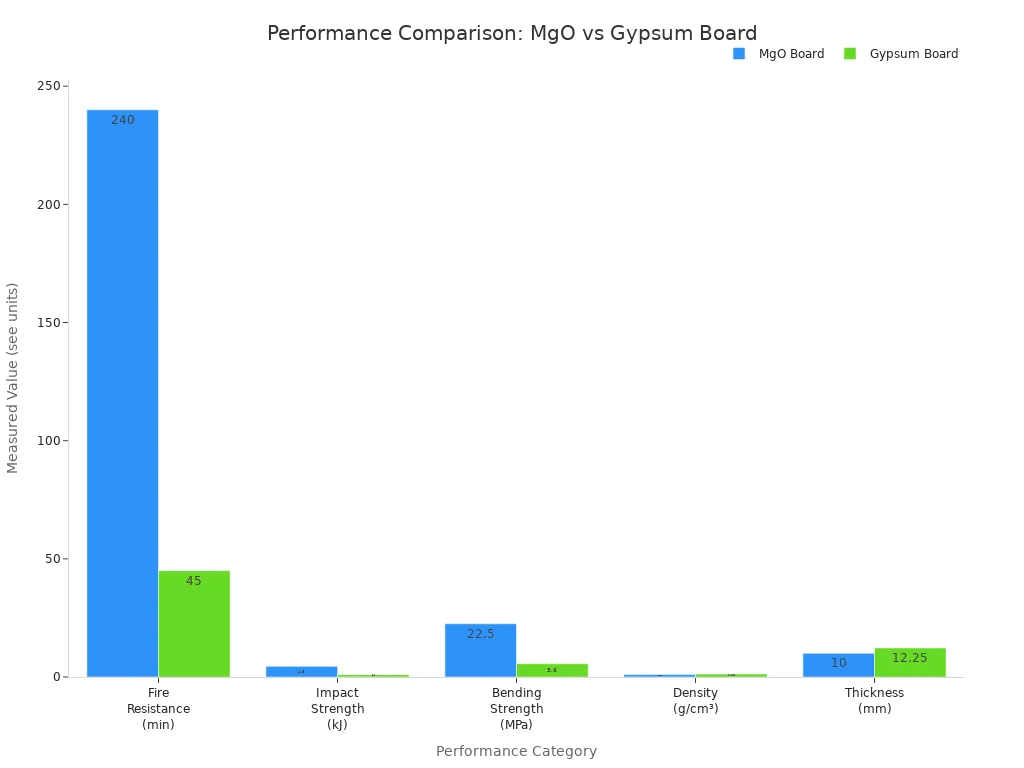
You notice that mgo panels stand out in fire resistance, moisture resistance, and impact strength. Magnesium wall boards do not burn, swell, or mold. Drywall absorbs water and can grow mold. Mgo panels handle strong impacts and bending, while traditional drywall breaks more easily. You get better performance from magnesium wall boards in tough environments.
Tip: If you need walls for high-traffic areas or places with lots of moisture, choose mgo panels. You get longer-lasting protection and fewer repairs.
Cost and Value Overview
You want to know how much you will spend and what you get in return. Magnesium wall boards vs traditional drywall show big differences in cost and value. Drywall costs less at first. You pay less for materials and installation. Many builders use drywall for quick projects and tight budgets.
Magnesium wall boards cost more up front. You spend more on materials and labor. However, you get key advantages that save you money over time. Mgo panels last longer and need fewer repairs. You avoid problems with fire, water, and mold. You spend less on maintenance and replacement.
Here are the key advantages of each material:
Magnesium wall boards give you top fire resistance, moisture protection, and impact strength.
Mgo panels work best in schools, hospitals, kitchens, bathrooms, and basements.
Traditional drywall fits simple projects, dry spaces, and low-traffic areas.
You save money with drywall at first, but magnesium wall boards give you better value in the long run.
You see the key features of mgo panels make them the smart choice for safety and durability. You get the key advantages of magnesium wall boards when you need strong, safe, and long-lasting walls. Drywall works well for basic needs and lower budgets. You decide based on your project, environment, and how much you want to invest.
Material Overview: Magnesium Oxide Wallboard and Drywall
What Is Magnesium Oxide Wallboard?
In 2025, many new buildings use magnesium oxide wallboard. This board is made from magnesium oxide, magnesium sulfate, perlite, wood chips, and fiberglass mesh. Factories mix these things together and pour them into molds. A chemical reaction makes the board hard and strong. The finished board can be used for walls, ceilings, floors, and even outside.
Magnesium oxide wallboard is special because it stops fire, water, mold, and damage from hits. It almost never needs fixing. You can put it in wet places like bathrooms or basements. It is also used in schools and hospitals where safety is very important.
Here is a quick chart to show how magnesium oxide wallboard and traditional gypsum board are different:
Feature/Aspect | Magnesium Oxide Wallboard | Traditional Gypsum Board |
|---|---|---|
Fire Resistance | Withstands 2-3 hours of high heat | Less fire resistant |
Water Absorption | Very low (0.05-0.07%) | High, prone to moisture damage |
Mold Resistance | High | Low |
Durability | Strong, impact-resistant | Prone to cracking |
Upfront Cost | Higher | Lower |
Long-Term Cost | Lower | Higher |
Environmental Impact | Natural, recyclable | Contains additives |
Application Versatility | Walls, ceilings, floors, exteriors | Interior walls and ceilings only |
Tip: Using magnesium oxide wallboard can help you save up to 55% on repairs and replacements over its life.
What Is Traditional Drywall?
Traditional gypsum board is the most common wall material in homes and offices. Factories make it by pouring a wet gypsum mix between paper sheets. Then they dry it until it becomes hard. This board is easy to cut and put up. You can use normal tools and do not need special skills.
Traditional gypsum board is best for inside walls and ceilings in dry rooms. You see it in bedrooms, living rooms, and offices. It costs less at first and goes up fast. But it can crack or dent, so you might fix it more often. It soaks up water and can get moldy if it gets wet.
Here is a chart to show how the two boards are made:
Aspect | Magnesium Oxide Wallboard | Traditional Gypsum Board |
|---|---|---|
Raw Materials | Magnesium oxide, magnesium sulfate, perlite, wood chips, fiberglass mesh | Gypsum, paper, additives |
Production Method | Mixing, pouring into molds, curing | Gypsum slurry poured between paper layers, drying |
Curing Process | Chemical reaction | Physical drying |
Quality Control | Rigorous testing for fire, water, and strength | Standard testing for strength and moisture |
Gypsum boards are easy to put up and cost less at first. You pick traditional gypsum board for simple jobs and dry places. You choose magnesium oxide wallboard when you want walls that last a long time and keep you safe.
MGO Board vs Drywall: Performance
 Fire Resistance
 Fire Resistance
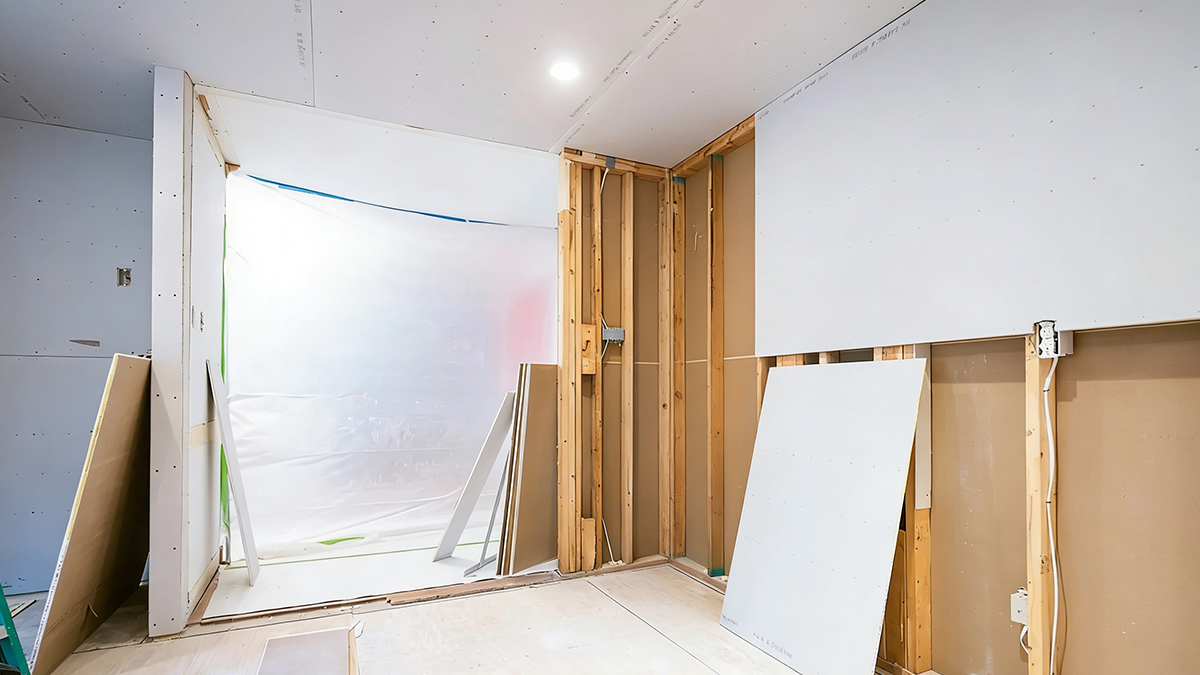
You want walls that keep you safe from fire. Mgo board and drywall are very different in fire resistance. Magnesium wall board meets top fire safety rules in 2025. It does not burn or get weak in a fire. Magnesium oxide wallboard protects for up to two hours. Most drywall lasts less than one hour. Some special drywall types last four hours, but they cost more and need extra work.
Here is a table that shows how mgo panels and drywall do in fire tests:
Criteria | Magnesium Sulfate Boards (MgO) | Gypsum Boards |
|---|---|---|
Fire Resistance Rating | A1 non-combustible; up to 2-hour fire tests | Up to 1 hour; special types up to 4 hours |
Heat Resistance | Withstands up to 1200°C | Softens under heat |
Flame Spread | Very low (FSI 0 to 25) | Moderate flame spread |
Smoke Emissions | Minimal smoke and toxic gases | Moderate smoke |
Fire Endurance | Keeps strength during 2-hour fire tests | Lasts 30-60 minutes in most cases |
Magnesium wall board stays strong and keeps its shape in a fire. It lets out steam, which slows the fire down. This helps keep you safer. Drywall gets soft and breaks faster. Mgo panels make less smoke and fewer bad gases. Magnesium oxide wallboard is best for places where fire safety matters most.
Note: If you want the best fire safety, pick mgo panels for your walls. You follow strict building rules and keep your family safe.
Moisture and Mold Resistance
You need walls that stay strong in wet rooms. Mgo board and drywall are very different in moisture and mold resistance. Magnesium wall board takes in very little water. It does not swell, crack, or grow mold. Drywall soaks up water and can get soft or moldy. The paper on drywall helps mold and mildew grow, especially in damp rooms.
Here is a table that compares moisture and mold resistance:
Material | Moisture Absorption Rate | Mold Resistance |
|---|---|---|
Complete resistance | ||
Drywall | Higher | Susceptible to mold growth |
Magnesium oxide wallboard is inorganic. Mold cannot grow on it because it has no food. Mgo panels keep mold away for years without chemicals. Drywall needs extra treatments to fight mold, but it still gets hurt in wet places.
Magnesium wall board does not feed mold or bacteria.
Mgo panels keep their shape and strength in wet rooms.
Drywall can bend, stain, and get weak when wet.
Magnesium oxide wallboard works better in places with lots of moisture. You avoid expensive repairs and health problems from mold. Mgo panels help you worry less in wet and damp rooms.
Tip: Use magnesium wall board in laundry rooms, basements, and any place with moisture. You stop mold and keep your walls strong.
Impact and Durability
You want walls that can take hits and last long. Mgo board and drywall are very different in strength and durability. Magnesium wall board is much stronger and lasts longer. Mgo panels take hits and pressure without cracking. Drywall breaks, dents, and needs fixing more often.
Here is a table that shows how strong both materials are:
Board Type | Impact Strength (kJ) | Common Issues After Impact |
|---|---|---|
Magnesium Wall Board | Minor surface marks | |
Drywall | About 1 | Cracks, dents, possible break |
Magnesium oxide wallboard stays strong in busy places. You see fewer dents and scratches. Mgo panels resist damage even after many years. Drywall gets weak and cracks, especially when wet.
Magnesium wall board has higher strength and lasts longer.
Mgo panels resist dents and scratches better than drywall.
You get strong walls with magnesium oxide wallboard in busy places.
Magnesium oxide board is a smart pick for places with lots of people. You spend less on repairs and replacements. Mgo panels give you safe walls that last for years.
Alert: Magnesium wall board costs more at first and needs skilled workers to install. Drywall is cheaper and easier to put up, but you may pay more for repairs later.
When you compare mgo board and drywall, magnesium wall board is better in fire resistance, moisture resistance, and durability. You get more safety and value with mgo panels, especially in tough places. Drywall works for simple jobs, but you may have problems with mold and damage.
Installation and Workability
Cutting and Handling MGO Panels
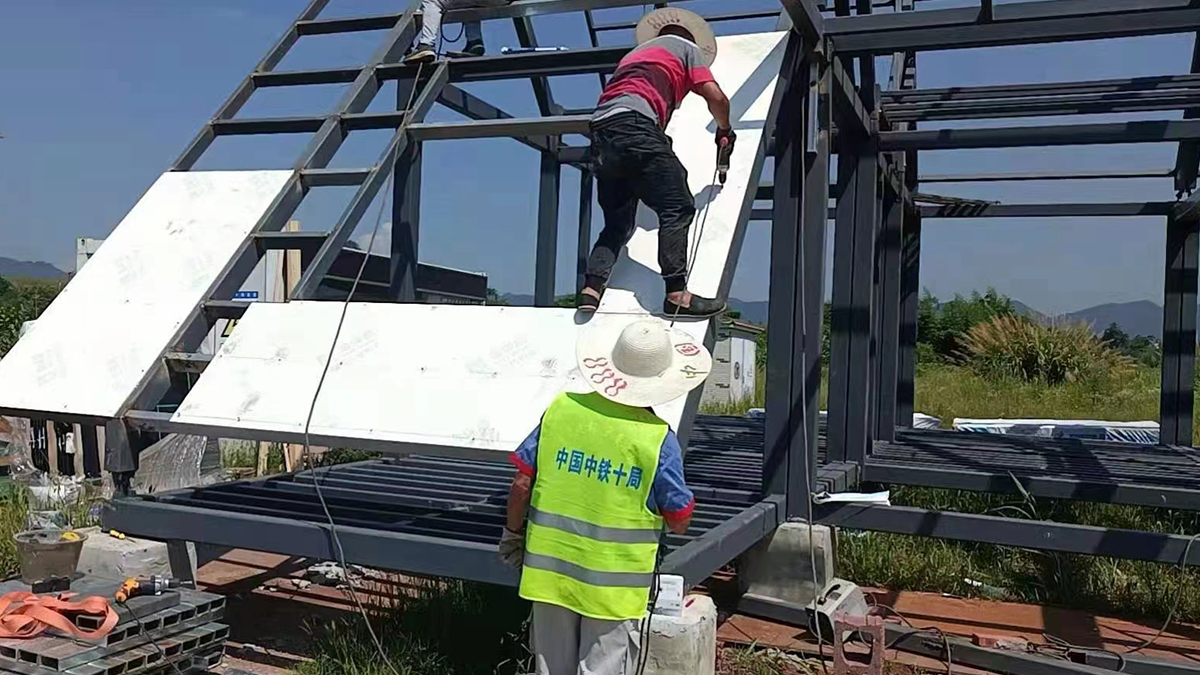 Cutting and Handling MGO Panels
You want to work with mgo panels safely and efficiently. Mgo panels are tougher than drywall, so you need the right tools. You can use a circular saw with a thin carbide blade for clean cuts. A plunge saw with a diamond blade gives you precise control and straight edges, but it costs more. Some installers try jigsaws or handsaws, but these tools are slower and make rough edges. You spend more time finishing if you use them.
Circular saw with thin carbide blade: clean, fast cuts
Plunge saw with diamond blade: best for straight lines and control
Jigsaw: slow, needs extra finishing
Handsaw: hard work, not efficient
You should always wear a mask and goggles when cutting mgo panels. The dust from mgo can irritate your eyes and lungs. You keep your workspace clean and safe by using a vacuum or dust collector.
Tip: Score and snap mgo panels for small cuts. This method works well and keeps edges neat.
Fastening and Finishing
You can fasten mgo panels with screws, nails, or adhesives. Mgo panels accept standard drywall screws, so you do not need special fasteners. You can use a drill or screw gun for quick installation. Mgo panels hold screws tightly and do not crumble like drywall. You get a solid grip every time.
You finish mgo panels with joint compound and tape, just like drywall. You can paint or tile over mgo panels without extra steps. The surface of mgo panels is smooth and ready for finishing. You do not need to prime the panels unless you want a perfect paint job.
Note: Mgo panels do not warp or swell, so your seams stay straight and smooth.
Labor and Time
You want to know how long it takes to install mgo panels compared to drywall. Mgo panels offer ease of installation because you can score and snap them like drywall. You use screws, nails, or adhesives, and you do not need special skills. The installation time for mgo panels matches drywall in a standard room. You save time because mgo panels are strong and do not break during handling.
Mgo panels are heavier than drywall, so you may need help lifting them. You plan your work and use proper supports. The ease of installation makes mgo panels a good choice for both professionals and DIY projects. You finish your walls quickly and get lasting results.
Alert: Mgo panels cost more, but you save time and effort during installation. You get strong walls with less worry about repairs.
You see that mgo panels give you the ease of installation, strong performance, and reliable results. Mgo panels work well in any project where you want safety and durability.
Cost Analysis
Upfront Costs
You want to know how much you will spend before you start your project. The cost comparison between magnesium wall board and drywall shows a clear difference. Magnesium wall board costs more at first. You pay between $1.50 and $2.50 per square foot for mgo panels. Drywall costs less, usually between $0.50 and $1.00 per square foot. Builders often choose drywall for quick jobs and tight budgets. You see the price difference in the table below:
Material | Price per Square Foot |
|---|---|
MgO Boards | $1.50 – $2.50 |
Gypsum Boards | $0.50 – $1.00 |
You spend more on magnesium wall board because it uses stronger materials. Mgo panels need special handling, which can add to labor costs. Drywall is lighter and easier to cut, so you finish the job faster. If you want to save money right away, drywall is the cheaper choice.
Tip: If your project is small or in a dry area, drywall helps you stay within budget.
Long-Term Value
You want walls that last and save you money over time. Magnesium wall board gives you better long-term value than drywall. Mgo panels resist fire, moisture, and impact, so you fix them less often. Drywall needs more repairs, especially in busy or wet places. The cost comparison for lifecycle shows magnesium wall board saves you money in the future.
Cost Factor | MgO Boards | Gypsum Boards |
|---|---|---|
Higher ($1.50 – $3.50/sq. ft.) | Lower ($0.50 – $1.00/sq. ft.) | |
Maintenance Cost | Low | Moderate to High |
Long-term Durability Savings | High | Low to Moderate |
Total Lifecycle Cost | Lower | Higher |
You spend less on repairs and replacements when you use mgo panels. Magnesium wall board stays strong for many years. Drywall can crack, mold, or break, so you pay more for fixes. If you want the best value, magnesium wall board is the smart choice for schools, hospitals, and busy homes.
Note: Mgo panels cost more up front, but you save money over time. You get strong walls and fewer worries about damage.
You see that cost comparison is not just about the first price. Magnesium wall board and mgo panels help you save money in the long run. Drywall works for simple jobs, but magnesium wall board gives you better value for tough projects.
Health and Safety: Magnesium Oxide Wallboard vs Drywall
Indoor Air Quality
 Indoor Air Quality
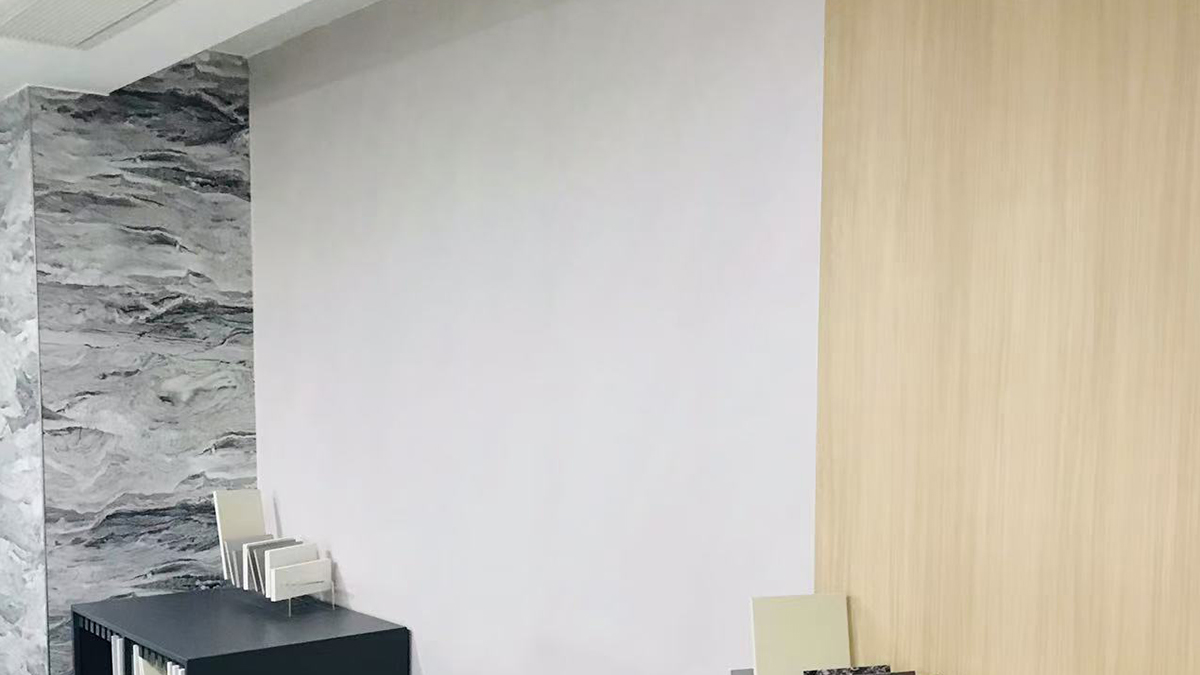
You want the air in your house to be clean. Magnesium oxide wallboard helps you breathe better. It does not let out bad chemicals like VOCs or formaldehyde. These chemicals can make you feel sick or give you headaches. Drywall might have VOCs and other harmful stuff. You may notice fresher air with magnesium oxide wallboard.
Magnesium oxide wallboard does not give off dangerous gases.
Rooms with magnesium oxide wallboard have cleaner air.
Hospitals and schools use magnesium oxide wallboard for safer air.
Material | VOC Emissions | Health Impact |
|---|---|---|
Magnesium oxide wallboard | None | Safer for indoor air quality |
Drywall | Present | Can contain toxic chemicals |
Tip: Pick magnesium oxide wallboard if you want the best air for your family.
Mold and Mildew
You want walls that stay clean and safe. Magnesium oxide wallboard stops mold and mildew. It does not soak up water, so mold cannot grow. Drywall takes in water and can get moldy. Mold can make you sneeze or have trouble breathing. Magnesium oxide wallboard keeps your rooms healthier.
Material Type | Mold and Mildew Resistance |
|---|---|
Magnesium oxide wallboard | |
Drywall | Poor |
Magnesium oxide wallboard keeps mold away from your walls.
You avoid health problems with magnesium oxide wallboard.
Drywall needs more care to stop mold from growing.
Note: Put magnesium oxide wallboard in bathrooms, kitchens, and basements to keep mold away.
Toxicity
You want safe walls in your home. Magnesium oxide wallboard is not toxic. You do not have to worry about bad chemicals. Some drywall may have dangerous substances. Always check where your magnesium oxide wallboard comes from. Pick brands that have safety certificates.
Magnesium oxide wallboard is safe for kids and pets.
You keep your family safe with magnesium oxide wallboard.
Drywall can have hidden dangers if you do not check the label.
Alert: Buy magnesium oxide wallboard from trusted sellers to make sure it is safe.
Environmental Impact
Sustainability
You want to pick materials that help the earth. Magnesium oxide wallboard is good for the environment. Factories use less energy to make it. They need only about half the energy used for Portland cement. Making magnesium oxide wallboard traps carbon dioxide. This lowers pollution. Magnesium oxide wallboard does not have toxic stuff like asbestos or formaldehyde. Magnesite, the main part, is mined from the surface. No harmful chemicals are used in mining.
Magnesium oxide wallboard comes from magnesite and seawater. These are easy to find. You help nature by using materials that are not rare. Magnesium oxide wallboard lasts a long time. You do not need to replace it often. This means less trash and less energy used over the years.
Here is a simple table about sustainability:
Aspect | Magnesium Oxide Wallboard | Drywall (Gypsum Board) |
|---|---|---|
Raw Material Sourcing | Magnesite and seawater are easy to get | Gypsum is harder to find |
Energy Use | Uses less energy than cement | Uses more energy |
Carbon Footprint | Traps CO2 while curing | Makes more pollution |
Toxic Materials | No harmful chemicals | Can have dangerous stuff |
Durability | Lasts longer, needs fewer changes | Wears out faster |
🌱 Tip: Using magnesium oxide wallboard helps you make less pollution.
Recycling and Disposal
You want to know what happens when you are done with magnesium oxide wallboard. Magnesium oxide wallboard can be recycled completely. Many companies use old magnesium oxide wallboard to make new boards. You can take used magnesium oxide wallboard to recycling centers. Builders often use old magnesium oxide wallboard in new jobs. This keeps trash out of landfills.
If you throw away magnesium oxide wallboard, it does not leak bad chemicals. It stays safe in the ground. You do not have to worry about it hurting soil or water. Drywall can cause problems in landfills. It might let out dangerous chemicals.
Magnesium oxide wallboard helps keep waste low.
Recycling magnesium oxide wallboard means less trash in landfills.
You help keep your town safe by using magnesium oxide wallboard.
♻️ Note: Ask your local recycling center how to get rid of magnesium oxide wallboard the right way.
Advantages of MGO Panels: Best Use Cases
Residential Applications
 Residential Applications
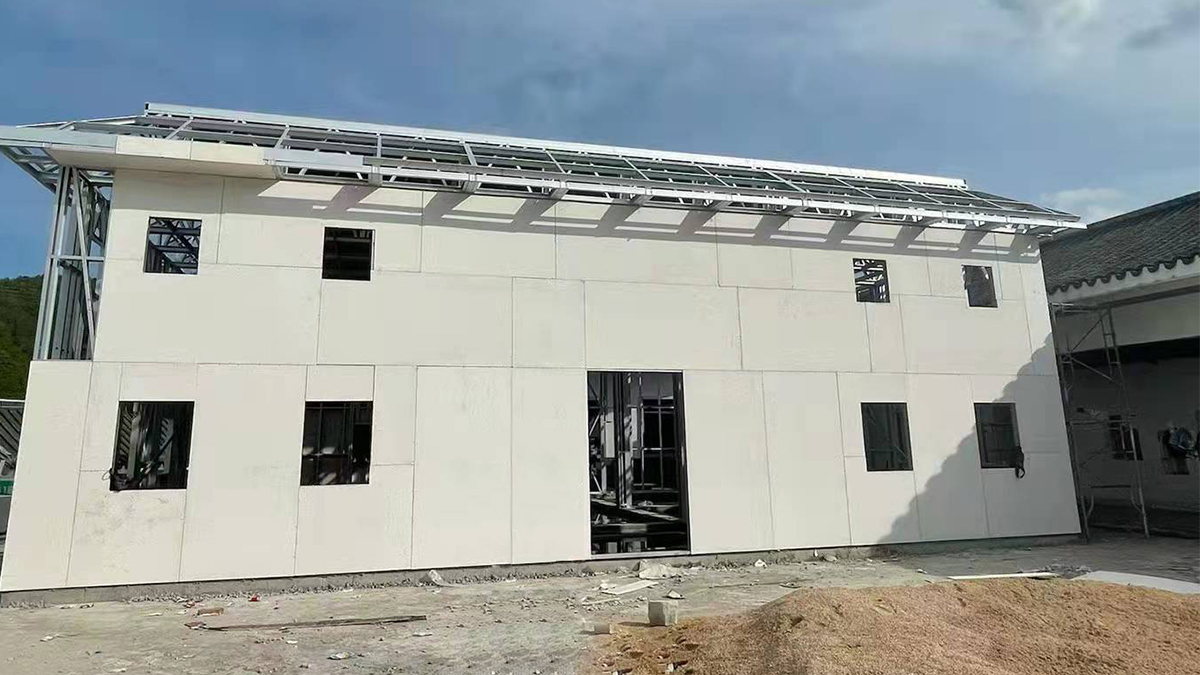
You want your home to have strong walls. Magnesium wall board helps keep your house safe. Mgo panels work well for inside walls and ceilings. You can use magnesium oxide wallboard in bathrooms and kitchens. These rooms often get wet and need extra protection. Mgo panels do not swell or let mold grow. Your walls stay clean and last a long time. Magnesium wall board also works for outside siding. It protects your house from weather and damage. Mgo panels help you spend less on repairs. You see how mgo panels help in every room.
Interior walls
Ceilings
Bathrooms
Kitchens
Basements
Exterior siding
Tip: Use magnesium oxide wallboard in rooms with water or lots of people. It is the best choice for your home.
Commercial and High-Traffic Areas
You need walls that can handle busy places. Magnesium wall board gives strong fire resistance and strength. Mgo panels last longer than drywall in schools and offices. You see fewer dents and cracks in these walls. Magnesium oxide wallboard keeps mold away and saves energy. Mgo panels use natural materials and help the environment. You get good walls for homes and businesses. The table below shows how mgo panels and drywall are different.
Feature | MgO Board | Gypsum Board |
|---|---|---|
Fire Resistance | Highest fire rating, safe for fire-risk areas | Basic fire protection, less safe |
Moisture Resistance | Excellent, prevents mold growth | Absorbs moisture, prone to damage |
Strength and Durability | Very strong, lasts longer | Less durable, easily damaged |
Eco-Friendly | Made from natural materials | Not specified |
Thermal Insulation | Energy-efficient | Not specified |
Cost | Higher upfront costs | Cost-effective |
Weight | Heavier, requires skilled labor | Lightweight, easy to install |
Note: Mgo panels are great for busy places. You get walls that stay strong and safe.
Humid and Saline Environments
You want walls that do not get ruined by water or salt. Magnesium oxide wallboard keeps its shape in wet places. Mgo panels do not bend or let mold grow. You can use magnesium wall board in homes near the ocean or in rainy areas. Mgo panels work well for bathrooms and laundry rooms. Drywall does not last in these places. Mgo panels are best for tough environments. You see why magnesium wall board works well in places with water and salt.
Mgo panels work well in humid places.
Magnesium wall board does not bend or get mold.
Drywall can break in wet and salty areas.
Alert: Use magnesium oxide wallboard in wet and salty places. You get walls that last and protect your space.
You need to choose the right wall material for your space. Magnesium wall boards work best in places with high humidity or fire risk, such as kitchens and bathrooms. Recent studies show they last longer and help protect the environment. Drywall costs less at first and fits simple projects in dry rooms. You should match your choice to your budget and needs. Think about long-term savings and safety before you decide.
FAQ
Can you paint magnesium wall boards like drywall?
You can paint magnesium wall boards just like drywall. Use standard primers and paints. The surface is smooth and ready for finishing.
Tip: Choose high-quality paint for best results.
Are magnesium wall boards safe for people with allergies?
Magnesium wall boards do not release VOCs or formaldehyde. You get cleaner air in your home.
Feature | Magnesium Wall Board | Drywall |
|---|---|---|
VOC Emissions | None | Possible |
Do magnesium wall boards need special tools for installation?
You can use common tools like circular saws and screw guns. You do not need special equipment.
Circular saw
Screw gun
Standard screws
How do magnesium wall boards handle moisture compared to drywall?
Magnesium wall boards resist moisture and mold. Drywall absorbs water and can grow mold.
Note: Use magnesium wall boards in bathrooms and basements for better protection.