
22 Jan Magnesium Wall Board vs Fiber Cement Wallboard Key Differences and Similarities
You want to know how magnesium wall board vs fiber cement wallboard are different. Many people pick magnesium wall board because it can help save money on energy bills. It also keeps rooms comfortable. Builders like that magnesium wall board does not burn easily, while fiber cement wallboard has its own fire-resistant properties. They also appreciate that magnesium wall board stays strong when it is humid, which is a key factor in this comparison. Architects often choose magnesium wall board because it is easy to put up, but fiber cement wallboard can also be a viable option. This comparison is important because each board has special benefits. These include what it is made of, how long it lasts, fire resistance, moisture protection, how easy it is to install, how good it is for the environment, cost, health safety, and design choices.
Key Takeaways
Magnesium wall board keeps out water very well. This makes it good for wet places like bathrooms and kitchens. Fiber cement wallboard is tough and lasts a long time. It works well in busy places like schools and hospitals. Magnesium wall board is easier to put up. It costs less to take care of over time, even though it costs more at first. Both wall boards stop fire well. Magnesium wall board is safer in fires and does not burn. Think about the environment when picking materials. Magnesium wall board is better for the planet than fiber cement.
Magnesium Wall Board vs Fiber Cement Wallboard Overview
What Is Magnesium Wall Board?
Magnesium wall board is used in many new buildings. It is made with magnesium oxide. You can put it on walls, ceilings, and floors. Builders use it for fire doors and tunnels. It is found in prefab buildings and places needing strong fire safety. These places include apartments, schools, and hospitals. Magnesium wall board meets tough fire safety rules. It helps keep people safe in busy areas.
What Is Fiber Cement Wallboard?
Fiber cement wallboard is made from cement, sand, and cellulose fibers. You use it for walls and ceilings in homes and businesses. This board is good for places that need to be strong and safe from fire. You often see fiber cement board on outside walls. It can handle bad weather well. Builders like it because it is strong. You must be careful when moving it because it is heavy.
Key Comparison Points
When you compare magnesium wall board and fiber cement wallboard, you look at what makes them different and alike. The main things to check are:
How strong and tough they are
How well they resist water and mold
How safe they are from fire
How easy they are to install
How they affect the environment
How much they cost and last
Tip: Check the table below to see how mgo and fiber cement boards compare in each way.
Aspect | Magnesium Wall Board (MGO) | Fiber Cement Wallboard |
|---|---|---|
Structural Strength | Tough and keeps its shape | Heavy, strong but may need extra support |
Moisture Resistance | Keeps water out easily | Can soak up water |
Mold & Mildew Protection | Does not let mold grow | Stops mold but can stain if wet too long |
Fire Resistance | Does not burn and stays strong in heat | Does not burn but may need extra coatings |
Installation Considerations | Lighter and simple to cut | Heavy, needs careful handling |
Environmental Impact | Better for nature because it is inorganic | Has cellulose, not as good for nature |
Cost Analysis | Costs a bit more but saves money later | Cheaper but costs more to keep up |
This comparison helps you pick the best board for your project.
Material Composition Comparison
 Magnesium Wall Board Structure
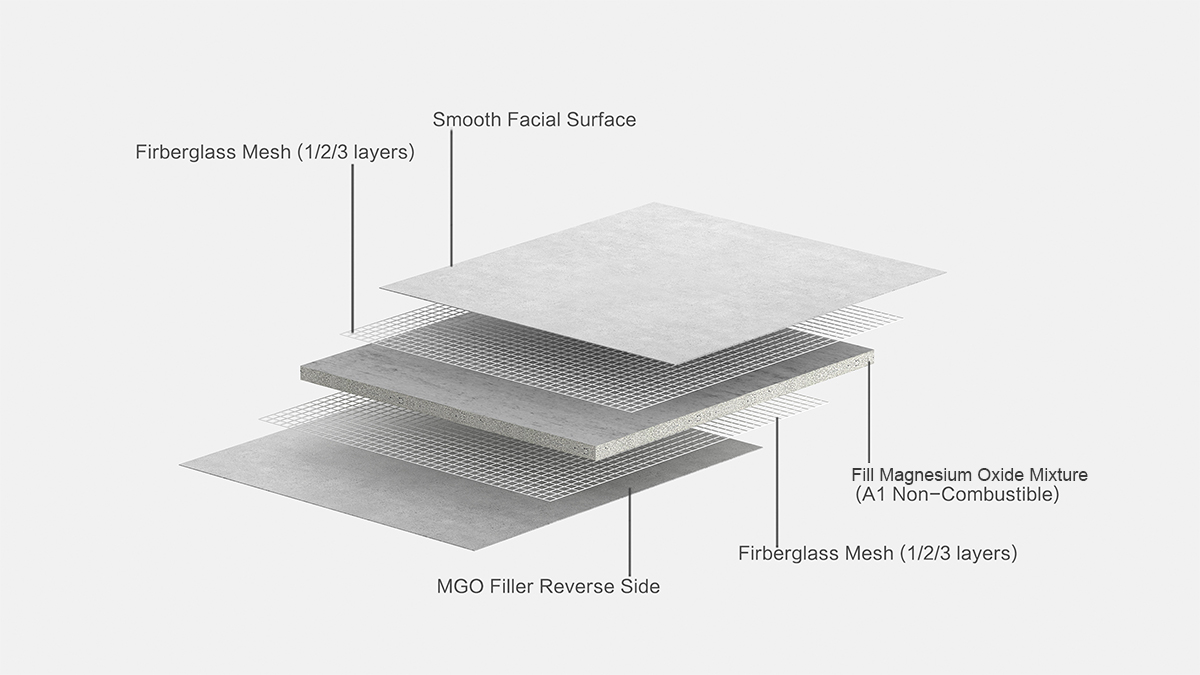 Magnesium Wall Board Structure
Magnesium wall board has many parts that work together. Magnesium oxide is the main part. Manufacturers add magnesium chloride and magnesium hydroxide. These help the board stay strong. Perlite and fiberglass mesh are also in the board. These keep the board light but tough. The board does not burn or make dangerous smoke. It gets a Class A fire rating.
Magnesium oxide
Magnesium chloride
Magnesium hydroxide
Perlite
Fiberglass mesh
This mix helps the board stand up to heat, water, and mold. You can use it where safety is very important.
Fiber Cement Board Structure
Fiber cement board uses different materials. Portland cement is the main part. Silica sand makes the board hard and keeps its shape. Cellulose fibers come from plants and help stop breaking. Water mixes everything together. Manufacturers add special compounds to make the board better.
Component | Description |
|---|---|
Portland Cement | Makes the board strong and sturdy. |
Silica Sand | Helps the board stay hard and shaped. |
Cellulose Fibers | Plant fibers that make the board less easy to break. |
Water | Mixes the cement and other parts. |
Additives | Special compounds for fire resistance, workability, or durability. |
You get a board that is thick and stiff. It works well for outside walls and places that need extra strength.
MGO vs Fiber Cement Boards: Key Differences
When you look at mgo and fiber cement boards, you see big differences. Magnesium wall board uses magnesium oxide and minerals. Cement board uses Portland cement and cellulose fibers. This changes how each board handles fire, water, and mold.
Making mgo board is good for the environment. It uses less energy and makes less pollution. The process has a low carbon footprint. Magnesium oxide often comes from seawater, so there is less mining. The curing process traps carbon dioxide, which lowers emissions.
Cement boards make more pollution than mgo boards. Making cement boards uses a lot of energy. It heats raw materials to high temperatures. This makes a lot of carbon dioxide. Portland cement adds to greenhouse gas emissions.
Magnesium wall board and fiber cement wallboard have different impacts on nature. Mgo boards are lighter and easier to install. Fiber cement boards are heavier and need special tools. Both boards resist fire well. Mgo board protects better against water and mold.
Here is a quick look at mgo vs fiber cement boards:
Feature | Magnesium Wall Board (MgO) | Fiber Cement Wallboard |
|---|---|---|
Fire Resistance | Excellent | Good |
Superior | Moderate | |
Strength and Durability | Lightweight yet strong | Dense and rigid |
Weight | Lighter | Heavier |
Ease of Installation | Easier to handle | Requires specialized tools |
Environmental Impact | Low footprint | Higher footprint |
Cost | Higher upfront, lower long-term | Lower upfront, higher long-term |
This comparison helps you choose the right board. If you want strong, durable, and water-resistant boards, mgo stands out. If you need a tough board for outside walls, fiber cement board works well. Think about the environment, how easy it is to install, and long-term value before you decide.
Durability and Performance
Strength and Longevity Comparison
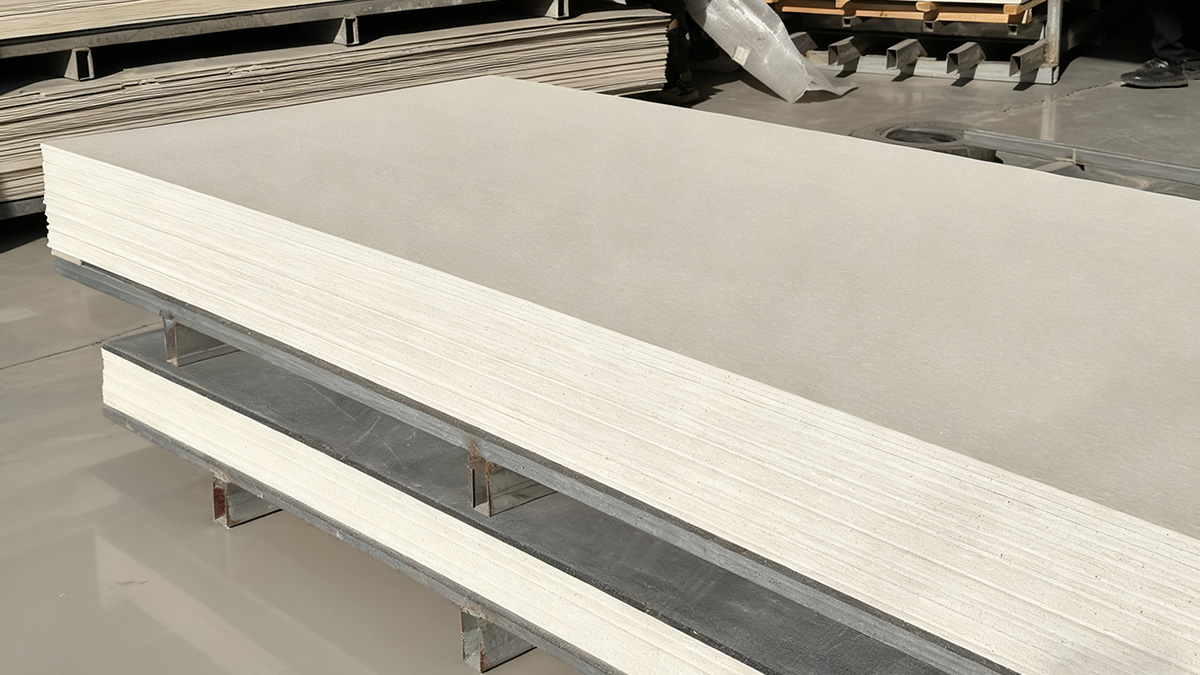 Strength and Longevity Comparison
When you look at mgo vs fiber cement boards, you see clear differences in strength and how long each board lasts. Magnesium wall board stands out for its impressive compressive and flexural strength. You can expect compressive strength values between 20 and over 40 MPa. Flexural strength ranges from 13 to 30 MPa. Fiber cement board offers a bending strength that averages 10 to 25 MPa. This means magnesium wall board can handle more pressure and bending before it breaks.
Magnesium wall board: Compressive strength of 20 to over 40 MPa
Flexural strength of 13 to 30 MPa
Fiber cement wallboard: Bending strength average of 10-25 MPa
You get better durability with mgo board, especially in places where you need strong walls that last. Magnesium wall board vs fiber cement wallboard shows that mgo board keeps its shape and strength for many years. Fiber cement board also lasts a long time, but it may need extra support in some cases. This comparison helps you see which board fits your project best.
Impact and Wear Resistance
You want your walls to stand up to daily bumps and knocks. Mgo vs fiber cement boards show big differences in impact resistance. Magnesium wall boards have an impact strength of up to 10 KJ/m2. This is much higher than what you get with cement board or gypsum board. You can use mgo board in busy areas like schools, hospitals, or hallways. It will not crack or chip easily.
Magnesium wall board also resists moisture very well. It absorbs only about 0.34% of water. The board keeps its shape and strength even when wet. Fiber cement board can soak up water over time. You need to check and seal it often to keep it strong. Mgo vs fiber cement boards show that mgo board works better in wet places or where mold is a problem.
Magnesium wall boards show superior longevity and impact strength.
They resist moisture and mold, making them ideal for wet environments.
Fiber cement boards need sealing and regular maintenance to prevent water damage.
Mgo vs fiber cement boards: Magnesium wall boards absorb only about 0.34% water, keeping their shape and strength.
Fiber cement boards can soak up water, so you need regular checks and sealing.
You get more benefits with mgo board if you want walls that last and resist wear.
Maintenance Needs
You want to know how much work each board needs over time. Mgo vs fiber cement boards have different maintenance needs. Magnesium wall board needs less care because it resists moisture and mold. Fiber cement board needs more attention, especially in wet areas.
Here is a table showing typical maintenance tasks for both boards over a 10-year period:
Maintenance Task | Frequency |
|---|---|
Visual Inspection | Every few months |
Gutter Maintenance | Twice a year |
Trim Back Landscaping | Once a year |
Caulk | Once a year |
Paint | Every 10 to 12 years |
Clean the Siding | Once a year |
Tip: You can save time and money with mgo board because it needs fewer repairs and less sealing. Fiber cement board may cost less at first, but you spend more on upkeep over the years.
When you compare mgo vs fiber cement boards, you see that magnesium wall board offers better durability, less maintenance, and stronger resistance to moisture and impact. You get long-term performance and fire resistance, which are important benefits for any building project.
Fire and Moisture Resistance
Fire Resistance: MGO vs Fiber Cement Boards
You want your walls to protect you from fire. When you look at mgo vs fiber cement boards, you see big differences in fire resistance. Magnesium wall board stands out because it does not burn. It gets an A1 non-combustible rating. You can trust it to keep its strength and shape for up to four hours during a fire. Fiber cement board also resists fire, but it may need extra treatments to reach the same level. You use magnesium wall board in places with high fire risk, like schools or hospitals. Fiber cement board works well in areas with lower fire risk.
Property | Magnesium Oxide (MgO) Board | Cement Board |
|---|---|---|
Fire Resistance Rating | A1 Non-Combustible; excellent fire resistance | Moderate fire resistance; may need treatments |
Fire Duration Resistance | Up to 4 hours maintaining strength and shape | Handles fire but may require extra support |
Suitability for Fire-Rated Applications | Preferred for high fire-risk areas due to superior fire resistance and low smoke emission | Suitable for lower fire risk or less extreme heat environments |
Magnesium wall board vs fiber cement wallboard: Magnesium wall board gives you better protection and peace of mind in fire emergencies.
Moisture and Mold Protection
You want your walls to stay strong when wet. Mgo vs fiber cement boards show that mgo board keeps out water better. It has superior moisture resistance. You do not need to worry about mold or rot with mgo board. Fiber cement board stops mold, but not as well as mgo board. You need to check fiber cement board often to prevent water from getting in.
Board Type | Moisture Resistance | Mold Resistance |
|---|---|---|
Magnesium Oxide (MOS-based) | Superior, keeps out water better than fiber cement | Less susceptible to mold and rot |
Fiber Cement | Requires regular checks to prevent water ingress | Stops mold and rot, but not as effectively as MgO board |
Tip: Use mgo board in bathrooms, kitchens, or other wet places. You get better performance and fewer problems with mold.
Real-World Applications
You see the benefits of mgo vs fiber cement boards in real buildings. Magnesium wall board protects modular buildings from fire. It does not burn, and it does not make toxic fumes. You can use it in places with high humidity, like bathrooms or kitchens. The mineral structure stops mold and mildew. Fiber cement board works in many places, but it needs more care in wet areas.
Magnesium wall board can handle heat up to 1200°C. It keeps its shape for up to four hours in a fire. You use it in schools, hospitals, and apartments where safety matters. Fiber cement board gives you good resistance, but you need to check it often for water damage.
Note: Mgo vs fiber cement boards—choose mgo board for top fire and moisture resistance. You get strong performance and long-lasting benefits.
Installation and Handling Comparison
Weight and Ease of Handling
 Weight and Ease of Handling
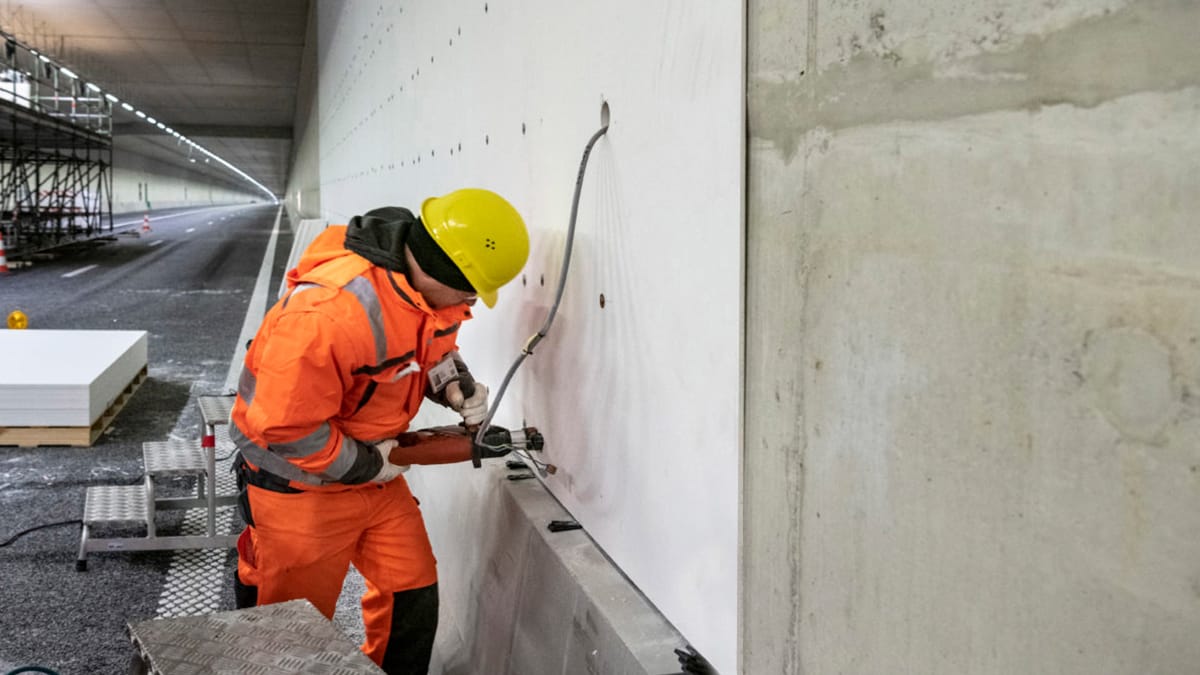
When you choose wall boards, weight matters. Magnesium wall board feels lighter in your hands. You can move it easily on a job site. The density ranges from 950 to 1300 kg/m³. At 12mm thickness, each square meter weighs about 7.3 to 10.7 kg. You lift and position these boards with less effort. Fiber cement board weighs more. You need extra help or special equipment to carry it. This difference makes magnesium wall board a better choice for quick installation and less strain.
Magnesium wall board: 7.3–10.7 kg/m² (12mm thickness)
Fiber cement board: heavier, needs more support
Cutting and Installation Techniques
You want a smooth installation process. Magnesium wall board cuts easily with standard tools. You follow simple steps to get a clean fit:
Gather your tools and check board thickness.
Clean the wall and set support studs 16–24 inches apart.
Cut boards to size and mark measurements.
Start at a corner and align the first board with the studs.
Use a level to check placement.
Place each board snugly, leaving a gap for expansion.
Dry fit all boards before fastening.
Manufacturers recommend these specifications for both magnesium and cement board:
Installation Aspect | Specification |
|---|---|
Screw embedding depth | 0.5 to 1 mm into board surface |
Avoid damage to mesh | Screws must not cut through mesh |
Distance from board edge | 10 to 15 mm |
Distance from cut edge | 15 to 20 mm |
Screw spacing (edge) | 200 mm (about 8 inches) |
Screw spacing (center) | 300 mm (about 12 inches) |
Fiber cement board installation considerations include using power saws and wearing masks to avoid dust. You spend more time cutting and fitting fiber cement board.
Cost and Labor Factors
You want to save money and time. Magnesium wall board offers lower labor costs and faster installation. You finish projects quickly and pay less for skilled workers. Fiber cement board takes longer to install. You pay more for labor and may need extra tools. The benefits of magnesium wall board include easier handling and reduced installation time, which improve overall performance.
Material | Labor Costs | Installation Times |
|---|---|---|
Magnesium Wall Board | Lower | Faster |
Fiber Cement Wallboard | Higher | Slower |
You see that magnesium wall board helps you control cost and speed up your project. Fiber cement board installation requires more planning and effort.
Sustainability and Health
Environmental Impact Comparison
You want to pick materials that help the planet. Magnesium wall board and fiber cement wallboard affect nature in different ways. Magnesium wall board uses less energy to make. It gets heated below 750°C. Fiber cement needs heat over 1400°C. This means magnesium wall board makes less carbon dioxide. Using natural gas instead of coal cuts CO2 by 18%. Magnesium oxychloride cement boards make at least 22% less CO2 than Portland cement concrete. Choosing magnesium wall board helps the earth.
Waste is important for sustainability too. Cutting and polishing magnesium wall board creates over 10% waste. Building with it makes 5–12% waste. You can recycle magnesium wall board waste by heating it. This makes reactive MgO for new boards. You cannot throw magnesium wall board waste in landfills. Recycling helps lower waste.
Aspect | Magnesium Wall Board | Fiber Cement Wallboard |
|---|---|---|
Production Temperature | Below 750°C | Over 1400°C |
CO2 Emissions | Lower | Higher |
Waste Recycling | Yes, effective | Limited |
Landfill Disposal | Not allowed | Sometimes allowed |
You help the planet by picking materials that use less energy and recycle waste.
Health and Safety Considerations
You want your building to be safe for people. Magnesium wall board stops mold better than drywall. But it can still get mold if water stays inside. If the board gets wet, it can rust metal frames or hurt wood. Chloride salts in wet boards can leak and cause rust. You must handle magnesium wall board with care. It is brittle and can crack. Special tools help you install it right. If water gets in, joint compounds may not stick well. Cracks can happen.
Concern | Description |
|---|---|
Can cause rust and wood damage | |
Corrosion | Chloride salts may leak and rust metal |
Mold Risks | Possible if water is trapped |
Installation Challenges | Needs special tools, can crack |
Brittleness | Can break during handling |
Joint Compound Adhesion | Moisture weakens bond, causes cracks |
You keep people safe by installing boards the right way and keeping them dry.
Indoor Air Quality
You want clean air inside your house or building. Magnesium wall board does not let out bad chemicals. You get healthy air when you use it. Drywall can sometimes release VOCs, which can hurt air quality. Magnesium wall board helps keep your indoor spaces safe and comfortable.
Feature | Magnesium Wall Board | Drywall |
|---|---|---|
Harmful Chemicals | None | Sometimes present |
Healthy | Can off-gas VOCs |
Tip: Pick magnesium wall board if you want better indoor air and want to help the planet.
Design Flexibility and Applications
Finishes and Textures
 Finishes and Textures
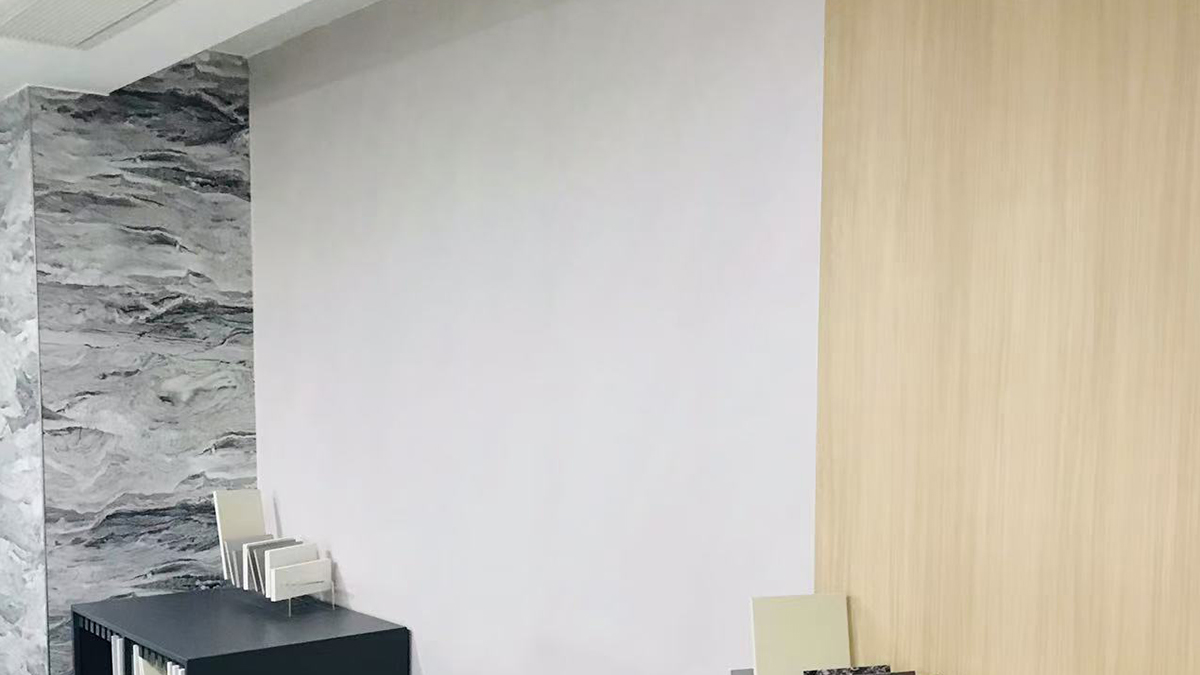
You can pick from many finishes and textures for wall boards. Both magnesium wall board and fiber cement board let you get the look you want. You can paint them or add coverings to match your style. PVC gives bright colors and patterns. Melamine paper makes the surface tough and hard to scratch. CPL and HPL finishes make the board stronger and help stop burning or water damage. If you like a natural look, wood veneer or leather finishes add texture and beauty. The table below lists some popular finish choices:
Finish Type | Description |
|---|---|
PVC | Colorful patterns, cost-effective, close splicing |
Melamine Paper | Scratch-resistant, durable surface |
CPL | Wear, burn, and moisture resistance, flexible for shapes |
HPL | Strong, scratch and burn resistant, keeps color |
Aluminium | Lightweight, strong, weather and impact resistant |
Cloths | Safe, beautiful, replaces traditional wall cloth |
Leather | Real leather feel and look |
Wood veneer | Real wood grain texture and appearance |
Pick a finish that works for you and lasts a long time. This helps the planet because you do not need to replace it often.
Suitability for Different Spaces
You want your wall board to work in every room. Magnesium wall board is best for bathrooms, kitchens, and wet places. It stops mold and keeps water out. Fiber cement board works well in most rooms and mild weather. But you must seal it if the area is wet. The table below shows which board fits each space:
Material | Best Suited Spaces | Key Properties |
|---|---|---|
MgO Boards | Bathrooms, Kitchens, Damp Areas | Excellent moisture resistance, mold prevention |
Fiber Cement Boards | General use, Mild Weather Areas | Good water resistance, needs sealing |
Choosing the right board for each room helps the building last longer. It also cuts down on waste.
Customization Options
You can change your wall boards to fit your project. Pick the size, shape, and finish you need. Most boards come in sizes like 1220×2440 mm, but you can order bigger ones up to 3000 mm long. Thickness can be from 6 to 15 mm. This lets you use just what you need and helps the environment. You can also pick from many finishes, like PVC, CPL, or wood veneer, to match your design. Customizing your boards helps you make special spaces and think about the planet.
Standard Size (mm) | Customized Size (mm) | Thickness | |
|---|---|---|---|
1220×2440 | 200×3000 | 6-15 |
|
210×3050/3660 | 200×3660 | 6-15 |
|
Using boards that fit your needs means less waste. Your building will stay strong for a long time.
Choosing the Right Board
Residential vs Commercial Use
Think about where you will use your wallboard. Magnesium wall board is great for homes. It works well in bathrooms and kitchens. It keeps out water and stops mold. You get good fire protection for your family. Fiber cement board is strong and tough. It is used in schools, hospitals, and offices. These places have walls that get used a lot. Both boards have good points. The best one depends on your space and what you need.
Decision Factors
There are many things to think about when you pick a wallboard:
Fire rating is important for safety.
What the board is made of matters for strength.
Boards that stop water and mold keep walls healthy.
Some boards are easier to put up than others.
Cost is important if you want to save money.
How the board looks and works can help you decide.
How fast you can finish your project also matters.
Pick a board that matches your goals and fits your building.
Long-Term Value
You want your walls to last a long time. Magnesium wall board costs less at first. It does not need much care later. Fiber cement board costs more at the start. But it is very strong and resists fire well. The table below shows how both boards compare over time:
Factor | Magnesium Wall Board (MGO) | Fiber Cement Wall Board |
|---|---|---|
Upfront Cost | Lower | Higher |
Maintenance Costs | Lower | Higher |
Durability | Good | Excellent |
Fire Resistance | Moderate | High |
Water Resistance | Excellent | Good |
Installation Ease | Easy | More Complex |
Long-term ROI | High | Moderate |
Magnesium wall board saves you money because it needs less work. It is great for wet places. You also help the planet and get your money back faster. Fiber cement board is very strong and lasts a long time. This is good for busy places. Pick the board that fits what is most important for your project.
Now you know how these two wall boards are different. Magnesium wall board keeps out water and mold better. Fiber cement wallboard is tough and works well in busy places. You should think about what your project needs, how much you want to spend, and the environment before picking one.
Magnesium wall board: great for wet rooms and simple to put up
Fiber cement wallboard: strong choice for places with lots of people
Tip: Think about what matters most and check your building’s needs before you decide.
FAQ
What makes magnesium wall board better for wet areas?
You get better moisture resistance with magnesium wall board. It keeps water out and stops mold from growing. You can use it in bathrooms, kitchens, or laundry rooms without worry.
Can you paint or decorate both types of wall boards?
Yes, you can paint or cover both boards. You can use many finishes, like PVC, melamine, or wood veneer. Always check the manufacturer’s instructions for best results.
Is fiber cement wallboard safe for indoor air quality?
You get good indoor air quality with fiber cement wallboard. It does not release harmful chemicals. You should always install it properly and keep the area clean during cutting.
Which board is easier to install by yourself?
You will find magnesium wall board easier to handle and cut. It weighs less and uses standard tools. You can finish your project faster with less help.
How do these boards help with fire safety?
Both boards resist fire well. Magnesium wall board gives you top fire protection and keeps its shape in high heat. Fiber cement wallboard also resists fire but may need extra coatings for the best results.