
23 Jan Magnesium Wall Board vs Plywood Wall Board Pros and Cons Explained
You need a wall board that fits your project. In places with lots of fire or water, magnesium wall board is often better than plywood wall board. New studies show more people use magnesium oxide board, especially in homes.
The market might reach USD 2.62 billion by 2032.
More than 65% of this market is for building.
Builders want materials that last, stop fire, and block mold.
Scenario | Why Magnesium Wall Board Wins |
|---|---|
Fire Resistance | Handles heat better than plywood wall board |
Moisture Protection | Stays strong in bathrooms and wet rooms |
Durability | Resists bumps and pests |
Eco-Friendliness | Supports green building |
Commercial Use | Stands up in busy places like hospitals |
When you look at magnesium wall board vs plywood wall board, think about your space and how safe it needs to be before you pick one.
Key Takeaways
Magnesium wall board is very good at stopping fires. It works well in places where fires can happen. It can handle high heat and slows down fire.
Magnesium wall board is great in wet or damp places. It keeps out water and stops mold from growing. It also stays strong and does not break down.
Plywood wall board costs less money and is good for dry places. It is simple to use and has good strength for building things.
Think about how much you will spend over time. Magnesium wall board costs more at first. But it can save you money on fixing and taking care of it later.
Pick the best board for your project. Use magnesium wall board if you want safety and strength. Use plywood if you want to save money and put it up easily.
What Is Magnesium Wall Board?
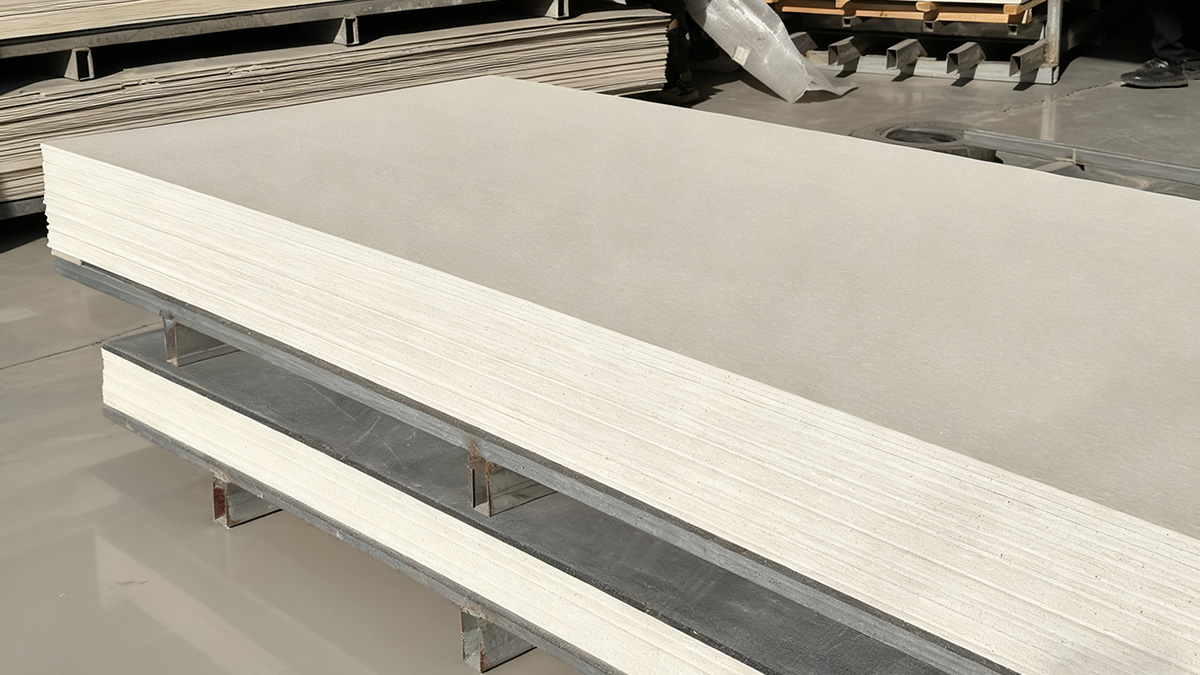
 Magnesium wall board, also called mgo board, is a modern building material you can use for walls, ceilings, and floors. Mgo boards use magnesium oxide as the main ingredient. You get a strong, safe, and long-lasting wall board when you choose mgo board for your project.
Key Features of MgO Wall Boards
Mgo boards stand out because of their unique mix of materials and how they are made. Here is a quick look at the main steps in making mgo board:
Step | Description |
|---|---|
Material Preparation | Measure and prepare raw materials for mgo board. |
Mixing | Blend all materials into a smooth slurry for mgo boards. |
Board Production | Layer non-woven fabric and fiberglass mesh, then pour the mgo mixture. |
Curing Phase I | Let the mgo board start to harden under controlled conditions. |
Demolding | Remove the mgo boards from molds using machines. |
Curing Phase II | Let the mgo boards cure at room temperature for extra strength. |
Soaking (Optional) | Soak mgo boards to remove extra salts and chemicals. |
Drying | Dry the mgo board to remove moisture. |
Cutting | Cut mgo boards to the right size. |
You find several key materials in mgo boards:
Magnesium oxide and magnesium sulfate form the base of mgo board.
Perlite helps mgo boards resist fire and heat.
Wood fiber gives mgo boards flexibility.
Non-woven fabric and fiberglass mesh add strength and moisture resistance.
Mgo boards have many features that make them different from other wall boards:
Property | Description |
|---|---|
Lightweight | Mgo boards are easy to handle but still strong. |
Moisture-resistant | Mgo board does not swell or rot in wet places. |
Environmentally friendly | Mgo boards have no harmful chemicals and are recyclable. |
Impact-resistant | Mgo board stands up to bumps and knocks. |
Corrosion resistance | Mgo boards work well in humid or salty areas. |
Low emissions | Making mgo board creates less pollution. |
Exceptional durability | Mgo boards last a long time and need little care. |
Mgo boards also meet top safety standards. You can trust mgo board for fire safety because it meets EN 13501-1 Class A1 and ASTM E136 noncombustible ratings. Mgo boards also pass ASTM E84 for surface fire spread.
Tip: You can use mgo boards in places where you need fire safety, moisture resistance, and strength.
Common Uses
You can use mgo board in many places. Mgo boards work well in:
Bathrooms, kitchens, and laundry rooms where water is a problem.
Schools, hospitals, and offices that need strong, safe walls.
Basements and garages where you want mold and fire protection.
Green buildings because mgo boards are eco-friendly.
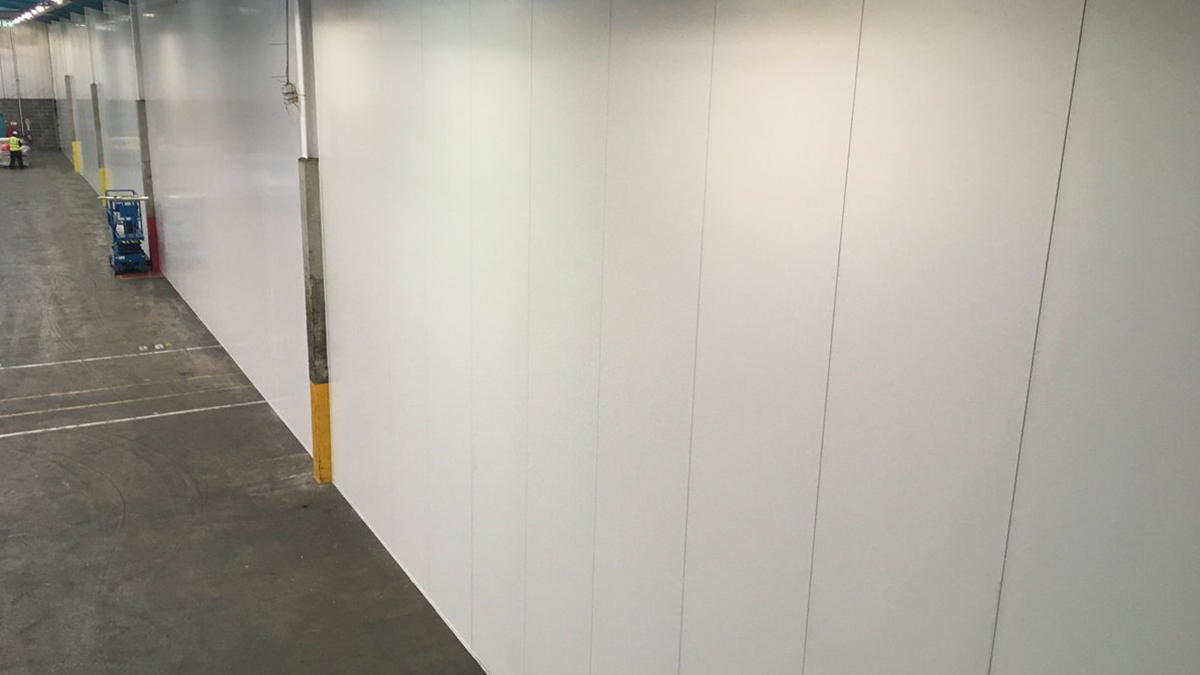
Mgo boards give you a safe, strong, and flexible choice for many building projects. You can count on mgo board to last and protect your space.
What Is Plywood Wall Board?
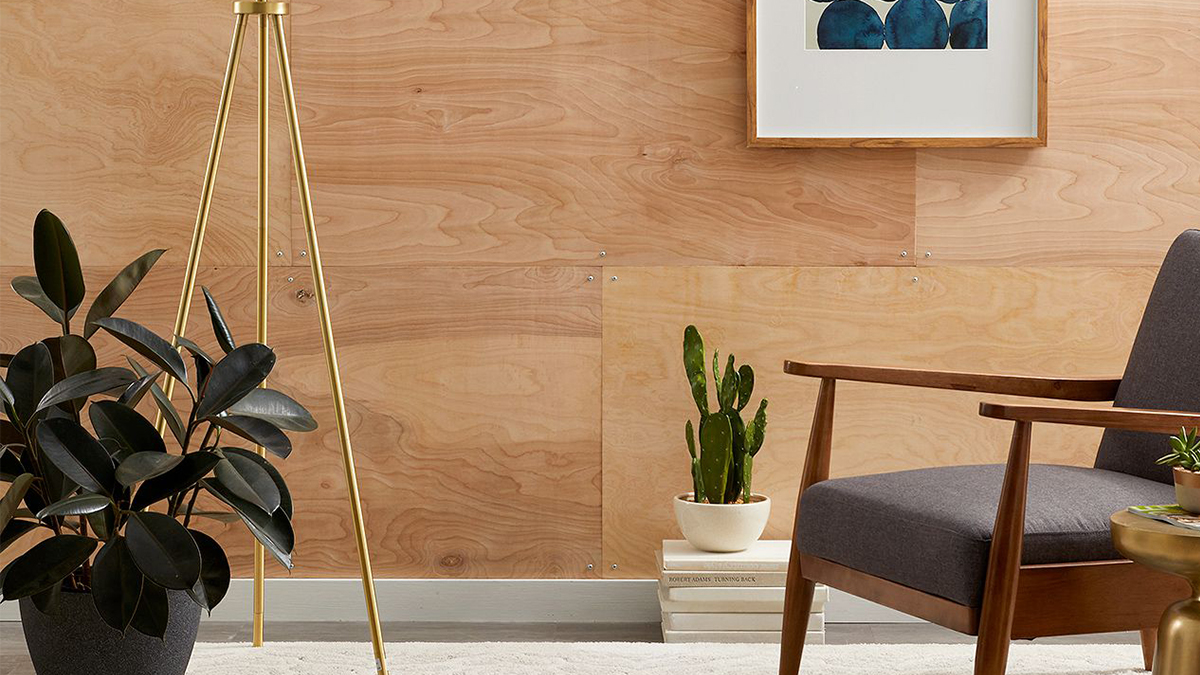 Plywood wall board is a popular choice in construction. You see plywood in homes, schools, and offices. Builders use plywood because it is strong, flexible, and easy to work with. Plywood comes from thin layers of wood glued together. Each layer, or ply, goes in a different direction. This cross-layered design gives plywood its strength and stability.
Main Properties
You can count on plywood for many reasons. The table below shows the main properties that make plywood a top pick for building projects:
Property | Description |
|---|---|
Load-Bearing Capacity | Supports roof spans up to 24 inches and handles snow loads up to 1.5kPa. |
Shear Strength | Higher than many other wood panels, perfect for wall sheathing and floors. |
Density | Ranges from 680-720kg/m³, giving you steady performance. |
Thermal Conductivity | 0.13 W/mK, which helps with energy efficiency in your building. |
Moisture Resistance | Controlled moisture keeps plywood stable and prevents warping. |
Thickness Options | Comes in sizes from 9-40mm, so you can pick what you need. |
Stiffness Characteristics | Cross-layered plies stop the board from bending too much under weight. |
Surface Quality | Smooth finish makes it easy to paint or cover with other materials. |
Plywood boards also meet strict building codes. You can trust plywood to follow these standards:
Plywood panels must meet DOC PS1 or PS2, or APA Standard PRP-108.
Minimum thickness for plywood is 15/32 inches.
You can install panels horizontally or vertically, but you must follow joint rules.
Plywood can be a base layer or go between gypsum board layers.
If you use plywood over gypsum, you need to protect it from outside weather.
Note: Plywood gives you a mix of strength, flexibility, and safety. You can use it in many ways, and it meets important building rules.
Typical Applications
You will find plywood in many places. Builders use plywood boards for:
Wall sheathing in homes and offices
Subfloors under carpet or tile
Roof decking for houses and sheds
Furniture like cabinets and shelves
Temporary walls or partitions on job sites
Packaging and crates for shipping
Plywood works well for both structure and finish. You can cut, nail, or screw plywood easily. You can also paint or stain plywood to match your style. Plywood boards give you a reliable and flexible option for almost any building project.
Magnesium Wall Board vs Plywood Wall Board: Durability and Strength
 Impact Resistance
 Impact Resistance
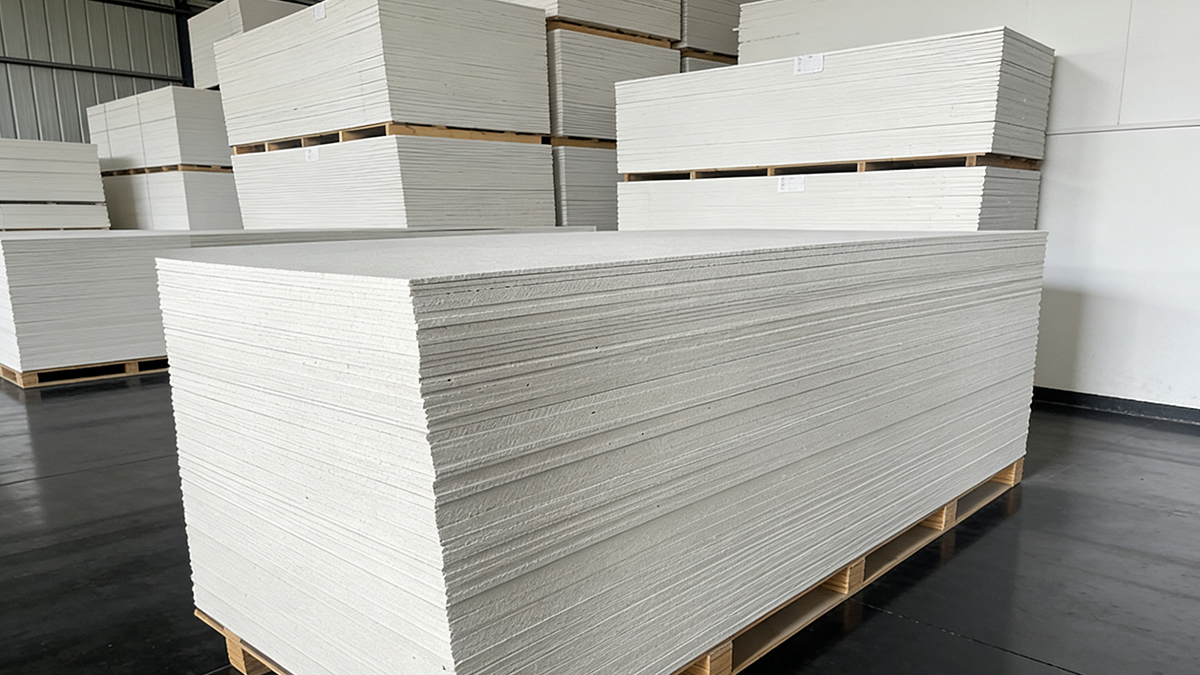
You want your walls to stand up to daily life. Mgo boards give you superior strength and durability in places where bumps and knocks happen often. Magnesium oxide sheathing board resists dents and scratches. You can use mgo board in schools, hospitals, and busy offices. Plywood wall board also handles impacts, but mgo boards offer better protection against sudden force.
Mgo boards keep their shape after you hit them.
Magnesium oxide sheathing board does not crack or split easily.
Mgo board resists damage from carts, furniture, and tools.
Plywood wall board can dent or splinter if you hit it hard.
You see the difference when you compare mgo boards and plywood wall board in high-traffic areas. Mgo boards protect your walls and keep them looking new. You get peace of mind knowing mgo board will last longer in tough spaces.
Tip: Choose mgo boards for hallways, gyms, and places where people move equipment. You get better impact resistance and less repair work.
Longevity and Stability
You want your wall board to last for years. Mgo boards give you durability that stands out. Magnesium oxide sheathing board does not warp or rot. You can trust mgo board to stay strong in wet and dry conditions. Plywood wall board works well in dry spaces, but it can lose strength when exposed to water.
Laboratory tests show how mgo boards and plywood wall board perform over time:
Mgo board keeps almost all its flexural strength after 25 cycles of water immersion and drying.
Plywood wall board loses about 9% of its bending strength after the same test.
Magnesium oxide sheathing board keeps its size and shape, even after soaking.
Mgo boards resist mold and pests, so you do not worry about hidden damage.
You see superior strength and durability in mgo boards. Mgo board stays stable in basements, bathrooms, and kitchens. Plywood wall board works best in dry rooms, but mgo boards give you more options for wet or humid places.
Feature | Mgo Boards | Plywood Wall Board |
|---|---|---|
Impact Resistance | High | Moderate |
Retains almost all | Loses about 9% | |
Mold and Pest Resistance | Excellent | Moderate |
Warping/Rotting | No | Possible in wet conditions |
Longevity | 20+ years | 10-15 years |
You get more value from mgo boards when you need durability and strength. Magnesium oxide sheathing board gives you a wall that lasts and stays safe. Mgo board helps you avoid costly repairs and replacements.
Note: If you want walls that stand the test of time, mgo boards are the smart choice. You get durability, stability, and peace of mind.
Moisture and Fire Resistance Comparison
Magnesium Oxide Sheathing Board Performance
 Magnesium Oxide Sheathing Board Performance
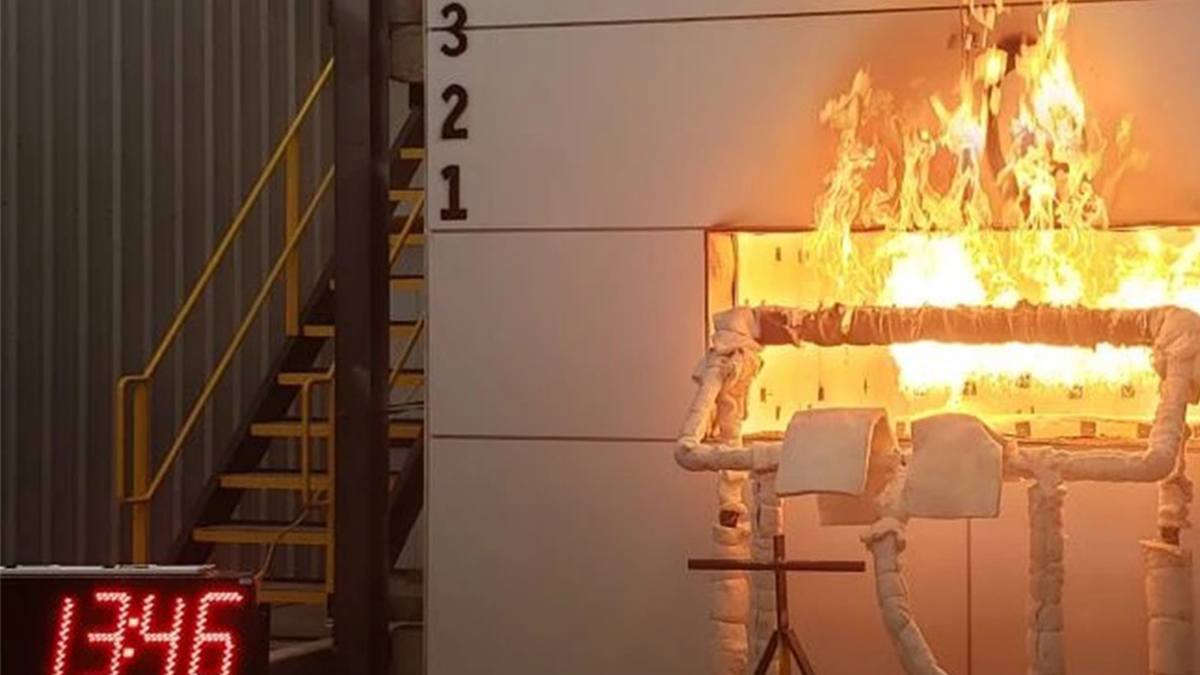
You want walls that stay strong in wet places. Magnesium oxide sheathing board does not soak up much water. It only takes in 0.34% moisture. The board does not swell or bend when it gets wet. It keeps its shape even if the air gets humid. Mold cannot grow on magnesium wall board. This is because it has high alkalinity. It passes the ASTM G21 test with a perfect score.
Magnesium wall board is also great for fire safety. It does not burn and meets the A1 rating. You get up to two hours of fire protection. The board can handle heat up to 1200°C. It does not let flames spread. Smoke and toxic gases stay low. This helps keep you safer during a fire. Magnesium oxide sheathing board stays strong for up to four hours in fire tests.
Here is a quick look at how magnesium wall board works:
Feature | MgO Board |
|---|---|
Moisture Absorption | 0.34% moisture uptake |
Mold Resistance | Perfect score in ASTM G21 test |
Fire Resistance Rating | A1 non-combustible; up to 2 hours |
Heat Resistance | Withstands up to 1200°C |
Fire Spread | Very low (FSI 0 to 25) |
Smoke Emissions | Minimal |
Tip: Pick magnesium wall board for places that need strong moisture and fire resistance.
Plywood Wall Board Performance
Plywood wall board works best in dry rooms. It does not do well in wet or fire-prone areas. Plywood soaks up more water. This makes it swell and bend. Mold can grow on plywood because it is made from wood. When the air gets humid, plywood can lose its shape. You may need to replace it often.
Plywood is not good for fire safety. It burns easily and does not stop fire well. You must add extra fireproofing to make it safer. In a fire, plywood spreads flames fast. It makes more smoke. Plywood gets weak quickly when it gets hot. It may fail in less than an hour.
Compare plywood wall board features:
Feature | Plywood Wall Board |
|---|---|
Moisture Absorption | Higher moisture absorption |
Mold Resistance | Supports mold growth |
Fire Resistance Rating | Combustible; needs fireproofing |
Heat Resistance | Vulnerable to heat |
Fire Spread | Catches fire easily |
Smoke Emissions | Higher |
Note: Use plywood wall board in dry and safe places. For wet or fire-prone rooms, magnesium wall board is a better choice.
Environmental Impact
Sustainability of MgO Boards
You help the environment when you pick mgo boards. Mgo boards are made in a special way. Magnesium oxide reacts with carbon dioxide in the air. This makes magnesium carbonate. It helps take CO2 out of the atmosphere. Using mgo boards lowers your building’s carbon footprint.
Material | CO2 Emission (kg/t) |
|---|---|
MgO | |
CaO | 740 |
Mgo boards can trap about 0.5 tons of CO2 for each ton made. This can lower your construction’s carbon footprint by up to 70% compared to other materials. Making mgo boards uses less energy. You get a wall board that helps the planet and supports sustainability.
Mgo boards also keep buildings warm in winter and cool in summer. This means you use less heating or cooling. Mgo boards last a long time, so you do not replace them often. When you finish using mgo boards, you can recycle them. You can reuse mgo boards in new projects or other uses.
Aspect | Magnesium Wall Board (MgO) |
|---|---|
Recyclability | |
Environmental Impact | Low carbon footprint, less energy during processing |
End-of-life Disposal Options | Can be reused in various applications |
Sustainability of Plywood
Plywood wall board is made from wood, which grows back. You can use plywood for many things, and it gives good insulation. But plywood does not remove CO2 from the air like mgo boards. Making plywood uses more energy and creates more pollution than mgo boards. Plywood does not last as long in wet or fire-prone places. You may need to replace plywood more often, which makes more waste.
You can recycle plywood, but it is harder than recycling mgo boards. Some plywood has glues or chemicals that make recycling tough. Sometimes, old plywood goes to a landfill. This can hurt the environment over time.
Tip: If you want to help the planet and lower your carbon footprint, mgo boards are a smart pick. You get strong insulation, long life, and a greener building.
Cost and Value
Upfront Costs
 Upfront Costs
When you plan your project, you need to look at the price of building materials. Mgo boards cost more than plywood wall board at the start. You pay for the extra strength and safety that mgo board gives you. The table below shows the typical price per square foot for each type of wall board. This helps you see how each material fits your budget.
Board Type | Price per square foot |
|---|---|
MgO Board | $1.50 – $2.50 |
Plywood Wall Board | $0.40 – $1.20 |
You see that mgo boards cost two to four times more than plywood wall board. If you have a tight budget, plywood wall board may seem like the better choice. Many people pick plywood wall board for projects where cost is the main concern. However, you should also think about what you get for the price. Mgo board gives you better fire safety, moisture resistance, and durability. These features can save you money later.
Tip: Always match your budget with the needs of your project. Sometimes, paying more for building materials at the start can help you avoid bigger costs later.
Long-Term Value
You want your building materials to last and protect your space. Mgo boards give you strong value over time. Even though you pay more for mgo board at first, you save money on repairs and upkeep. Mgo board does not crack, swell, or grow mold. You do not need to fix or replace it as often as plywood wall board. Over ten years, mgo boards need less maintenance. Plywood wall board can get damaged by water or pests. You may spend more on repairs if you use plywood wall board.
Mgo boards help you avoid hidden costs. You do not have to worry about mold or rot. Your walls stay strong and safe. Mgo board also keeps its shape and strength for many years. You get peace of mind and save money in the long run. When you choose building materials, think about both the upfront price and the value you get over time.
Note: Mgo boards cost more at first, but they give you better protection and lower repair bills. If you want your project to last, mgo board is a smart investment.
Installation and Workability
Installing MgO Boards
You can install mgo boards with basic tools and a few simple steps. Mgo board works well for walls, ceilings, and floors. You need to measure your space before you start. Use a high-quality circular saw to cut mgo boards for straight edges. If you want to make detailed cuts or score the surface, a utility knife helps you get clean lines. For curves or small holes, a jigsaw with a fine-tooth blade gives you smooth results.
When you fasten mgo boards, use stainless steel screws or galvanized nails. These keep mgo board secure and prevent rust. Place fasteners at regular intervals so mgo boards do not sag. Start fastening mgo board at the center and move outward. This helps mgo boards stay flat and strong. Do not over-tighten screws because mgo board can crack if you use too much force.
Tip: Always wear safety glasses and gloves when you cut or install mgo boards. You protect yourself from dust and sharp edges.
Mgo boards are lightweight, so you can lift and move them easily. You do not need special equipment for most jobs. Mgo board does not create much dust when you cut it. You can clean up quickly after you finish installing mgo boards. If you want to paint or cover mgo board, the surface is smooth and ready for finishing.
Working with Plywood
You can work with plywood using common woodworking tools. Plywood cuts easily with a circular saw or a handsaw. You can use a jigsaw for curves and openings. When you fasten plywood, use wood screws or nails. Space fasteners evenly to keep plywood flat and secure. You can start at one edge and work across the sheet.
Plywood is heavier than mgo boards, so you may need help to lift large panels. The surface of plywood is smooth, so you can paint, stain, or cover it with other materials. You can sand plywood to remove rough spots. Plywood creates more sawdust than mgo boards, so you should clean your workspace often.
Note: If you want a quick and easy installation, plywood works well for most projects. You can finish plywood in many ways to match your style.
Both mgo boards and plywood give you flexible options for building. You can choose mgo board for fire safety and moisture resistance. You can pick plywood for simple jobs and easy finishing. You get strong results with either material if you follow the right steps.
Best Uses and Recommendations
 Choosing between magnesium wall board vs plywood wall board depends on your project’s needs. You want the right material for safety, durability, and cost. Each board has strengths that make it an excellent choice for certain applications. Let’s look at when you should pick mgo boards and when plywood wall board works best.
When to Choose Magnesium Wall Board
You should choose mgo boards when you need top fire safety, moisture protection, and long-lasting strength. Mgo board stands out in places where mold and water are problems. You also get strong performance in high-traffic areas. Magnesium wall board vs plywood wall board shows clear benefits for mgo boards in these situations.
Pick mgo board for these applications:
Fire-Prone Areas:
Mgo boards do not burn. They can handle direct flames and high temperatures without losing strength. You get up to four hours of fire resistance. This slows down fire spread and gives you more time to stay safe. Use mgo board in commercial spaces, stairwells, and exterior sheathing where fire safety matters most.Wet and Humid Spaces:
Mgo board resists water and does not swell or rot. Mold cannot grow on mgo boards because of their high alkalinity. You should use mgo board in bathrooms, kitchens, laundry rooms, and basements. These boards keep your walls strong and clean.High-Traffic and Impact Zones:
Mgo boards have excellent strength. They do not dent or crack easily. You get long-lasting walls in schools, hospitals, and busy offices. Mgo board reduces repair needs and keeps your space looking new.Soundproofing and Tile Backing:
Mgo board works well as a soundproofing panel. You can also use it as a mold-resistant backing for tiles in showers and kitchens.Exterior Applications:
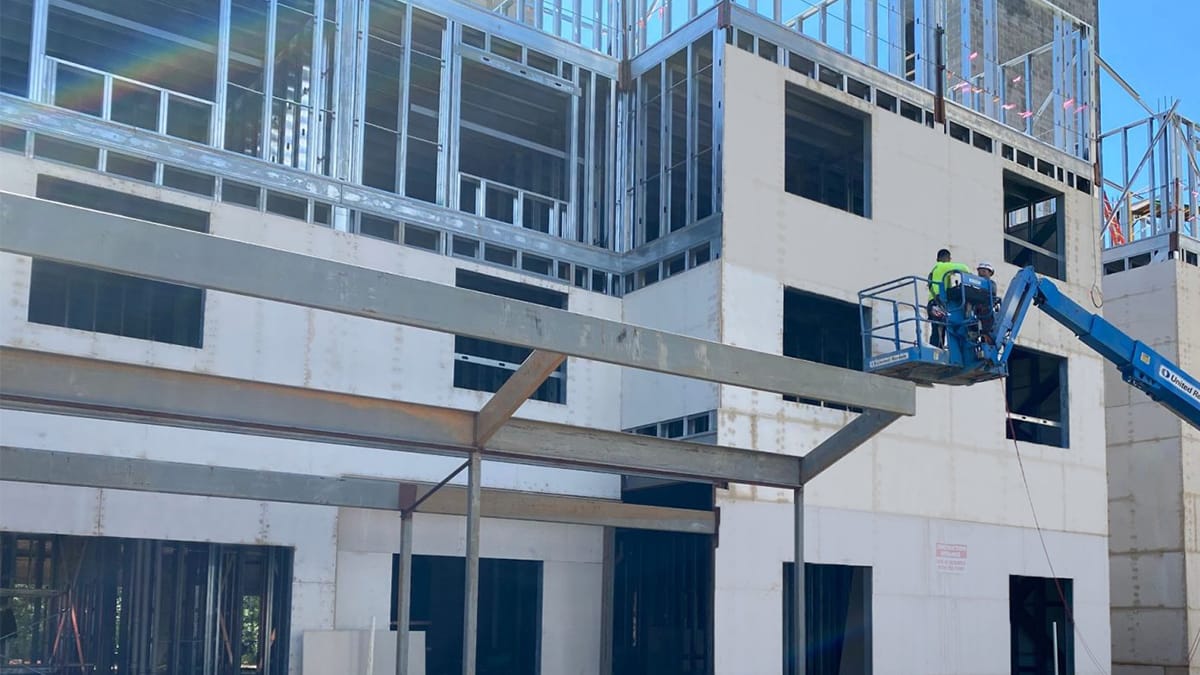
Mgo boards make excellent fireproof cladding and impact-resistant exterior walls. They protect your building from weather and mold.
Use Case | Why Choose MGO Board? |
|---|---|
Fire-Prone Areas | Non-combustible, slows fire spread, keeps strength at high temperatures |
Wet Rooms | Resists water, prevents mold, does not swell |
High-Traffic Spaces | Durable, impact-resistant, needs less maintenance |
Soundproofing | Blocks noise, adds strength |
Exterior Sheathing | Handles weather, fire, and mold |
Tip: If you want a wall board that lasts, keeps you safe, and stops mold, mgo board is an excellent choice.
When to Choose Plywood Wall Board
You should choose plywood wall board when you want a budget-friendly option with good strength for dry spaces. Plywood wall board gives you flexibility for many applications. It works well in areas where fire and moisture are not big risks. Magnesium wall board vs plywood wall board shows plywood is an excellent choice for general construction and design projects.
Pick plywood wall board for these applications:
Subfloors and Roof Sheathing:
Plywood wall board gives strong support for floors and roofs. It resists loads from wind and snow. You get a stable base for carpet, tile, or shingles.Living Rooms and Bedrooms:
Plywood wall board adds warmth and character. The natural wood grain looks great as an accent wall. You can paint or stain plywood to match your style.Garages and Workshops:
Plywood wall board supports heavy shelves and tools. It stands up to daily use and minor impacts.Kids’ Rooms:
Plywood wall board is durable and handles wear and tear. It is a safe choice for active households.Ceilings and Decorative Uses:
Plywood wall board creates unique, textured ceilings. You can use it for rustic or modern designs.General Construction:
Plywood wall board works for walls, floors, and roofs. It is easy to cut and install. You save money on large projects.
Key reasons to choose plywood wall board:
Lower upfront cost
Good strength for most rooms
Easy to work with and finish
Suitable for dry, safe spaces
Note: If you want a strong, affordable board for general use, plywood wall board is an excellent choice.
Quick Guide: Which Board for Which Scenario?
Scenario | Best Choice | Why? |
|---|---|---|
Bathrooms, Kitchens, Laundry | MGO Board | Stops mold, resists water, keeps strength |
Fire-Prone Areas (e.g., exits) | MGO Board | Non-combustible, slows fire, keeps structure safe |
High-Traffic (schools, hospitals) | MGO Board | Handles impacts, lasts longer, less mold |
Living Rooms, Bedrooms | Plywood Wall Board | Warm look, easy to finish, good strength |
Subfloors, Roofs | Plywood Wall Board | Strong base, supports heavy loads |
Garages, Workshops | Plywood Wall Board | Supports shelves, tools, handles wear |
Exterior Cladding | MGO Board | Fireproof, resists weather, stops mold |
General Construction | Plywood Wall Board | Affordable, flexible, easy to install |
You can pick from two good wall boards. Magnesium wall board is great for fire and water safety. It lasts longer and gives you more value over time. Plywood wall board is easy to put up and looks nice. It works best in rooms that stay dry. Here is a simple cost chart:
Feature | Magnesium Wall Board | Plywood Wall Board |
|---|---|---|
Fire Safety | Excellent | Moderate |
Moisture Resistance | Excellent | Limited |
Upfront Cost | Higher | Lower |
Pick the wall board that fits your project’s safety, strength, and budget needs.
FAQ
What makes magnesium wall board better for fire safety?
You get top protection from fire with magnesium wall board. This board does not burn. It slows the spread of fire. You can use it in places where fire risk is high. Fire tests show it keeps its strength during fire events.
Can plywood wall board protect my home from fire?
Plywood wall board does not protect well against fire. It burns quickly. Fire can spread fast through plywood. You need extra fireproofing if you use plywood in areas with fire risk. Fire safety experts do not recommend plywood for fire-prone rooms.
Where should I use magnesium wall board for fire protection?
You should use magnesium wall board in kitchens, stairwells, and exits. These places need strong fire barriers. Fire can start in these areas. Magnesium wall board helps stop fire from moving to other rooms. You get more time to escape during a fire.
Does fire affect the strength of plywood wall board?
Fire weakens plywood wall board fast. When fire hits plywood, it loses its shape and strength. You may see the board break or fall apart. Fire can destroy plywood in less than an hour. You should not trust plywood for fire safety.
How does fire resistance affect long-term value?
Fire resistance gives you peace of mind. You spend less on repairs after a fire. Magnesium wall board keeps your building safe for years. Plywood wall board may need replacement after a fire. Fire-resistant boards save you money and stress.