
25 Jan What to Know About Magnesium Wall Boards in Moist Environments
You might wonder if magnesium wall board water resistant properties make it a good choice for wet areas. Magnesium wall boards are highly water-resistant. They keep their strength even after repeated contact with moisture. Laboratory tests show that these boards do not lose their shape or strength like plywood or gypsum. You will see that they stay strong after many cycles of water exposure. However, you should know that they are not fully waterproof. Long-term water contact could still affect them.
Key Takeaways
Magnesium wall boards do not let water in easily. This makes them good for wet places like bathrooms and kitchens. They stay strong even when they get wet.
Mgo boards stop mold and mildew from growing. This helps keep rooms cleaner and safer. They are better than regular drywall for this reason.
For best results, use fasteners that do not rust. Seal every joint when you put mgo boards in wet places.
You can add sealants and coatings to mgo boards. This helps them block water better and last longer.
Always read product labels before you buy. Check if your board is water-resistant or waterproof. This helps you pick the right board for your project.
What Is an MgO Board?
Magnesium oxide boards, called mgo board, are new building materials. You can use them for walls, ceilings, and floors. Mgo board is made from magnesium oxide, magnesium chloride, perlite, vermiculite, and glass mesh. These ingredients mix together to make a strong board. The chemical makeup gives mgo board special features. It works well in places with lots of moisture.
Key Properties for Moisture
Mgo board gives you many benefits in wet or humid places.
Mgo board resists moisture, so it stays strong when it gets wet.
Mold and mildew do not grow on mgo board, so it stays clean.
Mgo board does not soak up water, so it keeps its shape and strength.
You can check the table to see how each part helps with moisture resistance:
Component | Role in Moisture Resistance |
|---|---|
Magnesium Oxide (MgO) | Gives fire resistance and makes the board strong. |
Magnesium Chloride (MgCl2) | Holds the board together. Too much chloride can cause moisture problems. |
Perlite | Makes the board lighter and helps keep heat in. |
Vermiculite | Gets bigger when heated and helps stop fires. |
Glass Mesh | Makes the board tougher and helps it last longer. |
Why Choose MgO Board?
You may ask why mgo board is good for wet places.
Mgo board does not soak up much water, so it does not swell or bend.
Mold will not grow on mgo board, so it is safer for homes and businesses.
Mgo board keeps its shape and does not break down, even in damp air.
Here is a table that compares mgo board and drywall:
Property / Material | Magnesium Oxide (MgO) Board | Drywall (Gypsum Panels) |
|---|---|---|
Moisture Absorption | 0.34% | Higher |
Mold Growth | None | Mold prone |
Dimensional Stability | No warping or swelling | Swelling, crumbling |
Using mgo board is also better for the environment.
Mgo board can be recycled and is made from natural magnesium.
Making mgo board uses less energy and makes less pollution than concrete.
Mgo board does not have harmful chemicals and helps cut down on waste.
Mgo board also keeps you safe from fire.
Mgo board does not burn and stays strong in high heat.
It lets out water vapor when hot, which slows down fire and smoke.
If you want a wall board that fights moisture, mold, and fire, mgo board is a safe and strong choice.
Magnesium Wall Board Water Resistant Performance
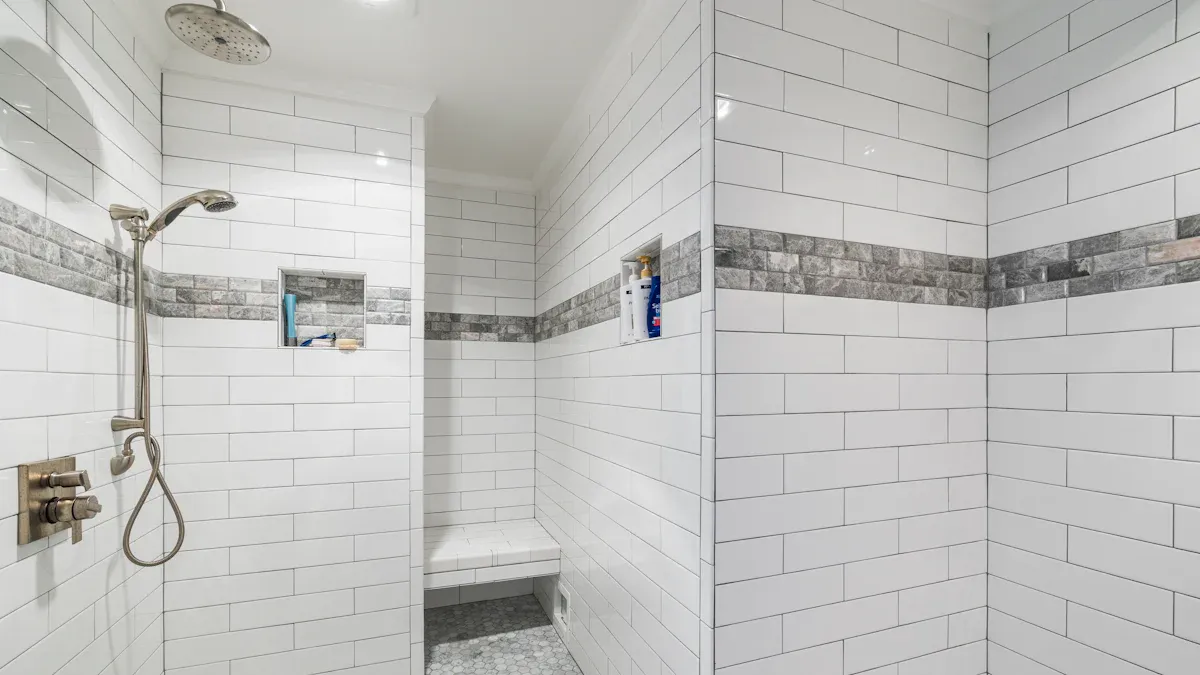
Water-Resistant vs. Waterproof
You might see water-resistant and waterproof on building materials. These words look alike, but they mean different things. Magnesium wall board water resistant features make it good for wet places, but there are limits.
Here is a table that shows how water-resistant and waterproof are different:
Term | Definition |
|---|---|
Water-Resistant | Can stop water from getting in for a while, but not forever. |
Waterproof | Made so water cannot get in at all, no matter what. |
Water-resistant things, like mgo board, can handle moisture for a long time. They might soak up some water if left in puddles or under strong water. Waterproof things do not let any water in, even after many years. Most mgo boards are water-resistant, not waterproof. You should not think they will stay perfect if always wet.
Tip: Always read the label to see if your board is water-resistant or waterproof. This helps you choose the right board for your job.
How MgO Boards React to Water
Magnesium wall board water resistant features work well in wet places. You can use mgo board in bathrooms, kitchens, and basements because it fights moisture. Magnesium oxide boards do not swell, bend, or fall apart like wood or gypsum. You will see mgo board keeps its shape and strength after getting wet.
Here is what happens when mgo board gets wet:
Standard mgo board can soak up about 20% water in 24 hours. This means it can take in some water if you leave it soaking.
Magnesium oxide boards can get bigger or change shape if wet for weeks. This is called hydrothermal expansion.
Some mgo boards stay strong for over 30 years in normal weather. You can trust them for most home jobs.
Some mgo boards do not show the “crying” effect, which is water drops on the surface. Others may show this if they have more magnesium chloride or sulfate.
You will notice mgo board does not split or bend like gypsum or wood. Gypsum boards can handle some wet air, but they get weak and moldy in very wet places. Magnesium wall board water resistant features make it great for places with lots of moisture.
Limitations and Long-Term Exposure
You should know magnesium wall board water resistant features have limits. Mgo board gives strong water resistance, but it is not perfect. Being wet for a long time can cause changes.
Here is what can happen over time:
The surface may turn white or powdery. This comes from water reacting with chemicals.
The inside of mgo board stays strong, even if the outside changes.
You get great strength, especially against fire and moisture.
Mgo board lasts about 20 to 30 years in wet places. This matches most warranties.
How long it lasts depends on your weather and how you put it in.
You may see some problems in wet places:
Moisture can make magnesium hydroxide, which can damage metal fasteners like steel, aluminum, or copper.
Metal parts touching mgo board may get weaker over time.
Some mgo boards soak up water and show drops, called “crying boards.” Water drops can stain the board and help mold grow.
Mold and mildew resistance are strong, but you should seal edges and use the right fasteners to stop problems.
Note: Always use fasteners that do not rust and seal all joints when you put mgo board in wet places. This helps you get the best water resistance and keeps your walls safe for a long time.
You can trust magnesium wall board water resistant features for most wet places. Mgo board gives you mold resistance, mildew resistance, and strong water resistance. You should follow best steps to get the best results and avoid problems.
Common Applications in Wet Areas
 Bathrooms, Kitchens, Basements
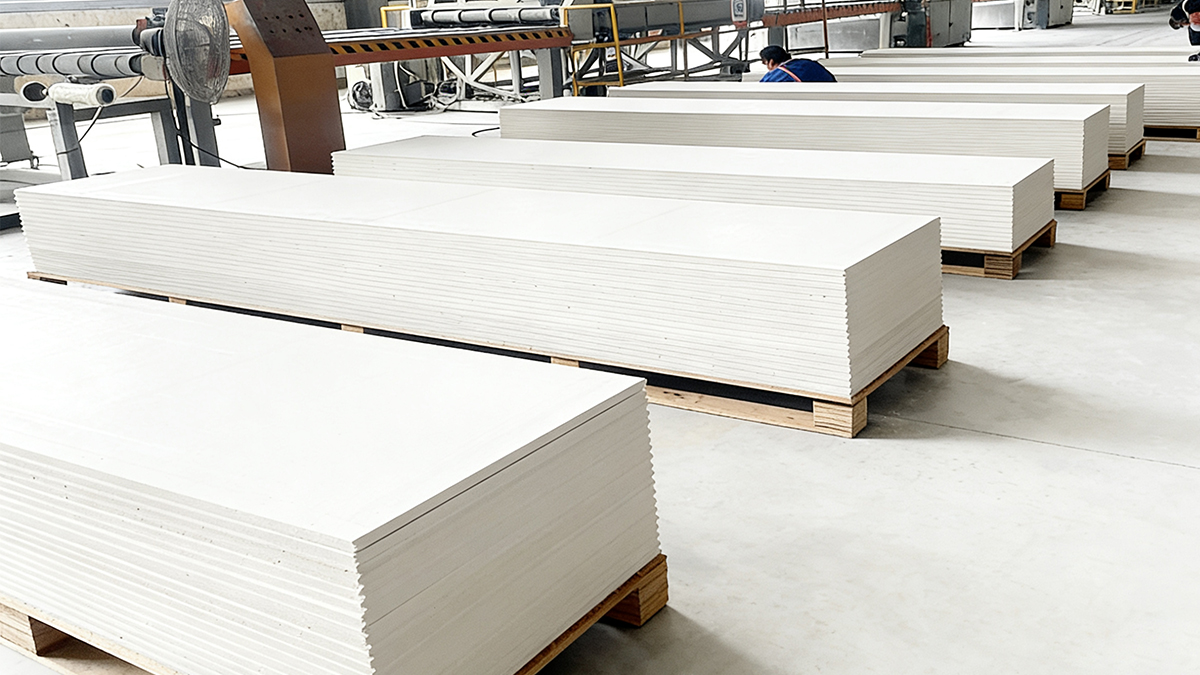 Bathrooms, Kitchens, Basements
Mgo board is used in places with lots of moisture. It works well in bathrooms, kitchens, and basements. You can put it behind tiles or wall panels in showers and laundry rooms. Mgo board is a strong base for tile or wood floors in wet rooms. Builders pick mgo board for subflooring because it does not soak up much water. You also get extra fire protection and water resistance. This makes mgo board a top choice for wet spaces. Some common uses are:
Lining walls in bathrooms, saunas, and kitchens
Subflooring and underlayment in basements and laundry rooms
Fireproofing and moisture resistant barriers in wet spaces
Installation Best Practices
To make mgo board last longer, you need to follow some steps. Always carry boards on their side to keep edges safe. Stack them flat on dunnage, not on the ground. Let boards sit for 48 hours to get used to the room. When you attach mgo board to steel framing, stagger the panels and leave a small gap. For wood framing, use a bigger gap. Always use stainless steel or ceramic coated fasteners so they do not rust. Put fasteners at least 4 inches from corners and 6 inches apart on the edges. Support board ends with joists and install on 16-inch centers. Leave space between the board and the wall for expansion. These steps help keep mgo board water-resistant and improve waterproofing.
Tip: Always use a water-resistive barrier behind mgo board in wet areas for extra protection.
Enhancements for Durability
You can make mgo board more waterproof by using sealants and coatings. Silicone, polyurethane, and acrylic primers work well. Special paints for masonry add more protection. These products lower water absorption and help the board resist water over time. If you seal all joints and edges, your installation lasts longer. Mgo board has a low water absorption rate—about 0.34%—which is much less than gypsum. This means mgo board keeps its shape and strength for years. When you compare water resistance, mgo board is very durable and moisture resistant. Always check for certifications like CE Marking, ISO 9001, ASTM E84, and UL listings. These show your mgo board meets safety and performance standards for wet areas.
Water Resistance Compared to Other Materials
MgO Board vs. Gypsum Board
Magnesium oxide boards do not soak up much water. Gypsum boards take in more water and get weak fast. The table below shows how they compare:
Board Type | Water Exposure Durability | |
|---|---|---|
Magnesium Oxide (MgO) | 0.34% | Can remain underwater for 100 days |
Gypsum Wallboard | ~3% | Not durable under prolonged moisture |
Magnesium oxide boards stay strong after getting wet for a long time. Gypsum boards can swell and break down when wet. Mold does not grow on magnesium wall boards because they do not give mold food. Gypsum boards can help mold grow if they get wet. Magnesium oxide boards last longer and need less fixing.
MgO Board vs. Cement Board
Magnesium oxide boards are better than cement boards at stopping water. Cement boards work in wet places like showers, but they can soak up water over time. Magnesium oxide boards are lighter and last longer in damp rooms. The table below shows the differences:
Feature | Magnesium Oxide Boards | Cement Boards |
|---|---|---|
Superior | Moderate | |
Mold Prevention | Excellent | Limited if unsealed |
Ideal Use | High humidity areas | Wet areas like showers |
Weight | Lighter | Heavier |
Long-term Performance | Longer-lasting | Can absorb moisture over time |
Magnesium oxide boards do not lose strength in freeze-thaw cycles. Cement boards can get weaker if they freeze and thaw many times.
MgO Board vs. Plywood
Magnesium oxide boards work better than plywood in wet places. They keep their shape and do not fall apart. Plywood can work in some damp spots, but it might split and needs careful setup. The table below shows what is good and bad about each:
Material | Advantages | Disadvantages |
|---|---|---|
Magnesium Oxide Boards | Superior moisture resistance, maintains structural integrity in damp conditions | None noted in moist conditions, making it a reliable choice for high humidity environments. |
Plywood | Some water-resistant grades available | Susceptible to delamination and requires careful installation and maintenance in moist conditions. |
Magnesium oxide boards do not let mold or mildew grow. They stay dry and strong in humid rooms. Plywood can swell and get weak when wet. Magnesium oxide boards give you better water resistance and last longer in wet places.
Tip: Pick magnesium oxide boards for bathrooms, kitchens, and basements if you want the best water resistance and mold prevention.
You can trust magnesium wall boards to resist moisture and stay strong in wet areas. These boards work well in bathrooms, kitchens, and basements. You should know about some limits before you choose them:
Limitation | Description |
|---|---|
Moisture Absorption | Boards may sweat or show stains if exposed to water for long periods. |
Corrosion of Metal Components | Chloride ions can cause rust in metal fasteners. |
Cracking and Warping | Dropping or mishandling boards can lead to cracks or warping. |
Compatibility with Finishes | Some paints or finishes may not stick well. |
Inconsistent Quality | Boards from different batches may perform differently. |
If you want to install MgO boards, follow these steps for best results:
Clean the wall surface.
Check that the framing is even.
Start from the bottom and work up.
Use corrosion-resistant screws spaced correctly.
Seal seams with weather-resistant tape.
You can make your wet area safer and more durable by using magnesium wall boards and following these tips.
FAQ
Can you use magnesium wall boards in showers?
You can use magnesium wall boards in showers. Always seal all joints and edges. Use a waterproof membrane behind the board for extra protection. This helps keep water out and makes your shower last longer.
Do magnesium wall boards need special fasteners?
You should use corrosion-resistant fasteners like stainless steel or ceramic-coated screws. These fasteners prevent rust and keep your walls strong in moist environments. Avoid regular steel screws because they can rust over time.
How do you make mgo board more water-resistant?
You can apply sealants or waterproof coatings to the surface and edges. Use silicone or acrylic primers for best results. Sealing all joints and gaps helps keep water out and improves the board’s durability.
Will mold grow on magnesium wall boards?
You do not need to worry about mold on magnesium wall boards. The boards resist mold and mildew because they do not provide food for these organisms. This makes them a safe choice for wet areas.
Can you paint magnesium wall boards?
You can paint magnesium wall boards. Use masonry or acrylic paints for best adhesion. Always check that the surface is clean and dry before painting. Some finishes may need a primer for better results.