
30 Jan Fire Resistance and Water Protection Magnesium Wall Board vs Fiberboard
You want strong walls that keep you safe and last for years. When you compare magnesium wall board vs fiberboard, you see that magnesium wall board leads in fire resistance, water protection, and eco-friendliness. Mgo board does not burn easily. Water does not damage mgo. These qualities matter for your safety and the environment.
Choosing the right material means you get better protection for your home or building.
Key Takeaways
Magnesium wall board (mgo board) is very good at stopping fire. This makes it great for places where fire could happen. Mgo board does not let water in and stops mold from growing. This makes it a good choice for bathrooms and kitchens. Picking mgo board helps the environment because it uses natural things and can be recycled. Fiberboard costs less money and is simple to put in. But it works best in dry places because it does not stop fire or water well. For safety and long-lasting use, pick mgo board in risky places. Use fiberboard if you need to save money and the area is dry.
Magnesium Wall Board vs Fiberboard: Quick Comparison
When you look at magnesium wall board and fiberboard, you notice big differences. Fire resistance, water resistance, and being good for the planet are important. You want to pick the material that keeps you safest and gives you the most benefits. This quick guide helps you choose fast.
Fire Resistance Overview
Fire resistance is important for safety. Mgo board is special because it does not burn easily. You can use mgo board in places where fires might happen. Mgo board can handle very high heat for up to 2 hours. Fiberboard does not do as well in fire. Mgo board also passes tough fire tests like ASTM E84-24 and EN 13501-1+A1:2010. Mgo board gives you great fire protection.
Material | Fire Resistance |
|---|---|
Mgo Board | Highly fire-resistant, withstands extreme heat |
Fiberboard | Good, but lower than mgo board |
Test Standard | Purpose |
|---|---|
ASTM E84-24 | Flame spread, smoke developed |
EN 13501-1+A1:2010 | Fire-resistance ratings |
NFPA 285 | Wall assembly fire performance |
Water Resistance Overview
Water resistance helps your walls stay strong. Mgo board does not soak up water. You can put mgo board in bathrooms, kitchens, and basements. Fiberboard can get bigger and weaker when it gets wet. Mgo board stays strong and does not break down. Mgo board is the best choice for places with lots of water.
Material | Moisture Resistance |
|---|---|
Mgo Board | Excellent, does not absorb water |
Fiberboard | Susceptible to moisture, can swell and weaken |
Sustainability Overview
Being eco-friendly helps the earth. Mgo board uses natural minerals and does not give off bad chemicals. Mgo board makes the air inside better. You can recycle mgo board. Fiberboard uses wood fibers and glue, which may not be as good for the planet. Mgo board is better for the environment.
Feature | Mgo Board (MagPanel) | Fiberboard |
|---|---|---|
Durability | High impact resistance | Lower durability |
Dimensional Stability | Excellent, less warping | Moderate |
Sustainability | Eco-friendly, recyclable | Less eco-friendly |
Tip: If you want the best safety and strength, pick mgo board. Mgo board gives you more benefits than fiberboard.
Material Basics
 What Is Magnesium Wall Board?
 What Is Magnesium Wall Board?
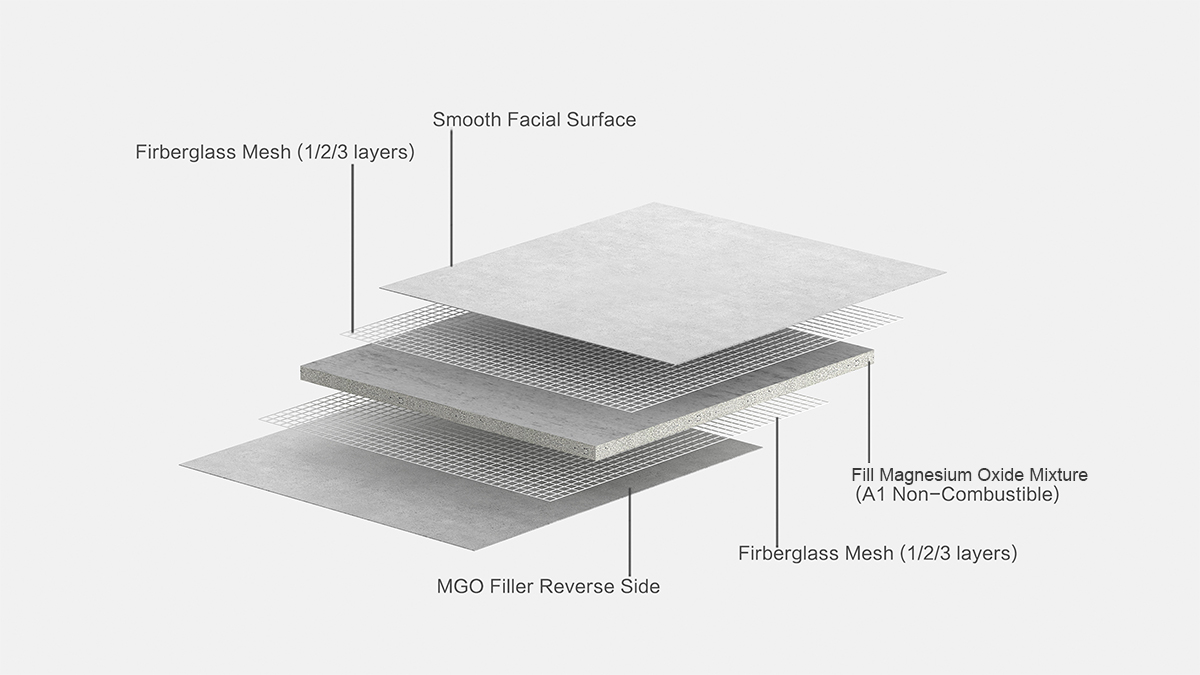
Mgo board is used in many new buildings. It is made from magnesium oxide, magnesium chloride, perlite, and vermiculite. These materials help mgo board stop fire and water. Mgo board does not burn fast. It does not soak up water. It also helps keep the air inside clean.
Each part of mgo board helps with fire resistance in a special way:
Component | Contribution to Fire Resistance |
|---|---|
Magnesium Oxide (MgO) | Gives strong fire resistance and makes the board tough. |
Magnesium Chloride (MgCl2) | Holds the board together when there is a fire. |
Perlite | Keeps heat from moving through the board. |
Vermiculite | Gets bigger when hot, so it blocks fire better. |
There are new kinds of mgo board, like magnesium sulfate boards and magnesia cement panels. These boards can stop fire for up to 3 hours. They also keep water out. Mgo board stops mold from growing. When you pick mgo board, you help the earth. Makers use green ways and recycle extra magnesium.
What Is Fiberboard?
Fiberboard is found in furniture, floors, and wall panels. It is made from wood fibers and glue. Fiberboard is easy to cut and shape. It costs less and has a smooth surface. You can paint it or put other finishes on it.
Fiberboard is made in steps. First, wood chips are turned into pulp. Next, glue is mixed in. Then, heat and pressure press everything together. The table shows how each step changes water resistance:
Manufacturing Process | Description | Effect on Water Resistance |
|---|---|---|
Defibration | Wood chips become pulp. | Good fibers help block water. |
Adhesive Combination | Glue is added to the pulp. | The glue you pick changes water safety. |
Thermocompression | Heat and pressure press the mix together. | This step makes the board strong and affects water soaking. |
Fiberboard can get bigger or weaker if it gets wet. It works well in dry places. Mgo board is better where there is water or fire danger. Mgo board gives more safety. Fiberboard lets you make many designs.
Fire Resistance: Magnesium Wall Board vs Fiberboard
Magnesium Wall Board Fire Resistance
 Magnesium Wall Board Fire Resistance
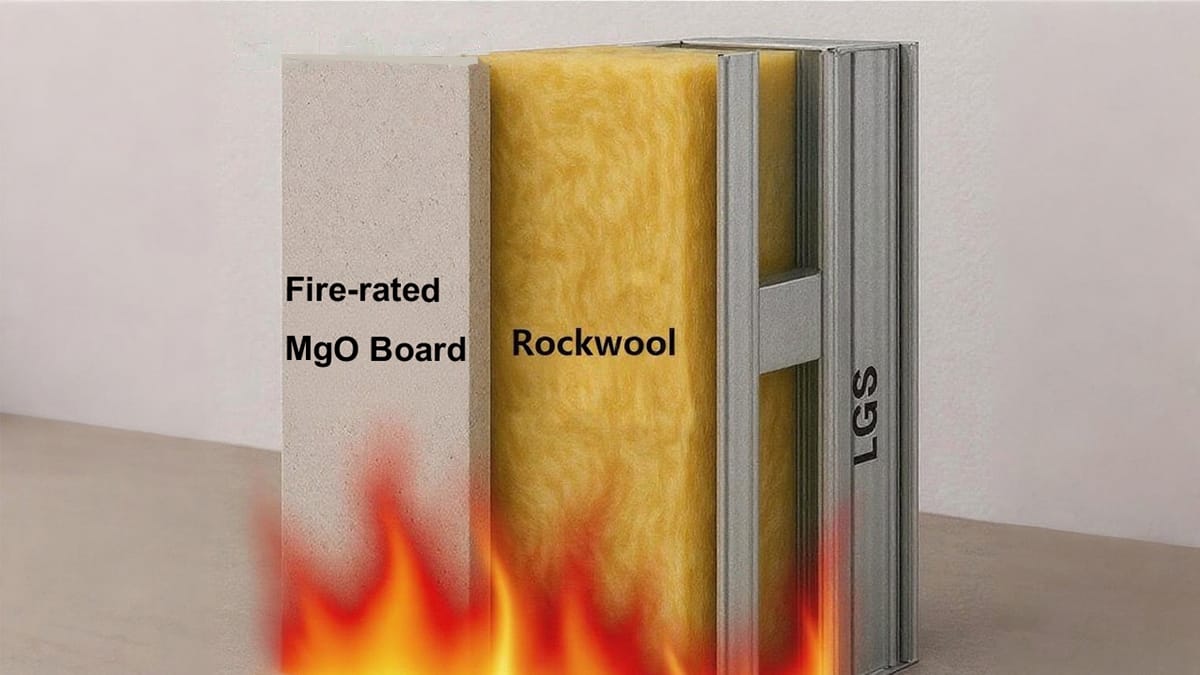
You want walls that protect you from fire. Magnesium wall board gives you high fire resistance. Mgo board does not catch fire or burn. You can trust mgo board to keep its shape even when temperatures reach 1200°C. In fire tests, mgo board stays strong for up to four hours. You see mgo board pass tough standards like ASTM E84 and ASTM E119. These tests show mgo board has zero flame spread and zero smoke index. Mgo board does not let flames grow. It does not release harmful gases when exposed to heat.
Mgo board uses minerals like perlite and vermiculite. These minerals help block heat and stop fire. You find mgo board ideal for fire-rated walls and ceilings. Builders use mgo board in homes and offices because it meets strict building codes. You get peace of mind knowing mgo board gives you high fire resistance and strong fire performance.
Mgo board withstands temperatures up to 1200°C.
Mgo board maintains its structure for four hours during a fire.
Mgo board passes 1-hour and 2-hour fire tests.
Mgo board does not emit dangerous gases.
Mgo board is ideal for fire-rated walls and ceilings.
Attribute | Description |
|---|---|
Non-combustible | Mgo board does not catch fire or burn. |
High heat stability | Mgo board keeps its shape under extreme heat. |
Zero flame spread index | Mgo board has zero flame spread and smoke index in ASTM E84 tests. |
Fire test performance | Mgo board passes 1-hour, 2-hour, and 4-hour fire tests. |
No harmful gas emission | Mgo board does not release dangerous gases at high temperatures. |
Composition | Mgo board uses perlite, vermiculite, and glass fiber mesh for fire safety. |
Fiberboard Fire Resistance
Fiberboard gives you some fire resistance, but it does not match mgo board. You see fiberboard made from wood fibers and glue. Fiberboard can burn and weaken quickly when exposed to heat. In fire resistance comparison tests, fiberboard does not last as long as mgo board. Fiberboard is classified under Class C and sometimes Class B for flame spread ratings. Class C fiberboard has a flame spread rating of 76 to 200. Class B fiberboard has a rating of 26 to 75. These ratings show fiberboard lets flames spread faster than mgo board.
Class | Flame Spread Rating |
|---|---|
C | 76 – 200 |
B | 26 – 75 |
Fiberboard is classified under Class C with a flame spread rating of 76 to 200.
Some fiberboard can be Class B with a rating of 26 to 75.
Fiberboard burns faster than mgo board.
Fiberboard does not keep its shape in high heat.
Fiberboard is not ideal for fire-rated walls.
Some people think fiberboard is more flammable than other insulation. You should know that wood fiber insulation can have a Class A flame and smoke spread rating. Fiberboard does not absorb moisture easily, but it does not resist fire as well as mgo board.
Practical Implications for Fire Safety
You want to keep your home or building safe from fire. Magnesium wall board vs fiberboard shows you clear differences in fire resistance. Mgo board gives you high fire resistance and strong fire performance. You can use mgo board in places where fire risk is high. Mgo board is ideal for fire-rated walls and ceilings. You get better protection because mgo board does not burn, weaken, or release harmful gases.
Fiberboard works in dry places with low fire risk. You should not use fiberboard where you need fire-rated protection. Fiberboard lets flames spread faster and does not keep its shape in a fire. When you compare fire resistance, mgo board is the best choice for safety.
Tip: Choose mgo board for fire-rated walls and ceilings. You get strong fire resistance and peace of mind.
You see that mgo board is highly suitable for fire-rated applications in homes and offices. Mgo board does not help flames grow. Its minerals and non-combustible binder prevent burning or weakening in long fires. Fiberboard gives you design options, but mgo board gives you safety.
Material | Fire Resistance Comparison | Fire Performance | Fire-Rated Use |
|---|---|---|---|
Mgo Board | High fire resistance, does not burn | Excellent, passes tests | Ideal for fire-rated walls |
Fiberboard | Lower fire resistance, burns faster | Moderate, fails long tests | Not ideal for fire-rated walls |
You want the best fire protection. Magnesium wall board vs fiberboard shows mgo board leads in fire resistance and fire performance. You get safety, durability, and peace of mind with mgo board.
Water Resistance: Magnesium Wall Board vs Fiberboard
Magnesium Wall Board Water Resistance
 Magnesium Wall Board Water Resistance
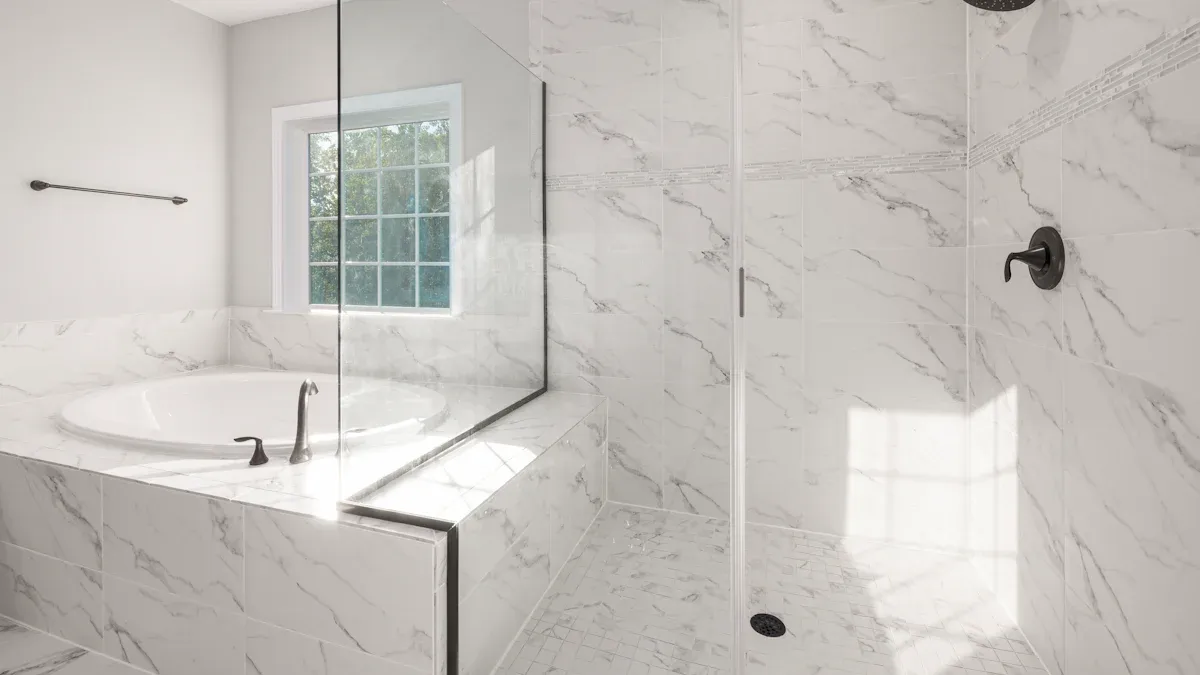
You want walls that do not get weak from water. Magnesium wall board is great at stopping water. Mgo board does not soak up water. It stays strong and keeps its shape. You can use mgo board in wet places like bathrooms and kitchens. Mgo board stops mold and mildew. This helps keep the air inside clean. You do not have to worry about swelling or cracking. Mgo board protects your walls from water damage. It also helps you spend less on repairs.
Mgo board needs little care.
Keep surfaces dry and check for damage.
Mgo board works well in wet places.
It stops mold and water problems.
You must finish mgo board so water does not touch it.
Material Type | Structural Integrity Impact | |
|---|---|---|
Magnesium Oxide Boards | Naturally hydrophobic, resisting water penetration and maintaining stability. | Prevents swelling, cracking, or softening. |
Fiberboard Water Resistance
Fiberboard does not do as well as mgo board with water. Fiberboard is made from wood fibers and glue. It soaks up water and can get bigger and weaker. If fiberboard gets wet for a long time, it may crack or break. You need to seal fiberboard to help it block water. Fiberboard is best in dry places. Do not use fiberboard in rooms with lots of water or moisture.
Material Type | Moisture Resistance | Structural Integrity Impact |
|---|---|---|
Fiber Cement Boards | More susceptible to moisture absorption due to cellulose fiber content. | Can lead to cracking or spalling if not sealed. |
Fiberboard soaks up water and can swell.
You need to seal fiberboard to help it block water.
Fiberboard may crack or get weak in wet places.
Fiberboard is not good for bathrooms, kitchens, or basements.
Real-World Applications
You want to pick the right wall board for each room. Magnesium wall board vs fiberboard shows big differences in water resistance. Mgo board is best for wet places like bathrooms, basements, and kitchens. It protects against mold, mildew, and water damage. Mgo board helps keep the air clean and lowers repair costs.
Best for wet places.
Stops mold, mildew, and water damage.
Must be finished so water does not touch it.
Application Area | Description |
|---|---|
Bathrooms | Suitable for dry areas of bathroom partitions, ensuring proper ventilation and waterproofing. |
Basements | Can be used for partition walls, but requires ventilation and waterproofing. |
Kitchens | Ideal for areas not in direct contact with water, providing moisture resistance. |
Fiberboard works best in dry rooms. You can use fiberboard for furniture or wall panels in places without much water. Mgo board gives you better water protection. You get stronger walls and fewer repairs. You keep your home safe and the air clean when you use mgo board in wet rooms.
Tip: Use mgo board in places with water or lots of moisture. You get strong walls and less work fixing them.
Sustainability of Magnesium Oxide Board and Fiberboard
Environmental Impact of Magnesium Wall Board
You might wonder how building materials affect nature. When you look at mgo board and fiberboard, you see big differences. Mgo board uses minerals from the earth. It is made in a way that is good for the planet. Making mgo board does not release much carbon. It even traps some CO2 while it dries. This makes mgo board very eco-friendly. Mgo board does not let out bad chemicals. It lasts a long time, so you do not need to replace it often. This means less trash. Mgo board helps keep the air inside clean because it does not give off VOCs.
Picking mgo board helps you make a green and healthy place.
Feature | Magnesium Wall Board (MgO) | Fiberboard |
|---|---|---|
Composition | Natural materials | Synthetic materials |
VOCs | Low or none | Higher levels possible |
Environmental Impact | Recyclable, low carbon | Less eco-friendly |
Environmental Impact of Fiberboard
Fiberboard affects nature in other ways. It is made from wood fibers and man-made glue. Making fiberboard uses chemicals that can hurt the earth. Fiberboard can let out VOCs, which are bad for air inside. Recycling fiberboard is hard because of the chemicals in it. Most fiberboard ends up in dumps, which is not good for the planet. New ways to get rid of fiberboard, like burning, can make toxic smoke.
Fiberboard has man-made glue and chemicals.
Recycling fiberboard is hard.
Fiberboard can let out bad VOCs.
Getting rid of fiberboard can hurt the earth.
Sustainability and Recycling
You want to pick materials that help the planet. Mgo board stands out because it uses natural things and is easy to recycle. Making mgo board does not make much waste. Mgo board has a small carbon footprint and is better when you throw it away. Fiberboard is hard to recycle because it has many parts. Mgo board meets green building rules and has important safety certificates.
Magnesium cements have less carbon.
Mgo board is green and can be recycled.
Fiberboard is hard to recycle and can harm nature.
Mgo board helps keep air clean with its eco-friendly makeup.
Tip: If you want to build something strong and green, mgo board gives you more eco-friendly benefits than fiberboard.
Certification Type | Description |
|---|---|
Environmental Management System | ISO 14001:2015, GB/T24001-2016 |
Quality Management System | ISO 9001:2015, GB/T19001-2016 |
FSC-COC Certification | Forest Stewardship Council Chain of Custody Certification |
China Environmental Labeling Certification | Meets Chinese green standards |
You can see the main features of mgo board and fiberboard when you look at how they affect nature. Mgo board gives you green, eco-friendly, and sustainable choices for your building needs.
Summary: Which Material Is Best?
Key Takeaways
 Key Takeaways
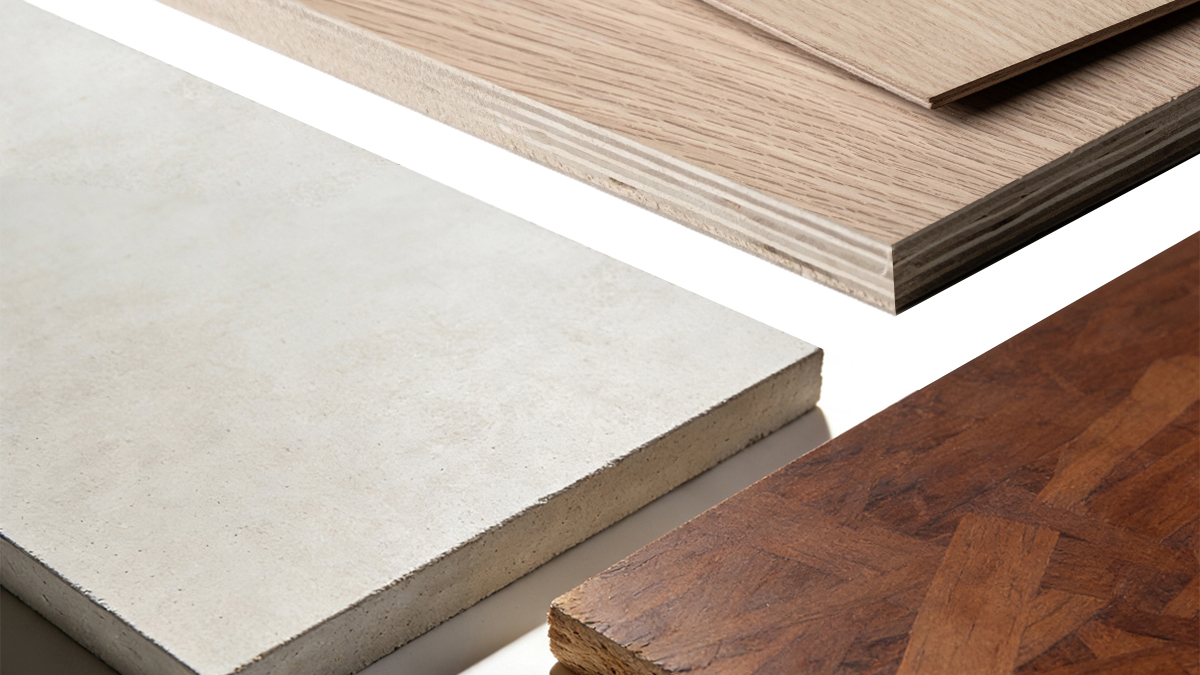
You want to pick the right material for your project. Magnesium wall board and fiberboard are very different. Mgo board is strong against fire and water. Fiberboard works best in dry rooms. It does not do well with fire or water. Mgo board is better for the planet. It uses minerals and can be recycled. Mgo board helps keep the air clean and makes less trash. Safety is important when you choose a wall board. Mgo board keeps you safer in places with fire or water.
Best Uses for Each Material
Pick the material that fits your needs. Mgo board is good for places with fire or water risk. Use mgo board in bathrooms, kitchens, basements, and fire-rated walls. Fiberboard is good for furniture and dry wall panels. It works well in rooms with little moisture. You can shape fiberboard for cool designs. The table below shows the main points:
Factor | Magnesium Wall Board (MgO) | Fiberboard |
|---|---|---|
Fire Resistance | Superior | Moderate |
Moisture Resistance | Excellent | Low |
Sustainability | High | Moderate |
Safety Considerations | Best for fire and water | Best for dry, low-risk |
Tip: Pick mgo board for safe and green projects. Use fiberboard for cheap, dry, and creative uses.
Cost and Installation Factors
You want to know how much each board costs. Mgo board costs about $1.50 to $3.00 per square foot. Fiberboard is cheaper than mgo board. Mgo board saves money over time because it lasts longer. You use simple tools to install mgo board. You must let mgo board get used to the room before installing. Seal the joints and watch out for moisture, especially in cold places. Fiberboard is light and quick to install. It may need more repairs later. Mgo board often has warranties for 1 to 10 years. This gives you extra peace of mind.
Mgo board protects against fire and water.
Fiberboard is easy to put in and costs less.
Mgo board needs careful work to install right.
Note: Mgo board gives you better safety and is better for the planet. Fiberboard saves you money at first.
You see that mgo board leads in fire resistance, water protection, and sustainability. When you choose mgo board, you get strong walls that last and keep you safe. Use mgo board in bathrooms, kitchens, and humid places. Pick mgo board for fire-prone zones and outdoor spaces. Mgo board works well in commercial buildings and homes. You find mgo board ideal for schools and hospitals. Mgo board gives you better air quality and less maintenance. Fiberboard fits dry rooms and budget projects. Always match your choice to your needs and ask experts for advice.
Material Type | Climate | Key Features |
|---|---|---|
mgo board | Humid | Moisture-resistant, mold-resistant, fire-safe |
Fiberboard | Dry | Affordable, easy to shape, good for design |
Mgo board protects you in high-risk areas.
Mgo board supports green building trends.
Mgo board meets strict safety standards.
Tip: You make your space safer and healthier when you choose mgo board for your next project.
FAQ
What makes mgo board better than fiberboard for fire safety?
You get stronger fire protection with mgo board. Mgo board does not burn or release harmful smoke. Fiberboard can catch fire quickly. Builders use mgo board in places where fire safety matters most.
Can you use mgo board in wet areas like bathrooms?
Yes, you can use mgo board in bathrooms and kitchens. Mgo board does not soak up water. You avoid mold and swelling. Mgo board keeps your walls strong in places with lots of moisture.
Is mgo board safe for indoor air quality?
You breathe easier with mgo board. Mgo board does not release VOCs or toxic chemicals. You get cleaner air inside your home. Mgo board helps you create a healthy space for your family.
How do you install mgo board compared to fiberboard?
You install mgo board with basic tools. Mgo board needs sealing at joints. You let mgo board adjust to room temperature before installing. Fiberboard is lighter, but mgo board lasts longer and needs fewer repairs.
Can you recycle mgo board after use?
You help the planet when you recycle mgo board. Mgo board uses natural minerals. You can reuse or recycle mgo board easily. Fiberboard is harder to recycle because of glue and chemicals.
Tip: Choose mgo board for safer, greener, and longer-lasting walls.
Feature | mgo board | Fiberboard |
|---|---|---|
Fire Resistance | Excellent | Moderate |
Water Safety | Superior | Low |
Air Quality | Healthy | Less healthy |
Recycling | Easy | Difficult |