
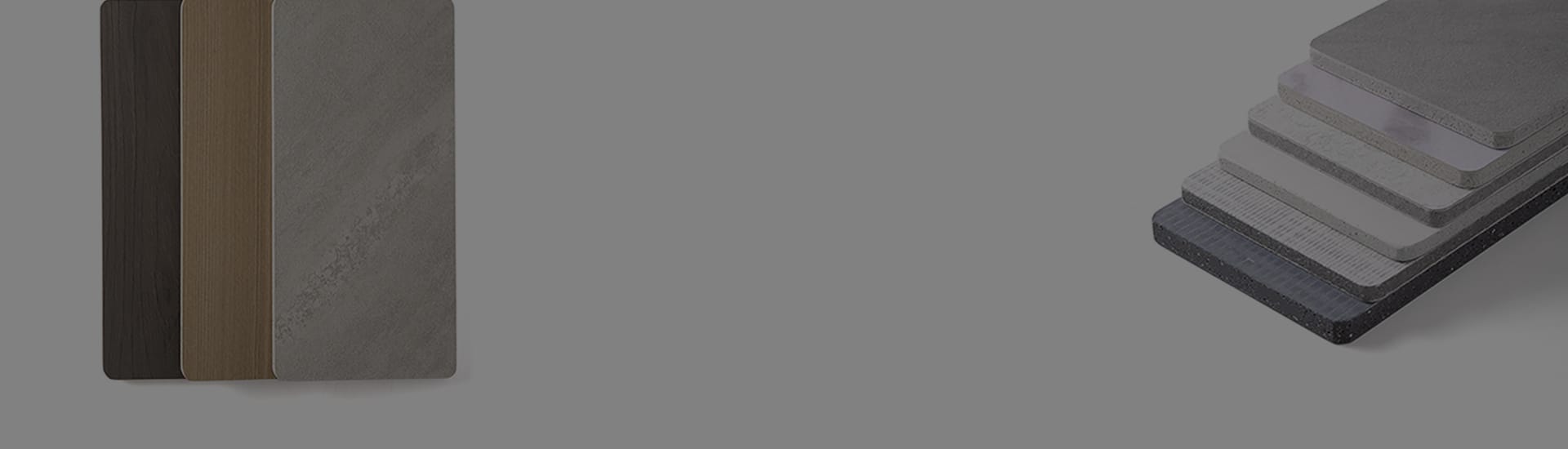

01 Feb What Is Magnesium Wall Board and How Is It Used in Modern Construction
You use magnesium wall board in building for strong safety. It protects against fire, mold, and water. This board stays cool when there is a fire. It does not burn up to 800°C. It lets out water vapor to slow down flames. It passes the best fire safety tests. You can put it on walls, ceilings, floors, roofs, or sides of buildings. The table below shows how magnesium wall board is better than other boards for fire safety.
Board Type | Flame Spread Index | EN 13501-1 Rating | Fire Performance Details |
|---|---|---|---|
Magnesium Sulfate | 0 to 25 | A1 (Non-combustible) | Handles heat up to 1200°C; FSI 0; Low smoke; Passes ASTM E136 |
Gypsum Boards | Moderate | Class A to C | Up to 4 hours; moderate spread; needs extra treatment |
Cement Boards | Lower | Lower than MgO | Less effective protection |
Key Takeaways
Magnesium wall board does not burn. It can handle heat up to 1200°C. This makes it a safe building material.
This wallboard does not grow mold. It does not get damaged by water. It works well in bathrooms and kitchens. It is good for places that get wet.
Mgo wall board is light. It is simple to put up. Builders can finish faster. They do not need special tools.
Using magnesium wall board is good for the planet. It makes less pollution. You can recycle it when you are done.
Magnesium wall board costs more at first. But it lasts a long time. It does not need much fixing. This saves money later.
What Is Magnesium Wall Board
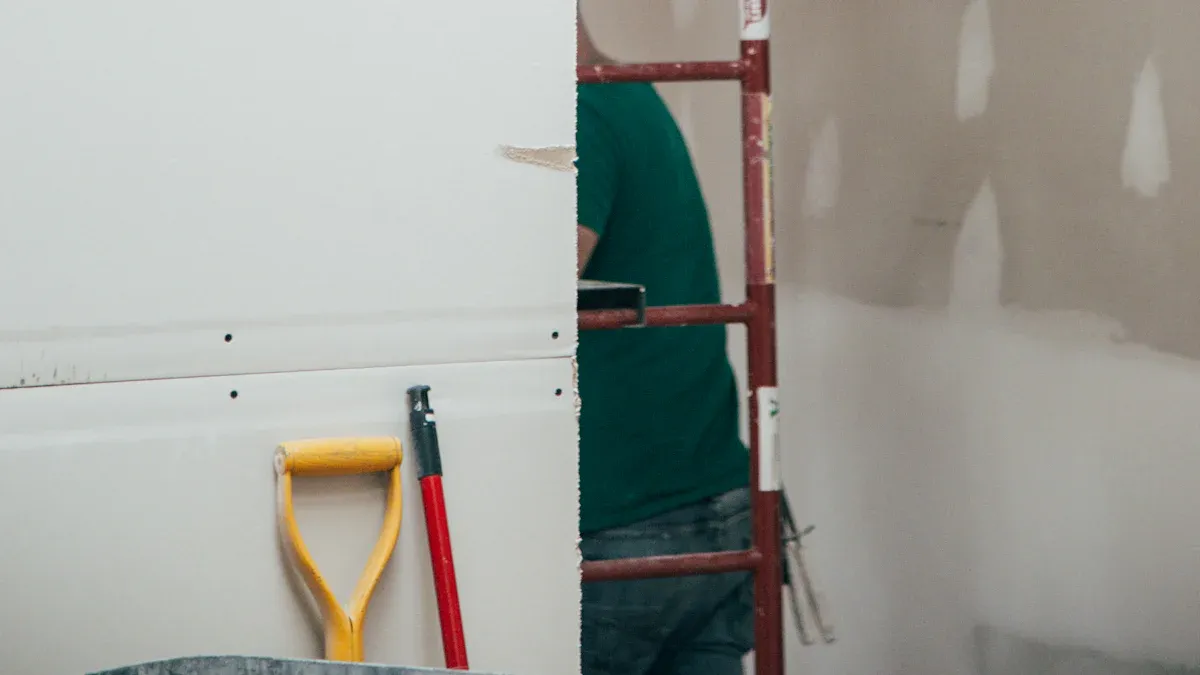
Definition and Key Properties
Magnesium wall board has many names. People call it magnesium oxide wallboard, mgo wall board, magnesium oxide board, or magnesia board. All these names mean the same thing. In Asia, builders use magnesia cement boards frequently. Some buildings in the 2008 Summer Olympics utilized this board. In the United States, it is popular in places like Florida, New York, and New Jersey. These states use it because it stops mold and moisture.
Magnesium oxide wallboard was first made in China in the 1970s. Scientists wanted a strong and safe board for earthquakes and wet weather. Over time, mgo wall board spread to other countries. Now, you see it in many new buildings.
Magnesium oxide board has special features. It is fireproof, mold-proof, and good for the planet. Mgo wall board does not burn, even in high heat. It stays the same when the air is wet or dry. You can use it for many things because it is light and simple to put up. You can paint it or cover it with other finishes.
Here is a table that shows the main physical and chemical properties of mgo wall board:
Property | Description |
|---|---|
High melting point | Mgo has a melting point above 2800°C, so it resists heat very well. |
Excellent compressive strength | You can use it for load-bearing walls when engineered into board form. |
Lightweight structure | You can move and install it more easily than cement boards. |
Dimensional stability | It does not warp or shrink when humidity changes. |
Alkalinity | It naturally resists mold, mildew, and insects. |
Non-combustible | It meets fireproof standards worldwide. |
Compatibility | You can paint it or cover it with PVC films and other finishes. |
Durability | It stays stable and does not react much to normal conditions. |
This wallboard is safe, strong, and simple to use. These features make magnesium oxide board a smart pick for many building jobs.
Common Applications
You can use mgo wall board in many places. It is strong and safe, so people use it in homes and businesses. Here are some common ways you see magnesium oxide wallboard:
You see it in busy places like schools, hospitals, hotels, and offices. The wallboard does not break easily and keeps people safe from fire.
Builders use mgo wall board in bathrooms, basements, and kitchens. It does not let mold or water grow, so it is good for wet rooms.
You see it on inside and outside walls. The wallboard keeps buildings safe and looks nice.
Many ceilings use mgo wall board. It stops fire and gives a smooth look.
You can use it under floors. The wallboard stays dry and strong.
Tile workers use mgo wall board as a base in kitchens and bathrooms. It does not get ruined by water or heat.
Some builders use it for decoration. The wallboard helps keep heat inside and saves energy.
Mgo wall board is more than just strong. You can cut and shape it with normal tools. It works with most building systems. The wallboard has no asbestos or formaldehyde, so it is safe for people and the earth. If you need a wallboard that is fire safe, resists water, and is easy to put up, mgo wall board is a good choice.
Magnesium Oxide Wallboard Composition
 Main Ingredients
 Main Ingredients
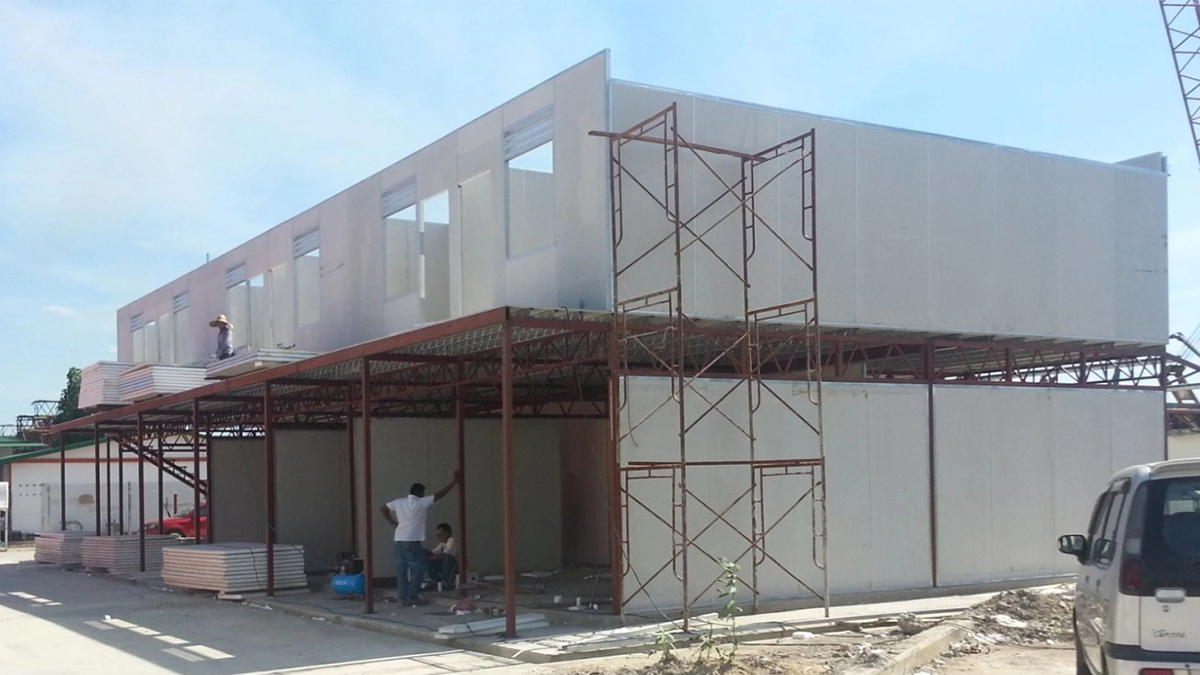
Magnesium oxide wallboard uses safe, natural materials. Each part helps the board work well and stay strong. The table below shows what goes into mgo and how each ingredient helps:
Ingredient | Role in Performance |
|---|---|
Magnesium Oxide (MgO) | Gives fire resistance, strength, and durability. |
Magnesium Chloride (MgCl2) | Holds everything together and keeps the board stable. |
Perlite | Makes the board lighter and helps with insulation. |
Wood Fiber | Adds strength and flexibility, so the board does not crack. |
Vermiculite | Helps with fire resistance by growing bigger when heated. |
Glass Mesh | Makes the board stronger and helps it last longer. |
Magnesium oxide wallboard does not have harmful chemicals. It has no asbestos, formaldehyde, or VOCs. This makes it safe for homes and businesses.
Manufacturing Process
Making mgo is easy and good for the planet. Workers mix magnesium oxide, magnesium chloride, and water. They add perlite, wood fiber, vermiculite, and glass mesh. The mixture goes into molds and gets pressed flat. The board dries at room temperature, which saves energy.
Tip: When the board dries, it traps carbon dioxide. This helps lower greenhouse gases and keeps the air cleaner.
This product uses fewer resources and less energy. Magnesium oxide wallboard can be recycled. You can reuse old boards and make less trash. The materials come from nature, so there are no toxic chemicals. Mgo is safe for landfills and does not harm the earth.
Magnesium oxide wallboard uses natural magnesium sulfate, which is good for the earth.
The board does not let out toxic gases, so indoor air stays safe.
Making the board uses little energy, which helps the planet.
Mgo does not burn, so it keeps people safe.
Magnesium oxide wallboard is special because it is safe and green. You pick mgo when you want a strong, safe, and eco-friendly building material.
Features and Benefits of MGO Wall Board
Fire and Moisture Resistance
Mgo wall board is very good at stopping fire and water. It works like a shield that does not burn. Even if there is fire for a long time, it stays safe. Scientists test it in labs to make sure. The board can handle heat up to 1200°C. In fire tests, flames do not spread on it. The board keeps its shape and does not get weak when wet. People use mgo wall board to protect homes and businesses.
Scientific Method | Findings Related to Chemical Structure and Heat Resistance |
|---|---|
X-ray Diffraction (XRD) | Changes to magnesium hydroxide when wet, which helps stop fire |
Thermo-gravimetric Analysis (TGA) | Shows how magnesium hydroxide forms, so it can take high heat |
SEM/EDS | Shows the board is strong and does not burn easily |
Magnesium boards are also great at stopping water. You can use mgo wall board in bathrooms, kitchens, and basements. It does not soak up water, so it is good for wet places. The table below shows how well it works with water:
Material | Moisture Resistance Rating | Performance in Wet Areas |
|---|---|---|
MgO Board | High | Works well even with lots of water |
Cement Board | Moderate | Good for wet places |
Gypsum Board | Low | Gets weak if wet for a long time |
Durability and Environmental Impact
Mgo wall board lasts a long time. It can stay strong for at least 33 years in normal weather. You can use it inside buildings or as a safe cover for walls. It does not burn, so it is good for safety. Mgo wall board does not let mold or bugs grow. It does not bend or break when wet. You get good protection for many years.
Magnesium boards are better for the earth. They make less pollution than gypsum board. When you make mgo wall board, less CO2 goes into the air. The table below shows how much less:
Material | CO2 Emissions (kg per ton) |
|---|---|
Magnesium Oxide Board | 340 |
Traditional Gypsum Board | 740 |
You can recycle mgo wall board. This means less trash goes to landfills. When you use mgo, you help keep the earth clean.
Drawbacks and Limitations
There are some things you should know about mgo wall board. It costs more at first than other wallboards. You might need more money for big jobs. If the board is not made right, it can sweat and rust. This can cause water problems and mold. You need workers who know how to put it in, especially in wet places. Some jobs need extra steps to keep mgo wall board dry.
Tip: Always check the mgo wall board before you use it. If you handle it right, you get the best fire and water safety.
Mgo wall board is easy to cut and put up. You do not need special tools like with cement boards. It gives good fire and water safety for many uses.
MGO Wall Board vs. Traditional Materials
Comparison with Gypsum Board
 Comparison with Gypsum Board
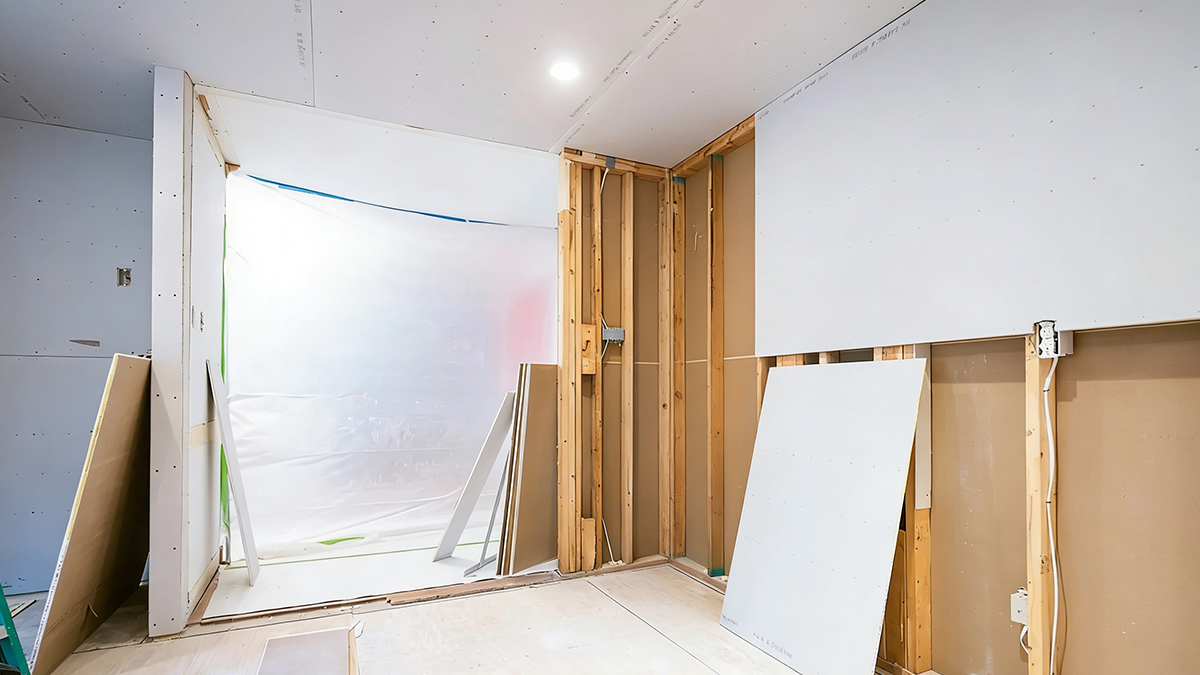
When you compare mgo wall board to gypsum board, you see big differences in safety and strength. Mgo wall board gives you better fire resistance. It does not burn, even in very hot fires. Gypsum board can slow down flames, but it struggles in intense heat. You get more protection with mgo wall board. If you use mgo, you also get a wallboard that stays strong in wet places. Gypsum board gets weak and soft when it absorbs water. Mgo wall board absorbs only a tiny amount of moisture, so it does not swell or fall apart.
Feature | Magnesium Oxide Wallboard | Gypsum Wallboard |
|---|---|---|
Fire Resistance | Slows fire, but less effective | |
High Temperature | Struggles in intense fires | |
Moisture Durability | Absorbs 0.34% moisture | Weakens in humidity |
Mgo wall board keeps you safe in emergencies. It does not release harmful fumes.
Gypsum board may need extra treatments to improve fire resistance.
Comparison with Cement Board
You might wonder how mgo wall board compares to cement board. Both types of wallboard offer good protection, but mgo wall board is lighter and easier to install. You can cut mgo wall board with regular tools. Cement board is heavier and harder to work with. Mgo wall board also gives you better fire resistance and stays strong in wet conditions. Magnesium boards do not bend or crack easily. Cement board can break if you handle it roughly. You get more flexibility with mgo wall board.
Tip: If you want a wallboard that is easy to shape and install, choose mgo wall board over cement board.
Cost and Performance
You pay more for mgo wall board at first, but you save money over time. Mgo costs about $1.50 to $2.50 per square foot. Gypsum board costs less, around $0.50 to $1.00 per square foot. Cement board is also cheaper than mgo wall board. The installation cost for mgo wall board is higher because it needs careful handling. You spend less on repairs and maintenance with mgo wall board. Magnesium boards last longer and do not need frequent replacement.
Cost Factor | MgO Boards | Gypsum Boards |
|---|---|---|
Initial Cost | Higher | Lower |
Maintenance | Low | Moderate |
Durability Savings | High | Low |
Environmental Impact | Lower | Higher |
You help the environment when you use mgo wall board. Mgo uses natural materials and is recyclable. Gypsum and cement boards have a bigger impact on nature. If you want a wallboard that lasts, protects, and saves money in the long run, mgo wall board is a smart choice.
Uses of Magnesium Wall Boards
Residential and Commercial Uses
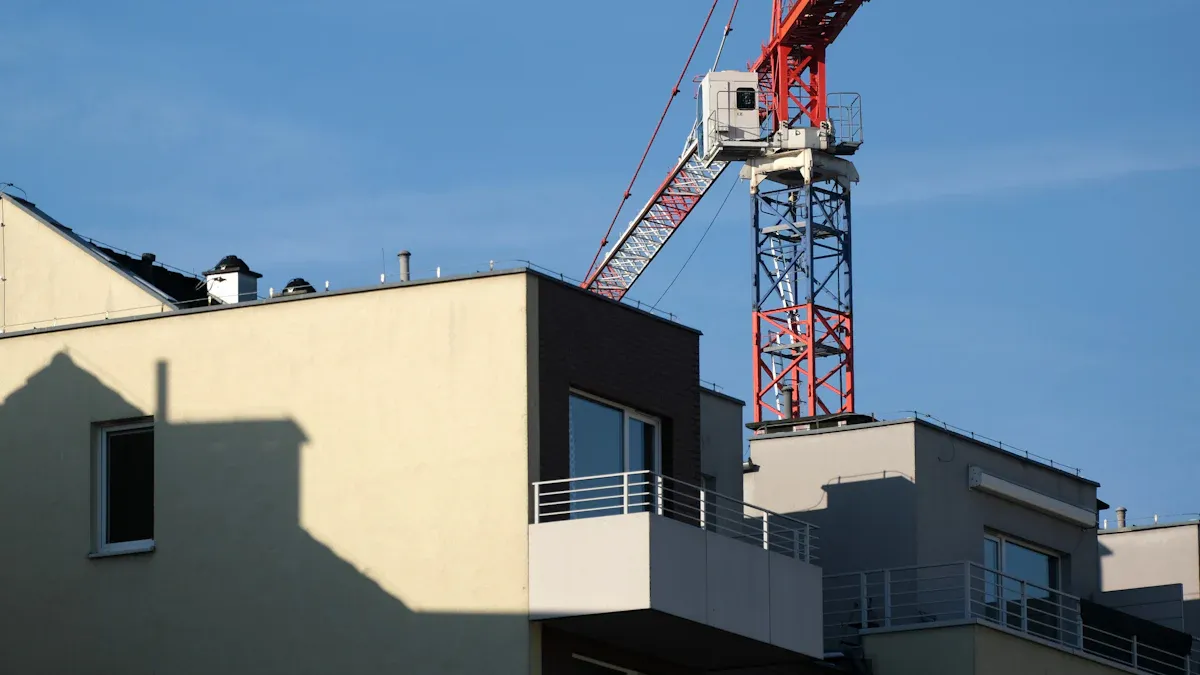
Mgo wall board is used in homes and businesses. Builders pick it because it stops fires and gives strong safety. You see it in living rooms, bedrooms, and hallways. It works well in kitchens and bathrooms since it blocks mold and moisture. Mgo wall board is good for ceilings and inside walls. Offices, schools, and hospitals use it to keep people safe and healthy. This wallboard does not let out bad chemicals. You can paint or finish it to fit any style. Mgo wall board is simple to put up, so building goes faster. You can cut and shape it with normal tools.
Specialty Applications (Subflooring, Roof Decking, Siding)
Mgo wall board has more uses in special places. It makes a strong base for subflooring. You get safety from fire, water, and bumps. Roof decking uses mgo wall board to protect buildings from heat and rain. Magnesium boards are used for siding and cladding. These boards shield buildings from weather and bugs. Mgo wall board is good for the earth and lasts many years. MagPanel MgO boards fight fungus, mold, mildew, and chemicals. You can trust mgo wall board for hard jobs.
Here are the main benefits of using mgo wall board for subflooring, roof decking, and siding:
Fire resistance keeps your building safe.
Moisture resistance stops water damage.
Durability means you do not need to replace boards often.
Eco-friendliness helps protect the environment.
You can use mgo wall board for cladding, siding, roofing, and subflooring.
You get a strong base that stands up to fire, moisture, and impact.
Installation and Maintenance Tips
You need to follow the right steps to install mgo wall board. It is easy to put up, but you should avoid mistakes. Store boards flat and let them get used to the room before using. Use fasteners that do not rust and spread joint compound evenly. Seal boards in wet places and keep them dry before sealing. Do not tighten screws too much to stop cracks and warping.
Here is a table that shows common installation errors and how you can prevent them:
Installation Error | Description | Prevention Strategies |
|---|---|---|
Moisture Absorption and ‘Sweating’ | Mgo wall board absorbs moisture, leading to surface droplets in humid conditions. | Use boards with lower chloride content, apply waterproof sealants, ensure good ventilation, avoid water exposure before sealing. |
Corrosion of Metal Components | Chloride ions from mgo wall board can corrode metal fasteners over time. | Choose low or zero chloride boards, use corrosion-resistant fasteners, apply protective coatings, store boards dry. |
Cracking and Warping | Caused by uneven drying, improper storage, or over-tightening screws. | Store boards flat, allow acclimation, avoid over-tightening, apply joint compounds evenly. |
You want your magnesium boards to last a long time. Check panels once or twice a year for cracks or chips, especially after storms. Clean mgo wall board with a damp cloth or mild soap. Do not use strong cleaners that can hurt the surface. Fix worn seams with new joint compound and sand them smooth. Check screws to make sure they are tight and not rusty. Put on primer or waterproof sealant in wet places every few years.
Tip: Regular care helps you get the most out of your mgo wall board. You keep your building safe and looking good.
Magnesium wall boards are used for many things in modern building. You get strong safety, easy setup, and results that last.
You have learned that magnesium wall board is safe and strong. It is also good for the environment. The board uses natural materials. It does not let out bad chemicals. Here are the main benefits you get:
It stops fire and is light to carry.
It has no formaldehyde or toxic glue.
You fix it less and it lasts longer.
Aspect | Magnesium Oxide Board | Gypsum/Fiber Cement Board |
|---|---|---|
Fire Safety | Better | Regular |
Environmental Impact | Less pollution | More pollution |
Choosing magnesium wall board helps your building and the earth.
FAQ
What tools do you need to cut magnesium wall board?
You can use a utility knife, hand saw, or circular saw. Always wear a dust mask and safety glasses. The board cuts easily, so you do not need special tools.
Is magnesium wall board safe for people with allergies?
Yes, magnesium wall board does not contain asbestos, formaldehyde, or VOCs. You get clean indoor air. People with allergies or asthma can use it safely.
Can you paint or tile over magnesium wall board?
You can paint, tile, or cover magnesium wall board with wallpaper. The surface holds paint and tile well. Always use primer before painting for the best results.
How does magnesium wall board handle extreme weather?
Magnesium wall board resists water, mold, and heat. You can use it in wet or hot places. The board does not warp or break in changing weather.
What is the lifespan of magnesium wall board?
You can expect magnesium wall board to last over 30 years. It stays strong and does not rot or get moldy. Regular checks help you keep it in good shape.