
21 Dec MgO Board Sheathing vs Fiberboard Sheathing Which Is the Superior Choice for Construction
When comparing MgO Board Sheathing vs Fiberboard Sheathing in building projects, you’ll often find that MgO board sheathing outperforms fiberboard sheathing in several key areas. MgO Board Sheathing vs Fiberboard Sheathing shows that MgO board offers superior fire, water, and mold resistance. Magnesium oxide sheathing is both strong and lightweight, making installation quicker and easier. While fiberboard sheathing has a lower upfront cost, MgO Board Sheathing vs Fiberboard Sheathing demonstrates that magnesium oxide sheathing provides more long-term benefits. MgO boards are more durable and require less maintenance over time. The table below highlights the differences between MgO Board Sheathing vs Fiberboard Sheathing for important features:
Feature | MgO Board Sheathing | Fiberboard Sheathing |
|---|---|---|
Fire Resistance | Superior | Moderate |
Moisture Resistance | Fully waterproof | Moisture-resistant |
Durability | High | Moderate |
Cost | Higher initial, better value | Lower initial |
Installation | Lightweight, easy | Heavy, more labor |
Environmental Impact | Cures CO2, eco-friendly | Higher emissions |
When deciding between MgO Board Sheathing vs Fiberboard Sheathing, consider your project’s needs. Magnesium oxide sheathing is ideal for safety and longevity, while fiberboard sheathing may be suitable for projects with a limited budget.
Key Takeaways
MgO board sheathing is very good at stopping fire and water. This makes it great for projects that need to be safe.
MgO boards cost more at first. But they last a long time and need little fixing, so you save money later.
Fiberboard sheathing costs less when you buy it. But it does not work well in places with lots of water or fire. This can mean you pay more later.
Pick MgO board if you need strong protection from mold and water. It works well in places like kitchens and bathrooms.
Think about what your project needs, like how much money you have and how it affects the environment, before you pick MgO or fiberboard sheathing.
Quick Comparison: MgO Board Sheathing vs Fiberboard Sheathing
Feature Summary Table
You might wonder how MgO Board Sheathing vs Fiberboard Sheathing work in real life. The table below lists important features for both materials. This makes it easy to spot the differences quickly.
Performance Aspect | MgO Board Sheathing | Fiberboard Sheathing |
|---|---|---|
Weight | Lightweight, easy to handle | Heavier, especially high-density |
Thermal Insulation | Excellent, energy-efficient | Decent, less effective |
Soundproofing | Some soundproofing | Excels in sound absorption |
Strength & Flexibility | Strong, flexible, resists cracking | Rigid, prone to damage |
Fire Resistance | Good, but less than mgo board | |
Moisture Resistance | Excellent, does not absorb water | Susceptible to moisture |
Durability | Resists insects, mold, mildew | Prone to cracking, needs maintenance |
You can compare MgO Board Sheathing vs Fiberboard Sheathing side by side. Magnesium oxide sheathing is great for fire and water resistance. Fiberboard sheathing is better at blocking sound.
Key Pros and Cons
Looking at the good and bad sides helps you pick the right sheathing. Here are the main things builders talk about when they compare MgO Board Sheathing vs Fiberboard Sheathing:
Advantages of mgo board sheathing:
Mgo board is light, so it is easy to put up.
Magnesium oxide sheathing keeps out fire, mold, and rot. This makes buildings safer.
Mgo board bends without breaking. It stays strong.
Magnesium oxide sheathing is better for the planet. It makes less pollution.
Mgo boards last a long time and need little fixing.
Disadvantages of mgo board sheathing:
Mgo board costs more at first.
Some mgo boards need special nails or screws.
Advantages of fiberboard sheathing:
Fiberboard sheathing is cheaper at the start.
It blocks sound very well.
Disadvantages of fiberboard sheathing:
Fiberboard is heavy and harder to put up.
It needs extra sealing to keep out water.
Fiberboard cracks and breaks more easily.
Tip: If you want the best protection from fire and water, magnesium oxide sheathing is the best pick. If you care most about blocking noise, fiberboard sheathing is better.
When you look at mgo vs fiber cement boards, magnesium oxide sheathing often wins for fire and water safety. Mgo board is also stronger and bends more. The main features of mgo board and fiberboard show mgo board is a tough choice for many jobs. The good and bad sides of each help you choose what fits your project. Mgo boards are smart for safety and lasting use. Mgo vs fiber cement boards is a common topic, but magnesium oxide sheathing has more benefits. You should think about mgo vs fiber cement boards when picking sheathing. Mgo vs fiber cement boards also matters for the planet. Mgo vs fiber cement boards can change how safe and long your building lasts. Builders talk about mgo vs fiber cement boards a lot. Magnesium oxide sheathing is a top pick if you want strong, safe, and long-lasting sheathing.
Material Overview and Properties
 What Is MgO Board Sheathing?
 What Is MgO Board Sheathing?
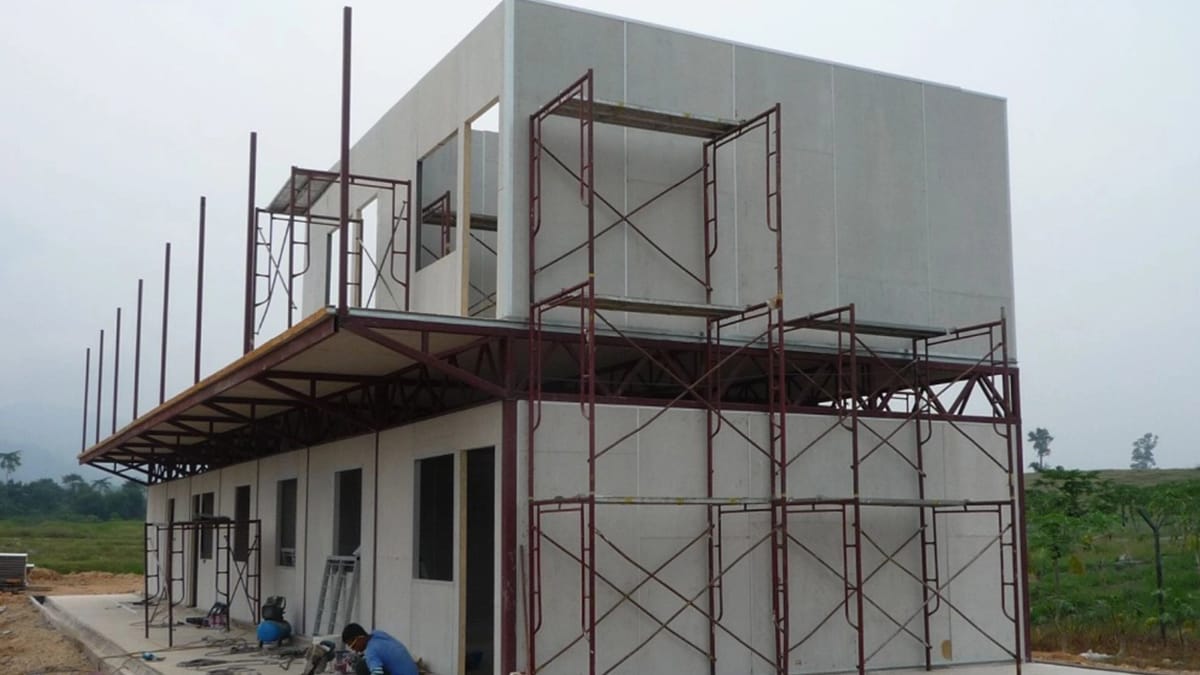
MgO board is a new material for building walls. It is made from magnesium and oxygen. Factories mix MgO powder with water and fibers. They press this mix into flat boards. The boards dry at room temperature, so it saves energy. MgO board is light and strong. You can cut it easily. It does not burn, get wet, or grow mold. MgO board does not bend or swell when wet. You can use it in damp places or where fire safety matters. MgO boards last a long time and need few repairs.
Here is a table that shows the main properties of magnesium oxide sheathing:
Property | Description |
|---|---|
It does not burn or make bad gases when hot. | |
Moisture Resistance | It does not wrinkle or swell from water. It works well in wet places. |
Durability and Strength | It is tough and does not crack. It lasts many years. |
Thermal Insulation | It helps keep rooms warm or cool. |
Soundproofing | It blocks noise because it is thick. |
What Is Fiberboard Sheathing?
Fiberboard sheathing is made from wood pulp and plants. It can have bark, grass, hemp, or old newspaper. Factories use water or heat to make fiberboard. They add wax or resin to hold the fibers together. These things change how strong or waterproof the board is. Fiberboard is heavier than MgO board. It blocks sound well but does not stop water or fire as much.
Fiberboard uses wood pulp, sawdust, and plant fibers.
The way it is made changes its strength and waterproofing.
It blocks sound but needs help to keep out water.
Core Properties Compared
MgO board and fiberboard are different in many ways. MgO board stops fire and water very well. It stays strong and does not crack or bend. It does not let mold grow because it is not made from plants. Fiberboard blocks sound but needs sealing to stop water. Each material has good and bad sides. If you want safety and long life, pick MgO board. If you want to save money and block noise, fiberboard works. Always check the good and bad sides before you choose.
Durability and Structural Strength in Construction
Load-Bearing and Flexibility
When picking sheathing, you want it to be strong. MgO board is strong and can bend a little. You can use magnesium oxide sheathing for walls, floors, and roofs. The panels hold heavy things without breaking or bending. MgO board helps keep buildings safe and steady. You can cut and shape mgo board to fit many designs. Fiberboard sheathing is not as strong as mgo board. It is stiff and can snap if pushed too hard. Magnesium oxide sheathing bends a bit but goes back to normal. This helps it not break when hit. Mgo board works better for buildings that move or settle.
Tip: Magnesium oxide sheathing is best if you need sheathing that can move and hold heavy things.
Longevity and Resistance to Damage
You want sheathing that lasts a long time and keeps your building safe. MgO board is known for being tough. Magnesium oxide sheathing does not get ruined by water, bugs, or fire. You do not need to add chemicals or extra layers. Mgo board lasts long, so you fix it less and save money. MgO board does not rot or get eaten by termites. It stays strong for many years. Magnesium oxide sheathing does not bend or shrink. The panels stop mold and mildew, so your building is healthier. Studies show mgo board might get small marks on the outside, but the inside stays strong. Mgo board is made to last a long time. Fiberboard sheathing is not as tough. It can crack, swell, or break if it gets wet or bugs get in. You have to fix fiberboard more often. Magnesium oxide sheathing is easy to take care of and stays strong for years.
Sheathing Type | Durability Features | Structural Performance | Advantages | Disadvantages |
|---|---|---|---|---|
MgO Board | Resists moisture, pests, fire, mold | High load-bearing, flexible | Long-lasting, low upkeep | Higher initial cost |
Fiberboard | Needs sealing, prone to damage | Rigid, less flexible | Lower cost, soundproofing | Needs frequent repairs |
Magnesium oxide sheathing gives you better strength and lasts longer. MgO board helps you build buildings that are safe and strong for many years.
Fire and Moisture Resistance: MgO vs Fiberboard
Fire Performance
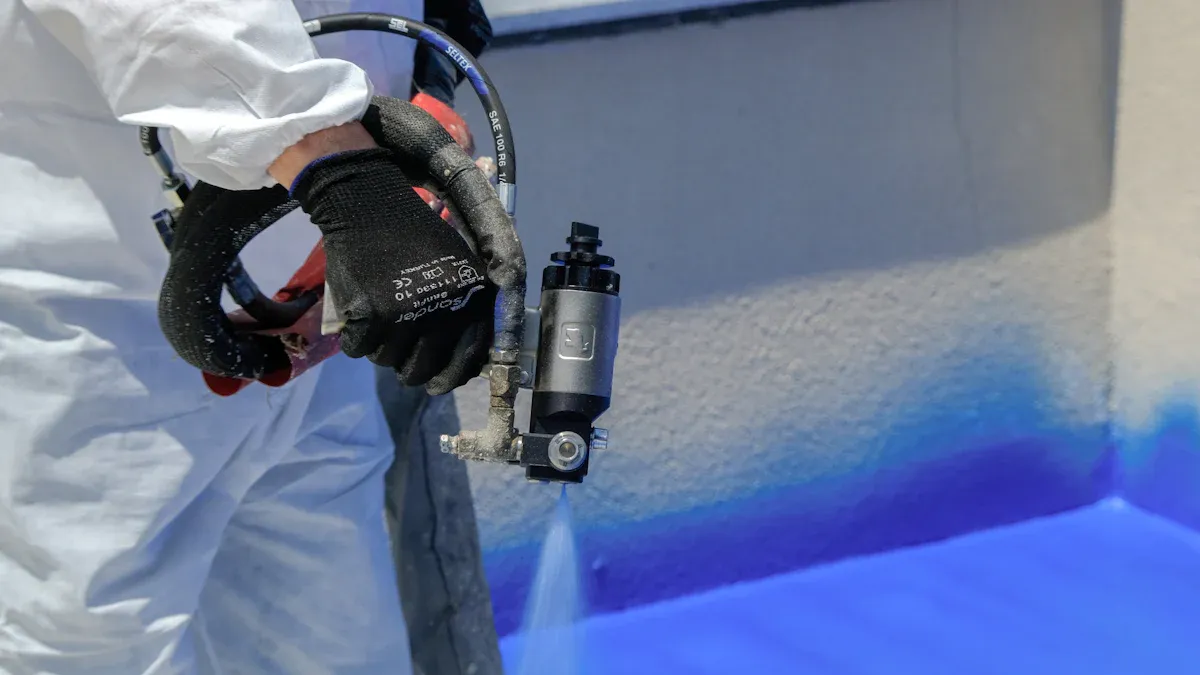
Magnesium oxide sheathing is great for fire safety. It helps keep buildings safe if there is a fire. MgO board works very well in fires. Building codes say mgo board is A1 non-combustible. It can protect for up to 4 hours in a fire. Fiberboard sheathing does not have a fire rating. This means fiberboard cannot protect as well as mgo board. Magnesium oxide sheathing gives strong fire protection. Mgo board does not burn or make toxic smoke. You can use mgo board where fire safety is needed. Fiberboard sheathing is not good for fire safety. It can catch fire and break down fast. If you need strong fire protection, pick magnesium oxide sheathing.
Material | Fire Resistance Rating |
|---|---|
MgO Board | A1 non-combustible, up to 4 hours |
Fiberboard Sheathing | N/A |
Tip: Use magnesium oxide sheathing for the best fire safety.
Moisture and Mold Protection
Moisture resistance and mold protection help buildings last longer. Magnesium oxide sheathing does not get damaged by water. Mgo board does not swell, warp, or break after getting wet. You can leave mgo board in rain or snow for 180 days. It will not get ruined. Fiberboard sheathing soaks up water if it gets wet. It can lose 25% of its strength after 6 hours in water. This makes fiberboard less good in wet places. Magnesium oxide sheathing also stops mold from growing. Mgo board does not let mold grow, even when it is damp. Fiberboard sheathing can get mold if it stays wet. Mold can hurt your building and your health. You want sheathing that keeps mold away. Magnesium oxide sheathing gives strong mold protection and keeps buildings safe.
Sheathing Type | Moisture Absorption | Mold Resistance |
|---|---|---|
MgO Board | Excellent; does not swell, warp, or fall apart after wet and dry cycles | Superior; does not promote mold growth |
Fiberboard | Soaks up water if exposed for too long; loses strength quickly | Vulnerable; can promote mold growth if damp for extended periods |
Sheathing Type | Moisture Absorption | Mold Resistance |
|---|---|---|
MgO Board | Can be exposed to rain or snow for up to 180 days without damage | High resistance to mold growth |
Fiberboard | Can lose 25% strength after just 6 hours of soaking | Mold can grow if damp for extended periods |
Note: Magnesium oxide sheathing is better for moisture and mold protection. You get stronger and longer-lasting sheathing with mgo board. Fiberboard sheathing does not work as well when wet or moldy.
Environmental and Health Impact
Sustainability and Eco-Friendliness
It is good to pick sheathing that helps the Earth. Magnesium oxide sheathing is better for the environment. When you use mgo board, you make less pollution. Factories use less energy to make mgo board because they use lower heat. Some mgo boards even take in carbon dioxide when they dry. This helps clean the air. You can recycle mgo board after you finish using it. Fiberboard sheathing is made from wood fibers. This means trees are cut down to make it. If people do not plant new trees, forests can get smaller. Mgo board does not need wood, so you help save trees. Mgo board lasts longer and does not get ruined by water. You do not have to replace it as much. This means you throw away less old sheathing.
Picking magnesium oxide sheathing is good for green building and helps the planet for a long time.
Indoor Air Quality and Safety
You want clean air inside your house or school. Magnesium oxide sheathing does not let out bad chemicals. You do not have to worry about formaldehyde or other harmful gases. Mgo board keeps the air safe to breathe. This is important for places where people spend a lot of time. Fiberboard sheathing can let out chemicals if it uses some glues. You might smell something bad or worry about your health with fiberboard. Mgo board also stops mold because it does not soak up water. Mold can make people sick or cause allergies. Mgo board helps keep your building healthy. Magnesium oxide sheathing makes you feel safe about the air and your health. It is also strong and does not get ruined by water, so you fix it less and have less mold.
Feature | Magnesium Oxide Sheathing | Fiberboard Sheathing |
|---|---|---|
Recyclable | Yes | Sometimes |
VOC Emissions | None | Possible |
Mold Resistance | Excellent | Poor |
Moisture Resistance | Superior | Low |
Durability | High | Moderate |
Tip: If you want the cleanest air and safest building, pick magnesium oxide sheathing. It works well, keeps out water, and lasts a long time.
Cost and Installation Factors
Material and Labor Costs
 Material and Labor Costs
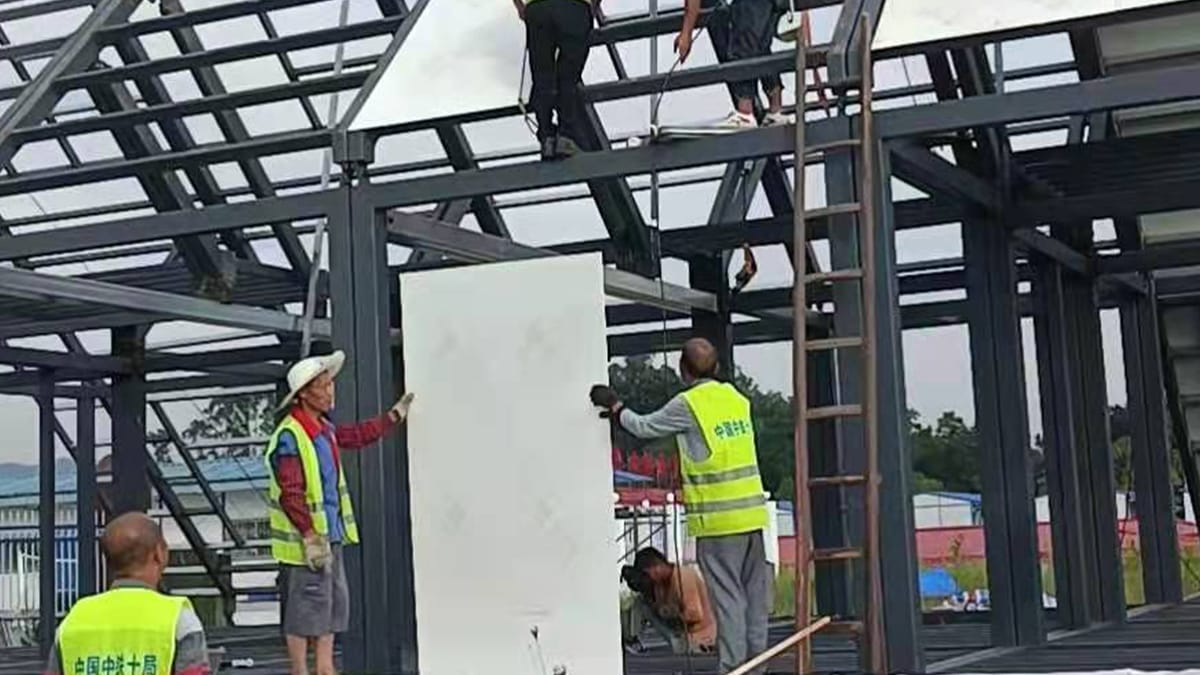
It is important to know what sheathing costs. Mgo board costs more than fiberboard at first. Magnesium oxide sheathing uses special materials, so it costs extra. You pay more for mgo board, but it lasts longer. You do not need to fix or replace mgo board often. This saves you money over time. Fiber cement board installation costs less at the start. If you have a small budget, you might pick fiberboard. Magnesium oxide sheathing gives more value because it protects better. You spend less fixing water or fire damage with mgo board.
Here is a table that lists some challenges and needs for mgo board and fiber cement board installation:
Challenge/Requirement | Description |
|---|---|
Mgo sheathing costs more at first than other materials. | |
Limited Market Awareness | Not everyone knows about mgo sheathing, so some builders hesitate. |
Variability in Product Quality | Mgo sheathing can work differently depending on how it is made. |
Availability and Supply Chain Considerations | Mgo sheathing is not always easy to find, so you must plan ahead. |
Installation Learning Curve | Builders may need to learn new skills to install mgo board well. |
Installation Ease and Handling
You want sheathing that is simple to put up. Mgo board is light, so you can carry it easily. Magnesium oxide sheathing is easy to cut with basic tools. You must be careful not to crack mgo board. Use the right tools for fiber cement board installation. Some builders need training to install mgo board correctly. Magnesium oxide sheathing sometimes needs special screws. Fiber cement board installation can take longer because the boards are heavy. Fiberboard sheathing is hard to move and install because it weighs more. Magnesium oxide sheathing helps you work faster and safer if you follow the right steps. You get better results when you use mgo board and install fiber cement board the right way.
Tip: Plan ahead for magnesium oxide sheathing delivery and storage. This helps you avoid delays and keeps your project moving.
Be gentle with mgo board so it does not crack.
Use the correct tools for fiber cement board installation.
Buy mgo board from a trusted supplier for best results.
Magnesium oxide sheathing is strong, easy to handle, and lasts a long time. You get the most value when you use mgo board and follow good fiber cement board installation steps.
MgO vs Fiber Cement Boards: How Do They Compare?
Fire and Moisture Resistance
 Fire and Moisture Resistance
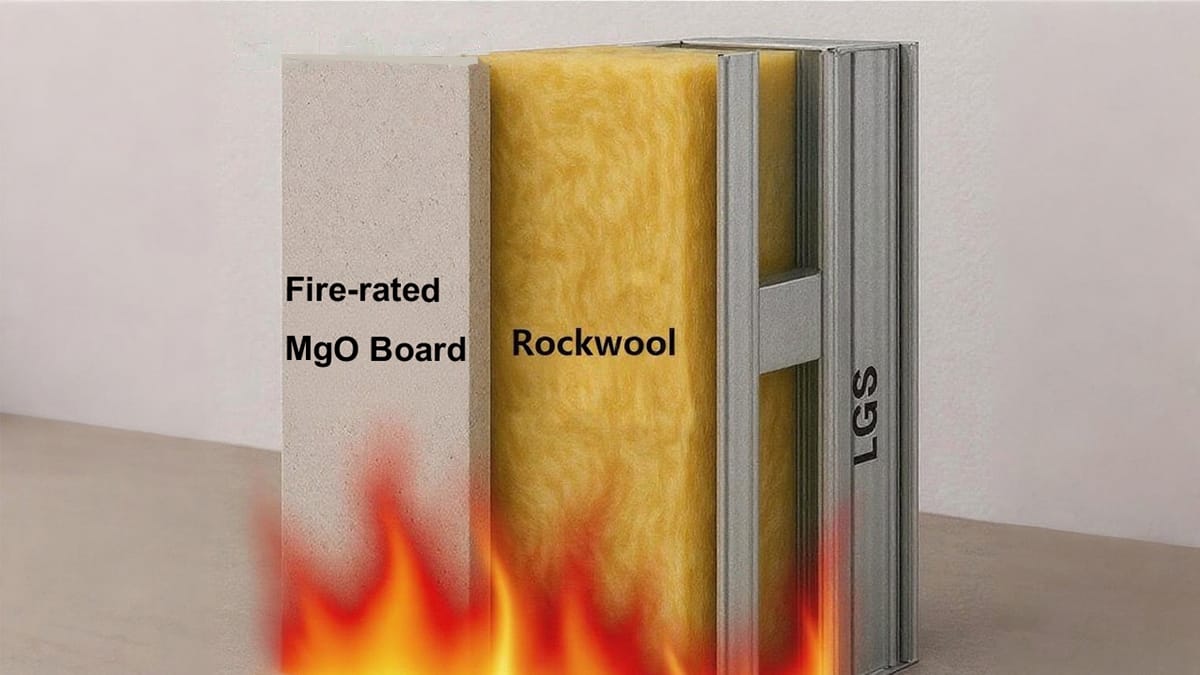
When you look at mgo vs fiber cement boards, you notice big differences. Magnesium oxide sheathing is great at stopping fire. Mgo board can last 1-2 hours in a fire and will not burn. Fiber cement sheathing also fights fire, but not as well as mgo board. You want strong fire protection to keep buildings safe.
Moisture protection is important for buildings to last. Mgo board is fully waterproof. It does not swell or bend when wet. Fiber cement sheathing can resist water, but it still soaks up some over time. Magnesium oxide sheathing keeps out mold and mildew because it stays dry. Mgo board is stronger and lasts longer in wet places.
Here is a table that shows how mgo and fiber cement boards are different:
Material | Fire Resistance Rating | Water Resistance |
|---|---|---|
Magnesium Oxide (MgO) Board | Up to 1-2 hours; rated noncombustible | Fully waterproof |
Fiber Cement Board | Fire-resistant but generally less than MgO boards | Moisture-resistant |
Tip: For the best fire and water protection, pick magnesium oxide sheathing.
Structural and Environmental Benefits
You want sheathing that is strong and lasts a long time. Mgo board is better at this than fiber cement. Magnesium oxide sheathing can handle very high heat, up to 1200°C, without breaking. Mgo board does not let mold grow because it does not soak up water. Fiber cement sheathing is tough but heavier and harder to put up. Mgo board is light, so you can move and cut it easily. This makes building faster and safer.
Check out these good things about mgo vs fiber cement boards:
Advantage | Description |
|---|---|
Durability | MgO sheathing boards last longer than many other materials. |
Fire Resistance | MgO boards can take very high heat, up to 1200°C, and do not break. |
Mold Resistance | MgO boards stop mold because they do not soak up water. |
Mgo boards use materials that are better for the earth.
You get healthier buildings because mgo keeps out bugs and mold.
Mgo board is lighter than fiber cement, so your building is not as heavy.
High moisture resistance helps stop mold and bugs.
Non-combustible boards make buildings safer in a fire.
When you compare mgo vs fiber cement boards, magnesium oxide sheathing is stronger and lasts longer. You get safer, greener, and better buildings with mgo board. Fiber cement sheathing works, but mgo board is better in every important way.
Choosing the Right Material for Sheathing
Best Use Cases for MgO Board
 Best Use Cases for MgO Board
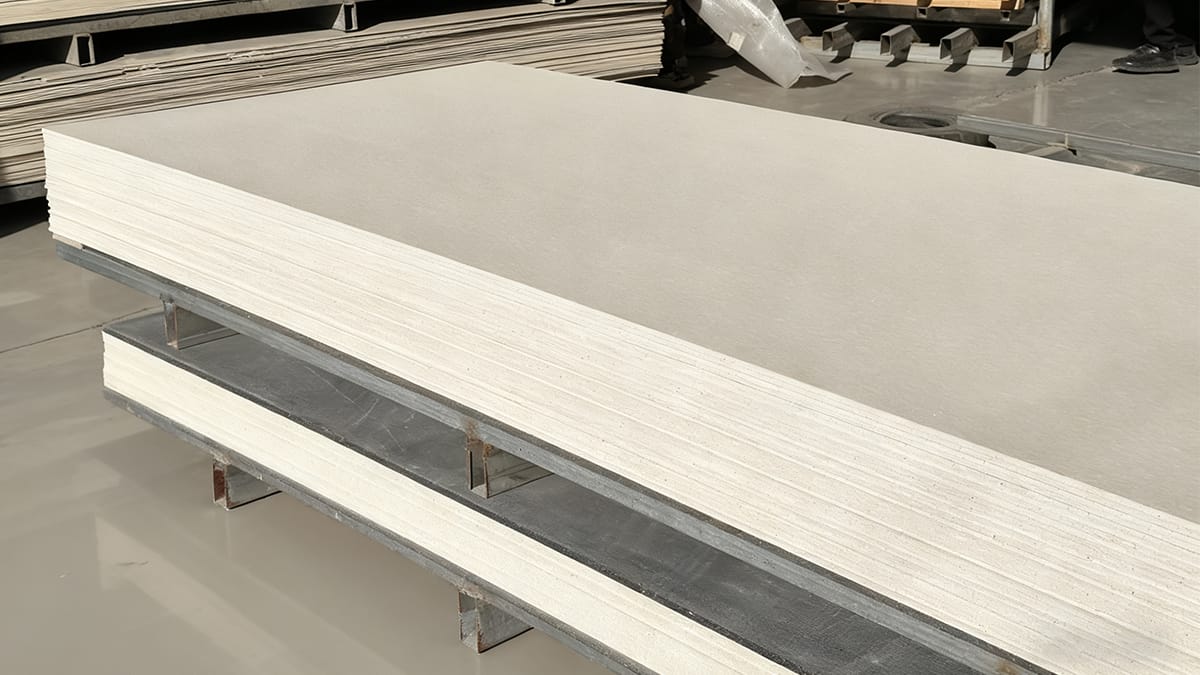
When you compare mgo board sheathing and fiberboard sheathing, mgo board is better in many ways. You should pick mgo board if you want strong fire and water safety. This sheathing is great where safety and strength are very important. You can use magnesium oxide sheathing in places like bathrooms, kitchens, basements, and outside walls. These spots often get wet and need extra fire protection. Mgo board is also good for green building because it is better for the environment.
Here are some top ways to use mgo board:
Use it in wet or dangerous places.
Pick it for schools, hospitals, or big buildings with strict safety rules.
Use it on outside walls, roofs, or places that get lots of weather.
Choose it if you want something that lasts long and needs little fixing.
Use Case | Benefits |
|---|---|
Exterior Walls | Gives strength, stops water, mold, and fire. |
Weather Resistance | Makes buildings last longer in all kinds of weather. |
Roof Sheathing | Keeps roofs strong and safe from weather problems. |
If you want your building to last and stay safe, mgo board is a smart pick. It is also easy to put up and saves money over time.
When to Choose Fiberboard
You might want fiberboard sheathing if you care more about blocking sound and saving money than fire or water safety. Fiberboard works best inside, in dry rooms where there is not much water. You can use fiberboard for inside walls, ceilings, or rooms where you want less noise. This sheathing is also good if you do not have a lot of money to spend.
Think about what fiberboard is good and bad at before you buy it. Fiberboard does not stop water or fire as well as magnesium oxide sheathing. Do not use fiberboard in bathrooms, basements, or outside walls. If you use fiberboard in the wrong place, you might have to fix it later.
Use fiberboard for inside walls in dry places.
Pick fiberboard if you want to save money and need good sound blocking.
Do not use fiberboard where there is lots of water or fire danger.
Choosing the right sheathing means picking what fits your project best. Fiberboard can work well if you know its limits and use it in the right spot.
Climate and Project Considerations
The weather and climate matter a lot for sheathing. You need to think about how wet, hot, or cold it gets where you build. Magnesium oxide sheathing works in many places, but too much humidity can cause trouble. In places with 75% humidity, mgo board does not stain or soak up much water. But when humidity goes up to 97%, most mgo boards start to stain and take in water. High humidity can also make fasteners rust and cause mold to grow.
Humidity Level | Observations on MgO Boards |
|---|---|
75% | No staining or water problems. |
97% | Most samples showed stains and soaked up water. |
High Humidity | Can cause water problems, rust, and mold. |
In Denmark, people used mgo boards on building fronts from 2010-2015. The magnesium salts in the boards pulled in water from the air. This made salty water leak out, which can rust metal and cause mold and water problems in wood parts of buildings.
You should use magnesium oxide sheathing in dry or not-too-wet places for best results. In very wet places, check if mgo board will work or if you need extra protection. Fiberboard sheathing does not do well in wet or humid places. It soaks up water, swells, and can get moldy. Do not use fiberboard where it rains a lot or is very humid.
When you look at mgo vs fiber cement boards, both are good at stopping fire and water, but mgo board is lighter and easier to use. Fiber cement is heavier and harder to move, but it also works in many climates. Picking between mgo and fiber cement depends on your weather, project size, and how strong you need your building.
Here are some tips for picking the right sheathing:
For wet, risky, or busy places, use mgo board or fiber cement.
For dry, quiet, and cheap projects, fiberboard is okay.
In humid places, check how mgo and fiber cement work before you choose.
Always match the sheathing to your project, weather, and what you need it to do.
Picking the right sheathing helps you build safer and stronger buildings that last longer. You get the best results when you think about fire safety, water, weight, the environment, and what your project needs. Mgo board, fiber cement, and fiberboard all have uses. What you pick changes how safe and strong your building will be.
When you look at mgo board sheathing and fiberboard sheathing, mgo board is better for fire safety. It is also tougher and works well in bad weather. Magnesium oxide sheathing is good when you need panels that do not burn. It lasts a long time and protects buildings. You should use mgo board in places with lots of fires or strong storms. The table below shows what to think about when picking sheathing:
Factor | Description |
|---|---|
Moisture Resistance | Boards that keep out water stop warping and mold. This helps them last longer. |
Fire Resistance | Fire-resistant boards are important in wildfire areas. They slow down flames and keep people safe. |
Durability | Strong boards can handle stress and bad weather. They keep buildings safe for years. |
Energy Efficiency | Good insulation helps save money on heating and cooling. It makes buildings use less energy. |
Cost | Think about how much you pay now and later. Durable boards save money over time. |
Environmental Impact | Eco-friendly boards help the planet. They make building greener. |
You should always check mgo vs fiber cement boards for fire and water safety. Magnesium oxide sheathing and mgo board usually work better. For good advice, compare mgo vs fiber cement boards and see how they handle water. Stay up to date with new sheathing ideas. Mgo vs fiber cement boards help you pick the best one. Magnesium oxide sheathing, mgo board, and mgo vs fiber cement boards all help make buildings safe and strong. If you want the best, magnesium oxide sheathing and mgo board are smart choices.
Look at mgo vs fiber cement boards for your job.
Ask experts about magnesium oxide sheathing and mgo board.
Use mgo vs fiber cement boards to compare what is best.
You get the best results when you choose mgo, magnesium oxide sheathing, and mgo board for your needs. Always use mgo vs fiber cement boards to help you pick sheathing.
FAQ
What makes MgO board sheathing a good choice for wet areas?
You can use MgO board in wet places because it does not soak up water. It will not swell or break down. This keeps your walls and floors safe from damage.
Can you cut and install MgO board with regular tools?
You can cut MgO board with simple hand tools. Use a saw or a utility knife. You do not need special equipment. This makes installation easy for most people.
Is fiberboard sheathing safe to use in fire-prone areas?
You should not use fiberboard sheathing where fire risk is high. Fiberboard can catch fire faster than MgO board. For better fire safety, pick MgO board for your construction project.
Does MgO board help with indoor air quality?
You get better air quality with MgO board. It does not release harmful gases. It also stops mold from growing. This helps keep your home or building healthy.