
23 Dec MgO Board Sheathing vs Cement Board Sheathing Pros and Cons You Should Know
When you look at mgo board sheathing vs cement board sheathing, you see big differences. MgO board sheathing vs cement board sheathing is better for fire resistance. MgO board sheathing vs cement board sheathing has an A1 fire rating. This means it is very good at stopping fire. Fire resistance keeps people safe. MgO board sheathing vs cement board sheathing also protects well against moisture. You do not get mold or mildew because of strong fire and moisture protection. Fire resistance and strength make MgO board sheathing vs cement board sheathing last longer. You do not need to fix it as much over time. Cement board costs less at first, but MgO board sheathing vs cement board sheathing saves money later. You should think about fire resistance, strength, price, and moisture protection for your project. Fire resistance is very important when you choose mgo board sheathing vs cement board sheathing.
Key Takeaways
MgO board sheathing has great fire resistance with an A1 rating. This makes it good for projects that need safety.
Pick MgO boards if you want better moisture protection. They do not let mold or mildew grow. This helps them last longer in wet places.
Cement board sheathing costs less at first. But MgO boards save money later because they need less care.
MgO boards weigh less and are easier to put in. This can help finish projects faster than using heavy cement boards.
Think about what your project needs. MgO boards are best for fire safety and being eco-friendly. Cement boards are very strong and last a long time.
MGO Board Sheathing vs Cement Board Sheathing Overview
Magnesium Oxide Board Basics
When you look at mgo panel vs cement panel, magnesium oxide board is different. It uses natural minerals and eco-friendly things. Here is what is inside a magnesium oxide board:
Magnesium Oxide: This mineral helps the board stop fire and stay strong.
Magnesium Chloride: It holds all the parts together.
Perlite: Makes the board lighter and keeps heat in.
Wood Fiber: Adds bend and strength, and is often recycled.
Vermiculite: Grows bigger when hot, so it protects from fire.
Glass Mesh: Makes the board tougher and harder to break.
People mix these parts, shape them, and let them dry. The board is strong and light. Magnesium oxide board does not burn, get wet, or grow mold. It does not swell or crack easily. It does not let out bad fumes, even in a fire. This makes it safe for many uses.
Fiber Cement Board Basics
Fiber cement board is also used a lot. It mixes minerals and fibers to make a hard surface. Here are the main parts and steps for fiber cement board:
Ingredients | Description |
|---|---|
Portland Cement | Makes the board strong and tough. |
Silica Sand | Helps the board keep its shape and stay hard. |
Cellulose Fibers | Makes the board less easy to break. |
Water | Mixes everything and helps the cement work. |
Additives | Makes the board better against fire and easier to use. |
Production Methods | Description |
|---|---|
Mixing | All parts are mixed together. |
Sheet Formation | The mix is shaped into thin sheets. |
Layering and Pressing | Sheets are stacked and pressed to make them dense. |
Cutting and Shaping | Boards are cut to the right size. |
Autoclaving | Boards are steamed under high pressure to cure. |
Finishing | Boards can be sanded, painted, or textured. |
Fiber cement board is strong and stiff. It does not burn or get wet like wood. But it can soak up water if not sealed. You need special tools to cut it because it is heavy. Some brands may let out a little VOC, but most are safe for inside air.
Key Differences and Similarities
When you look at mgo panel vs cement panel, you see some big and small differences. Here is what you should know:
MgO board uses natural minerals. Cement board uses Portland cement, which is not as good for the environment.
Magnesium oxide board stops water and fungus better than cement board. Cement board can soak up water if you do not seal it.
MgO board is lighter, so it is easier to carry and put in place. Cement board is heavier and needs special tools to cut.
Magnesium oxide board bends and stays strong, so it does not crack much. Cement board is stiff and can crack if pushed too hard.
MgO board is better for the planet and does not let out bad chemicals. Cement board needs more energy to make.
Magnesium oxide board costs more at first, but you save money later because it is easy to install and needs less fixing.
Both boards do not burn. Magnesium oxide board has a higher fire rating and does not spread fire. Cement board also stops fire but may need extra help.
MgO board does not change in wet or dry weather and does not swell or mold. Cement board is better than wood with water, but you must seal it.
Magnesium oxide board does not let out bad gases, even in a fire. Fiber cement board is good for air, but some brands may let out a little VOC.
Tip: When you pick between mgo panel vs cement panel, think about what your project needs. Magnesium oxide board is good for fire safety, stopping water, and helping the planet. Cement board is strong and costs less, but you need to seal it and it is heavy.
Both magnesium oxide board and cement board are good building choices. When you compare mgo panel vs cement panel, you can see which one works best for you.
Fire and Moisture Resistance
 Fire Safety Comparison
 Fire Safety Comparison
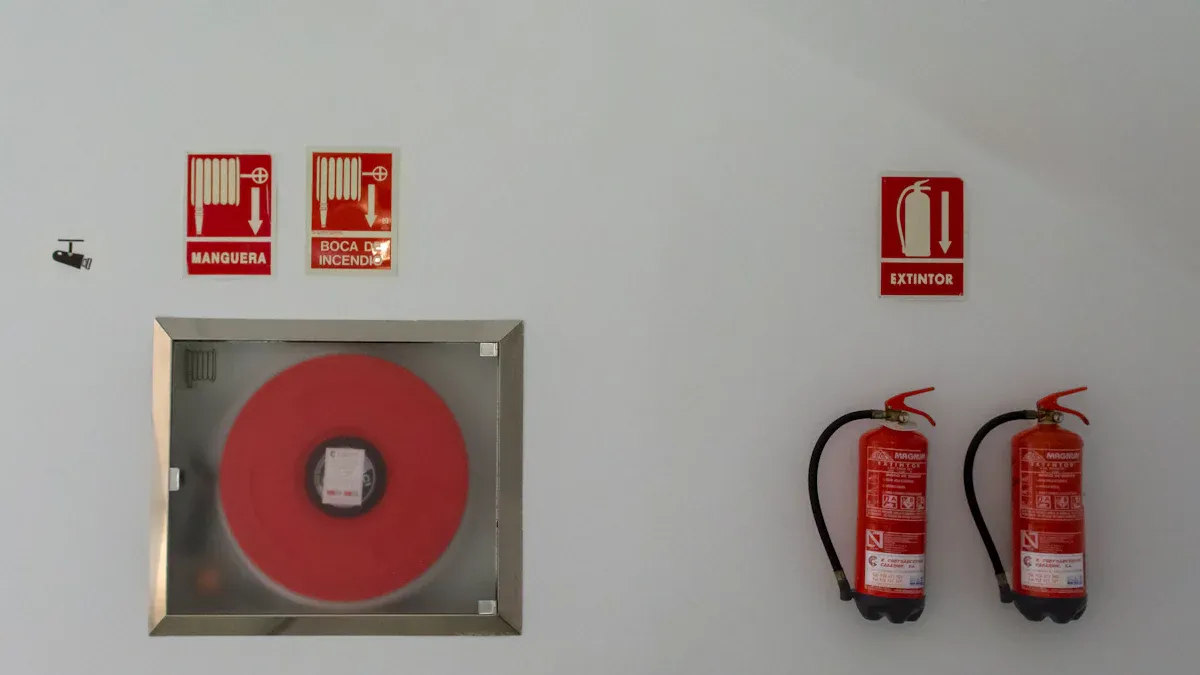
You need good protection from fire. MgO board sheathing is very strong against fire. It has an A1 fire rating. This means it does not burn. It can block fire for up to 4 hours. Cement board sheathing does not have a set fire rating. But it still works well in many fire-safe places. Look at the table below to see the difference:
Material | Fire Resistance Rating | Duration |
|---|---|---|
MgO Board | A1 Non-Combustible | Up to 4 hours |
Cement Board | N/A | N/A |
MgO board sheathing does well in fire safety tests. It meets UL 055 and ASTM rules. It gets a Class A rating. It protects against heat up to 1472°F (800°C). The board stays strong and does not let flames spread. MgO board has the highest fire rating, A1 EN 13501-1. You can use it in schools, hospitals, and homes for fire safety.
Property | Test/Standard | Result/Rating |
|---|---|---|
Fire Resistance | UL 055, ASTM | Class A; withstands 1472°F |
Fire Rating | A1 (EN 13501-1) | Highest non-combustible |
Fire Resistance Duration | 12mm > 1 hour | Prolonged protection |
Temperature Resistance | Over 1000°C | High thermal stability |
ASTM E84 Flame Spread | 0 to 25 | Class A rating |
ASTM E84 Smoke Developed | Under 450 | Low smoke emission |
Moisture and Mold Protection
You want strong water resistance in wet places. MgO board sheathing works better than cement board sheathing. MOS boards soak up 37% less water than MOC boards in high humidity. MOS boards do not leak salty drops, even after two years in wet air. This means you can trust them in bathrooms, kitchens, and basements.
MgO boards use inorganic stuff, so mold cannot grow. You get good protection in damp places.
Cement board sheathing fights moisture, but it is not as good as MgO boards for mold.
Lab tests (ASTM G21) show MgO sheathing gets a perfect score for stopping fungus. You can count on it to keep mold away.
Tip: If you want the best for fire safety and water resistance, MgO board sheathing is a strong choice. It gives you peace of mind where safety and strength matter.
Durability and Strength
Impact Resistance
When you choose a sheathing material, you want it to handle bumps and knocks. MgO board sheathing stands out for its strength and durability. You can see the difference in impact resistance when you compare it to cement board sheathing. The table below shows how each material performs:
Material | Impact Resistance |
|---|---|
MagPanel® MgO Board | High |
Cement Board | Poor |
MgO boards give you high impact resistance. You can use them in busy areas where walls might get hit. Cement board sheathing does not handle impacts as well. It can crack or chip if you bump it hard. If you need strength for your project, MgO board sheathing is a smart choice.
You also want to know how each board handles stress. MgO boards have excellent resistance to cracking and chipping. They bend more before breaking. Cement boards are more likely to crack or chip. The table below helps you see the differences:
Material | Resistance to Cracking | Resistance to Chipping | Flexibility |
|---|---|---|---|
MgO Boards | Excellent | Less prone | High |
Cement Boards | Moderate | More prone | Low |
MgO boards give you flexibility and strength. You get better durability and structural strength in places where walls face daily wear.
Longevity and Maintenance
You want your building materials to last. MgO board sheathing and cement board sheathing both offer long service lives. The table below shows their average lifespan:
Material | Average Lifespan |
|---|---|
MgO Board Sheathing | |
Fiber Cement Board | Over 50 years, up to 100+ years with care |
Fiber cement board can last longer if you take good care of it. MgO board sheathing still gives you decades of durability. You can trust both for long-term projects.
To keep your MgO boards strong, follow these tips:
Inspect your boards once or twice a year for cracks or chips, especially after storms.
Clean the boards with a damp cloth or mild soap. Avoid strong cleaners.
Repair worn seams or joints with new joint compound and sand smooth.
Make sure all screws are tight and not rusty.
In wet areas, apply primer or waterproof sealant every few years.
You can see that both materials offer strength and durability. MgO board sheathing gives you easier maintenance and less risk of damage. Cement board sheathing lasts longer with careful upkeep. You should think about your needs for durability and strength before you decide.
Installation and Cost Considerations
Handling and Installation
 Handling and Installation
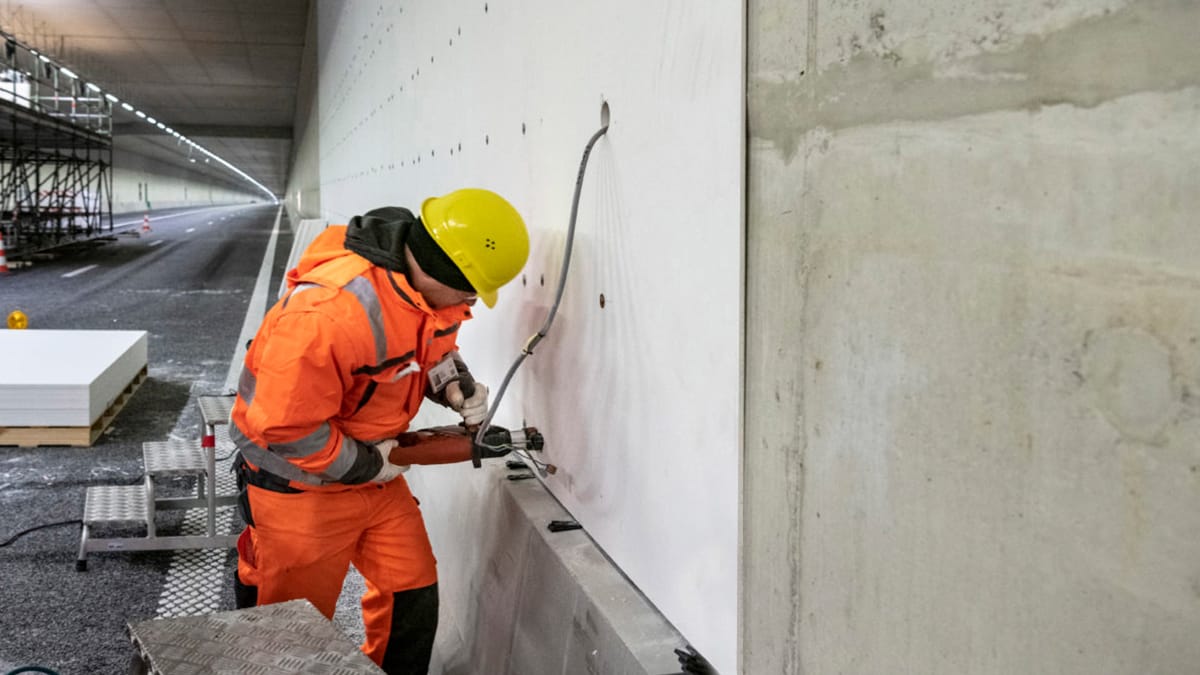
You want a material that is easy to use. MgO board sheathing is light. You can carry it without much trouble. You can cut MgO boards with simple tools. This helps you finish big jobs faster. Cement board sheathing is also easy to handle. You can cut cement boards quickly. Some cement boards have insulation. This means you do not need extra steps.
Here is a table that shows how both materials compare for installation:
Material | Handling Characteristics | |
|---|---|---|
MgO Boards | Light and easy to cut, saving time and effort. | Simple installation with basic tools, faster and safer for large projects. |
Cement Boards | Light and simple to cut, saving time. | Can be installed 35% faster than older methods, some include insulation reducing steps. |
Tip: If you want to finish your project fast, both MgO and cement boards are good choices. MgO boards are lighter and may be safer to use.
Cost Comparison
You need to think about price before you pick a board. MgO board sheathing costs more for each square foot. The price for MgO boards is $1.50 to $3.50 per square foot. Cement boards cost less, from $0.50 to $1.00 per square foot. Cement boards save you money at first.
Board Type | Cost per square foot |
|---|---|
MgO Board | $1.50 to $3.50 |
Cement Board | $0.50 to $1.00 |
You should also think about how long the boards last. Cement boards last longer and need less fixing. You spend less on repairs over time. MgO boards may need more care, which can cost more.
Material | Durability | Maintenance Costs | Fire Resistance | Design Options |
|---|---|---|---|---|
Fiber Cement Board | High | Low | Non-combustible | Wide range |
MgO Board | Lower | Higher | Combustible | Limited range |
Note: Cement board sheathing gives you better value for most jobs. You pay less at first and spend less on fixing it. MgO board sheathing is quick to install, but costs more and needs more care.
Think about how easy it is to install and how much it costs. Look at your budget and how much time you want to spend on repairs. Both boards have good points, but cement board sheathing saves you more money over time.
Environmental and Health Impact
Eco-Friendliness
You want to pick building materials that are good for the Earth. MgO board sheathing is better for the environment. Making MgO boards uses less energy than making cement boards. This means less pollution goes into the air. When you use MgO boards, you help lower your carbon footprint. These boards use natural minerals and do not have bad chemicals. Cement boards need more energy to make, so they create more CO₂.
MgO boards make less CO₂ than cement or wood.
Making MgO boards uses resources in a smart way.
MgO boards can be recycled and break down in nature.
Cement boards are hard to recycle and do not break down.
Here is a simple chart to compare:
Material Type | Recyclability | Biodegradability |
|---|---|---|
MgO Boards | Fully recyclable | Biodegradable |
Cement Boards | Limited recyclability | Not biodegradable |
MgO boards are a greener choice. Cement boards sometimes use recycled stuff, but they do not break down on their own.
Indoor Air Quality and Safety
You want clean air inside your house or building. MgO board sheathing helps keep the air safe to breathe. These boards do not let out bad chemicals or VOCs. You do not have to worry about formaldehyde, asbestos, benzene, or ammonia. MgO boards stop mold, mildew, and bugs, so you stay healthier. There is also less dust because MgO boards have almost no crystalline silica.
Cement board sheathing is not as good for the environment. Making Portland cement uses more energy and puts out more CO₂. Some cement boards might let out a little VOC, but most are safe to use inside.
You should also think about how much water the boards soak up. MgO boards take in more water than cement boards. If you do not use waterproofing, metal parts can rust. Cement boards do not soak up as much water, so this is not a big problem.
Concern | MgO Board Sheathing | Cement Board Sheathing |
|---|---|---|
Moisture Absorption | Takes in more water, needs waterproofing | Takes in less water |
Corrosion of Metal Components | Can happen without waterproofing | Not a big problem |
Fire Safety | Some panels may not pass all fire tests | Usually does not burn |
Tip: If you want clean air and care about the planet, MgO board sheathing is a good pick. Always use waterproofing to stop water problems.
Typical Applications
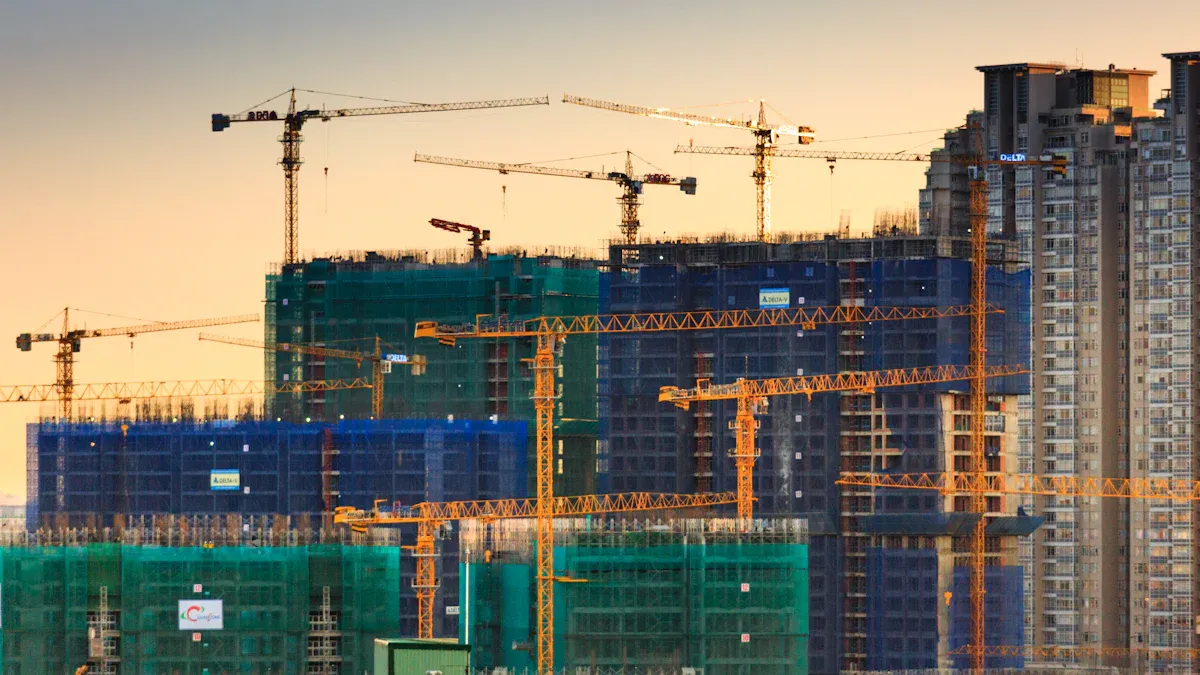
Best Uses for Magnesium Oxide Board
Magnesium oxide board works in lots of building jobs. It keeps out fire and water. You can use it in homes, schools, and offices. Here are some ways people use it:
You can put it on walls and ceilings instead of drywall. It helps stop fires and mold.
You can use it outside to cover buildings. It keeps out rain and fire.
You can use it for floors. The boards stay strong and do not bend.
You can use it in panels that save energy.
You can use it for fire barriers and in buildings made in pieces.
Magnesium oxide board is used where safety is important. The table below shows how it helps in different places:
Building Type | Key Benefits |
|---|---|
Residential Buildings | Stops fire, keeps out water, blocks sound, lasts long, keeps out mold and bugs |
Educational Institutions | Stops fire and bumps, blocks noise, keeps students safe |
Offices and Hospitals | Clean, safe, easy to clean, good for busy places |
Industrial Settings | Lasts long, resists chemicals, strong against hits, blocks sound |
You pick magnesium oxide board when you want safety and something that lasts.
Best Uses for Fiber Cement Board
Fiber cement board works for many jobs inside and outside. You see it used in lots of ways. You can use it for ceilings, walls, floors, room dividers, fire-safe air ducts, and roofs.
You can use it for ceilings in homes, schools, and hospitals. It helps block sound and fire.
You can use it on walls outside and inside. It fits on many surfaces.
You can use it for floors in busy places and factories. It does not break under heavy things.
You can use it for room dividers. They are light and easy to put up. They work in wet places too.
You can use it for air ducts that need to be safe from fire.
You can use it under roofs. It keeps heat in and water out.
Fiber cement board works well inside and outside. The table below shows how it helps:
Application Type | Performance Features |
|---|---|
Exterior | Looks good, safe, used for walls, ceilings, and floors |
Interior | Strong, keeps out water, works with many finishes |
Fiber cement board is tough and can be used in many ways. Builders and homeowners like it because it works for lots of needs.
Quick Reference Table
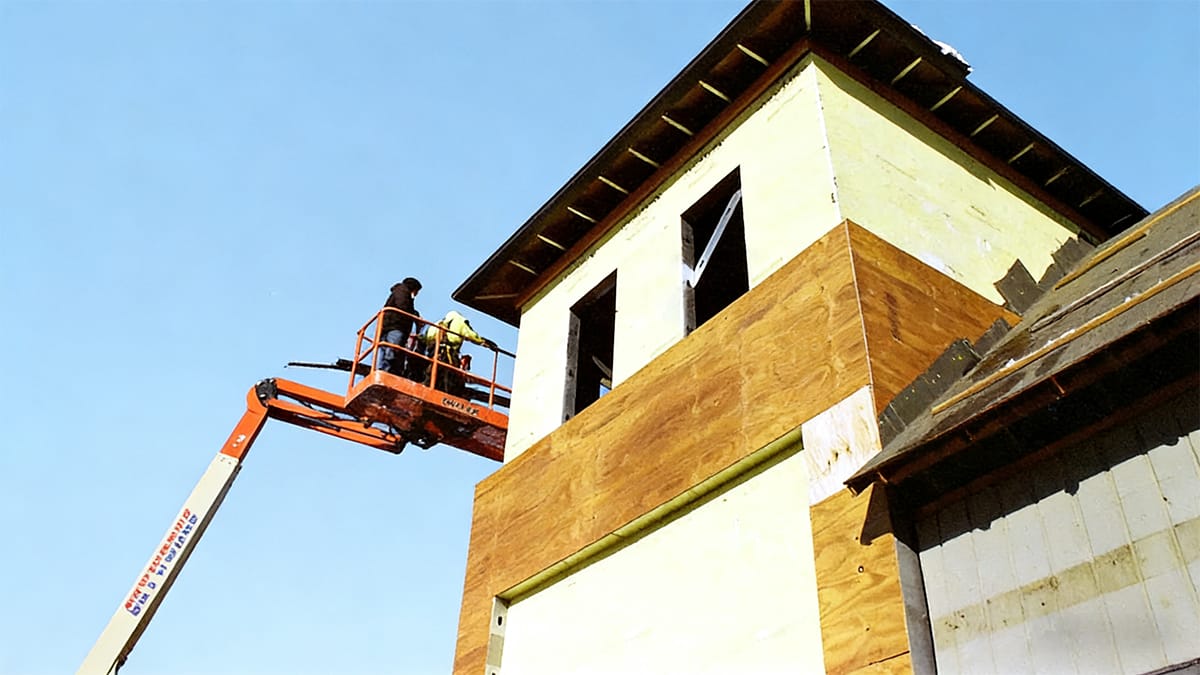 You want to pick the best board for your project. This table lets you compare MgO board sheathing and cement board sheathing side by side. You can see the main features quickly.
Factor | MgO Board Sheathing | Cement Board Sheathing |
|---|---|---|
Thermal Resistance | Better heat protection | 0.05 to 0.20 per inch |
Moisture Protection | Yes, does not swell or rot | Yes, may need extra waterproofing |
Fire Resistance | Excels, A1 fire rating, blocks fire | Good, but performance can vary |
Weight & Installation | Lighter, easier to handle and install | Heavier, needs more effort |
Strength & Durability | Extremely strong and durable | |
Flexibility | Some flexibility for design | Very rigid, not good for curves |
Environmental Impact | Eco-friendly, less energy to produce | Needs more energy, higher carbon footprint |
Tip: If you want to finish your job faster, look at weight and installation. MgO boards are lighter and easy to cut. Cement boards are heavy and take more work.
Both boards stop water and fire. MgO board sheathing keeps heat out better and is simple to put in. Cement board sheathing is very strong and lasts a long time. You might need extra waterproofing for cement boards in wet spots.
Fiber cement boards are heavy and get hot fast.
MgO boards help keep buildings cooler.
Cement boards are stiff and do not bend.
MgO boards can bend a little for cool designs.
MgO boards use less energy to make, so they are better for the Earth.
Think about what your project needs most. If you want easy work and better fire safety, MgO board sheathing is a smart pick. If you need the strongest board and want to save money, cement board sheathing is a good choice. This table helps you choose the right board for your job.
MgO board sheathing gives you better fire and moisture protection. Cement board sheathing offers strong durability and lower cost. Both choices resist mold and work well for many projects.
Choose MgO board for high fire safety and eco-friendly needs.
Pick cement board for budget-friendly jobs and long-term strength.
Tip: Think about your project’s safety, environment, and budget. You should talk to a building expert before you decide.
FAQ
What makes MgO board sheathing better for fire safety?
MgO board sheathing has an A1 fire rating. You get strong protection against flames and heat. You can use it in places where fire safety matters most.
Can you install MgO or cement board sheathing by yourself?
You can install both types with basic tools. MgO boards are lighter and easier to cut. Cement boards need more effort because they are heavier.
Does MgO board sheathing resist mold and mildew?
You get excellent mold and mildew resistance with MgO board sheathing. The board uses inorganic materials. Mold cannot grow on it, even in damp areas.
Which board costs less for a big project?
Cement board sheathing costs less per square foot. You save money on large projects. MgO board sheathing costs more at first but may save you time during installation.