
24 Dec MgO Board vs ZIP System Sheathing for Exterior Walls
You want your walls to be safe and strong. When you look at MgO Board Sheathing vs ZIP System Sheathing, you notice some big differences. They vary in fire safety, moisture resistance, and strength. MgO Board has a two-hour fire rating and a flame spread index of zero. On the other hand, ZIP System Sheathing does not bend or break easily, and its coating effectively keeps water out. Both types contribute to the longevity of your wall sheathing and help your walls remain strong in adverse weather conditions. MgO panels do not swell or fall apart, even when exposed to water, while ZIP System Sheathing also prevents swelling and provides extra support to your walls.
Here is a quick look at how MgO Board Sheathing vs ZIP System Sheathing compare for exterior sheathing on walls:
Property | MgO Board Sheathing | ZIP System Sheathing |
|---|---|---|
Fire Resistance Rating | 2-hour fire-rated with single layer | Not the highest fire rating |
Flame Spread Index | 0 (no flame spread) | Slows down flames better than OSB |
Moisture Resistance | Excellent, does not swell or break down | Coating keeps water out, no swelling or breakdown |
Structural Strength | Strong, does not burn through | Strong, resists bending and breaking |
Key Takeaways
MgO Board Sheathing stops fire very well. It has a two-hour fire rating. Flames do not spread on it. This makes it good for places with lots of fire risk.
ZIP System Sheathing has a weather barrier built in. It keeps water and air outside. It gives strong support to walls. It helps save energy in homes.
Both types keep out moisture. MgO Board works best in wet places. It does not swell or break when wet.
Think about how easy it is to install. MgO Board is light and simple to put up. You can install it in many weather conditions. ZIP System needs dry weather to tape seams right.
Look at what you need. Pick MgO Board for better fire and moisture safety. Pick ZIP System for fast installation and saving energy.
Product Overview: MgO Board Sheathing vs ZIP System Sheathing
 MgO Board Sheathing Basics
 MgO Board Sheathing Basics
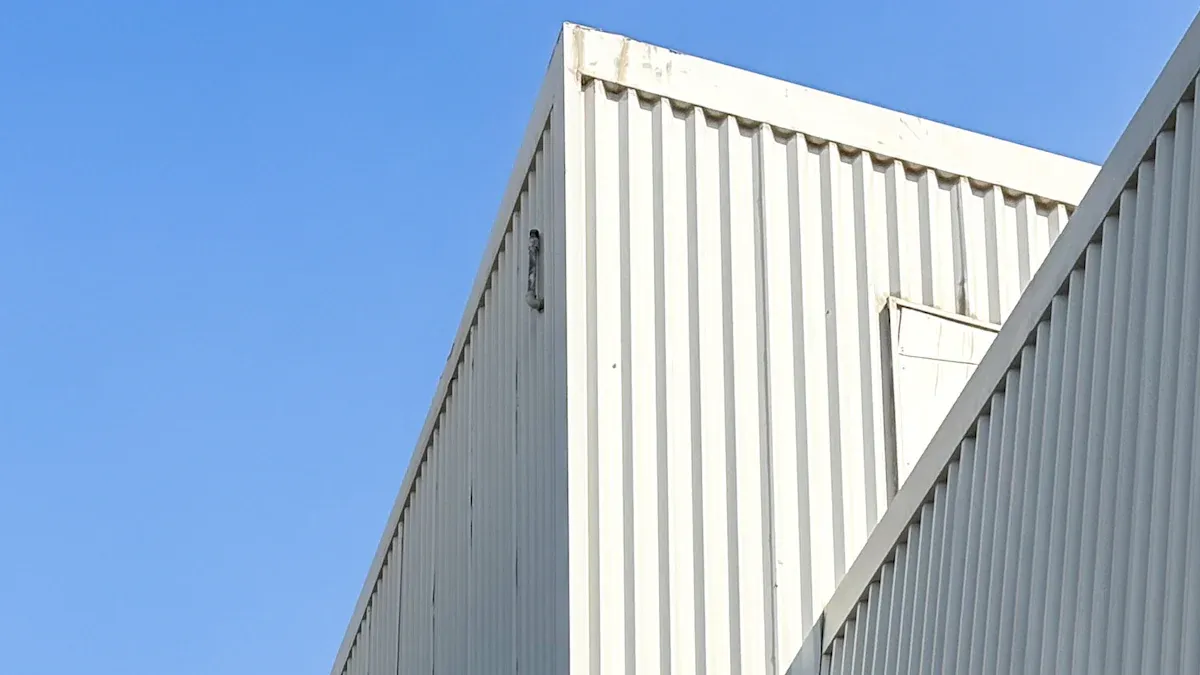
When you compare mgo board sheathing and zip system sheathing, you see mgo sheathing is good at stopping fire and water. MgO board sheathing is made with magnesium oxide. This material does not catch fire. It also keeps out water, bugs, and mold. You can use mgo sheathing on outside walls where you want safety and strength.
MgO sheathing is light, strong, and simple to put up. You do not need to use chemicals when you install it. The panels are 20 to 30 percent lighter than other cement boards. Many builders pick mgo sheathing because it does not get fungus and will not rot or fall apart. It also keeps heat in and blocks noise, so your house feels nice.
New changes in mgo board sheathing make it work better. EXACOR panels use materials that are not organic and have glass fiber mesh. These panels stop fire like gypsum and are almost as strong as wood sheathing. You can put them up easily, and they help use less material in fire-rated walls.
Advantages and Disadvantages of MgO Sheathing
Advantages | Disadvantages |
|---|---|
Non-flammable with a Class A fire rating | More expensive than gypsum drywall and cement board |
Waterproof and resistant to insects and vermin | Risk of dust generation during installation |
Lightweight and strong | Concerns about long-term durability |
Easy to install and requires no chemicals | Quality varies significantly among manufacturers |
High thermal resistivity and sound dampening | Unique installation needs for some boards |
You should know mgo sheathing costs more than gypsum boards. It costs about the same as cement boards. The quality is not always the same, so pick a good brand.
ZIP System Sheathing Features
Zip sheathing is different for outside walls. It is a strong wood panel with a weather barrier built in. This system keeps water and wind out of your walls. The special coating means you do not need extra housewrap, so you save time when building.
When you use zip sheathing, you can put it up fast and easy. The weather barrier stands up to strong wind and rain. The company gives a 30-year warranty. Zip system sheathing also has high R-value ratings, which help save energy. The panels are made with safe materials and use things that can be replaced, so they are good for the planet.
ZIP System Sheathing: Advantages and Disadvantages
Advantages | Disadvantages |
|---|---|
Energy Efficiency: High R-value rating reduces energy costs. | Higher Initial Investment: More expensive upfront than other systems. |
Sustainable Design: Made from low-emitting materials and renewable resources. | Potential Concerns: Issues with water resistance noted. |
Consolidated Workflow: Integrated weather barrier saves time and money. | N/A |
Durable Weather Barrier: Strong structure withstands extreme weather. | N/A |
You can trust zip sheathing to last and keep out water. The system helps your walls stay strong and dry, even in bad weather.
Material Comparison for Exterior Wall Sheathing
MgO Board Composition
 MgO Board Composition
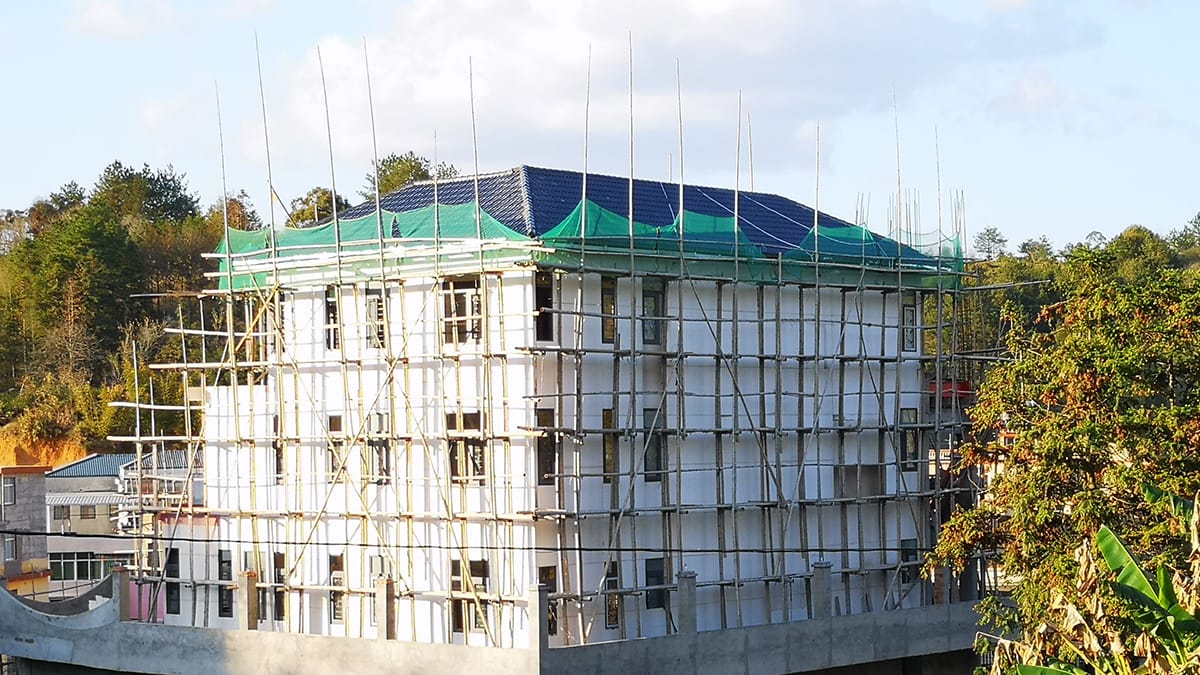
MgO board sheathing and ZIP system sheathing are very different. MgO board sheathing is made with magnesium oxide. This mineral comes from the ground. It helps the board stop fire and water. MgO panels also have things like perlite, wood fibers, and sometimes fiberglass mesh. These materials make the panels strong and light.
MgO sheathing does not use organic fillers. Bugs and mold cannot eat it. The panel will not rot or break down, even if it gets wet. MgO board does not swell or change shape when wet. You can trust it to stay strong in bad weather. Builders pick MgO sheathing because it fights fire, water, and pests. It also blocks sound and keeps heat in, so your home feels nice.
MgO sheathing is lighter than cement board. This makes it easy and quick to install. You do not need harsh chemicals or special tools. The panels fit well on outside walls and give a good base for finishes. If you want wall sheathing that works well in fire or wet places, MgO sheathing is a smart pick.
ZIP System Material Structure
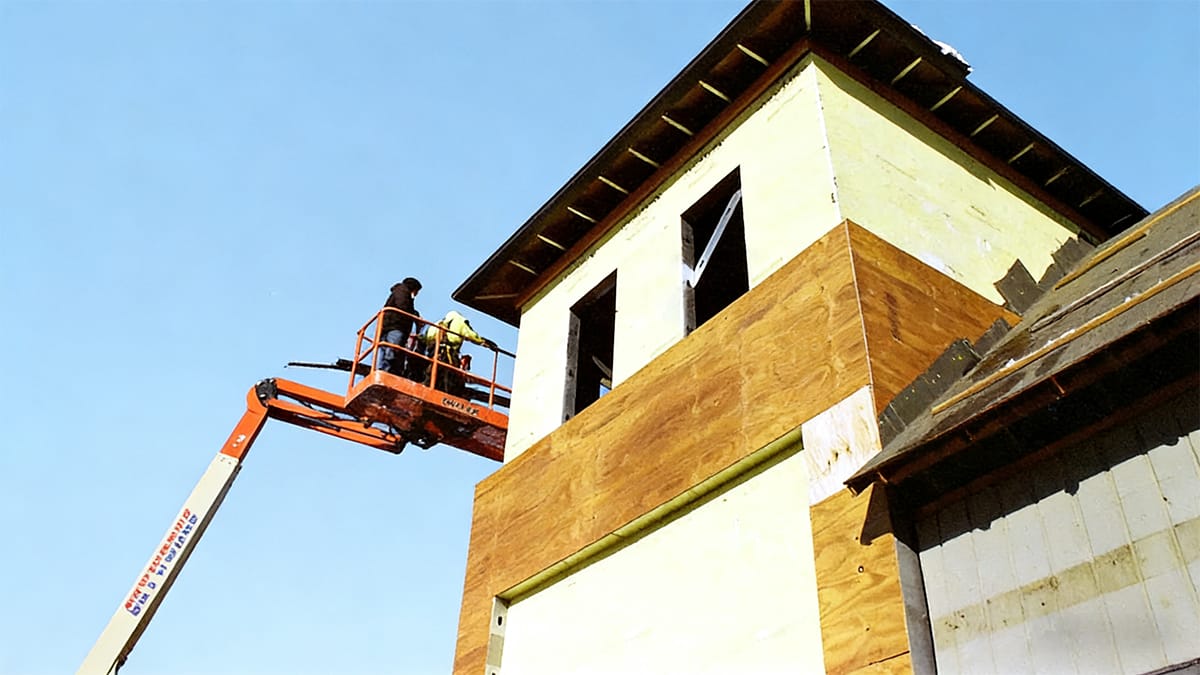
ZIP sheathing uses engineered wood for its core. The panels have a special coating that keeps out water and wind. This makes the sheathing strong and protects your walls. The wood core helps ZIP sheathing resist bending and breaking.
ZIP sheathing gives more than just strength. The panels have a barrier that stops air and water. This helps save energy and keeps moisture out of your walls. Special tape seals the seams between panels. This lowers air leaks and helps meet building rules. You can leave ZIP sheathing outside for up to 180 days while building. This helps you work even if the weather is bad.
The table below shows how ZIP sheathing’s structure helps it work better as exterior sheathing:
Feature | Benefit |
|---|---|
Integrated water-resistive barrier | Makes installation easier and helps the panels last longer. |
Continuous air and water barrier | Saves energy and keeps walls strong by stopping air and water. |
Taped seams | Lowers air leaks and helps meet building codes. |
Exposure rating | Lets you leave panels outside for 180 days during building. |
ZIP sheathing gives your walls a tough, weatherproof layer. The wood and coating work together to keep out water and wind. This system makes building faster and helps walls last longer. If you want strong, water-resistant, and easy-to-install wall sheathing, ZIP sheathing is a good choice.
Moisture Protection in Exterior Sheathing
MgO Board Water Resistance
When you look at mgo sheathing, you see strong moisture protection. Mgo board sheathing vs zip system sheathing often comes down to how well each type keeps water out. Mgo board uses magnesium oxide, which does not absorb water. You can install mgo sheathing on exterior walls and trust it to stay dry. Even after heavy rain, mgo sheathing does not swell or break down. This makes it a top choice for exterior sheathing in wet climates.
You get more than just water resistance with mgo. The panels also block mold and mildew. Bugs cannot eat mgo board, so your walls stay safe. Mgo sheathing keeps its shape and strength, even after years of moisture exposure. You do not need to worry about rot or decay. This level of moisture resistance helps your exterior wall sheathing last longer and perform better.
Tip: Always follow the right installation steps for mgo sheathing. This helps you get the best moisture protection and fire resistance.
ZIP System Weather Barrier
Zip sheathing gives you a different kind of moisture protection. The panels have a built-in weather barrier. This layer keeps water and wind out of your walls. When you use zip sheathing, you do not need extra housewrap. The seams seal with special tape, so moisture cannot get inside.
You can leave zip sheathing exposed during construction for up to 180 days. The panels do not swell or lose strength. This makes zip sheathing a smart pick for projects where you need fast installation and strong protection. The weather barrier also helps with energy savings and adds to the durability of your walls.
Here is a quick look at how both types compare for moisture protection and performance:
Feature | MgO Sheathing | ZIP Sheathing |
|---|---|---|
Water Absorption | None | Very low |
Mold/Mildew Resistance | Excellent | Good |
Exposure Rating | High | Up to 180 days |
Durability | Excellent | Excellent |
You can trust both mgo sheathing and zip sheathing to protect your walls from moisture. Each system offers strong performance, but mgo sheathing stands out in areas with high water risk. Zip sheathing gives you a fast, easy installation with a reliable weather barrier.
Fire Safety in Exterior Wall Sheathing
MgO Board Fire Performance
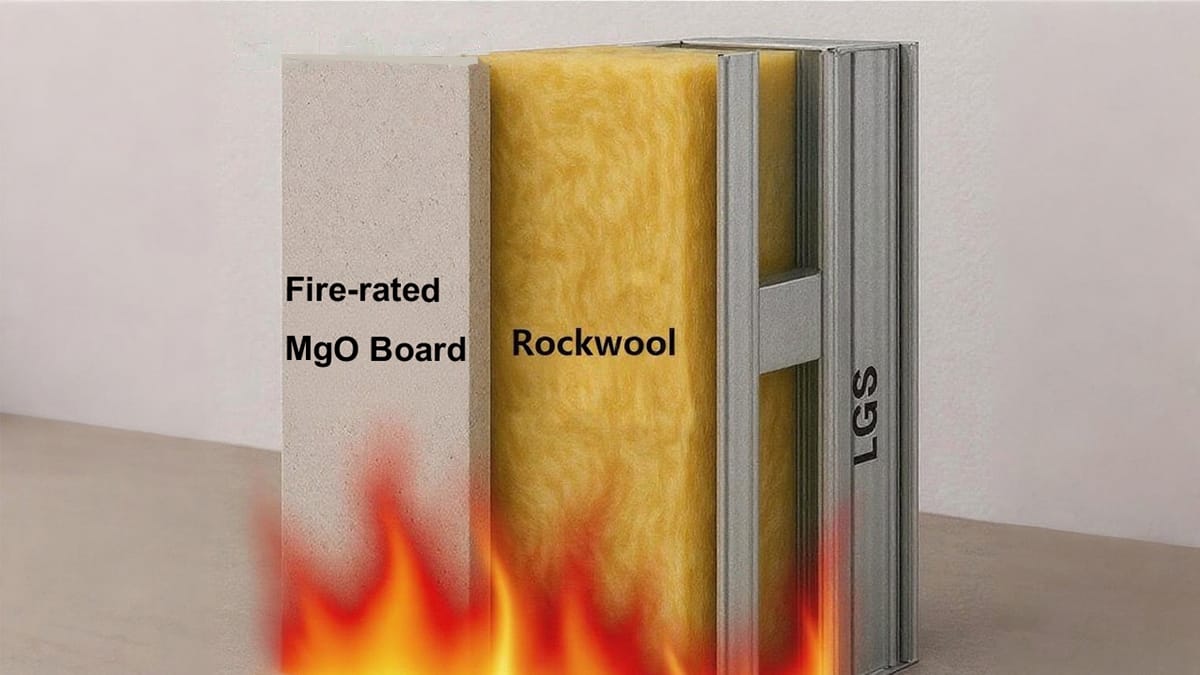 MgO Board Fire Performance
You want your exterior sheathing to protect your home from fire. MgO sheathing stands out for its fire resistance. This type of sheathing does not burn or spread flames. You can trust mgo sheathing to keep your walls safe in high-risk areas. Many builders choose mgo sheathing because it meets strict fire safety standards.
MgO sheathing passes important tests like ASTM E84 and ASTM E119. These tests check how well the sheathing stops fire and how long it can last during a fire. MgO boards also meet the EN 13501-1 standard, which is used in Europe. These ratings show that mgo sheathing is non-combustible and can handle high heat.
Here is a table that shows the main fire rating certifications for mgo sheathing:
Certification/Test | Description |
|---|---|
Highest level for not burning in Europe | |
Minimal fire spread and low smoke (ASTM E84) | |
ASTM E84 | Measures burning speed and smoke |
ASTM E119 | Checks fire resistance duration |
EN 13501-1 | European fire classification for construction products |
You get strong fire protection and durability with mgo sheathing. The panels keep their performance even after years of use. You can use mgo sheathing for exterior wall sheathing in places where fire safety matters most.
MgO boards must pass tests for fire resistance, strength, and water safety.
These tests show how mgo sheathing reacts to fire and stops flames from spreading.
ZIP System Fire Ratings
You may wonder how zip sheathing compares for fire safety. Zip sheathing is designed to meet fire-rated assembly needs. The panels help your exterior sheathing meet building codes for fire resistance. You can use zip sheathing in many wall assemblies that require fire safety.
Zip sheathing is listed in technical documents for use in fire-rated walls. The panels work well with other materials to create a safe barrier. You get reliable fire protection and easy installation with zip sheathing. The system helps you build strong, safe walls that last.
Tip: Always check local codes and use the right assembly for your project. Both mgo sheathing and zip sheathing offer good fire safety, but mgo sheathing gives you the highest level of protection.
Structural Strength and Durability
Shear and Load Resistance
When you choose exterior sheathing, you want your walls to stay strong against wind and pressure. Both mgo sheathing and zip sheathing give you solid support, but they do it in different ways.
Mgo sheathing uses cement-like panels made from inorganic materials. These panels have layers of glass fiber mesh inside. This design gives mgo sheathing high strength and helps it resist bending or breaking.
EXACOR mgo panels add even more strength. They also give you fire resistance and help block sound.
Zip sheathing uses engineered wood. It meets wall bracing rules and works well in shear wall assemblies. You can nail into it easily, and it makes flashing simple.
You can trust both mgo and zip sheathing to hold up your exterior walls. They help your building stand up to strong winds and heavy loads. This means your exterior sheathing will keep your home safe and steady.
Tip: Always follow the right installation steps for each type of sheathing. Good installation helps you get the best performance from your walls.
Longevity in Harsh Conditions
You want exterior wall sheathing that lasts for years, even in tough weather. Mgo sheathing stands out for its durability. It keeps its shape and strength in high humidity, heavy rain, and even salty coastal air. Mgo sheathing does not rot, mold, or break down. The panels stay strong, even if the surface ages a little over time. The core remains tough, so your walls stay safe.
Mgo sheathing also saves you money in the long run. You will have fewer problems with rot, mold, or fire damage. This means less repair work and lower costs over the life of your building. Mgo sheathing keeps its toughness, even when other materials like gypsum board would weaken.
Zip sheathing also gives you good protection. The engineered wood and special coating help your walls resist water and wind. You can count on zip sheathing to last through many seasons. Both mgo and zip sheathing offer strong performance, but mgo sheathing gives you extra peace of mind in harsh environments.
Feature | Mgo Sheathing | Zip Sheathing |
|---|---|---|
Moisture Resistance | Excellent | Very Good |
Mold/Rot Resistance | Excellent | Good |
Long-Term Durability | Outstanding | Very Good |
Impact Resistance | High | High |
You can rely on mgo sheathing and zip sheathing to protect your exterior walls. They both help your building last longer and stay strong, no matter the weather.
Environmental Impact of Exterior Sheathing
MgO Board Sustainability
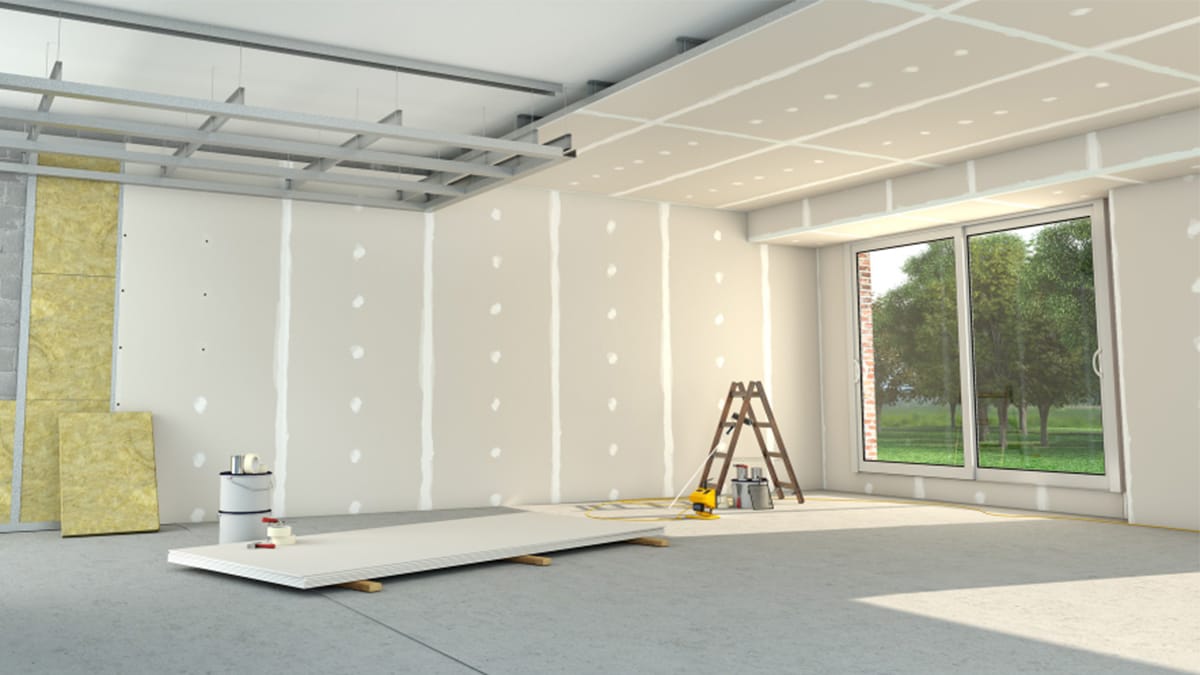 MgO Board Sustainability
You might wonder how mgo sheathing affects nature. Mgo comes from minerals found in the earth. Making mgo boards uses less energy than making cement or gypsum boards. This helps lower carbon emissions. Mgo sheathing does not have toxic chemicals. You can recycle mgo panels when you finish using them. Some brands have labels like GREENGUARD or Declare Label. These show the product is good for green building.
Mgo sheathing does not let mold or pests grow. The panels last a long time, so you do not replace them often. This means less waste. Mgo boards do not let out harmful gases in your house. You help keep the air inside clean. Builders use mgo sheathing to get LEED points or other green awards. You help the planet when you pick mgo for your walls.
Tip: Always look for third-party labels when you buy mgo sheathing. These labels show the product meets tough environmental rules.
ZIP System Eco Profile
You may ask how zip sheathing helps the environment. Zip sheathing uses wood from trees that grow back. The company follows rules for safe forestry. You get panels with SFI or FSC labels. Zip sheathing uses glues that do not let out bad fumes. This helps keep your indoor air safe.
Zip sheathing is simple to put up. You use less housewrap and tape, so there is less trash. The panels last many years, so you do not need to change them often. This saves energy and resources. Zip sheathing can help you earn points for green building programs like LEED or NAHB Green. You help the earth when you pick zip for your walls.
Here is a table to help you compare how mgo sheathing and zip sheathing affect the environment:
Feature | Mgo Sheathing | Zip Sheathing |
|---|---|---|
Resource Use | Mineral-based, low energy | Renewable wood, responsible forestry |
Recyclability | High | Moderate |
Certifications | GREENGUARD, Declare | SFI, FSC |
Indoor Air Quality | Excellent | Excellent |
Waste Reduction | Long durability, less replacement | Less housewrap, efficient installation |
You can help the planet when you pick exterior sheathing with strong green features. Both mgo and zip sheathing help you build better walls that last and protect nature.
Cost, Installation, and Value
Material and Labor Costs
When you pick sheathing for your walls, you need to check both material and labor costs. MgO board and ZIP System sheathing cost more than regular plywood or OSB. ZIP System sheathing is usually the priciest. It keeps out air and water and makes walls strong. MgO board costs more than gypsum but protects against mold, bugs, and fire.
Labor costs matter too. ZIP System sheathing needs every seam taped and rolled. You must keep a small gap between seams. You need dry weather for taping, which can slow things down. MgO board sheathing, like EXACOR panels, is faster and easier to put up. You can work in different weather, which saves time and money.
Here is a table to help you compare costs and durability:
Material Type | Cost Level | Durability Highlights |
|---|---|---|
ZIP System Sheathing | Most expensive | Blocks air and water; very strong |
Magnesium Oxide (MgO) | Higher cost | Very strong; stops mold, bugs, and fire |
Tip: Careful work helps you avoid mistakes. Mistakes can make costs go up and value go down. Bad air protection or weak sheathing can cause water problems and lower value.
Long-Term ROI
You want your sheathing to last and give you good value. ZIP System sheathing has a 30-year warranty. MgO board sheathing gives up to 10 years of coverage. Both need you to register your project and have a meeting before you start. Longer warranties can help you save money later.
MgO board sheathing lasts a long time. It fights mold, rot, and fire. You spend less on fixing or replacing it, which adds value. ZIP System sheathing also protects your walls and keeps them dry. If you install sheathing the right way, you get the best value and avoid extra costs.
Mistakes during installation can hurt your sheathing’s value. Bad air protection lets in water and mold. Weak sheathing breaks down faster and costs more. Some warranties do not cover mistakes, so you need to follow the right steps.
Here is a table showing warranty terms:
Product | Warranty Duration | Transferability | Conditions Required |
|---|---|---|---|
EXACOR MgO Board | Up to 10 years | Limited | Project registration and preconstruction meeting required |
ZIP System Sheathing | 30 years | Limited | Project registration and preconstruction meeting required |
You get the most value when you pick sheathing that fits your needs, install it well, and take care of it. Strong sheathing saves money and helps you worry less for years.
Comparison Table: MgO Board Sheathing vs ZIP System Sheathing
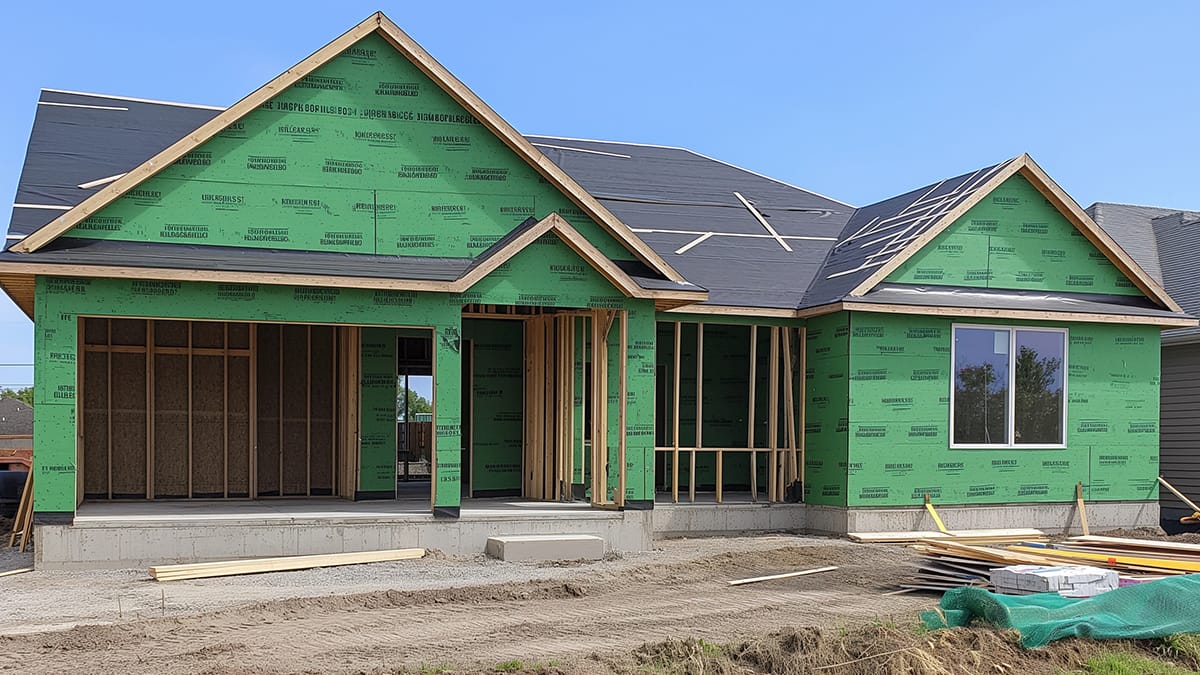
Image Source: usqualityofcolumbus
Quick Reference Table
You want to pick the best sheathing for your walls. Looking at MgO Board Sheathing and ZIP System Sheathing helps you see their differences. Each one has special strengths. The table below shows how they do in important areas.
Feature | MgO Board Sheathing | ZIP System Sheathing |
|---|---|---|
Fire Resistance | Can withstand fire for up to 4 hours | N/A |
Moisture Resistance | High; can be exposed to rain/snow for 180 days | Integrated water barrier, keeps walls dry |
Durability | Stays flat and strong in wet conditions | Strong wood with water barrier |
Energy Efficiency | N/A | Helps reduce air leakage, enhancing efficiency |
Installation | Requires careful installation to avoid issues | Easier with taped seams, but labor-intensive |
You can use this table to see the main features side by side. MgO Board Sheathing is great for fire and water safety. ZIP System Sheathing gives strong weather protection and helps save energy.
MgO boards keep your walls safe from fire and water. They work well in tough weather.
ZIP System sheathing has a 30-year warranty. You get 180 days of coverage if your project is delayed.
ZIP panels help stop air leaks. This keeps your house comfy and lowers bills.
MgO boards need careful work to install. ZIP panels use tape on seams for a snug fit.
Tip: Always pick sheathing that fits your weather and building needs. Fire safety, water protection, and saving energy are important for every job.
Both products have good points. MgO Board Sheathing is best for places with lots of fire or rain. ZIP System Sheathing helps you build strong, energy-saving walls. Your choice depends on what you need most for your home or building.
You should choose MgO Board if you build in fire-prone or wet climates. This board resists fire for up to four hours and does not soak up water or grow mold. ZIP System Sheathing works best when you want fast installation and strong energy savings. It costs less and has a built-in water barrier. Think about fire safety, moisture resistance, strength, and your budget. For the best results, talk with a building professional before you decide.
FAQ
What is the main difference between MgO Board and ZIP System Sheathing?
MgO Board gives you top fire and water resistance. ZIP System Sheathing offers strong structural support and a built-in weather barrier. You should choose based on your climate and safety needs.
Can you install MgO Board or ZIP System Sheathing in cold or wet weather?
You can install MgO Board in many weather conditions. ZIP System Sheathing needs dry weather for taping seams. Always follow the manufacturer’s instructions for best results.
Does MgO Board need extra waterproofing?
You do not need extra waterproofing for MgO Board. The board resists water and does not swell. Always seal joints and edges for the best moisture protection.
Is ZIP System Sheathing good for energy savings?
Yes, ZIP System Sheathing helps you save energy. The panels have a built-in air and water barrier. This barrier reduces air leaks and keeps your home comfortable.