
25 Dec Comparing Strength and Durability of MgO Board and Foam Board Sheathing
When you compare sheathing options, MgO board stands out as stronger and more durable than foam board. MgO board sheathing resists fire and moisture, and its rigidity helps protect your building’s structure. You need sheathing that distributes loads and strengthens walls, so your home or business stays safe during strong winds or earthquakes. Foam board sheathing works well for insulation, but it does not support walls or floors. If you want to understand MgO Board Sheathing vs Foam Board Sheathing, focus on how each material helps your project last longer and stay secure.
Key Takeaways
MgO board sheathing is stronger and more durable than foam board sheathing. It provides better support for walls and floors.
Choose MgO board for areas with fire risks or moisture. It resists fire, mold, and pests, making it a long-lasting option.
Foam board sheathing is great for insulation but lacks structural support. Use it when energy efficiency is your main goal.
Consider your project’s needs. MgO board is ideal for strength and safety, while foam board is best for cost-effective insulation.
MgO Board Sheathing vs Foam Board Sheathing: Quick Answer
Which Sheathing Is Stronger?
When you compare mgo board sheathing vs foam board sheathing, you see a clear difference in strength. MgO board sheathing gives you a rigid surface that supports walls and floors. You can use it to help your building stand up to wind, impact, and even earthquakes. Foam board sheathing does not add much strength to your structure. It works best as an insulator, not as a load-bearing material. If you want your walls to resist bending or breaking, you should choose MgO board sheathing. You get a solid layer that helps your building stay safe and secure.
Which Is More Durable?
Durability matters when you want your sheathing to last for years. MgO board sheathing vs foam board sheathing shows you that MgO board sheathing stands up better to fire, moisture, and pests. You can trust it in wet climates or places with high fire risk. Foam board sheathing can break down faster if exposed to sunlight, water, or insects. It does not resist fire or mold as well as MgO board sheathing. Over time, you may see foam board sheathing lose its shape or insulation value.
You should also know about common failure modes for both types of sheathing. Here is a table that shows what can happen to MgO board sheathing over time:
Failure Mode | Description |
|---|---|
Moisture Absorption | MgO boards can absorb moisture from the air, which may lead to corrosion and mold growth. |
Cracking | Cracking can happen, especially if you do not space the boards properly. |
Delamination | Plaster can peel away from MgO board sheathing because of the material’s properties. |
Corrosion | Metal fasteners may corrode faster if MgO board sheathing absorbs salty moisture. |
Foam board sheathing usually fails by losing its insulation value, breaking apart, or getting damaged by pests. It does not support your structure, so it cannot help if your building faces strong forces.
Tip: If you want the best durability and strength, MgO board sheathing gives you better protection for your building. Foam board sheathing works well for insulation, but you should not rely on it for structural support.
When you look at mgo board sheathing vs foam board sheathing, you see that MgO board sheathing gives you a stronger and more durable choice. You get better fire resistance, moisture protection, and structural support. Foam board sheathing helps with energy efficiency, but it does not last as long or protect your building as well.
MgO Board Sheathing Overview
What Is MgO Board?
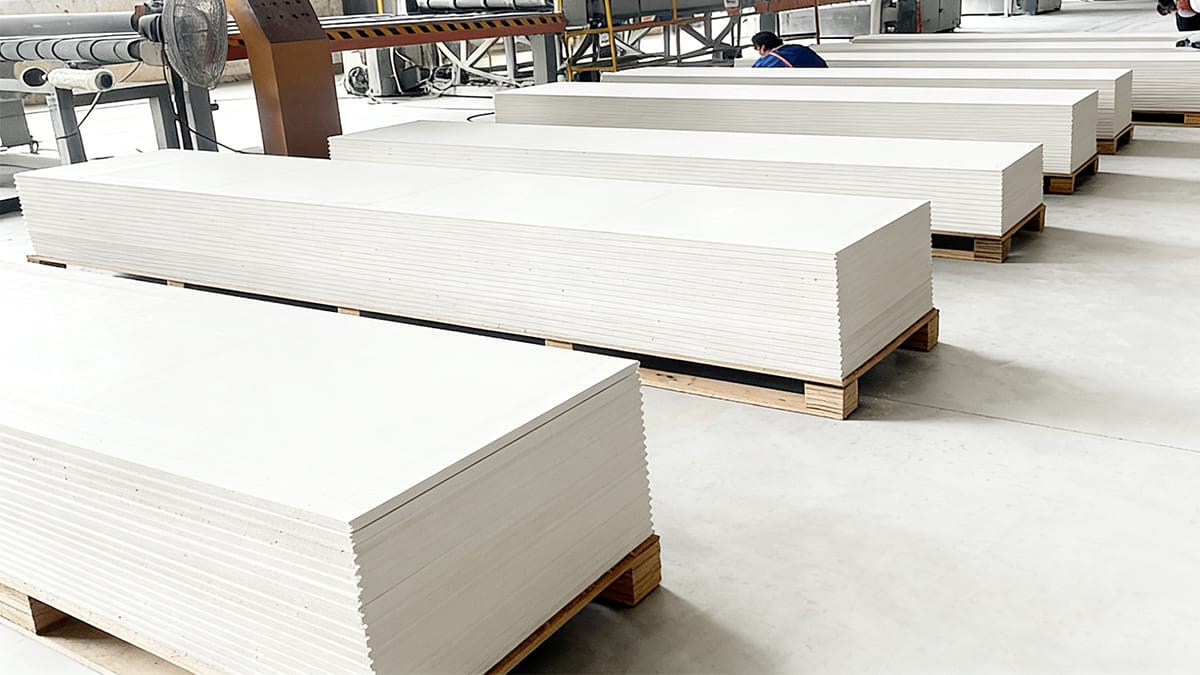
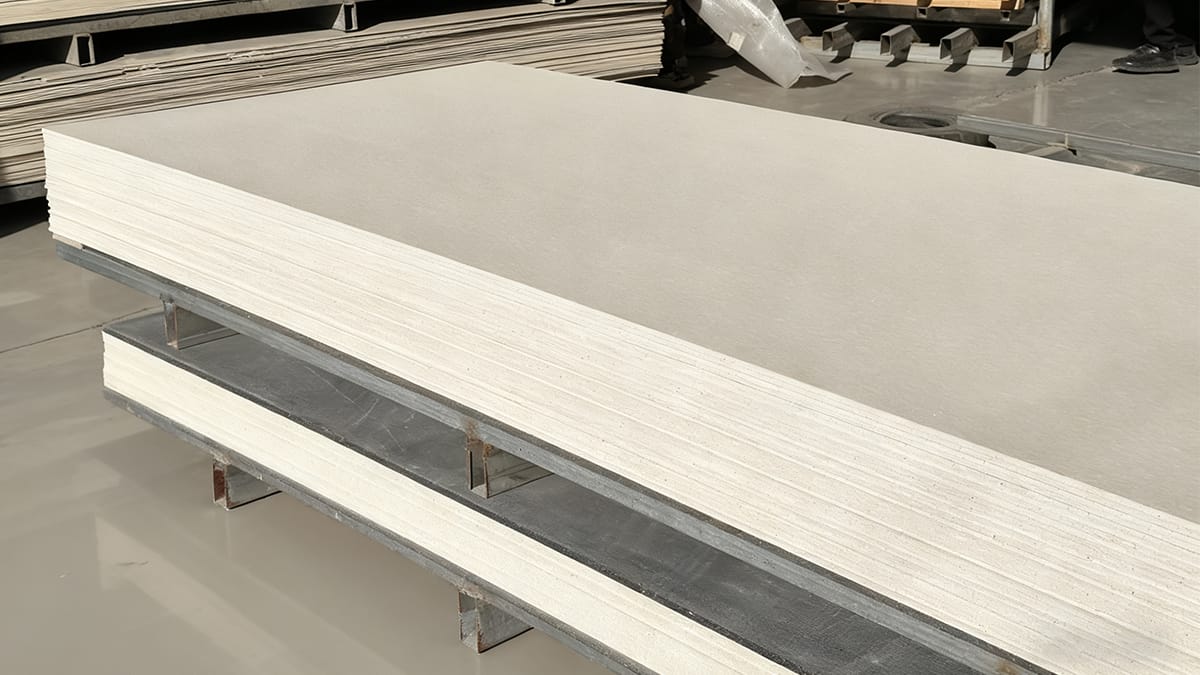
Builders use mgo board when they need strong sheathing. Mgo means magnesium oxide, which is the main part of the board. Magnesium oxide board is made by mixing magnesium oxide with other things. This makes a solid panel. The board looks like cement but is lighter. It is easy to carry and use. Mgo board does not burn quickly. It also keeps out water and mold. You can use mgo board where you want more fire or moisture protection.
The way mgo board is made has many steps. You can see the steps in the table below:
Step | Description |
|---|---|
Material Preparation | Workers measure each raw material carefully. |
Mixing | Machines blend the materials into a smooth slurry. |
Board Production | Layers of non-woven fabric and fiberglass mesh are added as the slurry forms the board. |
Curing Phase I | Temperature and humidity are controlled to start curing. |
Demolding | Boards are removed from molds with automated equipment. |
Curing Phase II | Boards cure at room temperature to gain strength. |
Soaking (Optional) | Boards may soak in water to remove extra salts and chemicals. |
Drying | Boards dry to remove moisture before cutting. |
Cutting | Boards are cut to size with industrial machines. |
Mgo board has several ingredients:
Magnesium oxide
Glass mesh
Wood fiber
Fillers like perlite or vermiculite
Bonding agents such as magnesium sulfate or magnesium chloride
The curing step is very important. It helps magnesium oxide mix with magnesium chloride. This makes the board hard and strong. Mgo board does not catch fire easily. It can handle tough weather and conditions.
Key Properties and Uses
Mgo board works for many building jobs. It is strong and keeps out fire and water. You do not have to worry about mold or bugs. Mgo board is good for places with lots of moisture or fire danger.
Here are ways people use mgo board sheathing:
Interior wall and ceiling panels
Exterior sheathing and siding
Flooring and subflooring
Structural insulated panels (SIPs)
Fire barriers and modular construction
Tip: If you want sheathing that lasts and protects your building, mgo board is a good pick. You can use it for walls, floors, and ceilings.
Mgo board helps you build safer and stronger buildings. You feel better knowing your building has extra protection.
Foam Board Sheathing Overview
 What Is Foam Board Sheathing?
 What Is Foam Board Sheathing?
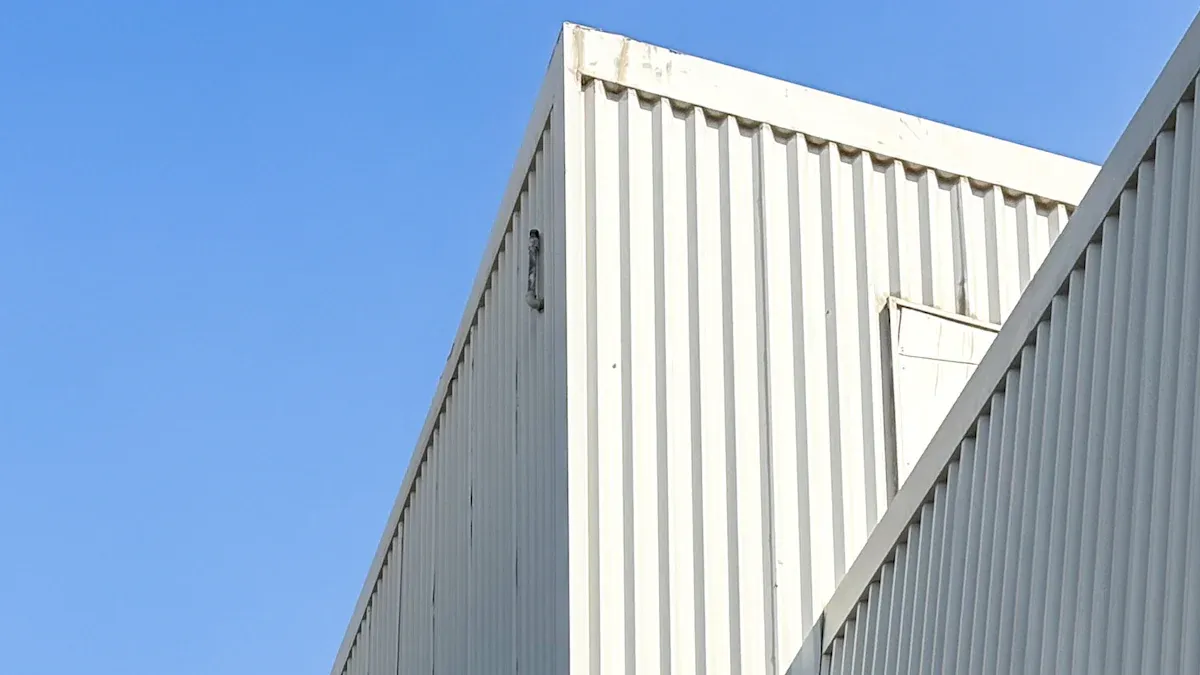
Foam board sheathing is used in lots of buildings. It looks like a hard, light panel. People use it to add insulation to walls and roofs. It also works for foundations. Foam board sheathing is made from different plastics. The main types are EPS, XPS, and Polyiso. EPS is made by puffing up tiny beads of polystyrene. XPS is made when melted polystyrene is mixed with a blowing agent. Then, it gets pushed into a mold. Polyiso is made by mixing isocyanate with polyol. This makes it better at resisting fire.
Foam board sheathing helps keep heat inside in winter. It keeps heat out in summer. You save money on energy bills. Your home feels more comfortable.
Foam board sheathing comes in many colors and textures. EPS is white and has small beads. XPS is blue, pink, or green. Polyiso has a shiny silver or foil face.
Here is a table that shows the main types of foam board sheathing:
Type | Chemical Composition | R-Value (per inch) | Best For | Key Benefit | Color |
|---|---|---|---|---|---|
EPS | Expanded Polystyrene | R-3.8 to R-4.2 | Cost-effective projects, SIPs, ICFs | Vapor permeable, budget-friendly | White with visible beads |
XPS | Extruded Polystyrene | R-5.0 | Below-grade, foundations, under slabs | Superior moisture resistance | Blue, pink, or green |
Polyiso | Polyisocyanurate | R-6.0 to R-6.5 | Commercial roofing, exterior walls | Highest thermal efficiency | Silver/foil faced |
Key Properties and Uses
Foam board sheathing gives buildings good insulation. It helps keep them warm or cool. The panels do not weigh much. They resist moisture. You can cut them to fit your project. Most foam boards are made from thermoplastics like EPS and XPS. Polyiso is a thermoset.
People use foam board sheathing for many things:
Insulating walls outside
Roofing jobs
Under floors
Ceiling insulation
Insulating foundations
Foam board sheathing is a flexible and strong choice. It works best for walls, roofs, and foundations. Polyiso boards have the highest R-value. They help save energy. XPS boards resist water, so you use them underground or in wet places. EPS boards cost less and are good for saving money.
Tip: If you want better insulation, foam board sheathing is a smart pick. It makes your building more comfortable. You spend less on heating and cooling.
Sheathing Comparison: Strength and Durability
Structural Strength
When you pick wall sheathing, you want it strong and tough. MgO board sheathing gives you a hard, stiff surface. You can use it outside when you need strong walls. MgO board sheathing stands up to wind and hits. It even helps during earthquakes. Your building gets better protection. Foam board sheathing does not make walls stronger. It is best for insulation, not for holding up walls or floors.
MgO board sheathing, like MagPanel®, is better at stopping wind than OSB or gypsum wall sheathing.
You can use MgO board sheathing in places with hurricanes because it resists hits and does not rot.
Foam board sheathing cannot take the place of fire-rated OSB sheathing panel or fire-rated sheathing panels for strength.
You should use MgO board sheathing if you want your walls to stay safe in storms or earthquakes. Foam board sheathing helps keep heat in, but it is not as strong or tough.
Moisture and Mold Resistance
It is important for wall sheathing to resist water, especially in wet places. MgO board sheathing does not soak up much water. You can use it in bathrooms, kitchens, or other damp rooms. MgO board sheathing is made from things that do not let mold, mildew, or fungus grow. You get better water and mold resistance than with foam board sheathing.
Property | Effect on Mold Growth |
|---|---|
Alkaline Nature | Naturally resistant to mold growth |
Low Water Absorption | Prevents moisture-related issues |
Inorganic Composition | Does not provide a food source for mold |
MgO board sheathing does not get ruined by water.
You can use it where there is a lot of moisture.
Foam board sheathing can soak up water over time, which can make it less strong and not as good at keeping heat in.
You want wall sheathing that keeps your building dry and safe. MgO board sheathing stays strong and tough in wet places. Foam board sheathing does not protect as well from water or mold.
Fire and Impact Resistance
Fire resistance is very important for wall sheathing. MgO board sheathing has a high fire resistance rating. You can use it as fire-rated sheathing panels or instead of fire-rated OSB sheathing panel. MgO board sheathing passes tough fire and heat tests. It does not burn or help a fire grow. You get more time to get out if there is a fire, and your building is safer.
Material | Fire Resistance Rating | Description |
|---|---|---|
MgO Panels | Certified under ASTM E119 / UL 263 protocols. |
Standard | Rating | Description |
|---|---|---|
ASTM E136 | Non-Combustible | |
ASTM E84 | 0 Flame Spread | Will not help a fire spread. |
ASTM E119 / UL 263 | 1-hour / 2-hour | Certified fire resistance ratings in assembly. |
MgO board sheathing stays strong for up to two hours in fire tests. Foam board sheathing does not have this fire resistance. It can melt or burn fast. You should not use foam board sheathing where you need fire-resistant materials or high fire resistance. MgO board sheathing also stands up to hits, so it protects your walls from damage.
Longevity
You want wall sheathing that lasts a long time. MgO board sheathing is very durable. It resists fire, water, bugs, and rot. You do not have to worry about termites or mold. Tests show MgO board sheathing can last over 50 years if used right.
Factor | Description |
|---|---|
Fire Resistance | MgO boards get Class A fire ratings and can handle heat over 1200°F without making bad fumes. |
Moisture Resistance | They work well in wet places, stopping mold and bacteria, so they last longer. |
Pest Protection | MgO boards keep away termites and other bugs, so you do not need to use strong chemicals. |
Overall Durability | Tests show MgO boards can stay strong for over 50 years if used right. |
Foam board sheathing does not last as long. It can lose its shape, break, or stop working well if it gets wet, is attacked by bugs, or sits in the sun. You want sheathing that keeps your building safe for many years. MgO board sheathing gives you the best strength and toughness for wall sheathing.
Note: If you want the best strength, toughness, fire resistance, and water resistance, MgO board sheathing is the best pick for wall sheathing. Foam board sheathing is good for insulation but is not as strong or tough as MgO board sheathing.
Real-World Performance
Installation and Handling
 Installation and Handling
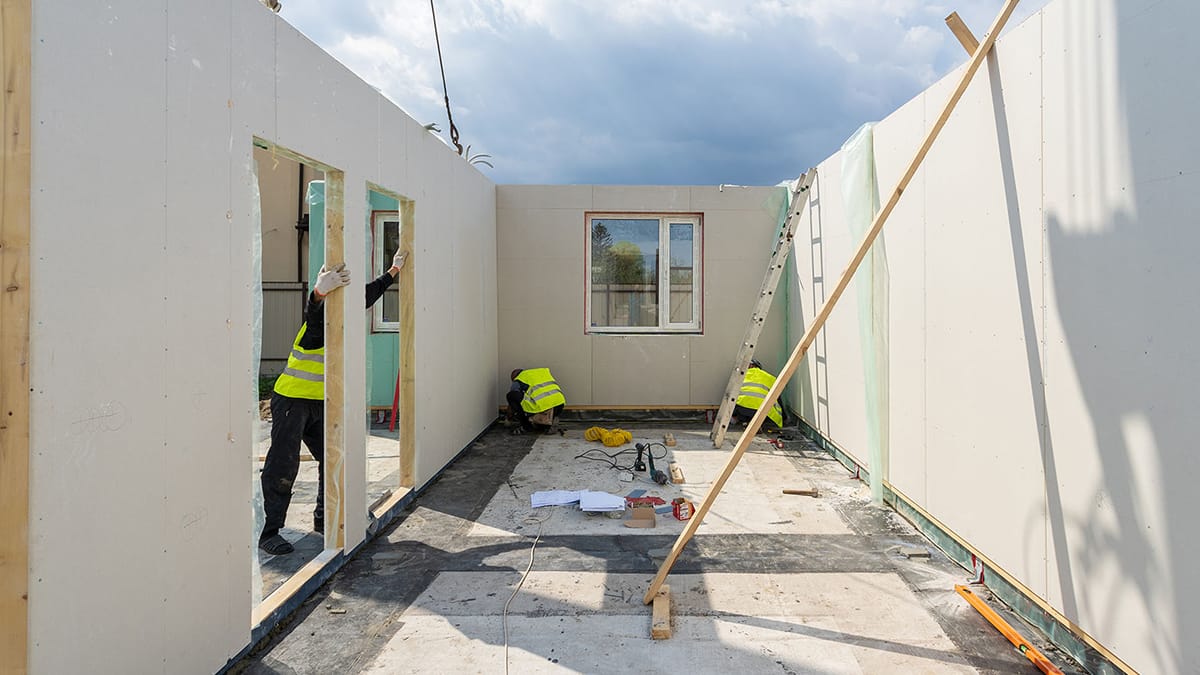
When you install MgO board sheathing, you need to pay close attention to detail. MgO boards cost more than foam board sheathing, so you should plan your budget carefully. You must handle MgO boards with care because rough treatment can cause cracking. Precision matters during installation. If you do not align the boards correctly, you may see problems later. Foam board sheathing is lighter and easier to cut, so you can install it faster. You do not need special tools for foam board, but you should protect it from sunlight and moisture during installation.
MgO boards require careful handling to prevent damage.
Foam board sheathing offers quick installation and less risk of breakage.
Insulation and Energy Efficiency
You want your building to stay comfortable all year. MgO board sheathing and foam board sheathing both help with insulation, but they perform differently. MgO boards provide strong thermal insulation, which helps keep your indoor climate steady. You can reduce energy costs for heating and cooling by up to 50%. MgO boards maintain internal temperatures, stopping heat loss in winter and blocking heat in summer. Their fire-resistant properties also protect your building during emergencies.
Here is a table showing how different thicknesses affect insulation performance:
Thickness | Sheathing Thickness | Insulation Thickness | R-Value |
|---|---|---|---|
2 3/4 in. | 1/2 in. + 1/2 in. | 1 3/4 in. | 11 |
3 3/4 in. | 1/2 in. + 1/2 in. | 2 3/4 in. | 17 |
4 1/4 in. | 1/2 in. + 1/2 in. | 3 1/4 in. | 21 |
MgO boards keep your building safe from fire and help you save energy. Foam board sheathing gives high R-values, but it does not offer the same fire protection or structural support.
Environmental Impact
You should think about the environmental effects of your building materials. MgO board sheathing is 100% recyclable at the end of its service life. You can reuse crushed MgO board as aggregate in concrete or as feedstock for new boards. If you put MgO board in a landfill, it stays inert and does not release toxic substances. You can also repurpose MgO boards for insulation or garden borders. Foam board sheathing is harder to recycle and may not break down safely. MgO boards offer better environmental performance and help you build with less waste.
Tip: Choosing MgO board sheathing gives you strong fire protection, better energy performance, and a positive environmental impact.
Sheathing Comparison Summary Table
You want to make the best choice for your building project. Comparing sheathing options helps you see which material fits your needs. You should look at strength, durability, moisture resistance, fire resistance, and insulation. Each type of sheathing gives you different benefits.
Here is a table that shows the main differences between MgO board sheathing and foam board sheathing:
Sheathing Type | Strength | Durability | Moisture Resistance | Fire Resistance | Cost (per unit) |
|---|---|---|---|---|---|
MgO Board | Very Strong | Highly Durable | Excellent | Excellent | High |
Foam Board | Low (for structure) | Moderate | Excellent | Poor | Moderate |
You see that MgO board sheathing gives you very strong support. You can trust it to hold up your walls and floors. Foam board sheathing does not add much strength, so you should not use it for structural support. You get excellent durability with MgO board sheathing. It lasts for many years and stands up to tough conditions. Foam board sheathing works well for insulation, but it does not last as long.
Both types of sheathing resist moisture. You can use them in wet areas, but MgO board sheathing gives you better protection against mold and rot. Fire resistance is another key difference. MgO board sheathing does not burn easily. You get more time to escape in case of fire. Foam board sheathing melts or burns quickly, so it does not protect your building from fire.
Note: You should pick MgO board sheathing if you want strong walls, high durability, and fire safety. Foam board sheathing works best when you need extra insulation and moisture resistance.
You need to think about cost, too. MgO board sheathing costs more, but you get better protection. Foam board sheathing costs less and gives you good insulation. You should match your sheathing choice to your project needs.
Here are some tips to help you decide:
Use MgO board sheathing for walls, floors, and places with fire risk.
Pick foam board sheathing for insulation and areas where you do not need structural support.
Always check your local building codes before you choose sheathing.
You want your building to last and stay safe. The right sheathing makes a big difference.
Choosing the Right Sheathing
When to Use MgO Board
 When to Use MgO Board
You should choose MgO board sheathing when your project needs high strength, durability, and fire protection. This sheathing works best in places with tough weather, high heat, or lots of moisture. If you build in a wildfire zone or a humid climate, MgO board sheathing keeps your structure safe. You also get strong noise resistance, which helps in busy city areas. MgO board sheathing stands up to impacts and does not let mold or mildew grow. You can see how its properties match different project needs in the table below:
Property | Implication for Project Types and Climates |
|---|---|
High heat resistance | Use in hot climates and wildfire-prone areas |
Moisture resistance | Best for humid climates and outdoor projects |
Noise resistance | Good for urban buildings needing sound control |
Mold and mildew resistance | Great for wet areas, stops structural damage |
High impact strength | Needed in places with storms or heavy use |
When to Use Foam Board Sheathing
Foam board sheathing fits projects where insulation and energy savings matter most. You should use this sheathing in high-performance retrofits or in hot-dry climates. Foam board sheathing helps lower cooling costs and keeps your building comfortable. It works well for commercial roofs and walls that need to meet strict energy codes. You can use foam board sheathing in these situations:
High-performance wall assemblies in hot-dry climates
Commercial buildings needing moisture resistance and code-required R-values
Projects aiming for net-zero energy use
Foam board sheathing is cost-effective for large areas and gives you good moisture resistance. You save on energy bills and meet building codes for insulation.
Key Factors to Consider
You need to think about several things before you pick your sheathing. Look at the strength and durability you need. Check if your area has fire risks or lots of rain. Think about the cost and if you want a cost-effective solution. Make sure your sheathing meets local building codes. Ask yourself these questions:
Does your project need high fire resistance or impact strength?
Do you want the best durability for wet or stormy climates?
Is insulation and energy efficiency your top goal?
What is your budget for sheathing and long-term maintenance?
Will your sheathing choice meet all code requirements?
Tip: Always match your sheathing to your project’s climate, safety needs, and budget. Talk to a building expert if you are not sure.
You now see that sheathing choice matters for every project. MgO board sheathing gives you the best strength and durability. You get strong protection from fire, moisture, and impact. Foam board sheathing works well when you want top insulation. Use MgO board sheathing in areas with high fire risk or storms. Choose foam board sheathing for energy savings. Always match your sheathing to your needs. Ask a building expert if you need help picking the right sheathing.
FAQ
What is the main purpose of sheathing in construction?
You use sheathing to cover walls, roofs, or floors. Sheathing gives your building strength and helps protect it from wind, rain, and other weather. You also use sheathing to create a flat surface for siding or roofing materials.
Can you use sheathing for both insulation and structural support?
You can use some types of sheathing for both jobs. MgO board sheathing gives you structural support and some insulation. Foam board sheathing works best for insulation. You should not use foam board sheathing alone for structural support.
How do you choose the right sheathing for your project?
You should look at your climate, building codes, and project needs. If you need strength and fire safety, pick MgO board sheathing. If you want better insulation, choose foam board sheathing. Always check if your sheathing meets local rules.
Does sheathing help prevent mold and moisture problems?
You can use sheathing to help stop mold and moisture. MgO board sheathing resists water and mold. Foam board sheathing also resists moisture, but it may not last as long in very wet places. You should install sheathing the right way for best results.
Can you install sheathing by yourself, or do you need a professional?
You can install some sheathing by yourself if you follow instructions. Foam board sheathing is light and easy to cut. MgO board sheathing is heavier and needs careful handling. You should hire a professional if you want the best results or have a big project.