
10 Jan Durability Showdown MgO Board Sheathing vs OSB Sheathing
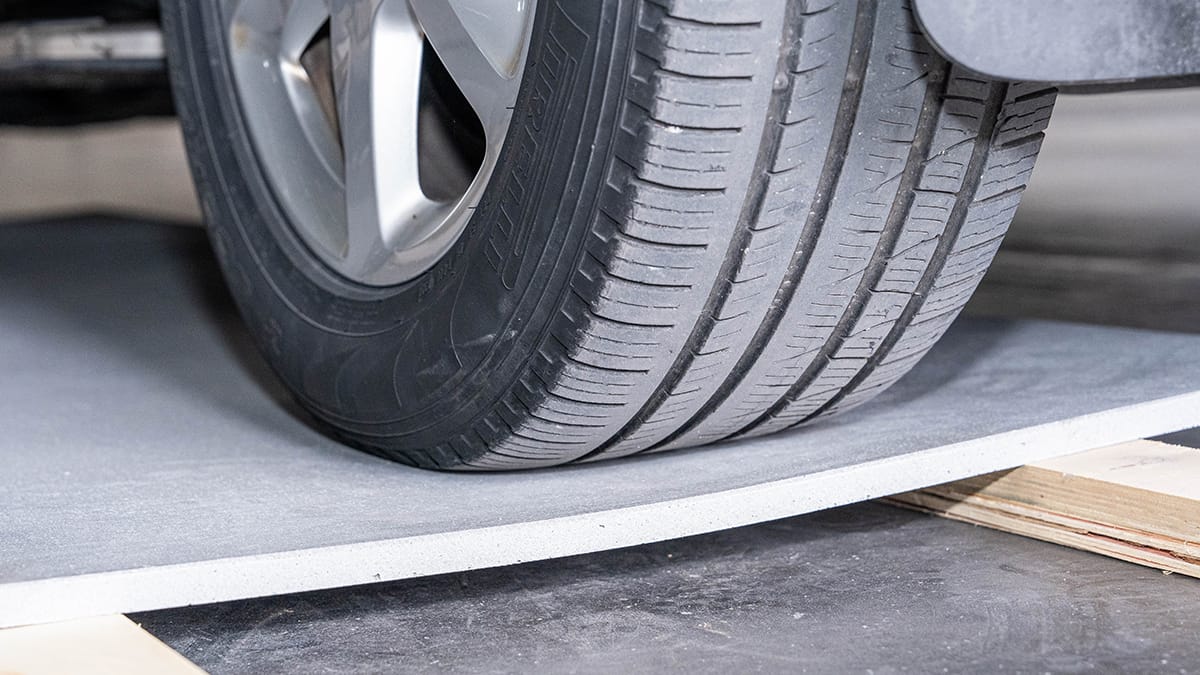
You want a sheathing material that lasts a long time. In the durability showdown of MgO board sheathing vs OSB sheathing, MgO board sheathing is usually stronger. This is particularly evident when considering fire and moisture resistance. MgO’s non-porous surface effectively keeps water out, making it a reliable choice for wet areas like bathrooms and kitchens. In contrast, OSB sheathing can swell and weaken when exposed to moisture, potentially leading to significant issues down the line. Durability is crucial because robust materials protect your building, ensuring safety and reducing repair costs.
Tip: Choosing a strong sheathing material like MgO board sheathing means you worry less about mold, mildew, or costly repairs compared to OSB sheathing.
Aspect | Impact on Building Performance and Safety |
|---|---|
Durability of Core Materials | Good materials like reinforced concrete and treated timber last in tough conditions. They make buildings stronger. |
Weather Resistance | Moisture-resistant materials, such as MgO board sheathing, stop problems like mold and rust, helping buildings last longer. |
Energy Efficiency | Insulation helps keep rooms warm or cool. This lowers HVAC use and saves money over time. |
Maintenance Requirements | Materials that require little care save money and time. They also help keep buildings safe. |
Key Takeaways
MgO board sheathing is better at stopping fire and water than OSB. This makes it a safer choice for buildings.
Picking MgO board lowers the chance of mold and expensive fixes. This is very helpful in wet places like bathrooms and kitchens.
MgO board might cost more at first. But it lasts longer and needs less care, so you save money over time.
MgO board stays strong and keeps its shape in different weather. OSB can get bigger and weaker when it gets wet.
Builders who care about the environment like MgO board more. It uses natural materials and makes less pollution.
Durability Comparison: MgO Board Sheathing vs OSB Sheathing
 Overall Durability Verdict
 Overall Durability Verdict
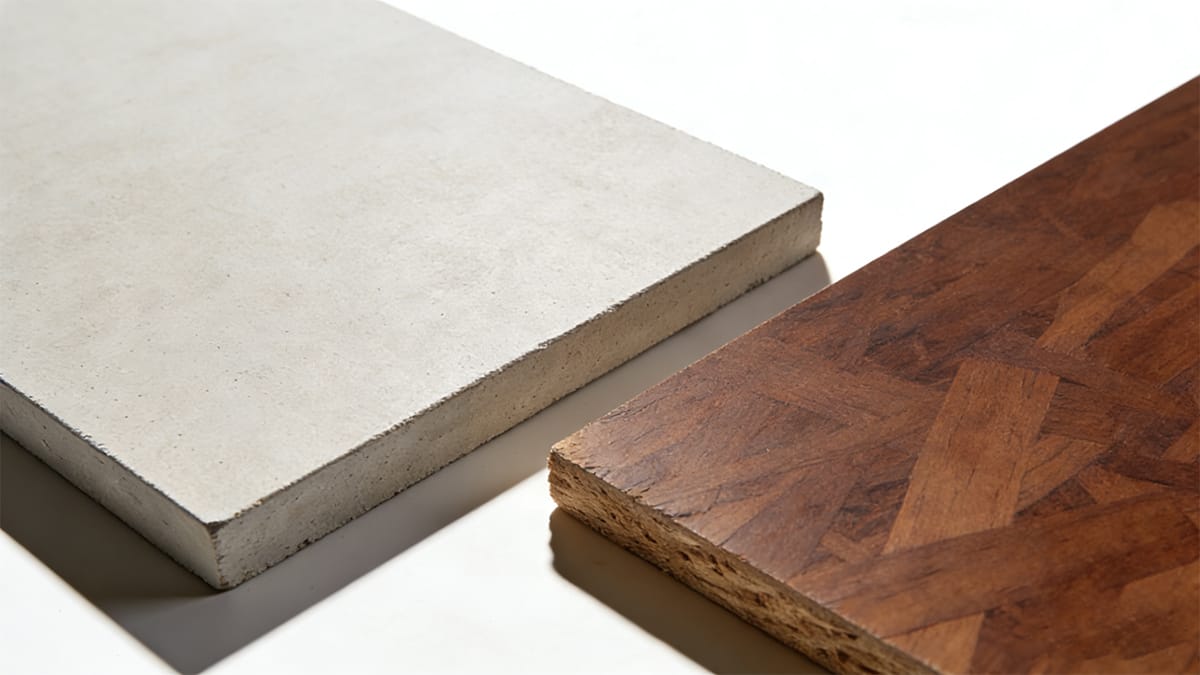
If you look at MgO board sheathing vs OSB sheathing, you see they are not the same. MgO board sheathing is good at stopping fire, blocking water, and staying strong. You want your building to be safe for a long time. MgO board sheathing helps you feel safe.
Fire safety matters a lot for durability. MgO board sheathing passes tough fire tests. The table below shows how they compare:
Material | Notes on Fire Resistance | |
|---|---|---|
Magnesium Oxide (MgO) Board | Up to 1-2 hours; rated noncombustible (ASTM E136 & E84) | Very fire-resistant, better than gypsum and fiber cement boards |
OSB | Not fire-resistant; burns fast in high heat | Not good at stopping fire |
You want sheathing that does not burn fast. MgO board sheathing keeps your building safer than OSB. OSB can catch fire quickly and put your building in danger.
Water can also hurt durability. MgO board sheathing keeps water out, so it does not swell or rot. OSB can swell and get weak when wet. The table below shows how OSB grades handle water:
OSB Grade | Description | Moisture Resistance |
|---|---|---|
OSB1 | Used for dry places | Low |
OSB2 | Strong boards for dry places | Low |
OSB3 | Strong boards for damp places | Moderate |
OSB4 | Extra strong boards for damp places | High |
Even the best OSB can have trouble in very wet places. MgO board sheathing works better in bathrooms, kitchens, and wet climates.
Being tough is also important. MgO board sheathing is hard to dent or break. TamlynMgO panels are known for being strong. OSB is strong too, but MgO board sheathing is often tougher in tests.
You want sheathing that lasts a long time. MgO board sheathing gives you better durability than OSB. You get good fire safety, water protection, and strength.
Key Differences in Durability
When you compare MgO boards vs OSB, you see some big differences. These help you pick the best sheathing for your building.
Note: Always check building rules and certifications before you pick a sheathing material.
Here is a table that shows the main differences between MgO board sheathing vs OSB sheathing:
Feature | MgO Board | OSB Sheathing |
|---|---|---|
Fire Resistance | Naturally fire-resistant | Treated with fire-resistant chemicals |
Water Resistance | High resistance, good for wet places | Can swell and break down in water |
Environmental Impact | Low carbon footprint, inorganic | Chemicals can be a problem |
Durability | Very strong | Strong but not as tough in bad weather |
Cost | Usually costs more | Cheaper to buy |
MgO board sheathing gives you better fire and water safety. OSB costs less, but you might need to fix or replace it if it gets wet or damaged.
Industry rules help you know how tough materials are. MgO board sheathing meets standards like ASTM E119 and ICC-ES ESR-5193. These show MgO board sheathing is safe and strong.
You want to stop mold and swelling. MgO board sheathing does this better than OSB. OSB can get mold and lose strength if it gets wet.
Here are the most important durability differences between MgO boards vs OSB:
MgO board sheathing stops fire and water much better than OSB.
OSB can swell, rot, and burn more easily.
MgO board sheathing lasts longer in tough places.
You pay more for MgO board sheathing, but you get better safety and durability.
When you pick sheathing, think about your weather, building needs, and safety. MgO boards vs OSB give you different levels of durability. You want the material that keeps your building safe and strong for a long time.
Material Overview: MgO Board and OSB
What Is MgO Board Sheathing?
 What Is MgO Board Sheathing?
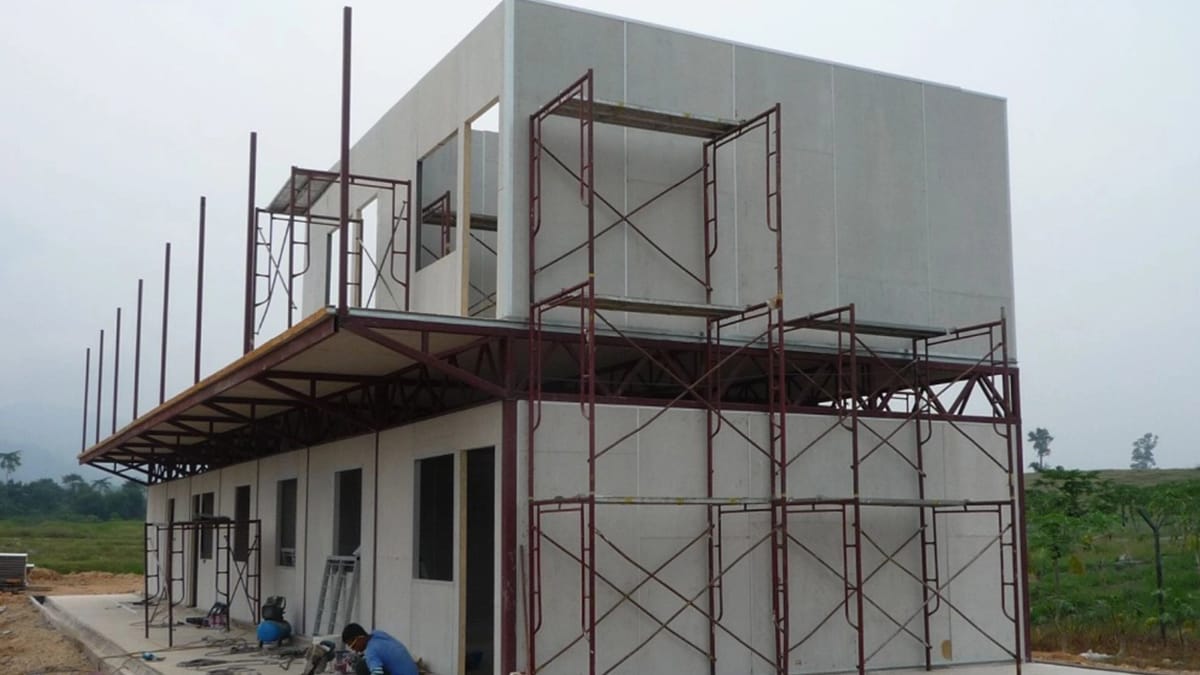
Builders like to use MgO board for strong and safe buildings. MgO board is made from magnesium oxide. People use it for walls, floors, and ceilings. It comes from natural minerals. MgO board does not burn easily. It also keeps water out. This means MgO board stays strong in wet places and during fires.
MgO board has special features that help it last a long time. Check this table to see how MgO board helps your building:
Property | Contribution to Durability |
|---|---|
Fire Resistance | Withstands temperatures over 750°C (1,382°F) without discoloration, ideal for fire-rated applications. |
Moisture Resistance | Naturally resists moisture, preventing mold and mildew growth, ensuring healthier indoor environments. |
Pest Resistance | Impervious to pests like termites, providing a durable choice for long-term use. |
Dimensional Stability | Maintains shape without warping or swelling, ensuring stability in various conditions. |
Environmental Sustainability | Produced using low energy and natural materials, supporting sustainable construction practices. |
MgO board gives you many good things. It does not bend or get bigger when wet. It keeps its shape in hot, cold, or wet weather. MgO board is also better for the environment because it uses less energy to make.
Tip: MgO board is great for places where you need fire safety and water protection. You can use MgO board in bathrooms, kitchens, and outside walls.
What Is OSB Sheathing?
You see OSB panels in lots of homes and buildings. OSB panels are made from wood pieces glued together. People use OSB panels for sheathing because they are strong and cost less. MgO board and OSB panels have different strengths.
OSB panels have some features that help them last. Look at this table to see what OSB panels can do:
Property | Description |
|---|---|
Moisture Resistance | OSB sheathing features a moisture-resistant edge coating that protects against moisture absorption during construction delays, ensuring long-lasting performance. |
Structural Performance | Classified as Exposure 1, it is designed to resist moisture effects on structural performance during construction delays. |
Biological Resistance | Treated with fungicides like zinc borate and oxine copper to enhance resistance to biological deterioration, although it is not suitable for direct contact with moisture sources. |
OSB panels are strong and work well for walls and roofs. You need to keep OSB panels dry because water can make them swell. MgO board does not have this problem.
Note: If you want to save money, OSB panels are a good choice. You must keep them away from water to keep them strong.
Strength and Durability Factors
Structural Strength
 Structural Strength
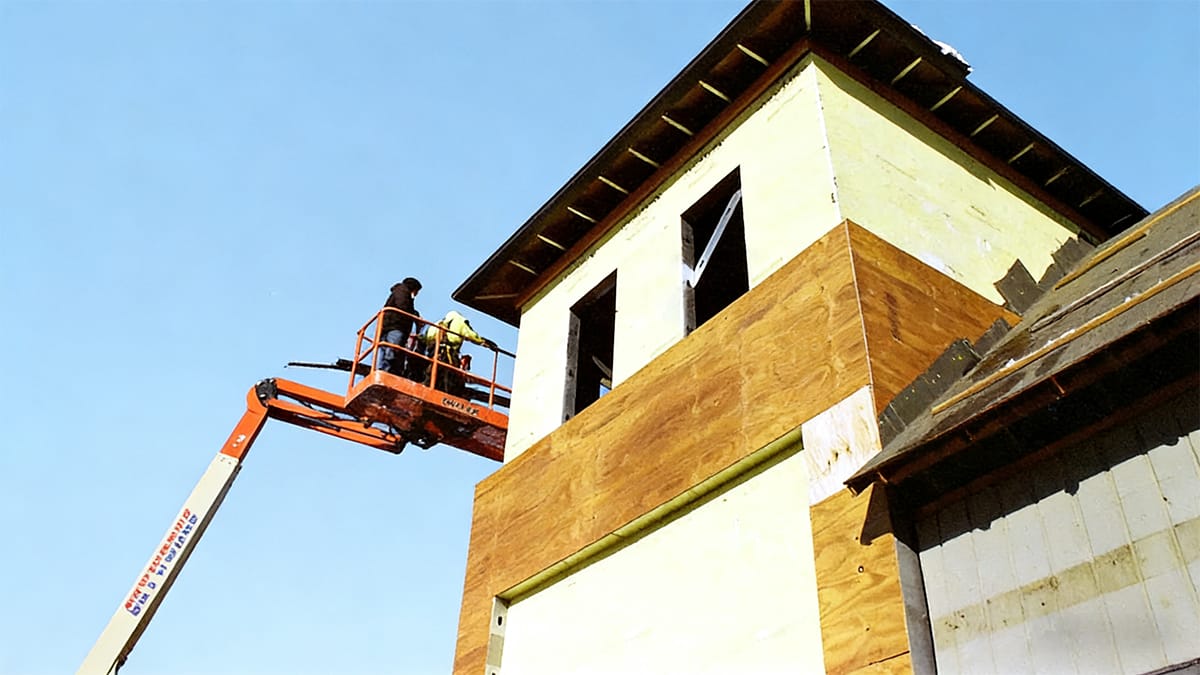
You want your building to stand strong for many years. When you look at mgo board and OSB sheathing, you see big differences in structural integrity. Mgo board gives you reliable strength. It does not bend or break easily. You can use mgo board in places where you need extra support. OSB sheathing also offers good structural integrity, but mgo board often performs better in tough conditions.
Mgo board keeps its shape even when the weather changes. You do not see warping or swelling. This helps your building keep its structural integrity. OSB sheathing can lose strength if it gets wet. You may notice swelling or soft spots. Mgo board resists these problems. Builders trust mgo board for projects that need high strength and durability.
Tip: If you want to protect your building’s structural integrity, choose mgo board for areas with heavy use or changing weather.
Impact and Load Resistance
You need sheathing that can handle bumps, knocks, and heavy loads. Mgo board stands out for impact resistance. You can hit mgo board with tools or equipment, and it will not crack or dent easily. This keeps your walls and floors safe. OSB sheathing has good strength, but it may show damage after strong impacts.
Mgo board supports performance under heavy loads. You can use it in floors, roofs, and walls where you expect a lot of weight. The structural integrity of mgo board helps your building stay safe. OSB sheathing works well for many projects, but mgo board gives you extra durability.
Here is a table to help you compare strength and durability:
Feature | Mgo Board | OSB Sheathing |
|---|---|---|
Structural Integrity | Excellent | Good |
Impact Resistance | High | Moderate |
Strength Under Loads | Very High | High |
Durability | Superior | Moderate |
You want your building to last. Mgo board gives you the strength and durability you need for long-term structural integrity.
Moisture and Mold Resistance
Water Resistance
You want your building to stay strong even when it faces wet conditions. Water can cause big problems for many materials, but mgo board stands out for its excellent moisture resistance. When you use mgo board, you get a sheathing that does not absorb much water. This helps protect your walls and floors from swelling or breaking down.
Take a look at how mgo board compares to traditional materials in water absorption:
Performance Metric | MgO Boards | Traditional Materials |
|---|---|---|
Water Absorption Rate | Variable, generally higher |
You can see that mgo board has a much lower water absorption rate. This means you get better durability and moisture resistance, especially in places like bathrooms, kitchens, or basements. OSB does not perform as well. It can swell and lose strength if it gets wet. Mgo board keeps its shape and strength, even after long exposure to moisture.
Tip: Choose mgo board for areas where water and mold resistance matter most. You will notice fewer repairs and longer-lasting results.
Mold and Mildew Protection
Mold and mildew can damage your building and harm your health. You need materials with strong mold resistance. Mgo board gives you high protection against mold and mildew because it does not hold moisture. In humid climates, mgo board outperforms OSB. It does not swell, warp, or lose strength, even in wet conditions.
Mgo board keeps its structure stable, even after months in damp air. OSB, on the other hand, can swell and break down when exposed to moisture. This makes mgo board the better choice for high humidity areas. You get better water and mold resistance, which adds to the durability of your building.
Note: If you want a building that stays safe and strong, pick mgo board for its moisture resistance and mold resistance. You will see fewer problems with water and mold over time.
Fire Resistance Performance
Fire Ratings
You want your building to stay safe when fire threatens. The fire resistance of sheathing matters for every project. MgO fire-rated sheathing panels give you a high fire resistance rating. These panels can withstand fire for 1 to 4 hours, depending on the product. MgO does not burn or release toxic smoke. You get strong fire-resistant properties with MgO fire-rated sheathing panels.
OSB sheathing does not perform as well. Regular OSB is class C and is not recommended for fire walls. You can buy a fire-rated OSB sheathing panel, but it costs much more. Even then, fire-rated OSB sheathing panels do not match the durability or fire resistance of MgO fire-rated sheathing panels.
Here is a quick comparison:
Sheathing Type | Fire Resistance Rating | Combustibility and Fire Risk |
|---|---|---|
MgO fire-rated sheathing panels | 1–4 hours | Noncombustible, no toxic smoke |
Fire-rated OSB sheathing panel | Lower, costly | Can ignite, not for exposed walls |
Regular OSB | Class C, very low | Burns fast, high fire risk |
Note: Always check fire safety certifications for your sheathing panels before you build.
Real-World Fire Safety
You need real protection when fire strikes. MgO fire-rated sheathing panels show strong fire-resistant properties in actual fire incidents. MgO does not burn. It stops fire from spreading. Studies show that MgO is dense and blocks heat transfer. This helps keep your building safe and adds to durability.
OSB can ignite quickly. A fire-rated OSB sheathing panel slows fire for a short time, but regular OSB burns fast. Fire can move through OSB and threaten your building. MgO fire-rated sheathing panels prevent this danger. You get better fire resistance and longer-lasting safety.
MgO fire-rated sheathing panels outperform OSB in fire resistance.
MgO keeps fire from spreading and protects your building.
Fire-rated OSB sheathing panels cost more and do not last as long in fire.
You want sheathing that gives you peace of mind. MgO fire-rated sheathing panels offer the best fire-resistant properties and durability for your project.
Real-World Performance: MgO Boards vs OSB
Field Data and Case Studies
 Field Data and Case Studies
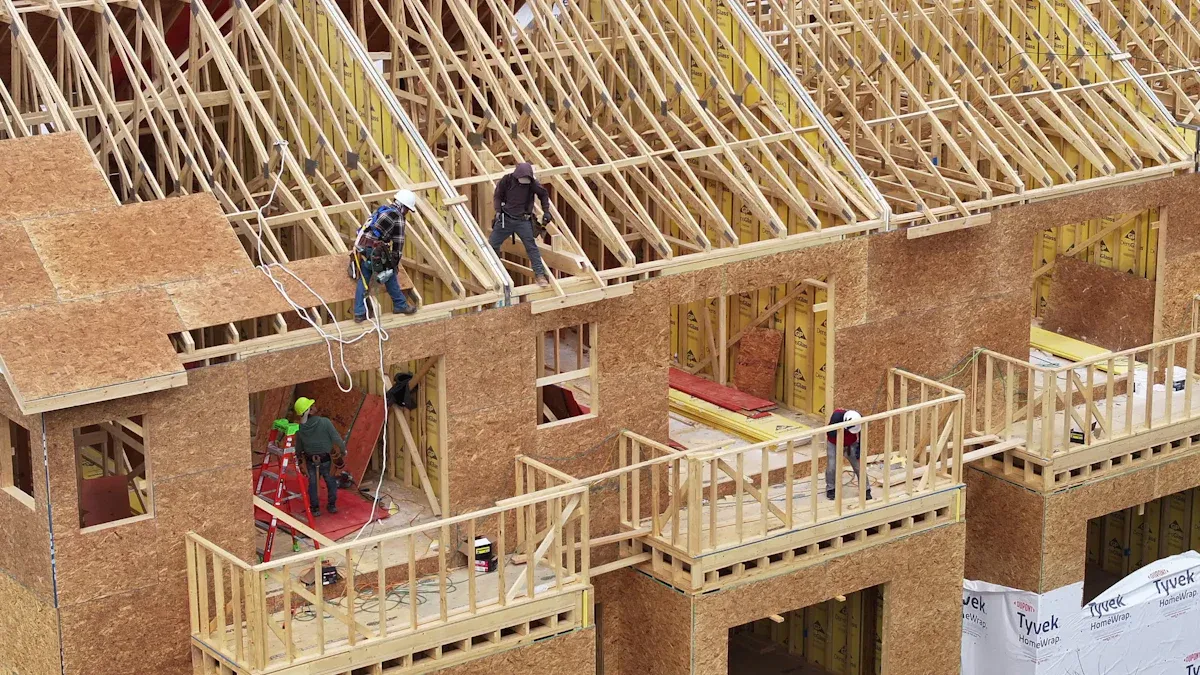
You want to see how these materials work in real buildings. MgO shows strong results in homes and businesses. Builders pick MgO because it lasts long and resists water. You can use MgO in bathrooms, kitchens, and outside walls. Tests show MgO keeps its shape for over 50 years. This is longer than most other materials. MgO also stops pests, so you do not need extra chemicals.
Here is a table with examples of MgO in real buildings:
Region | Application | Benefits | Outcome |
|---|---|---|---|
Europe | MgO in SIPs | Fire, moisture, and mold resistance; insulation | Fast assembly, strong safety, lasting quality |
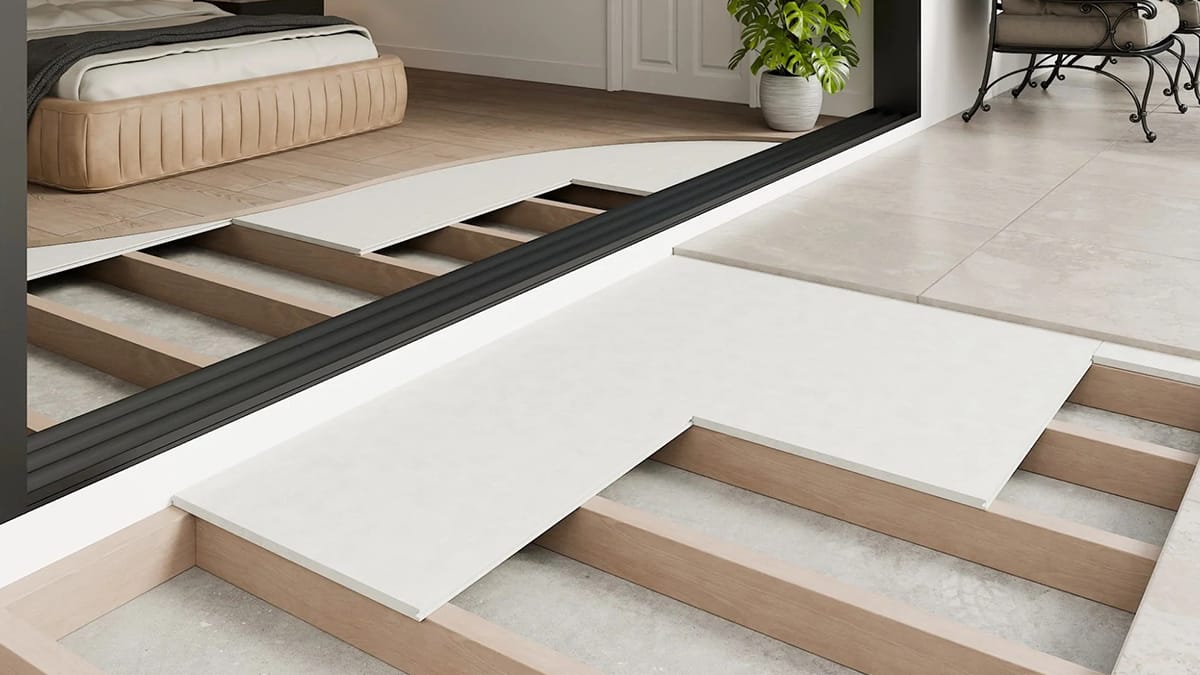
Australia | Floor underlayment under tiles | Moisture resistance, high strength, quick install | Stable floors, low maintenance |
Middle East | Exterior cladding and interior partitions | Fire, UV, and heat resistance; lightweight | Durable, meets building codes |
You can see MgO works well in many places. It keeps working even in tough weather.
Common Issues and Failures
You should know about problems with MgO and OSB. OSB often takes in water. If there are leaks, OSB can swell, bend, or rot. Mold can grow on wet OSB, especially if air does not move well. These problems can hurt your building and make it weaker.
MgO has some problems too. Some panels can take in water, which may raise water levels. This can make metal parts nearby rust. Not every MgO panel passes fire safety tests, because not all makers have good quality control.
OSB can swell, bend, and rot when wet.
Mold grows on OSB if air does not move.
MgO panels may take in water and cause rust.
Some MgO products do not pass fire safety tests.
You need to check certifications and pick trusted brands. This helps you get the best results from your sheathing.
Cost, Installation, and Value
Material and Installation Costs
When you compare building materials, you want to know how much you will spend. The price of mgo boards is higher than other options. You pay between $1.50 and $2.50 per square foot for mgo boards. Regular gypsum boards cost less, usually $0.50 to $1.00 per square foot. Here is a table to help you see the difference:
Cost Category | MgO Boards | Regular Gypsum Boards |
|---|---|---|
Initial Cost | $1.50 – $2.50/sq ft | $0.50 – $1.00/sq ft |
You might think mgo is too expensive at first. However, you should also look at installation costs. Contractors report that installing mgo panels is about the same as installing OSB panels. The process is similar, so you do not pay extra for labor. This means you can choose mgo for better quality without worrying about higher installation costs.
Tip: Even though mgo costs more to buy, you do not pay more for installation.
Maintenance and Longevity
You want your building to last and stay strong. Mgo gives you many benefits that help reduce maintenance. It does not burn, so you get excellent fire resistance. Mgo resists water and mold, making it a good choice for damp places. It also keeps pests like termites away. These features mean you spend less time and money on repairs.
Here is a table showing the 10-year maintenance costs:
Sheathing Type | Cost per Square Foot | 10-Year Cost Estimate |
|---|---|---|
MgO Board | $1.50 – $3.00 | $15,000 – $30,000 |
OSB | $0.50 – $1.00 | $5,000 – $10,000 |
Mgo boards last a long time. Lab tests show that mgo does not swell or break down, even after years of water exposure. Studies show mgo can last at least 33 years. It keeps its shape and strength in wet conditions. OSB does not last as long and can get damaged by water or pests.
Mgo keeps its strength in wet places.
Mgo does not swell or bend over time.
Mgo protects your building from fire, water, and insects.
You get more value from mgo because it lasts longer and needs less care. If you want a strong, safe building, mgo is a smart choice for sheathing.
Environmental Impact
Sustainability
 Sustainability
You want to pick building materials that are good for the earth. Mgo and OSB are different in how they affect nature. Mgo is made from natural minerals and uses less energy to make. This helps cut down on pollution. OSB is made from wood and needs more steps to produce. This can make its impact on the environment bigger.
Here is a table that shows how mgo and OSB compare in sustainability:
Feature | MgO Sheathing Board | OSB Sheathing |
|---|---|---|
Environmental Impact | Low impact due to energy-efficient production and fewer emissions | Higher impact from processing and transportation |
Resource Use | Uses abundant natural minerals | Uses wood, which needs forests |
Recyclability | Can be recycled or safely disposed of | Can be recycled, but may release chemicals |
End-of-life Disposal | Does not release harmful substances | May release formaldehyde |
When you use mgo, you help the planet. You also avoid bad chemicals. OSB can be recycled, but it might let out chemicals that are not safe for nature.
Tip: If you want a greener building, mgo is a smart choice for sheathing.
Indoor Air Quality
You want the air inside your house or school to be clean. Mgo helps keep the air safe to breathe. It does not let out harmful gases. You do not need to add chemicals to mgo, so there is less pollution. OSB can let out formaldehyde, which is a kind of VOC. This can make the air less healthy.
Mgo boards do not give off VOCs, so the air is safer.
Mgo stops mold, which keeps the air fresh.
Mgo uses natural magnesium sulfate, so rooms stay cleaner.
OSB can let out formaldehyde, which can cause health problems.
You want your family to be healthy. Mgo helps by keeping the air clean and stopping mold. Picking mgo for your building is a good choice for safety and health.
You can see that mgo board sheathing is tougher than OSB. Mgo does better with fire and water. The table below shows mgo keeps out water and lasts a long time.
Material | Moisture Resistance | Longevity | Durability in Environmental Conditions |
|---|---|---|---|
MgO Board | Excellent | Long lifespan | Superior performance |
OSB | Poor | Moderate lifespan | Degrades rapidly in moisture |
Gypsum Board | Limited | Short lifespan | Less durable in wet conditions |
Fiber Cement Board | Good | Long lifespan | Durable but can absorb water over time |
Pick mgo if you build in wet or risky places. OSB is okay for dry and cheap projects. Mgo gives strong fire safety and needs little care. Builders say you should think about all costs and safety. Mgo is simple to put in and is better for nature. Ask experts and follow your local rules for the best results.
Installing mgo and OSB the right way keeps buildings safe.
Using strong fasteners helps in windy areas.
Always check your local building codes.
FAQ
What makes mgo a good choice for wet areas?
You can use mgo in wet areas because it resists water. It does not swell or break down when exposed to moisture. This helps your walls and floors stay strong and safe.
Can you paint or finish mgo board sheathing?
Yes, you can paint or finish mgo board sheathing. Make sure the surface is clean and dry before you start. Use paints or finishes that work well with cement-based products for best results.
How does sheathing affect fire safety in buildings?
Sheathing plays a big role in fire safety. Some types, like mgo, do not burn easily. This helps slow down fire and gives you more time to get to safety.
Is mgo board safe for indoor air quality?
You can trust mgo board for indoor air quality. It does not release harmful gases or strong smells. This keeps the air in your home or school clean and healthy.
How long does mgo board last compared to other materials?
Mgo board lasts a long time. You can expect it to stay strong for many years, even in tough conditions. It often outlasts wood-based boards in wet or humid places.