
05 Jan Top 5 Moisture-Resistant Sheathing Boards for 2025
Here are the top 5 moisture-resistant sheathing boards for 2025:
Waterproof plywood
OSB with moisture-resistant coating
MgO board
Fiber cement sheathing
Rigid foam insulation
You need strong resistance in your outside wall sheathing. Moisture can get in from rain or wet air. Many building problems happen because of moisture getting inside. Damage can come from roofing, plumbing, or mistakes with cladding. The right board helps stop moisture and makes your walls last longer. It also keeps your walls safe. This article looks at resistance, how long boards last, and how you can use them. It helps you choose the best board for your project.
Key Takeaways
Pick moisture-resistant sheathing boards to keep walls safe from water. This stops mold, rot, and problems with the building.
Look at what each board can do. Waterproof plywood, MgO boards, and fiber cement sheathing are strong and keep out water well.
Always choose sheathing that fits your weather. If you live in a wet place, use boards with high waterproof ratings like MgO or fiber cement.
Install the boards the right way. Use vapor barriers and seal the edges to keep water out and make the boards last longer.
Learn about new materials and technology. New moisture-resistant sheathing can make buildings stronger and better for the environment.
Top 5 Moisture-Resistant Sheathing Boards Overview
Quick List and Features
You might wonder which boards work best against moisture. Here is a fast list of the top five and what makes them good:
Sheathing Board | Defining Features |
|---|---|
Waterproof Plywood | Strong for heavy loads, bends easily, smooth for siding, good for the environment. |
OSB with Moisture-Resistant Coating | Has fewer spaces, uses waterproof glue, checks moisture, very strong. |
Stops fire, safe for the planet, low VOCs, keeps out water and bugs. | |
Fiber Cement Sheathing | Very strong, stands up to weather, does not rot, stays steady in hot or cold. |
Rigid Foam Insulation | Blocks water well, keeps heat in, light to carry, simple to put in. |
Waterproof plywood is strong and bends without breaking.
OSB with moisture-resistant coating uses glue and smart panels to stop water.
MgO board keeps fire and bugs away from your walls.
Fiber cement sheathing stays tough in storms and never rots.
Rigid foam insulation blocks water and saves energy.
Why Moisture Resistance Matters
Moisture resistance is important when you pick sheathing boards. If you do not think about it, your walls can get mold, rot, or break down. You want your walls to last a long time, so you need boards that keep water out and protect your house.
Check the ratings and what the maker says before you buy. Some boards use glue or coatings to keep water out. Others, like MgO and fiber cement, fight both water and bugs. Strong boards last longer, especially where it rains a lot.
When you put in moisture-resistant sheathing, use vapor barriers too. These barriers stop water from coming up from the ground. Good work keeps your walls dry and strong. If you want your project to last, pick boards that resist water, last long, and fit your weather.
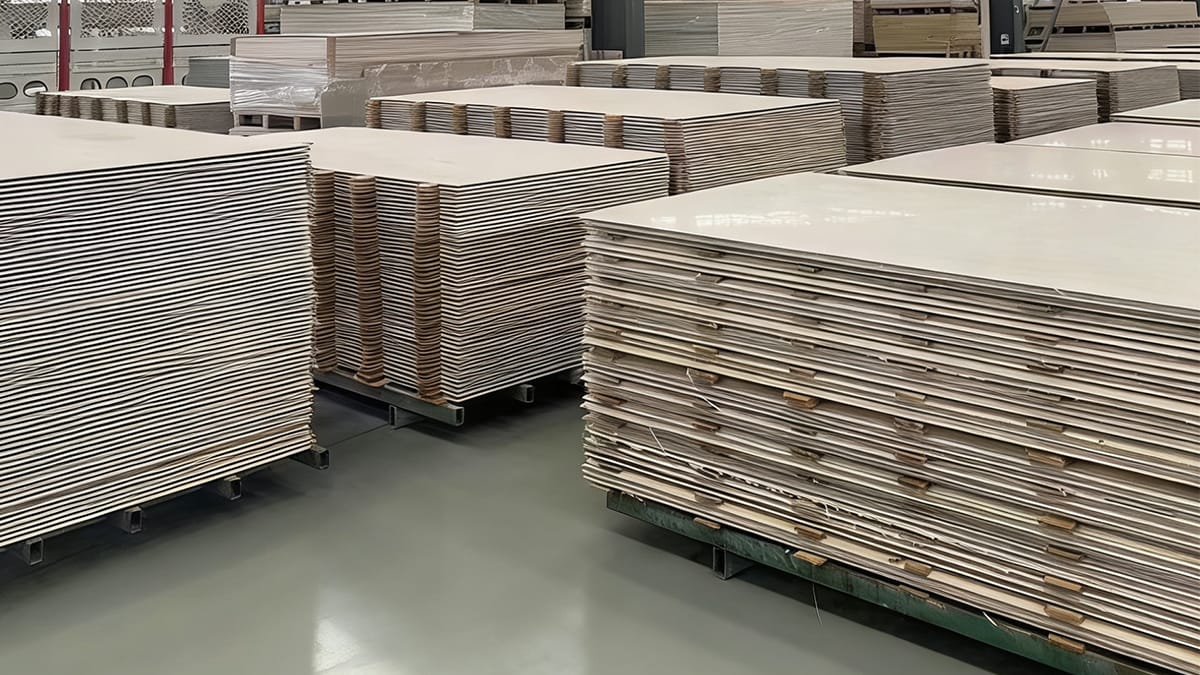
Waterproof Plywood for Exterior Wall Sheathing
Composition and Moisture Resistance
Waterproof plywood has layers of wood stuck together. Each layer faces a different way. This makes the board strong and bendy. It can hold heavy things and bend without breaking. The glue and special treatment help keep water out. New waterproof plywood uses better glue. Some glue is made from plants and stops water and mildew. These glues are safer than old ones with formaldehyde. Marine plywood is made for wet places. People use it to build boats and in spots with lots of water. Exterior-grade plywood gets extra treatment to block moisture. Pick these boards when you need strong waterproof protection.
Tip: If you want the best resistance, choose marine-grade plywood. It can handle boiling water tests and does not break apart.
Durability and Applications
Waterproof plywood is strong and lasts a long time. You can use it for roof decks, shed walls, wall sheathing, and floors under cover. It works well for jobs that need siding on top. Marine plywood and phenolic plywood are good for outdoor projects. They use special glue that keeps water out and holds tight. These boards stay solid even after soaking in water for days. Marine plywood gets resin in every layer, so it keeps its shape and strength. You can trust it in places with lots of moisture.
Material | Moisture Resistance | Durability |
|---|---|---|
BWP Plywood | High, stands up to water for long | |
MR MDF | Mild humidity | Not as strong |
Rtree Water Resistant Board | Excellent | Good, but not as tough as BWP |
Pros and Cons
Here are some good and bad things about waterproof plywood:
Pros:
Strong and bends for many jobs
Handles moisture and marine places well
Marine plywood and phenolic plywood last in wet spots
Passes hard water tests
Uses eco-friendly glue now
Cons:
Costs more than regular boards
Needs edge sealing for best waterproofing
Heavier than other choices
Waterproof plywood gives you great strength and moisture resistance. Marine plywood or phenolic plywood work well in wet and tough places. If you need a board for water and hard jobs, this is a good choice.
OSB with Moisture-Resistant Coating
 Material and Moisture Resistance
 Material and Moisture Resistance
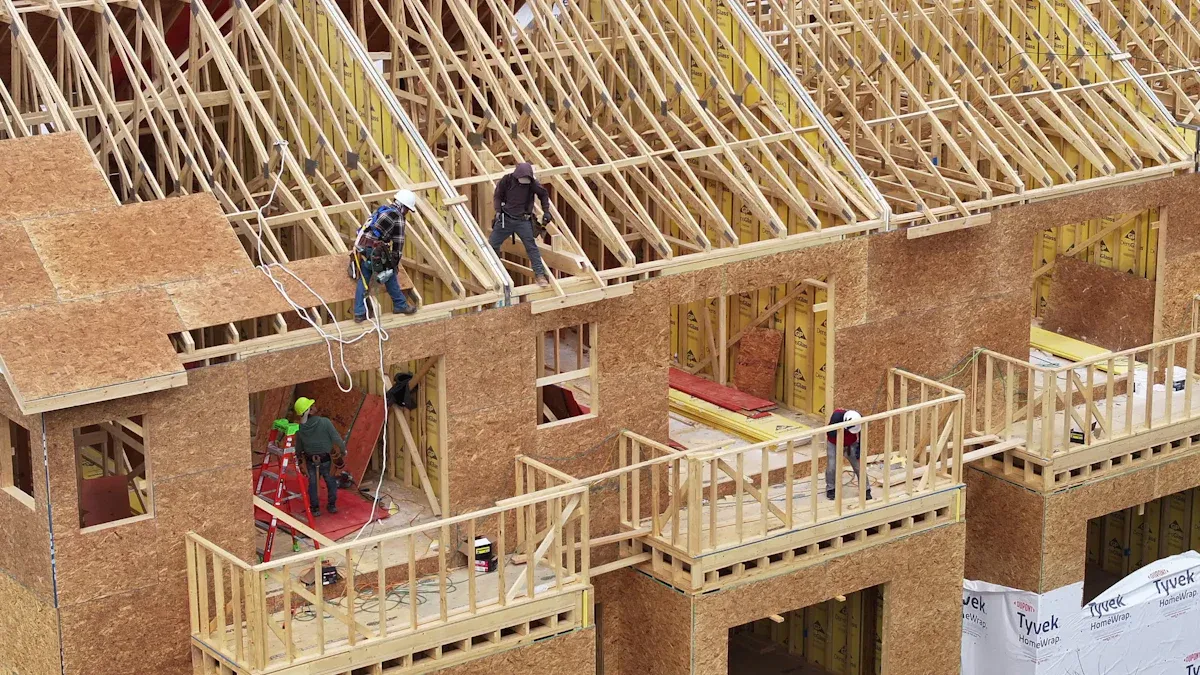
OSB with moisture-resistant coating is used in many buildings. This board has wood strands, waterproof glue, and wax. These parts help the board fight water and stay strong in wet places. Here is what makes up OSB with moisture-resistant coating:
Component | Description |
|---|---|
Wood Strands | Comes from trees like aspen or pine. These trees grow fast and give good wood. |
Adhesives | Waterproof resins like phenol-formaldehyde or isocyanate make the board strong and block water. |
Wax | Helps keep water out and makes the board steady in wet spots. |
The glue and wax stop water from getting inside the board. OSB with moisture-resistant coating works better than regular OSB. It is a good choice for outside walls where water is a problem.
Best Uses and Performance
You want your outside walls to last in rainy places. OSB with moisture-resistant coating works for walls, roofs, and floors. It can handle bad weather and keeps its shape. If you use weather barriers and seal the board, it works even better. Paint helps a little, but does not make it waterproof. There are different OSB grades for different jobs:
OSB Grade | Description | Moisture Resistance |
|---|---|---|
OSB/1 | Used for dry places. | Low |
OSB/2 | Used for strong jobs in dry places. | Low |
OSB/3 | Used for strong jobs in wet places. | Moderate |
OSB/4 | Used for heavy jobs and has high moisture resistance. | High |
If you live where it rains a lot, pick OSB/4. It gives your walls more protection and lasts longer.
Tip: Always install OSB the right way. Seal the edges and use weather barriers to keep water out.
Pros and Cons
Here are some things to think about before you pick OSB with moisture-resistant coating:
Pros:
Fights water and moisture well
Strong for outside walls and heavy jobs
Costs less than some waterproof boards
Simple to cut and put in
Cons:
Not fully waterproof without extra coatings
Edges can get bigger if wet for too long
Needs good sealing for best protection
OSB with moisture-resistant coating gives you good protection and saves money. You must install it right for the best results. If you want a board that is strong, fights water, and does not cost too much, OSB with moisture-resistant coating is a good choice for outside walls.
MgO Board Sheathing
Moisture Resistance and Strength
 Moisture Resistance and Strength
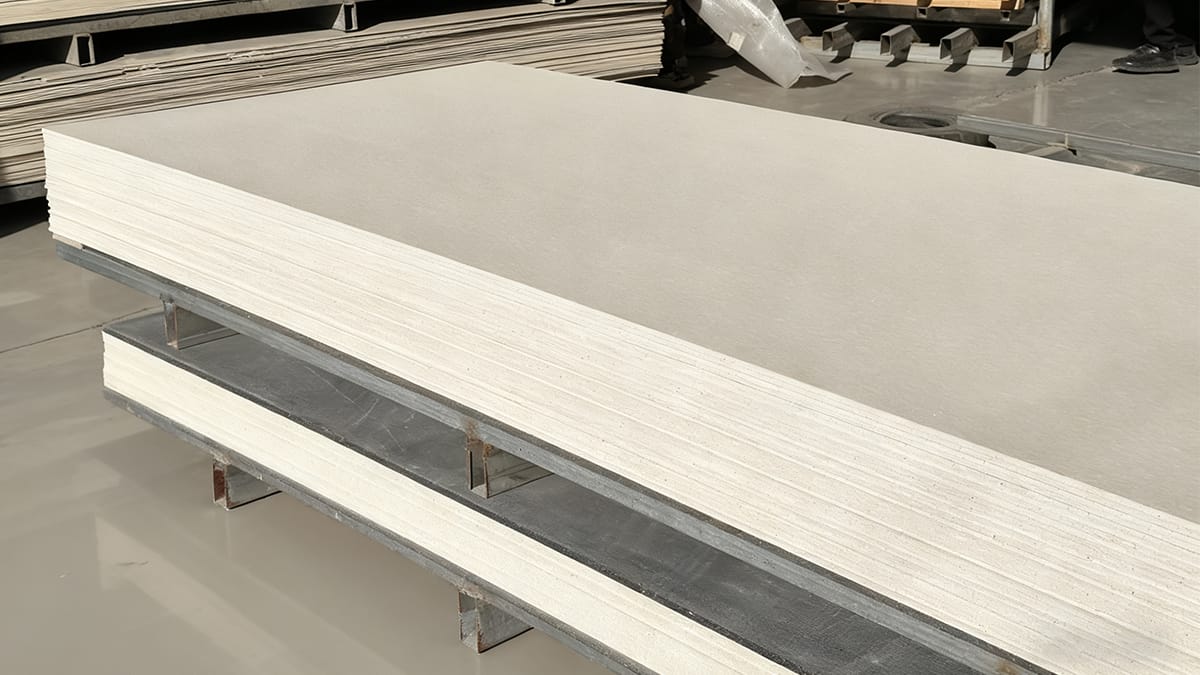
You want a board that stands up to water and keeps your walls safe. MgO board sheathing gives you top-level resistance to both moisture and fire. When you use MgO, you do not have to worry about the board swelling or warping after it gets wet. Even after soaking the board many times, it keeps its shape and strength. You can leave quality MgO boards outside for months before you add cladding, and they still work like new. Plywood may buckle or lose strength in humid places, but MgO boards stay strong.
MgO board keeps its strength and shape after many soakings.
You can leave it exposed to weather for months before covering.
It does not lose its structure in humid air, unlike plywood.
MgO boards also give you excellent fire resistance. You get peace of mind knowing your walls have extra protection. Here is a quick look at how MgO boards perform:
Property | Description |
|---|---|
Non-combustibility | MgO boards do not burn and have an A1 rating in Europe. |
High Heat Resistance | They can handle heat up to 1,472°F (800°C) without losing shape or strength. |
Fire Test Performance | They often get a zero in ASTM E84, showing no flame spread. |
Applications and Longevity
You can use MgO board sheathing for many jobs. It works well for exterior walls, ceilings, and even floors. Builders like it for places that need waterproof and fireproof protection. MgO board sheathing lasts for decades on outside walls. It does not rot or attract bugs, so you do not have to worry about termites. The board keeps its resistance to water, pests, and fire year after year. You get long-lasting durability that wood-based boards cannot match.
MgO board sheathing lasts for decades in exterior wall jobs.
It resists water, pests, and fire, so it stays strong.
You do not have to worry about rot or termites.
Pros and Cons
Let’s look at what makes MgO board sheathing a smart choice, and what you should consider before you buy:
Pros:
Top-level waterproof resistance for wet and humid places
Does not burn, giving you extra fire safety
Keeps its shape and strength after getting wet
Lasts for decades with little upkeep
Stops bugs and mold from damaging your walls
Cons:
Costs more than regular plywood or OSB
Can be harder to find in some areas
Needs special screws or tools for best results
Tip: If you want a board that gives you waterproof protection, fire resistance, and long-term durability, MgO board sheathing is a great pick for your next project.
Fiber Cement Sheathing for Moisture Resistance
Material Properties
 Material Properties
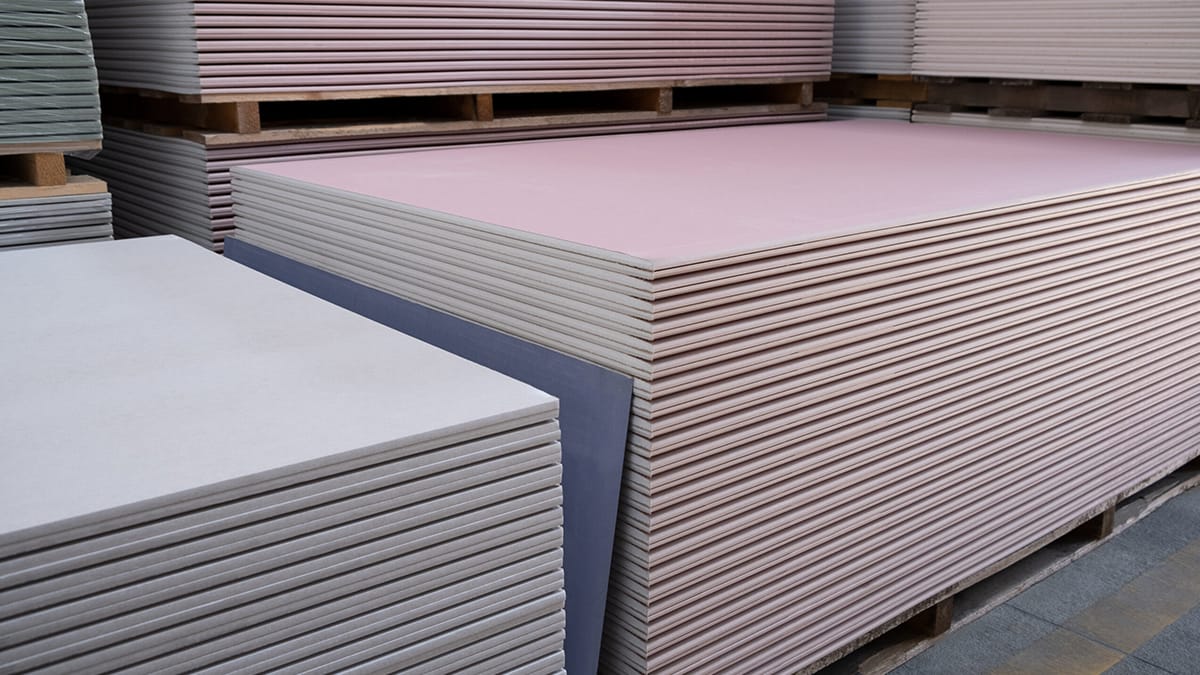
Fiber cement sheathing is good at stopping water. It is made from cement, sand, and cellulose fibers. Cement makes the board strong. Sand helps keep it steady. Cellulose fibers let it bend a little. The board is thick and blocks water well. It can handle heavy rain, hail, and snow. It also works in humid and freezing weather. The waterproof part keeps your walls dry and safe. Fiber cement sheathing does not crack or swell. It keeps its shape for many years. You can trust it in places with tough weather.
Durability and Use Cases
Fiber cement sheathing lasts longer than wood. It needs less fixing and care. The board does not get mold or rot. You do not have to worry about water damage. You can use it in places with wildfires or strong winds. It works in humid and hot or cold places. Builders use it for homes in wet areas. It stops mold from growing. The waterproof part makes it good for outside walls, sheds, and garages. You spend less time fixing things and more time enjoying your home.
Tip: If you live where it rains or snows a lot, fiber cement sheathing helps keep your walls dry and safe.
Pros and Cons
Here are the good and bad things about fiber cement sheathing:
Pros | Cons |
|---|---|
Lasts long and needs little care | Heavier than other boards |
Blocks water well | Needs special cutting tools |
Great at stopping moisture | Costs more than wood or OSB |
Stops mold and rot | Takes longer to install |
Handles tough weather |
|
It stops moisture, mold, and rot very well.
The waterproof part helps your walls last longer.
You need special tools to cut it, and it takes more time to put in.
The board is heavier than plywood or OSB, but it is stronger.
Fiber cement sheathing gives you strong protection from water and mold. If you want a board that works in hard weather and keeps your walls safe, this is a good choice.
Rigid Foam Insulation Sheathing
Moisture Resistance Features
 Moisture Resistance Features
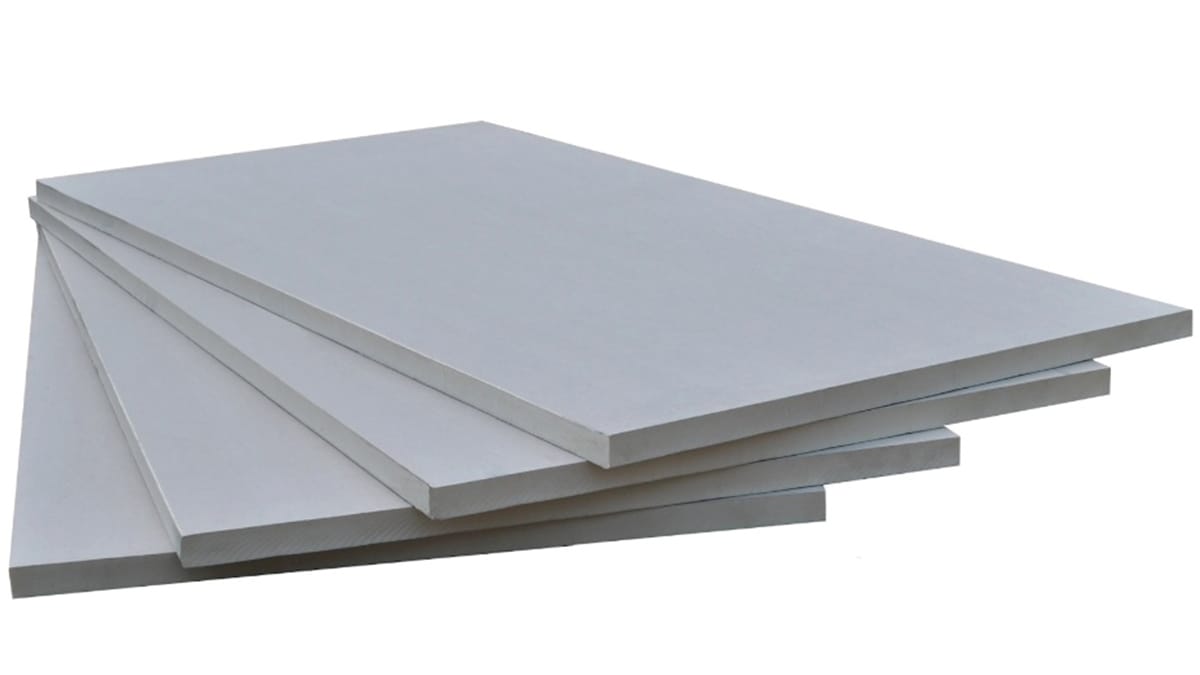
You want your walls to stay dry and strong. Rigid foam insulation sheathing gives you excellent resistance to water. This board uses a closed-cell structure, which means water cannot get inside. You do not have to worry about moisture soaking in from the air. The board stays dry, even in damp places. Mold cannot grow easily because the board does not hold water. You get a waterproof layer that keeps your home safe.
EPS insulation has a special makeup that blocks moisture from the atmosphere.
The closed-cell design gives you top resistance to water.
Even after long exposure to wet conditions, the board keeps its waterproof power and does not lose strength.
Tip: If you want a board that fights water and mold, rigid foam insulation sheathing is a smart pick.
Insulation and Applications
Rigid foam insulation sheathing does more than just block water. It also helps you save energy. You get a continuous layer of insulation that covers your walls. This stops heat from escaping through wood studs. Your house stays warmer in winter and cooler in summer. Just one inch of this board can boost your wall’s R-value by 35%. That means you get more comfort with only a small increase in wall thickness.
You can use rigid foam insulation sheathing in many ways:
Place it on above-grade walls to keep heat in and air out.
Install it over sheathed walls or right on open studs.
Use it on below-grade foundation walls for extra thermal protection.
You get both waterproof protection and better energy savings in one board.
Pros and Cons
Let’s look at what makes rigid foam insulation sheathing a good choice and what you should think about before using it.
Pros | Cons |
|---|---|
High resistance to water and mold | Can cost more than OSB |
Boosts energy efficiency | Not as strong as plywood |
Easy to handle and install | Needs careful sealing at seams |
Lightweight and simple to cut | Not always fire-resistant |
Adds waterproof layer to your walls | May need extra bracing |
You get great resistance to water and a boost in energy savings. The board is light and easy to work with. You may need to add bracing or fire protection, depending on your project. If you want waterproof resistance and better durability for your walls, rigid foam insulation sheathing is a solid choice.
Comparison of Top 5 Moisture-Resistant Boards
Moisture Resistance Ratings
You want strong wall sheathing for your project. Some boards only give basic protection from water. Others keep water out very well. Here is a table that shows how each board works:
Sheathing Board | Moisture Resistance | Waterproof Level | Best Use Cases |
|---|---|---|---|
OSB | Poor | Low | Dry climates, budget builds |
Waterproof Plywood | Better than OSB | Moderate | General wall sheathing, roofs |
Excellent | High | High-humidity, exterior walls | |
Fiber Cement Board | Excellent | High | Wet climates, tough weather |
Rigid Foam Insulation | Excellent | High | Energy-saving wall sheathing |
MgO board, fiber cement, and rigid foam insulation are best for stopping water. If you need waterproof walls, these three are the top choices.
Durability and Cost
You want wall sheathing that lasts and fits your budget. Some boards cost less but do not last as long. Others are stronger and last longer, but cost more. Here is a table to help you compare:
Sheathing Type | Strength | Durability | Moisture Resistance | Fire Resistance | Cost (per unit) |
|---|---|---|---|---|---|
OSB | Moderate | Moderate | Poor | Moderate | |
Waterproof Plywood | Good | Good | Better than OSB | Moderate | Low-Mid |
MgO Board | Very Strong | Highly Durable | Excellent | Excellent | High |
Fiber Cement Board | Strong | Highly Durable | Excellent | Excellent | High |
Rigid Foam Insulation | Moderate | Good | Excellent | Low | High |
MgO board and fiber cement give you the most value if you want walls that last and resist water. OSB costs less, but it is not as strong or resistant.
Best Exterior Wall Sheathing Choices
You might wonder which board is best for your climate. Here are some tips:
MgO board and fiber cement board are best for rainy or humid places. They stop water and mold very well.
Rigid foam insulation is good if you want energy savings and waterproof walls.
Waterproof plywood gives you a good mix of price and resistance for most homes.
OSB works best in dry places or if you need to save money.
Tip: Always pick wall sheathing that matches your local weather. If you live where it rains a lot, choose boards with high waterproof resistance. For dry places, OSB or plywood can work.
Picking the right wall sheathing helps your walls stay strong and dry. Think about resistance, price, and how much water your walls will face. This helps you choose the best board for your home.
Trends in Moisture-Resistant Sheathing for 2025
New Materials and Technologies
 New Materials and Technologies
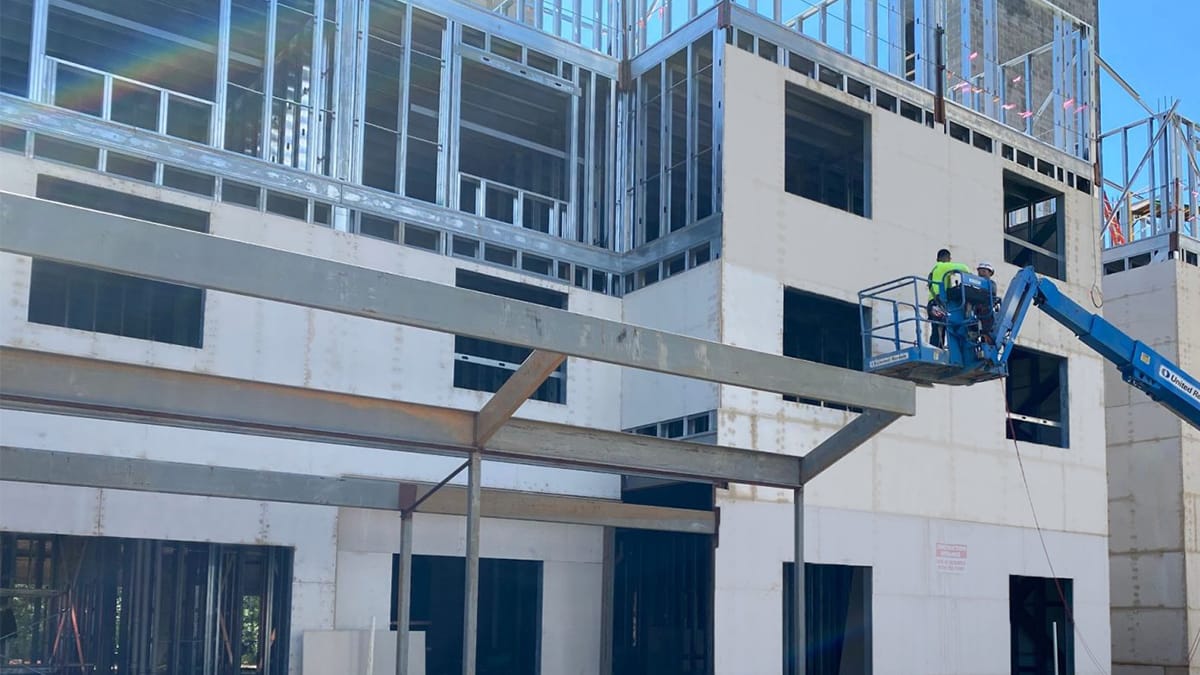
Every year, new ideas show up in moisture-resistant sheathing. In 2025, companies make smart panels and better coatings. Some boards have sensors inside now. These sensors check for moisture and temperature changes. You get alerts if water gets in or if it gets cold. This helps you find leaks before they cause problems.
Many brands use coatings that fight bacteria and mold. These coatings help keep your home healthy. Some panels help control how much moisture is in the air. This makes your space safer and more comfortable.
Here’s a quick look at some top products and their features:
Manufacturer / Product | Moisture Resistance Features | Warranty / Guarantee Details |
|---|---|---|
Huber / AdvanTech OSB | Extra resin, coated strands, waterproof finish | 500-day guarantee against edge swelling |
LP / Legacy OSB | Gorilla Glue tech, rain channels, self-spacing edges | Focuses on durability and moisture resistance |
Weyerhaeuser / Diamond Premium | Drain grooves, tongue-and-groove edges | Limited lifetime warranty, 500-day no-sand guarantee |
West Fraser / Durastrand PointSix | Tapered edges for swelling, many thickness choices | 50-year limited warranty, no-sand guarantee |
Waterproof finishes and smart designs make boards stronger. These boards last longer and help keep your walls safe.
Sustainability and Innovations
You want to use building materials that are good for the planet. In 2025, there are more eco-friendly choices for moisture-resistant sheathing. Companies use recycled wood, plant-based resins, and low-VOC coatings. These choices help protect the earth and your health.
Sustainability is very important now. Some boards use less energy to make and create less waste. Some companies let you return old panels for recycling. This helps cut down on landfill waste and keeps the future cleaner.
Builders want boards that fight water and mold, but also care about the planet. You see panels that last longer, need less fixing, and use fewer chemicals. These new ideas make homes safer and greener.
Tip: If you care about the planet, pick sheathing with recycled content and eco-friendly coatings. You help the earth and get better moisture resistance.
Waterproof and moisture-resistant boards now come with strong warranties. You get peace of mind and help the planet at the same time. The future of sheathing looks bright, with better resistance, longer life, and more focus on sustainability.
How to Choose Moisture-Resistant Sheathing
Project Needs and Climate
You need to know your project and weather before picking sheathing. Think about what your walls need to stay dry and strong.
If you live near the ocean or in a humid place, pick boards that block water well. Magnesium oxide sheathing is good for wet places and also protects against fire.
Cold places need boards that keep heat in and stop moisture. Fiberboard helps your house stay warm and saves energy.
Your budget is important. OSB costs less for dry areas, but you might need to check it more often.
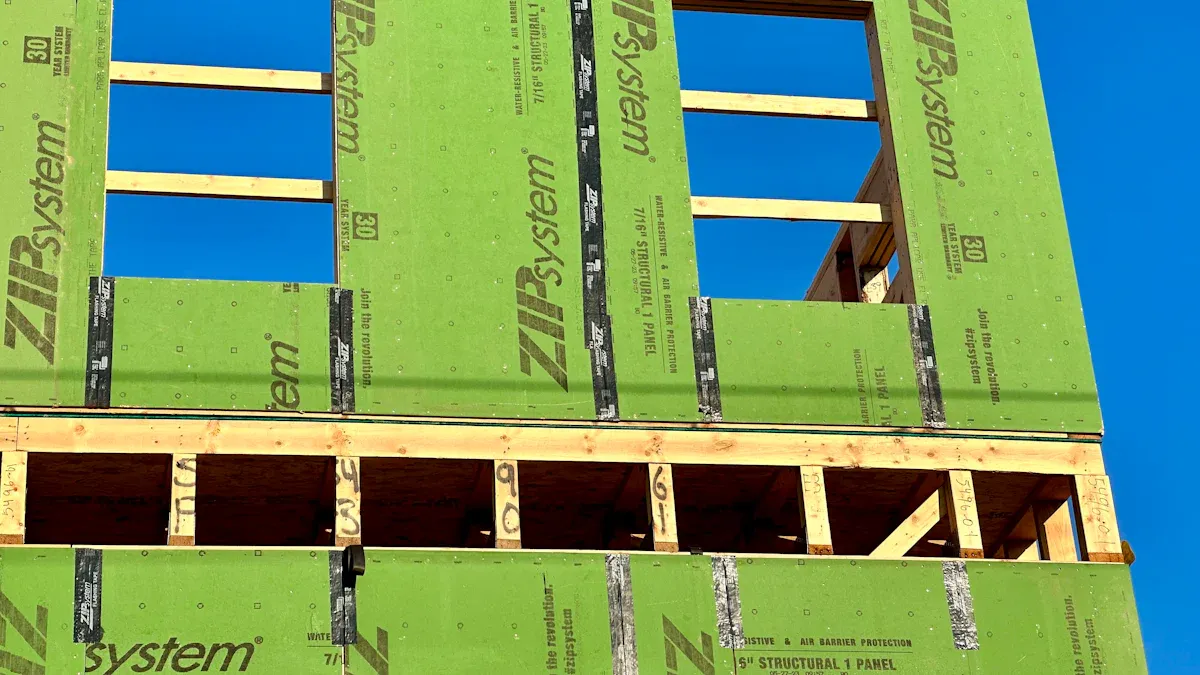
ZIP System panels cost more at first, but they save energy and make building faster.
Plywood is simple to use and works in many places. It gives good water resistance for most jobs.
Fiber cement board is strong and flexible. It is great for siding and handles water well.
Tip: Pick sheathing that fits your weather and building. You get better protection and longer-lasting walls when you choose the right one.
Installation and Maintenance Tips
You want your sheathing to last a long time. Good installation and care help a lot. Here are some easy tips:
Installation Aspect | Best Practice / Quantitative Tip |
|---|---|
Acclimation Time | Let boards sit for 48 hours before install |
Screw Spacing | Place screws every 16″ for strong hold |
Edge Gap (Expansion) | Leave 1/8 inch around perimeter walls |
Board Placement Gap | Keep 1/16 inch between boards on steel |
Fastener Material | Use 316 stainless steel or ceramic coated |
Check your boards once or twice a year for cracks or chips. Clean them with a damp cloth or mild soap. Do not use harsh cleaners.
Put new joint compound on seams that look worn. Make sure screws are tight and not rusty.
Use primer or waterproof sealant in wet spots every few years. This keeps water out and helps your boards last longer.
Note: Careful work and regular checks help your boards stay strong and keep water out for many years.
You can pick from many moisture-resistant sheathing boards. Each board has its own way to block water. Here is a simple guide:
Board Type | Strengths | Best Use |
|---|---|---|
OSB | Tough and saves money | Walls in homes |
Plywood | Stays strong, blocks water, does not swell | Roofs and mixed walls |
Fiberboard | Keeps heat in, stays steady | Small building needs |
Tongue & Groove | Very strong, stops rot and swelling | Places with lots of storms |
Foam Board | Blocks water, keeps heat, resists damage | Keeps walls warm |
Choose waterproof boards for places with lots of rain. Pick boards with high resistance for walls that last longer. Always think about how strong the board is, how much it costs, and if it is easy to put in.
FAQ
What makes a board truly moisture-resistant?
You want a board that keeps water out. It helps your walls stay safe. Look for boards with high resistance ratings. Waterproof coatings make boards stronger against water. Strong materials help block moisture. Boards like moisture-resistant mdf and bamboo plywood protect well. They work for many different projects.
Can I use waterproof board solutions in my bathroom?
Yes, you can use waterproof boards in bathrooms. They work for walls and ceilings. Waterproof bathroom ceiling panels give extra protection. Water resistant bathroom wall panels help keep things dry. These boards stop mold and keep your bathroom safe.
How do waterproof bathroom ceiling panels compare to other options?
Waterproof bathroom ceiling panels block moisture very well. They are easy to clean and simple to install. These panels last longer than regular boards. They give full moisture protection. You can use them with fire-retardant plywood for more safety.
Are moisture-resistant solutions good for kitchens and laundry rooms?
You can use moisture-resistant boards in kitchens and laundry rooms. Waterproof board solutions help fight water in these places. Water resistant bathroom wall panels add more protection. These boards are strong and last a long time.
What should I know about installing waterproof boards for best resistance?
You need to seal the edges of the boards. Use the right fasteners for each board. Boards like moisture-resistant mdf and bamboo plywood need careful placement. Always check the resistance rating before you start. This helps your boards last longer and stay strong.